This is a text widget, which allows you to add text or HTML to your sidebar. You can use them to display text, links, images, HTML, or a combination of these. Edit them in the Widget section of the Customizer.
Author: jbcowgill
I am one who loves to travel. I enjoy photography. I take many photos of my journeys. I also write short stories and poems.
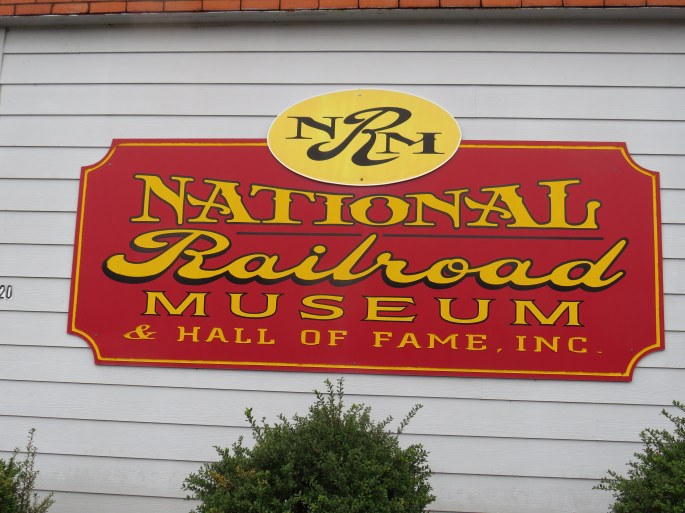
What is the National Railroad Museum and Hall of Fame? It is located in a small structure in the small town of Hamlet in the U.S. state of North Carolina.
Some of you are saying, “That is nice, but what is so special about the town of Hamlet, North Carolina?”
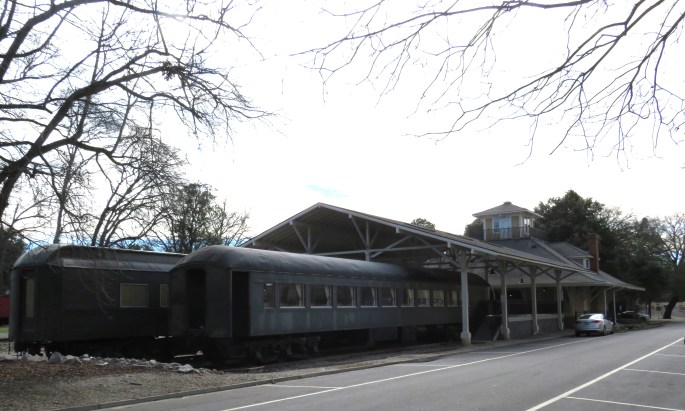
You may not have heard of the town of Hamlet, North Carolina, but it was the hub of the Seaboard Air Line Railroad. Today, those lines are owned by Chessie Seaboard Line (simply known as CSX), and they still pass through Hamlet today. The old train station, which is still an active train station with Amtrak serving the town is also a museum.
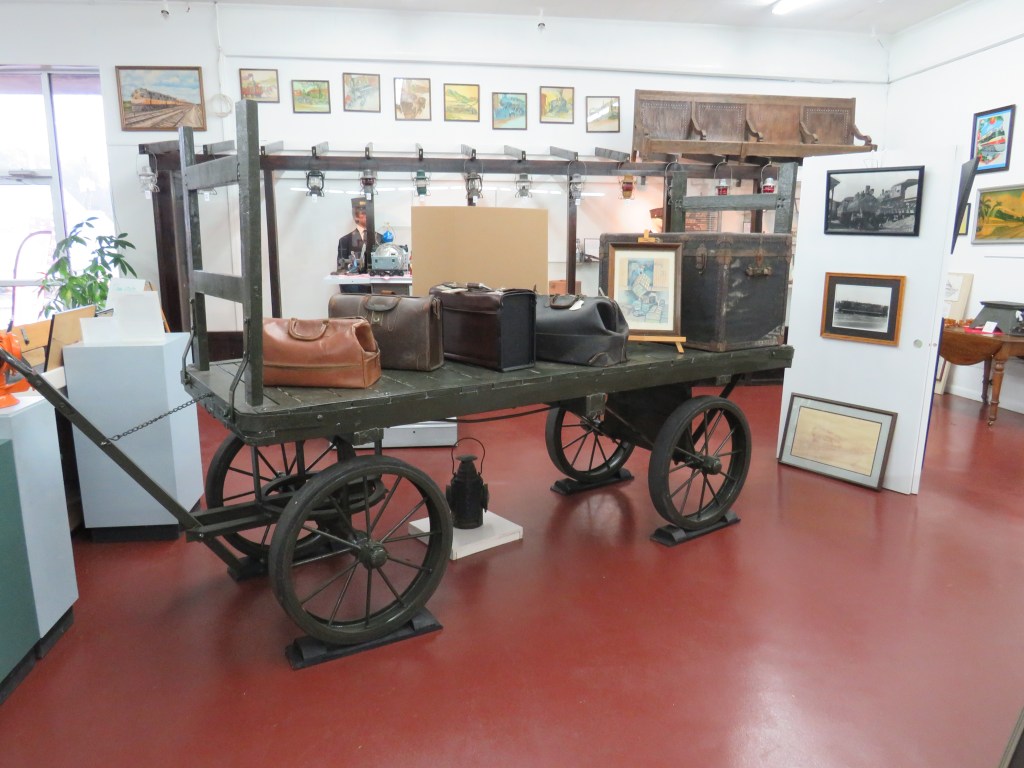
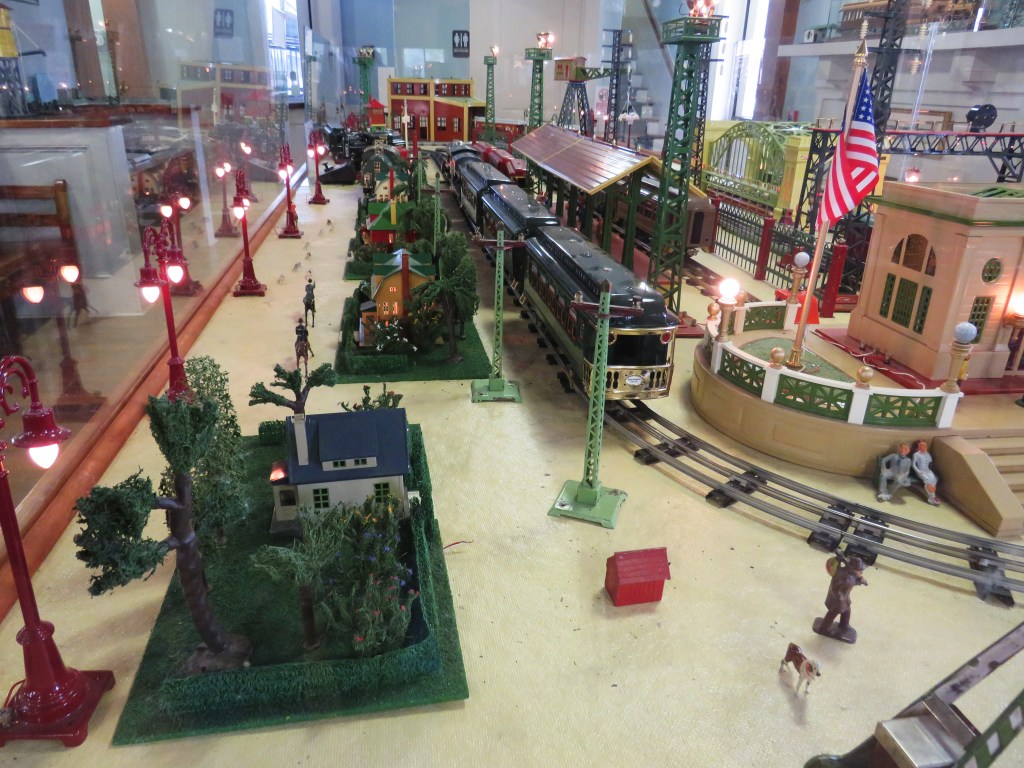
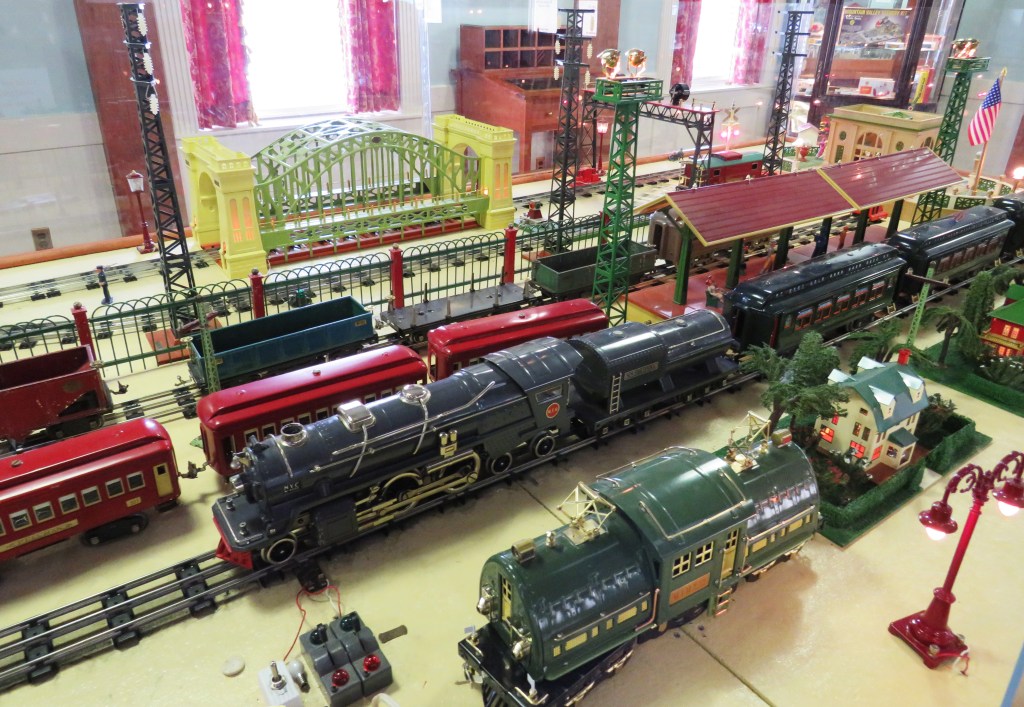
This is a good spot for the National Railroad Museum and Hall of Fame. The building is small on the outside, but there is so much on the inside. When you enter the museum, you will see different railroads on display. You see model trains. You see the tools they used, and you see replicas on the offices they sat in. You see everything about the railroad here.
The National Railroad Museum and Hall of Fame in located at 120 E. Spring Street (U.S. Business Route 74) in Hamlet, North Carolina. It is open Saturday and Sunday from 1:00pm to 4:00pm. Parking is on site, and with everything on one floor, it is completely wheelchair accessible. Admission is free, but they will gladly accept any donation you can give.
Now you have heard of the town of Hamlet, North Carolina. It is a small town built on the railroad, and the railroad is still alive here today. No, you will not see William Shakespeare, but you may see a passing train in a small town that was once a railroad hub.
The U.S. state of South Carolina is a state in the southeastern region of the nation that is sandwiched between North Carolina to the north, Georgia to the southwest, and the Atlantic Ocean to the southeast. The state is famous for its beaches and its beach towns of Charleston and Myrtle Beach. It was in this state where at Fort Sumter that the first shot of the American Civil War was fired. Along with its beaches, the state has many great small towns. Among these towns is the town of Aiken. I know. Aiken is not one of those famous towns that millions flock to every year, but it is a town that is worth visiting. Why? There is much history here to include the Battle of Aiken, an American Civil War battle where the Confederate army won the battle led by General Sherman while on his march south. What is another reason to visit? Let us say that the railroad played a role.
The town of Aiken, South Carolina was named after William Aiken. Who is William Aiken? He was the first president of the South Carolina Canal and Railroad Company. The town was erected at the western terminus of the railroad. During the railroad’s heyday, the town had a freight depot and a passenger depot.
Some of you are saying that it is all gone now. It is not.
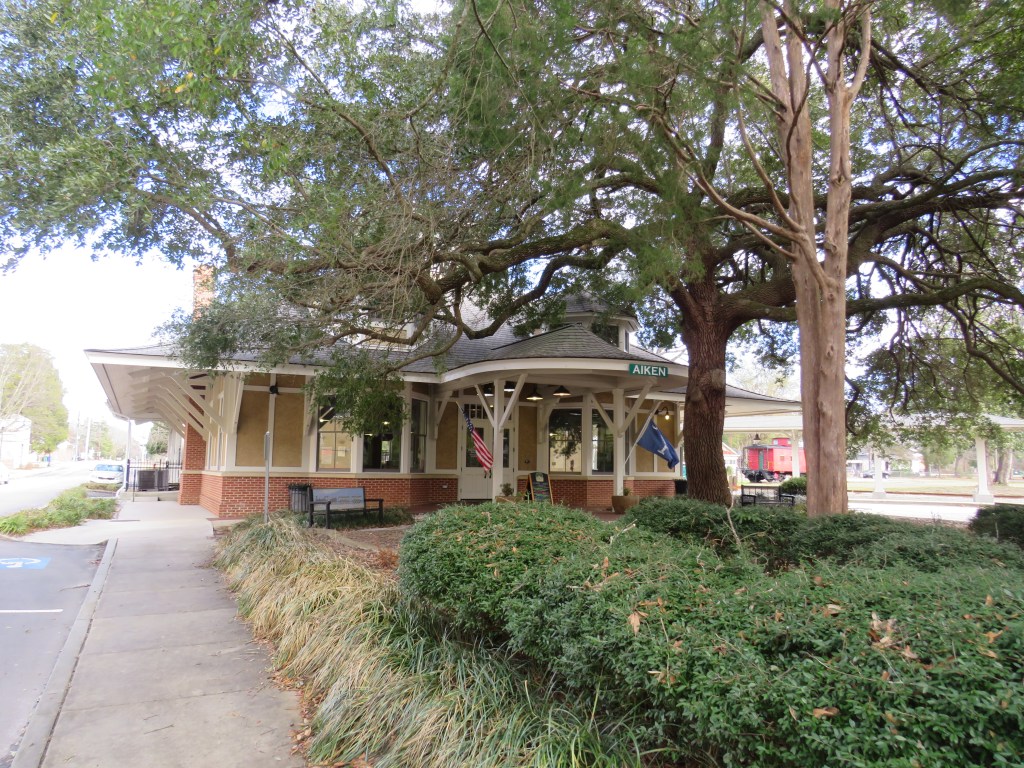
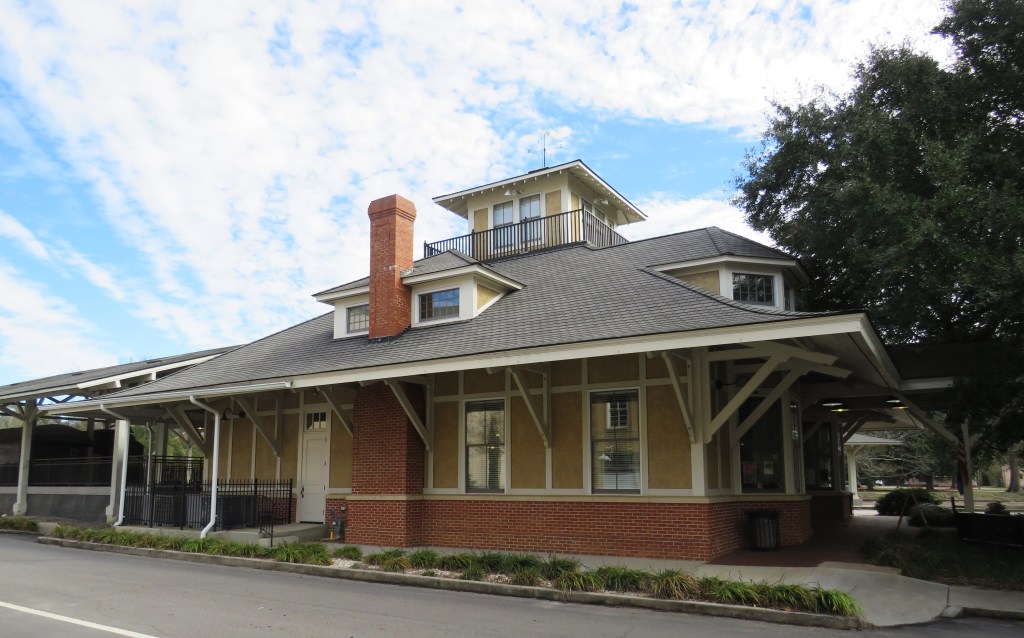
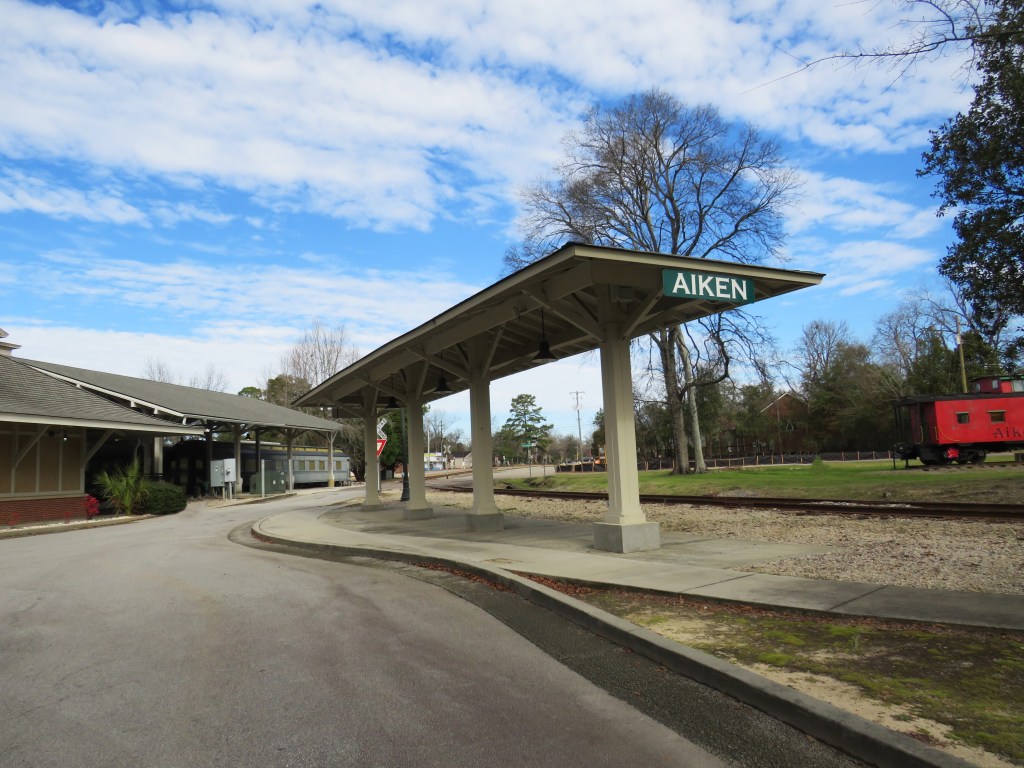
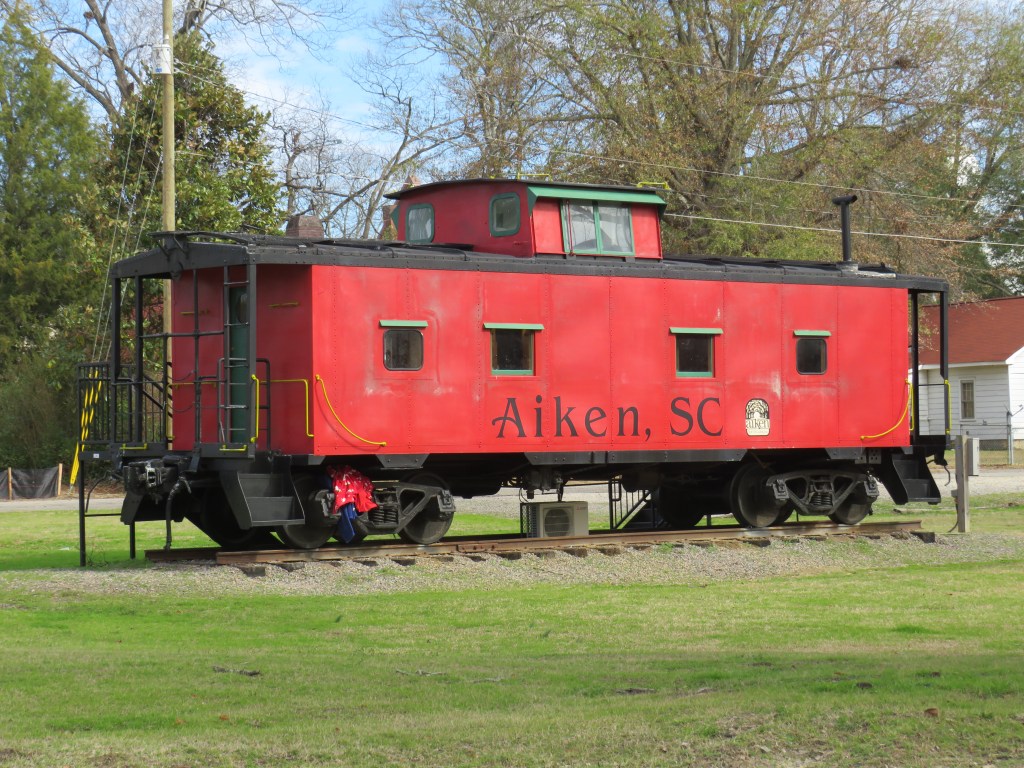
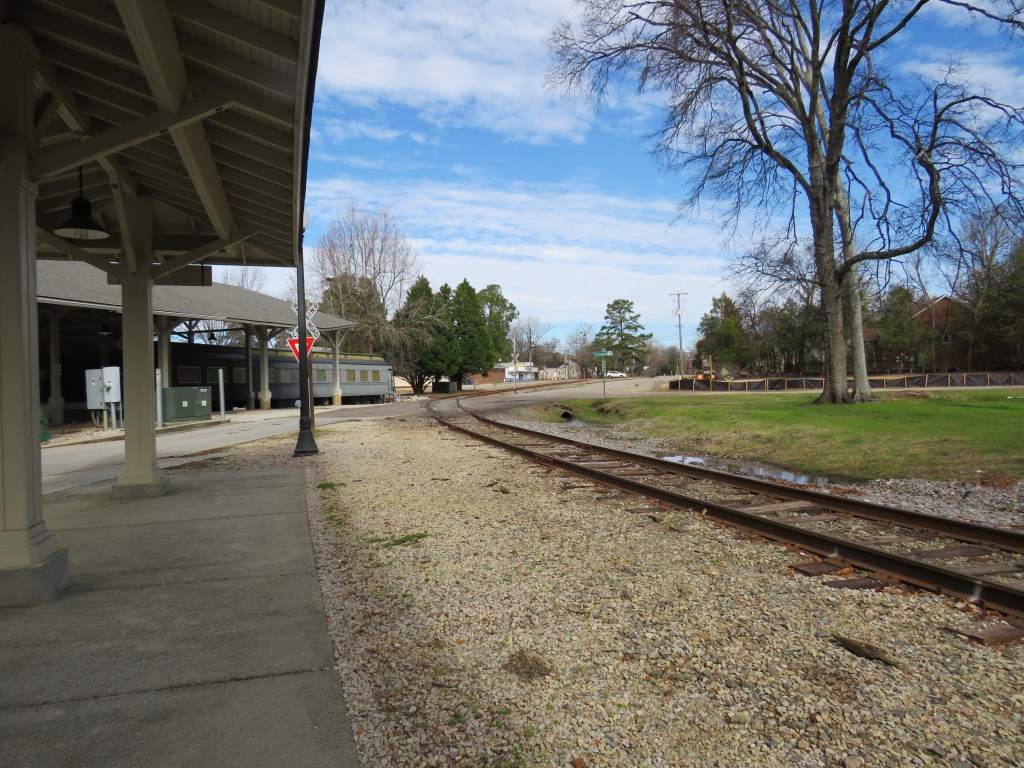
Welcome to the Aiken Visitor Center and Train Museum. What is special about the Aiken Visitor Center and Train Museum? It is housed in a rebuilt train station after the original 1899 train station after the original train station was demolished. Although trains no longer stop here, you may be fortunate enough to see a passing train.
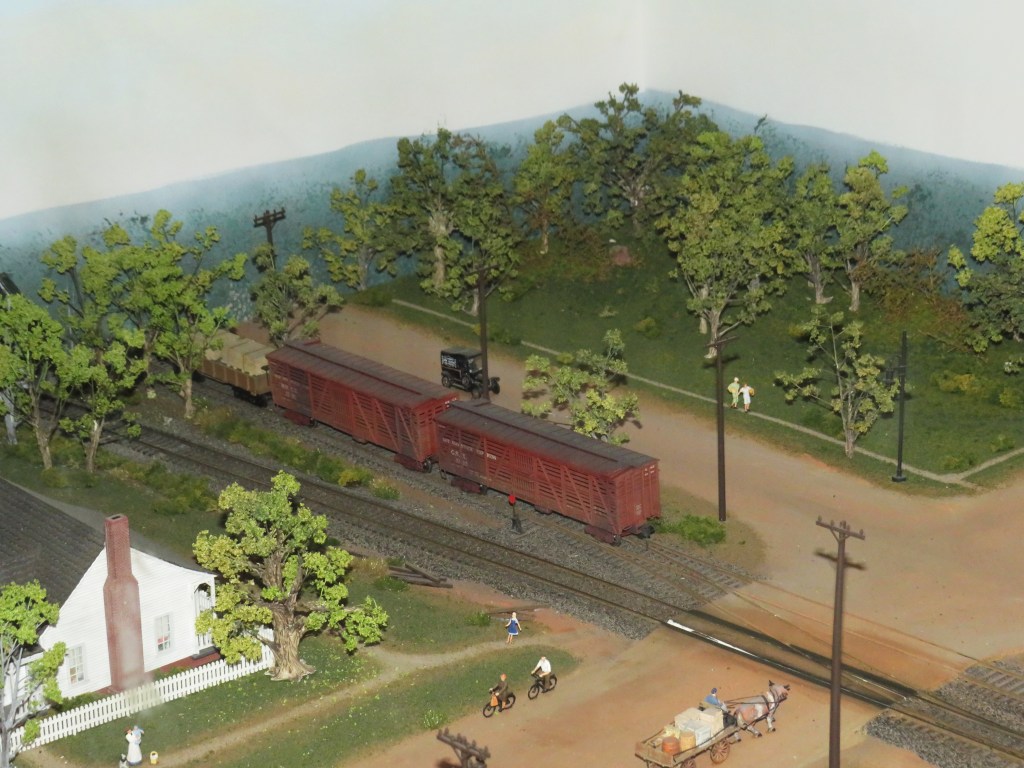
What is special about the Aiken Visitor Center and Train Museum? Well, of course, it is the town visitor center with information on the local activities in the town. Yes, many towns have their visitor center in an old train station, but it is a train museum. Yes, there are many train museums in old train stations. If you think it is just model trains, be advised that it is much more.
You will see model trains here, but you will also see much more.
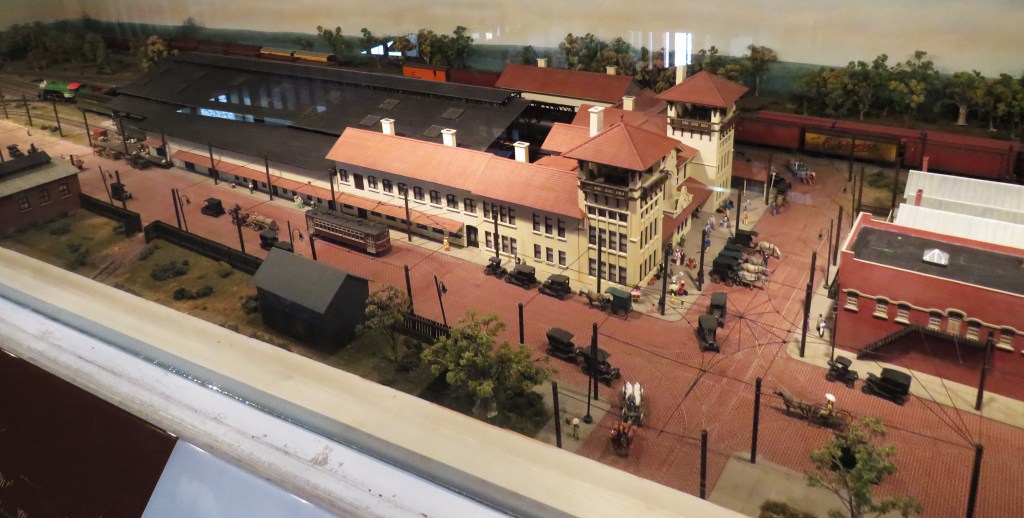
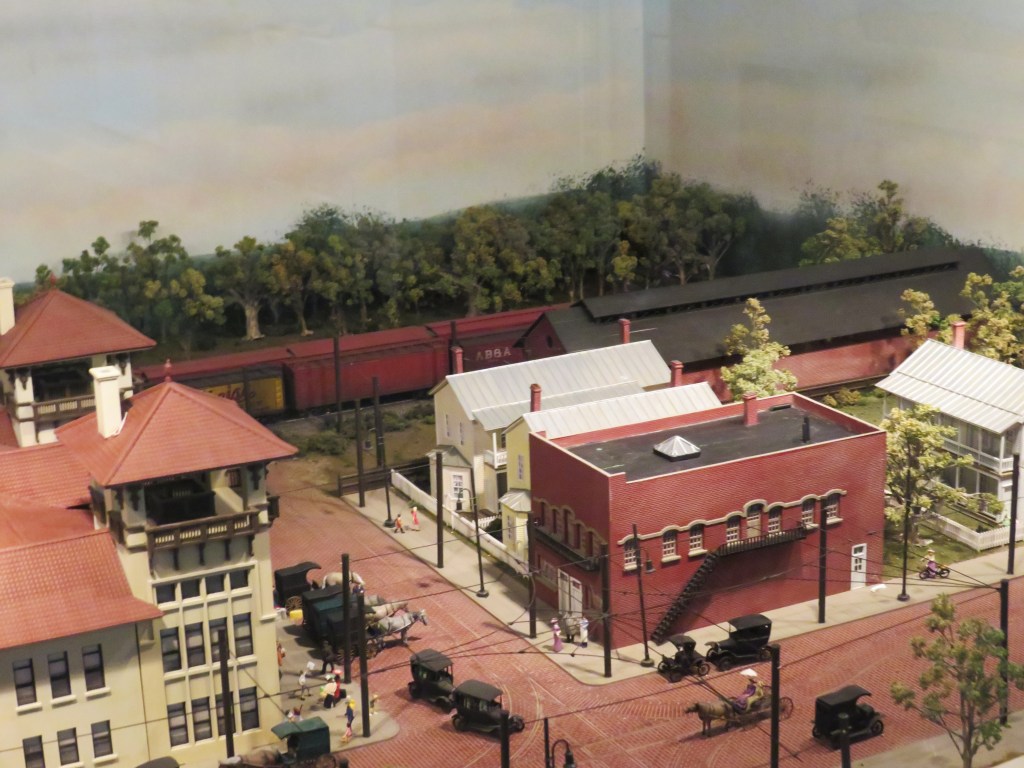
As mentioned, the town of Aiken was erected around the railroad. The railroad ran from North Augusta, South Carolina just west of Aiken on the border with the state of Georgia, through Aiken and ran east making its way to the port city of Charleston. The train museum displays each town along the railroad as they were in 1916. At one time, the railroad was the longest railroad in the world.
The original train station was built in 1899 by the Southern Railway. The town was a sporting town and a vacation town for wealthy families like the Vanderbilt’s, the Astor’s, and the Mellon’s. Be advised that you do not need wealth to visit the Aiken Visitor Center and Train Museum, but you will get a wealth of information during your visit here.
The Aiken Visitor Center and Train Museum is located at 406 Park Avenue SE in Aiken, South Carolina. It is open from 10:00am to 3:00pm from Thursday to Saturday. Parking is street parking, and there is plenty of it. Admission is free, and the museum is wheelchair accessible. You can learn more about the visitor center and museum and about the town itself at https://www.visitaikensc.com/whattodo/detail/aiken_railroad_depot.
There are many reasons to visit Aiken, South Carolina. The Aiken Visitor Center and Train Museum is one of them. You do not need lots of wealth to visit.
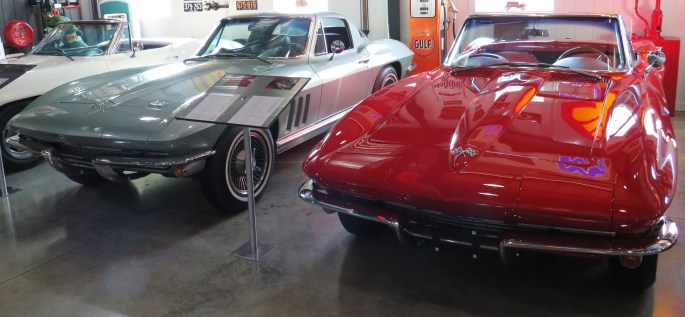
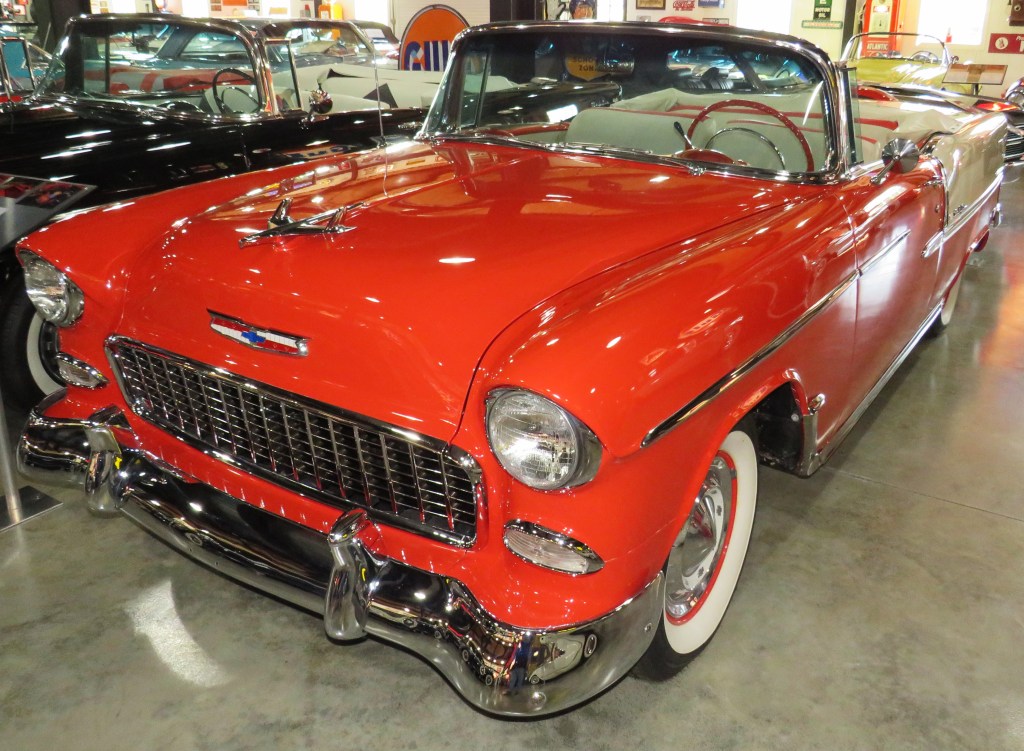
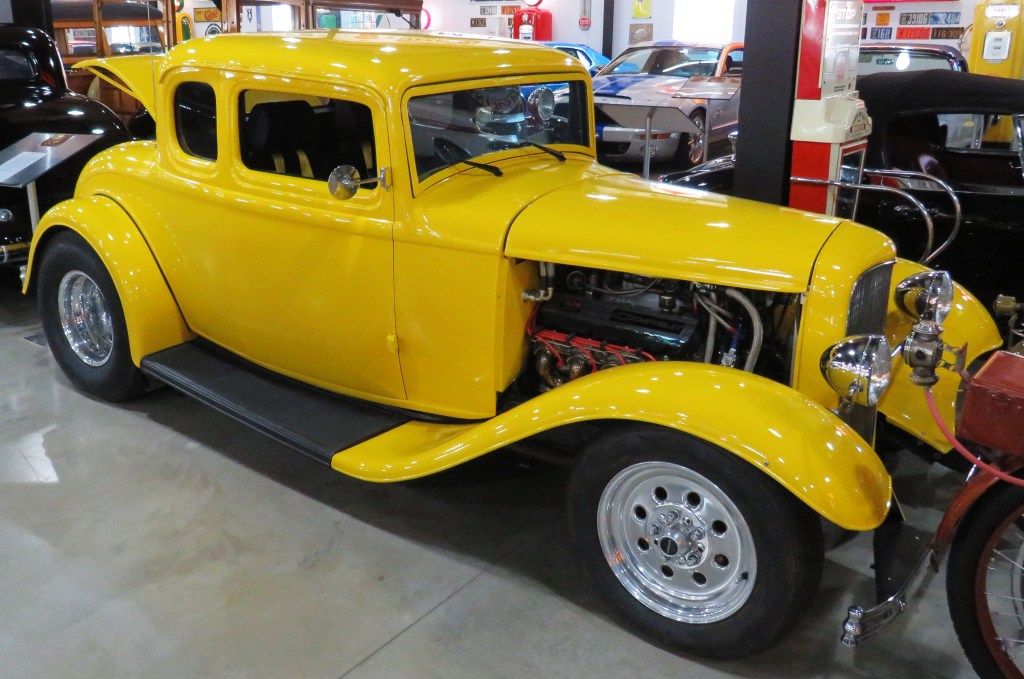
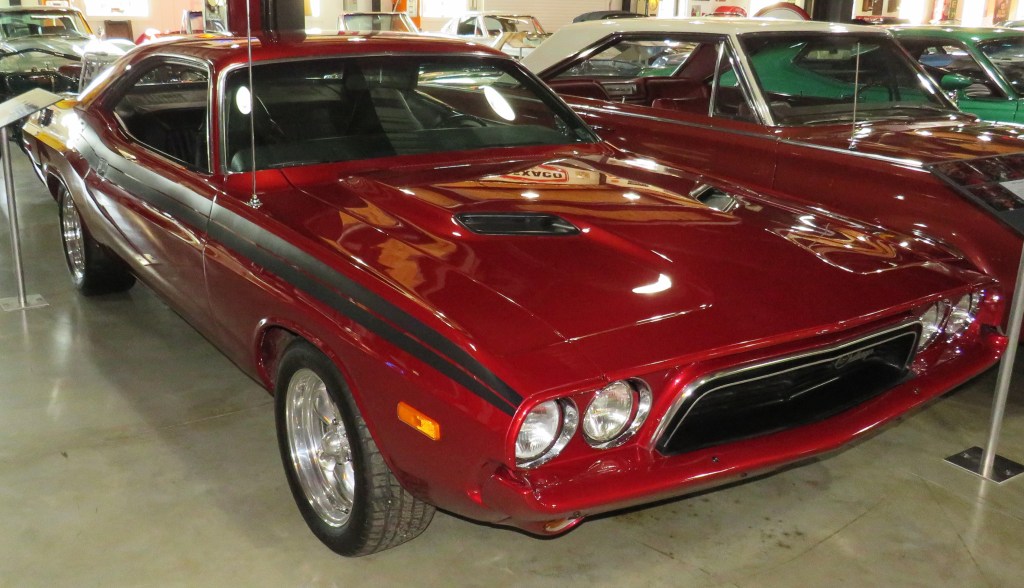
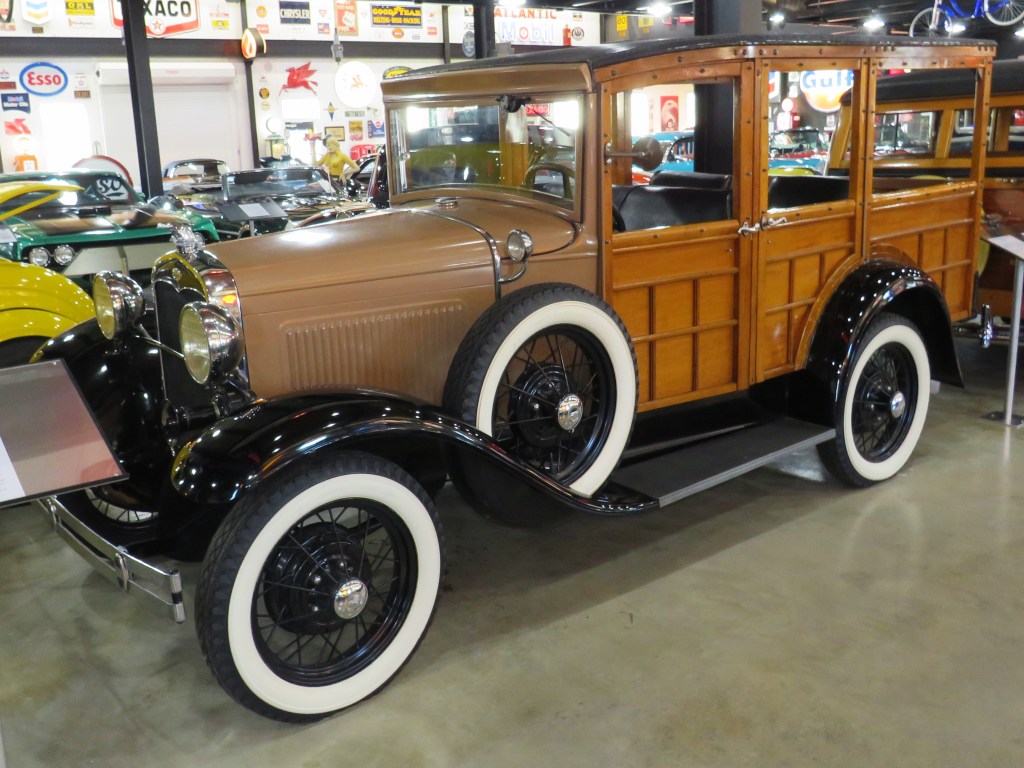
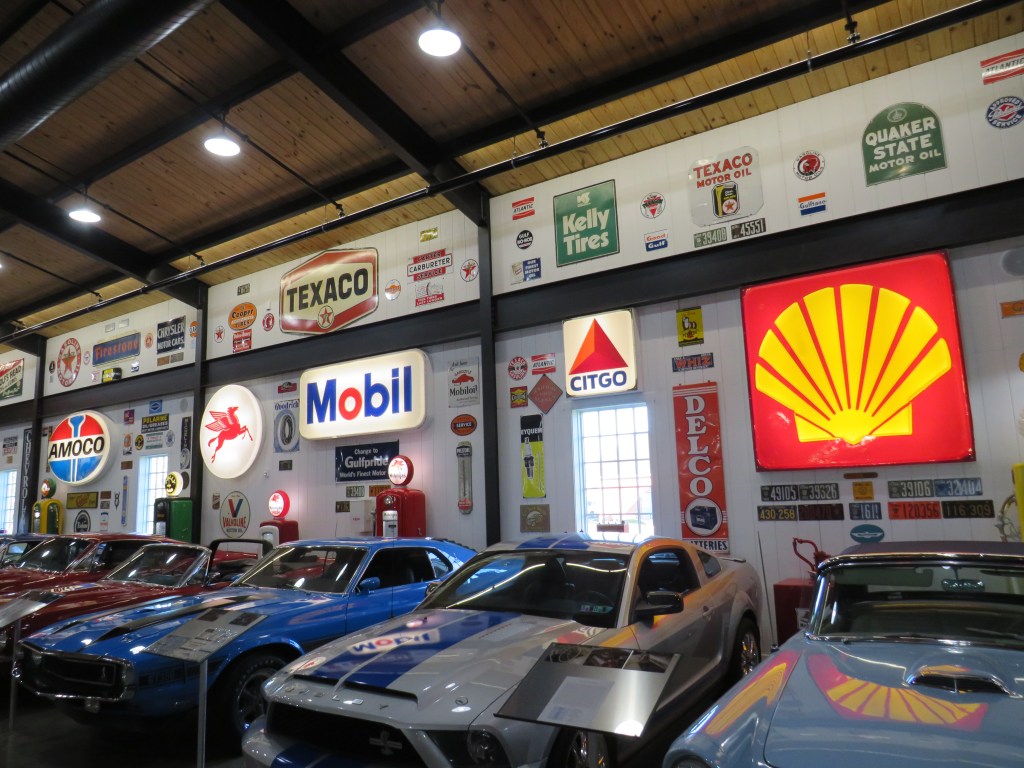
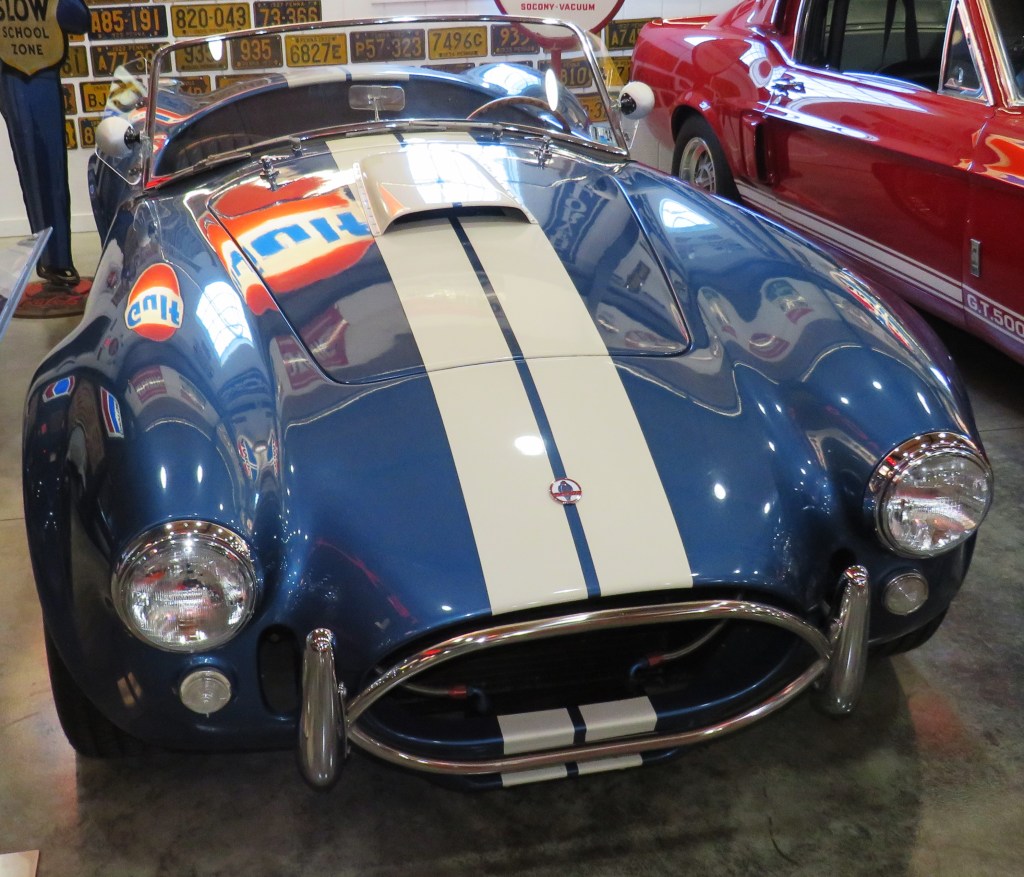
The city of Lancaster in the U.S. state of Pennsylvania is famous for being Amish country with the horse and buggy running on the main highways and streets. The town of Intercourse is a suburb of Lancaster, and it is here where you will find Barry’s Car Barn. What is Barry’s Car Barn? As you arrive, you may find yourself in a different time. You see the old gas pumps from years past. When you go inside, you see rows and rows of the muscle car from the 1950’s to the 1970’s. From the Chevrolet Corvette to the Camaro to the Ford Mustang, you see them all under one roof. Barry’s Car Barn will take you back, and if you were not born in the 1950’s, 1960’s or 1970’s, you will find yourself in a time when you saw muscle cars on the streets of the United States of America.
Some of you are saying, “Oh, I enjoy those old classic cars. It was very cool to see them cars on the streets. However, there is one big problem. This is a car museum, not a railroad museum. Therefore, I will not be roaring into this place.”
Yes, it is not a railroad museum. It is a car museum that is about cars, and their focus is on cars. So what is special about Barry’s Car Barn?
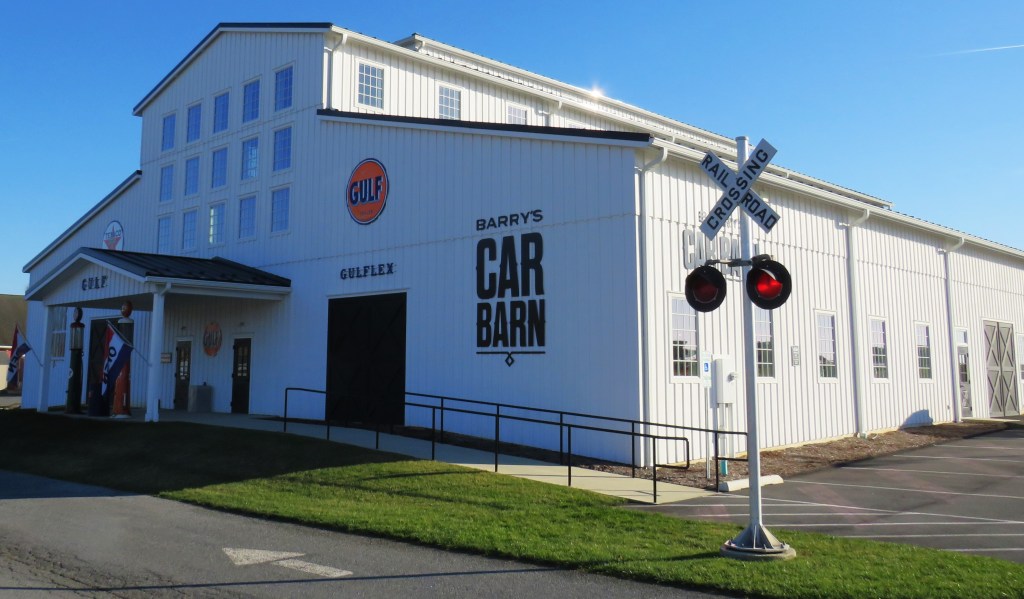
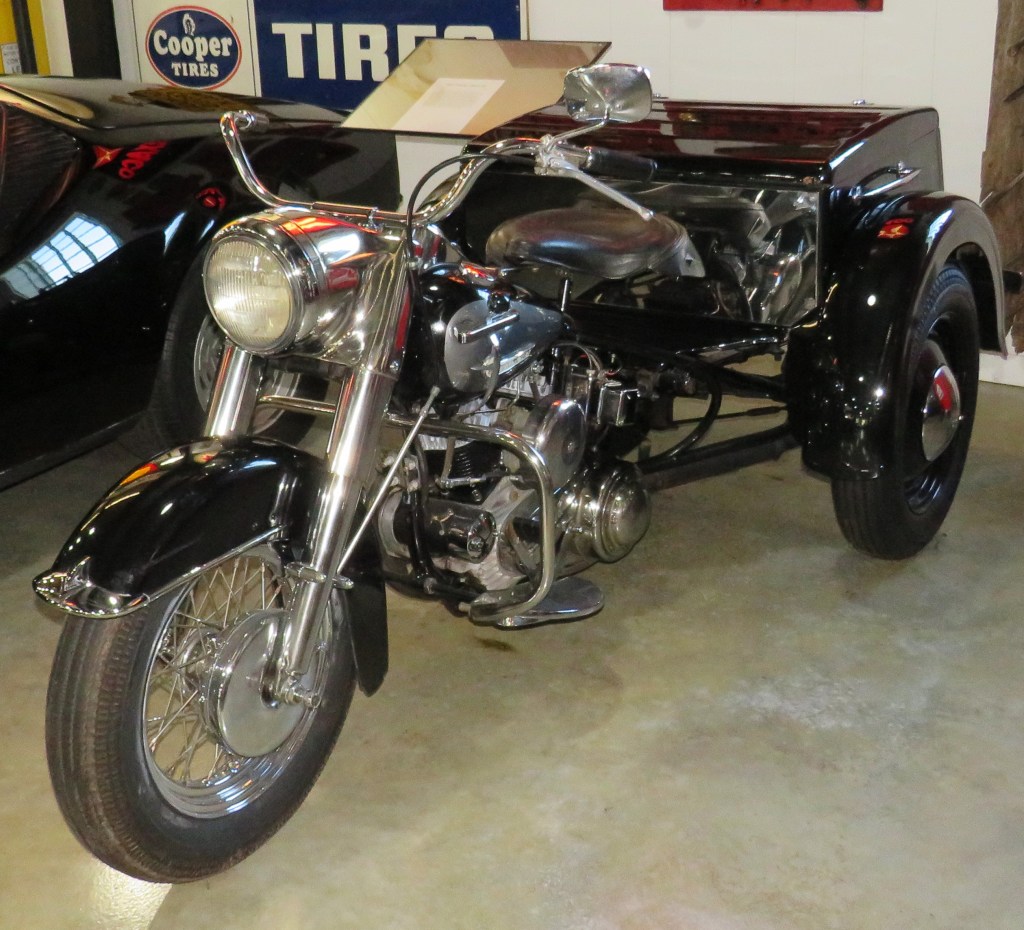
As you arrive at the museum, you see the building that housing museum. You see old gas pumps. You enter into the gift shop, and then you enter into the main hall where you see rows and rows of old classic cars. On the walls, you see advertising from the old gas stations and repair shops. You see classic motorcycles.
Some of you are saying, “Well, duh! That is what you are supposed to see at this museum.”
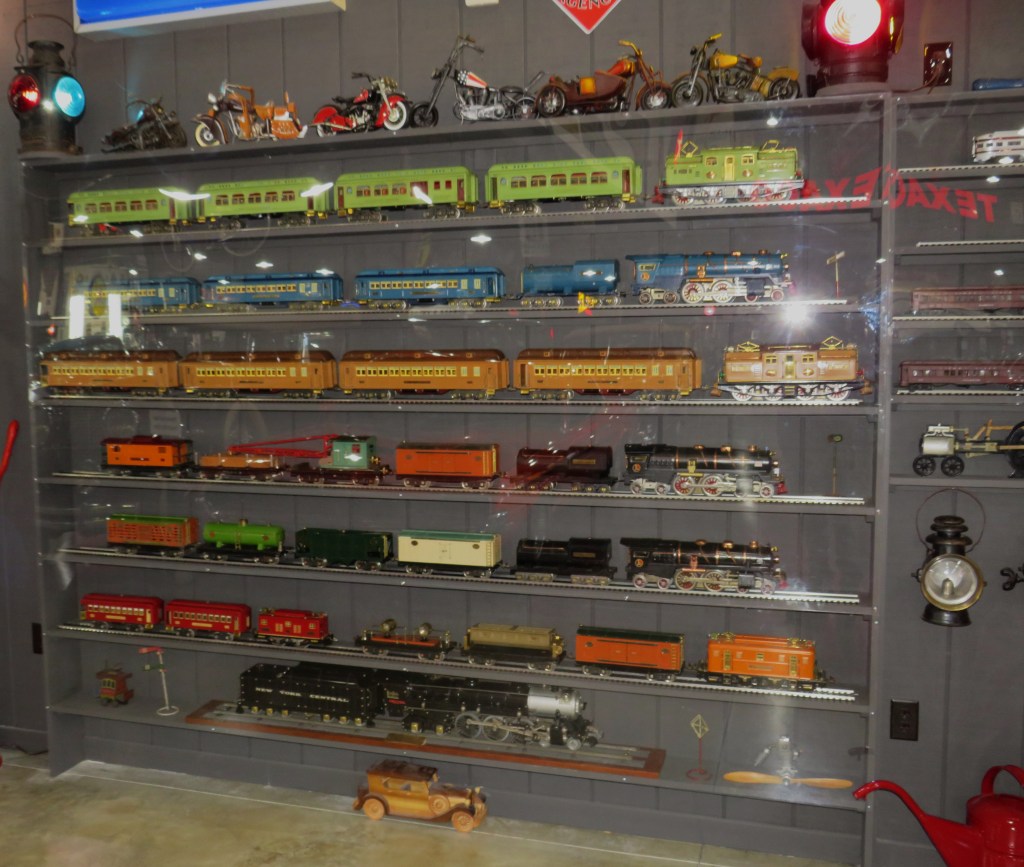
That is true, but would you expect to see a display of Lionel Trains?
Some of you just fell out of your seat.
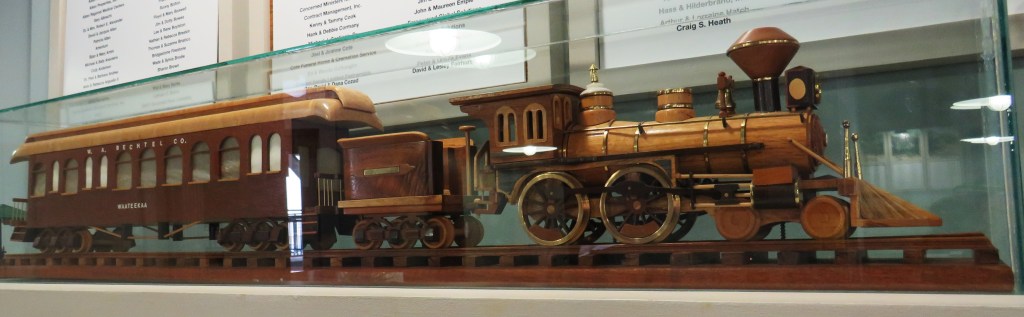
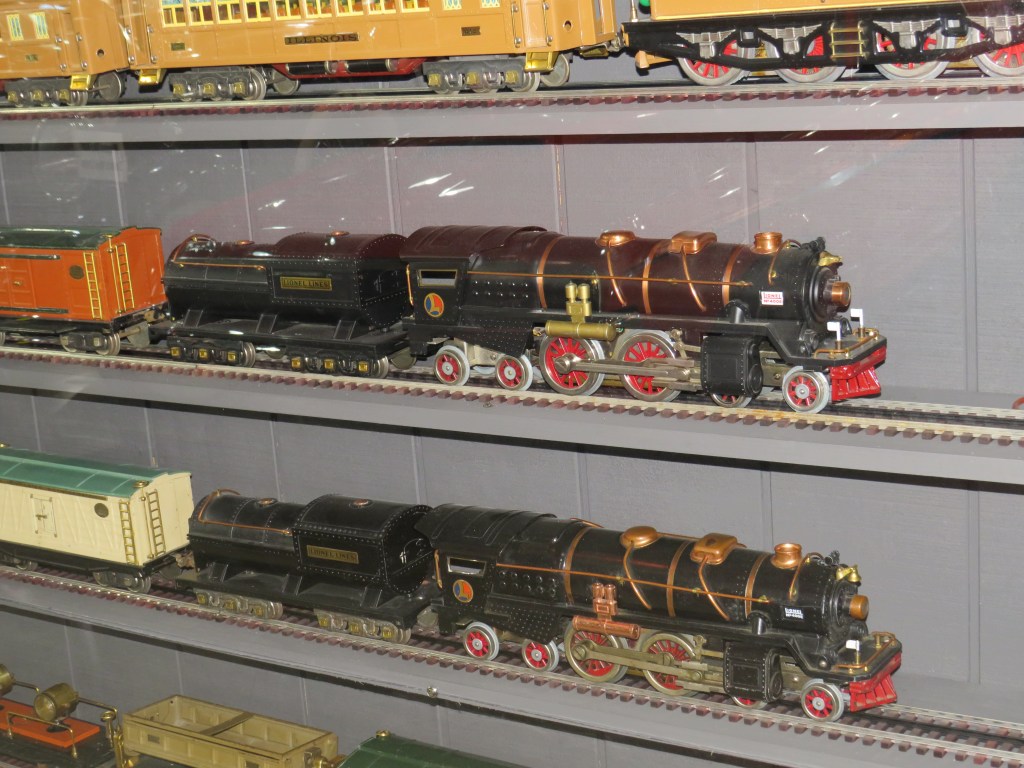
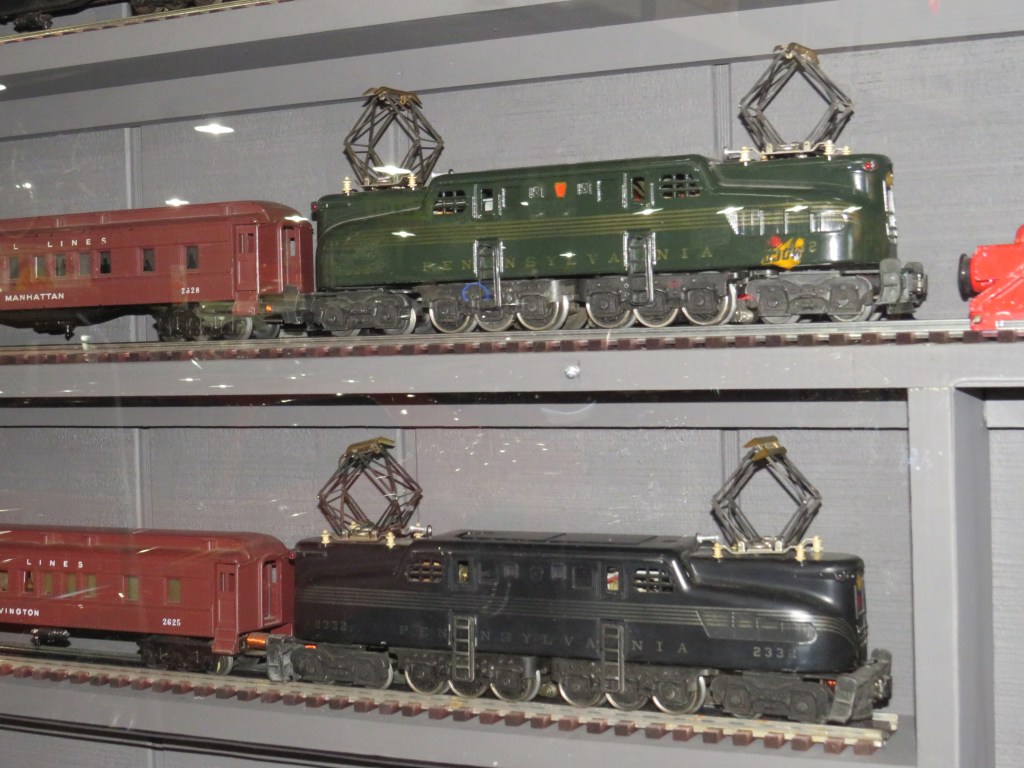
There is a display of the old Lionel Trains encased in glass. You see the old classic locomotives from the steam locomotives to the diesel locomotives to the electric locomotives used on the Pennsylvania Railroad. You have the classic passenger cars to box cars. They are all on a wall for you to see.
Barry’s Car Barn is located at 3504 Old Philadelphia Pike (Pennsylvania Route 340) in Intercourse, Pennsylvania. It is open Tuesday to Thursday from 9:00am to 4:00pm and Friday and Saturday from 9:00am to 4:30pm. Parking is on site, and the entire museum is wheelchair accessible. You can get more information about admission at https://www.barryscarbarn.com/.
Next time you are in Lancaster, Pennsylvania, make your way to Intercourse and to Barry’s Car Barn. It is more than just cars.
Labor Day was a day established by Congress to give a day off for the American worker, and it was established to be on the first Monday in September. Many Americans will have this day off, but many will be working on this day. Among those will be those who work on the railroad. For those who are traveling by train, think of those who make your trip possible. Without them, nobody would be going anywhere. You have those who drive the trains to those who work on the tracks to those who man the communications to those who are in your car making sure you are well taken care of.
There is not one worker on the railroad who does their labor in vain. If one component is missing, the trains cannot run. If the trains cannot run, passengers and freight does not move. It takes the labors of many workers to move just one train.
The next time you ride a train or just see a train go by take the time to remember the many workers who made the movement of the train possible. May this Labor Day honor all those who keep the trains moving on the rails.
The Cover Photo is from the Wilmington and Western Railroad in Hockessin, Delaware, U.S.A.
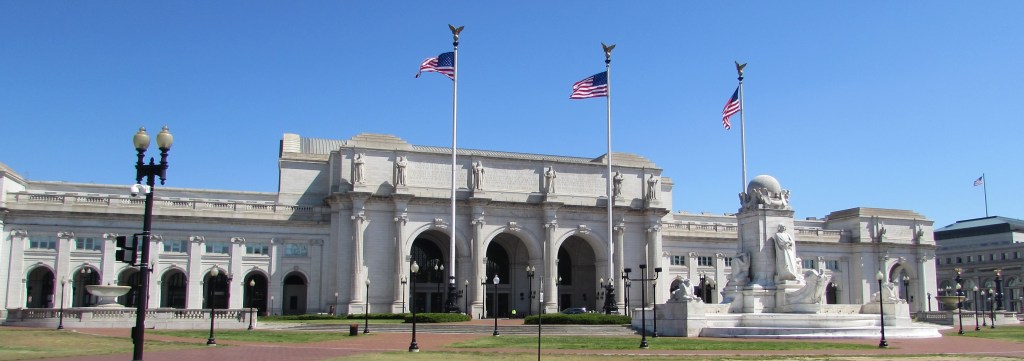
The First Photo is of Union Station in Washington D.C.
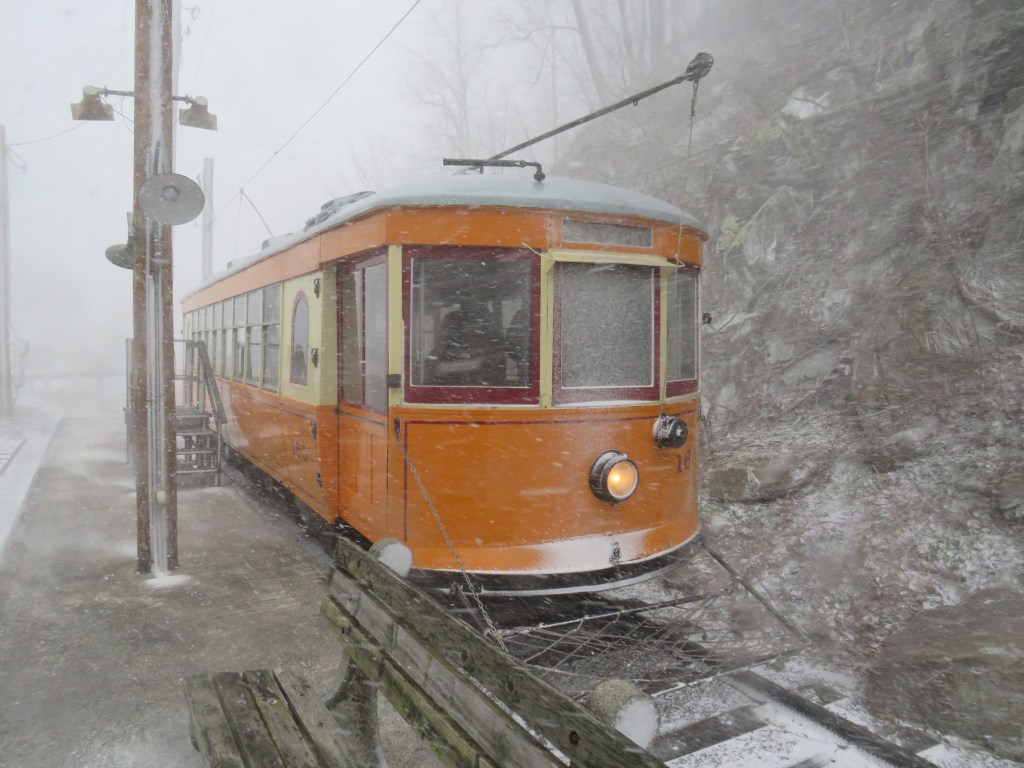
The Second Photo is a trolley at the Rockhill Trolley Museum in Rockhill, Pennsylvania, U.S.A.
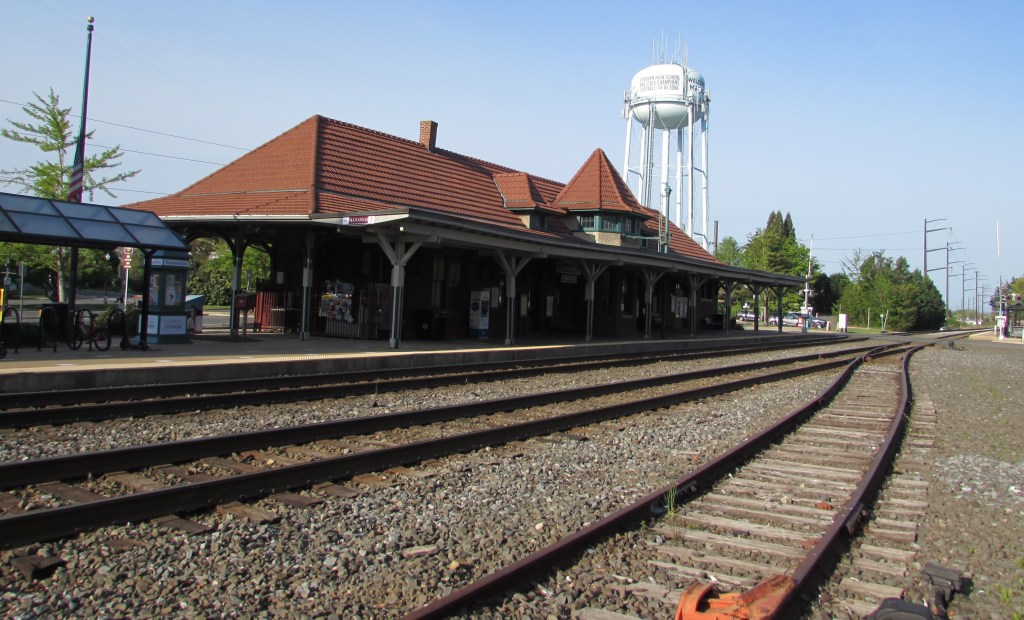
The Third Photo is the Train Station in Manassas, Virginia, U.S.A.
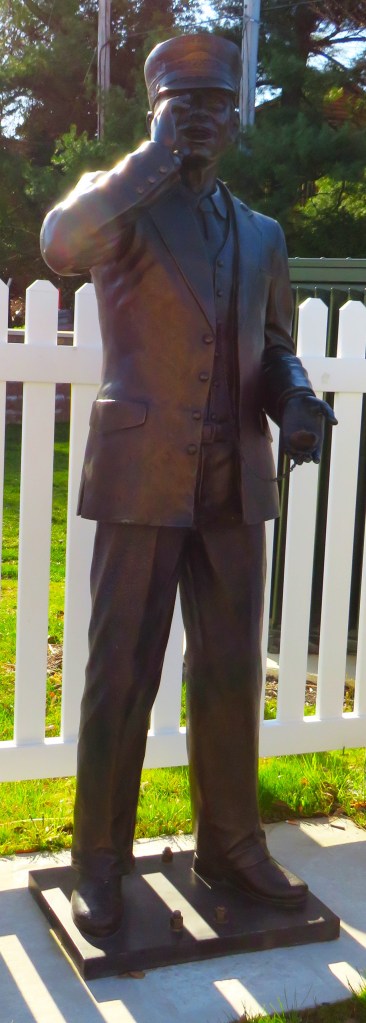
The Fourth photo is a Statue of a Conductor at the Chesapeake Beach Railway Museum in Chesapeake Beach Maryland, U.S.A.
The Last Photo is from the Potomac Eagle Scenic Railroad in Petersburg, West Virginia, U.S.A.
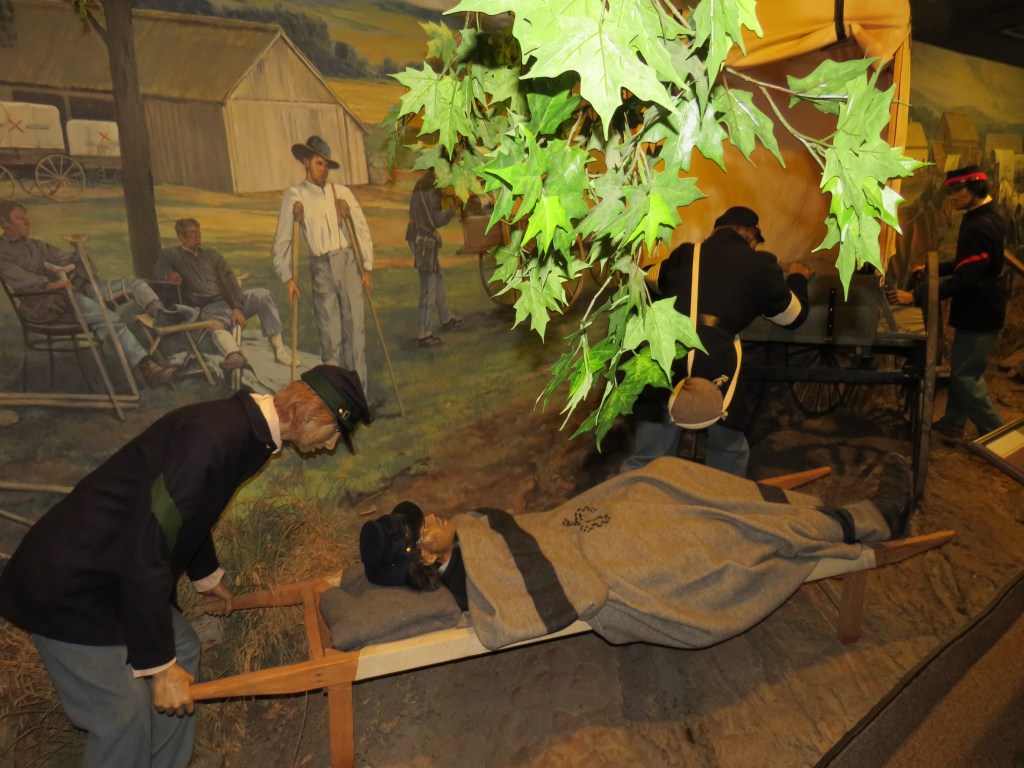
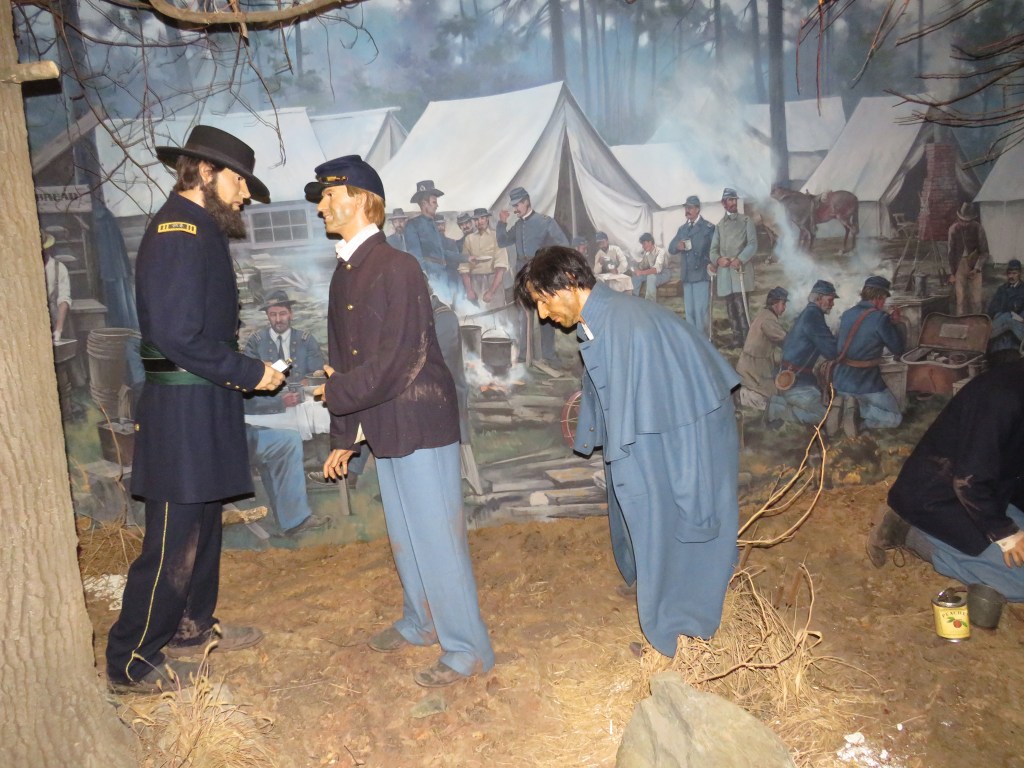
The city of Frederick in the U.S. state of Maryland is a town that many people do not hear about. A suburb of Washington D.C., this town is rich with history. The town is on the National Road, and it played a role in the American Civil War with the Battle of the Monocacy River which took place south of the town, and it was a critical war in protecting the Nation’s Capital, and it was a major crossroads to the battles of Gettysburg, South Mountain, and Antietam. As for the city itself, the city of full of historic sites to include the Barbara Fritchie House (not open to the public), Rose Hill Manor, and Schifferstadt. Then you have the museums. Among them is the National Museum of Civil War Medicine. Here, you will get a glimpse of how soldiers during the American Civil War were cared for. The museum is truly a must see whenever you are visiting the city of Frederick, Maryland.
Some of you are saying, “Interesting. They have a museum totally dedicated the Civil War medicine. However, this museum has nothing to do with the railroad. Therefore, I will not make it my duty to visit this place.”
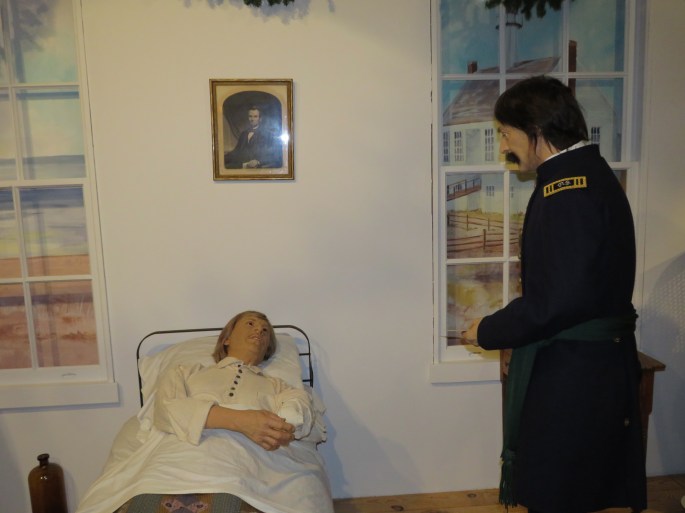
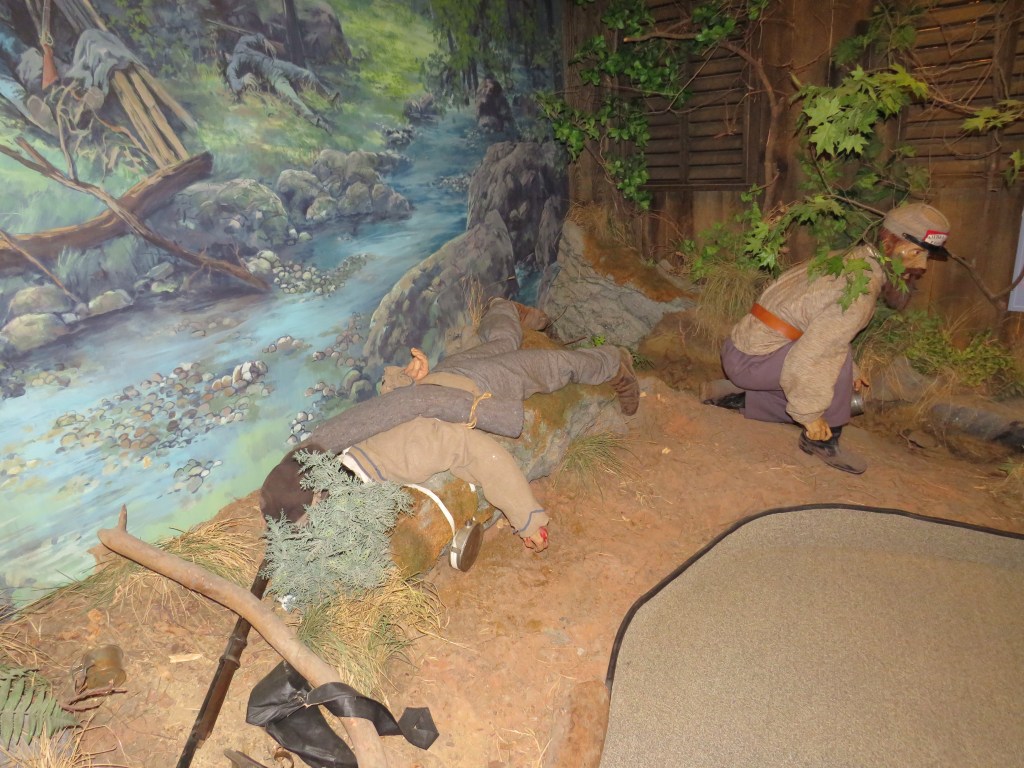
Yes. The museum is dedicated to medical procedures done during the American Civil War. As you walk through the museum, you will see how the soldiers were cared for. You see displays of the physicians working on the soldiers bandaging the wounds. You see wounded soldiers being transported by stretcher onto a cart. You come upon a particular exhibit. What is this exhibit?
As some soldiers were treated on the battlefield or in makeshift hospitals, some needed extra care. They had to be transported to larger hospitals in the big cities. After the Battle of Wilson Creek in Missouri in 1863, the Philadelphia Railroad Company built hospital cars to transport the wounded from the battlefields to the big hospitals in the cities. The cars were designed to where the wounded were brought onto the train and hung by ring from poles on the train.
As you walk through the National Museum of Civil War Medicine, you will not see any model train displays or a railroad car. You will walk down a hallway with murals of the wounded soldiers on the stretchers on the walls on each side. It gives you the feeling of being in a hospital car with the sounds enhancing the feeling.
The National Museum of Civil War Medicine tells the story of many of the wounded soldiers and the men and women who cared for them. Please note that some of the displays show soldiers bleeding and with amputations and may be disturbing.
The National Museum of Civil War Medicine is located at 48 East Patrick Street in Frederick, Maryland. It is open from Monday to Saturday from 10:00am to 5:00pm and on Sunday from 11:00am to 5:00pm. Admission is required to enter the museum. The museum does not have its own parking. Parking is either street parking or at one of the nearby parking garages. The museum is wheelchair accessible. You can get more information about admission and on their upcoming events at https://www.civilwarmed.org/.
The National Museum of Civil War Medicine is about the medical history of the American Civil War. It tells the story of those wounded in battle and those who cared for them.
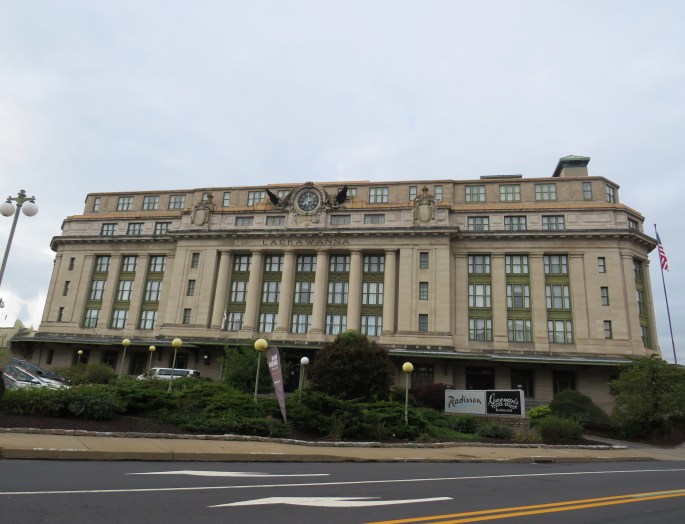
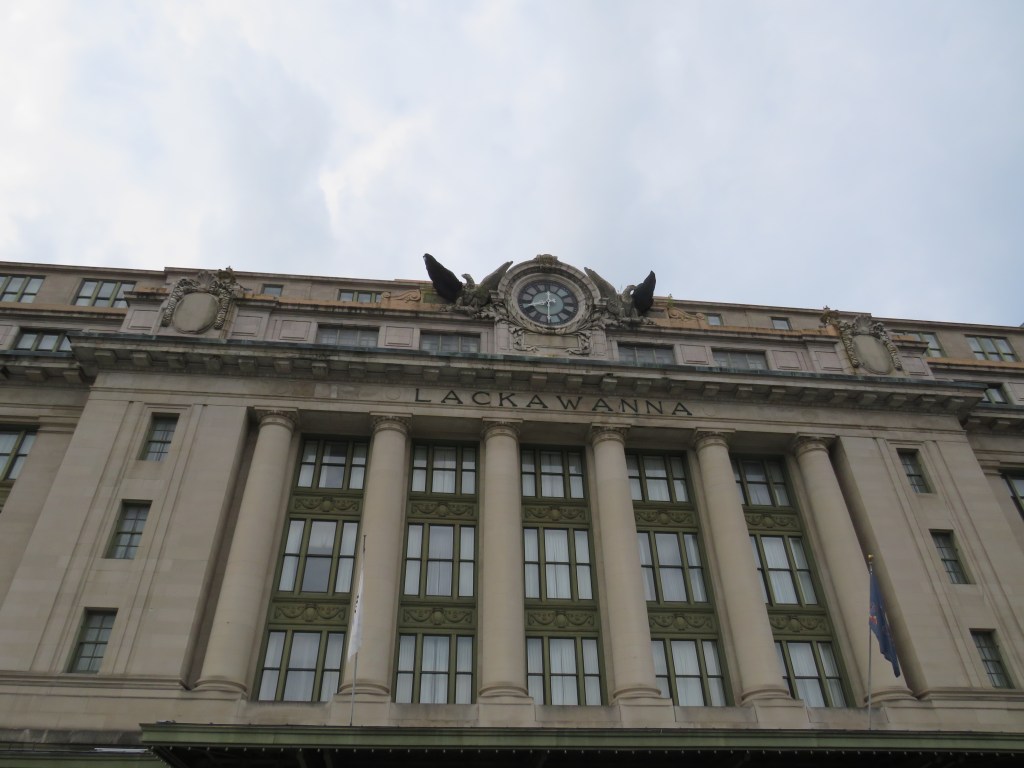
Located in the heart of the city of Scranton in the U.S. state of Pennsylvania, you will find the Radisson Hotel. It is a place where you can spend a luxurious night.
Some of you are thinking that there are many hotels in Scranton, and you are saying that Radisson is in the hotel business and not the railroad business. That is true, but this particular hotel did not start that way.
As you drive into the parking lot and walk to the entrance, you see ‘Lackawanna’ on the front, and you are wondering why it is there. You think that it was the name of a railroad. This Radisson Hotel was once the Lackawanna Railroad Station. If you look on the backside, you will see the overhangs that passengers stood under as they waited for the trains to come. Although the trains still come, they no longer stop for passengers. This station now serves as a different kind of station… for those who want to spend the night. The Radisson Hotel is located at 700 Lackawanna Avenue.
So, there you have it. You can now spend a night at a place where people once spent their time boarding a train.
From 1908 to 1935, the Washington, Baltimore, and Annapolis Railroad operated in the northeastern suburbs of Washington D.C. connecting the suburbs of Glenn Dale and Bowie to the cities of Washington, Baltimore, and Annapolis. The heyday of the railroad was during World War I. The Bowie Race Track also brought many riders as they went to the watch horse races. Sadly, like many short line railroads of the day, went in decline. The Washington, Baltimore, and Annapolis Railroad was no more. The rails were taken up after the service ceased.
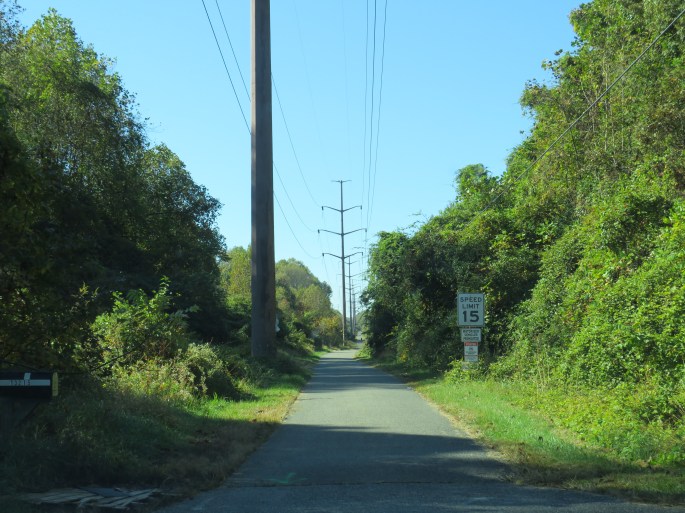
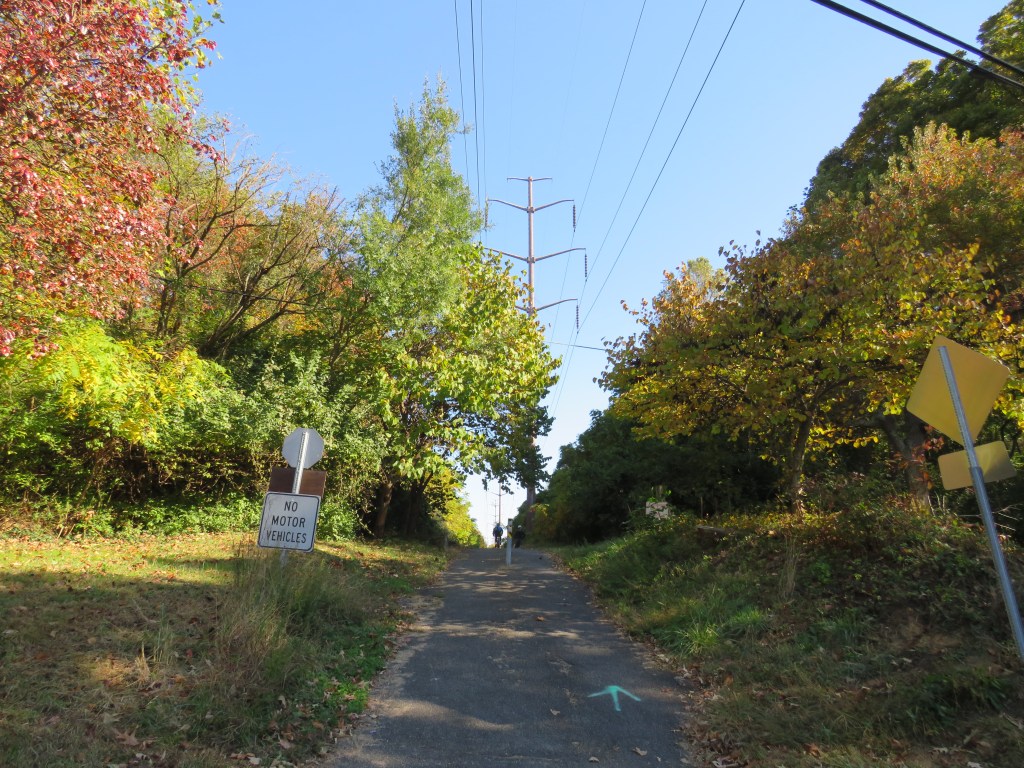
If you drive through the suburb of Glenn Dale in the U.S. state of Maryland, the only trains you will see will be on the old Pennsylvania Railroad line which is now part of the Amtrak Northeast Corridor and the railroad line the runs into the southern region of the state to ports on the Potomac River. As for the Washington, Baltimore, and Annapolis Railroad, the only thing that remains is the old railroad bed of which a section of has been made into the WB&A Trail, or the Washington, Baltimore, and Annapolis Railroad Trail.
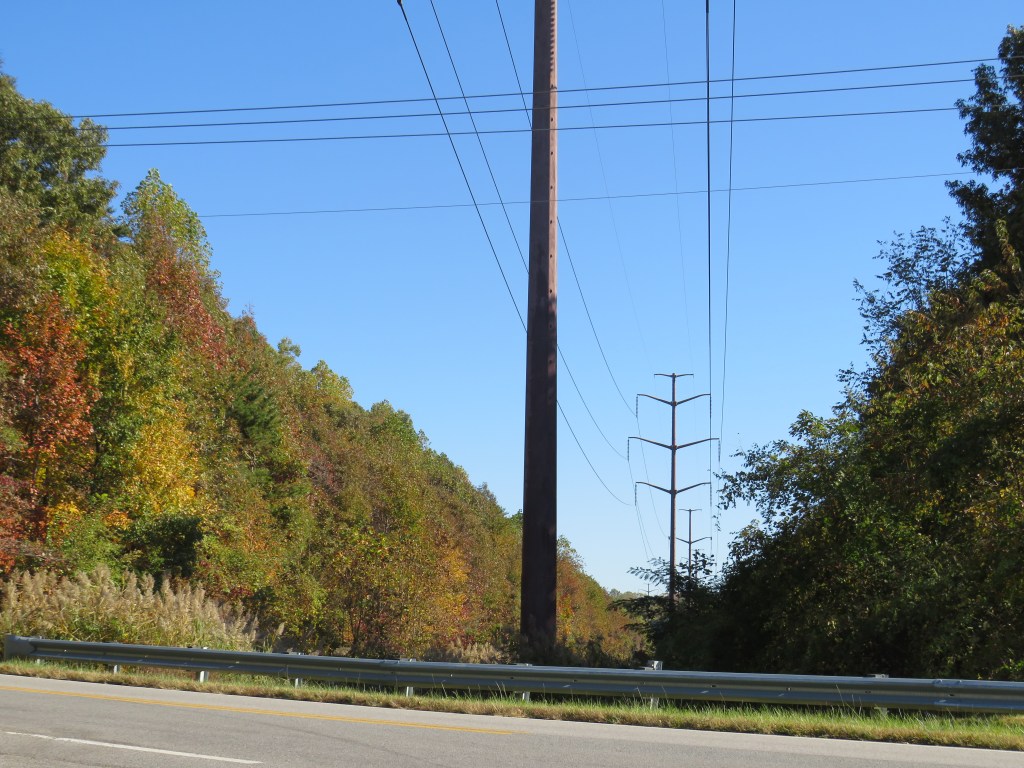
The WB&A Trail runs from a site near the old Glenn Dale Hospital (currently in ruins) off of Maryland Route 953 to the Bowie Race Track (also in ruins) on Race Track Road between Maryland Route 450 and Maryland Route 197. The original power lines still run alongside the trail. As you ride along, you can see where the railway connected the locals to the big cities. You can get a glimpse of what the passengers saw as they rode the train as very little of the scenery has changed since the demise of the railroad.
Some of you are saying, “Well, duh, it is a museum about the Dorflinger Factory.”
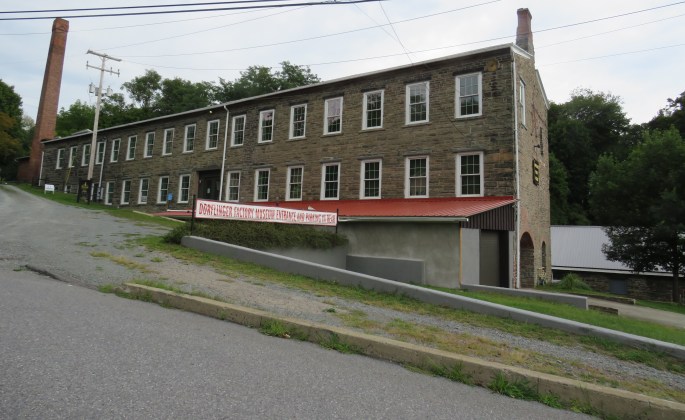
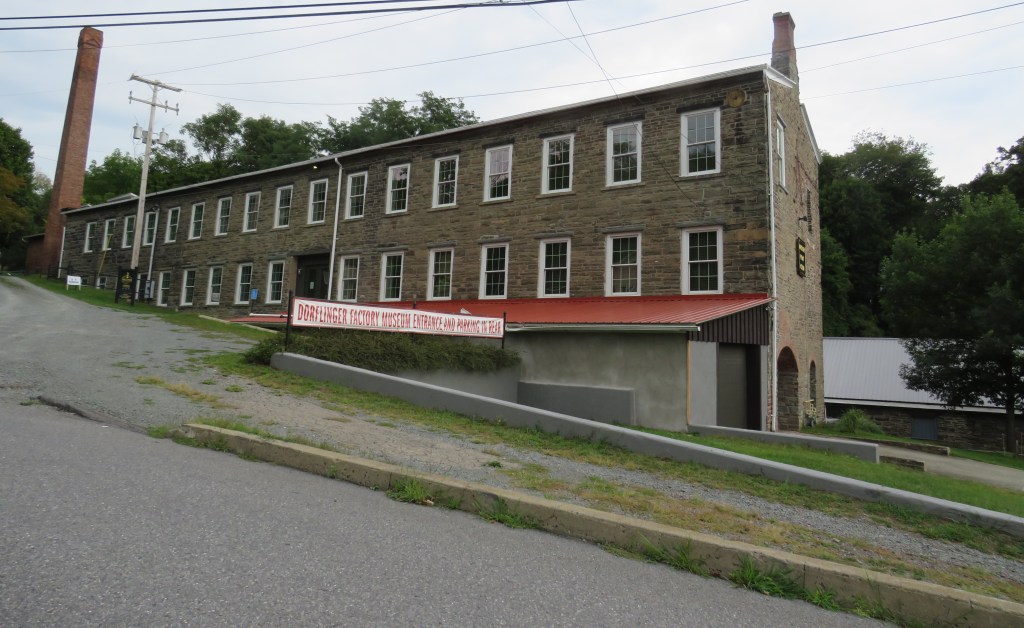
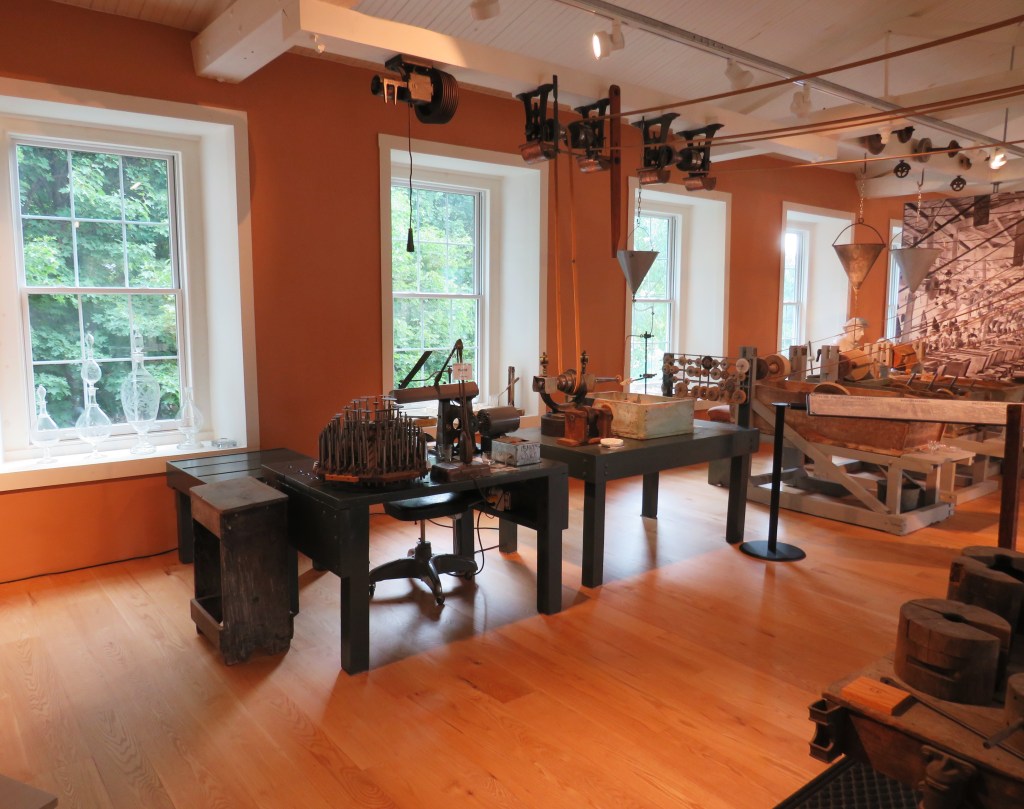
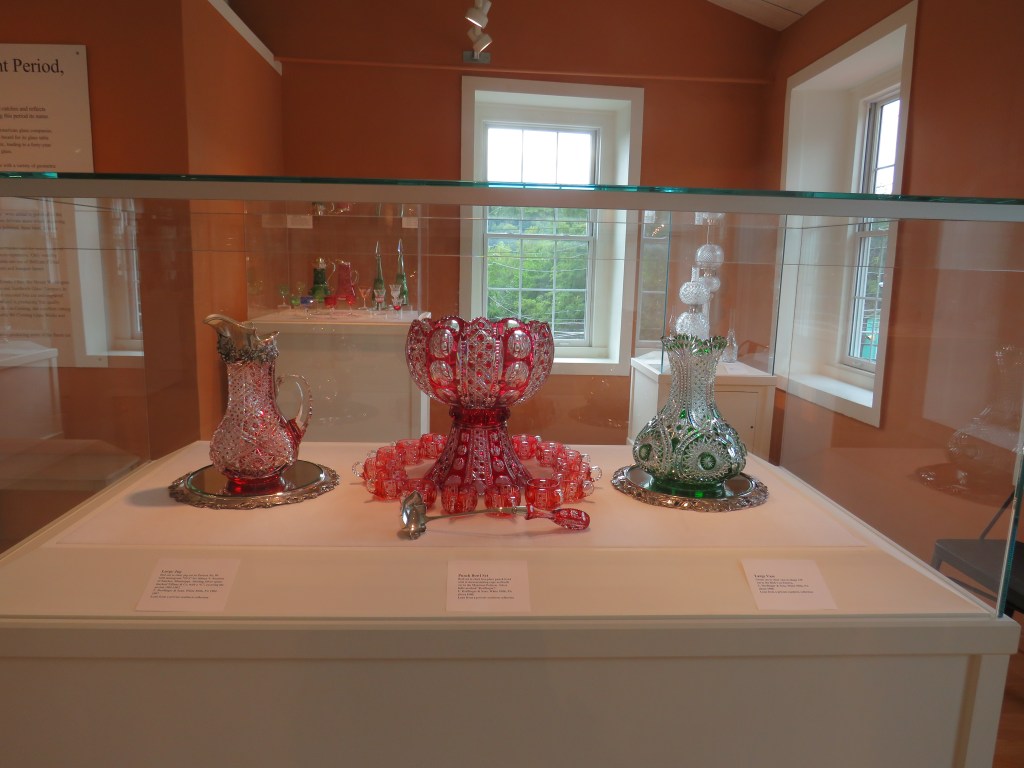
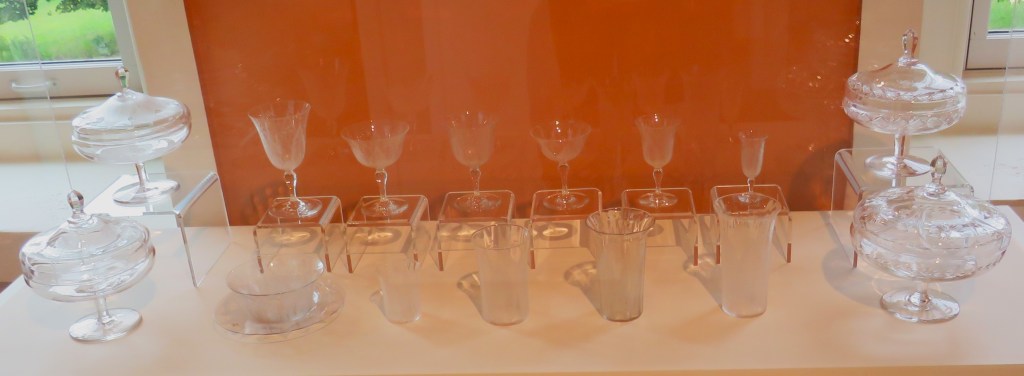
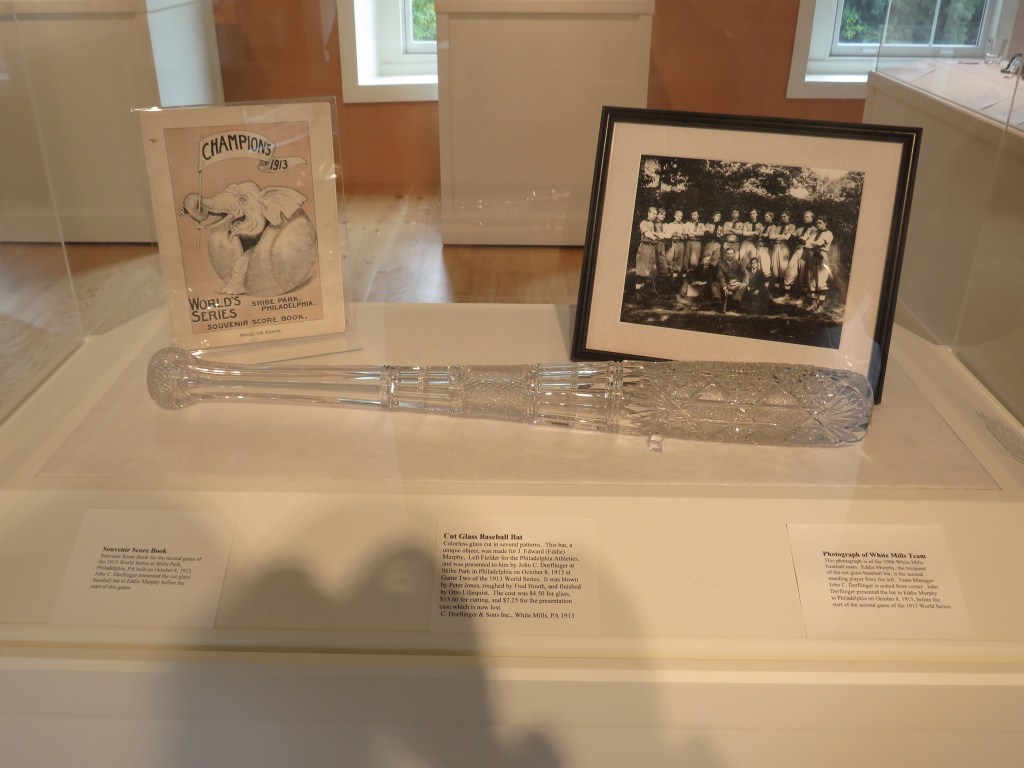
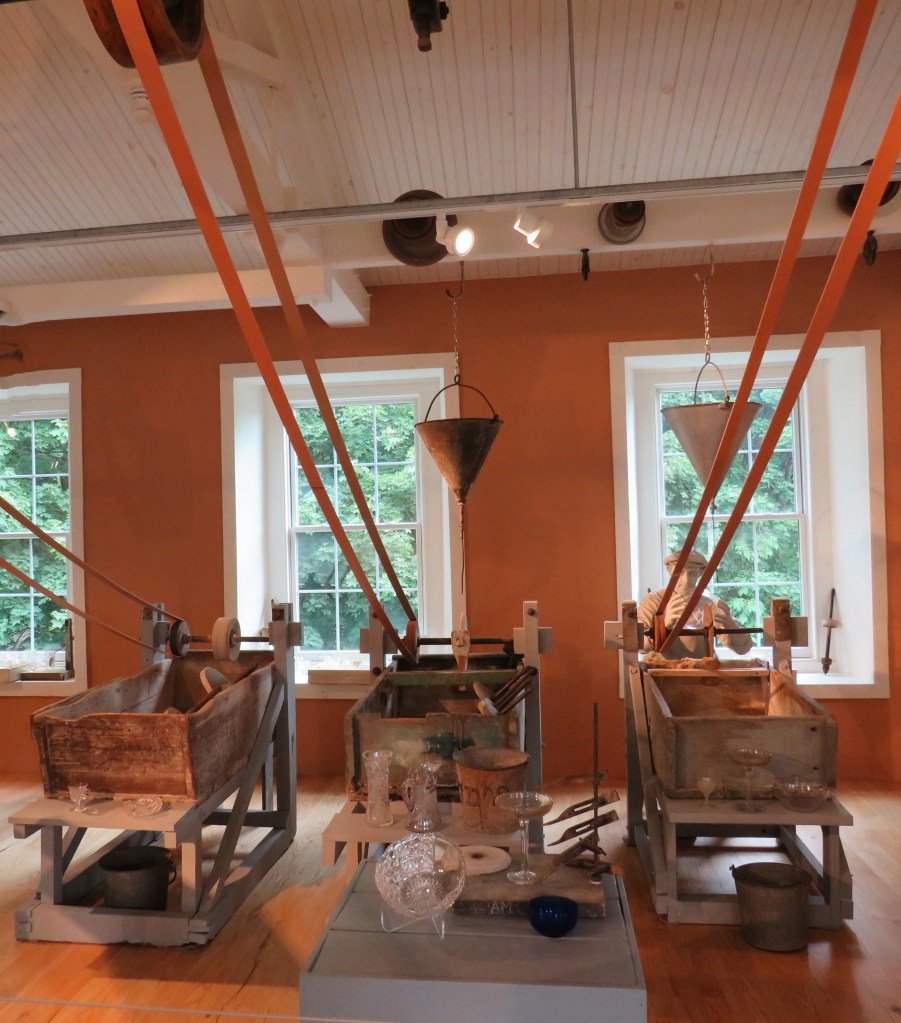
It is, but what is special about the museum? The Dorfinger Factory was the home of Dorfinger Glass Works that was founded in 1865 by Christian Dorfinger. Who were some of his buyers? Some of his glass ended up in a special house called the White House. Yes, that White House in Washington D.C. Today, the old factory in the small town of White Mills in the U.S. state of Pennsylvania is now a museum, and you can see the old structure that once made glass is now where you can see the works of the factory on display.
Now some of you are saying, “This is nice. Here is a factory where great glass was made and sent to many places to include the home of the President of the United States of America. There is one very big problem. This factory has nothing to do with the railroad. Therefore, I will not be visit this museum.”
Why visit the Dorflinger Factory Museum?
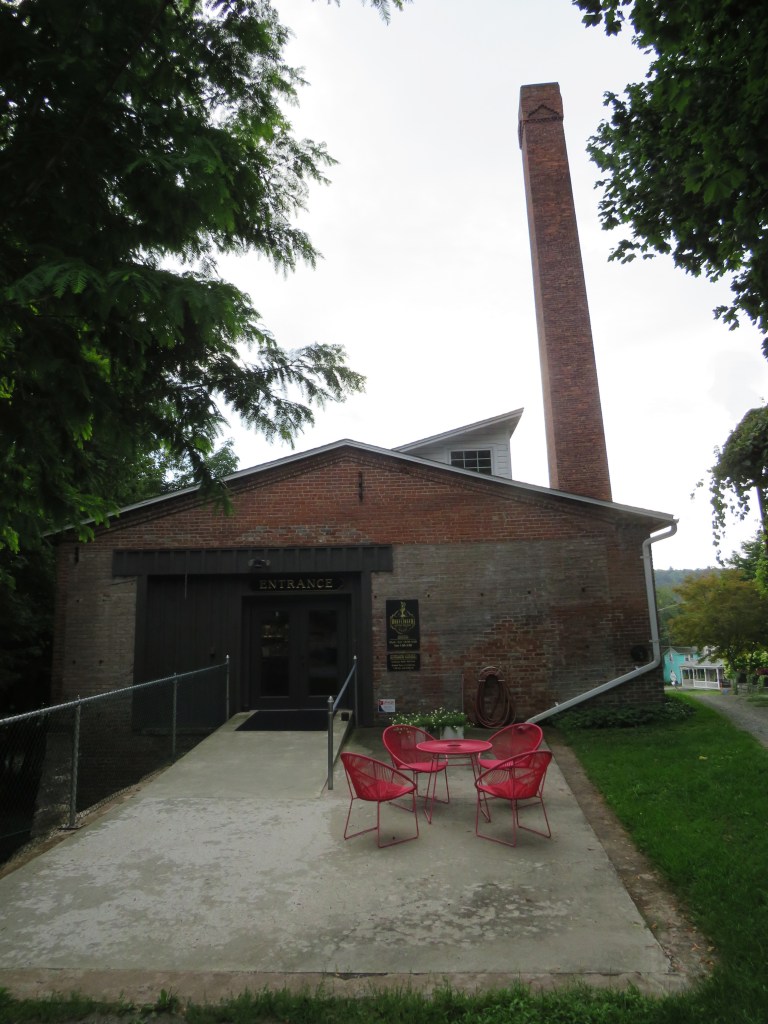
As you arrive at the museum, you park your car. You enter the old factory, and you see the many glassworks on display. Many of the glass were sold to others who eventually returned the glass to be put on display in the museum. A few of the items were owned by John B. Smith. Who was John B. Smith? He just happened to be the president of the Erie and Wyoming Valley Railroad. The collection included a goblet with an engraved locomotive. It is said that the goblet was a gift from Christian Dorflinger to John Smith who created a special locomotive that ran in the valley. Other items of John Smith’s collection is also on display here.
If you think that is not enough, the factory needed heat in order to create the glass. The heat was created by coal. How did the coal get to the factory? The nearby Erie and Lackawanna Railroad brought the coal to the factory.
The Dorflinger Factory Museum is located at 670 Texas Palmyra Highway, commonly known as U.S. Route 6, the Grand Army of the Republic Highway, in White Mills, Pennsylvania. It is open from April to December from Wednesday to Saturday from 10:00am to 5:00pm and on Sunday from 1:00pm to 5:00pm. Parking is on site, and the museum is wheelchair accessible. You can get more information on admission and read more into the history of the Dorfinger Glass Works at https://dorflingerfactorymuseum.com/.
Why visit the Dorfinger Factory Museum? It is not just to see the John B. Smith collection, but to also see the great craftsmanship of the glassmakers of the Dorfinger Factory.
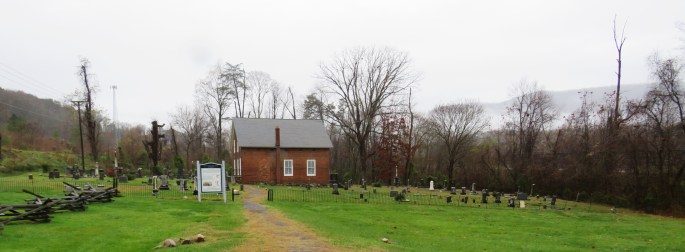
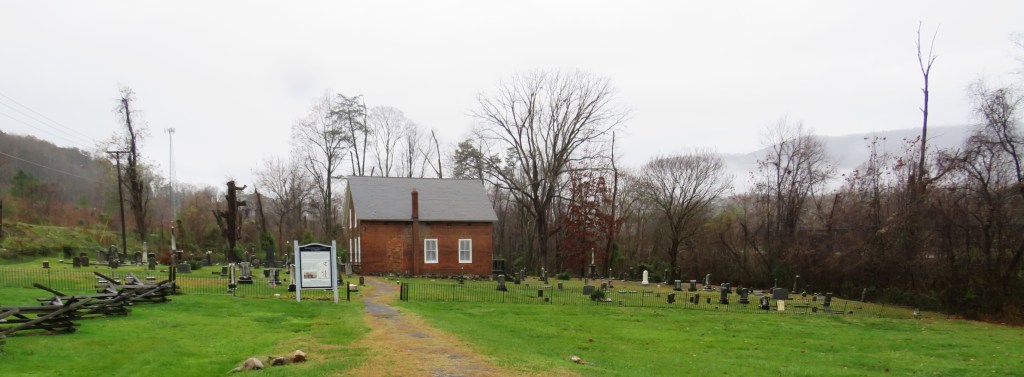
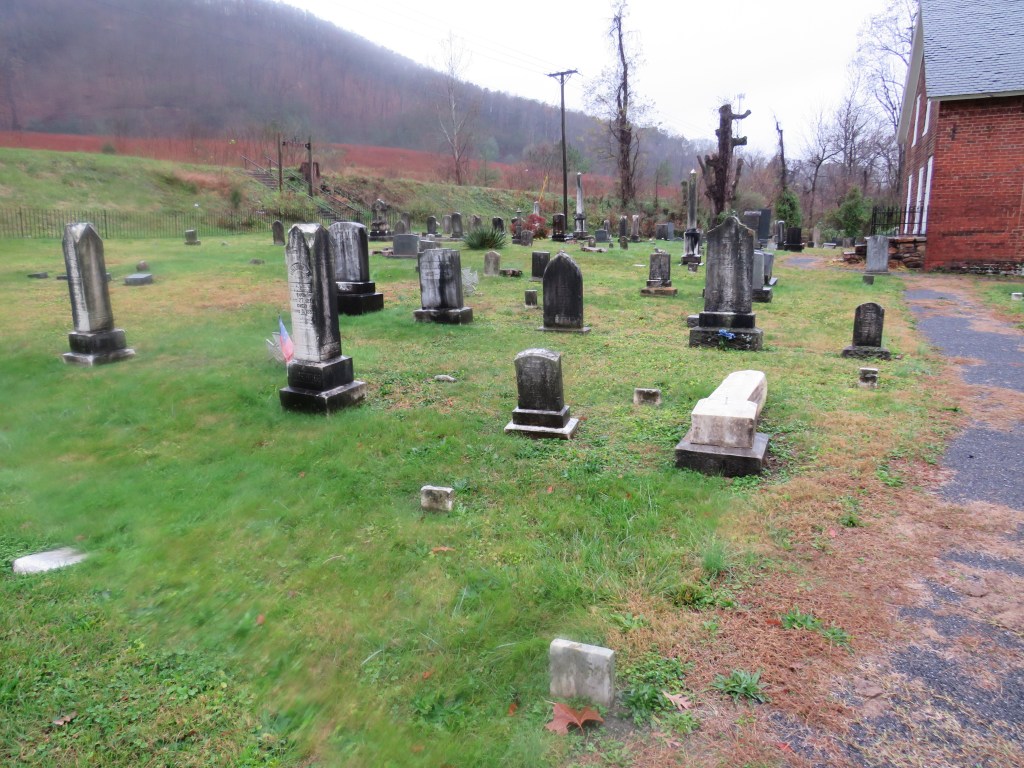
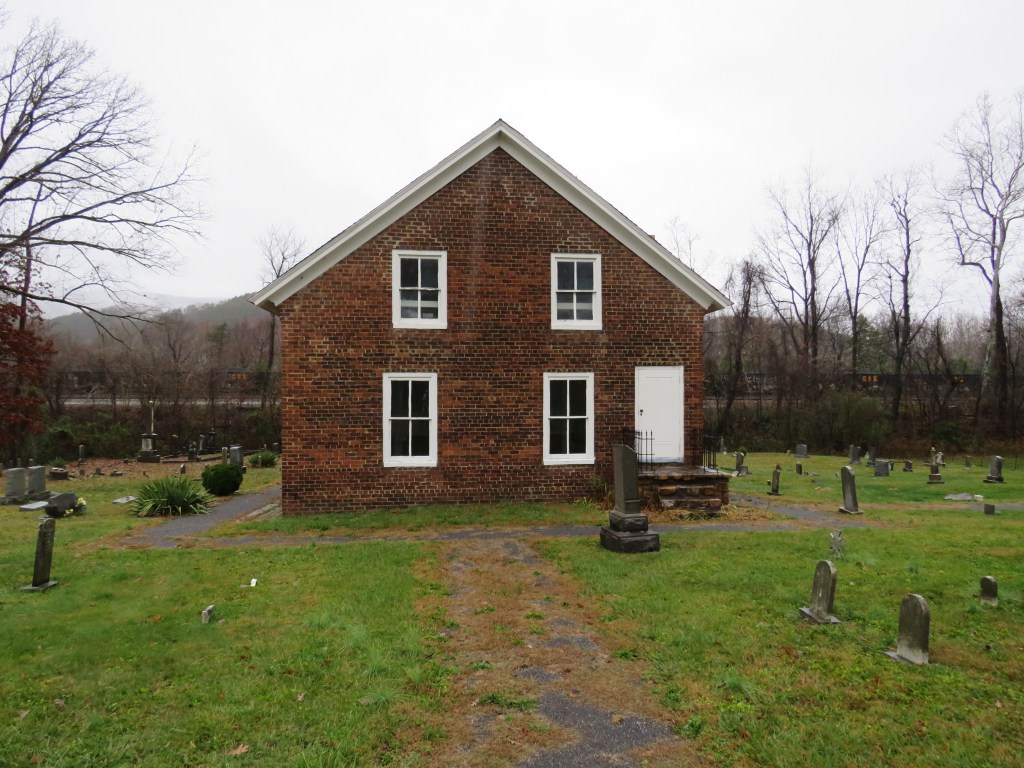
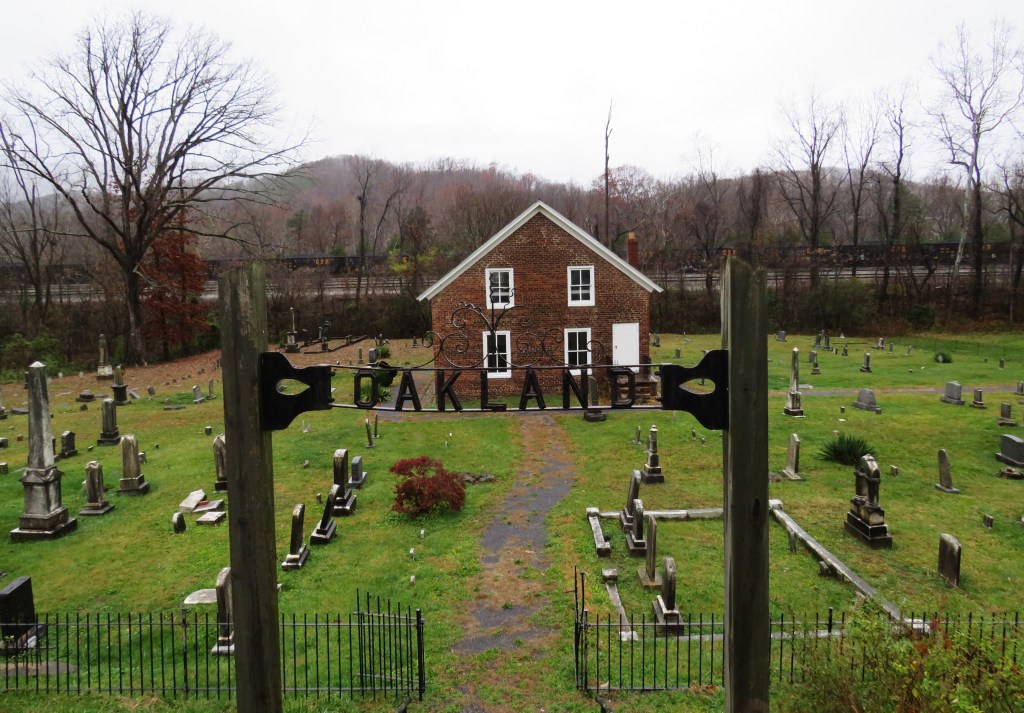
The U.S. state of Virginia is a state full of historic cities like Richmond, Alexandria, Manassas, Williamsburg, Norfolk, Charlottesville, Lynchburg, Jamestown, Yorktown, and many more. It is a state with many historic sites from the first English settlement, numerous Civil War battlefield to include the battlefield that hosted to major wars, and the many homes of U.S. Presidents. Among these sites is the Oakland Grove Presbyterian Church in the small town of Selma in the western region of the state. What is special about this church? Originally called ‘The Church of the Springs’, it was used as a hospital during the American Civil War. Today, you can visit the church and the surrounding cemetery and see this great historic site.
Some of you are saying, “This is nice. I love these little churches and their cemeteries. The problem is that there is no railroad history here. Therefore, I will not be paying a visit here.”
What is special about this church? As mentioned, it was a hospital during the American Civil War. Some of you are wondering where this place is.
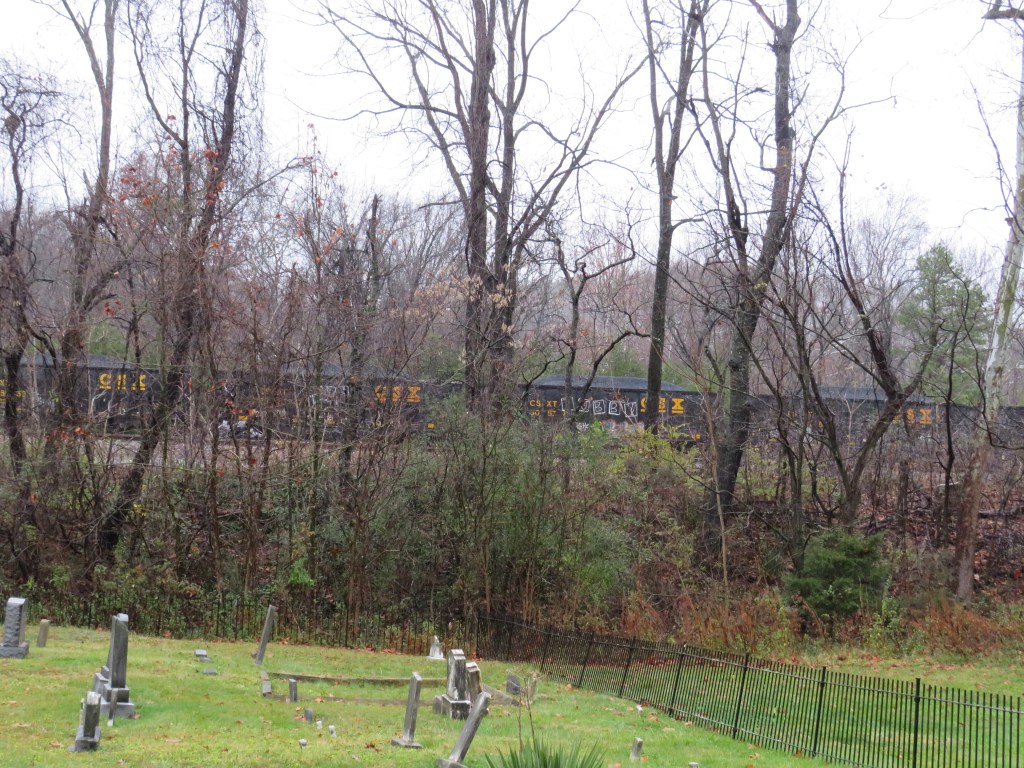
Selma, Virginia is a very small town, and it is very small. You can say that it is a suburb of Clifton Forge, a major railroad town that was the home of the Virginia Central Railroad and Chesapeake and Ohio Railway which have been taken over by CSX who still has a big yard here. It is also the home of the Chesapeake and Ohio Railway Heritage Center. The small town of Selma is just west of Clifton Forge, and the railroad passes by the Oakland Presbyterian Church.
Some of you are saying, “The railroad passes by the church. However, the church has nothing to do with the railroad.”
That is where you are wrong.
If you visit the site today, you will see the church. What you will not see is the Jackson River Depot. Many structures were on the property. One of them was the church which is in its original location, and another was an old train station called the Jackson River Depot. The church was located at the western terminus of the Virginia Central Railroad. The passengers who needed to continue west continued from this location on horseback. Also, as the church was being used as a war hospital, wounded soldiers were brought here by train and transported a short distance to the church. As with many train depots, they were no longer used, and they were eventually demolished. The church is the only standing structure on this site today.
The Oakland Grove Presbyterian Church is located west of the town of Selma on Selma-Low Moor Road west of the town of Clifton Forge, and it is just minutes from Interstate 64 and U.S. Routes 60 and 220. There is a small gravel parking area. (Not recommended for large vehicles like motor homes and busses.) The site of the depot is next to the parking area but is not open to the public. The church itself is also not open to the public. Although there is handicap parking, the grounds may be difficult for wheelchairs.
Not you have a reason to visit the Oakland Grove Presbyterian Church. You can tell your mother that you went to church.






















 John Cowgill: Stories of the Railroad