This is a text widget, which allows you to add text or HTML to your sidebar. You can use them to display text, links, images, HTML, or a combination of these. Edit them in the Widget section of the Customizer.
In the town of Bondage, people were lined up at the train station. They were in chains. They were dirty. They were hungry. The mayor came out in front of them and said, “Why do you want to leave Bondage? You have everything you want here. You have food. You have goods. Stay! I will give you everything you want.”
There were those who departed the train station, but there were those who stayed.
“Come on. What will you find in Freedom? In Freedom, you have to go and get the things you want. I am giving you everything you want. Why leave?” The mayor pleaded.
The train arrived. The people boarded. Their chains were removed. When everyone was on the train, the train departed… for Freedom.
Wishing everyone a HAPPY INDEPENDENCE DAY!!!
—Cover photo is Number 1776 of the Norfolk and Western Railway on display at the Virginia Museum of Transportation in Roanoke Virginia, U.S.A.
—First photo is of the Western Maryland Scenic Railway Number 1309 at the Train Station in Cumberland, Maryland, U.S.A.
—Second photo is of the old Central Railroad of New Jersey Train Station in Jim Thorpe, Pennsylvania, U.S.A. It is a stop for both the Lehigh Valley Scenic Railway and the Reading, Blue Mountain and Northern Railroad, it is houses the town Visitor Center and a small museum.
—Third photo is a railroad line in Frankfort, Kentucky, U.S.A. next to what was once Frankfort Union Station.
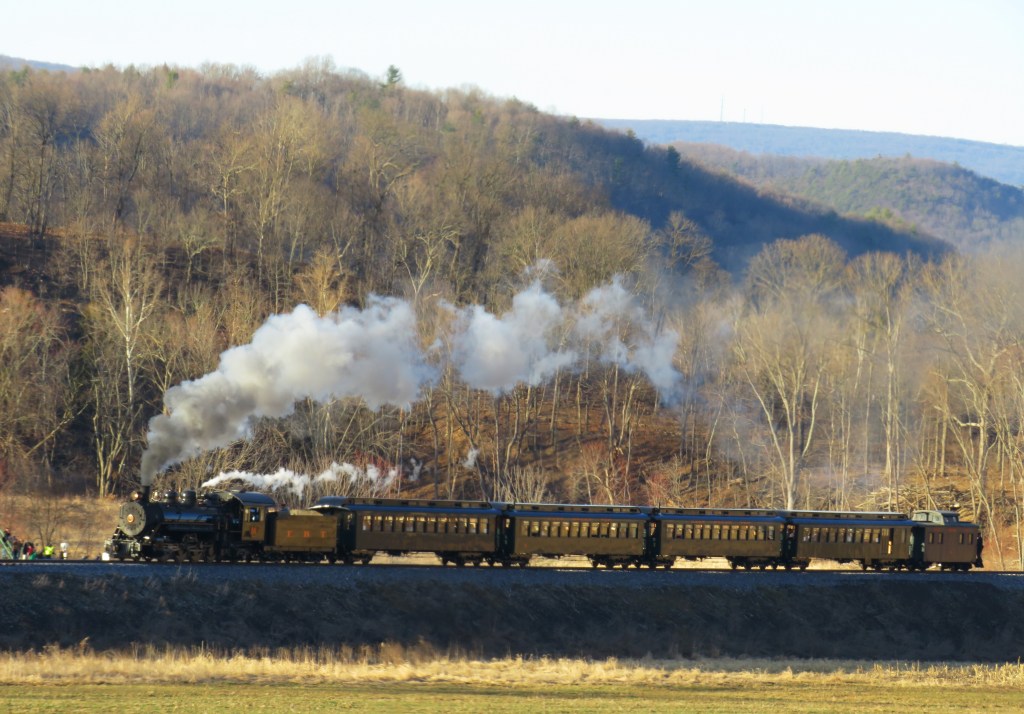
—Fourth photo is the East Broad Top Railroad in Rockhill, Pennsylvania, U.S.A. being pulled by Number 16.
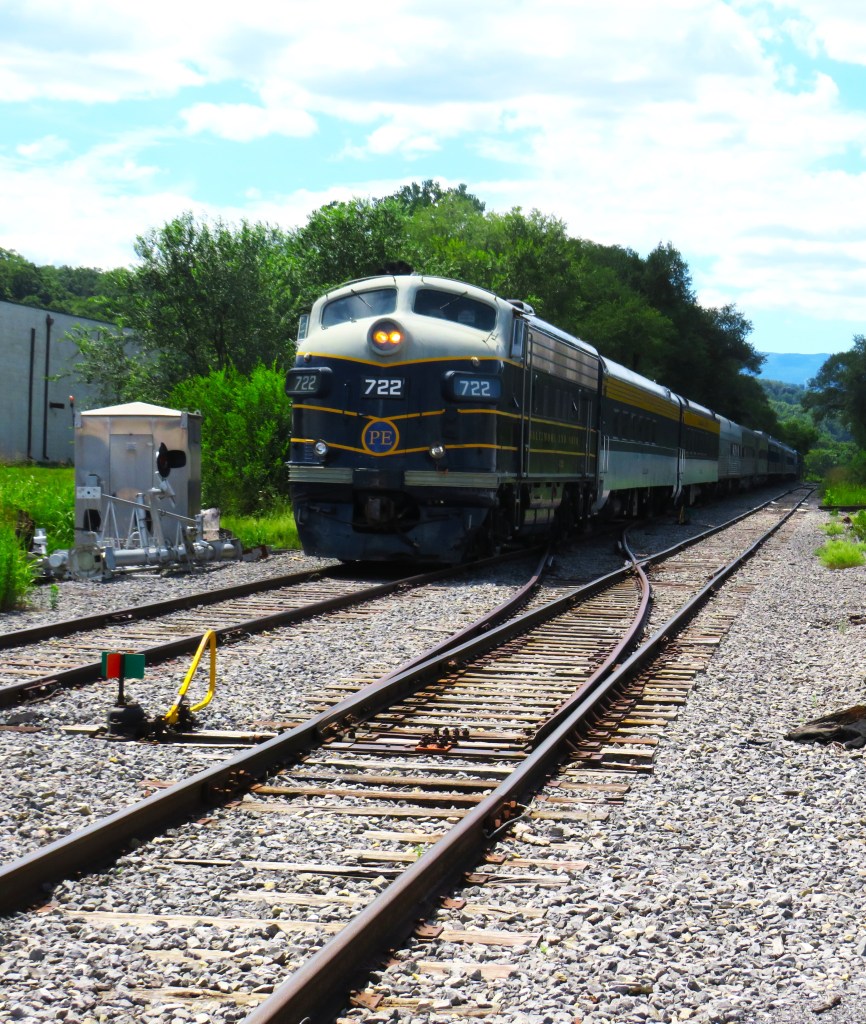
—Fifth photo is the Potomac Eagle Scenic Train in Petersburg, West Virginia, U.S.A.
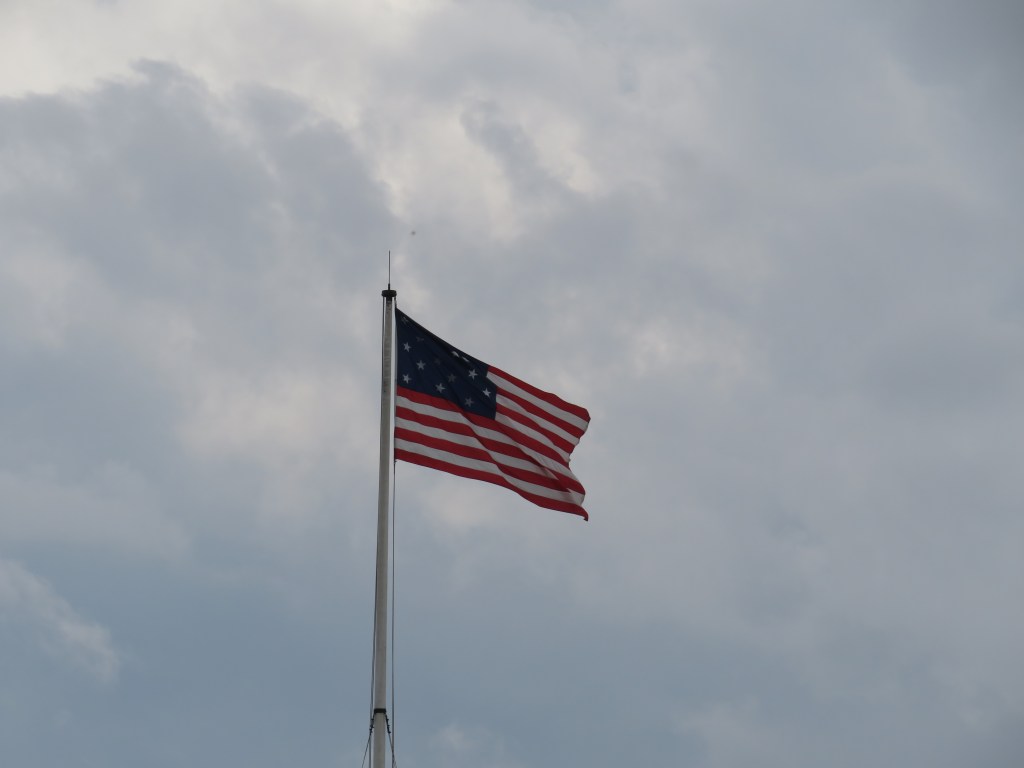
—Final photo is the American flag over Fort McHenry in Baltimore, Maryland, U.S.A.
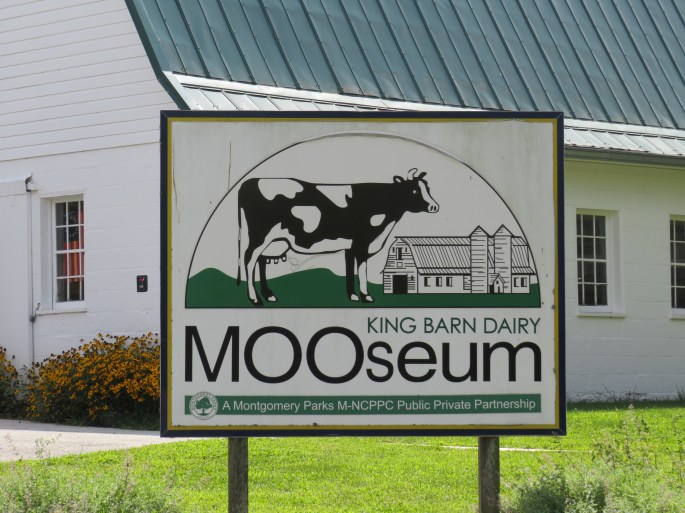
Some of you are saying, “What in the world is a ‘MOOseum’?”
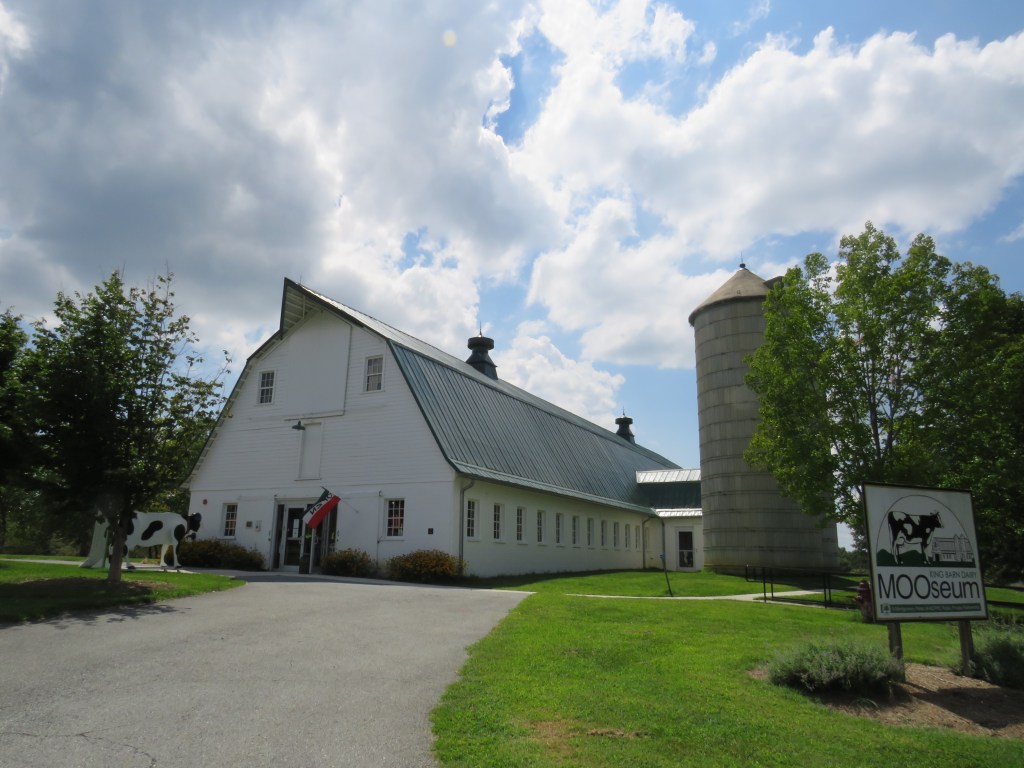
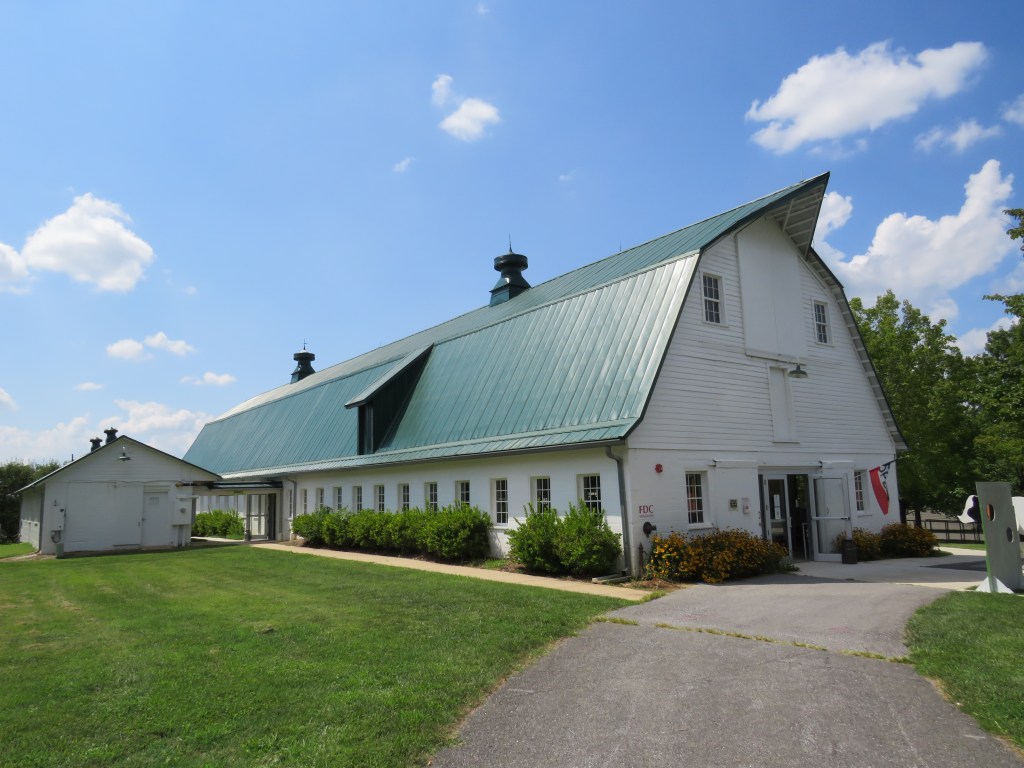
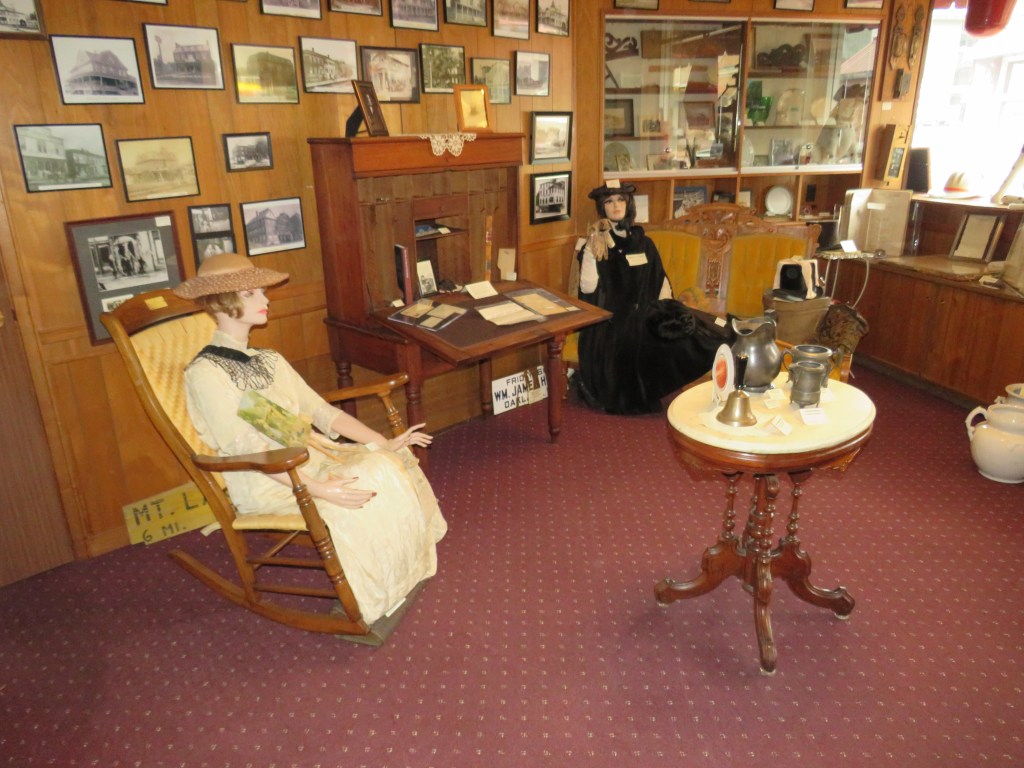
If you think that it has something to do with cows, you are mostly right. Located in the Maryland suburbs of Washington D.C., it is housed in a barn that was once state of the art that was originally part of a working farm. James and Macie King bought the farm in 1913 from another family. In 1926, the farm was destroyed by a fire. James King rebuilt the farmhouse, and he rebuilt the barn that currently houses the museum. Sadly, he passed away in 1962 leaving the farm to his wife and son. Macie sold the farm to land speculators who rented the land to local farmers. The land eventually came under the ownership of the Maryland National Capital Park and Planning Commission. The farm buildings went into disrepair, and the land that was once farmland would eventually become the Maryland Soccerplex. Was all lost? No. Although the farmhouse and other buildings were destroyed, the barn was repaired, and the silo was rebuilt, and it became the home of the King Barn Dairy ‘Mooseum’. Today, you can see the life of a dairy farmer.
Some of you are saying, “It is nice that they were able to save this barn and turn it into a museum, and it is nice that the farm was made into soccer fields and not houses as what normally happens in the Washington D.C. suburbs, but this is about a dairy farm. It is not a railroad museum. Therefore, I do not find this place very ‘MOOving’ and will not be visiting here.”
Well, you do have a good point. Why would somebody who enjoys trains want to visit a museum that is about dairy farming? It is unknown is a railroad ever passed through or by this farm with the nearest access in Germantown on the original Baltimore and Ohio Railroad Line (now CSX), but it is many miles from the farm. Even with the automobile, that is still a great distance away. Why visit?
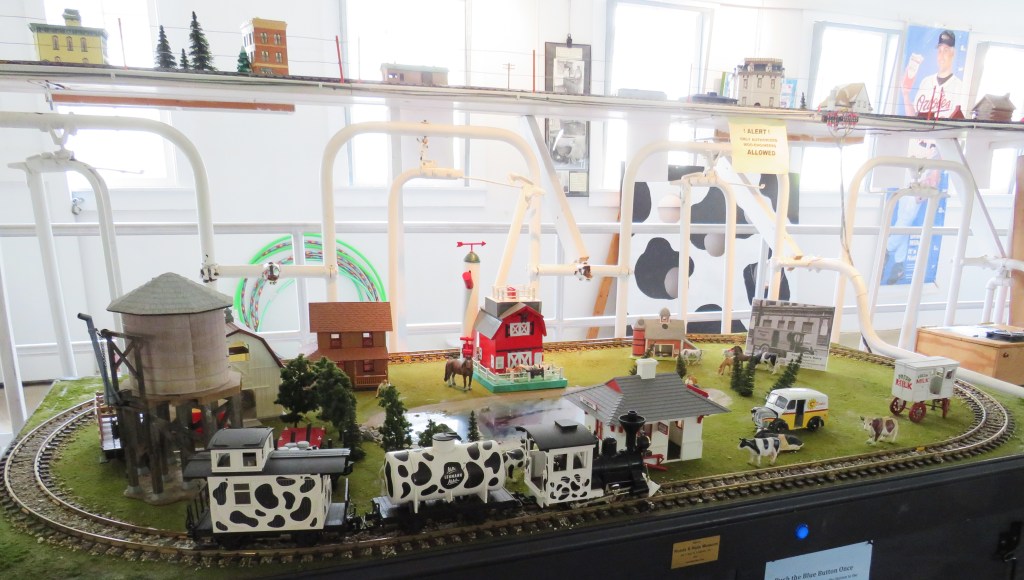
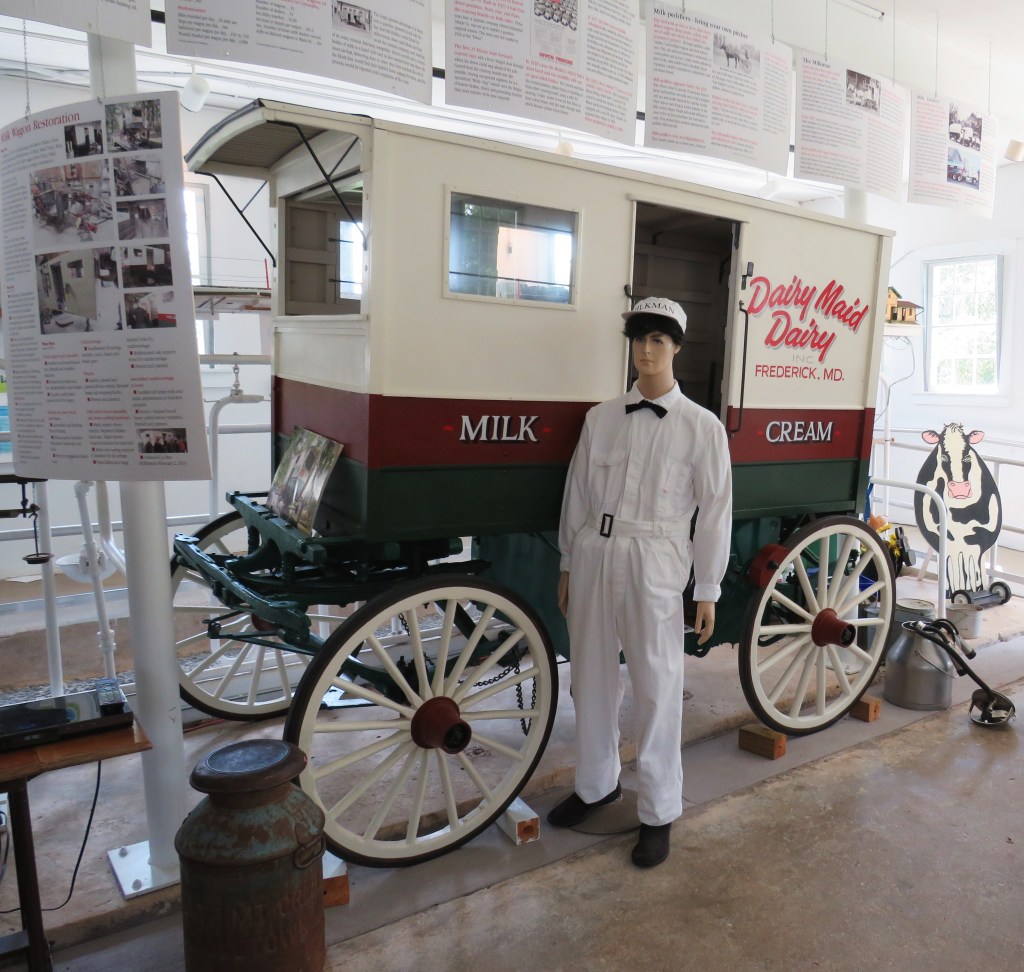
The King Barn Daily ‘MOOseum’ was erected on the site of a dairy farm. It tells the life of dairy farming in the region which, if you have recently visited Montgomery County, Maryland, mostly developed into housing communities with very little agricultural land. As you enter the barn, you will see it set up like a dairy barn with the cows in stalls being milked. (In case you are wondering, they are not real cows.) You see depicted the like of the farmers as well as the life of the dairy industry. Then you see a model train display.
Some of you are saying, “A what?”
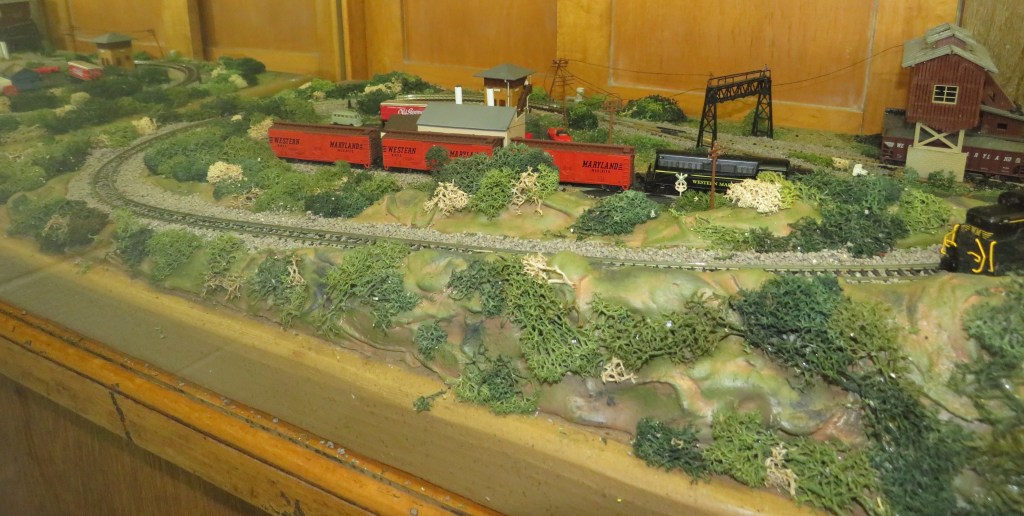
There is a model train display with a locomotive, a tank car, and a caboose painted in cow colors surrounding a farm. There is along a display of the rail line from Union Station and the old train station on New Jersey Avenue (now gone) and the old train station in Eckington (also gone) to the train station at Point of Rocks, Maryland.
As you can see. The ‘MOOseum’ not only shows you the story of dairy life in Montgomery County, Maryland, but it tells the life of the county itself, and you do not have to be a resident of Montgomery County to appreciate what this museum is all about. It is open from May to October from 10:00am to 3:00pm on Saturday and 1:00pm to 4:00pm on the fourth Sunday of the month. It is located at 18028 Central Park Circle inside the South Germantown Recreational Park next to the Maryland Soccerplex. Admission is free, but they will gladly accept donations to keep this museum open for many generations to come. Parking is on site, and the ‘mooseum’ is wheelchair accessible. You can get more information at https://www.mooseum.org/.
Be warned. As you visit the King Barn Dairy MOOseum, you will not realize that you are in the suburbs of Washington D.C. You will see the life of a dairy farmer.
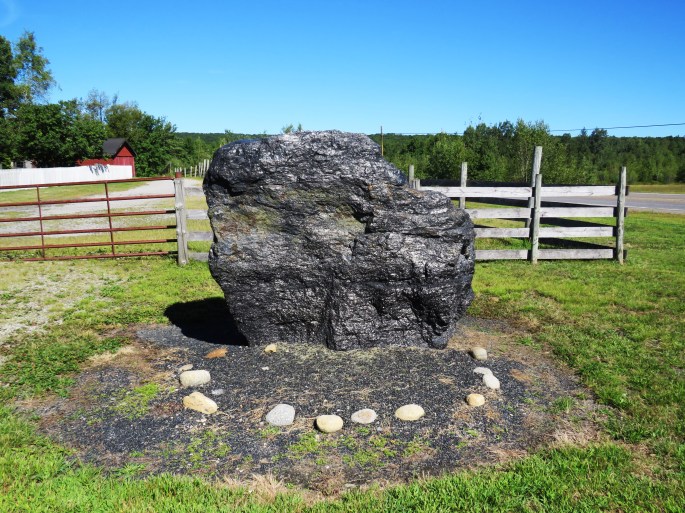
The U.S. state of Pennsylvania is a state known for so many things. It was in this state where at the Pennsylvania State House in Philadelphia where the Declaration of Independence was signed, and the national of the United States of America was founded and established, and, later, the United States Constitution was established limiting the powers of the government. It was in a town called Gettysburg that was the site of the largest battle of the American Civil War where the tide was turn in favor of the Union, and, months later, President Abraham Lincoln delivered his famous Gettysburg Address. As for chocolate lovers, a suburb of the state capital, Harrisburg, is named for Milton Hershey, the founder of Hershey Chocolate that is still headquartered there today. One of the biggest things the state is known for is coal mining. As they did their daily mining, they also had a place to live. Many of them lived in villages set up for miners and their families. Among these villages is the Eckley Miners’ Village in Weatherly, Pennsylvania. As you walk through this village, you will see how the miners and their families lived.
Some of you are saying, “This must be a nice village, but without the railroad, this is not a railroad site. Therefore, I will not be paying a visit here.”
So you do not want to visit because this is not a railroad site. Here is a reason to visit the Eckley Miners’ Village.
As you arrive, you enter the visitor center to pay your admission. You enter the museum that displays the history of the village and the coal industry. One of the things you will see is a model of the Delaware, Susquehanna, and Schuylkill Number 4, a steam locomotive. The mine owner traveled by train from his mansion to the mines. Sadly, he was also killed while riding a train.
Well, you did not come to see a museum. You want to see the village itself.
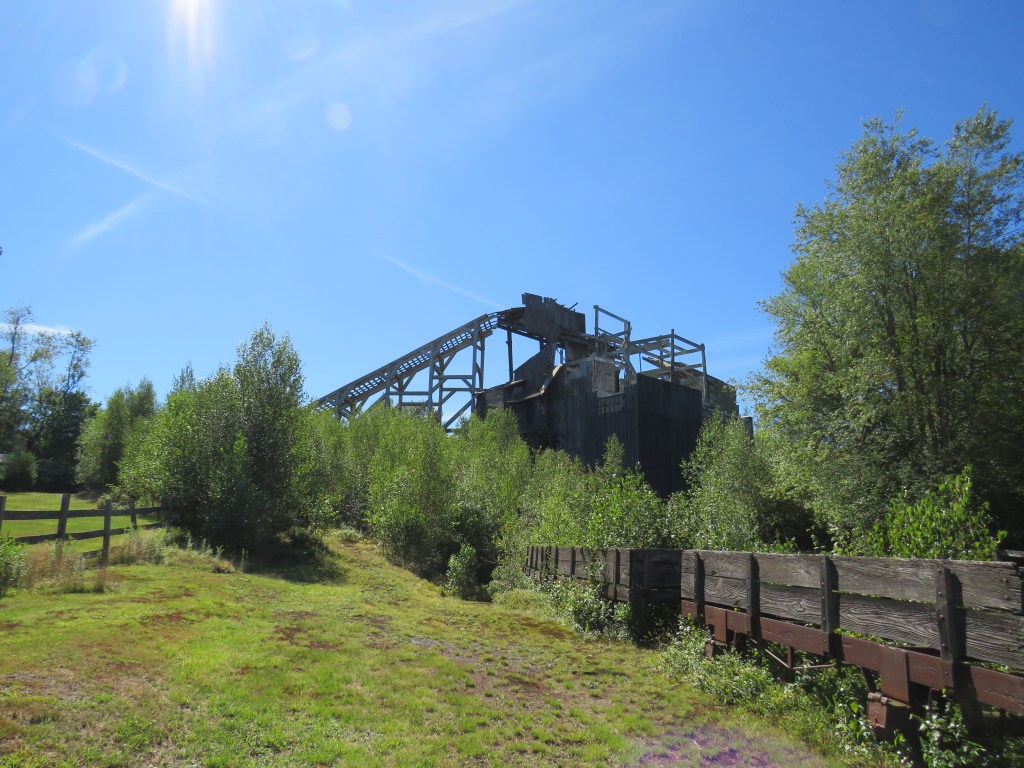
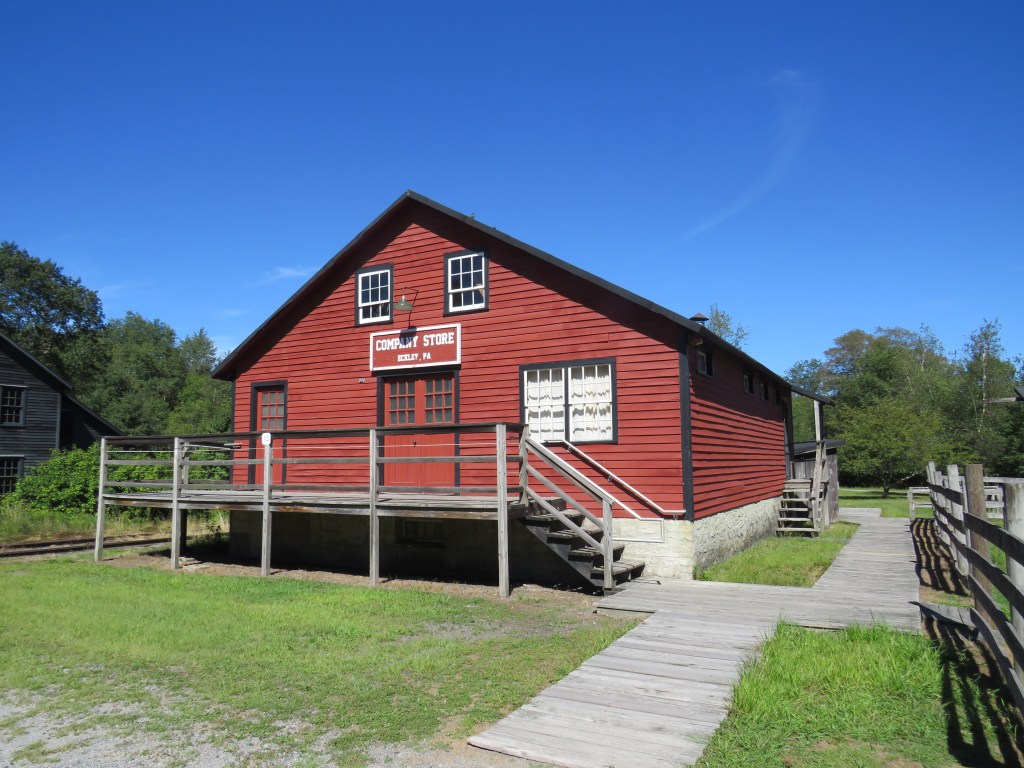
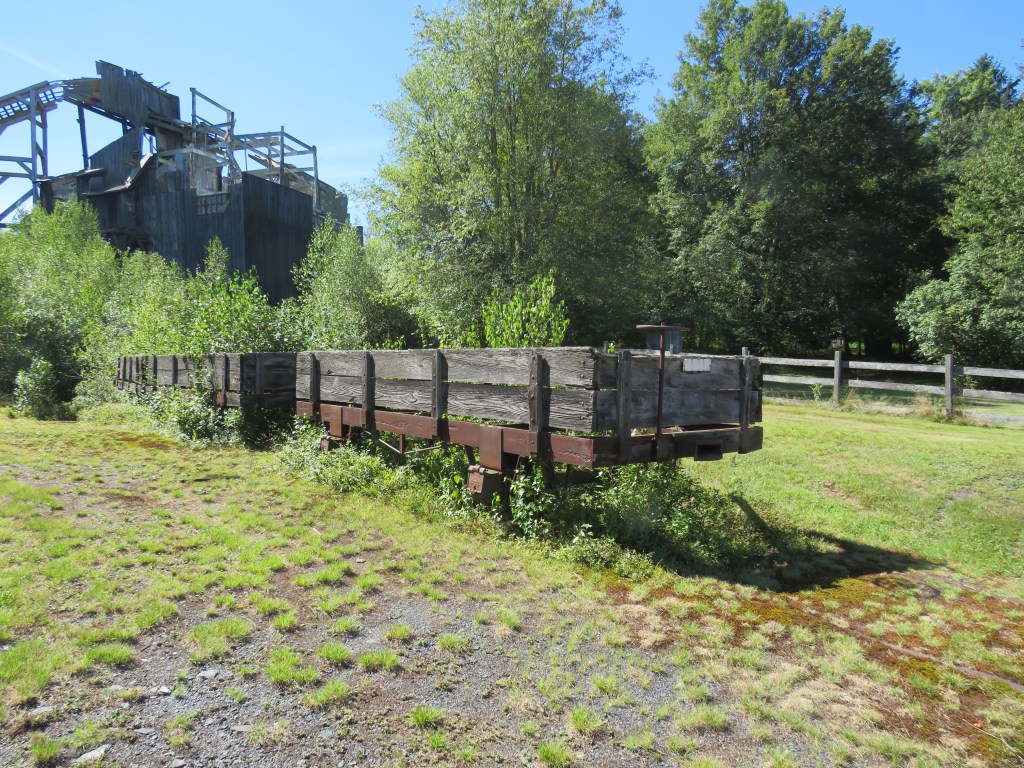
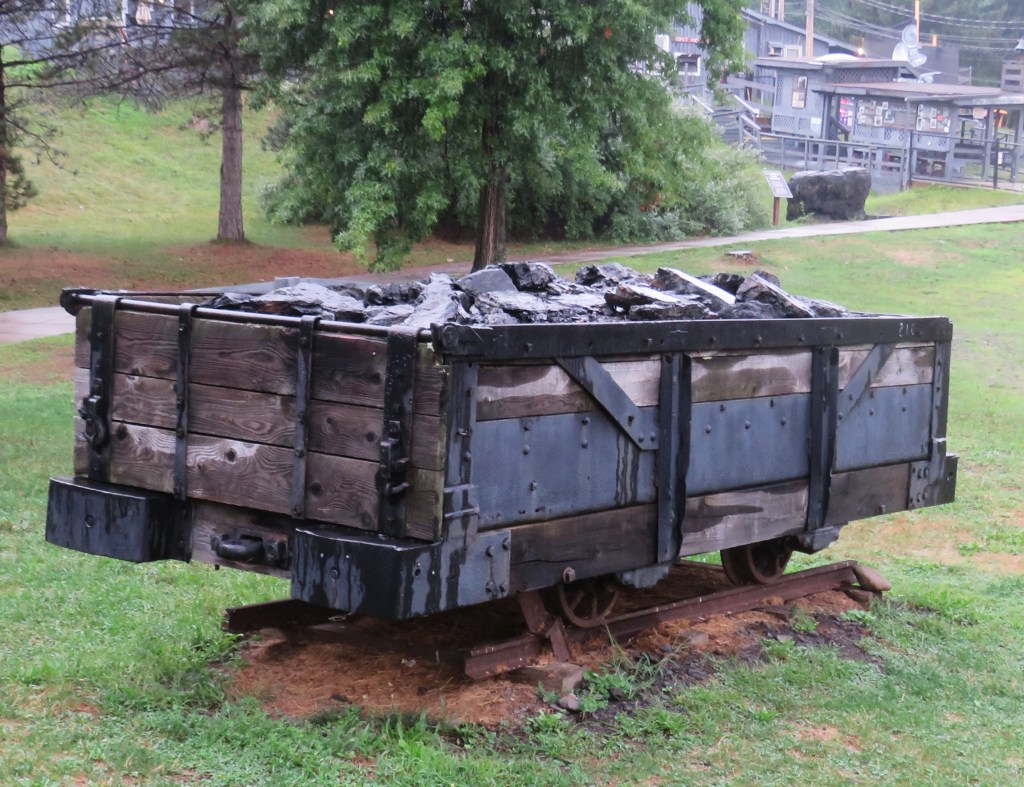
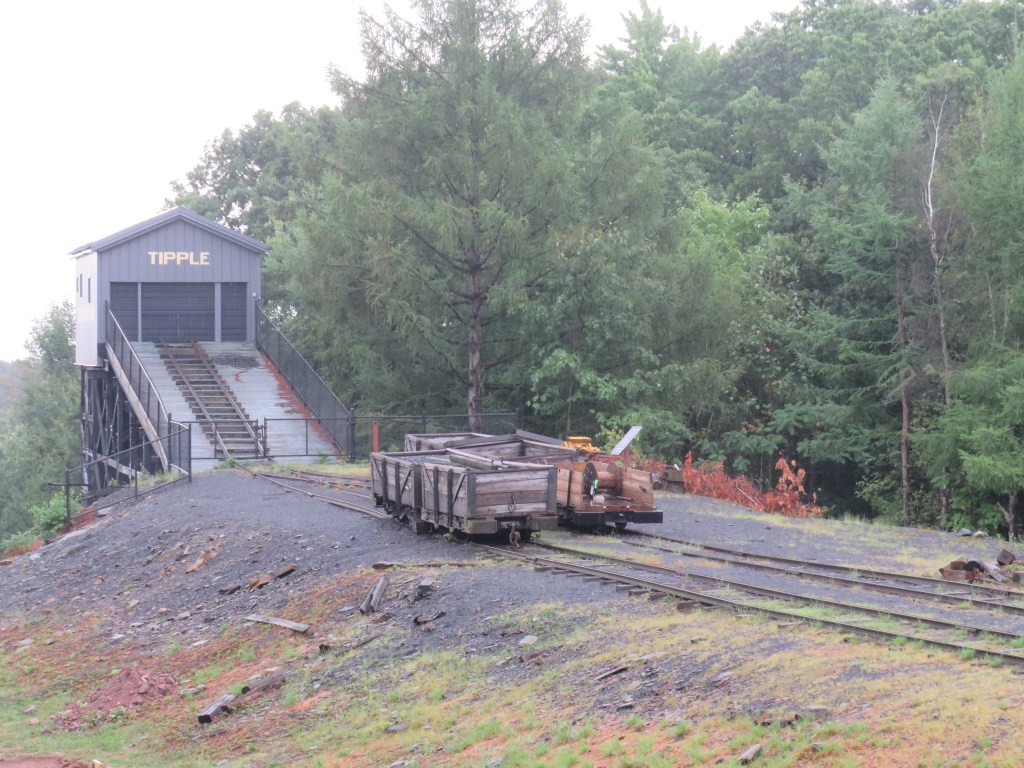
The first building you see is the Church of the Immaculate Conception, the primary church where many of the miners worshipped. From there, you walk down the main street. You walk past the different houses many of which are still lived in today (and not open to the public). You come upon the Company Store. As you look around, you will notice a rail line on the side of the store. Across from the store is the mine itself where the coal was mined and placed onto coal cars. You will see old coal cars on display. Sadly, you cannot enter the mine (due to safely regulations), but you can get a glimpse of what the miners had to work through.
The Eckley Miners’ Village was once an actual miners’ village with many of the original structures from the day that it was an active village. Some of the homes are lived in today although the no longer are miners from the mine. As you walk or drive through, you may find yourself going back in time.
The Eckley Miners’ Village is owned and operated by the Pennsylvania Historical and Museum Commission. It is located at 2 Eckley Back Road in Weatherly, Pennsylvania. It is open from Thursday to Sunday from 10:00am to 5:00pm. Please note that the street is gravel, and the structures are not wheelchair accessible. You can get more information and learn more about the different structures at http://eckleyminersvillage.com/.
Come to the Eckley Miners’ Village. Enter the life of a coal miner. Go back in time.
The city of Cumberland in the panhandle region of the U.S. state of Maryland has been a railroad city for many years, and CSX has a large railroad yard here. It is also famous for the Western Maryland Scenic Railroad with Number 1309, the largest operating locomotive in the world. It was a major town on the National Road (present day U.S. Route 40), and it was the western terminus of the doomed Chesapeake and Ohio Canal. Being a railroad city, this town does has a little treasure that is often overshadowed by everything else this city has to offer, and it is just a short walk the city’s biggest treasure.
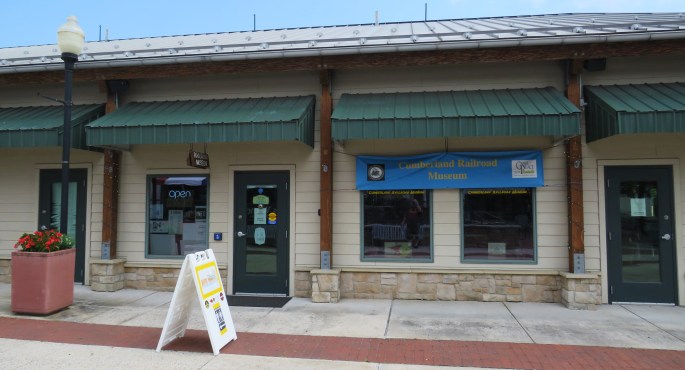
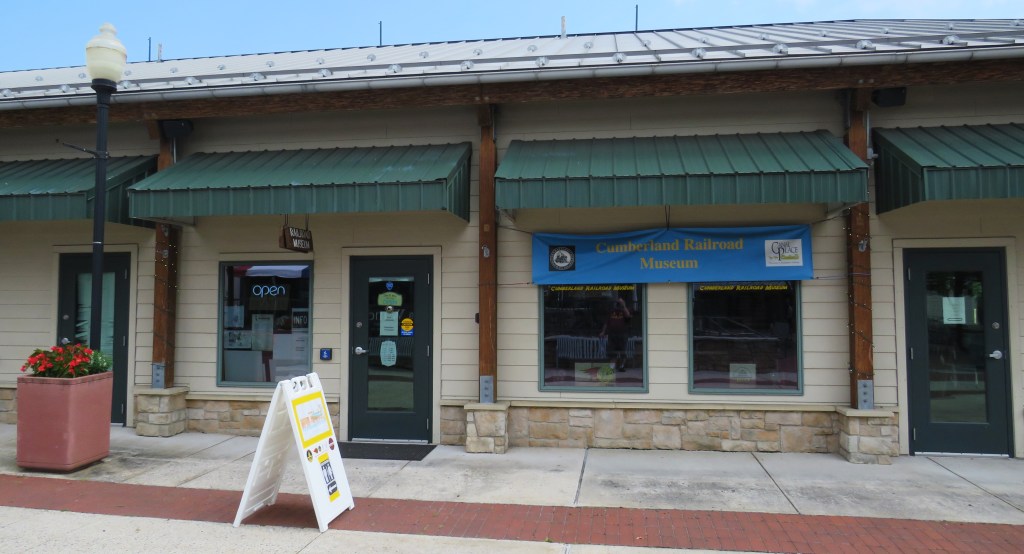
Most people who visit the city of Cumberland, Maryland come to ride the Western Maryland Scenic Railroad, but a short walk from the Western Maryland Train Station and the end of what remains of the Chesapeake and Ohio Canal is the Cumberland Railroad Museum. When you arrive at the museum, you see this small space, and you ask yourself, “What can be inside this little space?”
Ladies and gentlemen do not be mistaken about this little space. It looks little on the outside, but there is much to see on the inside.
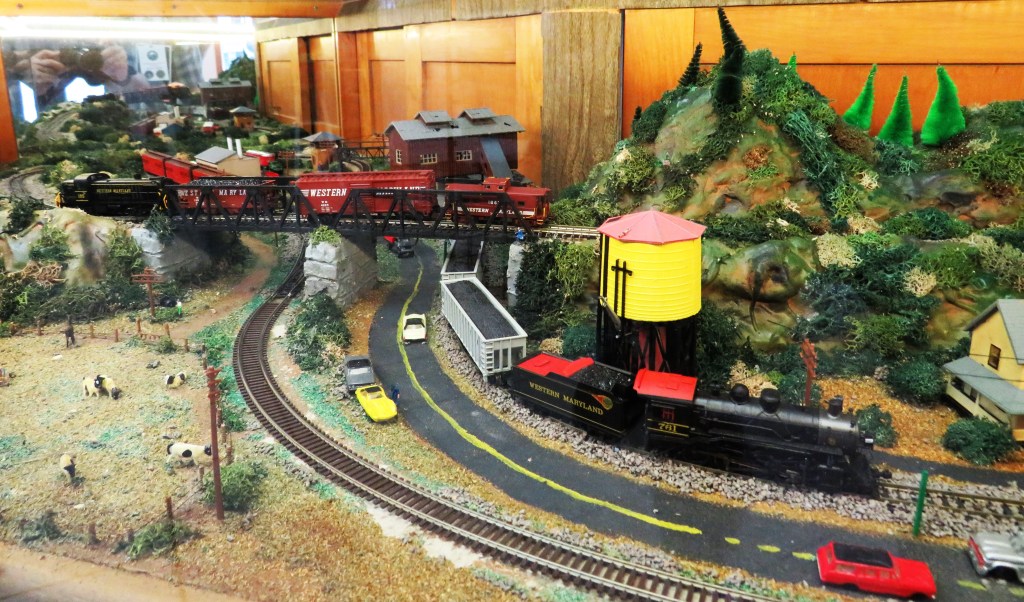
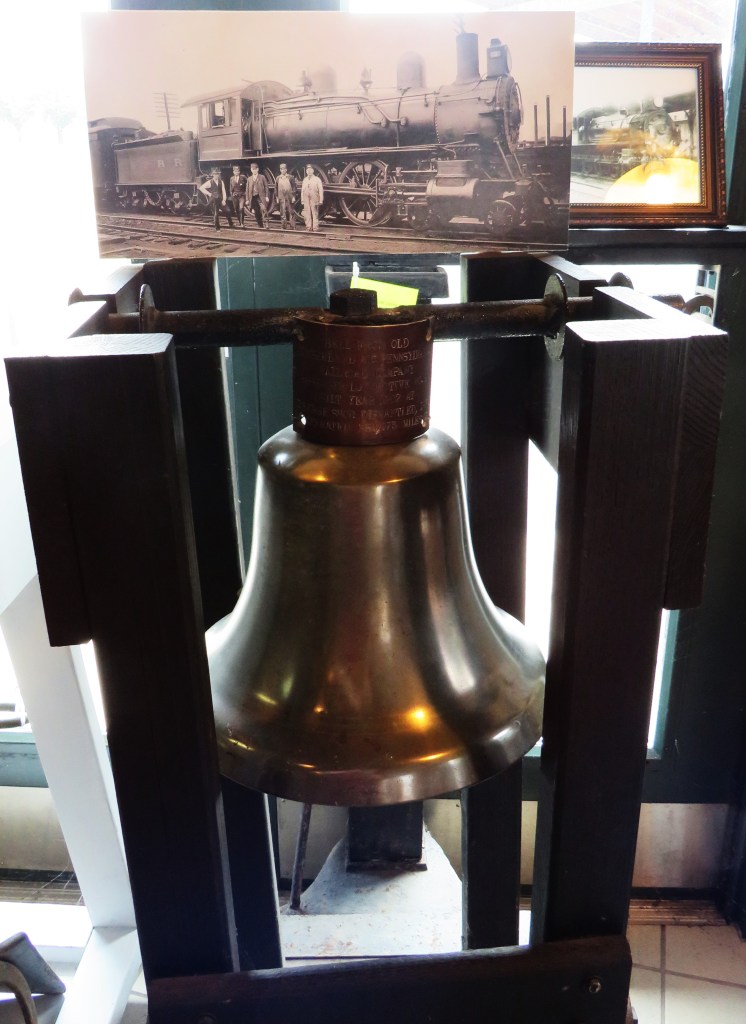
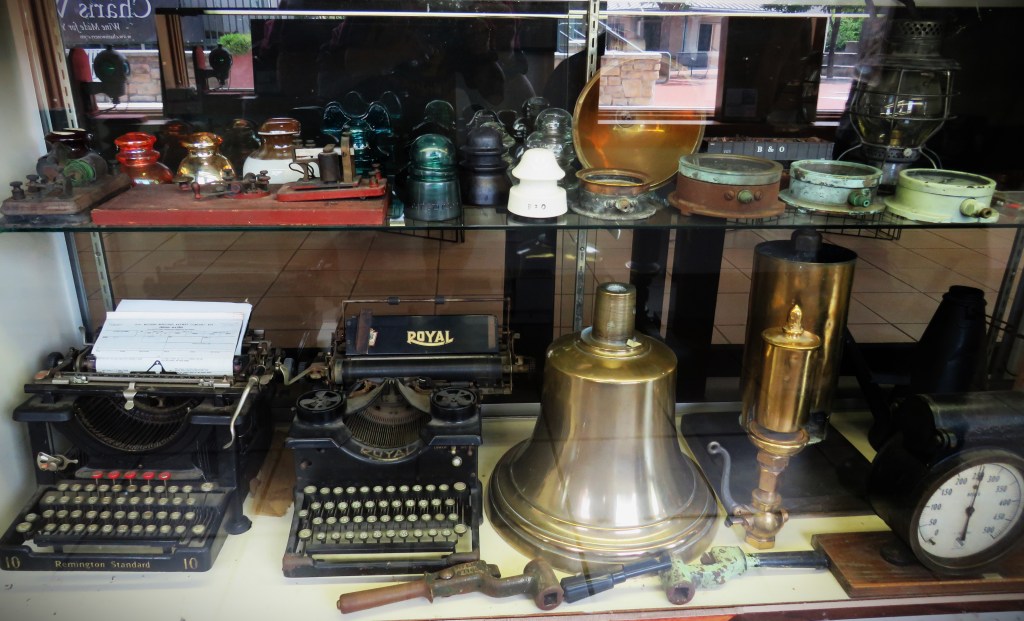
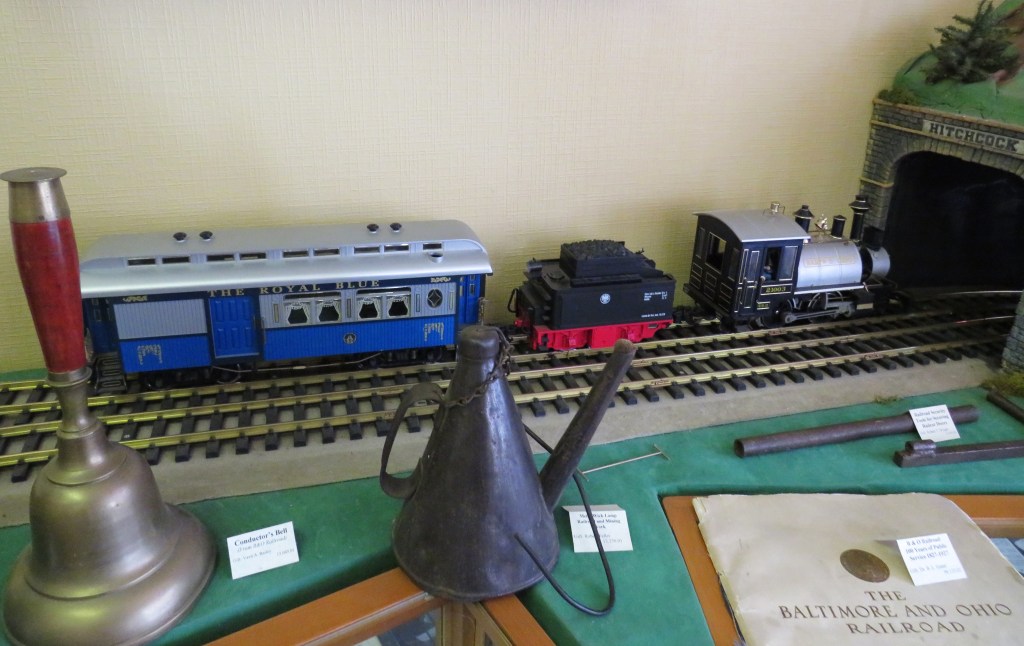
The museum shows the history of the railroad in Cumberland. You see model trains and artifacts to include the bell from Number 455 of the Baltimore and Ohio Railroad. As you walk around, you will see that this little space has so much to see.
The Cumberland Railroad Museum is owned and operated by the Western Maryland Chapter of the National Railroad Historical Society and is a joint venture with the Western Maryland Scenic Railroad. It is located inside Canal Place at 17 Howard Street in Cumberland, Maryland just a short drive from Interstate 68 and U.S. Routes 40 and 220. It is open Thursday to Sunday from 10:00am to 4:00pm. The nearest parking is at the Western Maryland Scenic Railroad Parking. Walking is required, but the walkways are level with no hills or steps. Admission is free, but donations are gladly accepted.
When in Cumberland, ride the Western Maryland Scenic Railroad. While there, see the Cumberland Railroad Museum.
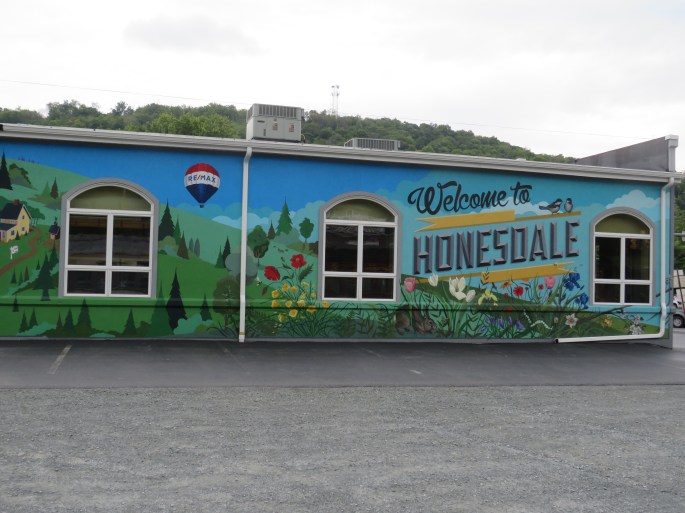
The town of Honesdale in the mountains of the northeastern region of the U.S. state of Pennsylvania is not a town that is well known to travelers. The only major road through here is U.S. Route 6, famously called the ‘Grand Army of the Republic Highway’. As you pass through the town of Honesdale, you will pass by the town’s little treasure. What is this little treasure?
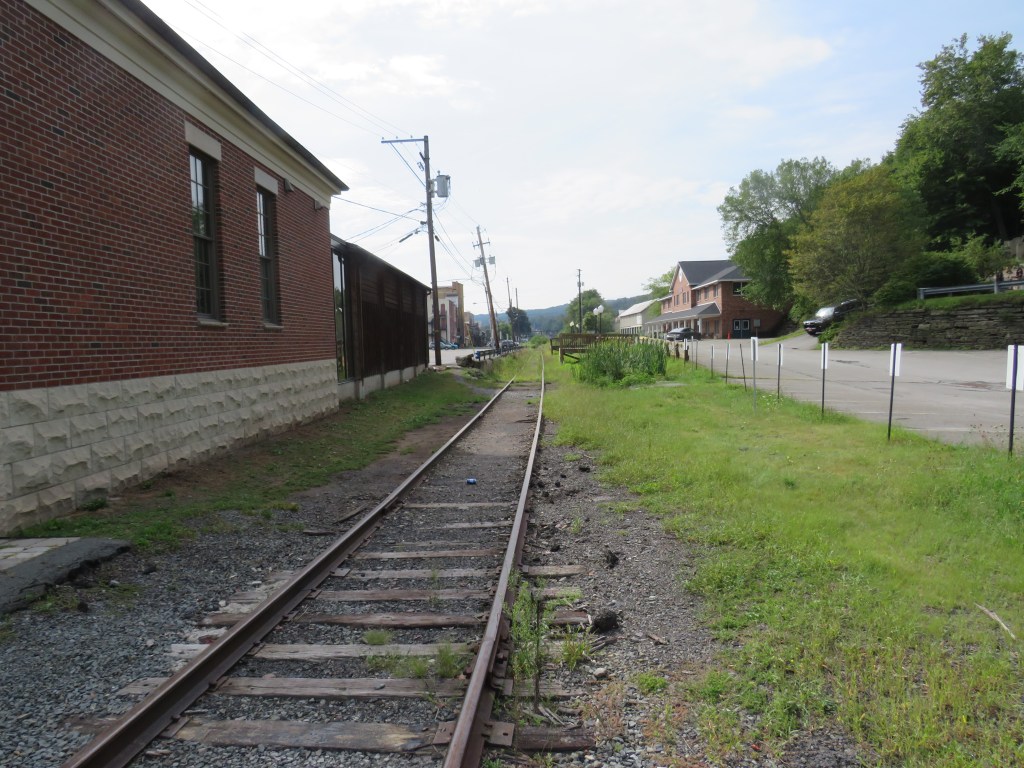
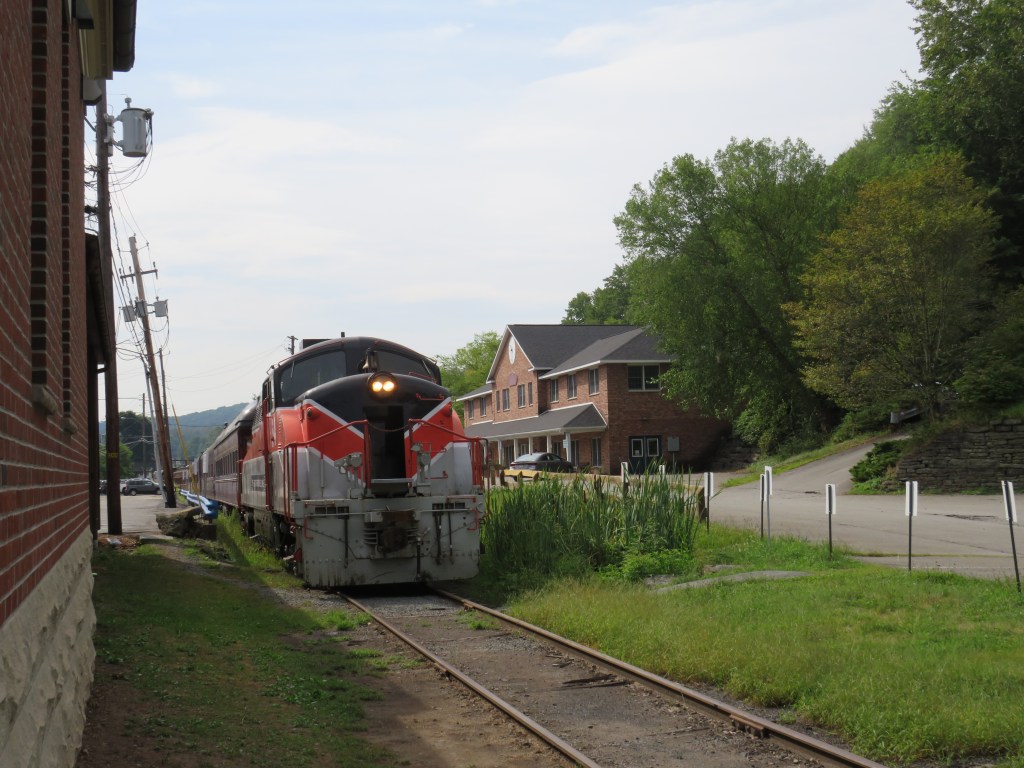
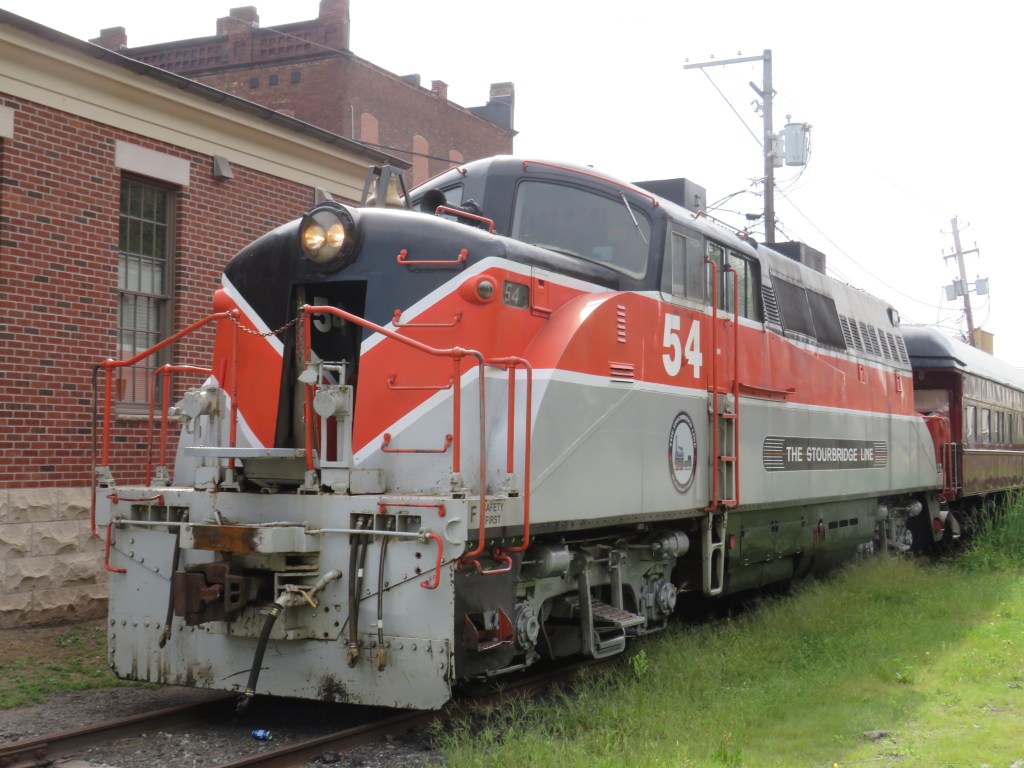
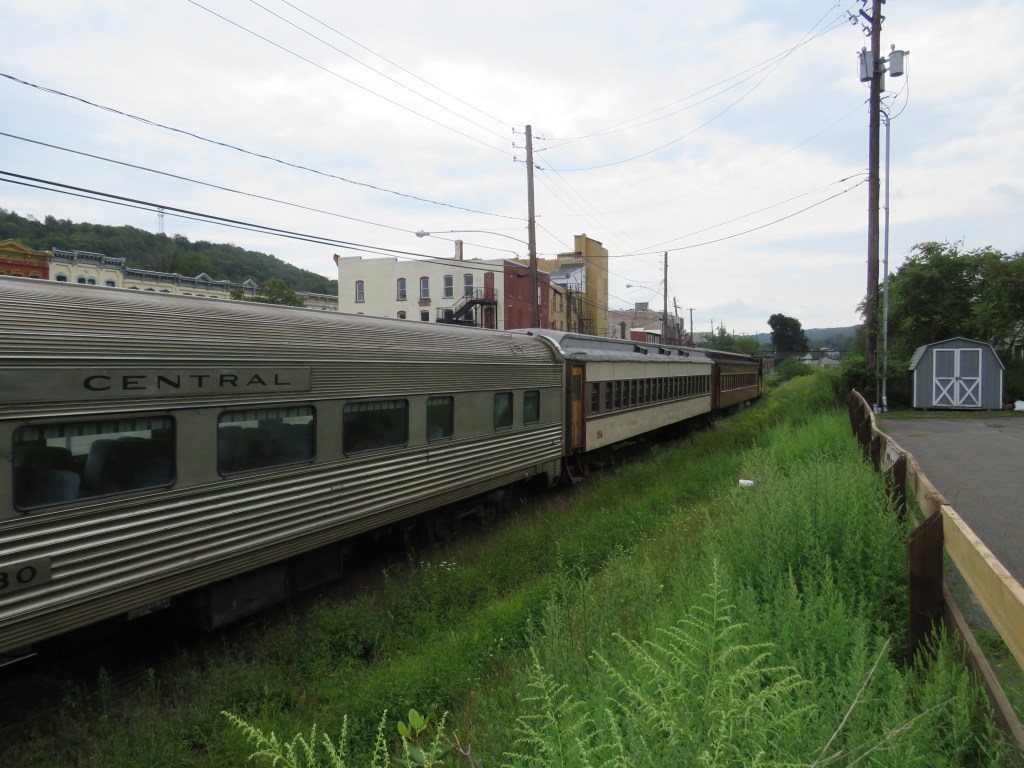
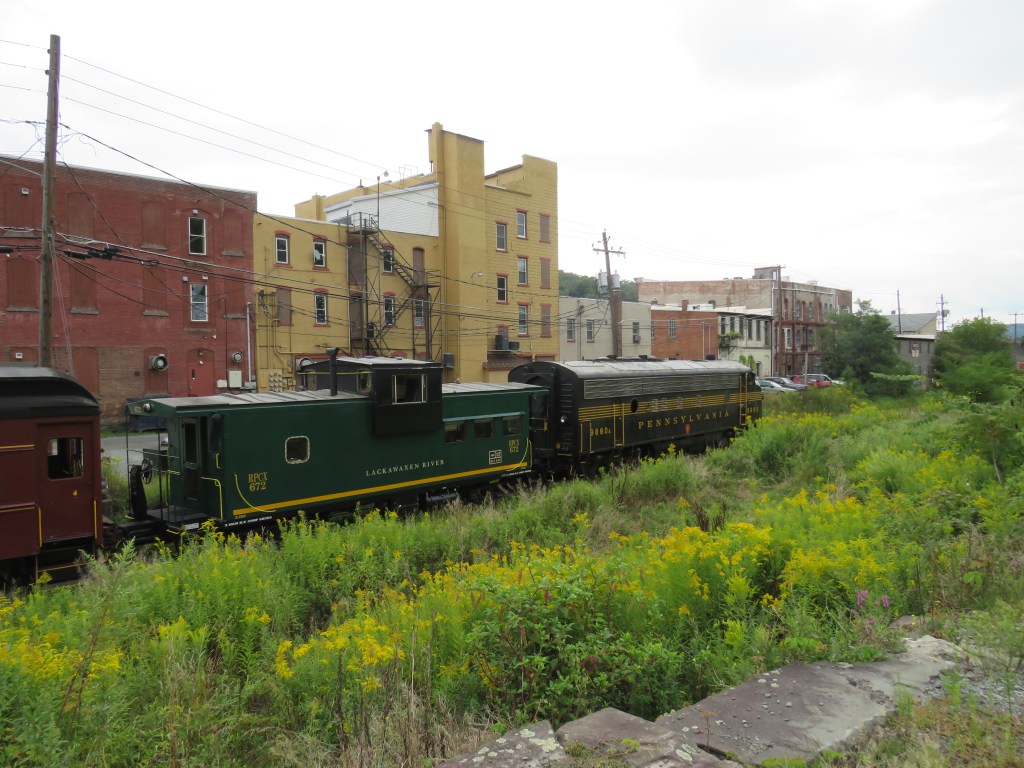
Although the railroad did not begin in Pennsylvania, the state has many railroad sites. Among these sites is the Stourbridge Line in the town of Honesdale. What is the Stourbridge Line? Not many people in America or the world or even in Pennsylvania even know about this place, but it has a significance in the history of the railroad in the United States of America.
Let us begin in the U.S. state of Maryland in the city of Baltimore. The month is February. The year is 1827. Just blocks away from the harbor and miles away from Fort McHenry, railroad tracks were laid, and the first railroad in the Western Hemisphere began. The Baltimore and Ohio Railroad was born. The railroad in the United States of America had begun.
Now we go back to the town of Honesdale, Pennsylvania. It was here where the first railroad was built in the state of Pennsylvania. What is significant about this rail line? Although the Baltimore and Ohio Railroad in Baltimore was the first railroad in the nation, the trains were powered by a specific locomotive. What is that locomotive? Instead of feeding coal in the firebox, you fed it… hay. Yes, the kind of hay that you would feed a horse. Why? America’s first trains were powered by horses. The Baltimore and Ohio Railroad really began with ‘horsepower’. The railroad did not use steam power until the first American built locomotive, the ‘Tom Thumb’, was began on August 28, 1830, taking the train from the Mount Clare Station in Baltimore to the town of Ellicott Mills, Maryland. (It is now Ellicott City. The train station is the oldest surviving train station in the U.S. and is now a museum.)
Now we go back to Honesdale, Pennsylvania. Yes, it is not the first railroad in the nation, but it was the first railroad in the nation… to have a steam locomotive.
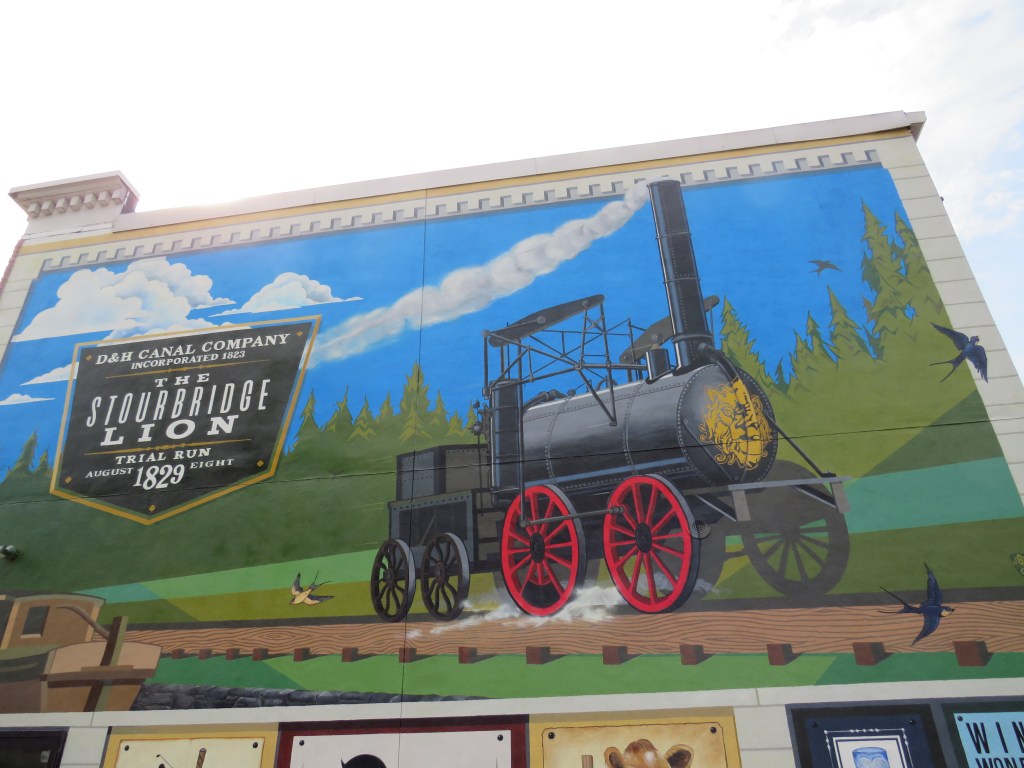
As mentioned, the first steam locomotive was used on the Baltimore and Ohio Railroad in August of 1830. In August of 1829, the ‘Stourbridge Lion’ arrived from Great Britain to the town of Honesdale.
Now some of you are saying, “Wait a minute. I have never seen a lion pull anything. The only thing I have seen a lion do anything but eat other animals and sometimes people. How is was a lion going to do better than a horse that was made to pull carts and to be ridden?”
The ‘Stourbridge Lion’ is the name of a steam locomotive that was built in Great Britain. It was then brought to the town by canal boats, and it began its first run in August of 1829 predating the ‘Tom Thumb’ in August of 1830. This makes the Stourbridge Line the first railroad to use a steam locomotive.
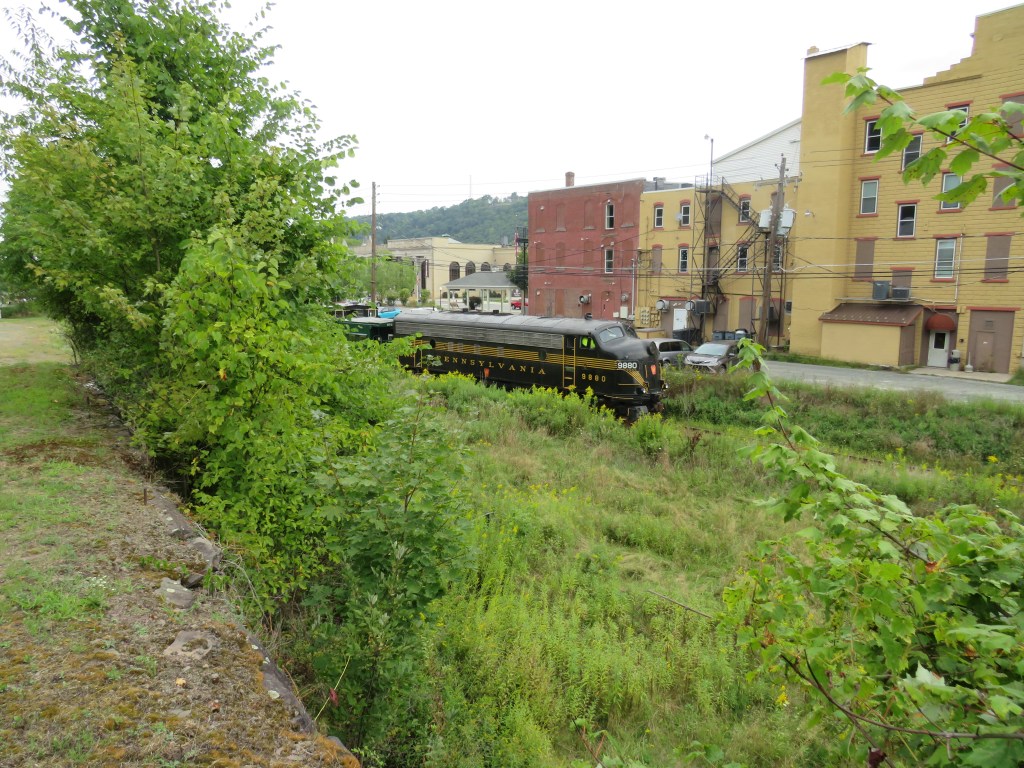
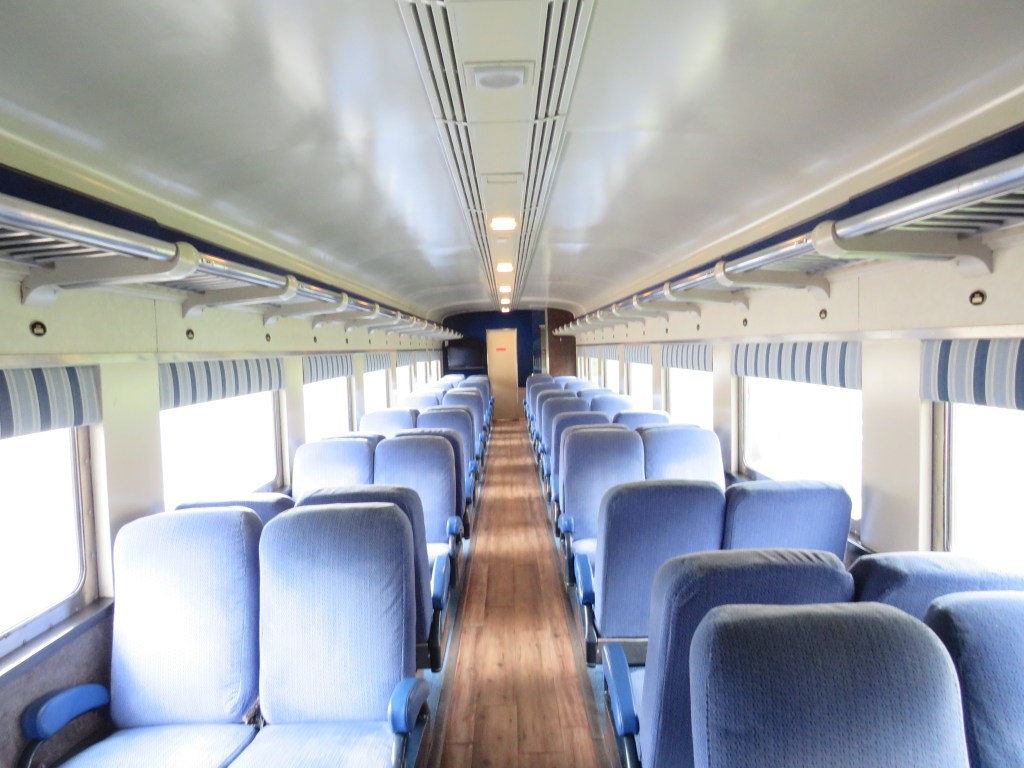
Sadly, the ‘Stourbridge Lion’ was eventually dismantled, but a replica is on display in a local museum. However, you can ride the Stourbridge Line which runs along the Lackawaxen River between Honesdale and the town of Hawley. You can board the vintage passenger cars. You can look out over the Lackawaxen River and see remnants of the old canal where barges brought goods to and from the town of Honesdale. The train may not roar like a lion, but you can still enjoy the sounds of the train horn as it passes each stop.
The Stourbridge Line runs different excursions between Honesdale and Hawley. The main station is located at 812 Main Street (U.S. Route 6 East/ Pennsylvania Route 191) in Honesdale, Pennsylvania. You can get more information about their different excursions and purchase tickets at https://www.thestourbridgeline.net/.
The U.S. state of Pennsylvania has many railroad treasures. The Stourbridge Line is one of them. Take a ride. You will treasure it for years to come.
It was a small town. Mark was taking his young son, Timmy, to watch trains at the old train depot. It was what they enjoyed doing. They would sit on one of the old benches and watch the trains as they rolled on by. No matter what time of the day they got out there whenever they could. It was the same thing every time, and they never got tired of it.
One day would change them forever.
It was morning on a very sunny day. Mark and Timmy were approaching the old depot as they normally did, and they saw an elderly couple sitting on the same bench that they normally sat on.
“Do you think they are here to watch the trains with us?” Timmy was very excited.
“I don’t know,” Mark said. “We’ll just sit on the next bench.”
They came upon the couple.
“Good morning,” the man bellowed out.
“Hi.” Timmy waved at them. “Are you here to watch the trains with us?”
“Trains!” The man was very excited. “I love trains. Do you love trains?”
“I love trains too,” Timmy said with much glee.
“Oh,” Mark giggled, “he really loves trains. I have a hard time getting him to leave.”
“You must not be from around here,” Mark said to them. “We know everyone in town.”
“Oh,” said the woman. “We are from Varsburg.”
“Varsburg?” Mark was curious. “That’s fifty miles away. You must be a traveling couple.”
She looked at Timmy and then at Mark. “This old depot is as special to us as it is to you and your boy.”
“I am glad to hear that,” Mark said. “There is so much history to this place. I hope that it can be restored somehow.”
“I use to bring my boy here to watch trains,” the man said. “He was always sad that we did not have trains in Varsburg. He always looked forward to coming here. He was about as old as your boy is now. Every few weeks we came to this town. We did not sit on the bench. We stood up and watched the trains.”
“So do you still get together to watch trains?” Mark asked.
The woman began to cry.
“I’m sorry,” Mark was very concerned. “I didn’t …”
“Don’t be,” the man interrupted. “It is just that this is an anniversary for us.”
“How long have you been married?”
“Fifty two years,” the woman said as she wept, “but our wedding anniversary was three months ago. We did come here from time to time to watch the trains with our son, Fred, but forty years ago today, we saw him for the last time.”
Mark became very shaky. “What happened to him?”
“We brought our son here for the last time,” the man continued on. “He was going off to fight a war. We never saw him again.”
Mark was overcome with sadness. He looked at Timmy and began to be concerned.
“I am very grateful for your son,” he shivered out.
“We will always be proud of him,” the woman said. “He was a great soldier who served his country well.”
“Would you like to watch trains with us?” Timmy asked.
They looked at each other. “We would love to sit and watch trains with you.”
Mark and Timmy sat on the bench next to the couple. The sound of the bells of the nearby crossing gates were ringing loud as the gates went down.
“Here it comes,” Timmy shouted.
They all sat together as the train rolled by.
This article is a tribute to the men and women who gave their lives so that we could live ours and to the loved ones who must continue on without them. May we remember those sacrifices this Memorial Day? They sacrificed their lives to protect our land and, most important of all, our favorite spot to watch those trains roll by.
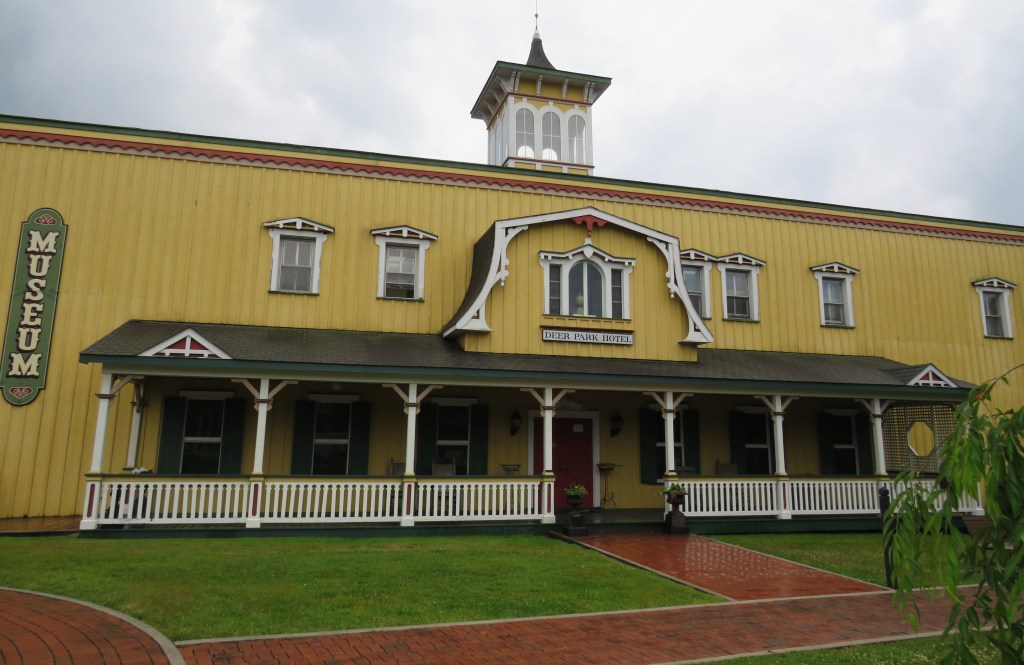
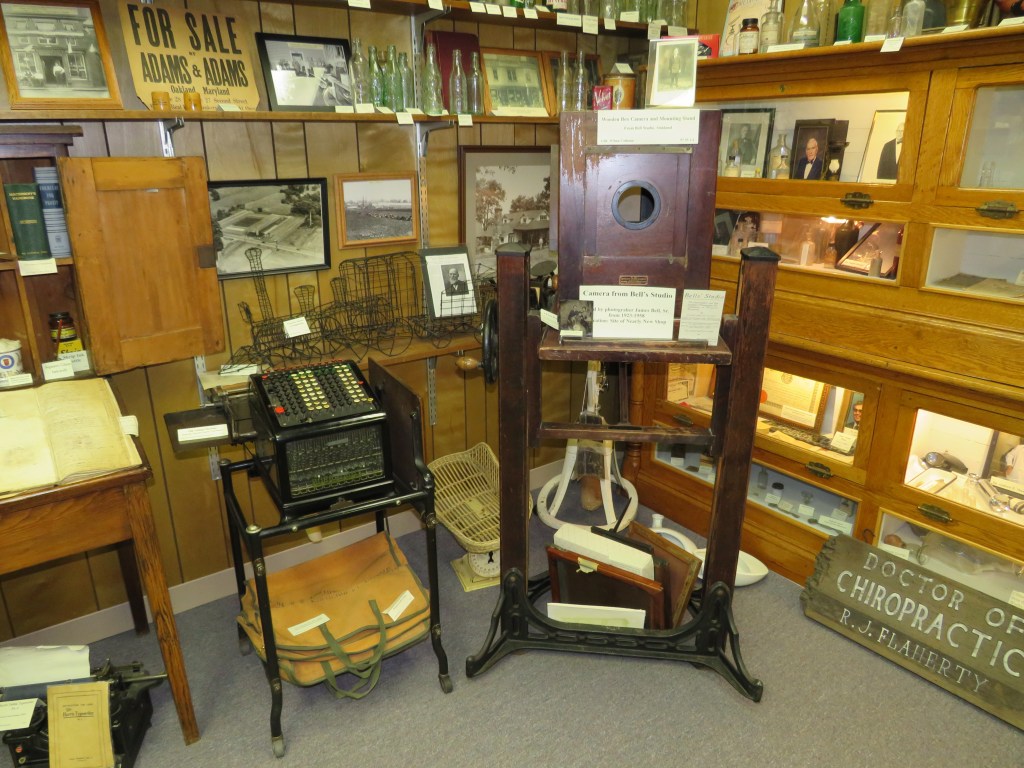
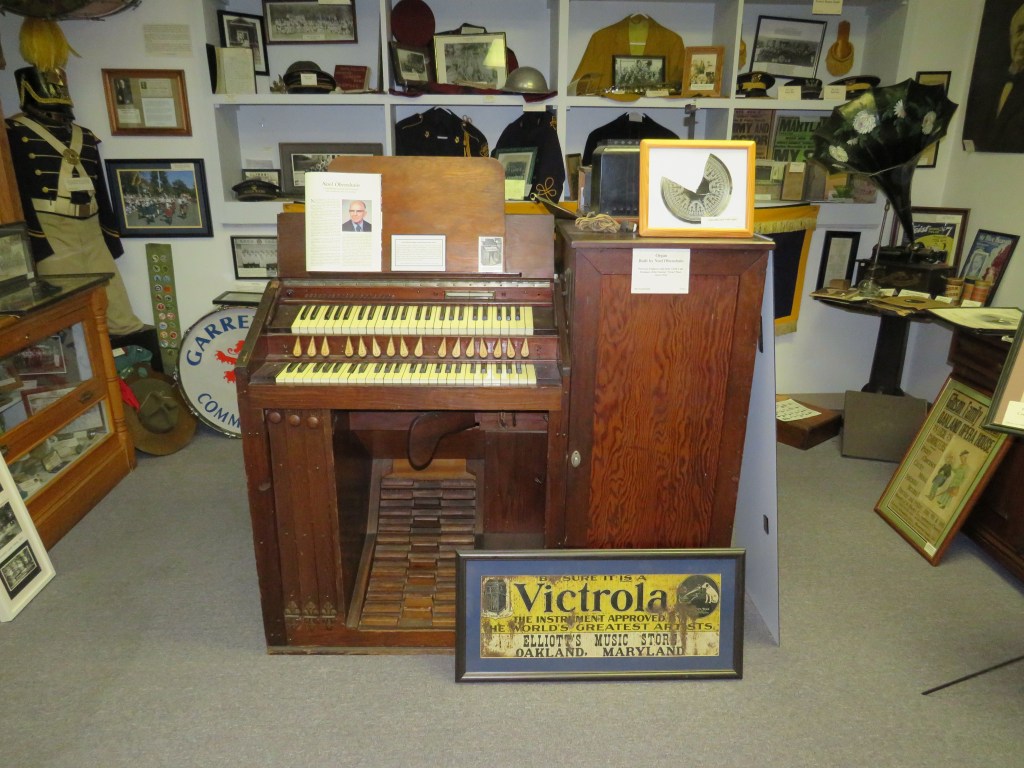
Garrett County in the U.S. state of Maryland is the westernmost county in the state. It is often overshadowed by the Chesapeake Bay region where the Star Spangled Banner, the world’s oldest operating airport, the first railroad in the nation, and many wars took place. Garrett County has its own share of history as well as natural areas to include the state’s highest point and the state’s only ski resort. In case you are wondering, the National Road, present day U.S. Route 40, does pass through the northern part of the county. The only interstate is Interstate 68 which goes between Hancock, Maryland and Morgantown, West Virginia. The only other major routes are U.S. Route 50 which crossed at the point of the panhandle and U.S. Route 219. On U.S. Route 219 is where you will find the town of Oakland, the county seat of Garrett County. It is here where you will find the Garrett County Historical Museum. The museum tells the entire history of Garrett County. Housed in the old Deer Park Hotel, you will see the whole history of the county.
Some of you are saying, “This is wonderful. It is sad that not too many people know about this part of Maryland. As I see the town on the map, I notice that this town is in the middle of nowhere. Another problem I see is that this museum is not about railroads. Therefore, I am not making any visit to this museum.”
The Garrett County Historical Museum is about the history of the county going back two hundred years. The county itself does not have must history with the railroad, but the town of Oakland was once a big railroad town.
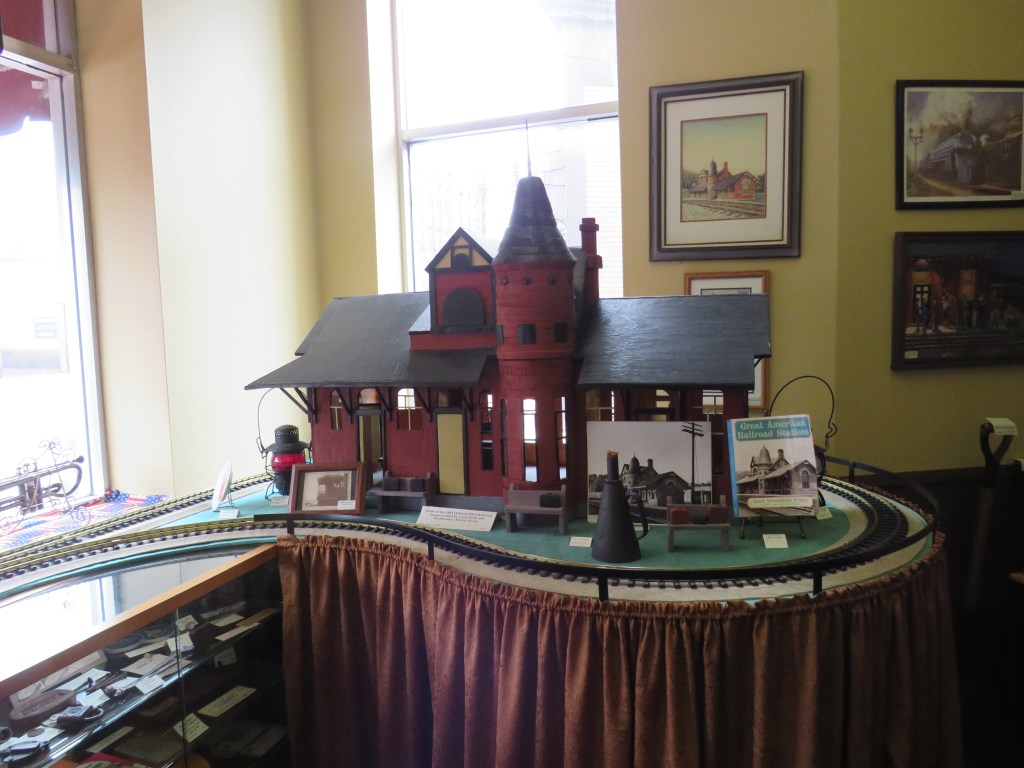
As you approach the old Deer Park Hotel, you are not going to notice the old hotel. Your eyes will be on the old train station, locomotive and caboose, and it is not your typical train station. It is a Gothic style train station built by the Baltimore and Ohio Railroad which regularly served the town of Oakland. (It is now a museum.) The town was home to some very majestic hotels to include a large hotel built by the Baltimore and Ohio Railroad (now gone), the Glades Hotel (also gone), and the Deer Park Hotel, the home of the museum.
Some of you are saying, “That is very nice, but what does that have to do with this museum?”
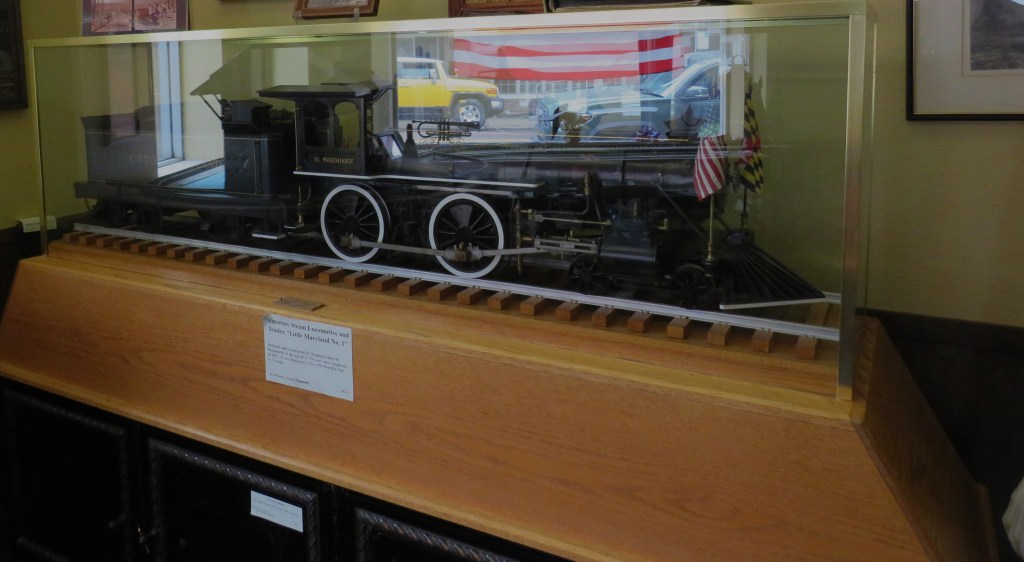
As mentioned, the Garrett County Historical Museum tells the story of the county. The museum is divided into different rooms. Among those rooms is the B&O Room. (B&O is the Baltimore and Ohio Railroad.) When you enter, you will see artifacts from the Baltimore and Ohio Railroad in Garrett County. You will see a model train display. You will see a model of the Oakland Train Station. You will see a replica of a locomotive known as ‘The Little Maryland’. What is special about ‘The Little Maryland’? It was built by a sixteen year old named Stephen Pagenhart, and it took him three years to finish. Although it is enclosed in glass, it is still operational. Before it was displayed at this museum, it was displayed at the 1893 World’s Fair in Chicago, Illinois.
You may not be from Garrett County, Maryland, but you will appreciate what you will see here. It is owned and operated by the Garrett County Historical Society which also operates the Garrett County of Transportation which is across the street and the Grantsville Museum in Grantsville, Maryland. It is located at 107 South Second Street two blocks west of U.S. Route 219 and three blocks north of Maryland Route 39. It is open Wednesday through Saturday from 10:00am to 3:00pm. Admission is free, but donations are gladly accepted. Parking is on the street, and you can stay parked as you visit the Garrett County Museum of Transportation and the Old Train Station. You can learn more about the museum, and you can read more into the Garrett County Historical Society at https://garrettcountymuseums.com/historicalmuseum/.
You now have a reason to visit Oakland, Maryland. You will not see the Oakland Athletics or the San Francisco Bay or Alcatraz, but you will see a great town with a great history and great museums.
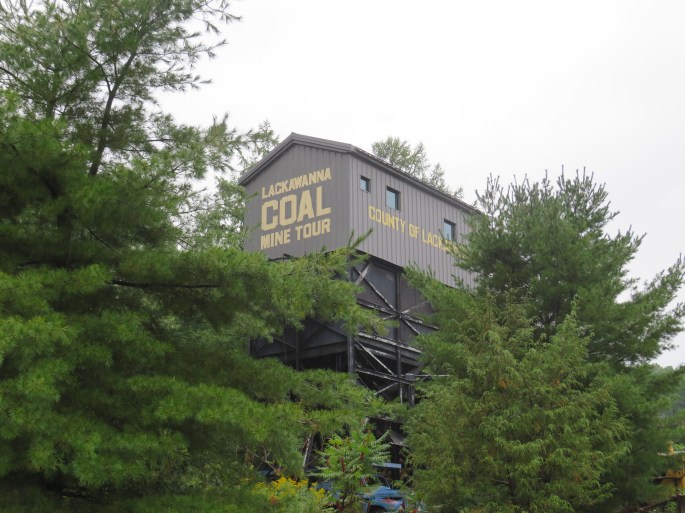
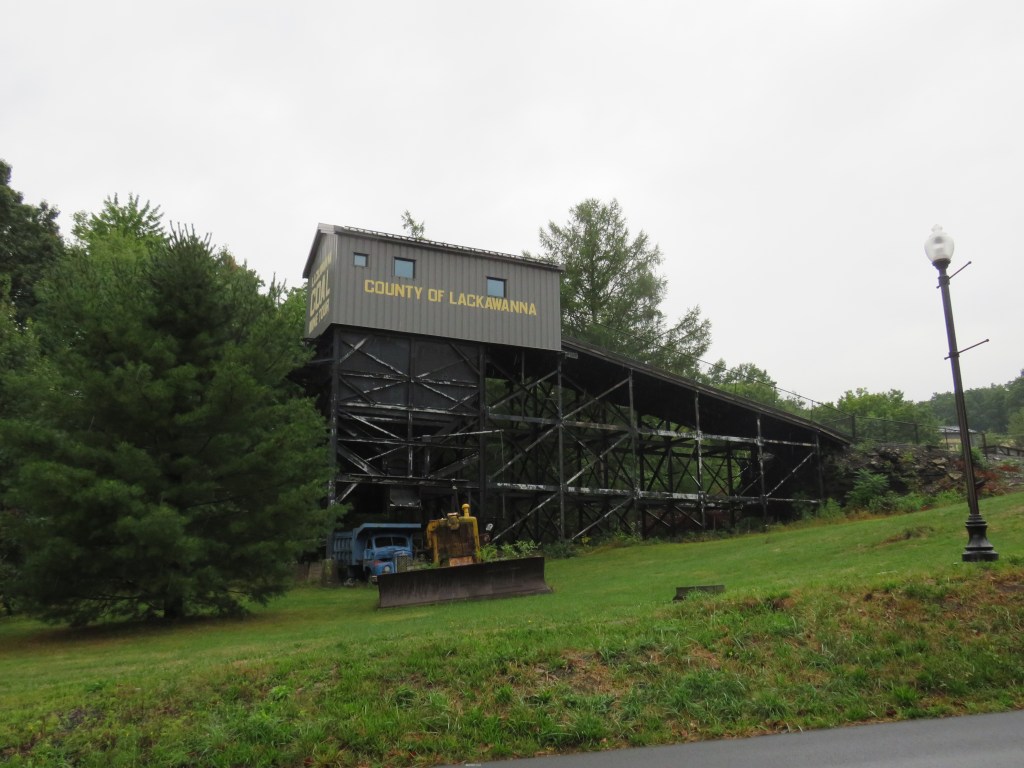
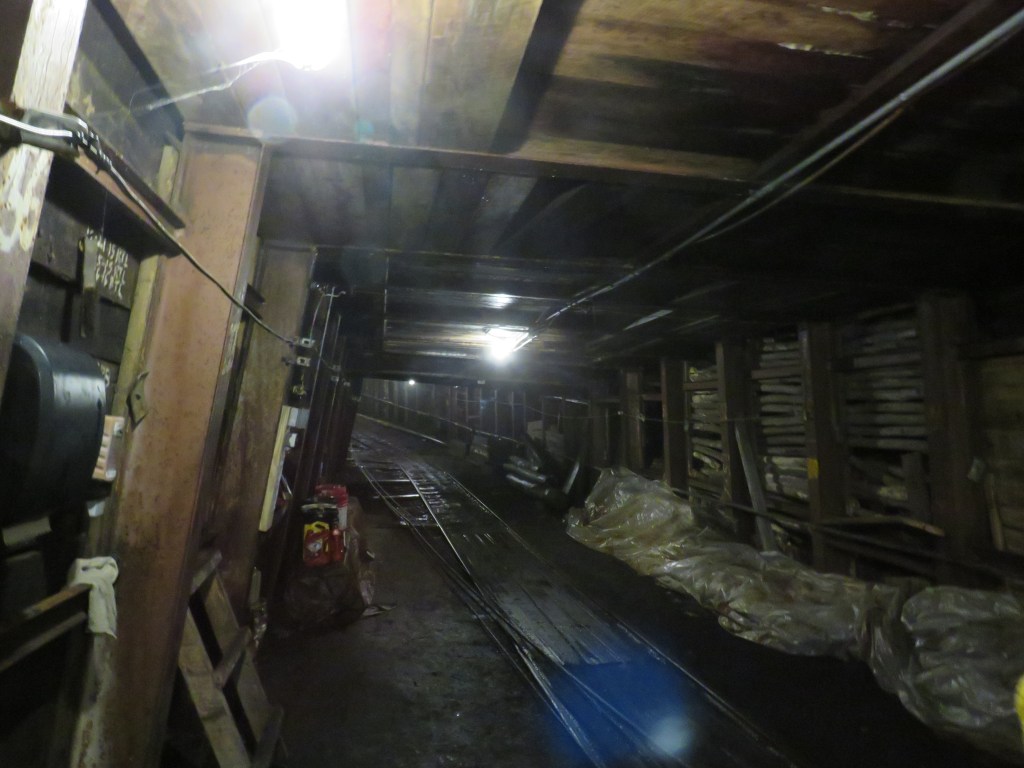
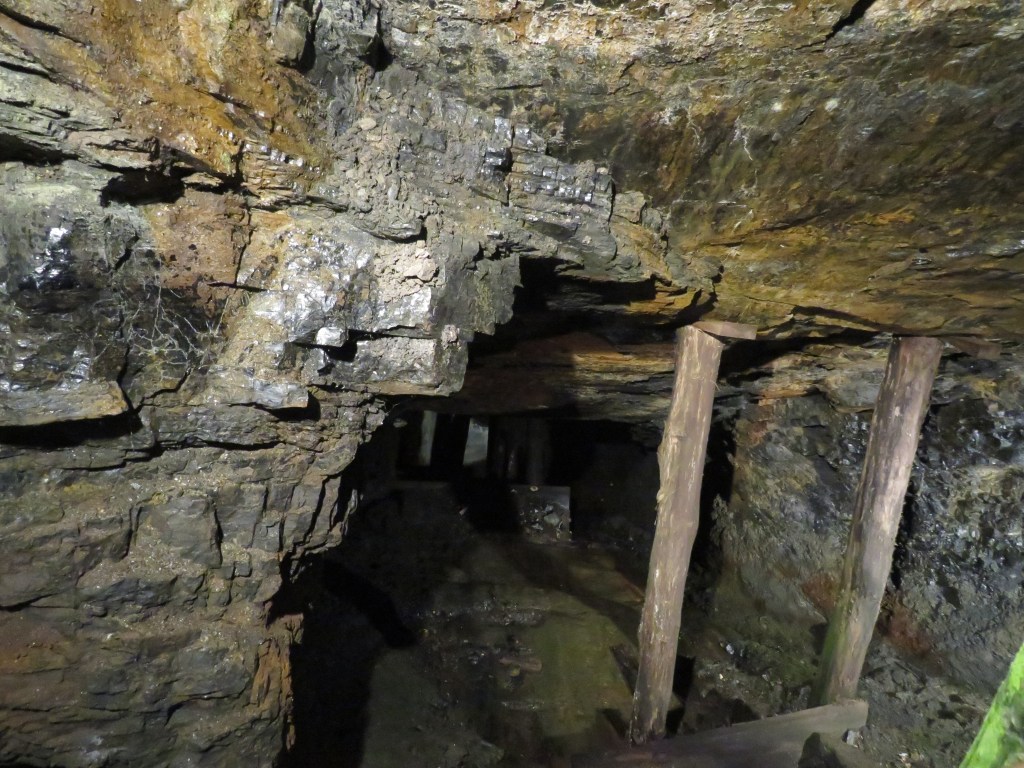
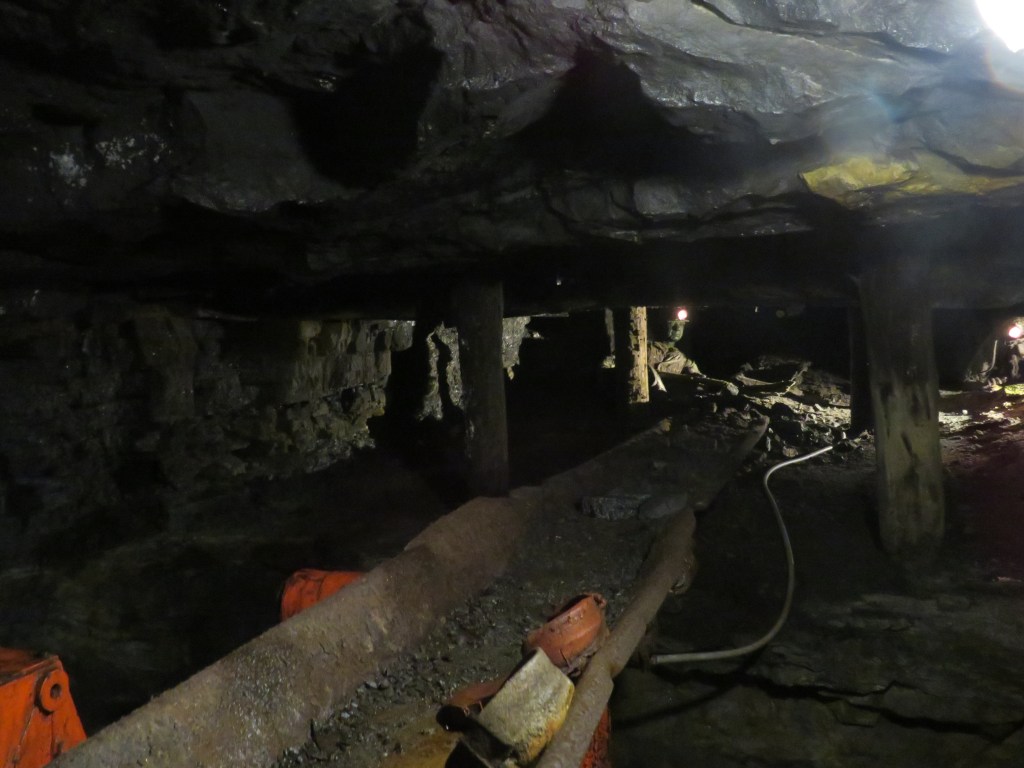
You have arrived. You have put your hard hat on. Now you must get into the transport that will take you into the coal mine that is three hundred feet into the ground. The tracks that the transport runs on is on a nine percent grade. The transport is controlled by a steel cable that lowers you into the mine. After a lone ride, you arrive at the bottom. You step out, and you find yourself inside the coal mine.
“Where do we start?” You ask.
“Right here.”
“Where are the explosives, the tools? How are we getting the coal out?” You ask.
“Sir, the mine is decommissioned. This is the Lackawanna Coal Mine Tour. Coal is no longer mined here.” The tour guide informs you.
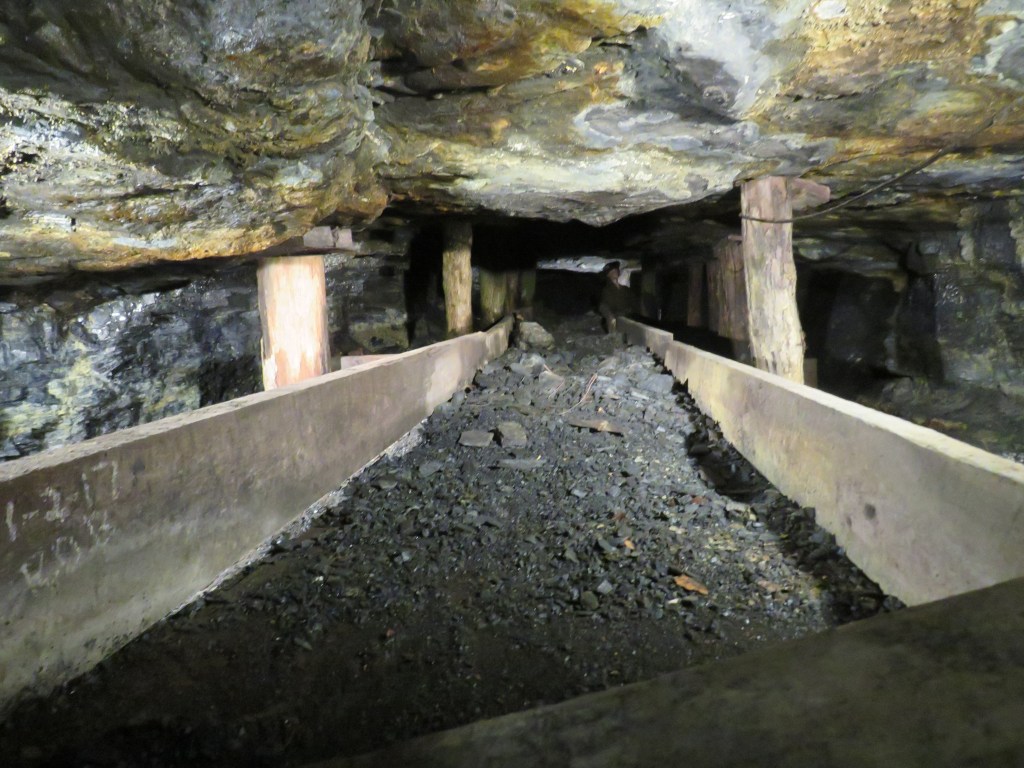
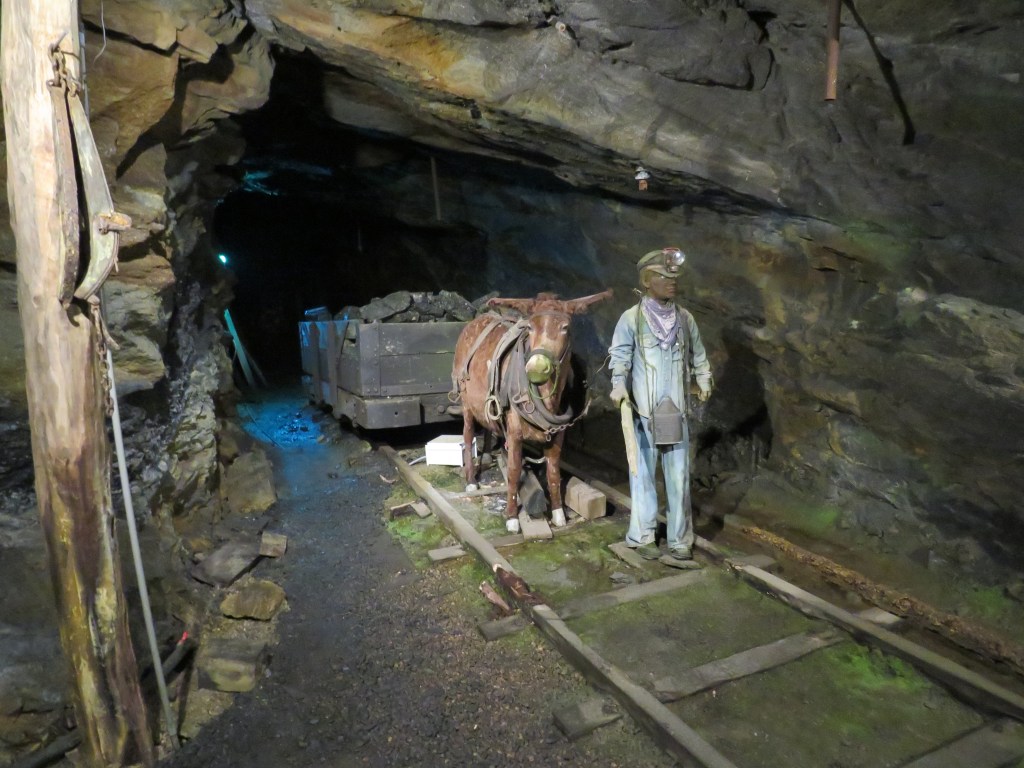
Be warned that a visit to the Lackawanna Coal Mine Tour in the city of Scranton in the U.S. state of Pennsylvania may make you think that you are going to work. You are in an actual coal mine. Well, you are in a decommissioned coal mine, but the tour guide, a former coal miner, will take you to all of the places where the miners worked, and he will show you the tools used. As you walk through the mine, you will see the tracks the mine cars used to transport the coal. As you walk around, you will be tempted to get to work.
The Lackawanna Coal Mine is an award-winning historic attraction. It is located on Bald Mountain Road inside Dade Park in Scranton, Pennsylvania. It is open from April 1 to November 28 from Friday to Monday 10:00am to 4:00pm. (Last admission at 2:45pm.) Parking is free and on site. Admission is $10.00 for adults, $9.50 for seniors, $9.00 for military, $7.50 for those 3 to 12, and children under three free. Please note that the tour is about an hour and that you will be underground the entire tour. The tour is also not wheelchair accessible. You can get more information and read more into the history of the mine at https://coalminetournepa.com/. Time to get to work. Not really. You will feel that way in the Lackawanna Coal Mine.
It was a bright and sunny day. A young man wearing a coat and sweatpants and sneakers was sitting on a bench at the train station. A young woman wearing a blue dress and jacket with flip flops on her feet approached him. “Is this seat taken?”
He looked on the seat next to him. “Have a seat.”
“Thanks.” She sits down and crosses her legs. “You must be waiting on the train.”
“I am. I am going home. I live in Roanoke, Virginia.” He smiled at her.
“Nice. I am on my way to Altoona, Pennsylvania.” She said.
“I guess we are going in two opposite directions. Bummer. It would have been nice to ride with you.” He admired her beauty.
“Well, I don’t get to ride with people very often, but my puppy is waiting for me at home. I miss him.” She looked at him.
A group of men wearing black suits with black ties arrive at the station, and they line up along the platform. The man and woman thought it was very strange.
“Excuse me. What is going on?” The young man was curious.
One of the men turned to him. “The Dover Harbor.”
“The what?” The young man was puzzled.
“The Dover Harbor. It is coming.” The man in the suit smiled. “Here it comes.”
They heard the sound of a whistle. A shiny gold steam locomotive with white steam puffing out of the stack was pulling into the station pulling a green Pullman car, and it stopped in front of the station.
The men sang,
“Happy Birthday to you.
Happy Birthday to you.
Happy Birthday Dover Harbor.
Happy Birthday to you.”
The conductor stepped off of the train. “All aboard!”
The men climbed aboard the Dover Harbor. The conductor looked at the young man and woman. “Would you like to ride?”
They looked at each other.
“Come aboard.” The conductor smiled.
They looked at each other again… and they went aboard the Dover Harbor. The train pulled away from the station.
The Dover Harbor was built in 1922. Happy Birthday to the Dover Harbor.

















 John Cowgill: Stories of the Railroad