The U.S. state of Massachusetts has called itself the ‘Spirit of America’. Why? Its largest city and state capital, Boston, played a big role in the American Revolution. From Paul Revere’s famous ride to the Battle of Bunker Hill to the ‘Shot Heard Around the World’ in nearby Concord to the ‘Boston Tea Party’, so many battles and skirmishes took place here. Boston is the home to the U.S.S. Constitution. What is special about the U.S.S. Constitution? Yes, it is named after the United States Constitution, but it is an old sailing ship that is still commissioned to fight in a war. In matter of fact, it is the oldest commissioned naval war ship in the world. Plymouth, and suburb that it south of the city, was where the Pilgrims landed in the year 1620, and Plymouth Rock marks the site of the landing. Boston is also the site of another battle: the sports battle. The city of Boston is one of the biggest sports cities in the United States of America. It is second to New York City, New York in winning the most professional sports championships, and it is the home to the Boston Celtics, a basketball team in the National Basketball Association that has won the most National Basketball Association Championship titles, and they have won the third most championships in North American Professional Sports only behind the Montreal Canadiens of the National Hockey League and the New York Yankees of Major League Baseball.
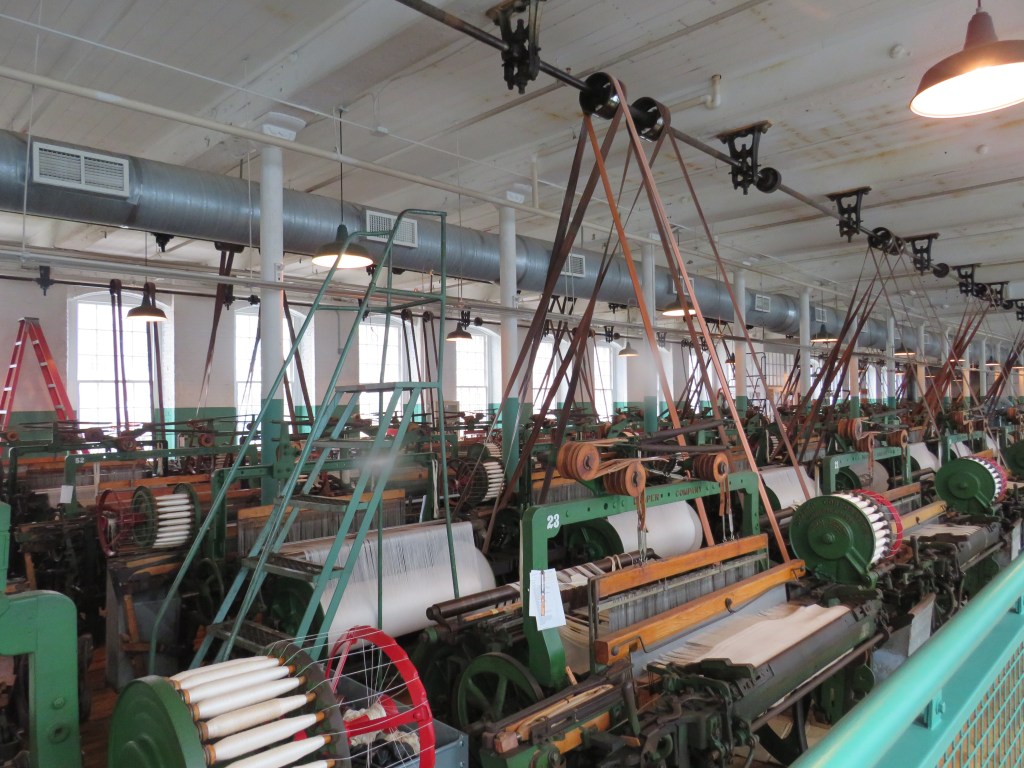
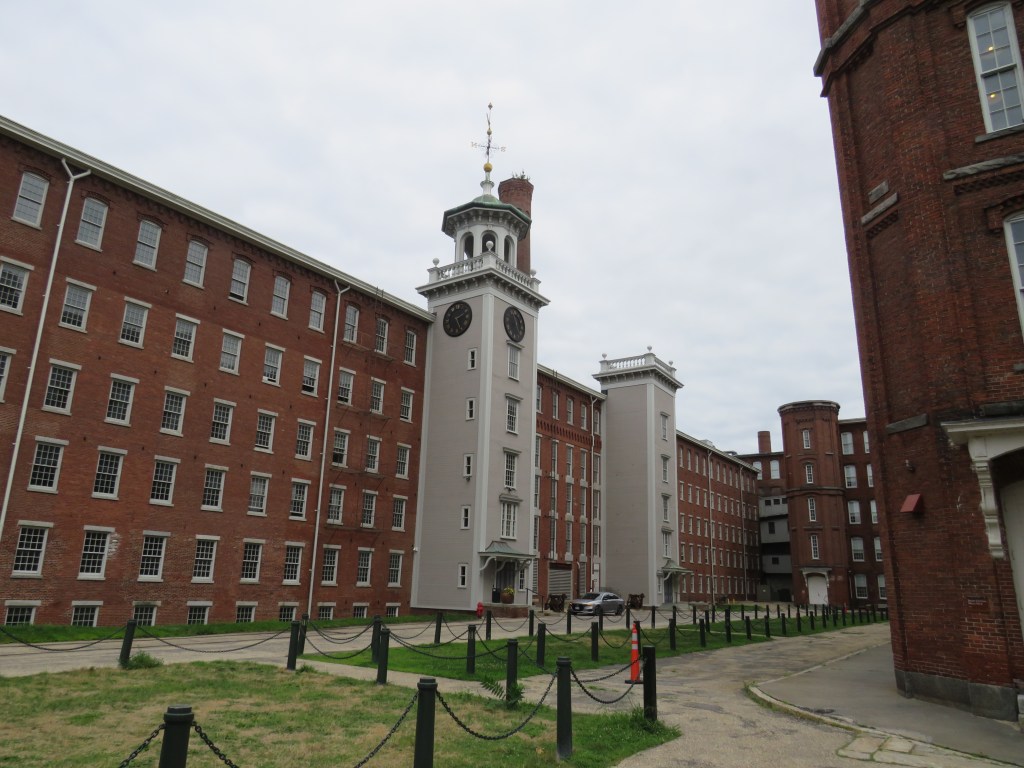
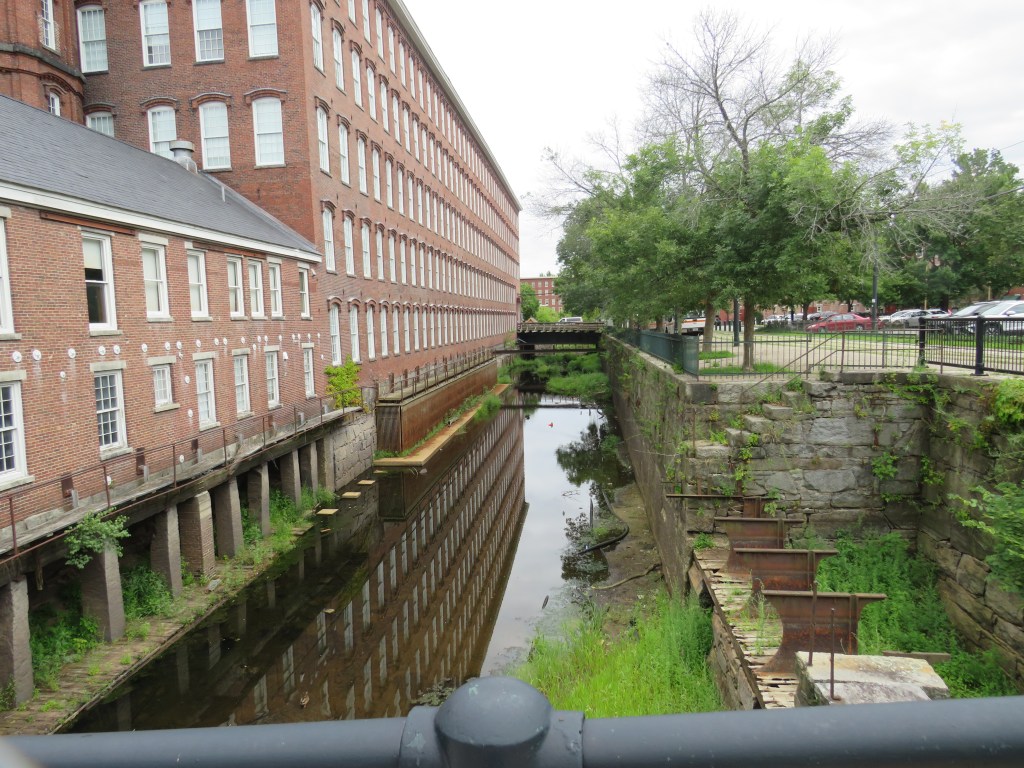
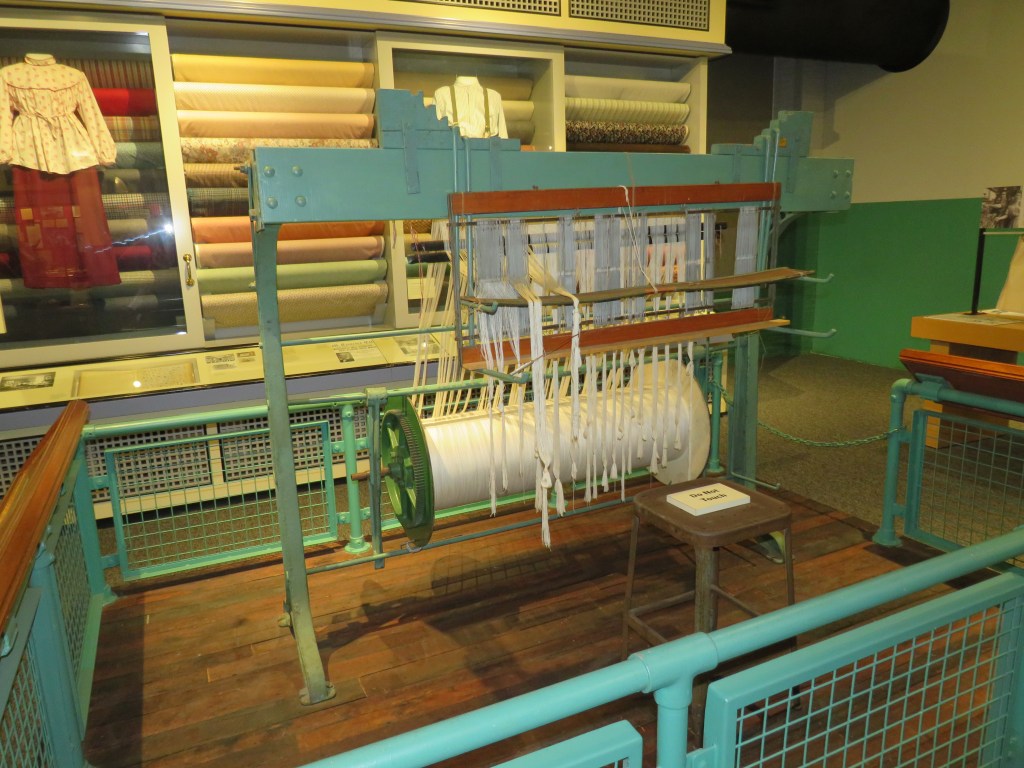
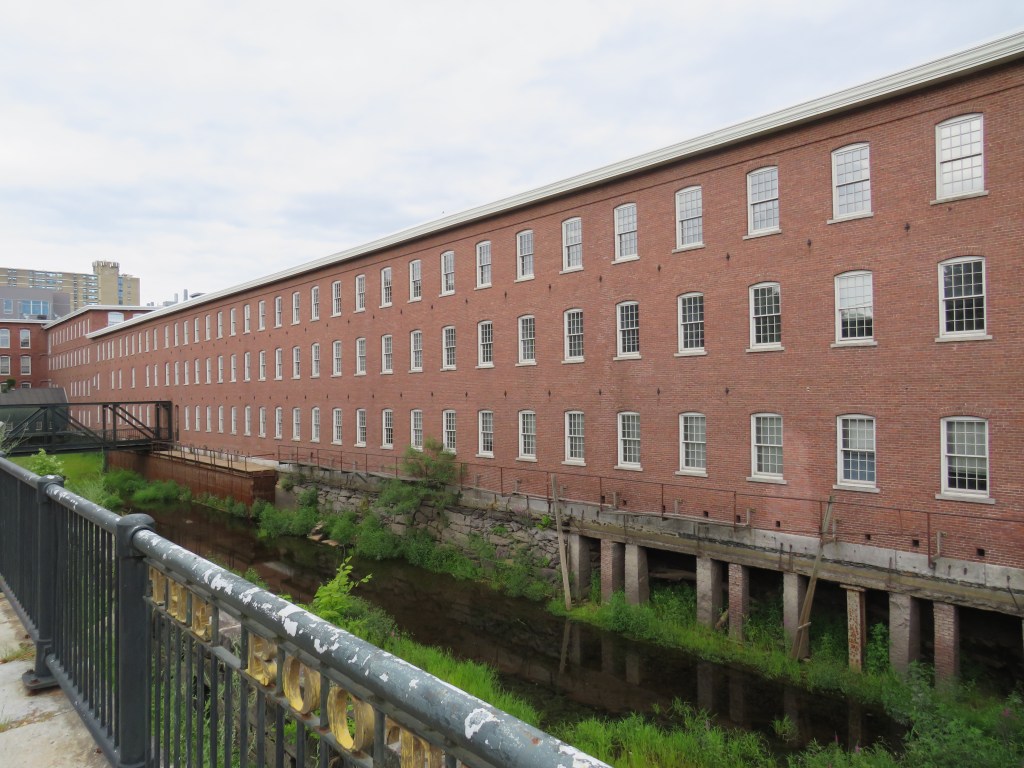
There is so much you can say about the city of Boston, but what about its suburbs? We did mention Plymouth and Concord, but you also have the suburb of Lexington which also played a role in the American Revolutionary War and Salem, famous for its witch trials. What few people have heard about the suburb of Lowell. What is special about Lowell? Well, many of you heard of the Industrial Revolution. Lowell played a big role as the cradle of the Industrial Revolution as it was the home of textile mills and manufacturing sites. Founded in 1826 and named after Francis Cabot Lowell, it was the largest industrial complex in the nation. Sadly, the industries died in the town, and the structures were abandoned… until the National Park Service claimed the properties and made them into the Lowell National Historical Park. Today, you can visit the old textile factory and see where workers came every day to earn a living and create textiles to be sent around the nation and around the world.
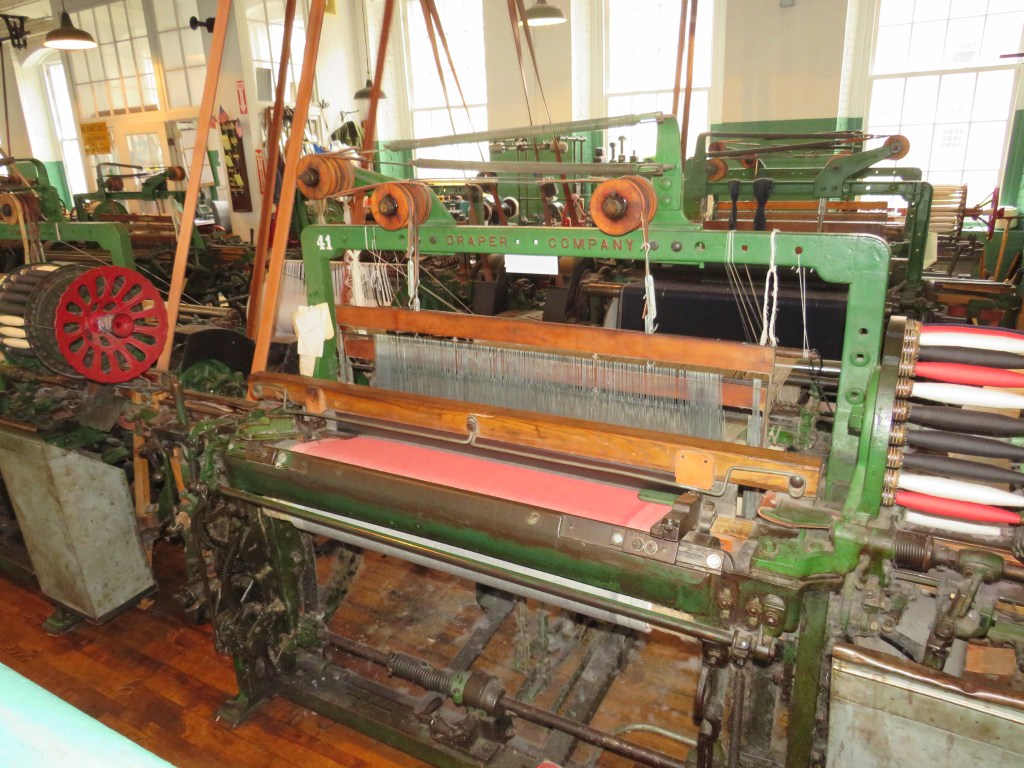
Some of you are saying, “Wow! That is great. I love Boston. It is such a great city with so much history. I had never heard of Lowell before. It is great to know that the old factories have been preserved. There is a very big problem. This site is about industry. It is not a railroad site. Therefore, I will not make my history of visiting here.”
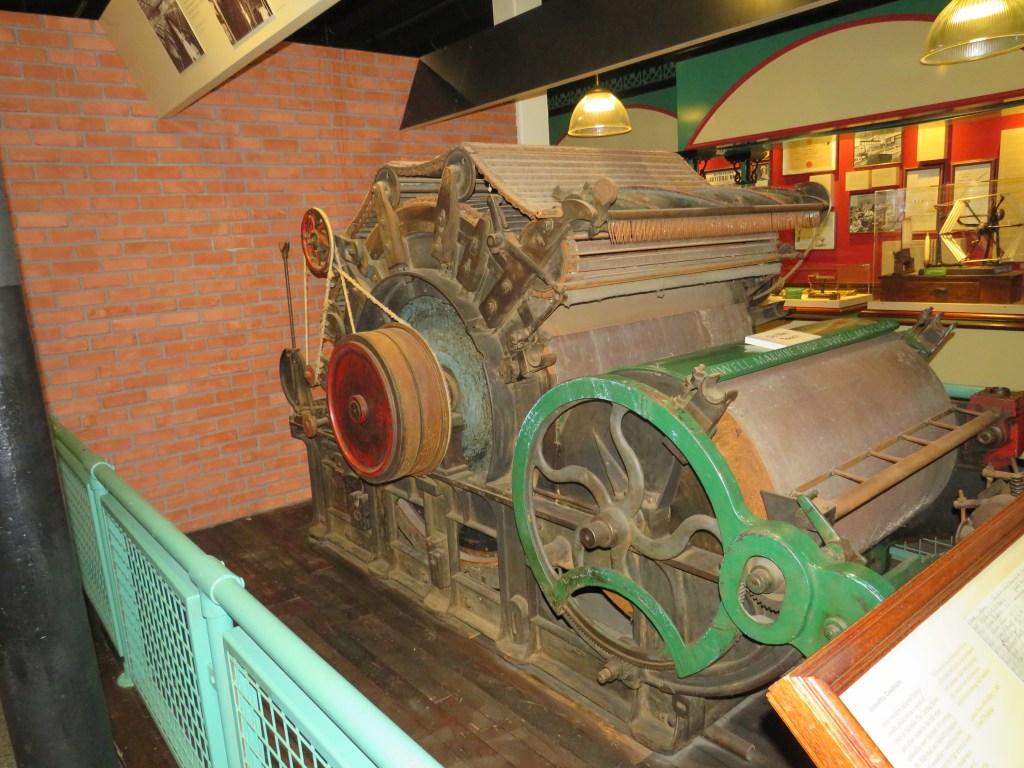
You do have a great point. The Lowell National Historical Park is a park preserving an old textile mill. It is a not a site built around the railroad. So why visit the Lowell National Historical Park?
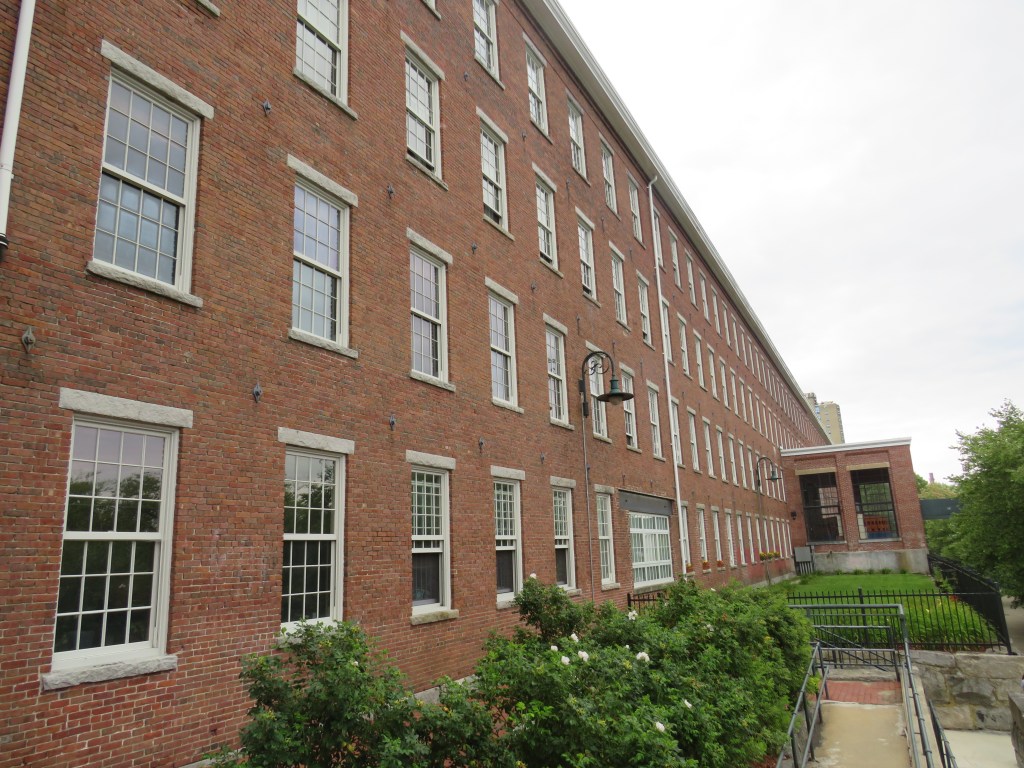
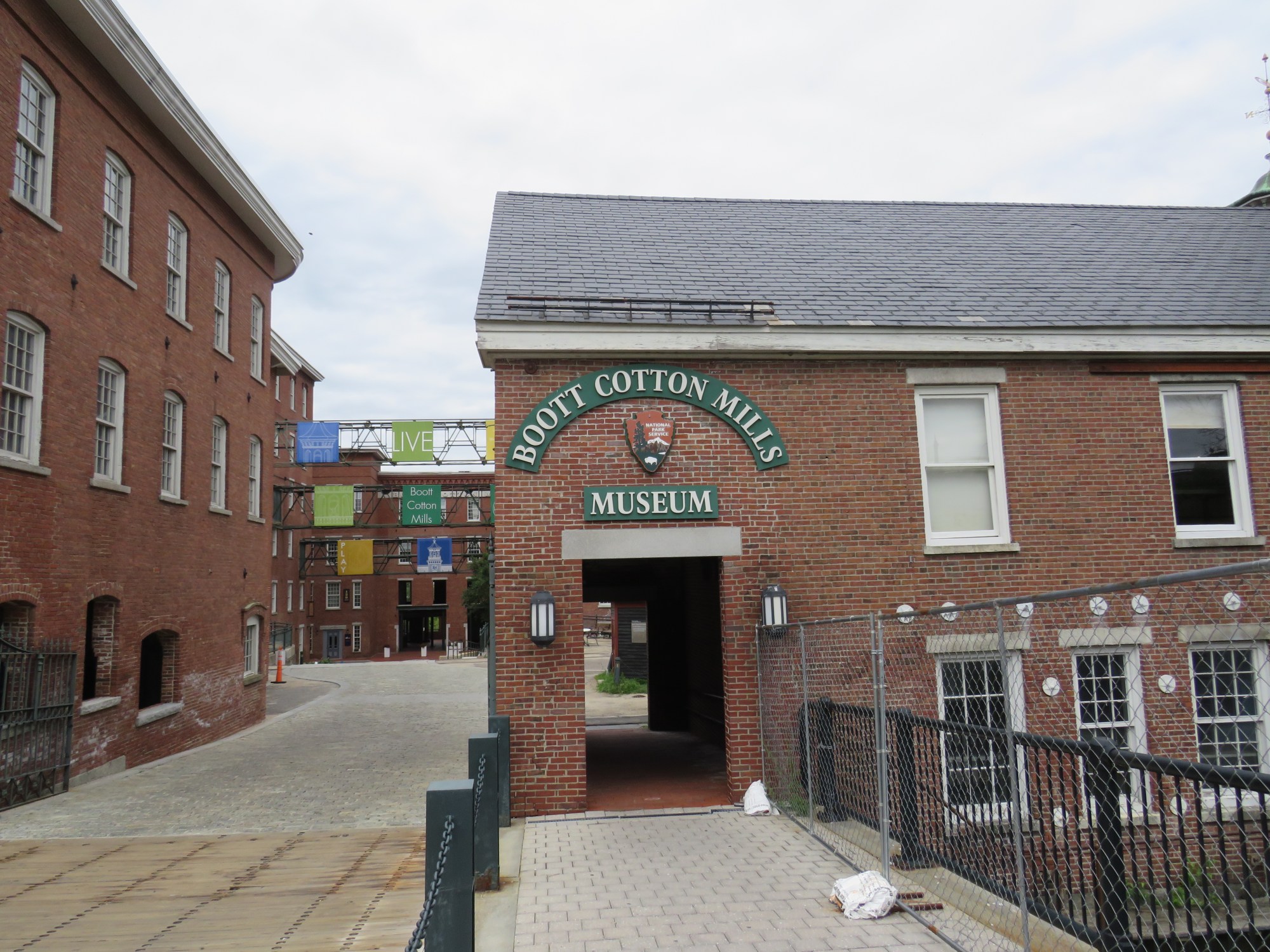
As you visit any historic site, you would normally visit the Visitor Center first. It is where you would get most of the information on the site. Well, it is no different while visiting the Lowell National Historic Site. You enter the Visitor Center which contains a small museum. You see displays on the factories and the workers in those factories, and then you see the front of a trolley.
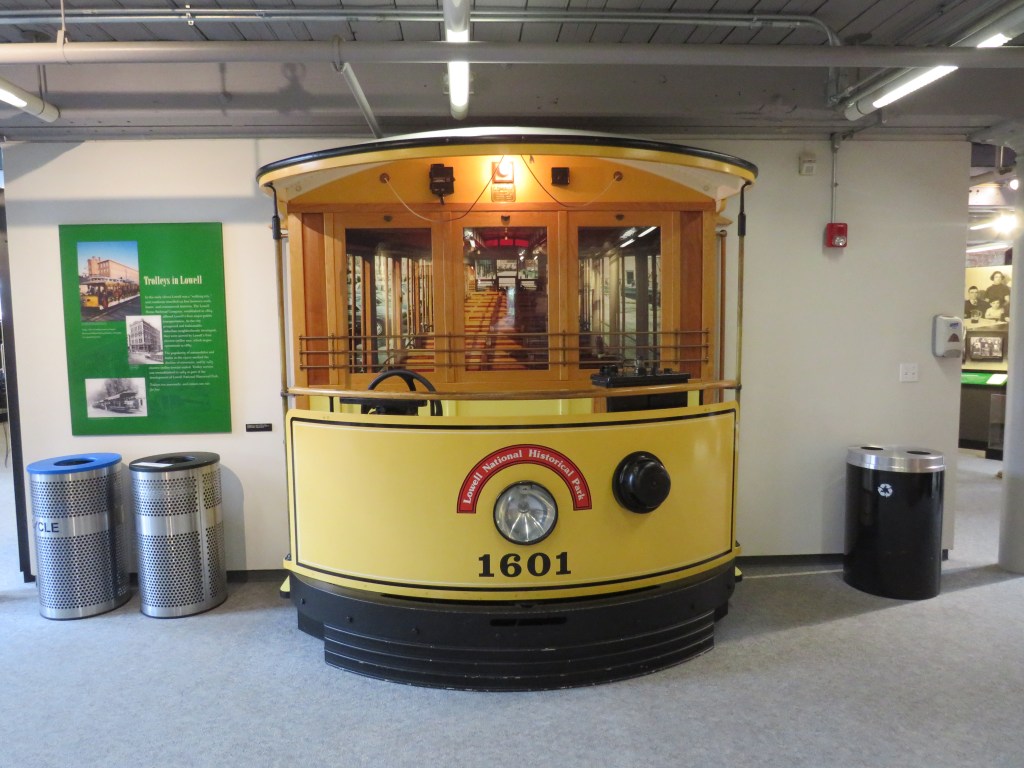
Some of you are saying, “Wait a minute. This site is about factories and mills. What does a trolley have to do with this site?”
That is a good question. Here is the answer.
When the city of Lowell and the mills were erected in the 1820’s, workers walked to work. In 1864, the Lowell Horse Railroad Company gave the workers a new option. They could now ride a trolley pulled by a horse instead of walking. In 1889, electric trolleys took over. However, one of the passenger railroad’s enemies, the automobile, became more popular, and the trolley service ended in 1935.
Some of you are saying, “Yea, I know, and the trolley is gone forever. Therefore, there is no reason to visit this place.”
So why visit? Well, you were at the Visitor Center. Why not visit an old factory? However, the factory is a few blocks away. The good news is that you have options. Option one is to walk to the factory like they did in the old days. Option two is that you can drive, but you will have to find parking of which the museum does not have. Option three is that you can use public transportation. There is a fourth option. What is the fourth option?
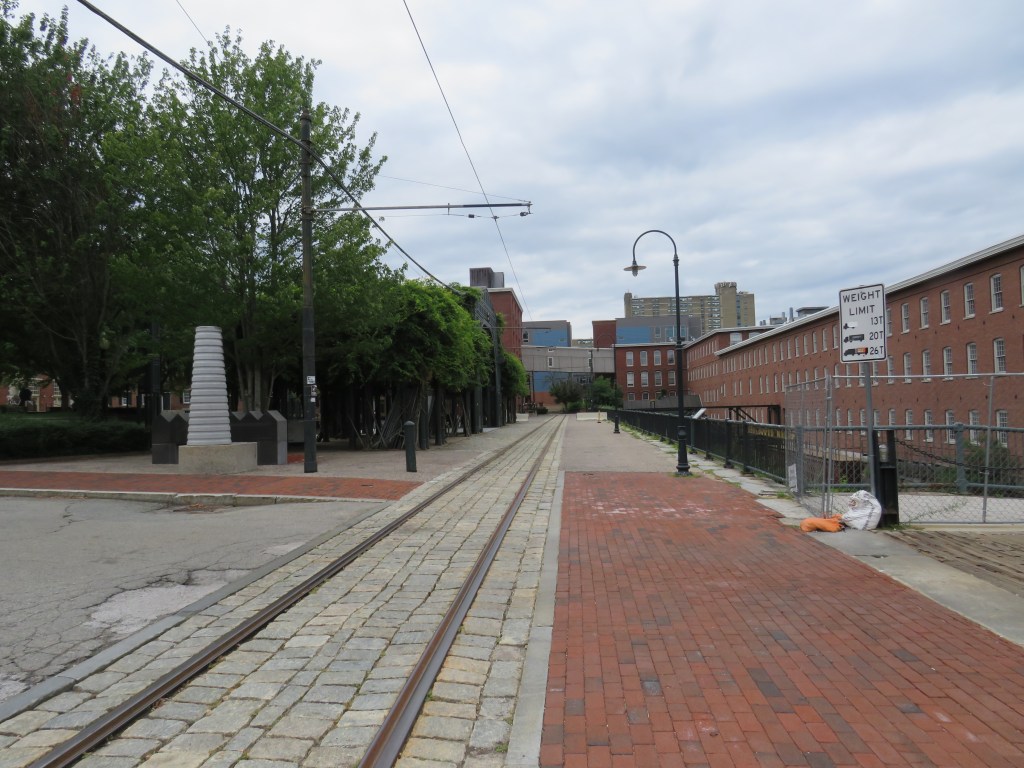
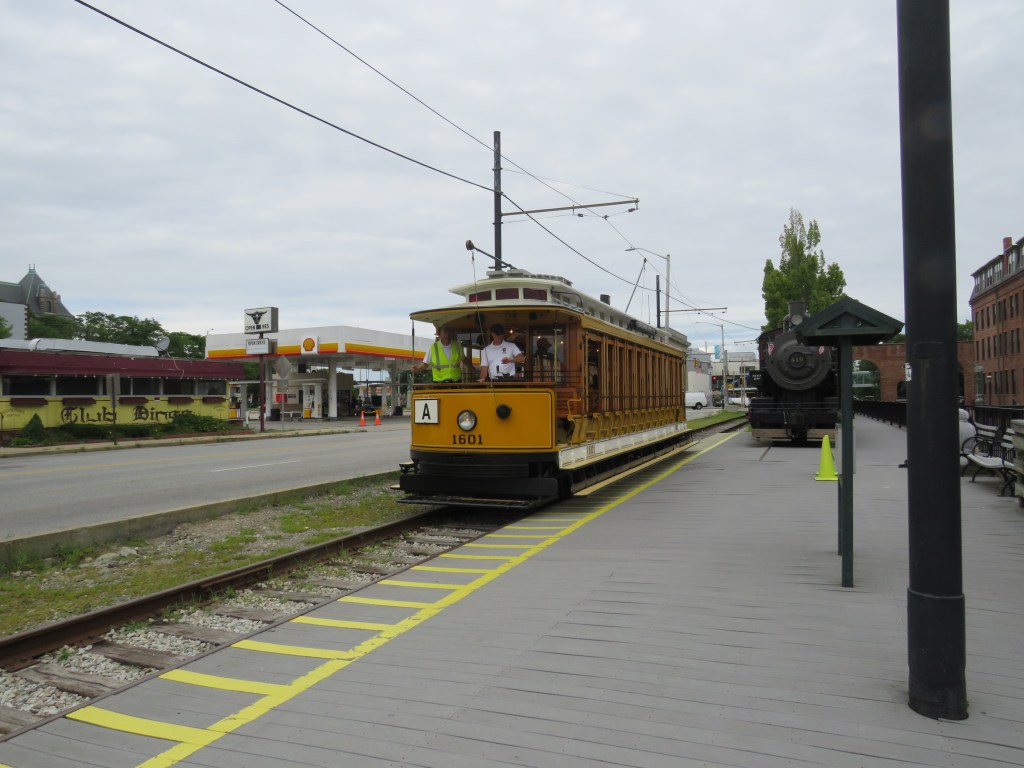
In 1984, the National Park Service brought back the trolley. No, it is not pulled by a horse, but it is an electric trolley that runs between the Visitor Center, the boat ride, and the factory museum. Yes, you can ride Trolley Number 1601 to the museum. As you ride along, you can see some of the old trolley tracks along the way.
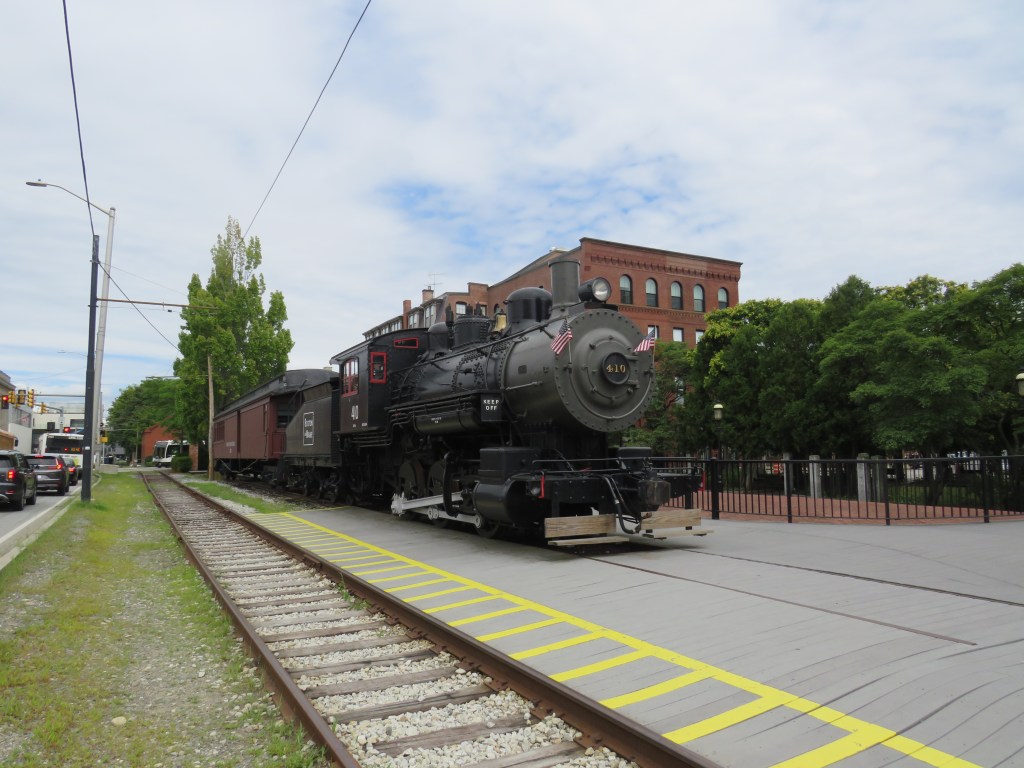
There is also another thing. What is the other thing? As you wait for the trolley at the Visitor Center, you can see an old train from the Boston and Maine Railroad. The train consist of Locomotive Number 410 and a combine car. The train pays tribute to the role that the Boston and Maine Railroad played in Lowell’s economy.
The Lowell Historical Park Visitor Center is located at 246 Market Street in Downtown Lowell, Massachusetts. The historical park consists of other museums and a boat ride as well. You can get all of the information at Lowell National Historical Park (U.S. National Park Service).
The Lowell National Historical Park may be erected around the old factories, but you can ride an old trolley to most of them. It is a place where trolleys played a big role in the largest industrial town the United States of America.