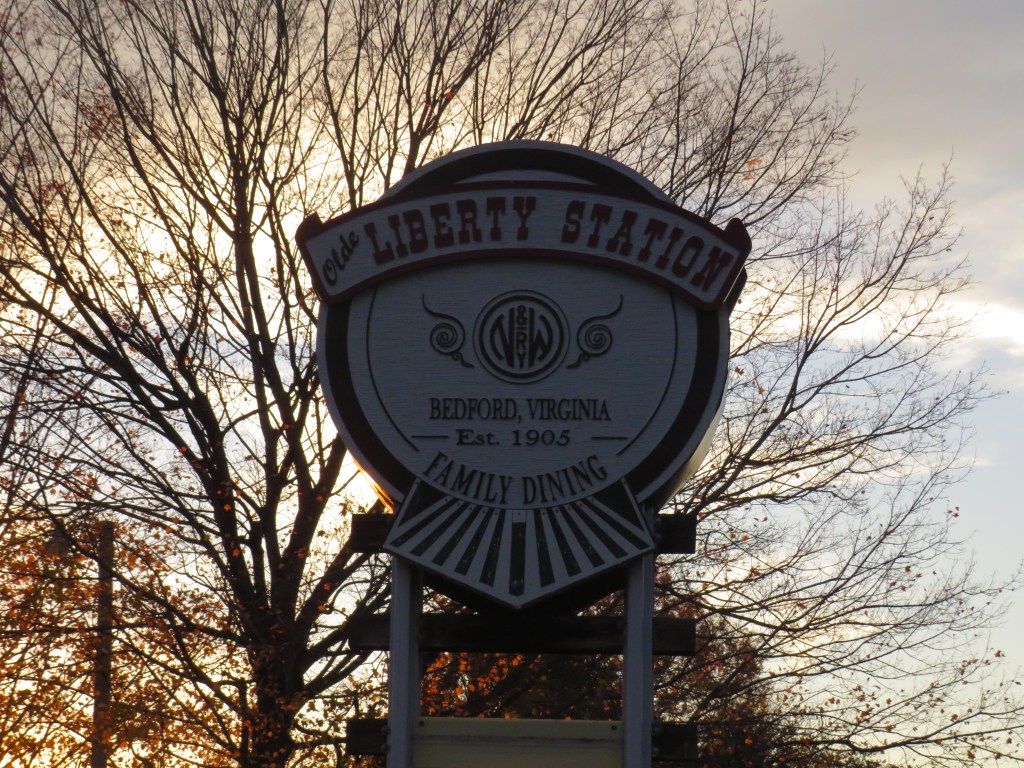
On February 27, 1827, the first railroad in the United States of America began in the city of Baltimore in the U.S. state of Maryland, and it made its way to the mill town of Ellicott Mills. (It is now Ellicott City.) The railroad began going west and south from here beginning new towns with a train station in each town. Among these towns is the town of Bedford in the U.S. state of Virginia. Located in the south-central region of the state, the railroad still passes through the town today. The old train station saw its last passenger train in 1971. Today, it is called Liberty Station, and it is now a restaurant.
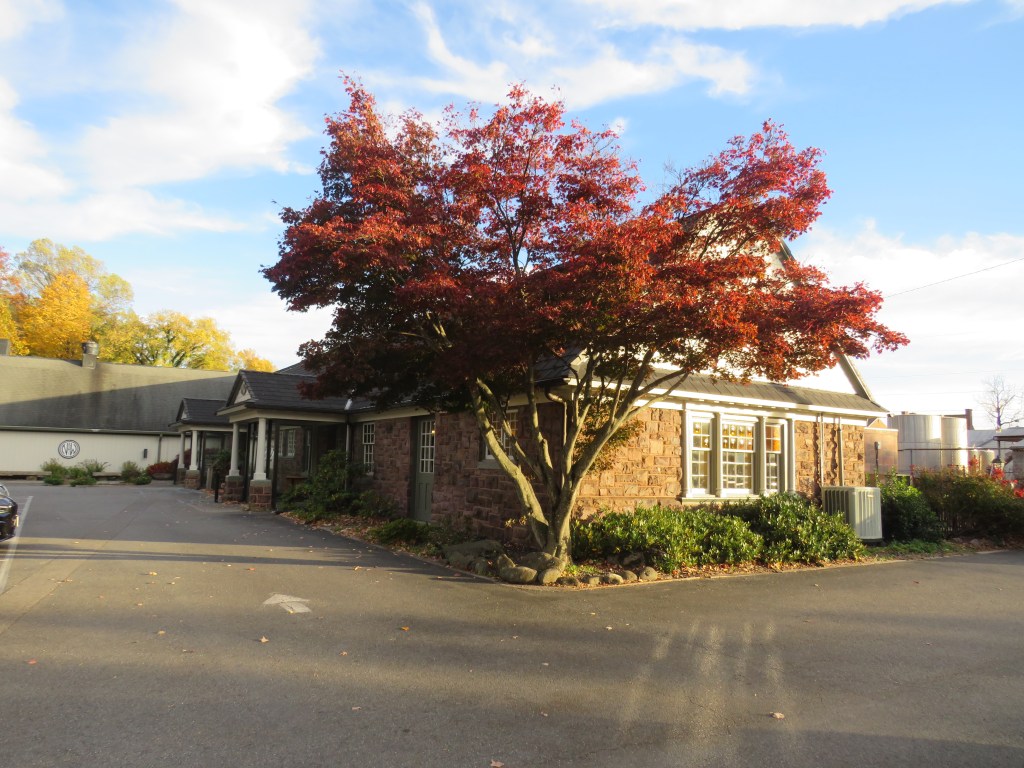
Some of you are saying, “I have notice that many train stations were demolished. It is nice that this train station was spared. However, it is called ‘Liberty Station’ and is now a restaurant. How does it get the name ‘Liberty Station’?”
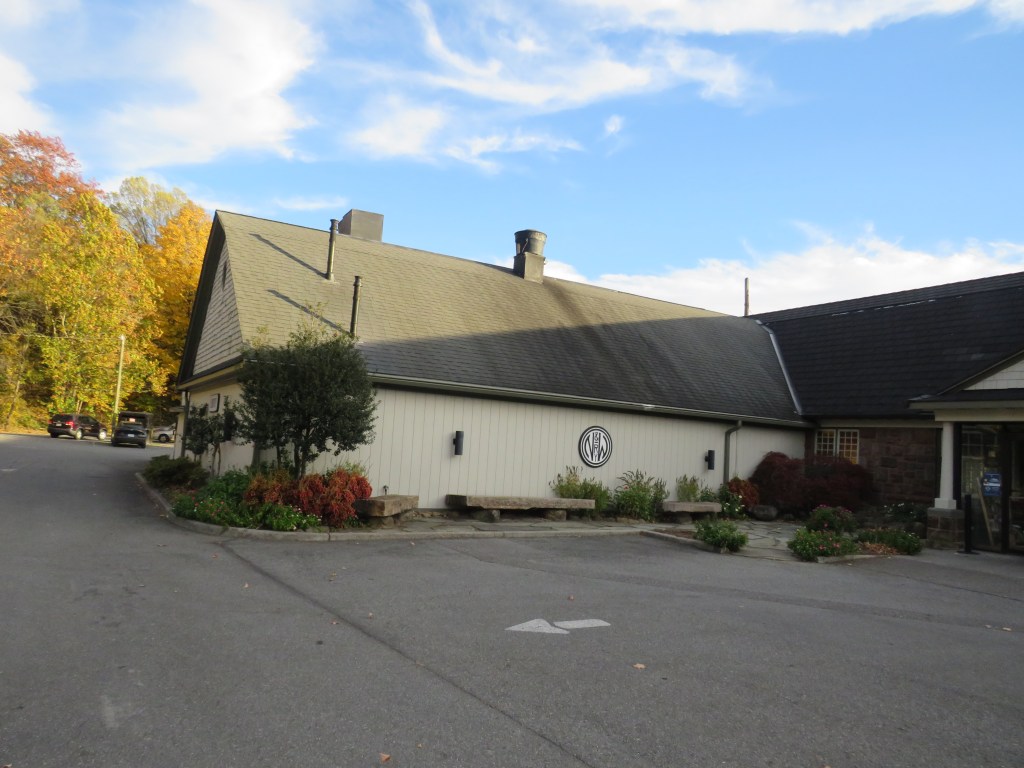
That is a good question. Although the railroad passes through the town and that the railroad once served the town itself, the town of Bedford has never been a railroad town. Then again, many towns in the United States of America that were served by the railroad but never became railroad towns. What is special about Bedford, Virginia? Well, the answer to the question is a sad and tragic one.
Before Liberty Station was a restaurant, it was a train station. It was your average station just like any small town train station… except for one specific day.
During World War II, the Nazis from Germany were marching across the continent of Europe taking control of much of the continent. On June 6, 1944, they reached a place called Normandy in northern France. As the Nazis were on land, allied forces to include soldiers from the United States of America were on ships in the English Channel headed towards Omaha Beach. Among these forces were the 116th Infantry from the small town… of Bedford, Virginia. They made the assault on Omaha Beach which was the largest invasion from the sea in the history of warfare. Although the invasion ended in victory for the allied forces and lead to the liberation of the continent of Europe from Nazi rule, many of the soldiers lost their lives. The largest loss of life came from the 116th Infantry of Bedford, Virginia.
Before the 116th Infantry, commonly called the ‘Bedford Boys’, arrived in the English Channel, they departed the town of Bedford. How did they leave? They departed on a train from Liberty Station. Sadly, it was their last time most would see the town of Bedford.
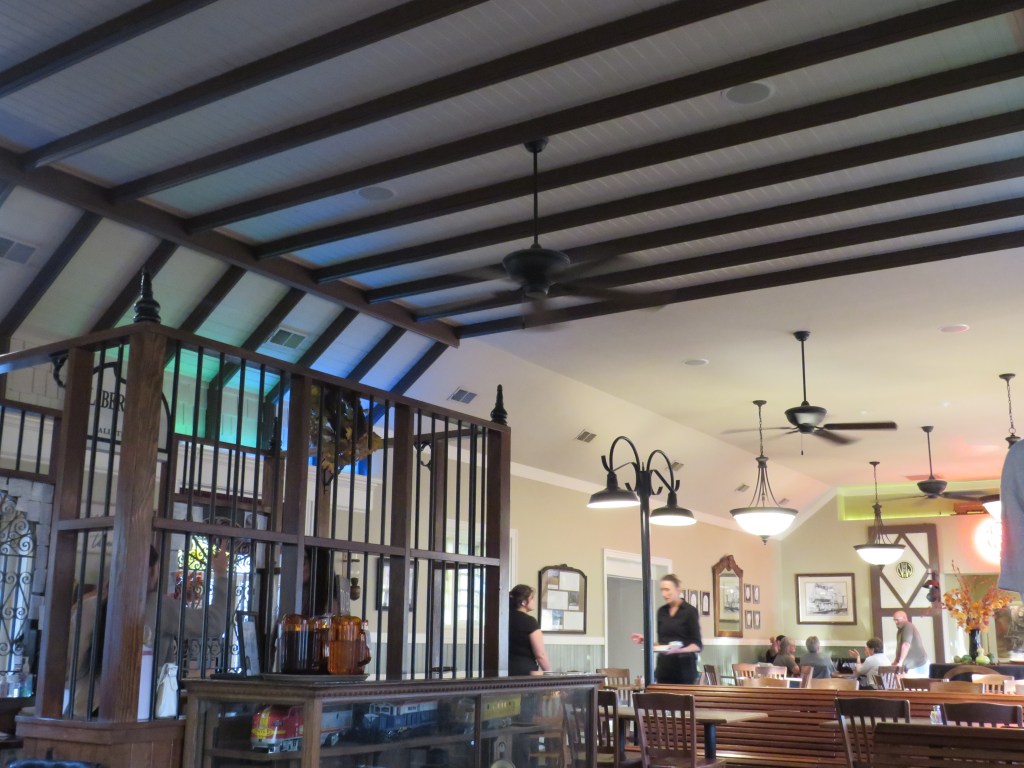
Today, Liberty Station not only survives as a restaurant, but it also has a museum. You can eat a nice meal in the same place where the Bedford Boys departed to fight a war. Many of them lost their lives so that millions of others could live theirs.
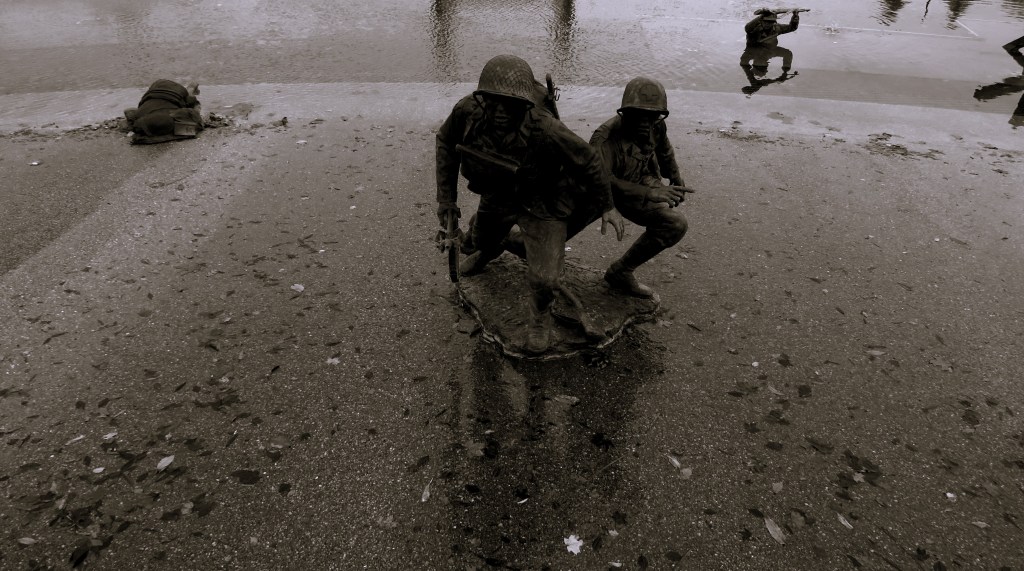
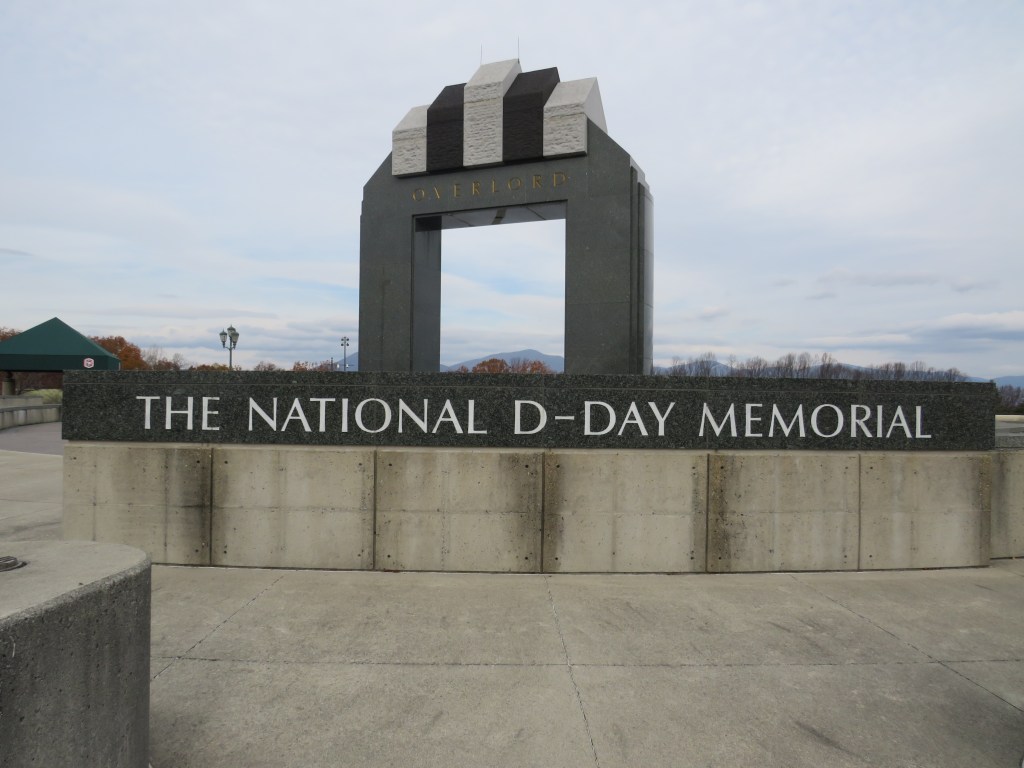
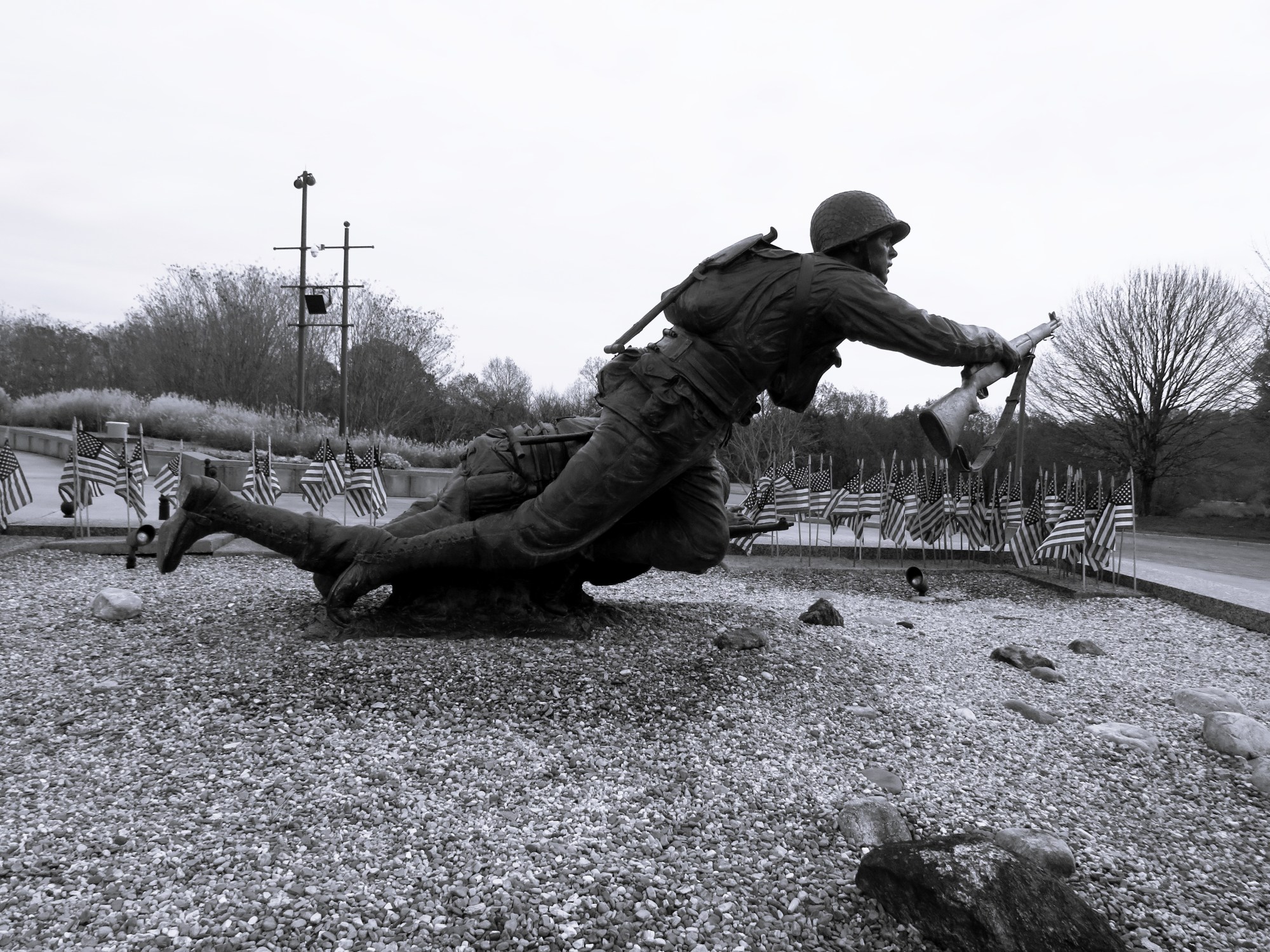
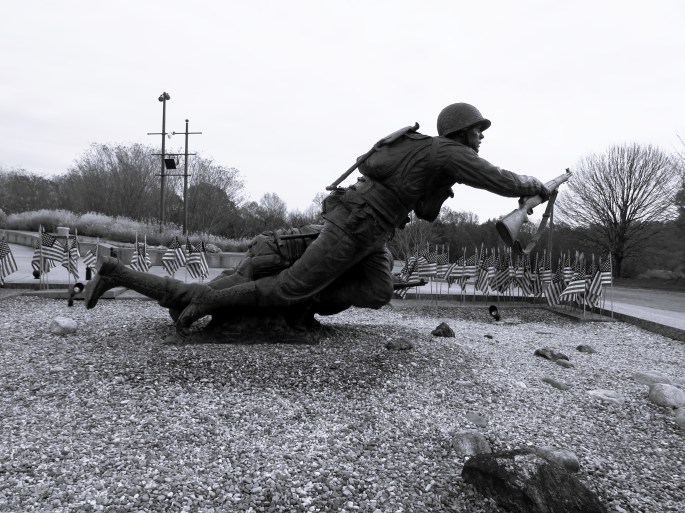
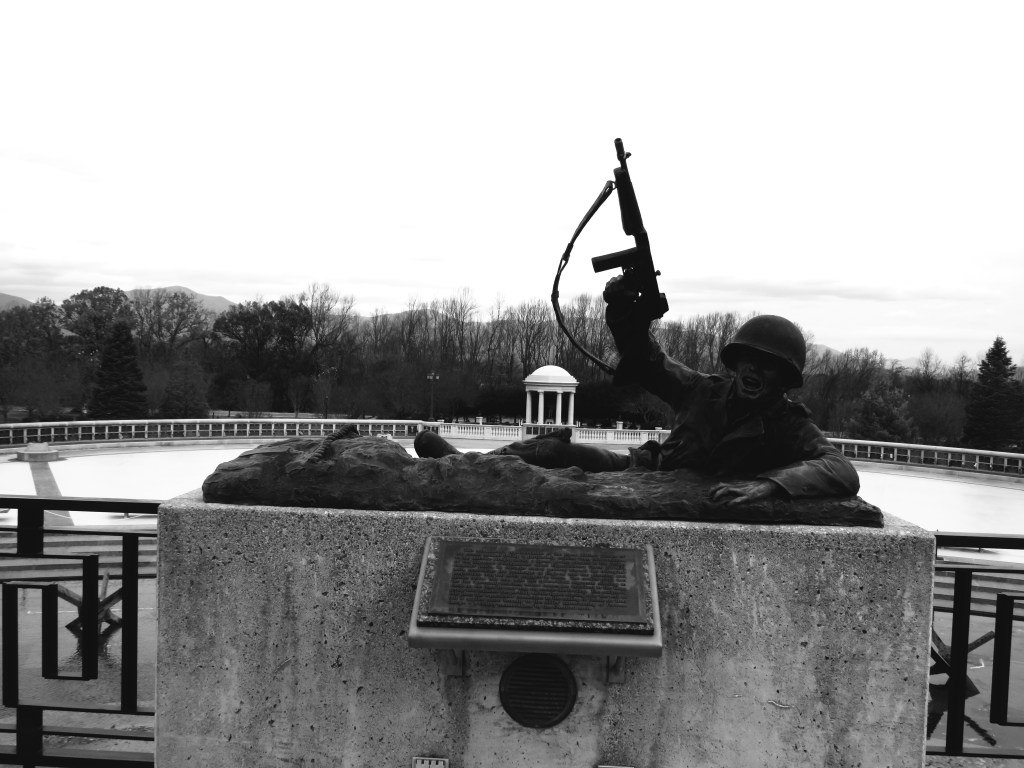
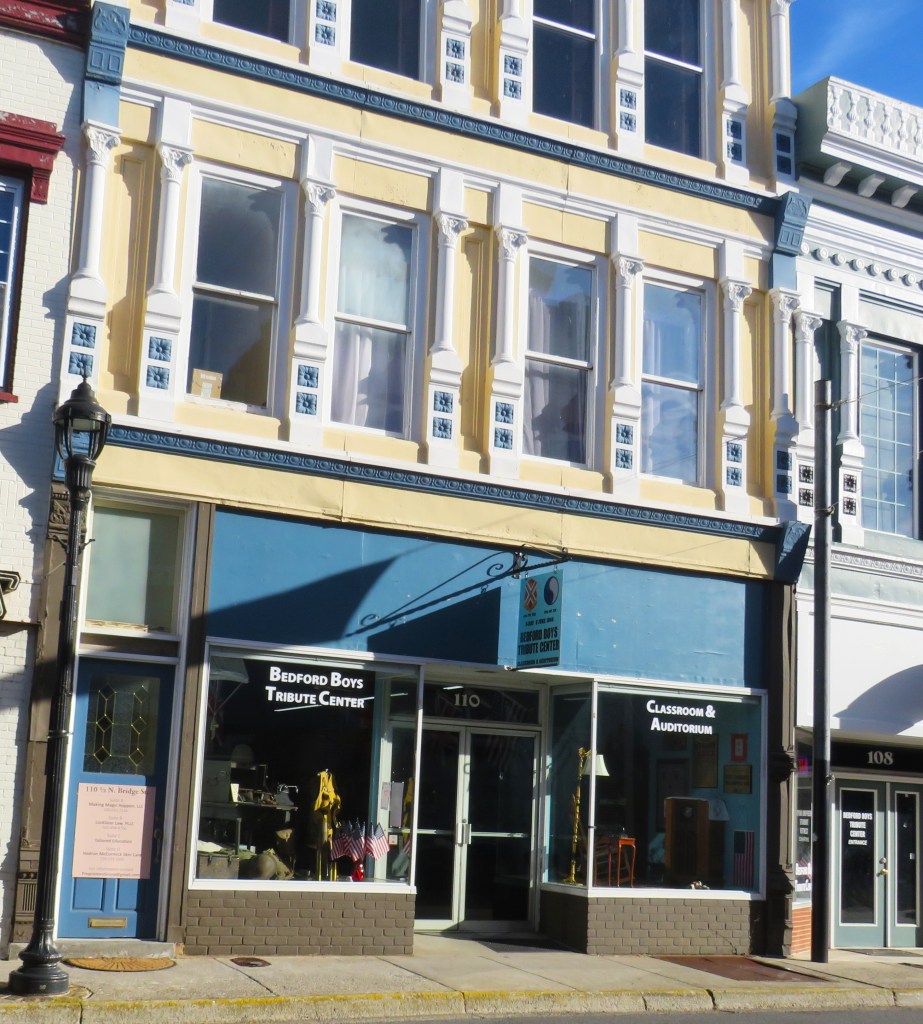
Although the town of Bedford, Virginia is not a railroad town, it was the railroad that served the town that played a big role not only in the history of the United States of America and the United States Armed Forces, but it also played a big role in the history of the world. For this reason, the National D-Day Memorial is located in Bedford to remember the men who had a one way train ticket. The National D-Day Memorial is located just of U.S. Route 460 and Virginia Route 122. (The National D-Day Memorial). You can also visit the Bedford Boys Tribute Center located in the town center on U.S. Route 221 and Virginia Route 43. Located inside an old drug store where the Bedford Boys had their hangout, the Bedford Boys Tribute Center tells the stories of the Bedford Boys from their days in the town to their journey to Normandy. It remembers the boys who returned and those who did not. (Bedford Boys Tribute Center). After visiting the National D-Day Memorial and Bedford Boys Tribute Center, you can end your day with a meal at the Liberty Station. (HOME | Olde Liberty Station | Bedford, VA).
On this Memorial Day, let us remember the men and women of the United States Armed Forces who left the families and their hometowns to defend the people of the United States of America only to never return home. Let us remember the Bedford Boys who were from a small town in Virginia where the railroad contributed to one of the greatest events in world history.