The Mad River and NKP Railroad Museum, Bellevue, Ohio

The U.S. state of Ohio has many cities as well as small towns.  Among these towns is the town of Bellevue.  Located in the north central region of the state, it is not a popular town with only U.S. Route 20 being the only major route through the town and the Ohio Turnpike (Interstates 80 and 90) running north of the town, but it is a town centered on the railroad.
Welcome to the Mad River and NKP Railroad Museum.  (For those who are wondering, NKP stands for the Nickel Plate Road, a railroad that ran on many routes in the northern region of the United States of America.)  The mission of the museum is to preserve the heritage of the railroad in the region.

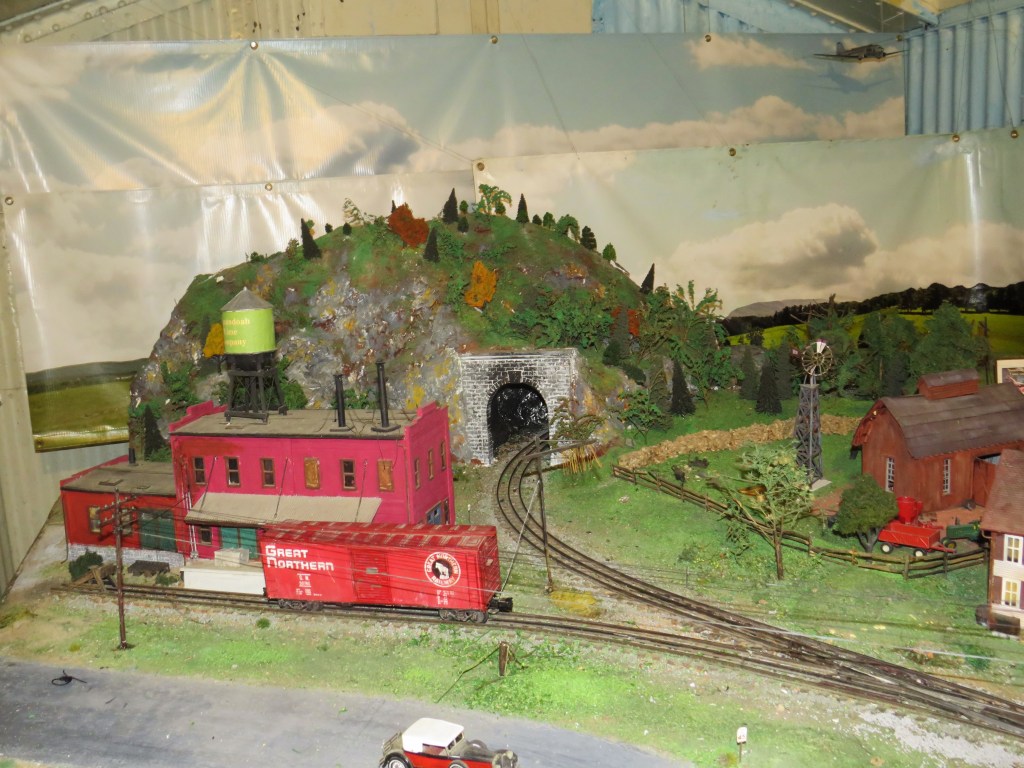
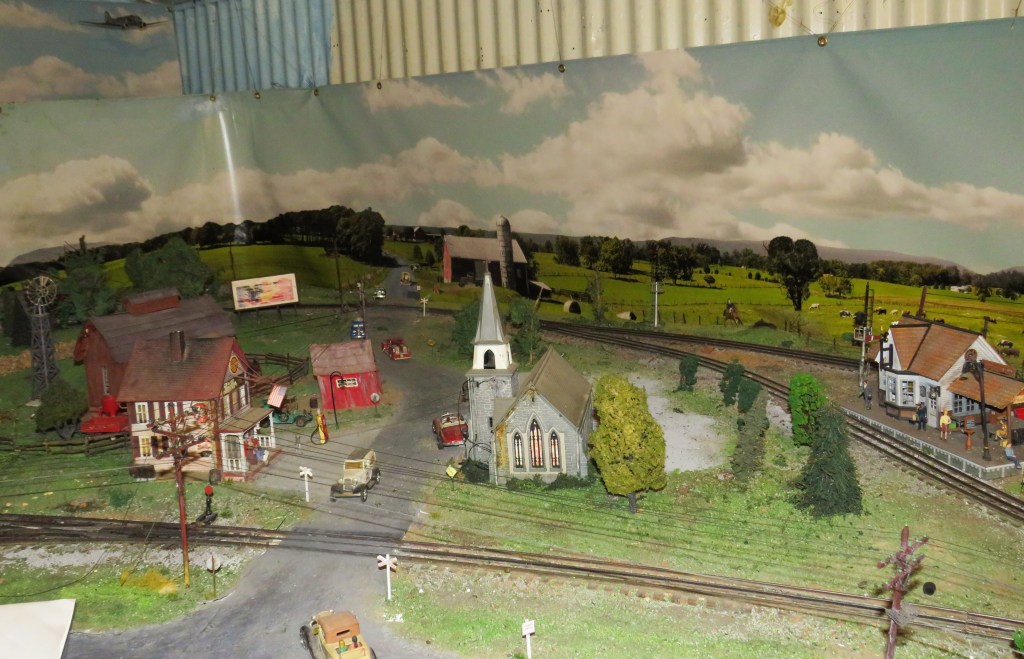
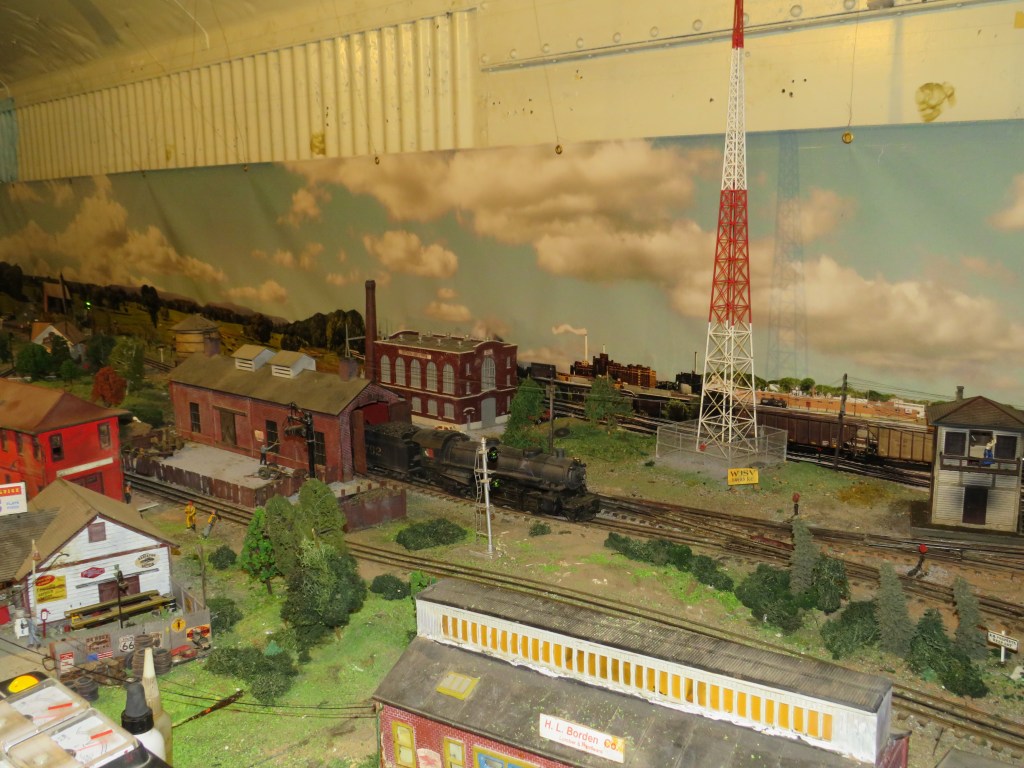
Some of you are saying, “Oh yeah!  I have been to these small town museums.  They have a caboose and a small model train display.  It is a waste of time to visit an out of the way town to see this.”

Ladies and gentlemen, be advised that the Mad River and NKP Railroad Museum is not a museum that has just a caboose and small model train.  Be warned that as soon as you arrive here, you will be totally amazed at what you will see.

Let us begin with the main building.  Well, it may be hard to go to the main building after seeing after what you see, but it is here where you will need to pay your admission before seeing the rest of the museum.  You enter the gift shop to pay your admission, and then you enter the exhibits.  The very first thing you will see is a replica of a steam locomotive called the ‘Sandusky’, the first locomotive run by the Mad River Railroad between Bellevue and the port town of Sandusky located on Lake Erie.  In the same room is a bell that was used on the Lincoln Funeral Train, the train that carried the remains of President Abraham Lincoln from Washington D.C. to his final resting place in Springfield, Illinois.  Other items include China (dishes) used on passenger cars.

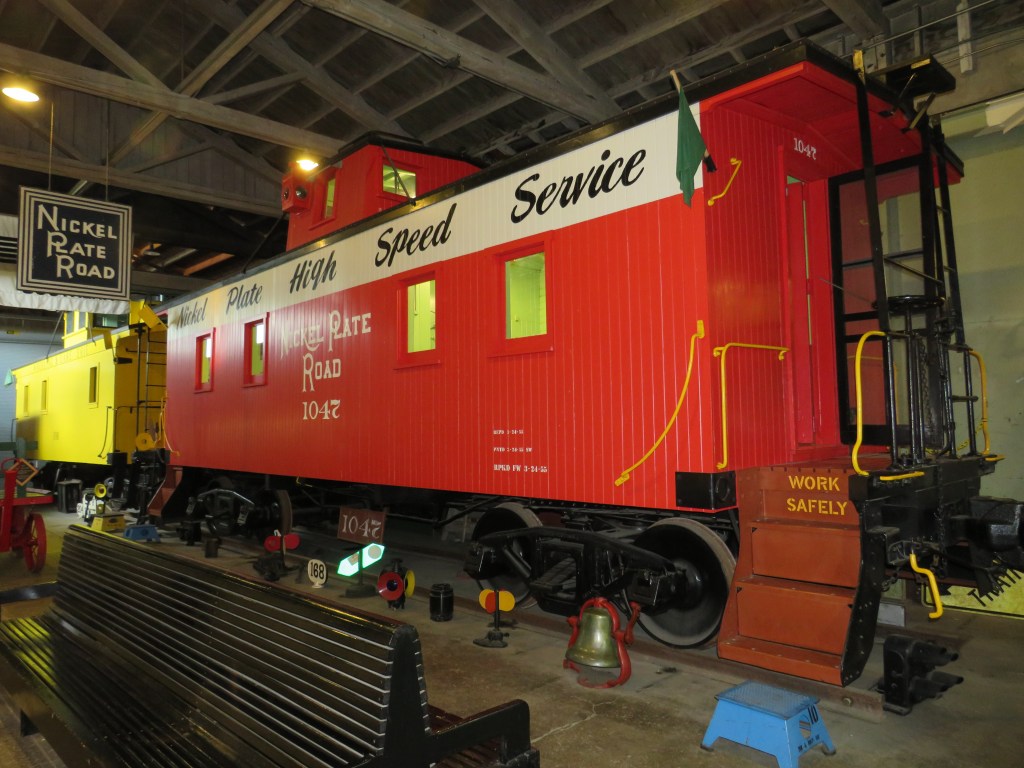
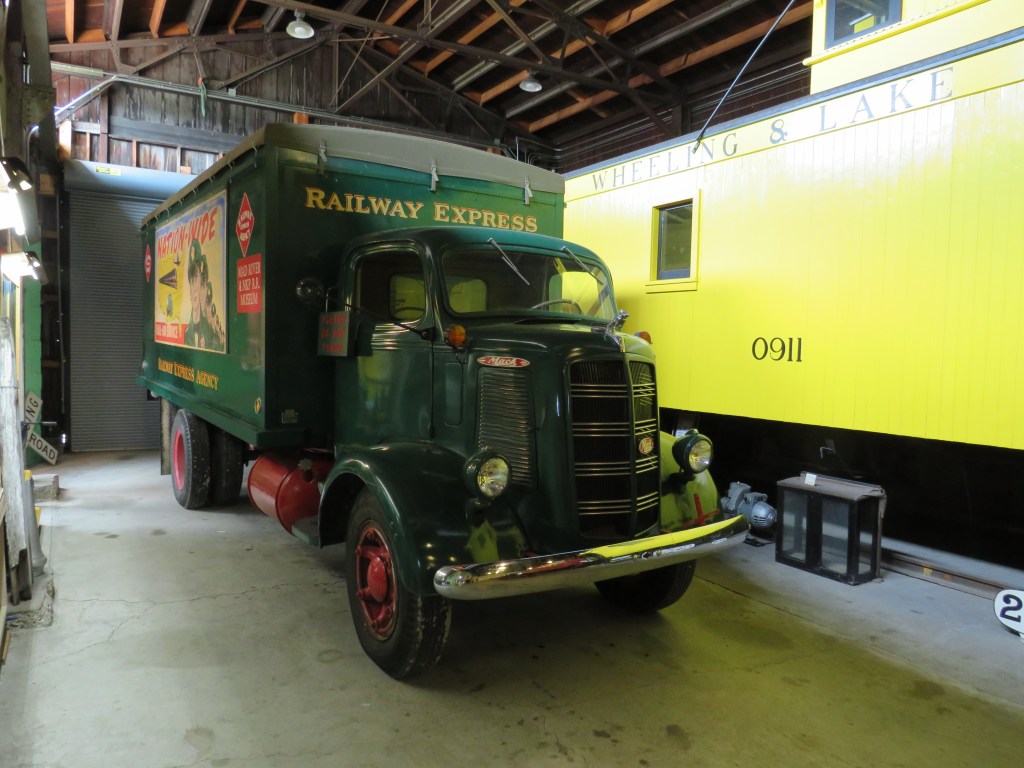
From here, you enter into the next room which has two cabooses.  The one caboose is from the Nickel Plate Road, and the other caboose is from the Wheeling and Lake Erie Railroad, another railroad that ran through the town.  There is also a Mack truck from the Railway Express and a luggage cart.

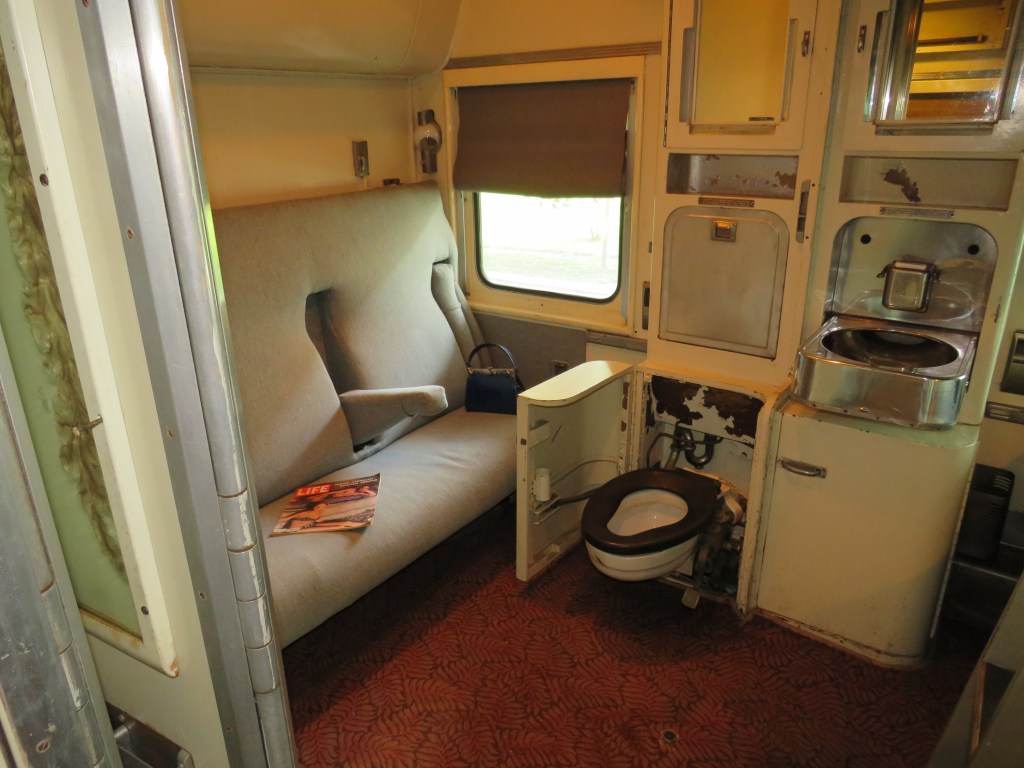
Then you have a third room.  What is in this room?  It is here where you really go back in time to the days before Amtrak.  You enter into old passenger cars.  You see the passenger seats and the private rooms and the dining area.

Ladies and gentlemen, this is only a small part of the museum.

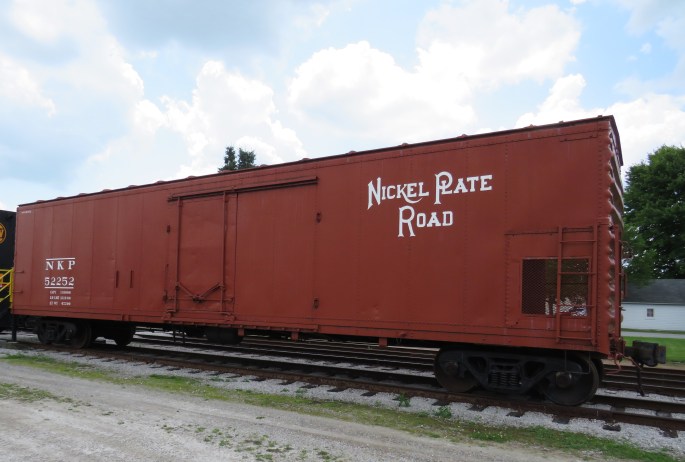
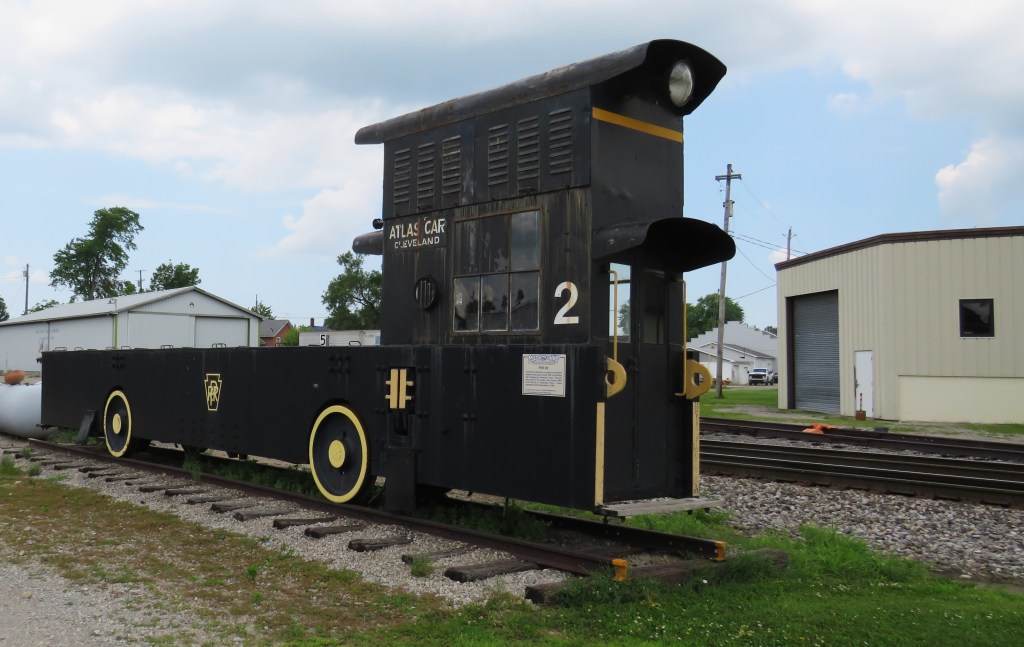
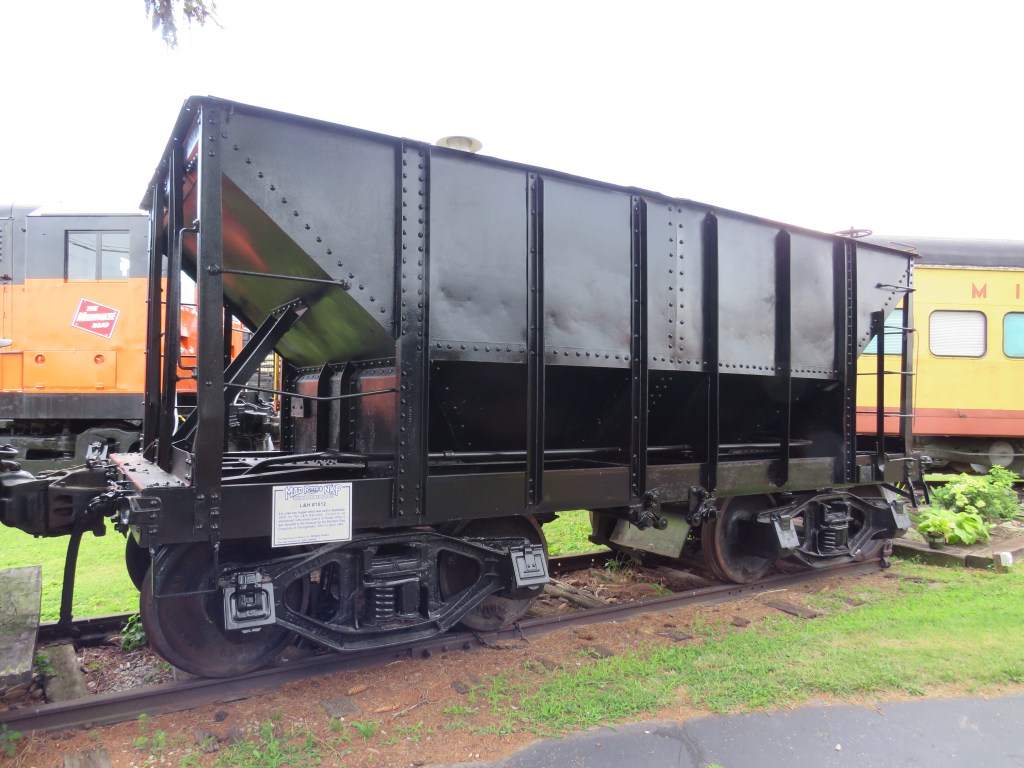
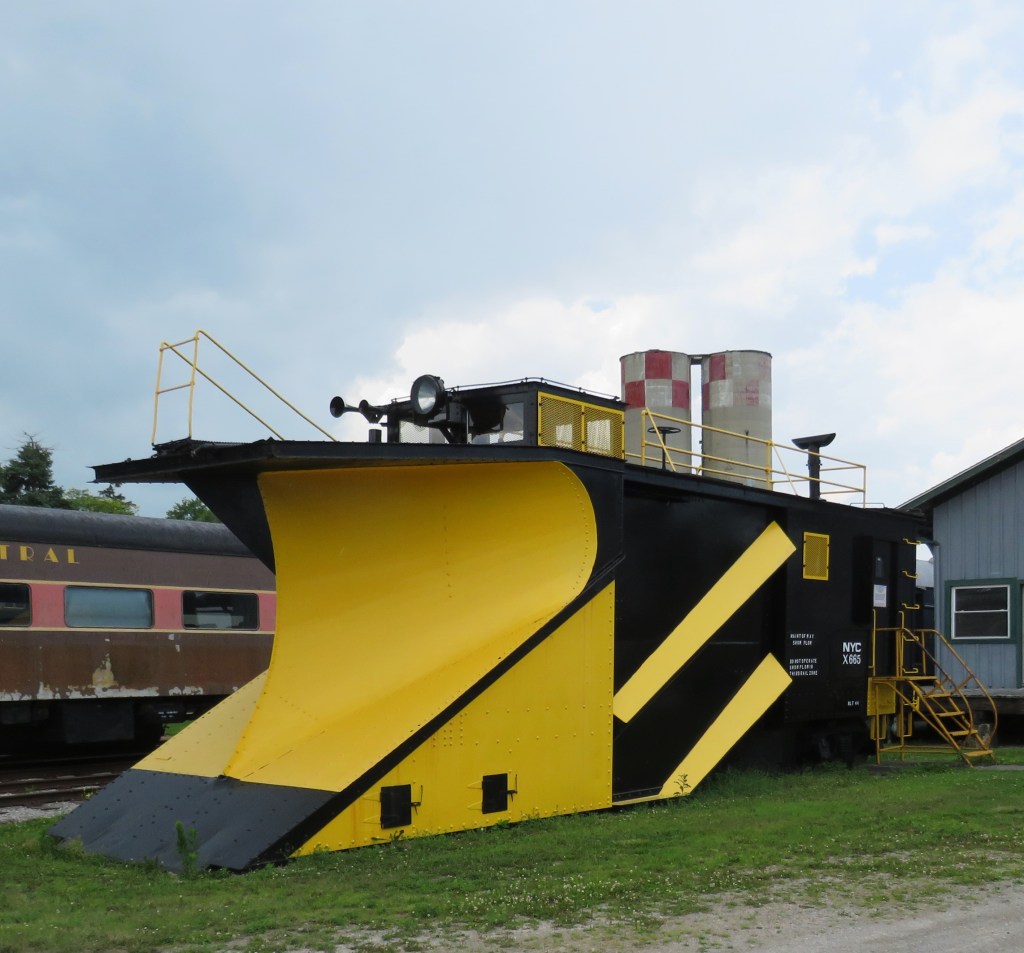
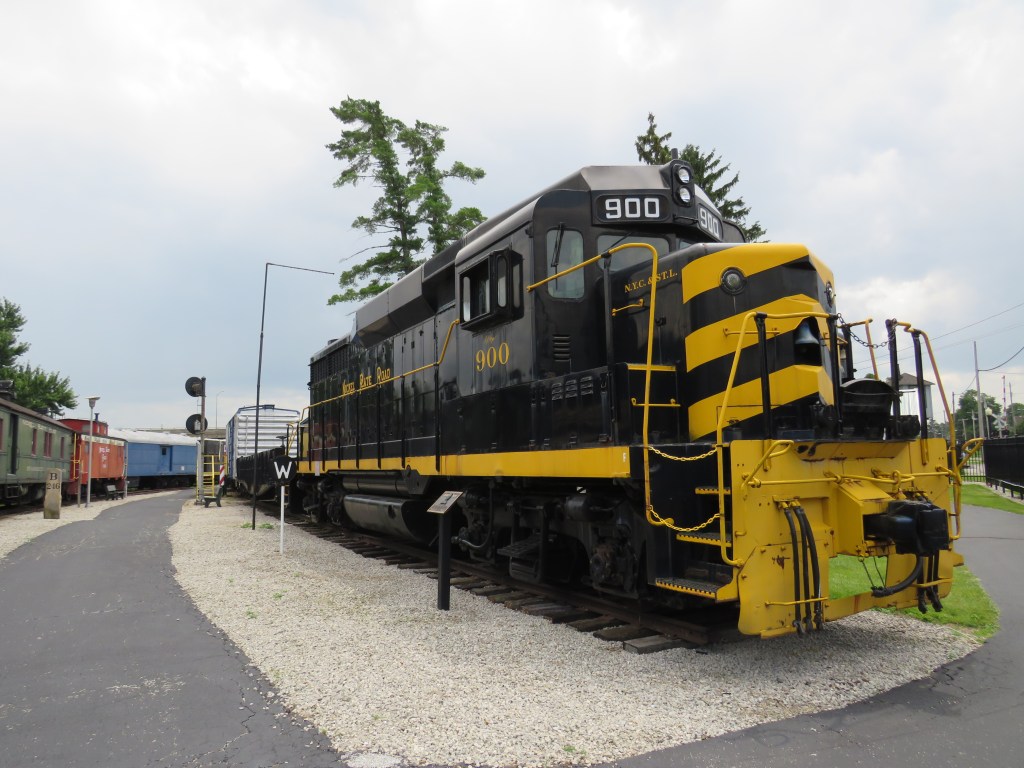
From here, you go outside and across the street to the very thing that kept you here at the museum.  You see the rolling stock.  You have the switcher locomotive.  You have a hopper.  You have a tank car and many box cars.  You have numerous diesel locomotives, cabooses, and more passenger cars and baggage cars.  Then you have the old Bellevue Train Station.

Some of you are saying, “Alright!  That is everything.”

Ladies and gentlemen, there is more.  Yes, there is more.

Across the main rail line from the museum is the Kemper Rail Park.  Yes, there is more things to see.  What is here?  You  have Locomotive  Number  2  from the Pennsylvania Railroad.  You have more locomotives, a crane, the freight house from the New York Central System, and you have the star attraction.  What is the star attraction?  Nickel Plate Road Locomotive Number 757 sits here in the park.

So you think that this it.  There is more.  The town of Bellevue was served by many railroads back in the day.  Today, the Norfolk Southern Railway is the only railroad in town, and, if you are fortunate enough, a freight train may pass by. 

The Mad River and NKP Railroad Museum was established by people who wanted to keep the heritage of the railroad in Bellevue alive.  It is an all-volunteer operation including restoration of old rolling stock, and the museum receives no public funding.  When you come here, be advised that it is not a waste of your time.

The Mad River and NKP Railroad Museum is located at 253 Southwest Street in Bellevue, Ohio.  It is just a few blocks from U.S. Route 20 and Ohio State Routes 18 and 269, and it is easily accessible from the Ohio Turnpike (Interstates 80 and 90).  It is open from May through October from 12:00pm to 4:00pm.  (Open weekends only in May, September, and October.  Open daily from Memorial Day to Labor Day.  The Rail Park is open year round from sunrise to sunset.)  Please note that due to the age of the structures, not all areas are wheelchair accessible, but the rail park is completely accessible.  You can get information in admission, directions, and to read more into the history of the museum and the railroad at https://madrivermuseum.org/.

The Mad River and NKP Railroad Museum is an amazing place.  There is much here.  It is definitely worth making the journey.

Bluemont Park, Arlington, Virginia

When you visit Bluemont Park, it may appear to be your average park.  Located in Arlington in the U.S. state of Virginia and a suburb of Washington D.C., it looks like your average park, but it is not.

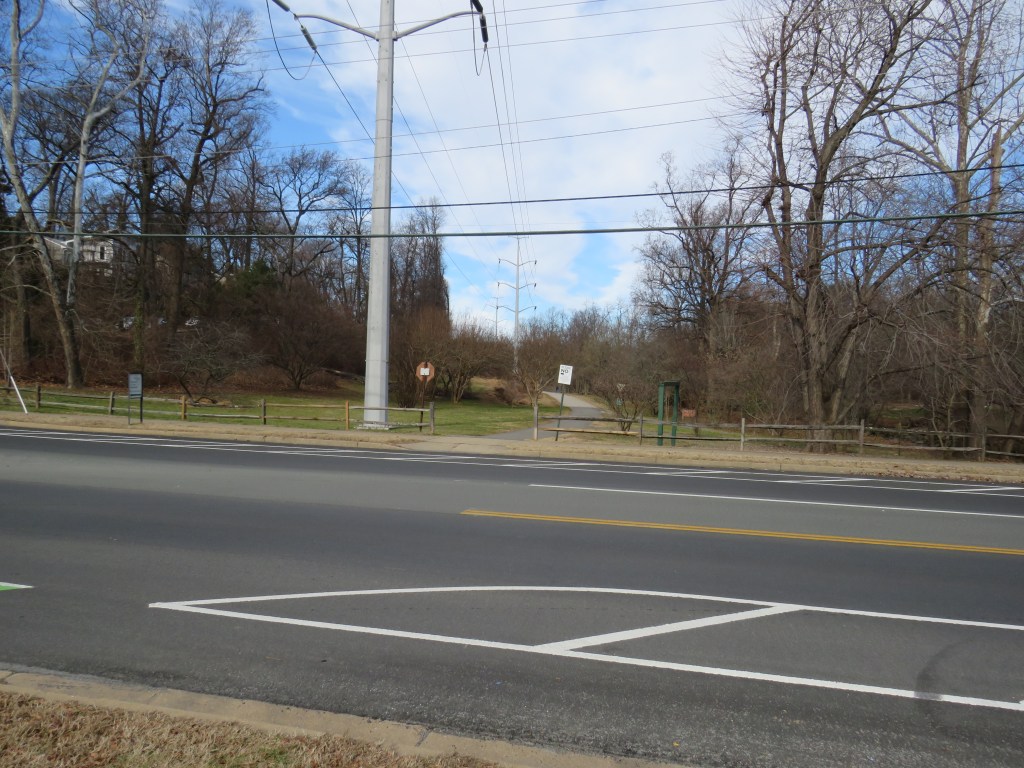
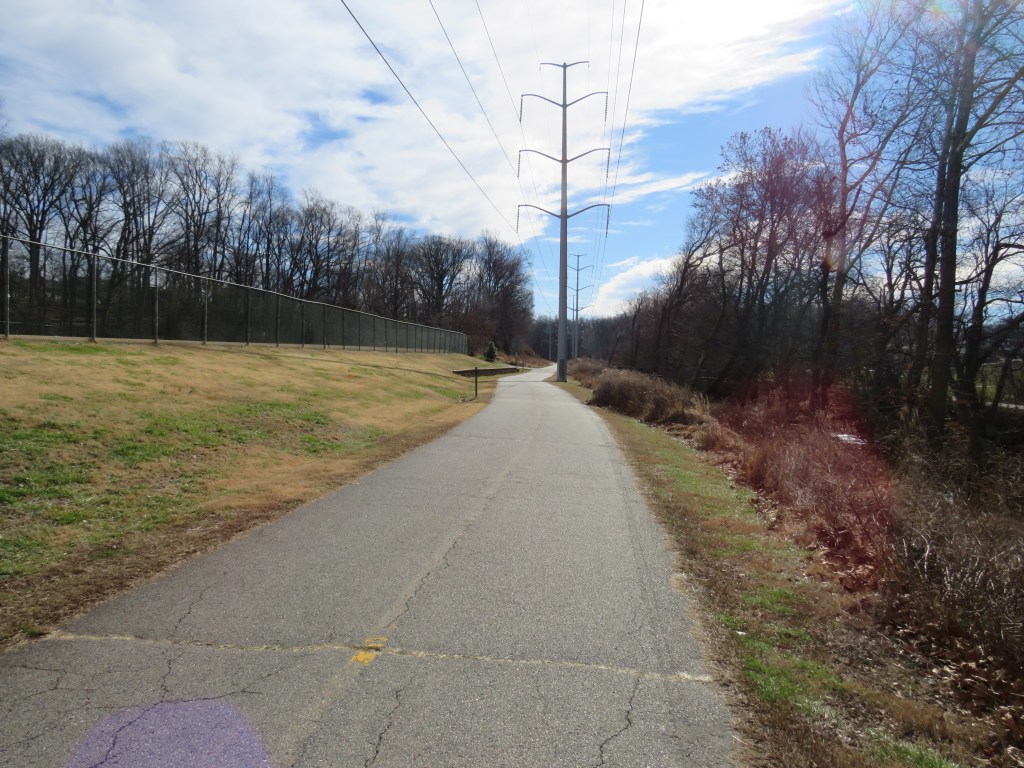
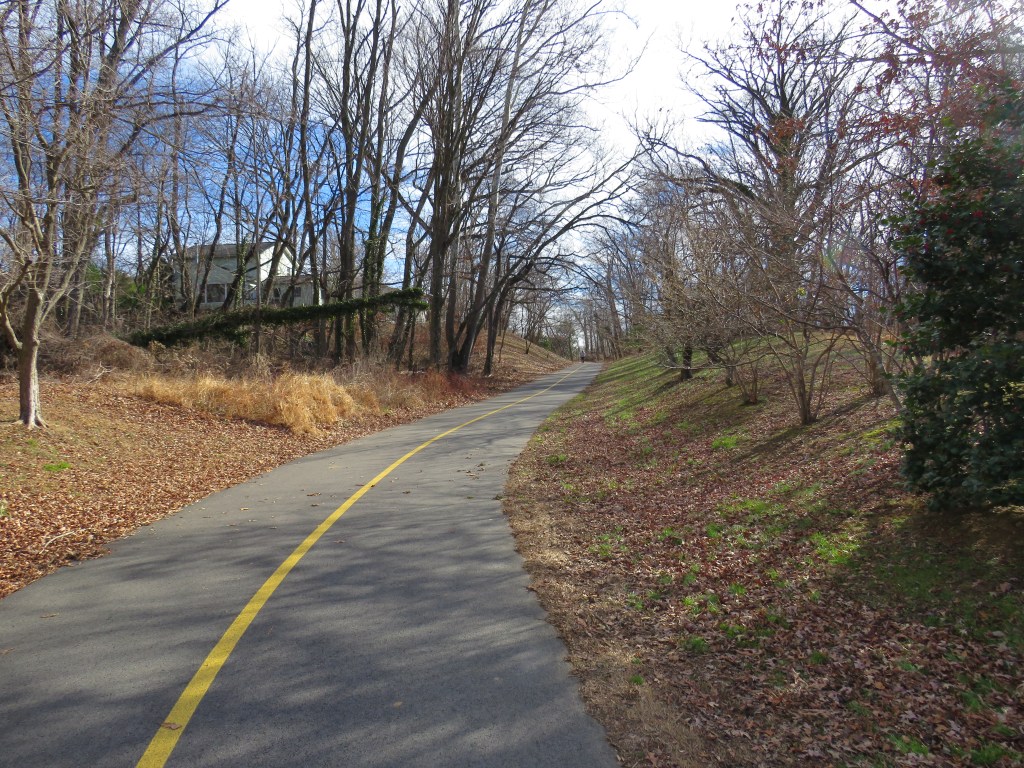
As you approach the park from Wilson Boulevard, you will first notice the Washington and Old Dominion Railroad Trail.  Yes, the Washington and Old Dominion Railroad Trail passes through many parks in the Virginia suburbs between Alexandria and Purcellville.

So what is special about Bluemont Park?

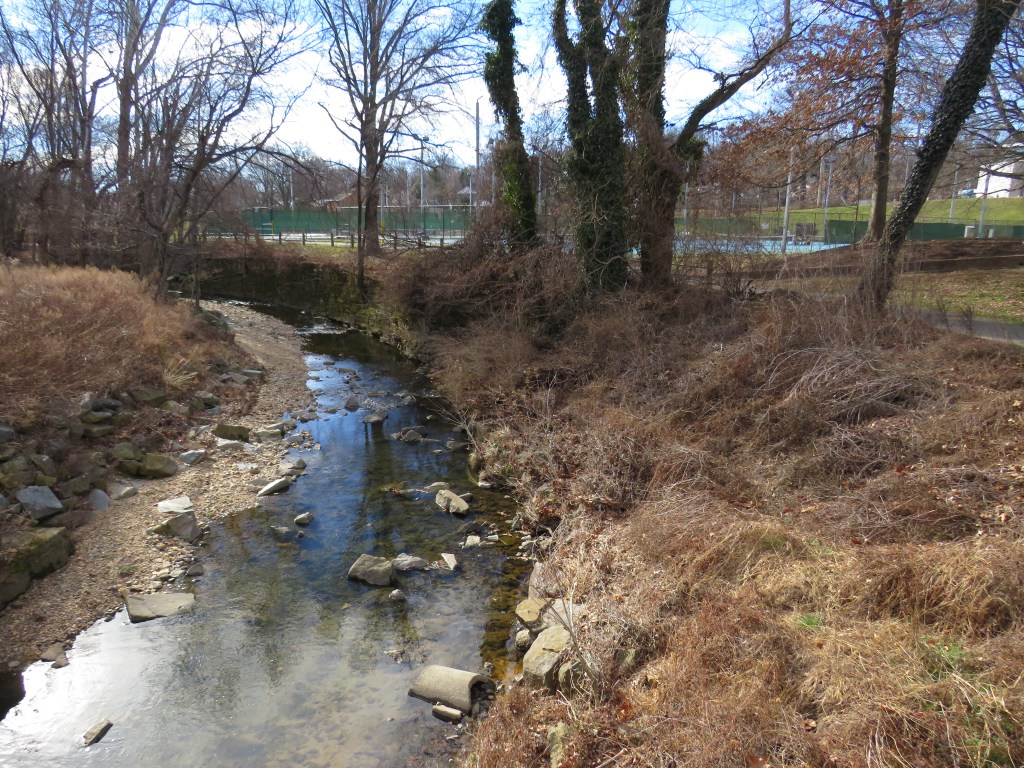
Bluemont Park has a playground, a softball field, and a creek just like many other parks, and the Washington and Old Dominion Railroad Trail passes through the park.  What makes Bluemont Park is what happened here.

What happened at Bluemont Park?

The Washington and Old Dominion Railroad Trail, like other railroad trails, follows the route of a railroad line.  This railroad line ran from the port of Alexandria to the town of Bluemont where it connected to a rail line that is now owned by Norfolk Southern Railway.  (The railroad line was owned by many railroads, but the Washington and Old Dominion Railroad was the last railroad that owned the railroad line.)  Bluemont Park was the site of Bluemont Junction.  It was here where the Washington and Old Dominion Railroad connected with a railroad line that ran to Rosslyn, a community in Arlington that is across the river from Georgetown, a historic neighborhood and oldest section of the District of Columbia, and it connected to a railroad line that ran to the Virginia side of the present day Great Falls Park, a famous waterfall on the Potomac River.  (The Bluemont Trail follows the route to Rosslyn which had a train terminal that is long gone.)  Things changed when passenger service ended in 1951 and the railroad was abandoned in 1968.

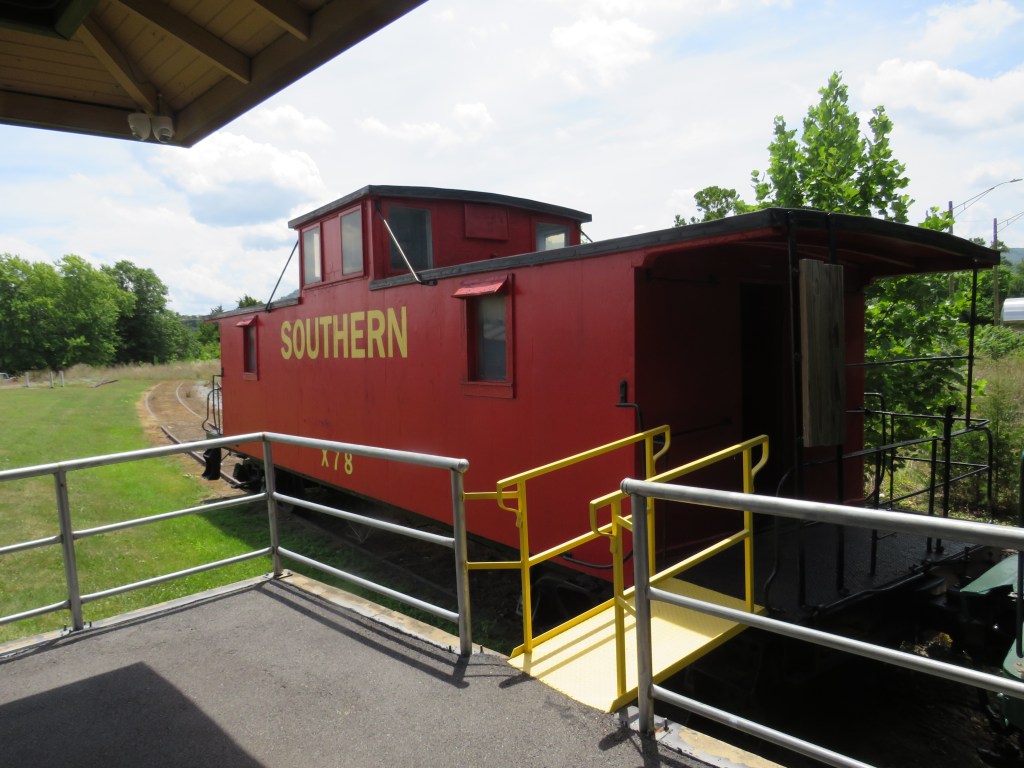
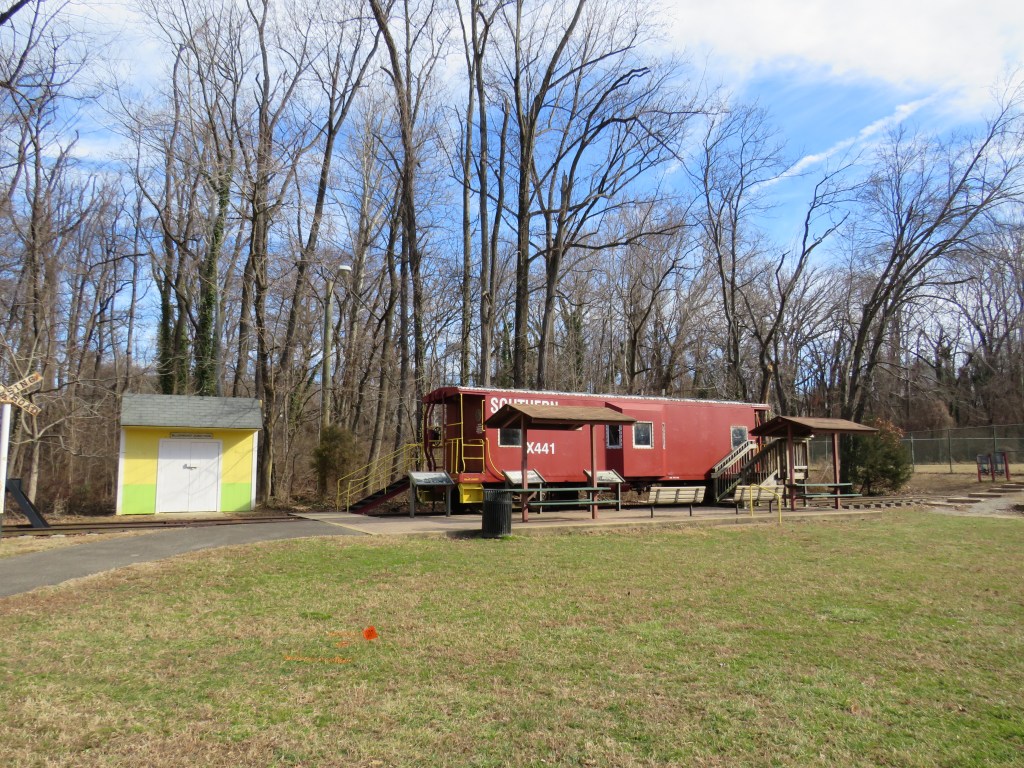
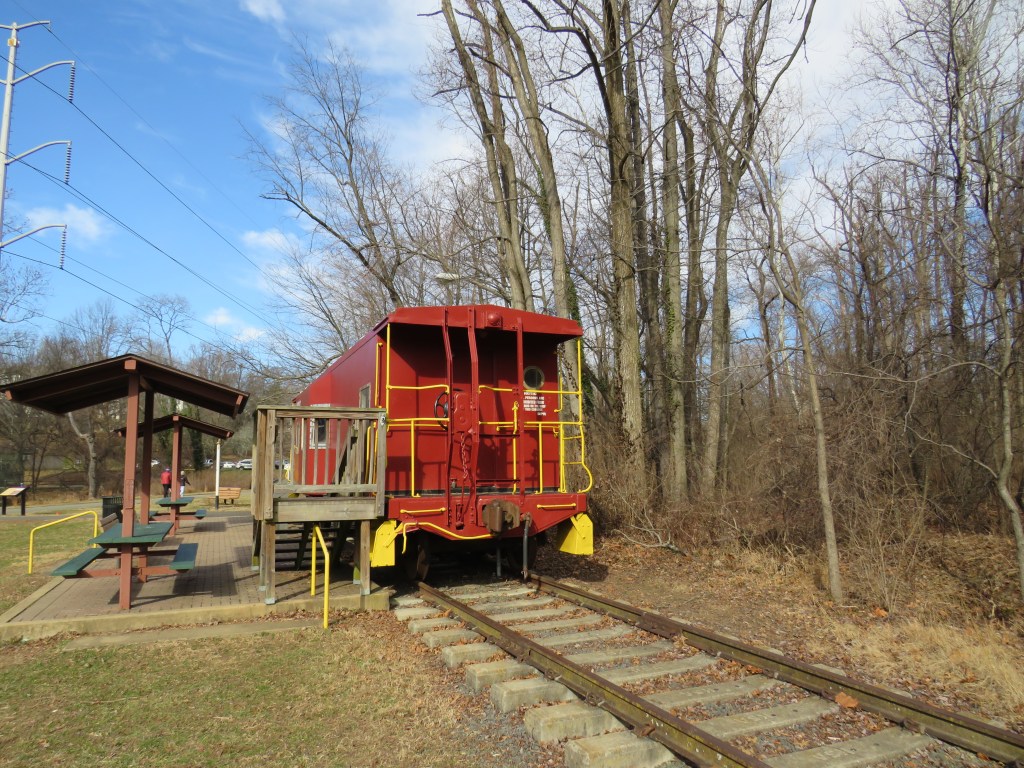
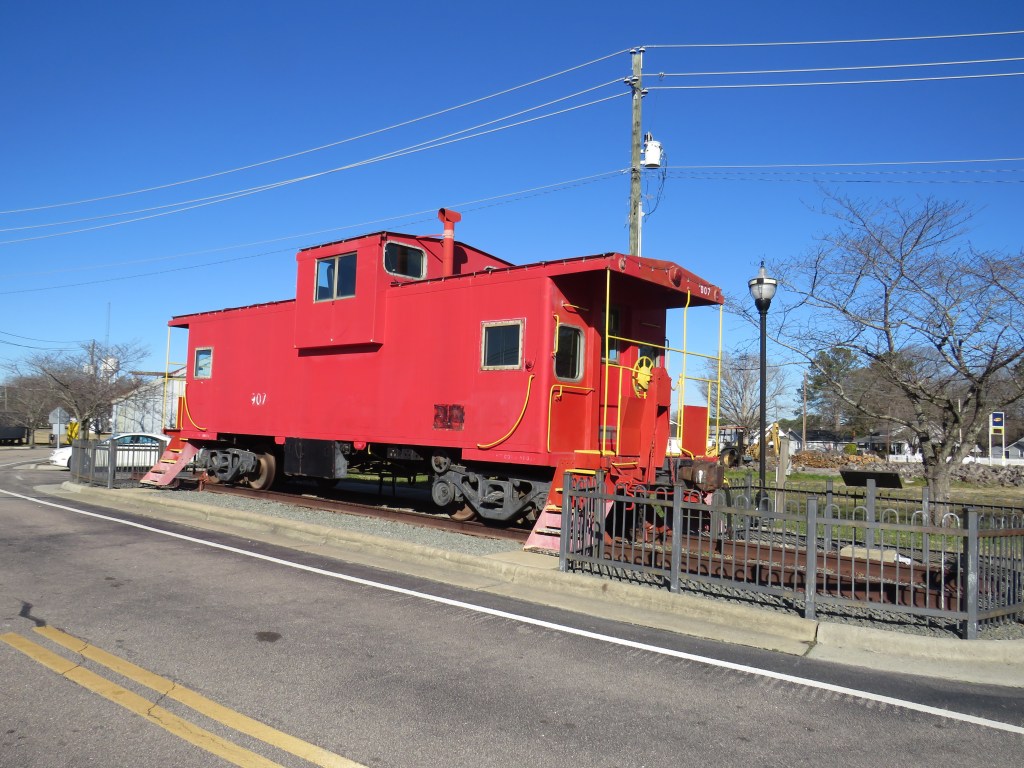
Today, the railroad lines are long gone and so are the many structures that were here that included a passenger station, an electric power station, and a ‘wye’ track used to turn trains around.  When you visit the site today, you will see a replica of the Bluemont Passenger shelter and a caboose paint in the Southern Railway colors.

A visit to Bluemont Park is a quiet place in a very urbanized area which was bustling in its heyday.  It is located at 601 N. Manchester Street in Arlington, Virginia.  The park is open from sunrise to sunset, and it is completely wheelchair accessible.

The Savannah History Museum, Savannah, Georgia

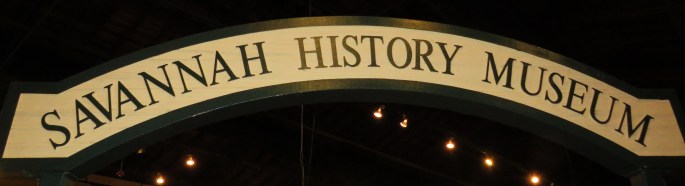
The U.S. state of Georgia is the largest state east of the Mississippi River.  It is famous for many things to include its state capital, Atlanta, and it is home to the ‘Masters’ golf tournament in Augusta.  Another treasured city in the state is Savannah.  Located a short distance inland from the Atlantic Ocean, it is a major port city with much history that includes the American Revolutionary War and the American Civil War.  The downtown area includes glorious town squares with spectacular fountains.  A visit to the Savannah History Museum tells the story of a city that has so much.  When you visit the city of Savannah, Georgia, you must make a visit to the Savannah History Museum.

Some of you are saying, “That is amazing.  I have driven down Interstate 95 many times while on my way to Florida passing by Savannah.  I have heard about the great architecture of the city.  However, there is a big problem.  It is called the Savannah History Museum.  It is not a railroad museum.  Therefore, I am not making a history of visiting this museum.”

So, that is your reason to not visiting this museum.  Ladies and gentlemen, prepare yourselves for a Savannah history lesson.

As mentioned, Savannah is a major port city.  Two forts, Fort Jackson and Fort Pulaski, were built to protect the city.  The city is home to the birth home of Juliette Gordon Lowe, the founder of the Girls Scouts of America.  The city of full of great architecture and great town squares and their fountains.  What most people do not know is that Savannah is a big railroad city.  It is the home of the Georgia State Railroad Museum.

What about the Savannah History Museum?  Well, the museum itself is part of railroad history.

What is the first thing you will see when you arrive at the Savannah History Museum?  Well, you will immediately discover… that it is located inside the Savannah Visitor Center.

Some of you are saying, “Well that is no big deal.  There is nothing special about that.”

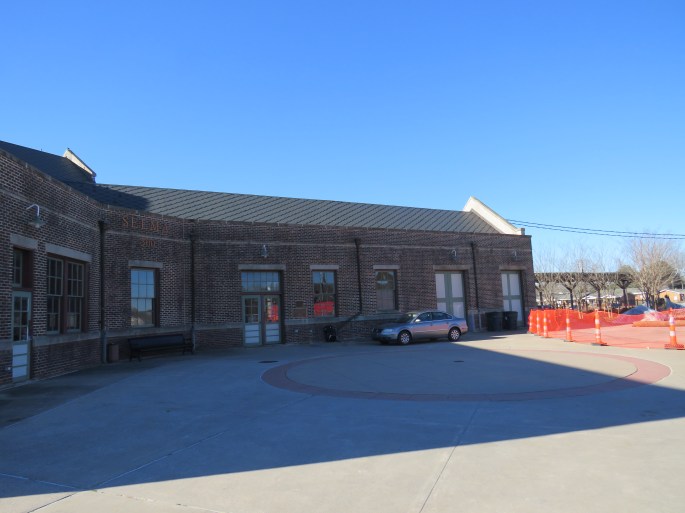
Oh yes it is.  The Savannah Visitor Center is located in the old train station.  Yes, it is inside the old passenger train terminal that was built by the Central of Georgia Railway.  When passenger service ceased in 1971, it was eventually converted into the visitor center it is now.

Some of you are saying, “Well, that is all.”

Nope.  We now enter the Savannah History Museum.

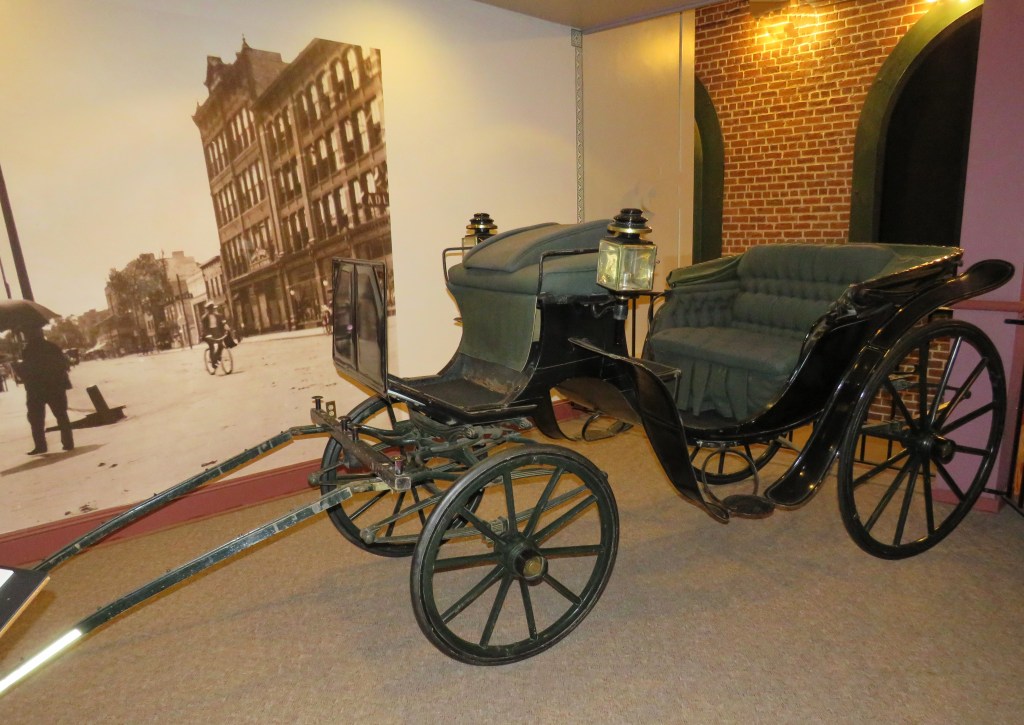
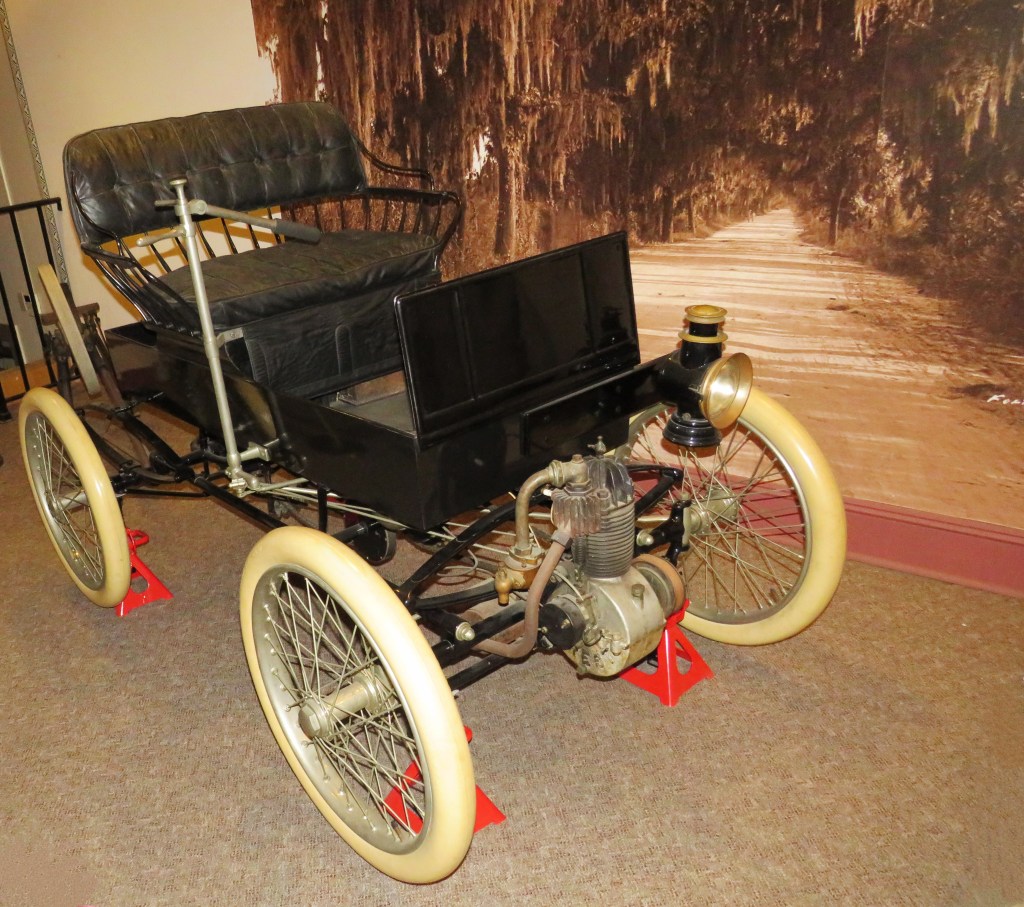
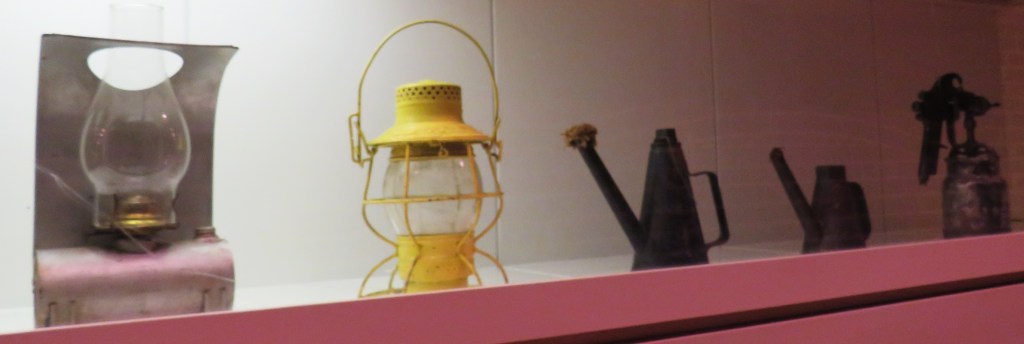
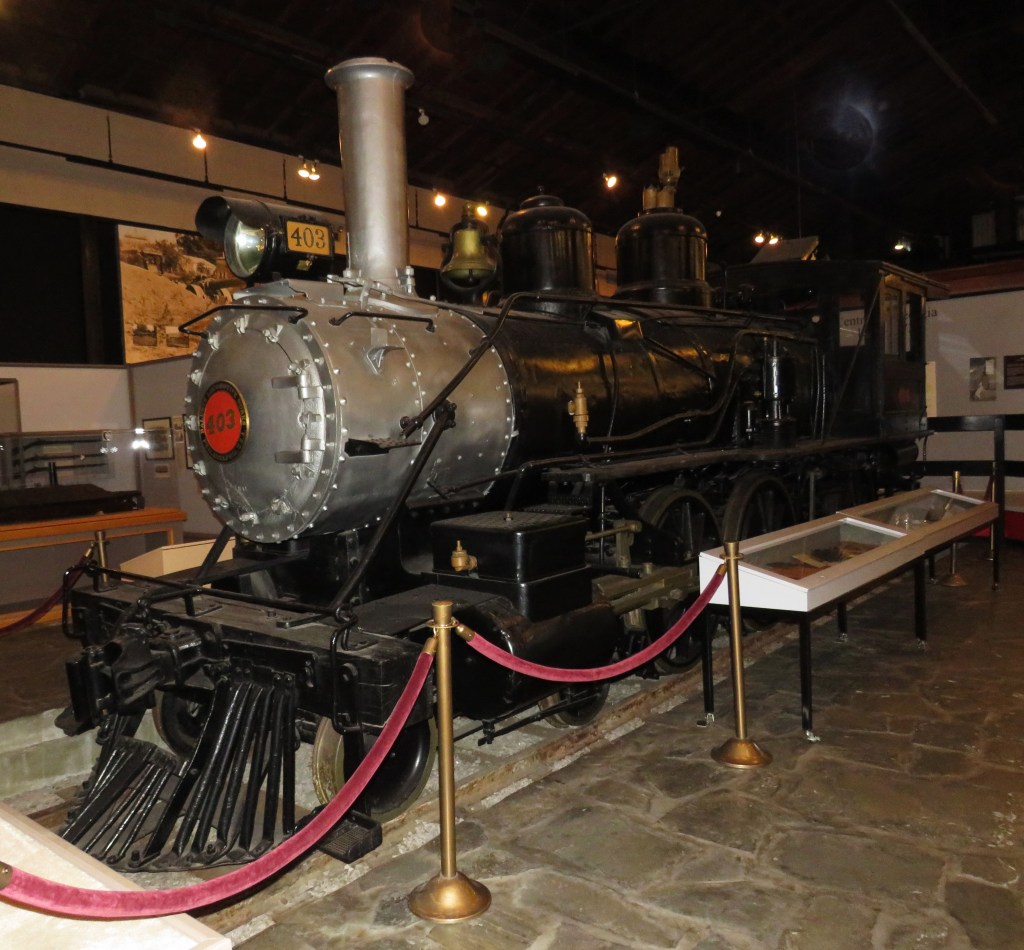
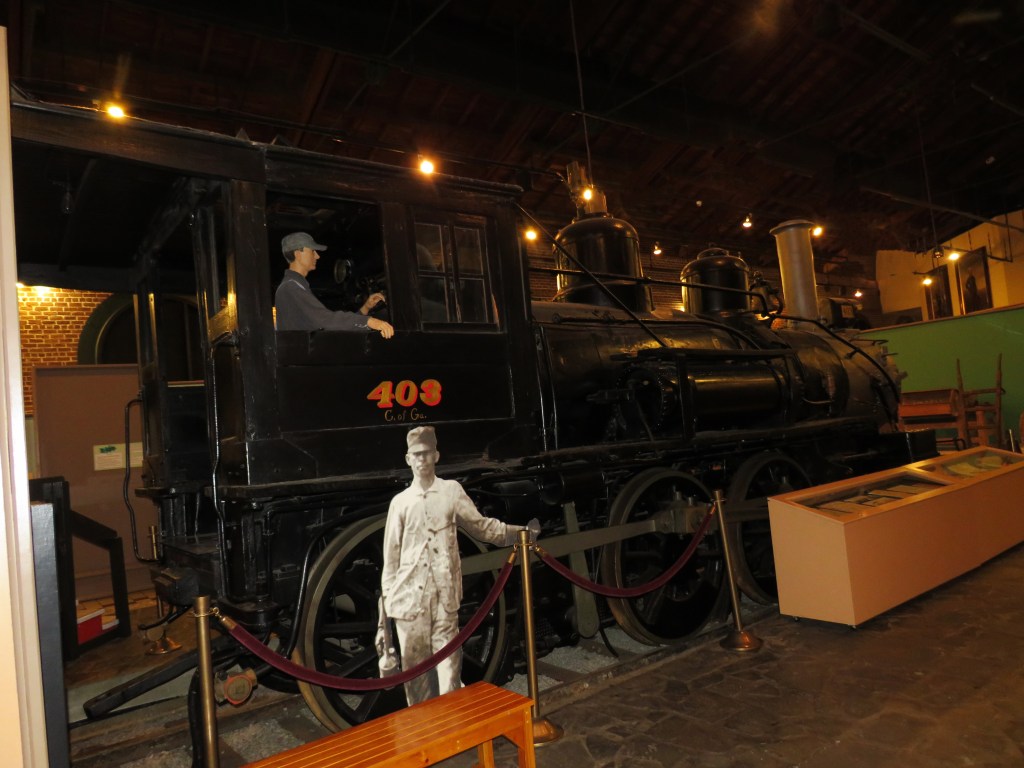
The story begins with the Indian tribes that once occupied the land to the colonial era and the American Revolutionary War to the present day, and the bench used in the famous movie ‘Forrest Gump’ which featured Tom Hanks is on display here.  (Sadly, you cannot sit on the bench.)  One of the main centerpieces of the museum is the Central of Georgia Railway Locomotive Number 403.  Yes, a steam locomotive is a centerpiece of the museum.  Other features include railroad lanterns and a model train from the Central Railroad of New Jersey on display.

Now you have a reason to visit the Savannah History Museum.  When you drive along Interstate 95, it is truly worth a detour.

The Savannah History Museum is located inside the Savannah Visitor Center, which is located at 303 Martin Luther King, Jr. Boulevard just blocks from Interstate 16 and U.S. Route 17.  Parking is on the north side of the visitor center.  It is owned and operated by the Coastal Heritage Society.  It is open seven days a week from 9:00am to 4:00pm.  Admission is $10.00 from adults.  The museum is wheelchair accessible.  You can get more information at https://chsgeorgia.org/SHM. No more excuses.  Savannah, Georgia is a town full of railroad history.  The Savannah History Museum is a history museum with the history of the railroad.

Historic Union Station, Selma, North Carolina

The U.S. state of North Carolina is one of the original states in the United States of America.  The state is famous for its coastline to include Kitty Hawk where two brothers from Ohio who worked on bicycles successfully made the first successful airplane flight.  It is also the home of the eastern half of the Smoky Mountains National Park, one of the most visited national parks in the nation.  The state has some of the most successful college basketball teams in the nation from Duke University, the University of North Carolina, and North Carolina State University.  In Ashville, you have Biltmore, one of the finest mansions in the nation.  When it comes to railroad history, the state has some great railroad sites.  You have the Great Smoky Mountains Railway in Bryson City, and you have the North Carolina Museum of Transportation in Salisbury that was erected in an old railroad roundhouse, and it is here where the Norfolk and Western Railway’s Number 611, the most photographed steam locomotive in the world, is often serviced.  It is also home to the National Railroad Hall of Fame in Hamlet.  There is a small town that has a little treasure of its own.

Welcome to the town of Selma, North Carolina.  What is in Selma, North Carolina?  It was in this town where Vicks Vaporub was invented in a local drug store.  When you enter the town, you will see that it is a definitely a railroad town.  Mitchner Station, built in 1855, is the oldest surviving train station in North Carolina.  As you arrive at the station, you will see that it is currently not in use.  It was spared from demolition by locals.  You then look down the tracks and see another treasure of the town.

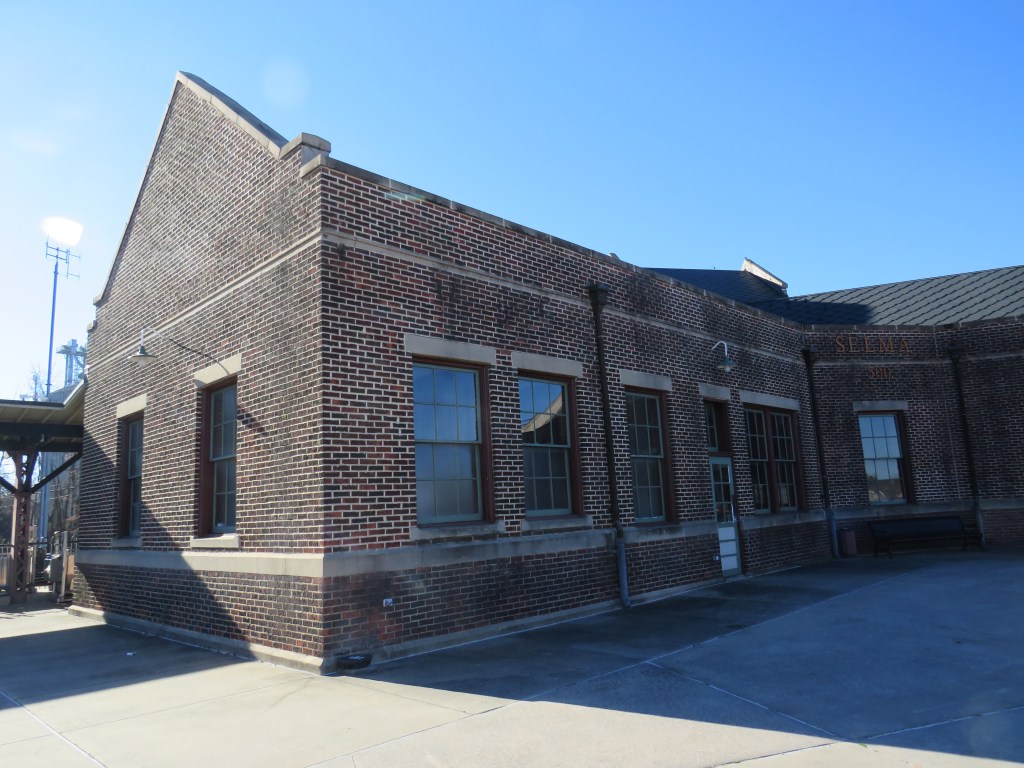
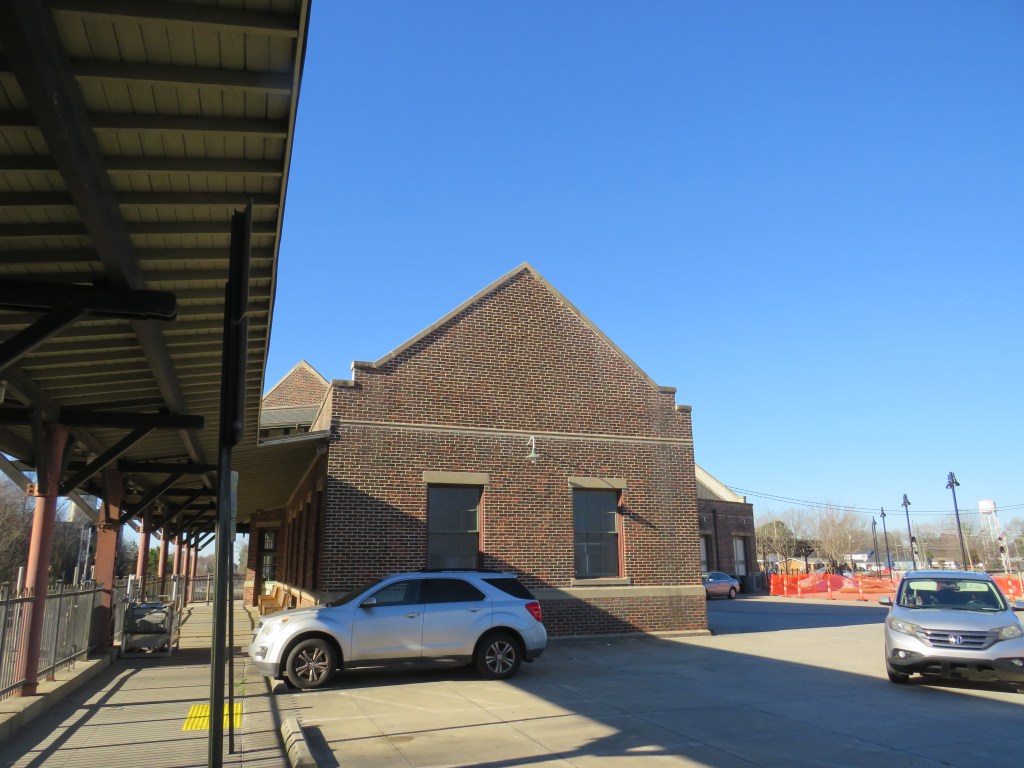
Welcome to Union Station in Selma, North Carolina.

Some of you are saying, “Wait a minute.  Union Station?  This is a small town.”

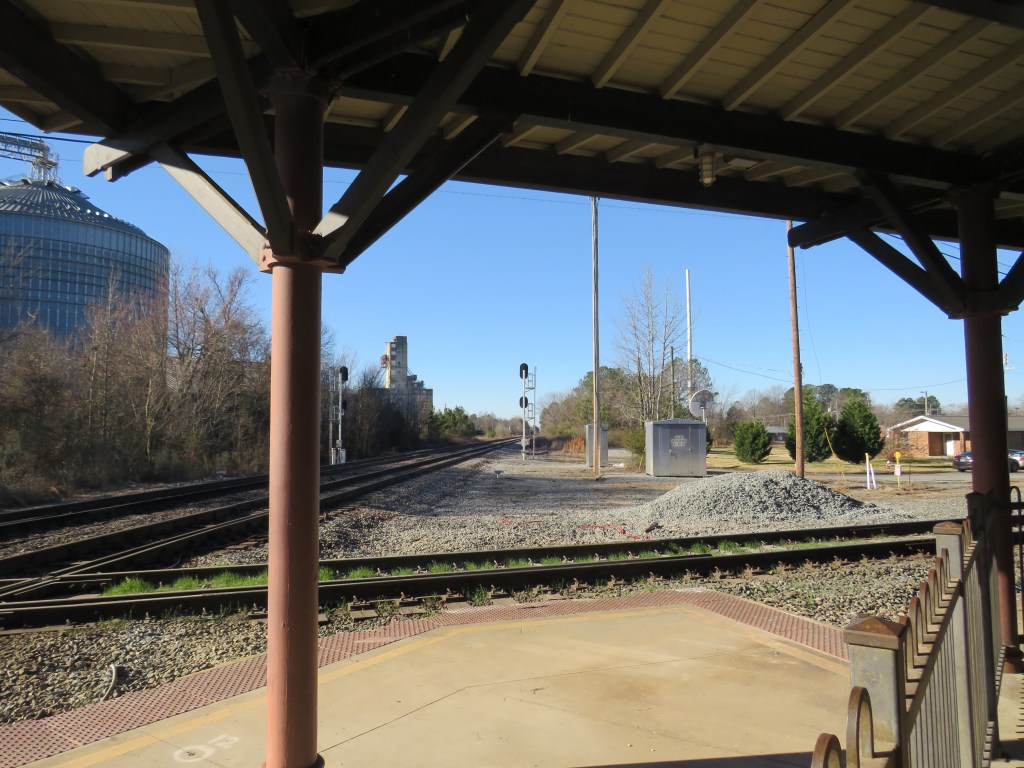
Selma is a small town, but it is a railroad town, and Union Station, built in 1924, is located at a cross track with a single track line crossing a double track line with a connecting track.  Did any famous people visit here?  If the name “Lady Bird Johnson”, the wife of Lyndon Johnson sounds familiar, she came here to campaign for her husband in 1964 after the Democratic National Convention to campaign for her husband.  During its heyday, this station saw much passenger traffic, but as railroad passenger service declined, service at this station ceased.

Some of you are saying, “And now this train station rots into ruin.”

It did, but a restoration of the station gave it new life.  It houses a museum that tells the story of the town of Selma and the rich history of the town as a major railroad town.

Some of you are saying, “Sadly, it is a museum, and it is no longer an active train station.”

You are wrong.  When the train station was restored, Amtrak restored passenger service to Selma with the Carolinian Route and the Palmetto Route serving the station.  An actual station attendant is in the ticket office on hour before the trains arrive.

No more excuses.  You now have a reason to visit the town of Selma, North Carolina.

The Historic Union Station of Selma, North Carolina is located at 500 Railroad Street, just minutes from Interstate 95 and U.S. Route 301.  The passenger waiting room that houses the museum is open daily from 10:00 a.m. to 5:00pm.  Parking is available on Railroad Street.  The museum and the old passenger platforms is completely wheelchair accessible.  Most important, admission is free.  Plus, you many be rewarded with a passing train.