Santa Claus Museum and Village, Santa Claus, Indiana

The U.S. state of Indiana has the nickname of being the ‘Hoosier State’.  How does the state get that name?  There is no real known answer to the question, but there is a theory being that Indiana is not one of those states that comes first to many people’s mind that the word ‘Hoosier’ comes from the phrase ‘who’s there’.  The definition is simply a resident of the state of Indiana.  Many travel experts would tell you that there is nothing to the state of Indiana.  Sadly, they are mistaken not knowing that the state is the home of one of sports hallowed grounds known by many racing fans as the Indianapolis Motor Speedway which hosts the Indianapolis 500, the greatest Indy Car race in the world.  The southern part of the state in the Louisville, Kentucky metropolis, and horse racing fans are fully aware of another hallowed ground known as Churchill Downs, home of the Kentucky Derby, the longest continuously running sporting event in the world, and it is part of what is known as ‘The Triple Crown’.  It is also a big basketball state, and South Bend is home to the University of Notre Dame, a university famous for its football team.  Then you have the city of Indianapolis has the second largest number of monuments of any city in the world?  (Washington D.C. is number one.)  The three longest routes in the United States (U.S. 6, U.S. 20, and U.S. 30) all pass through Indiana, and the longest interstate route (Interstate 90) passes through Indiana.  If that is not enough, the city of Elkhart is called the Recreational Vehicle Capital of the World.  How?  Many recreational vehicles are manufactured here, and it is the home of the RV Hall of Fame.
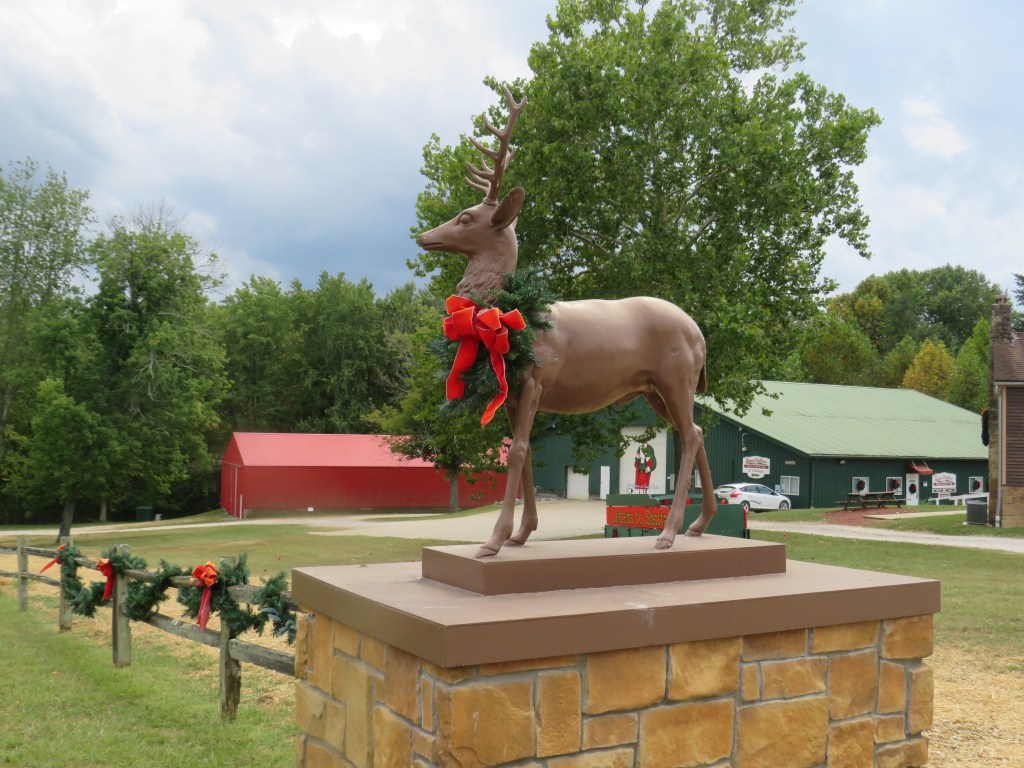
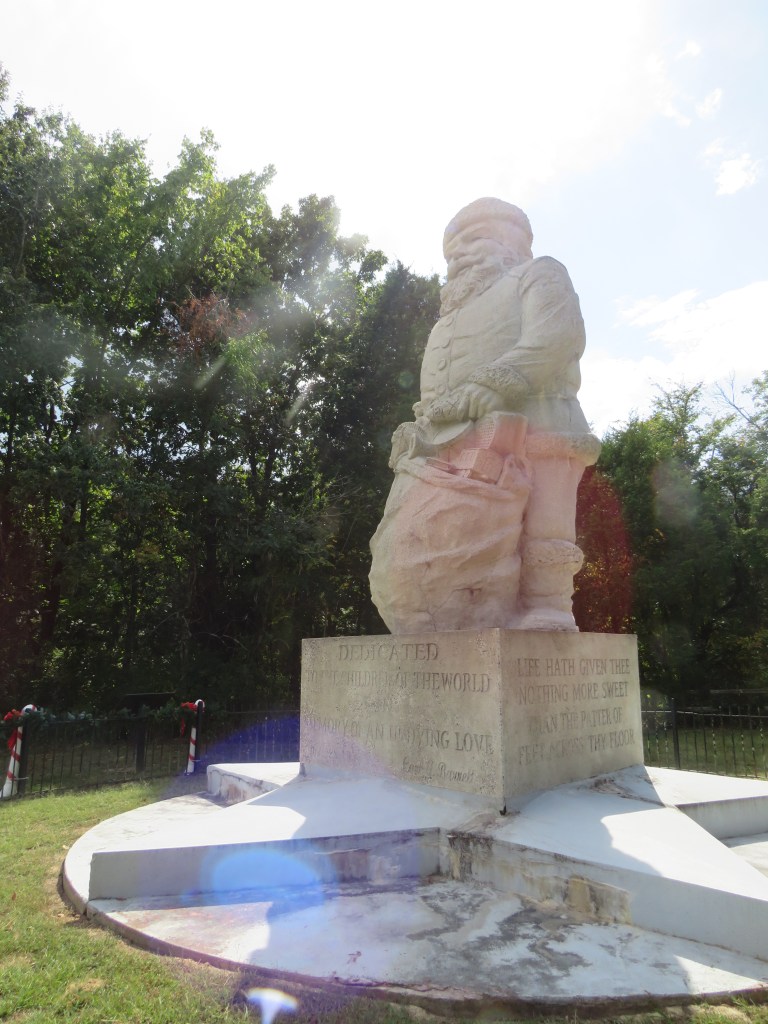
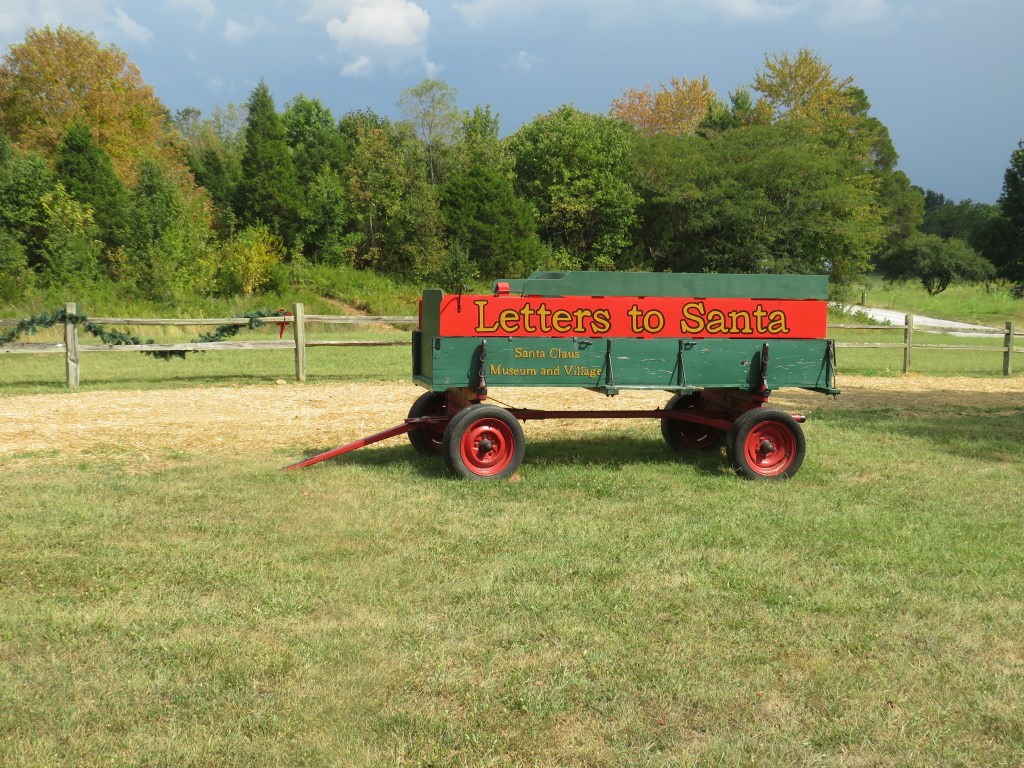
With all of this in a U.S. state that many people consider a boring state, you have the town of Santa Claus.  Yes, there is a Santa Claus.  That is Santa Claus, Indiana.  Located in the southwestern region of the state, it is a town built around the man himself.  Well, it was not originally called Santa Claus but Santa Fe, but there was another Santa Fe in the state.  The name was then changed to Santa Claus, and it has kept this name since.  What is here?  Well, you have an amusement park called Holiday World, and then you have the Santa Claus Museum and Village.  The Santa Claus Museum and Village featured some of the original structures of the original post office where you can mail a letter to Santa, a church from 1880 that has its original furnishings, and a statue of the man himself.  If you believe in Santa Claus, you will enjoy the Santa Claus Museum and Village.
Some of you are saying, “This is nice.  There is a Santa Claus after all.  Well, there is a town called Santa Claus in Indiana.  The man himself would be proud.  There is a very big problem.  This town and this museum and village is about Santa Claus.  There is no railroad here.  Therefore, I will not be going down Santa Claus Lane or visit this town.”

So, you are not going to pay a visit to the town of Santa Claus, Indiana or the Santa Claus Museum and Village because it is not a railroad site.  It is not a railroad museum, and, as far as it is known, there has never been a railroad in this town.  Why would you want to visit the Santa Claus Museum and Village?

As you arrive at the Santa Claus Museum and Village, you will see the museum building.  You will see the original post office.  You will see a church that was built in 1880.  You will see a tall statue of Santa Claus.  What you will not see is an old train station, a locomotive, or a caboose.

Some of you are saying, “See.  There is no railroad here.  Therefore, I have no reason to visit this place.”

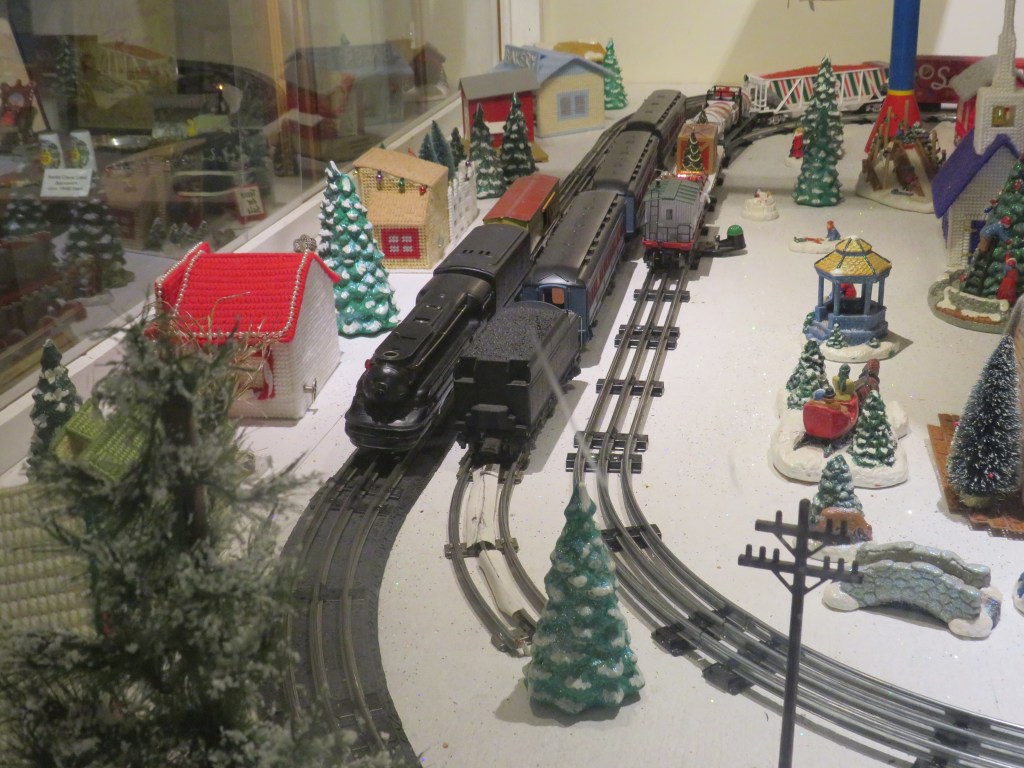
This is called the Santa Claus Museum and Village.  You see the village.  Now you enter the museum.  The very first thing you see is the gift shop.  Of course, you have a gift shop.  Then you enter into the various rooms where you see the history of the town.  Then you see the model trains.  Yes, the Christmas holiday has long been associated with model trains particularly around the Christmas tree, and they are on display here at the museum.  From the model trains on display to the model train displays.
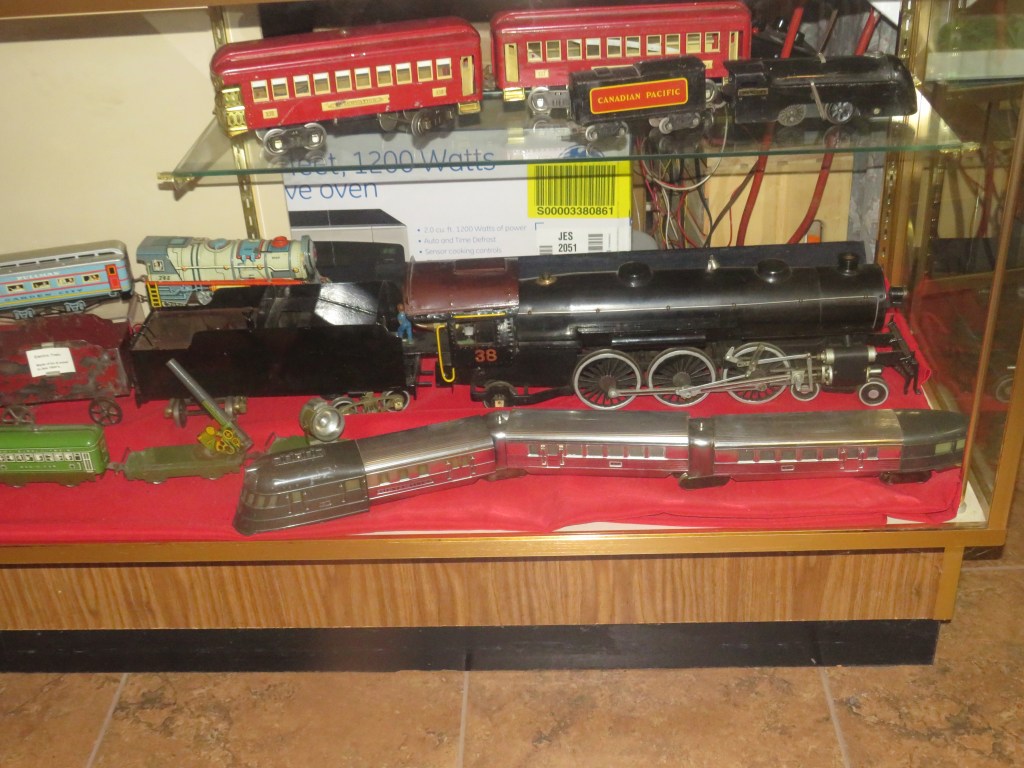
Are you still refusing to visit this museum?  If you enjoy model trains to include the old Lionel Trains, the Santa Claus Museum and Village is a must see.  You may not see the man himself, but you still will have a good time.

The Santa Claus Museum and Village is located at 69 Indiana State Route 245 just south of Indiana Route 162 and minutes from Holiday World, Interstate 64 and U.S. Route 231.  Parking is on site.  Admission museum is free, but they will gladly accept donations.  The museum is open year round, but the hours do vary throughout the year.  You can get more information about the museum and village at https://santaclausmuseum.org/.
Yes, Virginia, there is a Santa Claus.  Well, there is the Santa Claus Museum and Village in Santa Claus, Indiana.  You can visit any time of the year.  You will have a jolly old time.
Batesville, Indiana

The small town of Batesville in the southeast region of the U.S. state of Indiana.  It is not a famous town as it is centrally located between the major cities of Indianapolis, Indiana, Cincinnati in the U.S. state of Ohio, and Louisville in the U.S. state of Kentucky.  Its historic district is on the National Register of Historic Places.  As you drive through the town, it looks like any other small town.  It has its town hall town parks.  It is truly what small town America is about.

Some of you are saying, “It is nice to visit a small town.  I enjoy small town America.  However, there is a problem with this town.  What is the problem?  This is not a railroad town.  Therefore, I will not be stopping by to visit.”

So, the reason that you will not visit the town of Batesville, Indiana is because it is not a railroad town.  As you drive through the town and historic district, you do not see any railroad tracks or old train station of rail trails.  The only railroad line in the town runs through the south side, but there is no railroad yard or train station here.  Trains mainly just pass through.  Why visit this town?

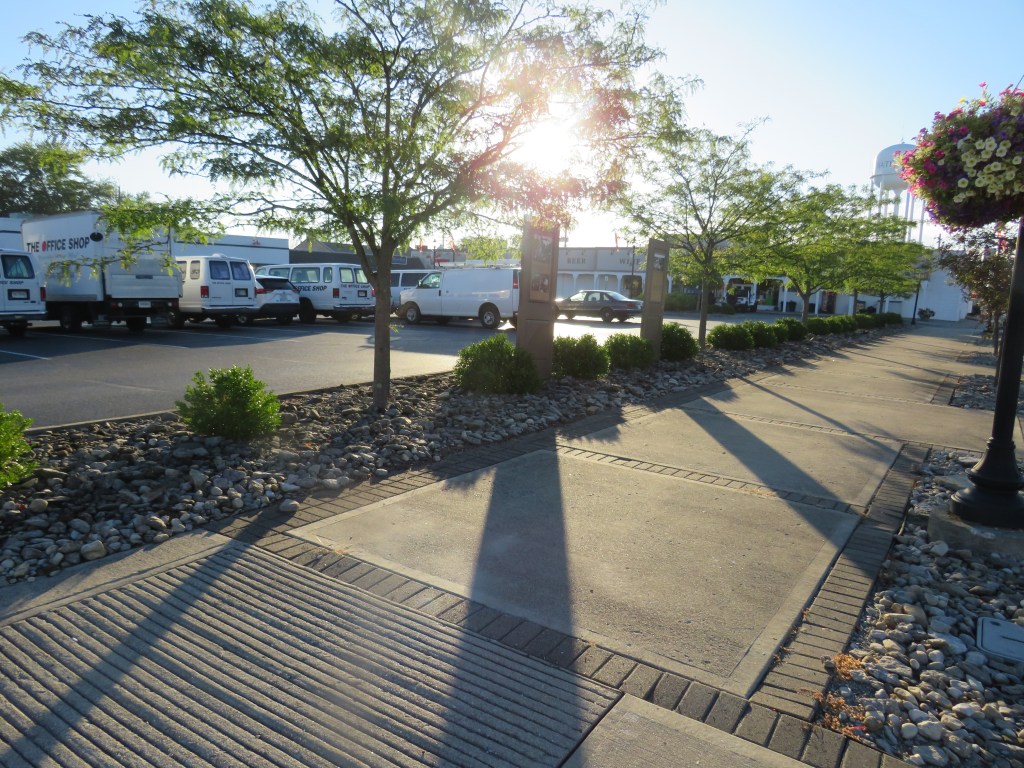
You enter into the historic district of the town.  You see the old buildings.  You see the town hall.  You see the Sherman Inn, and German style hotel and restaurant.  What you do not see is railroad tracks nor do you see any sign of the railroad ever being here.  Then you come upon Depot Square.  Wait a minute.  Where are the railroad tracks?  You see an old railroad crossing sign.  Where are the railroad tracks?  You see no signs of railroad tracks.

You walk towards the town center, and you see doors.  Doors?  They are just doors that are just there, but they have pictures on them.  What are they pictures of?  They are pictures of the old town.  Then you see pictures of the railroad.  You look behind the door, but you just see a street or a lot.

In the early years, a railroad line ran along what is now E. Pearl Street.  There was also a freight depot and a passenger depot.  Along these tracks was once a Buick car dealership where, in 1910, Buicks were brought to the dealership by train.

Some of you are saying, “Alright!  Batesville was a railroad town, but it is no longer a railroad town.”

True, but there is more to the story.  How much more?  Let us start at the beginning.

Before there was the town of Batesville, Indiana, it was just empty land.  The early settlers came and settled the land.  A man named Teunis Amack brought land from the government hoping to make it into a farm, but he later sold it to a man named George H. Dunn.  Who is George H. Dunn?  He was the owner of the John Callahan Trust Company.  Why did Teunis Amack sell the land?  George H. Dunn was also the president of the Cincinnati and Indianapolis Railroad.  The land was bought to be used for a railroad line.  The railroad line was built, and the town of Batesville, Indiana was built around the railroad.  The first train arrived on November 1, 1853, and passed through the center of the town.  The last passenger train served the town in 1906.  Through the years, the tracks were removed, and the train depot was demolished.

Now you have a reason to visit the town of Batesville, Indiana.  The trains may be gone, but the ghosts of the trains remain.

Williamsburg, Indiana

Welcome to Williamsburg, Indiana.

Some of you are saying, “You got it wrong.  You meant to say, ‘Welcome to Williamsburg, Virginia’.”

No.  This is the small town of Williamsburg in the U.S. state of Indiana.  It is not like its Virginia counterpart of Colonial Williamsburg but a small town in the eastern part of the state just west of the U.S. state of Ohio.  When you visit the town, you will pretty much see a ghost town… but it was not always that way.

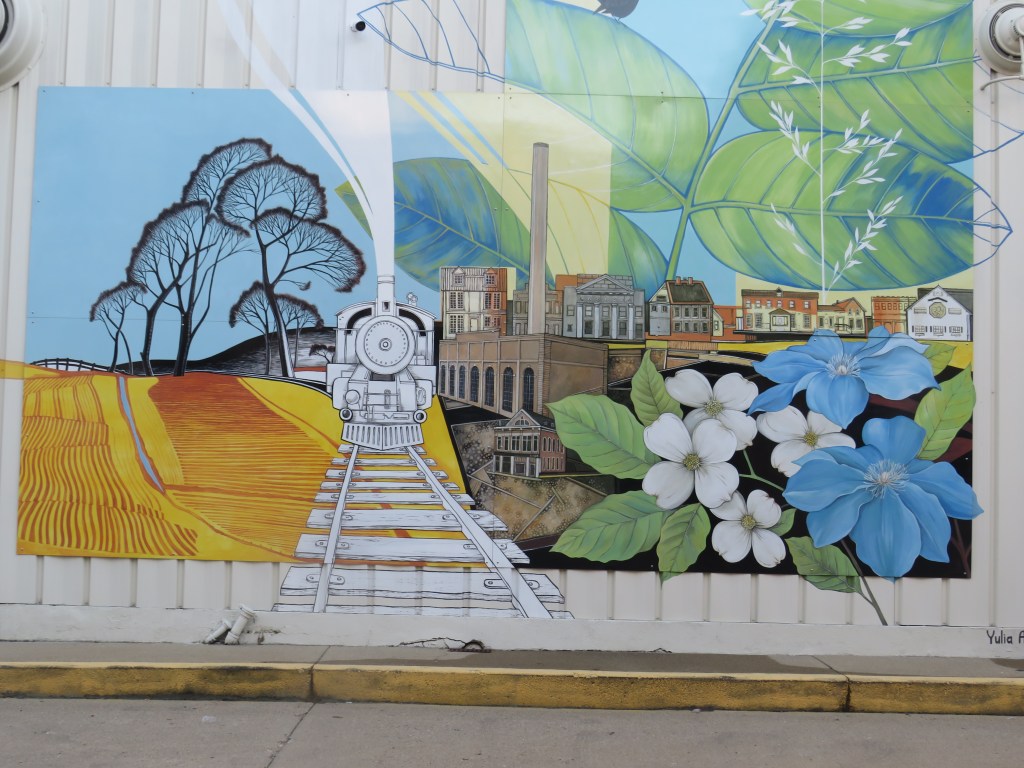
The town was named after William Johnson, the man who settled the town in 1830.  Like many small towns, it flourished, but something happened in 1901.  What happened?  The Chesapeake and Ohio Railway came to town.  Connecting the Indiana cities of Richmond to the south with Muncie, the Chesapeake and Ohio Railway brought massive growth of business and population to the town.  The town had its own train station.  Like many small towns in the United States of America, Williamsburg went into a decline and began beginning to be the ghost town it is today.

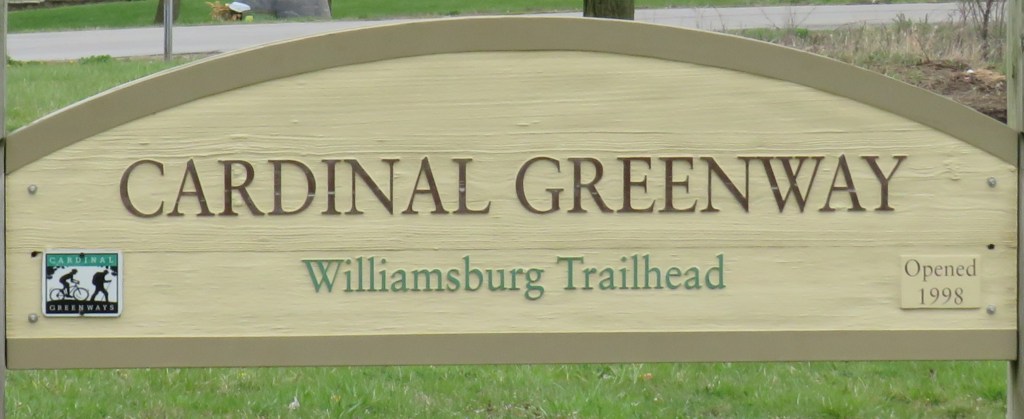
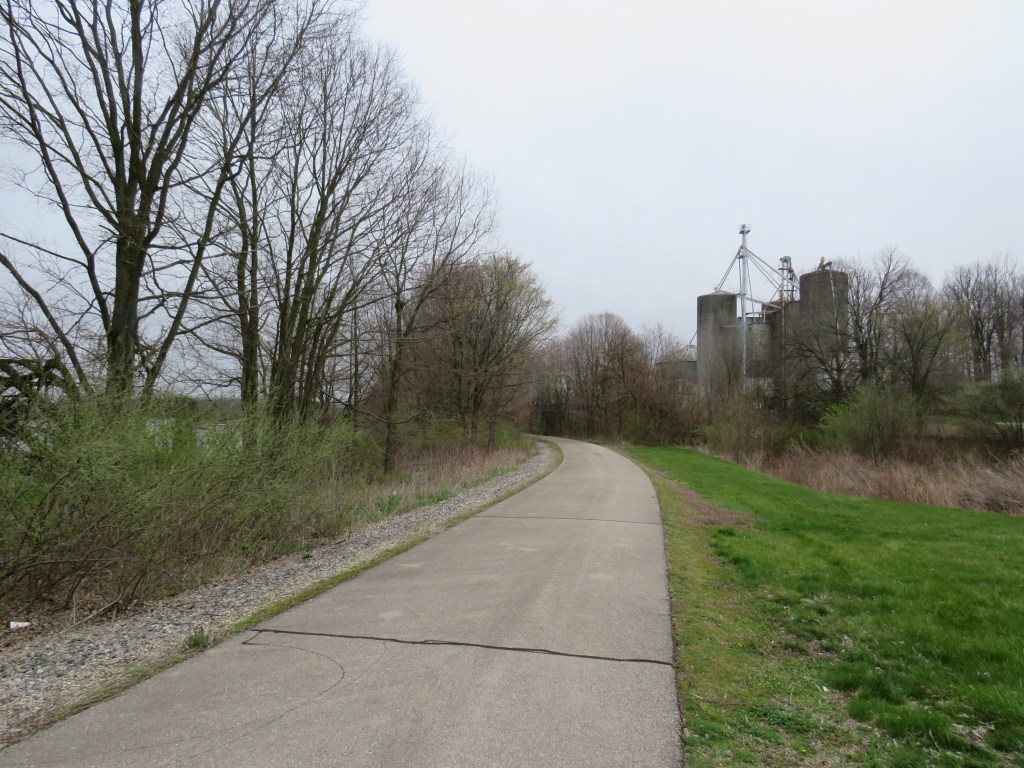
Today, the railroad line that passed through the town of Williamsburg, Indiana became a rail trail known as the Cardinal Greenway, the longest rail trail in the U.S. state of Indiana running to Richmond to the south and Marion to the north.  As you visit the rail trail, you will not notice that this was once a busy place.  Located north of the town center just a short drive of U.S. Route 35, you will experience a quiet place at a place that was once the centerpiece of the town.

Welcome to Williamsburg, Indiana.  You will not see people dress in colonial attire, but you will be in a small town where a railroad made history.

The Falls Park, Pendleton, Indiana

Oh the U.S. state of Indiana is a state famous for the Indianapolis 500 in the capital city of Indianapolis, The University of Notre Dame in South Bend, and for basketball which inspired the movie ‘Hoosiers’ starring Gene Hackman.  Like other states in the United States of America, Indiana has great hidden treasures.  One of these treasures is the town of Pendleton, a suburb of Indianapolis.  What is the town of Pendleton, Indiana famous for?  Well, unlike Indianapolis, South Bend, Fort Wayne, and Elkhart, there is not much fame in the town of Pendleton.

Some of you are saying, “Well, it looks like I am not going to visit this town.”

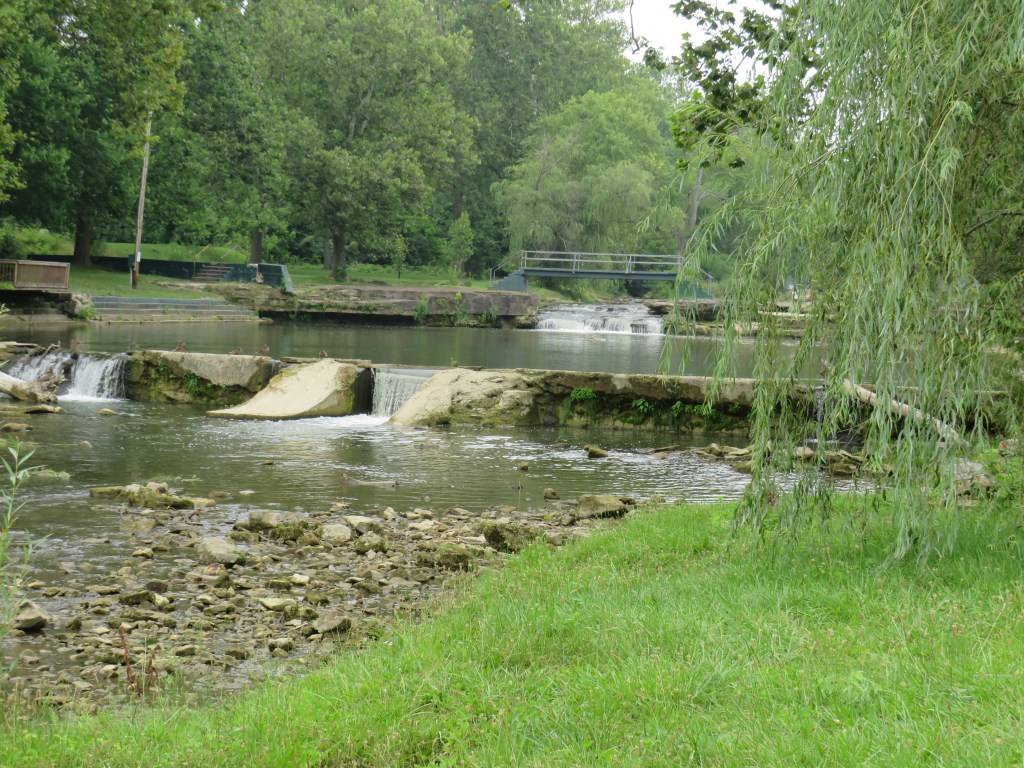
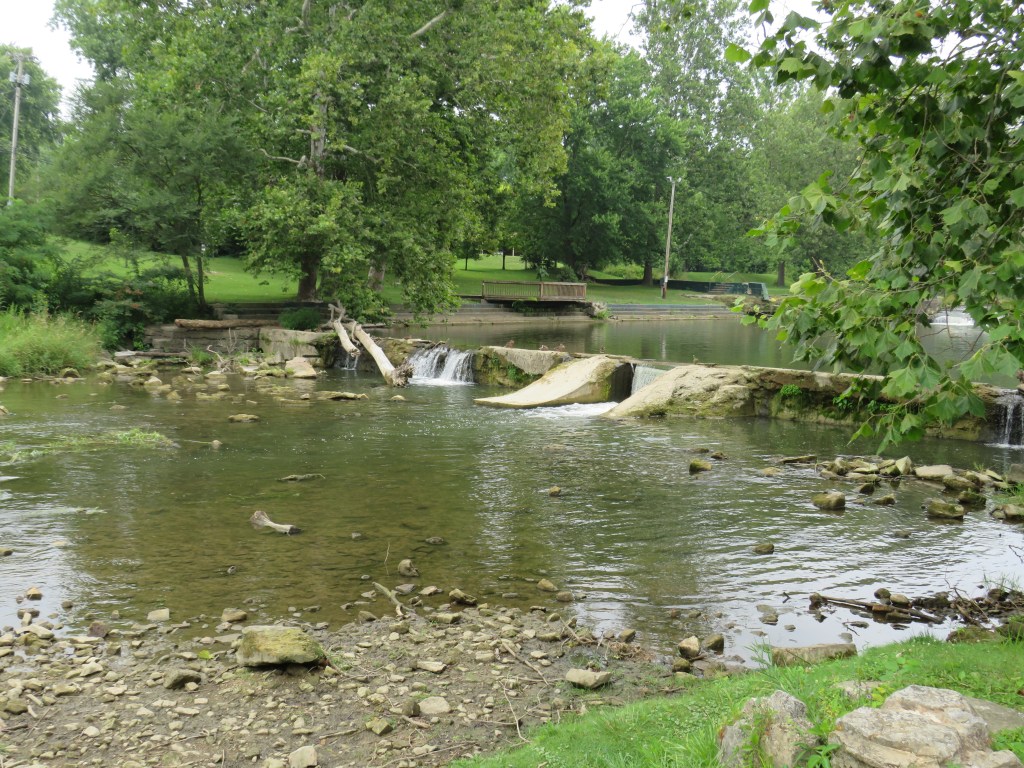
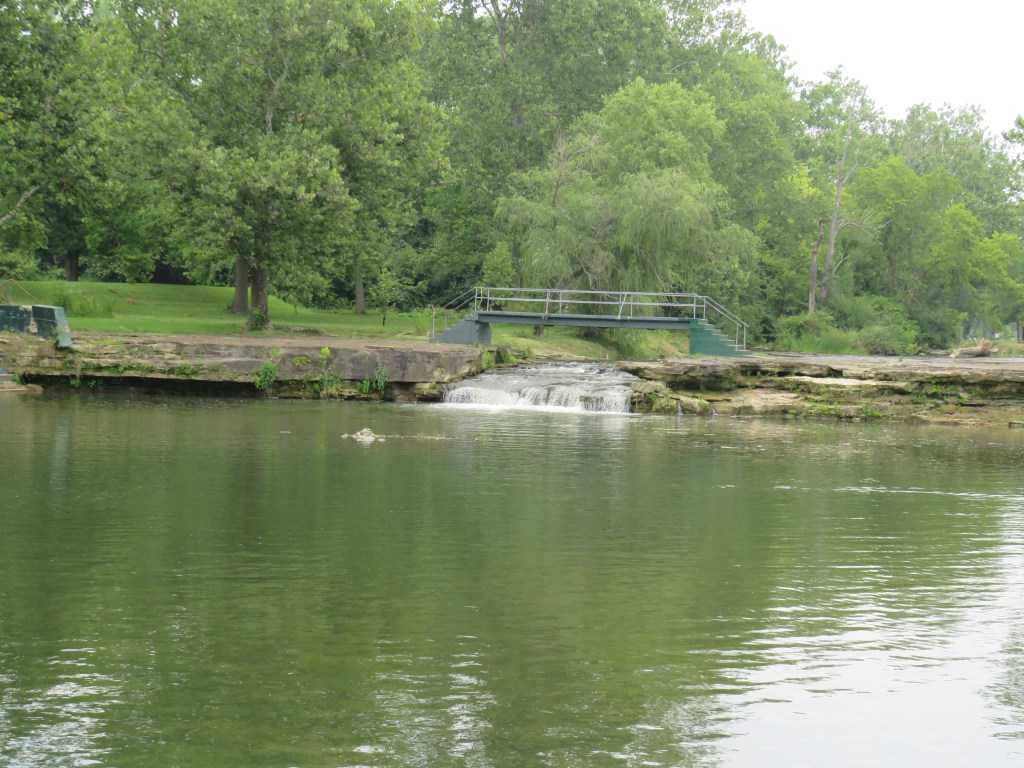
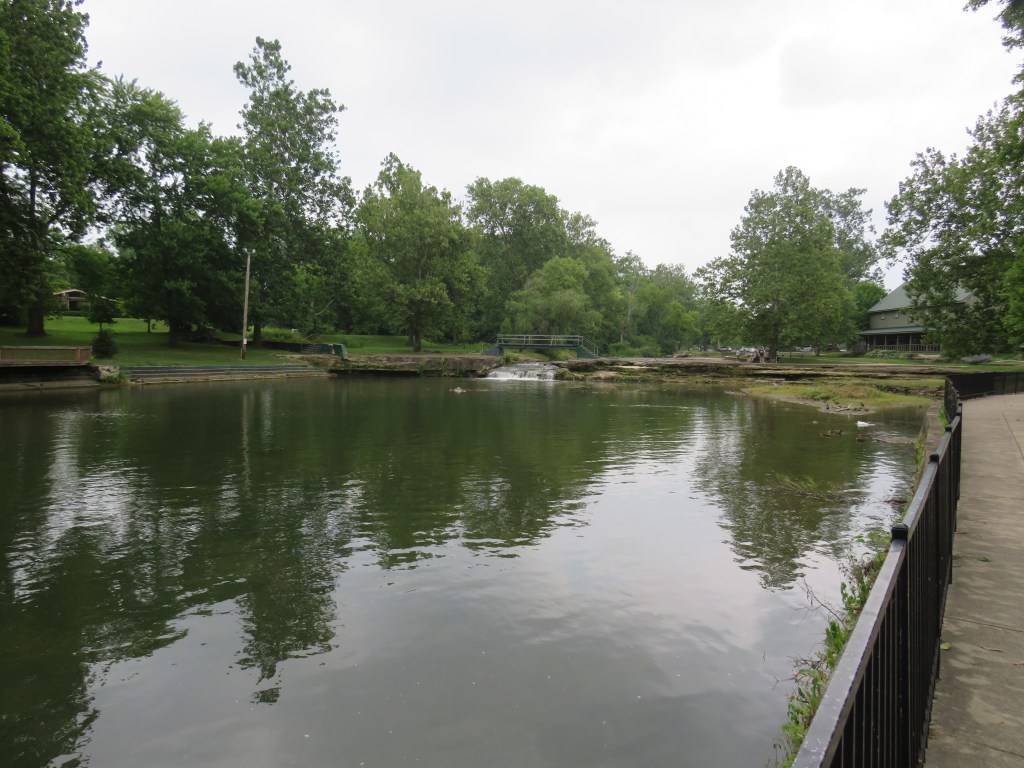
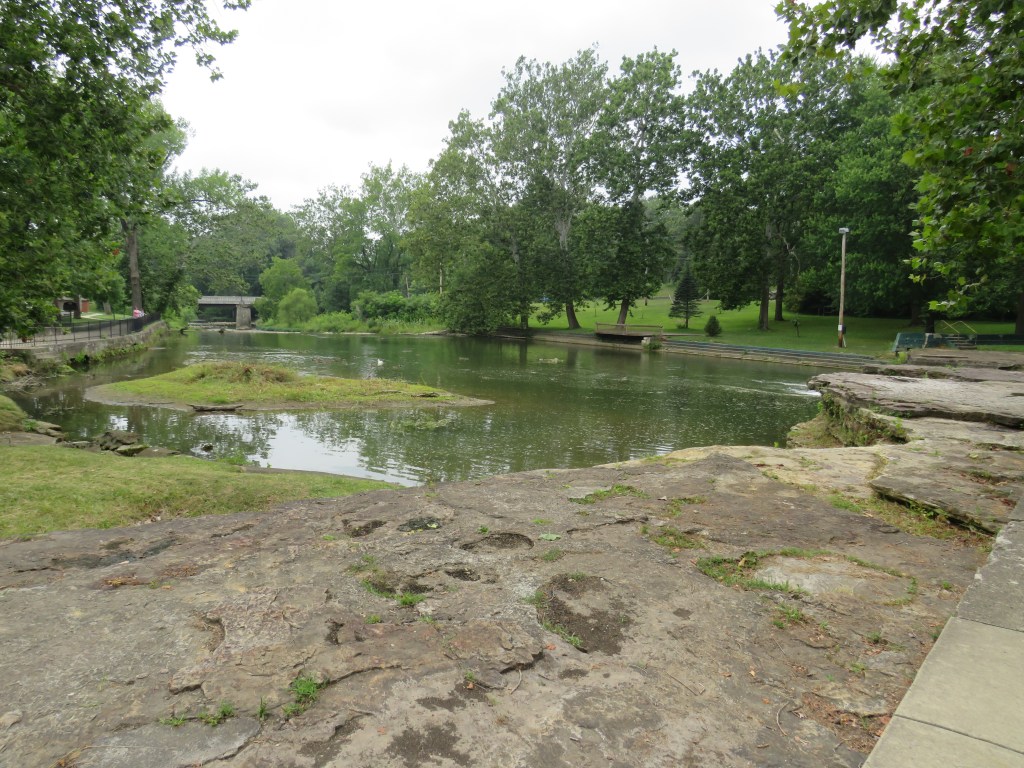
Well, this town has a great treasure.  What is this great treasure?  Welcome to Falls Park in Pendleton, Indiana.  What is great about Falls Park?  Well, it does have a waterfall.  It may not be as grand as Niagara Falls or Iguazu Falls or Victoria Falls, but just like most waterfalls, it is a beauty to see.  Now you have a great reason to visit Falls Park in Pendleton, Indiana.

Some of you are saying, “Oh, I love waterfalls.  They are such a beautiful thing to see.  I also enjoy parks.  There is a big problem.  This park is not a railroad park.  Therefore, I will not ‘fall’ in love with the town of Pendleton, Indiana.”

So why visit Falls Park in Pendleton, Indiana?

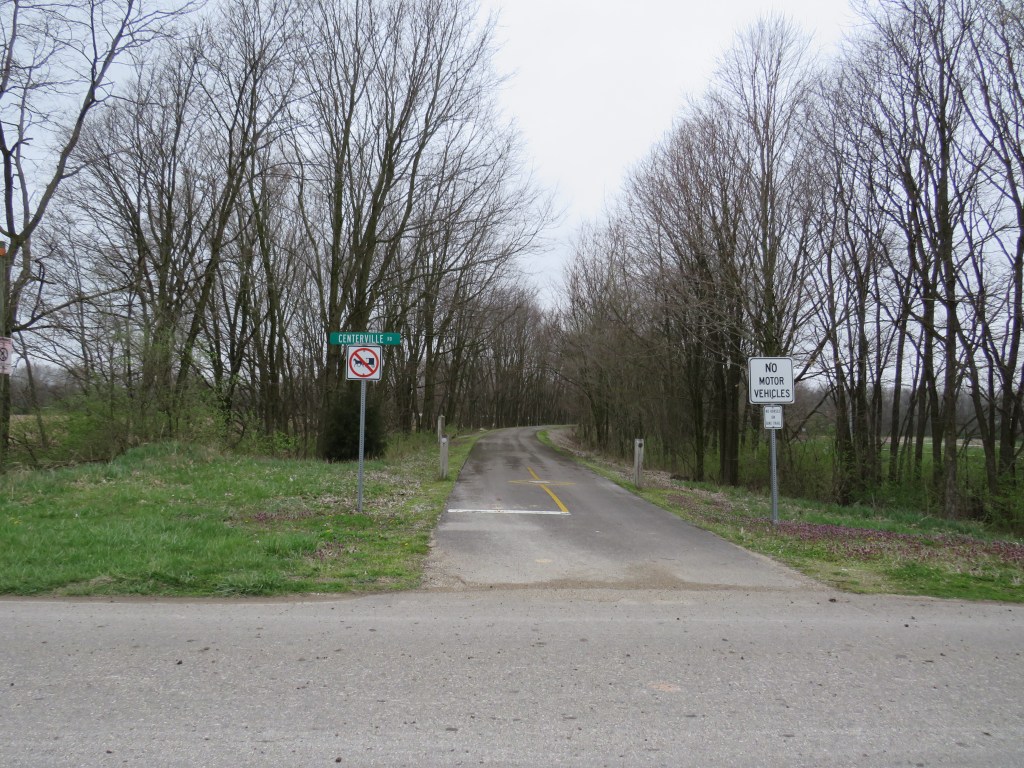
The park itself has a deep history that goes deep.  As you enter the park, you will notice what appears to be railroad bridge abutments.  Why are they there?  Pendleton is not a railroad town nor was it ever a railroad town even though a railroad line does pass through the town.  The old abutments are from a railroad line that did cross over the falls.  The ‘Bee Line’ passed through the park.  Originally part of the ‘Big 4 Railway’ which came through the park in 1851.  One of the trails follows the old railroad bed.  Like many unused railroad lines, they were abandoned, and the rails were taken up leaving the remnants of the railroad today.

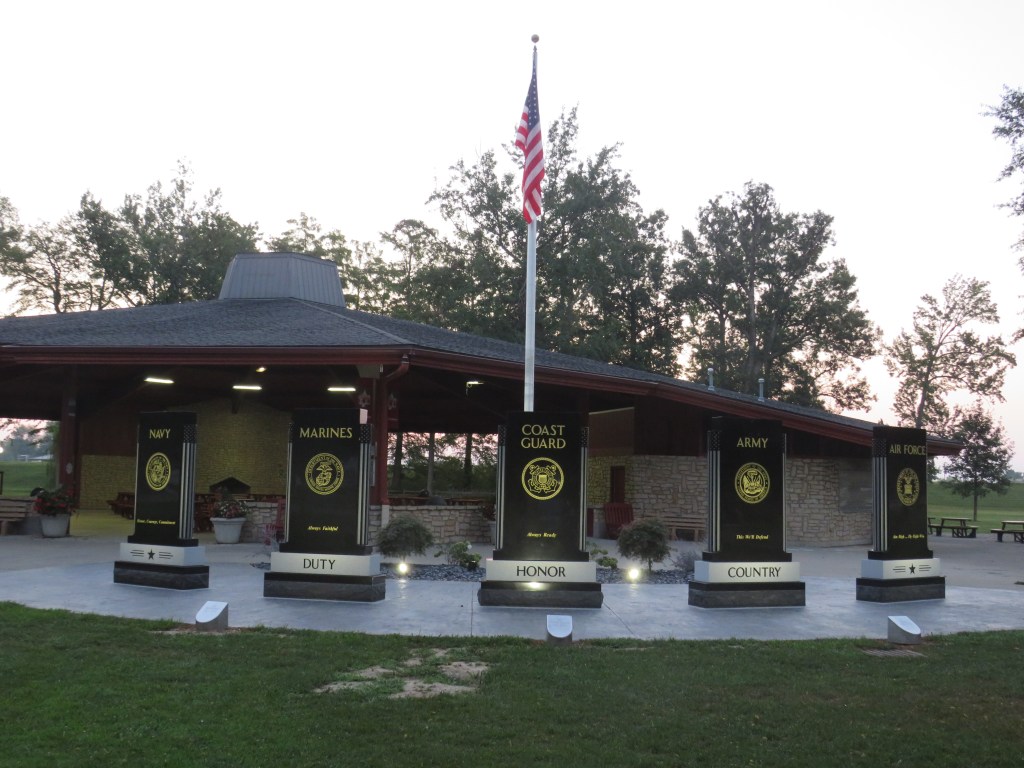
Falls Park is located at 460 Falls Park Drive in Pendleton, Indiana just north of Indiana Route 38 and minutes from Interstate 69 and U.S. Route 36.  The park also has a museum and a veterans memorial.  The park is open sunrise to sunset, and access to see the waterfalls is available for wheelchairs.

You now have a reason to visit Falls Park in Pendleton, Indiana.  Be warned.  You will fall in love with this place.

Conner Prairie, Fishers, Indiana

The U.S. state of Indiana is commonly called the Crossroads of the United States of America.  How does the state get the name?  The three longest routes in the nation, U.S. Route 6 (known as the Grand Army of the Republic Highway), U.S. Route 20, and U.S. Route 30 (known as the Lincoln Highway named for Abraham Lincoln), pass through the state along with interstate route 70, 80, and 90.  Being a crossroads state, it is not a state that many travelers put on their list of must visit states, but be advised that there are many great place to visit in this state.  It is commonly known for the sport of basketball with Larry Bird being from the town of French Lick.  It is also home to one of the biggest races in the world: the Indianapolis 500.  In the early years of Indiana, it was mostly prairie with no mountains in the state.  A way to experience life in Indiana is to make your way to Conner Prairie.

What is Conner Prairie?  It is a living history museum location in the Indianapolis suburb of Fishers.  When you visit Conner Prairie, you will experience life in the early days of Indiana.

Some of you are saying, “This is nice.  It is great that they created a place where you could experience the early days of Indiana.  There is one problem.  This is not a railroad museum.  Therefore, you will not be visiting this museum.”

Why visit Conner Prairie?  You are right when you say that it is not a railroad museum, but that is not a reason for you not to visit.

Conner Prairie is a living history museum.  What is a living history museum?  It is a museum when many of the workers are dressed in period dress.  What is period dress?  It is when you dress in a particular period.  At Conner Prairie, it is mainly the nineteenth century.  As you enter, the very first thing you will notice is a hot air balloon.  Well, it is a hot air balloon that looks like a balloon from 1859, and you can take a ride in this balloon for an extra fee.  The museum grounds is divided into communities.  You have the 1816 Lenape Indian Camp displaying how the settlers lived with the local Indian tribes.  You have the 1836 Prairie Town where you can see how they lived in 1836 from the general store to the doctor to making pottery.

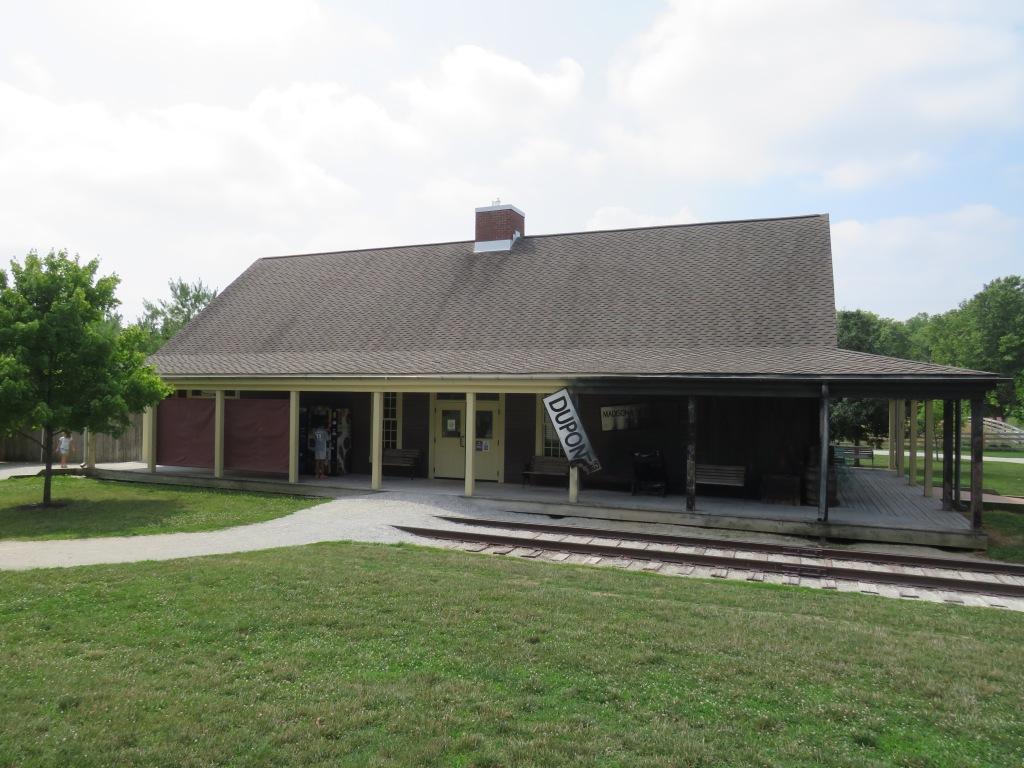
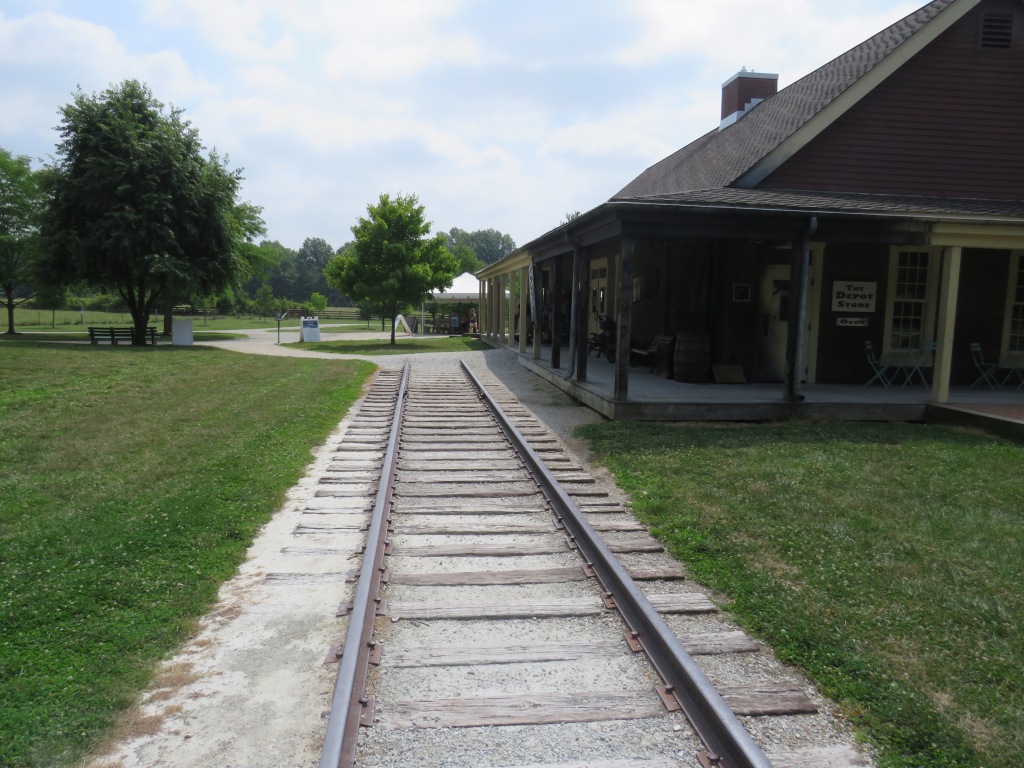
You have other areas in the museum, but then you come upon the 1863 Civil War Journey that tells the story of Indiana’s role in the American Civil War.  It is designed after the town of Dupont, Indiana.  It has a general store and a Union Army Camp that was attacked.  You have a schoolhouse and a farm.  Then you have the old train station.  Yes, you see the old train station from Dupont with a railroad line next to it.  Sadly, there is no train on the tracks, and the train station is mainly a snack shop and restrooms, but it tells the story of how the railroad played a role in Indiana’s participation in the war.

So, there you have it.  You have a reason to visit Conner Prairie.  Well, as you walk around, you will have many reasons to visit Conner Prairie other than seeing the train station.  You will need plenty of time to visit this place, and you will be doing a lot of walking.

Connie Prairie is located at 13400 Allisonville Road in Fishers, Indiana, a northern suburb of the state capital city of Indianapolis.  It is open most of the year.  Parking is on site, and, although it makes you feel like its in the 1800’s, it is completely wheelchair accessible.  You can get more information on admission, directions, events, on the history of Conner Prairie, and the museum’s future projects at https://www.connerprairie.org/.

As you think about the state of Indiana and basketball and the Indianapolis 500, think about Conner Prairie.  You will be glad that you did.