This is a text widget, which allows you to add text or HTML to your sidebar. You can use them to display text, links, images, HTML, or a combination of these. Edit them in the Widget section of the Customizer.
The U.S. state of Maryland is one of the original thirteen states. It was in this state where the National Anthem of the United States of America was written near Fort McHenry. The oldest Catholic Church is in this state. The oldest continuously operating airport in the world, College Park Airport, in located in the state. The capitol building in Annapolis is the only capitol building in the nation where the capitol dome is completely made with wood. It is where you will find the largest estuary, the Chesapeake Bay, in the nation. As for the railroad, the first railroad began in Maryland, and you can still ride the first mile and a half of railroad at the Baltimore and Ohio Railroad Museum in Baltimore. The oldest railroad bridge in the nation as well as the oldest railroad aqueduct in the nation are in the state and still used today by the Chessie Seaboard System (CSX). The oldest surviving train station in the nation is in Ellicott City and is open as a museum.
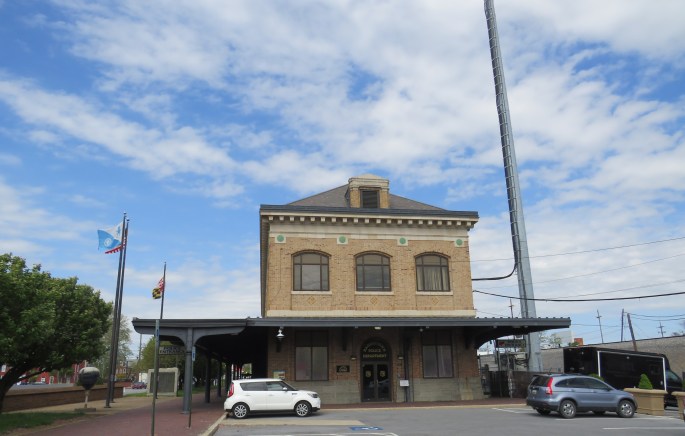
Then you have the city of Hagerstown. Located in the western region of the state, it is a city that is at a crossroads. The National Road (present day U.S. Route 40) passes through here as well as U.S. Route 11, and it is where Interstates 70 and 81 meet. In the city of Hagerstown, you have the Hagerstown Police Department. What is special about the Hagerstown Police Department? Well, it is like any other police department in the nation, but they do have one exception. What is special about the Hagerstown Police Department? We must look to their headquarters. Yes, some cities have a fancy elaborate headquarters for their police, but Hagerstown is different. How? It was not always the headquarters of the Hagerstown Police Department.
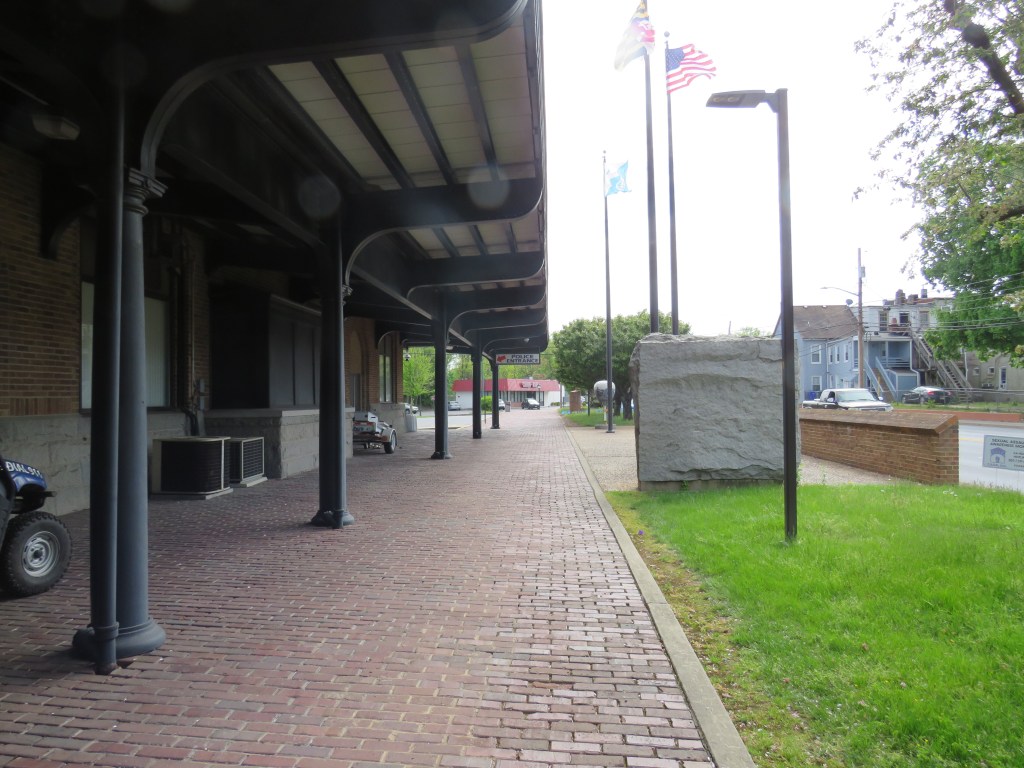
Before it was the Hagerstown Police Department Headquarters, it was a train station for the Western Maryland Railway. The structure you see today was not the original train station for Hagerstown. The current structure was built on the site of the original train station. When passenger serviced ceased to Hagerstown, the building was spared and bought by the city of Hagerstown and became the headquarters of the police department.
The Hagerstown Police Department Headquarters is located at the intersection of U.S. Route 11 and U.S. Route 40. Along with the station, there are a few monuments to the police and to the railroad on the grounds.
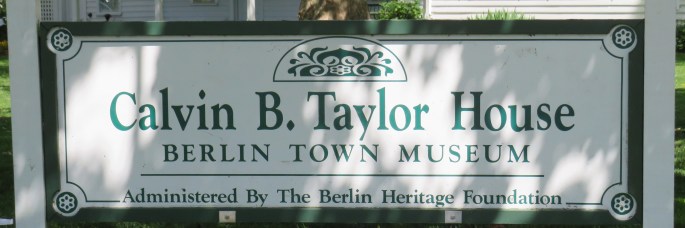
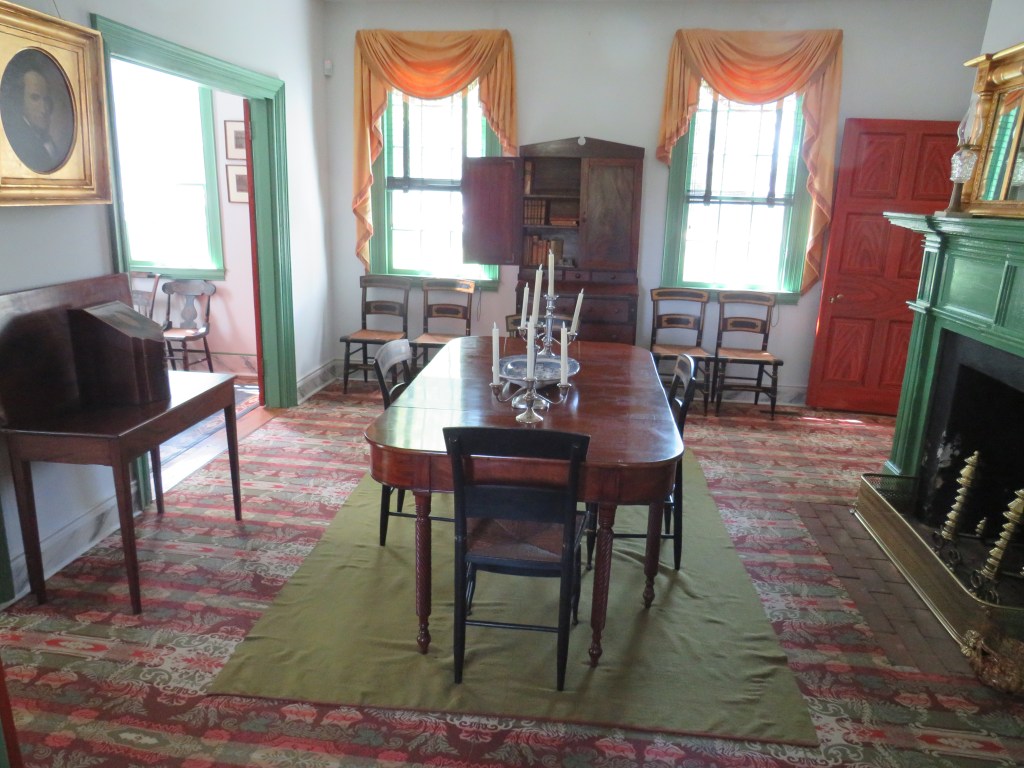
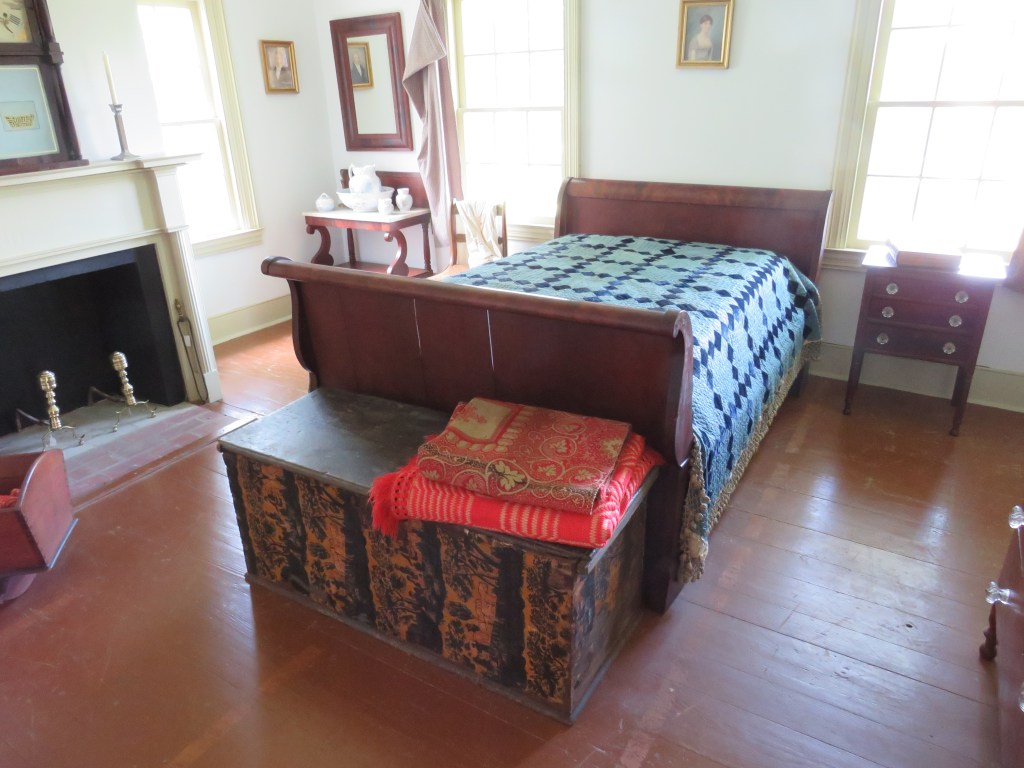
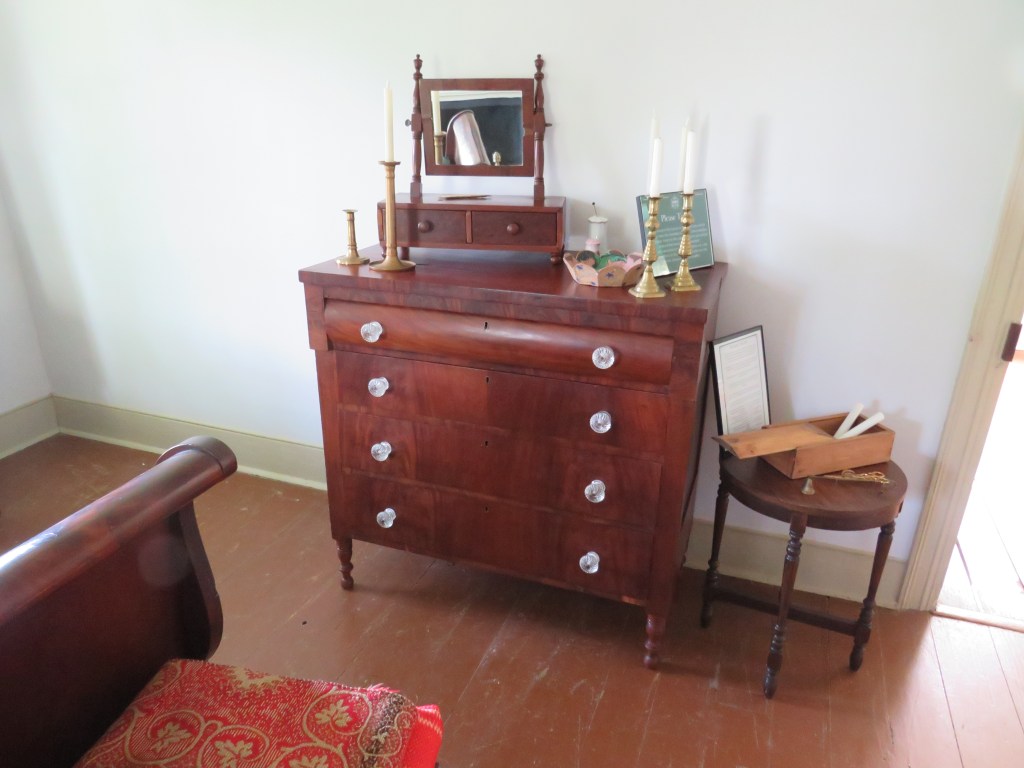
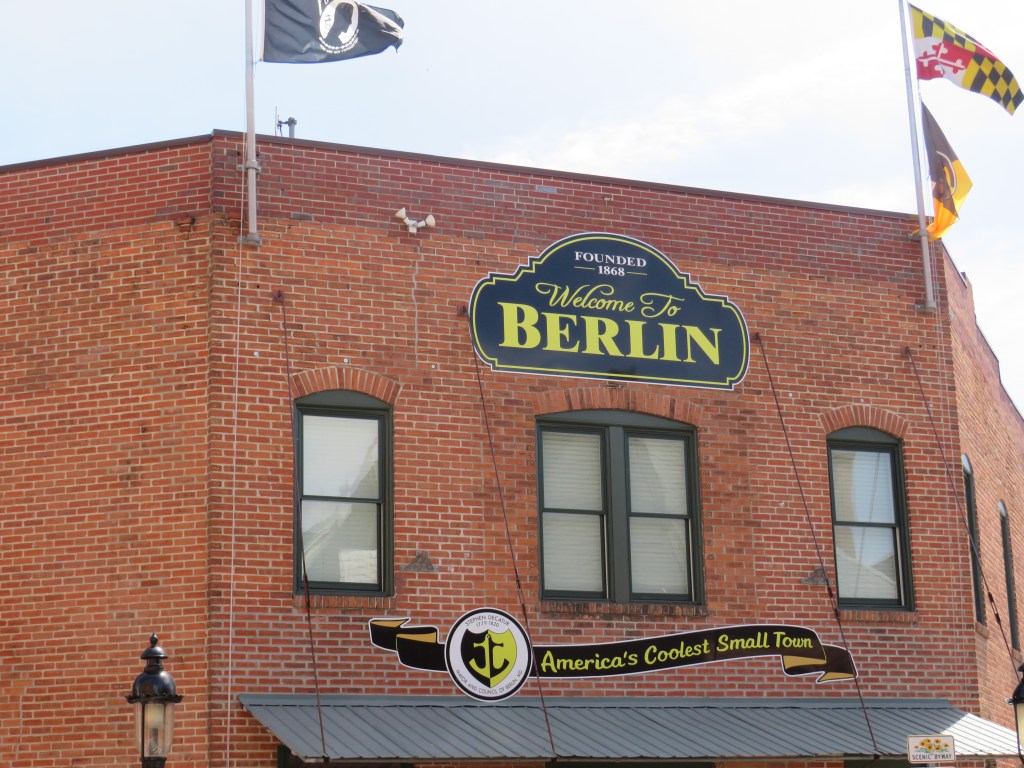
The U.S. state of Maryland is a state that is famous for many things. It has the Chesapeake Bay which splits the state in two parts. Baltimore, the state’s largest city, is famous for the National Anthem of the United States of America, known as the ‘Star Spangled Banner’, which was written by Francis Scott Key as he was a prisoner of war as he watched the British Navy bombard Fort McHenry during the War of 1812 only to see the flag still waving. Baltimore is where the oldest Catholic Church in the nation, and it was here where the first railroad began operation in the Western Hemisphere. In College Park, the home of the University of Maryland, is also the home of College Park Airport, the oldest continuous operating airport in the world. You have Annapolis, the state capital, the home of the Naval Academy and the only capitol dome made with wood and has no marble or stone like most capitols. The state of Maryland is loaded with historic sites, and it has small towns. One of these small towns is the town of Berlin. Located on the Delmarva Peninsula near the coastline, the town is considered as one of the best small towns in the nation. The movie ‘Runaway Bride’ starring Richard Gere and Julia Roberts was filmed here, and Seabiscuit, a famous racehorse who won the Triple Crown (meaning that he won the Kentucky Derby, the Preakness Stakes, and the Belmont Stakes in the same year), was raised in a barn in the area. (The barn is now on a golf course and houses a restaurant.) One thing you will not see in this town is the Berlin Wall, but you will find the Calvin B. Taylor House. What is the Calvin B. Taylor House? Yes, it was the home of Calvin B. Taylor who was the second owner of the home. After Calvin B. Taylor’s ownership, the house was divided into apartments. It was saved from demolition, restored, and made into a museum which is seasonally open for tours.
Who is Calvin B. Taylor? That is a good question. Calvin B. Taylor made a big influence on the town of Berlin. He was an educator and a lawyer, and he was the founder of the Calvin B. Taylor Banking Company in the town of Berlin. Today, his home is a museum that tells the story of the town of Berlin. If you want to learn more about an amazing small town, you must visit the Calvin B. Taylor Museum.
Some of you are saying, “This is nice. Every time I think about Berlin, I think about Germany and the Berlin Wall. I would not think about a small town in Maryland. As for the Calvin B. Taylor House, well, it is nice to see that he was a great man who did great things for the town. There is a very big problem. Calvin B. Taylor is not a railroad man and has nothing to do with the railroad, and the Calvin B. Taylor House is not a railroad museum. Therefore, I will not be running away to the town of Berlin, Maryland to visit this house.”
Calvin B. Taylor was not a railroad man, and the Calvin B. Taylor House is not a railroad museum. Why visit the Calvin B. Taylor House in Berlin, Maryland?
What is now the Calvin B. Taylor House was built in 1832. Before it was called the Calvin B. Taylor House, the home had former owners. One of the former owners is a man named Robert J. Henry. Who is Robert J. Henry?
When you visit the town of Berlin, Maryland, you see a charming small town with historic buildings. Although a railroad line passes through the town, the town has never been a big railroad town nor does the town have a big history of the railroad.
So what is the big deal?
In the early days of railroading, the railroad served many cities and towns. Robert J. Henry was the man who was instrumental in bringing the railroad to the town of Berlin. Being on a large peninsula between the Atlantic Ocean and the Chesapeake Bay, you wonder if anybody rode the train here.
Well, they did. Where did they come from, and where did they go?
The town had a train station that was called Berlin Union Station. Why the name Union Station? It was located at a junction of another railroad line. People came from Baltimore by way of a ferry that went across the Chesapeake Bay between Baltimore Harbor and Love Point, a point on the east side of the bay near where the Chesapeake Bay Bridge. Others came from Philadelphia, Pennsylvania and rode a train down the peninsula. The Baltimore, Chesapeake, and Atlantic Coast Railroad and the Baltimore and Eastern Railroad had passenger service to the town. Today, the train station is long gone, and there is no passenger railroad service on the Delmarva Peninsula. Only freight service by Norfolk Southern and smaller railroads today. Today, you can ride a rail bike along the tracks through the town.
Some of you are saying, “It is nice that the man who brought the railroad to the town once owned the house, but that is not a reason to visit.”
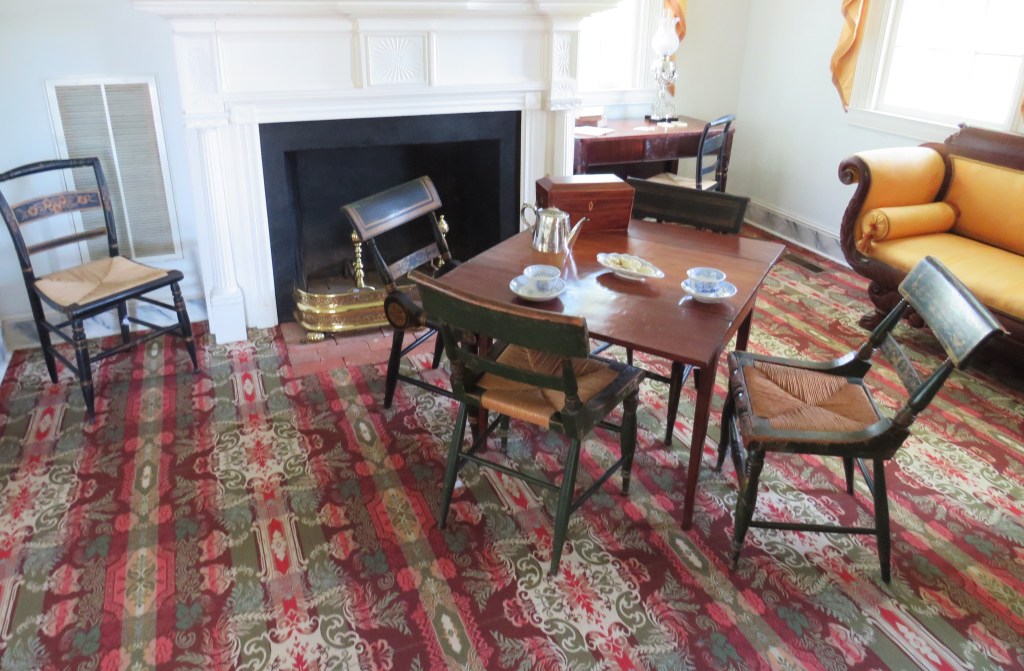
Why visit the Calvin B. Taylor House? The home is left in the way it is as the second owner, Calvin B. Tayler, left it as he added additions to the home. With a tour of the house, there is an exhibit gallery that displays artifacts and items from the town of Berlin. There is a small exhibit on the old train station to include a sign from the station, the only surviving part of the station, and pictures of the train station. There are also old train schedules on display.
You see. You do have a reason to visit the Calvin B. Taylor House. While you are here, you will find other reasons to walk around the town and maybe visit the Mermaid Museum and the Old Atlantic Hotel where many of the railroad passengers spent the night.
The Calvin B. Taylor House is located in the town of Berlin, Maryland at 208 N. Main Street (Maryland Route 818) just north of the town center and one mile south of U.S. Route 50. It is open seasonally from April to October on Monday, Wednesday, Friday, and Saturday from 11:00am to 3:00pm. Only street parking is available. Due to the age of the home, it is not wheelchair accessible. You can read more into the history of the house and checkout the events at https://www.taylorhousemuseum.org/.
Now you have a reason to visit the Calvin B. Taylor House in Berlin, Maryland. It is a great place to runaway to.
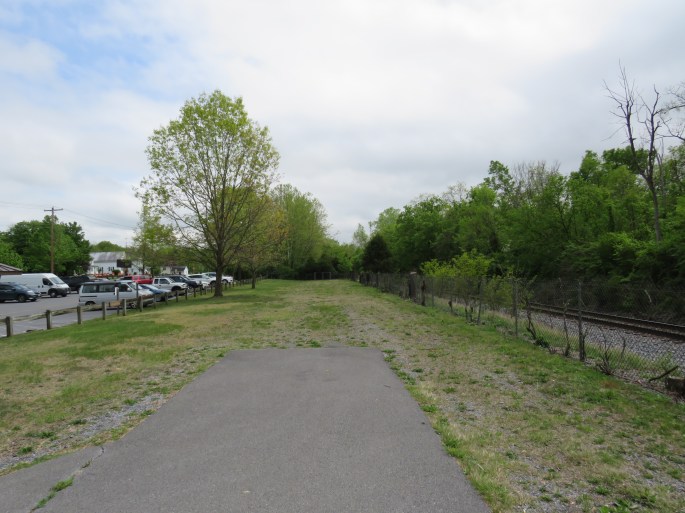
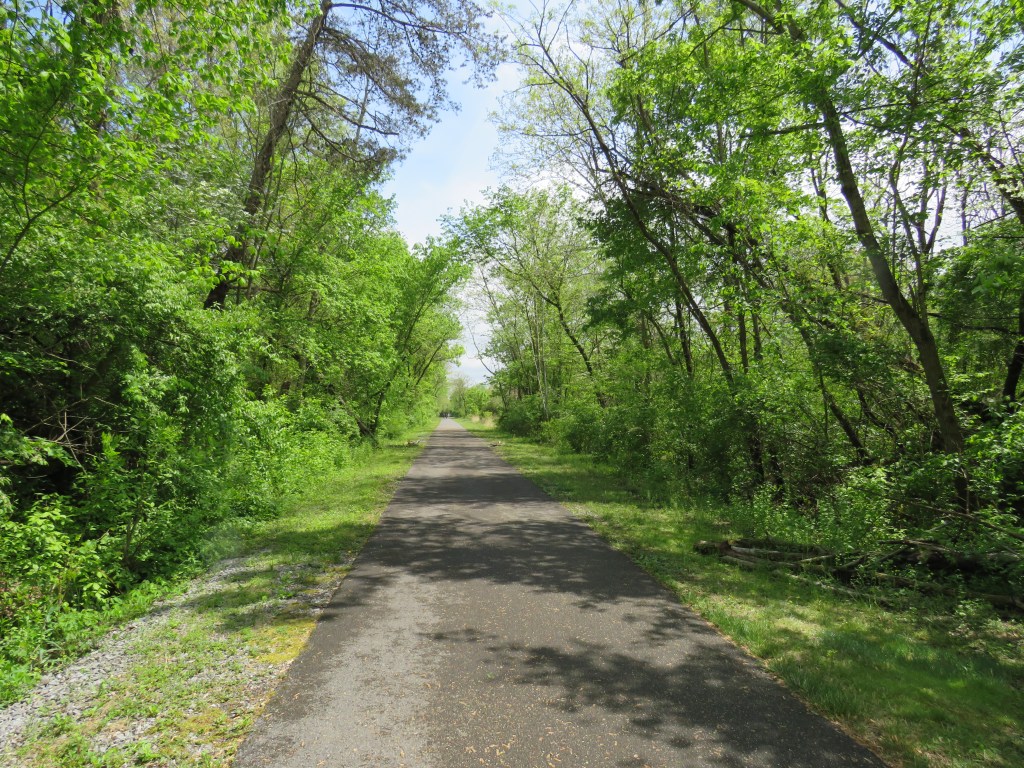
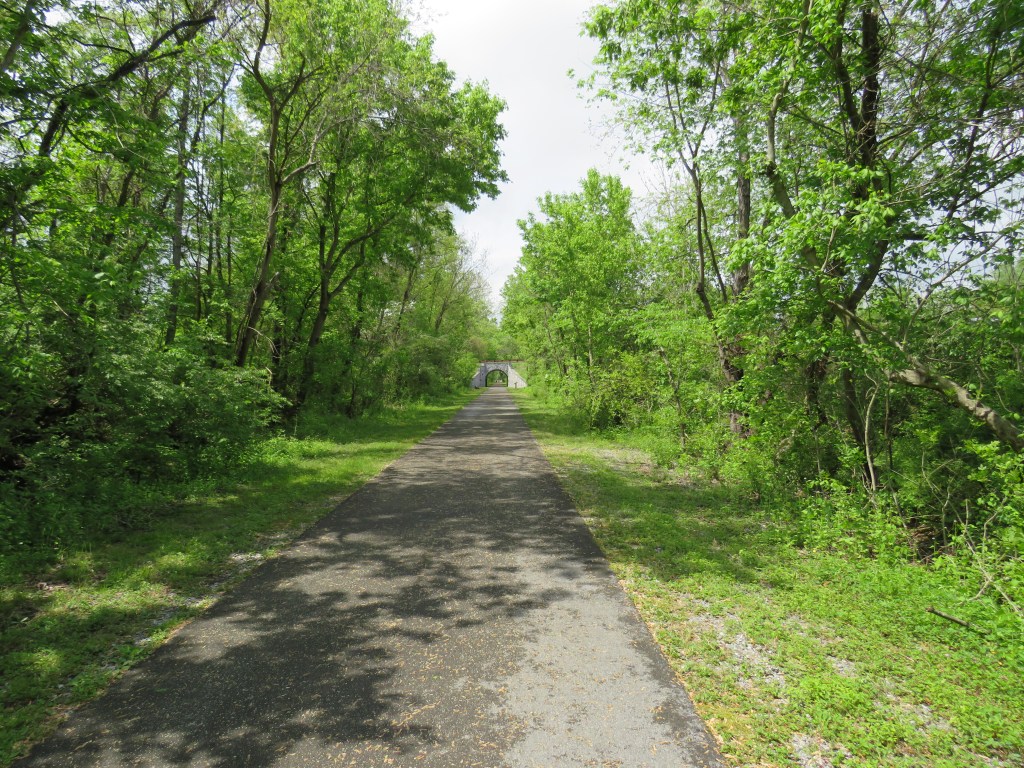
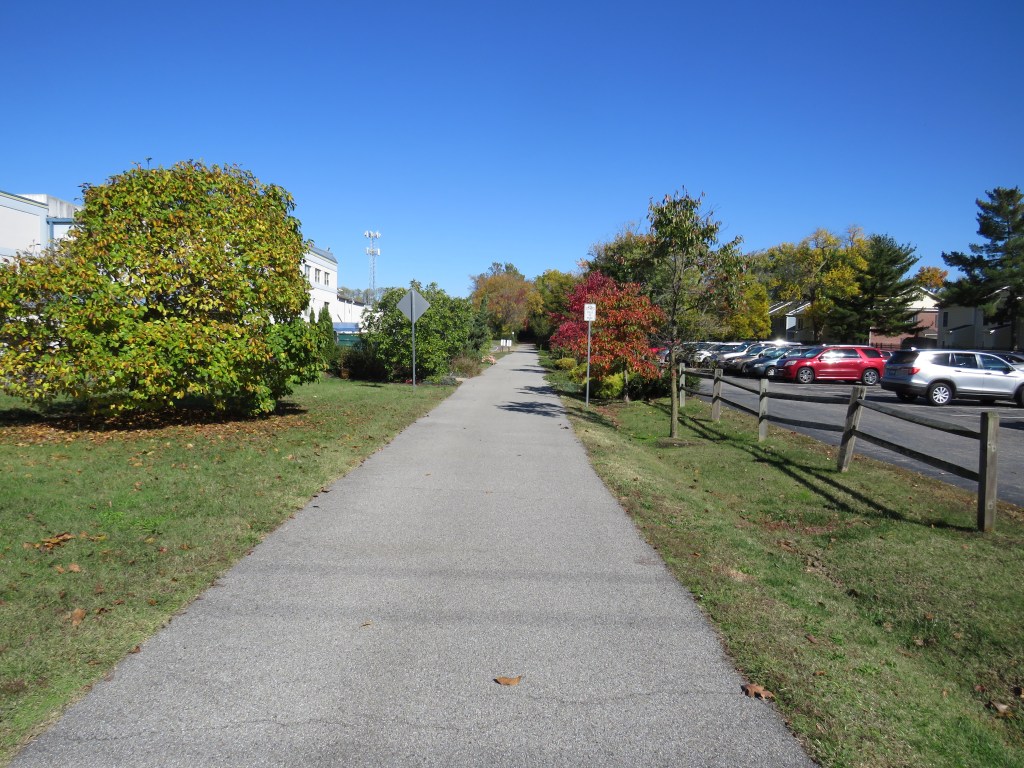
In the heyday of Railroading, railroads were built to connect small town to big cities. When the heyday came to an end, many of the railroad lines were abandoned. On many of the lines, the rails were removed. Some of the abandoned routes were lost to time allow trees and plants to grow on the old railroad bed. Some of the railroad beds eroded over time. Some of the railroads were eventually recovered and became an excursion line. Then there were those that were made into hiking and biking trails. Some of the trails were paved while some were left with dirt. Among those ‘rail trails’ is the Western Maryland Rail Trail in the western region of the U.S. state of Maryland.
What is the Western Maryland Rail Trail? Yes, it is in the western part of Maryland beginning in the town of Big Pool near the historic Fort Frederick going west through the town of Hancock and ending eighteen miles west to the town of Little Orleans in the panhandle region of the state. The name comes from the fact that the railroad line was part of the Western Maryland Railway. The railroad paralleled the old Chesapeake and Ohio Canal which paralleled the Potomac River. The canal itself was never completed as the railroad gave quicker access to points west. With the automobile and the Baltimore and Ohio Railroad running just south of the Western Maryland Railway (now owned by CSX Transportation) and the decline of many small towns, the railroad line was no longer used.
Today, you cannot ride the train along this line, but you can hike and bike along this line. You can feel the history of a railroad that once was.
What is the Wayne Thomas Gilchrist Trail? Commonly called the Wayne T. Gilchrist Trail that was named after a local politician that served in the U.S. state of Maryland and in Washington, the trail is on an old rail line that winds its way through the town of Chestertown located on the Chester River on the Eastern Shore Region of the U.S. state of Maryland. It is also known as the Chestertown Rail Trail.
The history of the railroad in the town of Chestertown, Maryland is unknown as the town was much more of a port town on the Chester River than a railroad town. It is known the railroad line was once a spur line that connected to a main railroad line in Delaware that ran south from Wilmington, Delaware down the center of the Delmarva Peninsula to the town of Pocomoke City, Maryland and then to the town of Cape Charles in the U.S. state of Virginia at the southern end of the peninsula where the Chesapeake Bay enters into the Atlantic Ocean. A railroad ferry transported the train across the mouth of the Chesapeake Bay to Norfolk. (Much of the track in Virginia is no longer active while the active section in Maryland and Delaware is owned by the Norfolk Southern Railway.) Although the Pennsylvania Railroad originally built the line. Smaller short line railroads owned the different spur routes.
Back in the glory days of railroading when the railroads ran both passenger and freight services, the passenger trains served small towns on spur lines like Chestertown. When Amtrak service began, passenger service to small towns on spur lines ceased, and passenger service ceased on the main railroad line on the Delmarva Peninsula, and the opening of the Chesapeake Bay Bridge connecting the east and west coasts of the Chesapeake Bay aided the decline.
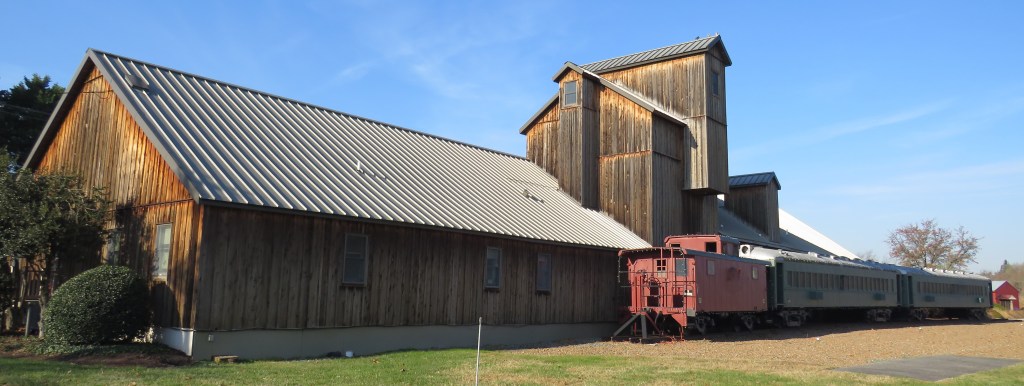
What is known about the railroad line? At the southern end of the rail trail is an old passenger train station and an old freight house where two old passenger cars and a red caboose are on display. Between the passenger and freight stations appear to be an area that appears to be the site of an old railroad yard. The trail runs north from here and ends on the north side of the town.
Today, the Wayne T. Gilchrist Trail is the only reminder of Chestertown being a railroad town. It is a reminder of how the railroad was a big part of small town America.
Most people have never heard of the small town of Myersville in the northern region of the U.S. state of Maryland. The only main road through this town is Maryland Route 17. If you visit the town, the first thing you would say is, “Well, this is not a railroad town.”
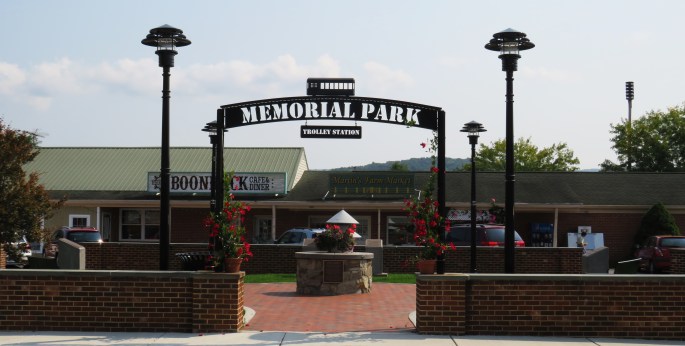
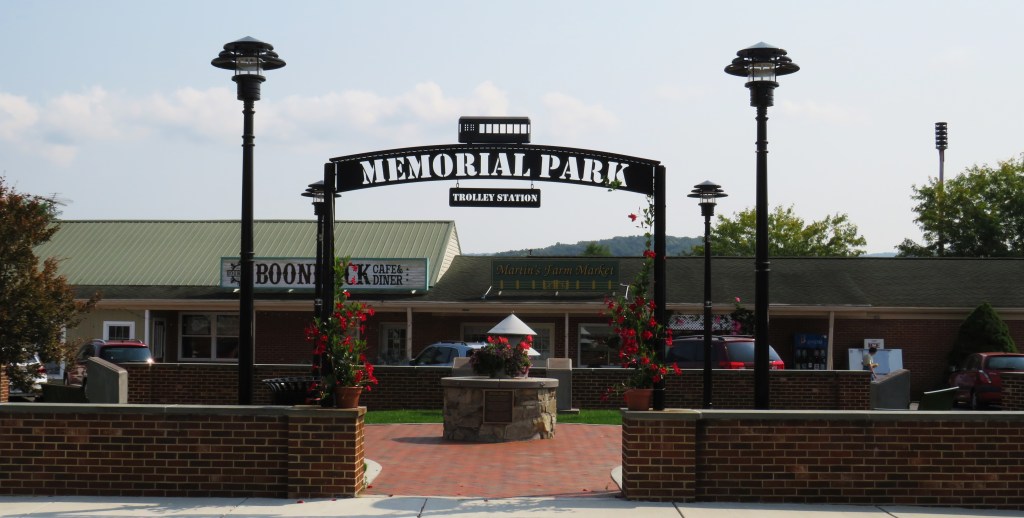
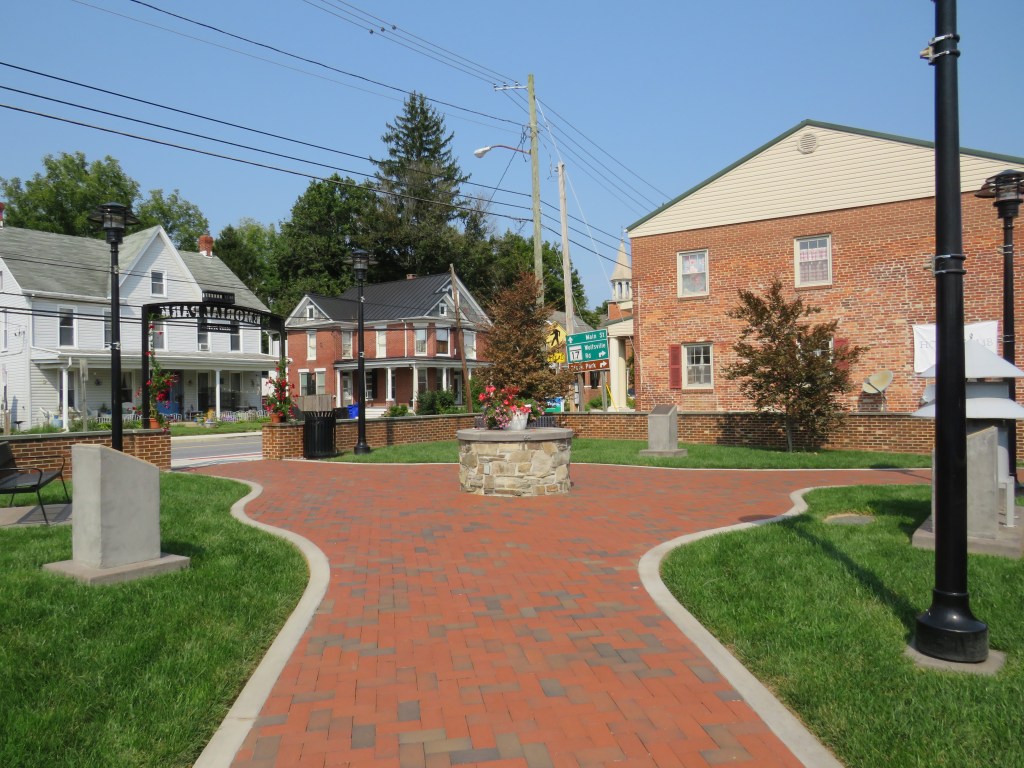
In the early years of the town, that was not the case. Memorial Park was erected in 2016 to commemorate the volunteers, the agriculture and community organizations as well as the town being a trolley town. The park is a reminder of how the town benefited from the Hagerstown and Frederick Railway which ran trolleys connecting the small towns with the big towns of Frederick and Hagerstown. The town was served by the trolley and was a hub for farmers and travelers going to various parks to include Braddock Heights, an amusement park (now gone). The trolley ran through the town until 1945, and the tracks were taken up.
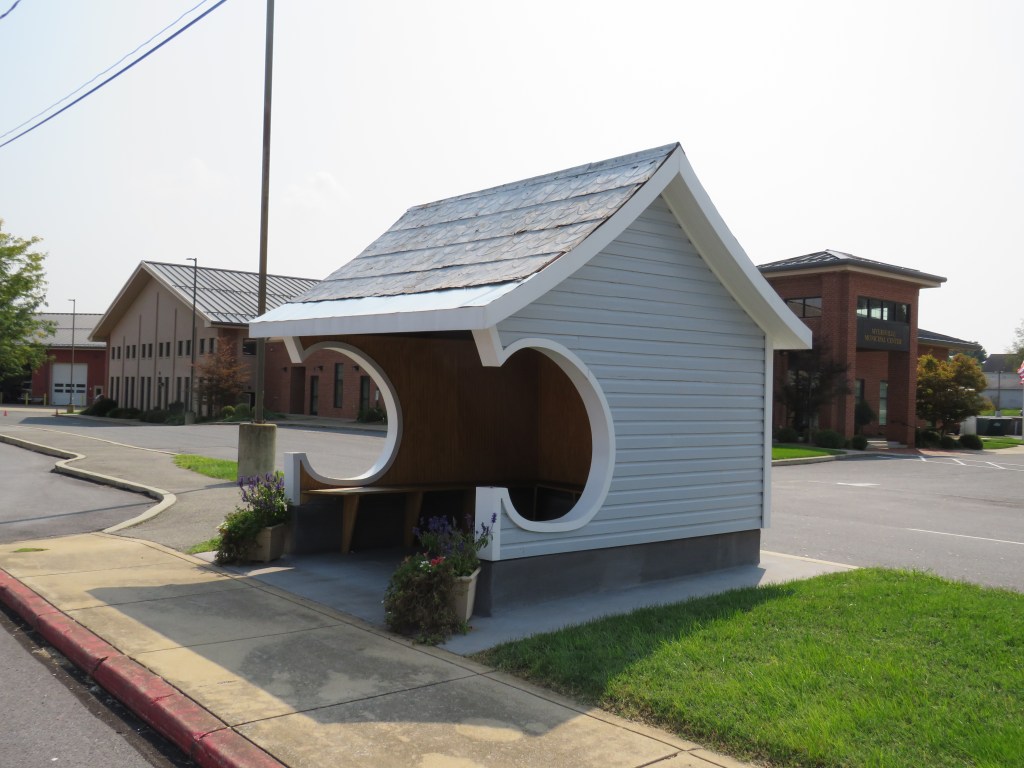
As you visit the park, you will first see the sign ‘Memorial Park Trolley Station’. You can read a sign that tells the history of the Hagerstown and Frederick Railway’s service to the town. You can see a trolley shelter where you can have a seat. Next door, you can see the old sign that hung of the old trolley shelter.
Memorial Park is located on Maryland Route 17. The park does not have its own parking, but there is plenty of parking on the street and nearby parking lots.



















 John Cowgill: Stories of the Railroad