The White Oak Rail Trail, Oak Hill, West Virginia

In the heyday of America railroading, the railroad connected the small towns with the major cities.  As many railroad lines were no longer used, many of the railroad tracks and the railroad ties were taken up while some rails and ties were left to decay.  Some of the railroad beds were left to erode over time while some were covered into rail trails.  (A rail trail is a trail designed on an old railroad bed to be used for hiking, biking, horseback riding, or just plain walking.)  Many of the trails are paved while some remain dirt or have gravel.
In the U.S. state of West Virginia in the metropolitan region of Beckley, you will find the town of Oak Hill.  The town is not very famous although it is said the country music singer Hank Williams may have died at a gas station in this town while on route from Bristol, Virginia to Canton, Ohio.  (The story has not been confirmed.)  The only thing most people know about Oak Hill is that most people drive by the town on U.S. Route 19 while traveling from Beckley to the World Famous New River Gorge Bridge which is just north of the town.  One thing that is confirmed is that the town of Oak Hill was served by the railroad.
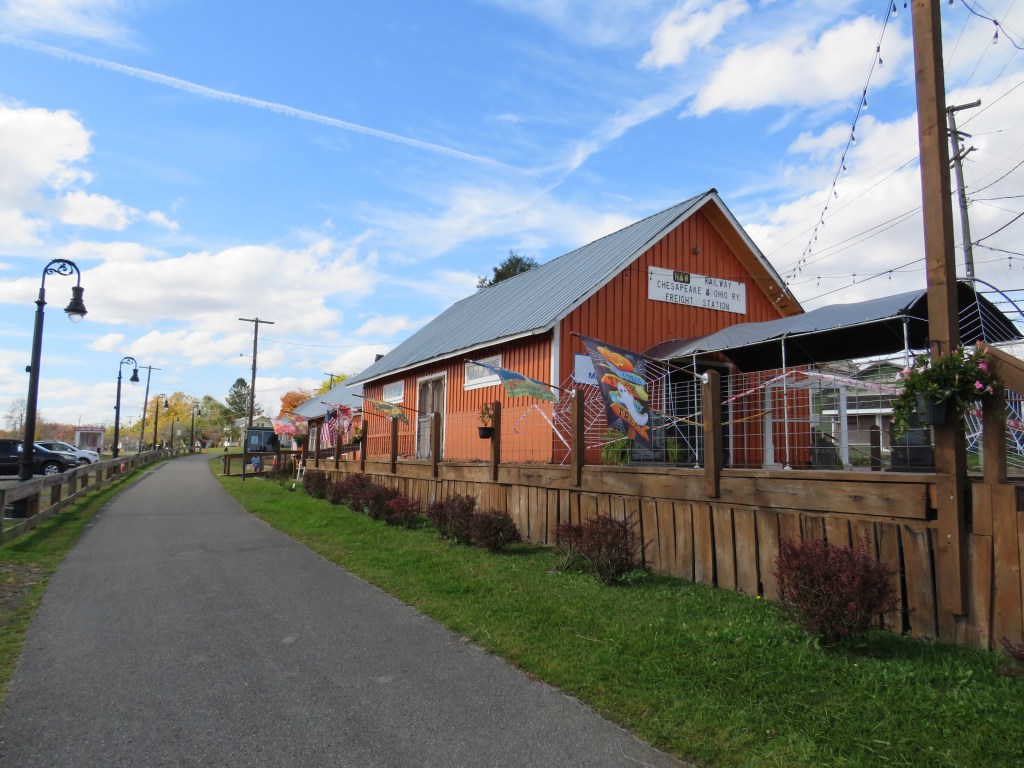
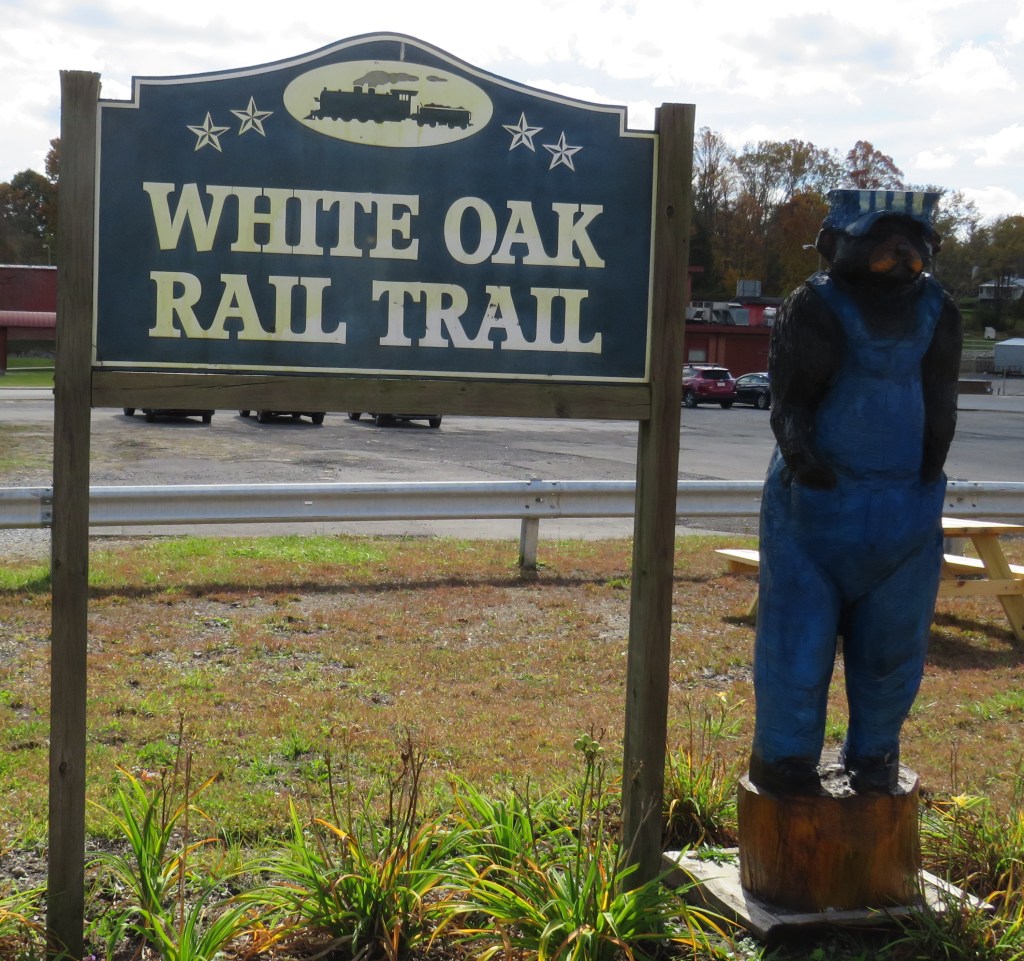
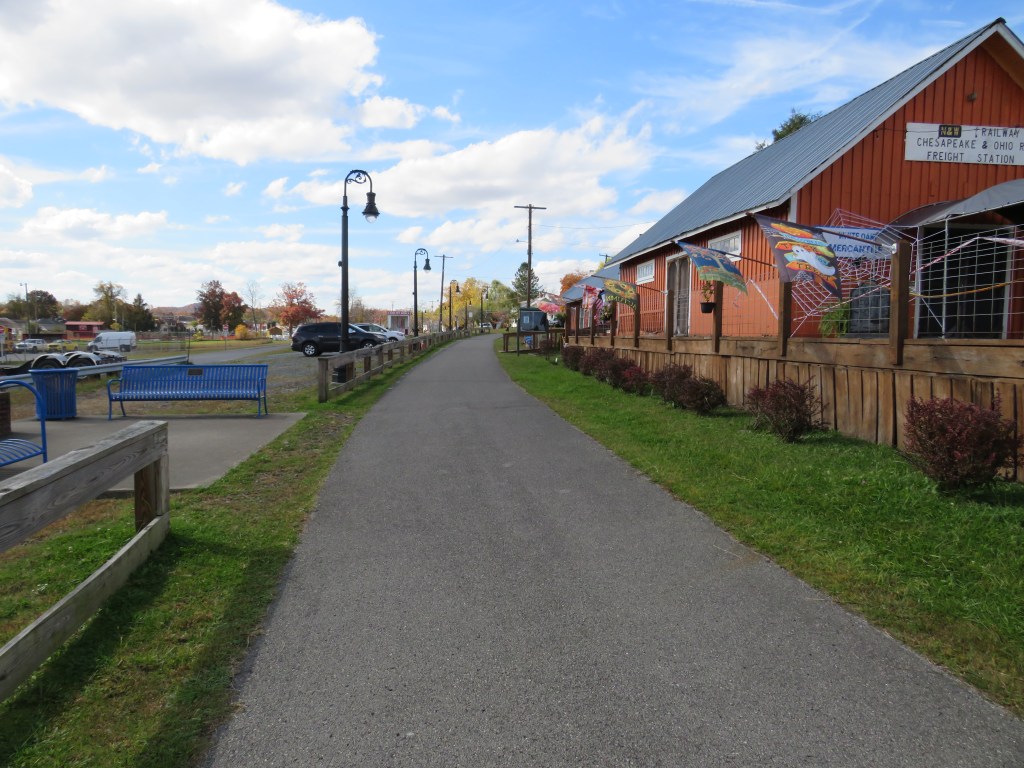
The White Oak Rail Trail is a rail trail that is slightly under eight miles that passes through the town.  Much of it is paved, but there are portions of the trail that are not paved.  The railroad line was owned by the White Oak Railway, and the rail line was later taken over by the Virginian Railway.  The main center point of the trail is the old train station.
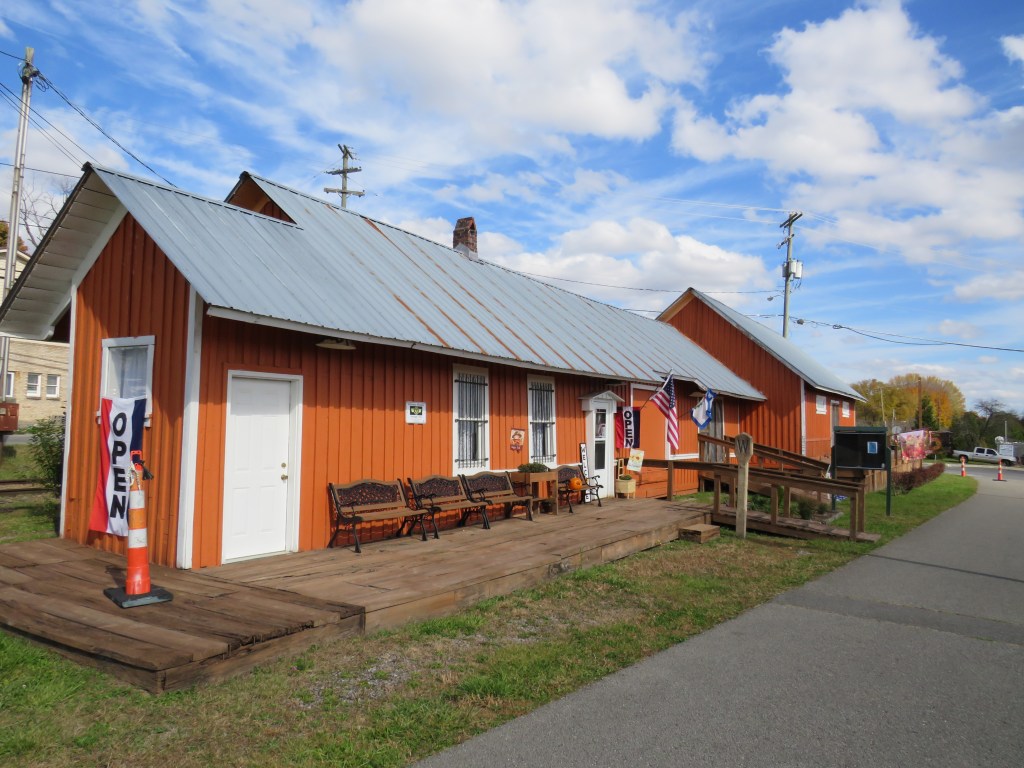
What is special about the old train station?  It is one of the oldest structures in Oak Hill.  It is a passenger and a freight depot.  It was built by the White Oak Railway in 1903, and it was later taken over by the Virginian Railway.  Like many small towns, the railroad was a major contributor to the town’s economy.  The depot was also used by the Norfolk and Western Railway and the Chesapeake and Ohio Railway.  The train depot remained in service until 1983.  The rail line later became the rail trail it is today.

The train depot is now an art store selling locally made at.  An old railroad line that passes by the old train station is the only reminder of Oak Hill being a railroad town today.
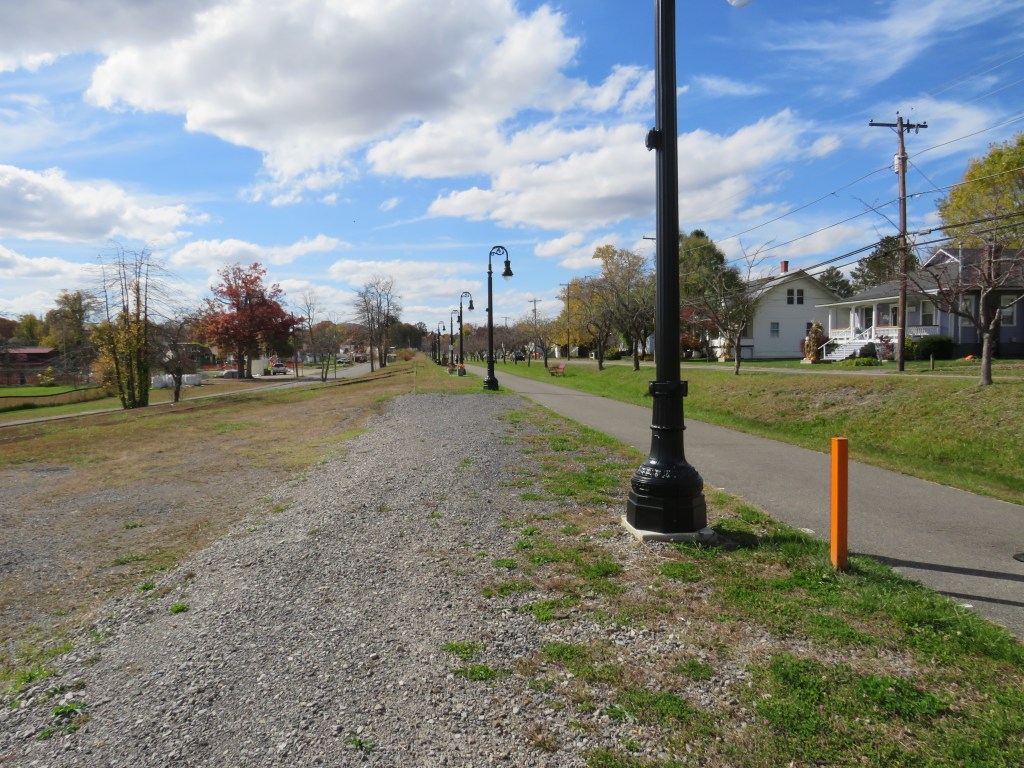
The Oak Hill Train Depot is on the National Register of Historic Places.  It is located at the intersection of Virginia Street and Central Avenue.  The trail goes north from the depot to the community of Summerlee and south to the community of Carlisle.  Much of the trail is wheelchair accessible.

When you think of the New River Gorge region of West Virginia, think of the small town of Oak Hill.  It was once a railroad town, and an old train depot remains.

The Harold Richard Plumley Memorial Bridge, Prince, West Virginia

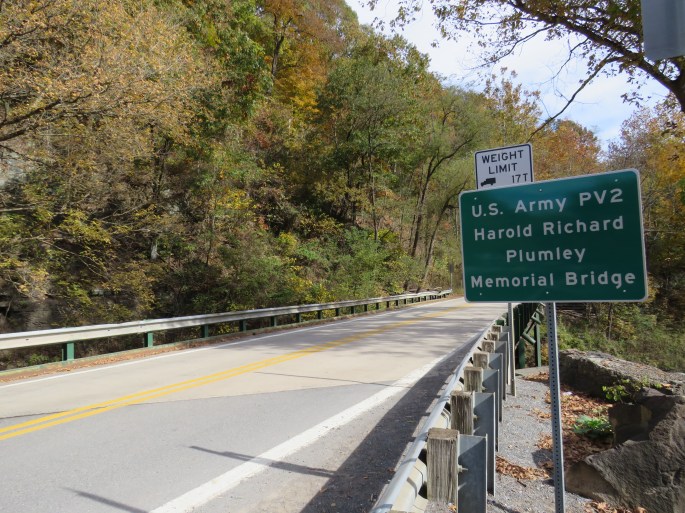
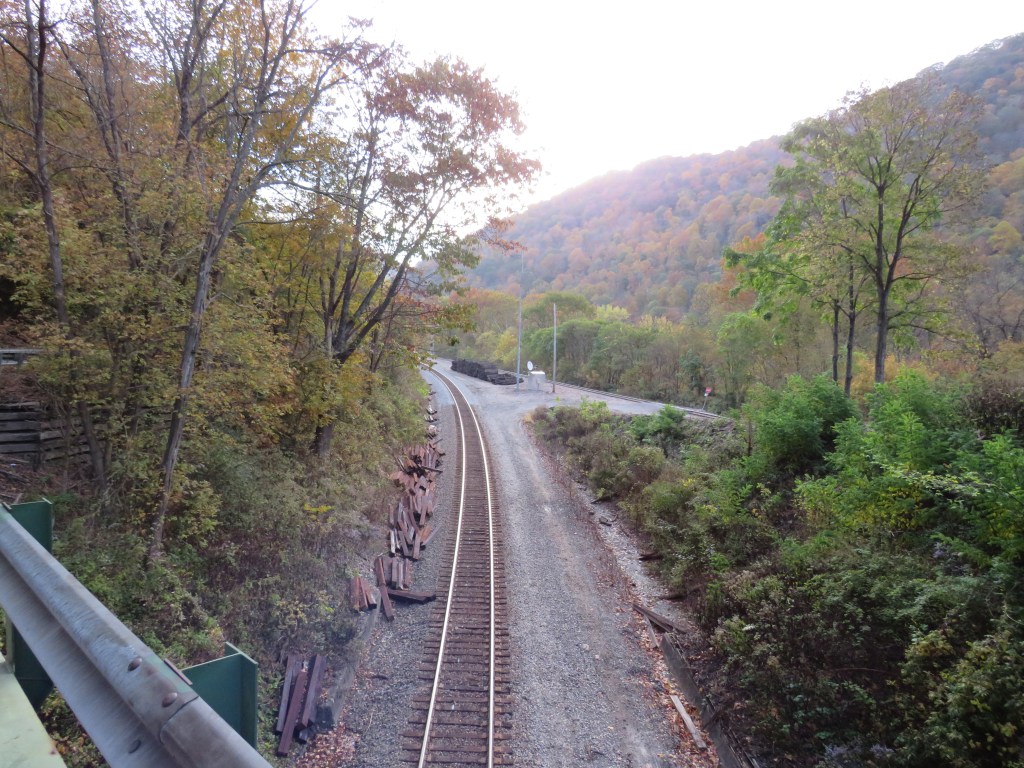
The small town of Prince in the U.S. state of West Virginia is a small town in the southern region of the state on the New River inside the New River Gorge.  This small town owes its existence to the coal industry and a passenger train station that was built by the Chesapeake and Ohio Railway, and it remains an active train station today with service from Amtrak.  As you drive through the town on West Virginia Route 41, you come upon the U.S. Army PV2 Harold Richard Plumley Memorial Bridge crossing over what is now the CSX railroad line.  Many of you are wondering who Harold Richard Plumley is, and you are wondering what is special about him that they would name a bridge after him.

Harold Richard Plumley was born on March 22, 1934, in the town of Prince, West Virginia.  As a child and a young man, he spent much of his time around the railroad.  On his way to school, he would walk through the Strecherneck Tunnel, a railroad tunnel built by the Chesapeake and Ohio Railway, and it is still in use by the CSX Railroad today.  He later became an employee of the Chesapeake and Ohio Railway working around the New River Gorge.  In 1952, he was drafted into the U.S. Army.  He would depart the town of Prince by train from the old train station.  Sadly, it was the last time his friends and family would see him… alive.

Harold Richard Plumley fought in the Korean War, and he fought in the Battle of Outpost Harry where he was killed in battle on June 11, 1953.  His remains was brought by train to the same train station that he departed from when he went to war.

Years later, efforts were organized to have the bridge named in honor of Harold Richard Plumley.  A bill to have the bridge named for Plumley was erected in Charleston, the state capitol of West Virginia, by a delegate named William Ridenour.  The bill passed unanimously in both the State House and the State Senate.

On Thursday, October 25, 2023, a ceremony was held in the town of Prince, West Virginia.  The United States Army Private Harold Richard Plumley Memorial Bridge was dedicated.  In attendance was William Ridenour, a representative of West Virginia Senator Joseph Manchin, Harold Plumley’s brother and two sisters, reporters from two local television stations, and members of the Chesapeake and Ohio Railway Historical Society.

The U.S. Army PV2 Harold Richard Plumley Memorial Bridge is located on West Virginia Route 41 in Prince, West Virginia on the west side of the town crossing the CSX rail line.  It is eight miles northeast of Beckley and U.S. Route 19 and Interstates 64 and 77, and twelve miles south of U.S. Route 60 and Babcock State Park.  (It is the home of the world famous Glade Grist Mill.)  Other than an automobile, the only other way the town can be accessed is by Amtrak.  Please note that there is no parking at the bridge itself.

Many of us wish each other a Happy Memorial Day, but to those who lost their friends and family who were serving in the United States Armed Forces, it is not a happy day as they spend the rest of their lives without them by their side.  Let us spend this day remembering those men and women who sacrificed their lives so that we could live ours.  Harold Richard Plumley was among those who gave his life for his country.  May we forever be grateful for his service.

Please note that the photograph of Private Harold Richard Plumley is courtesy of the Chesapeake and Ohio Railway Historical Society who owns the copyright and has granted permission to use this photo for the article.