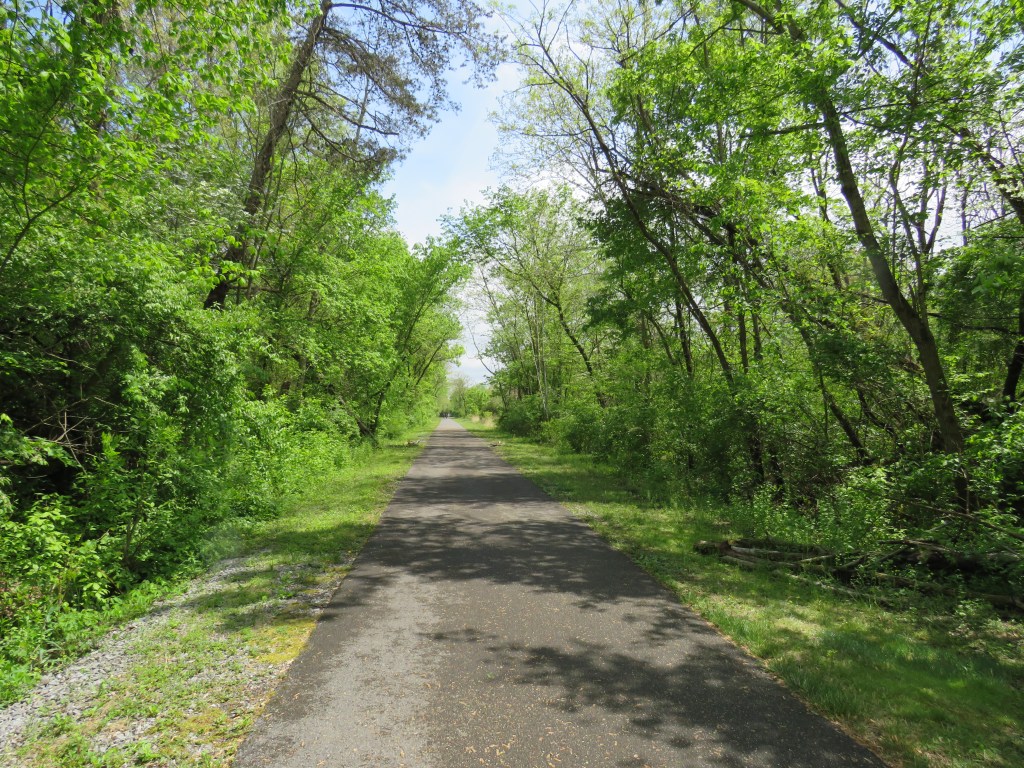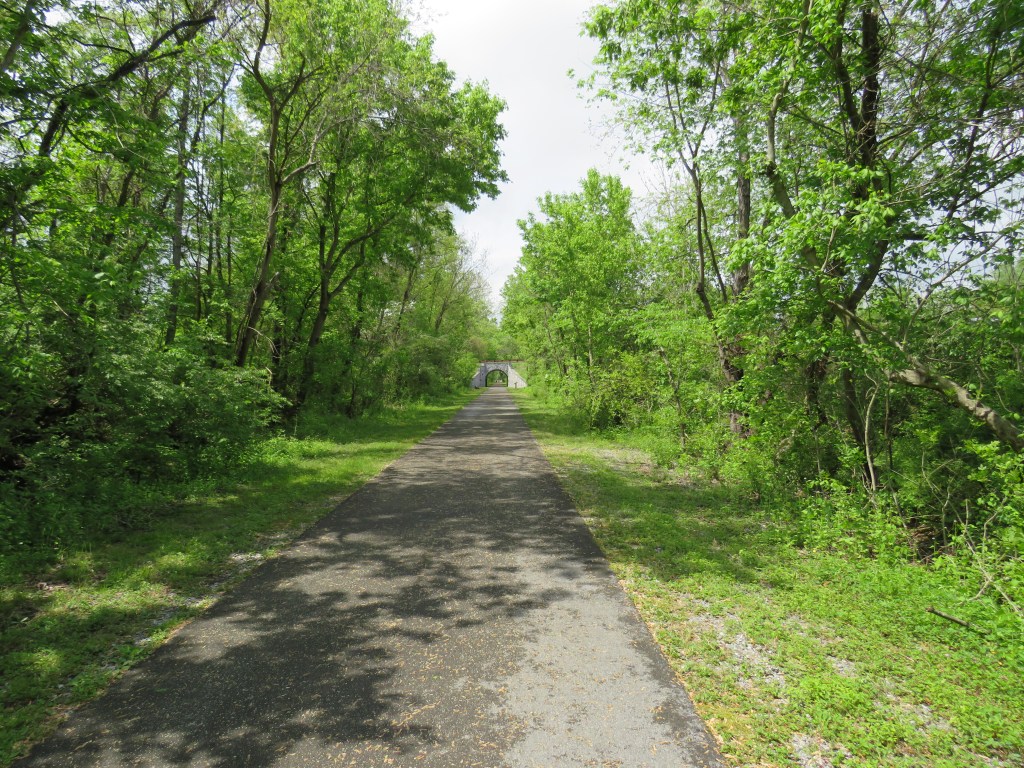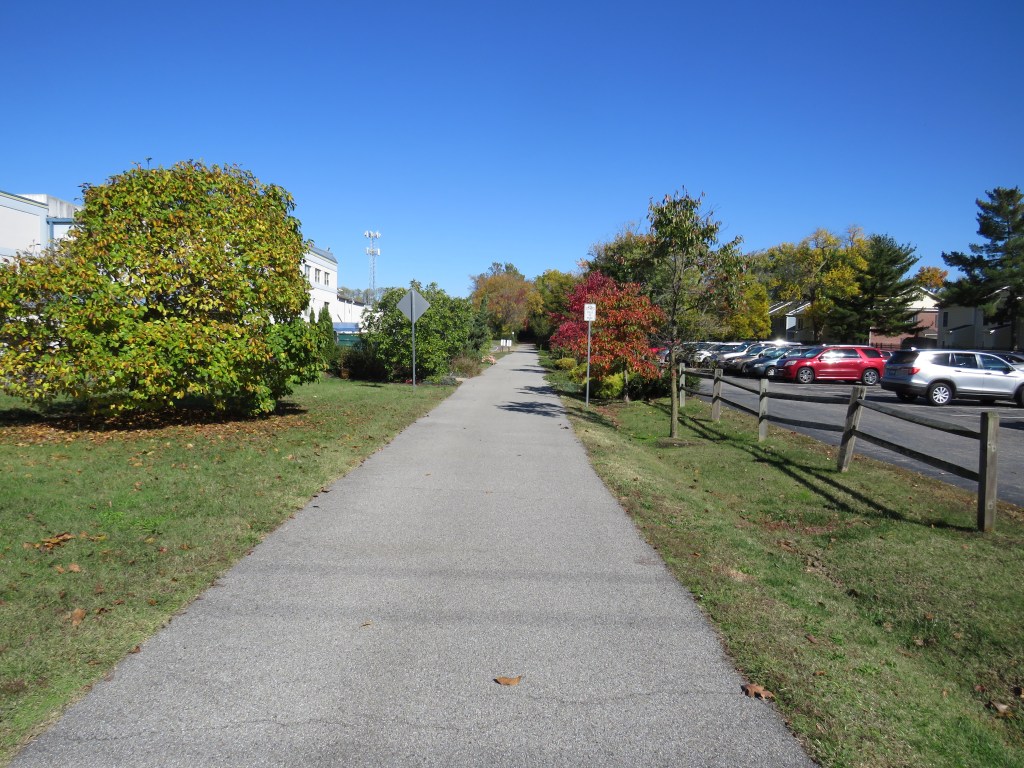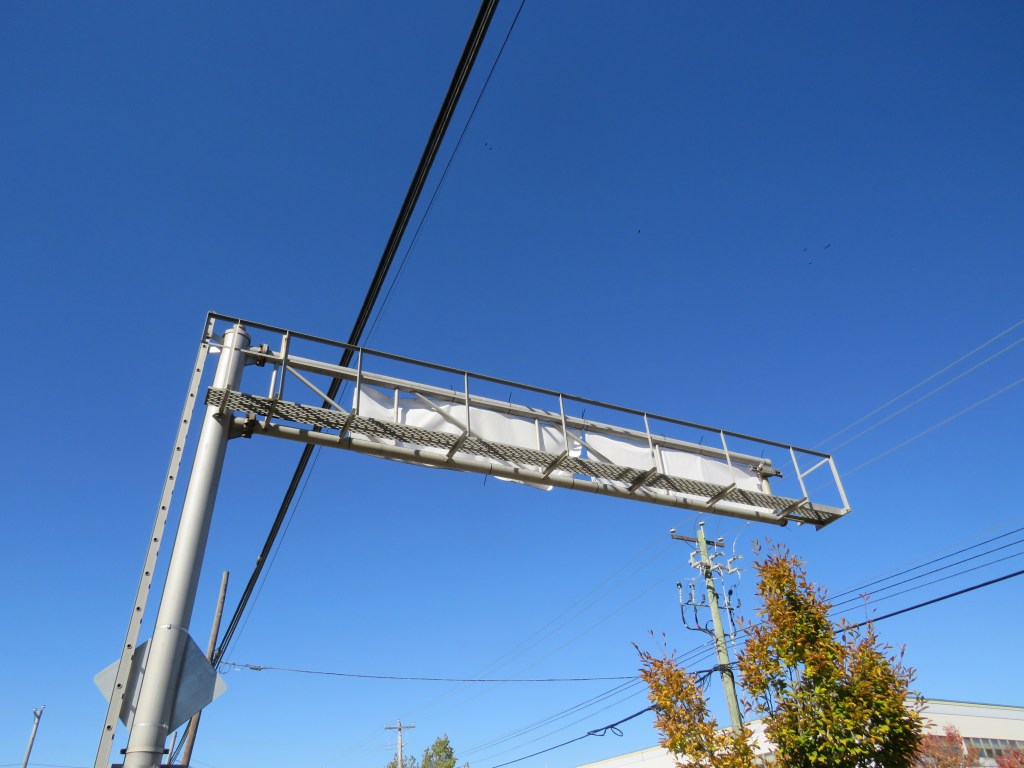
The Wayne Thomas Gilchrist Trail, Chestertown, Maryland

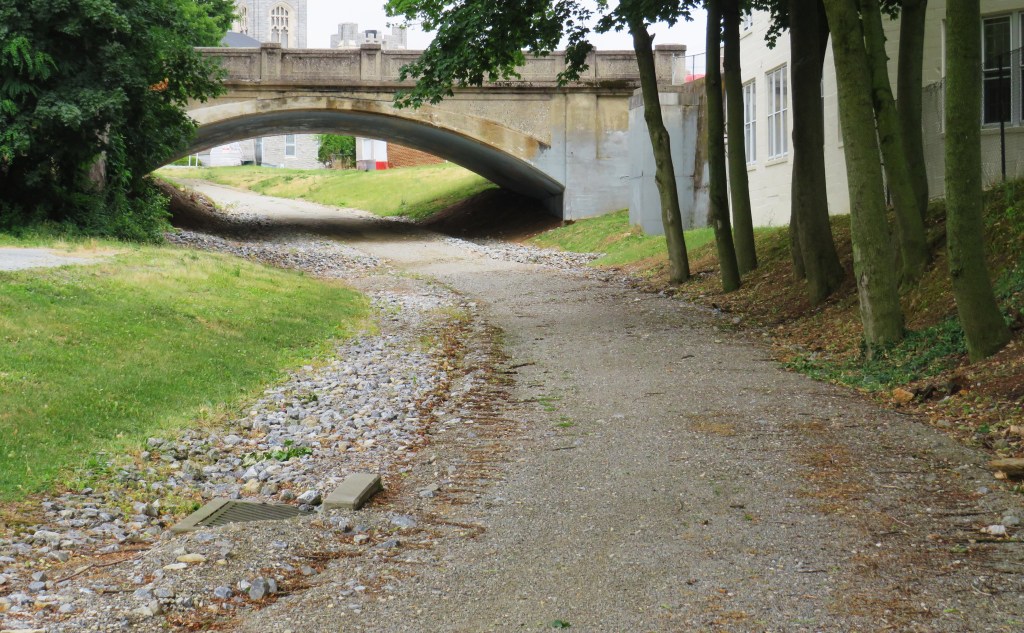
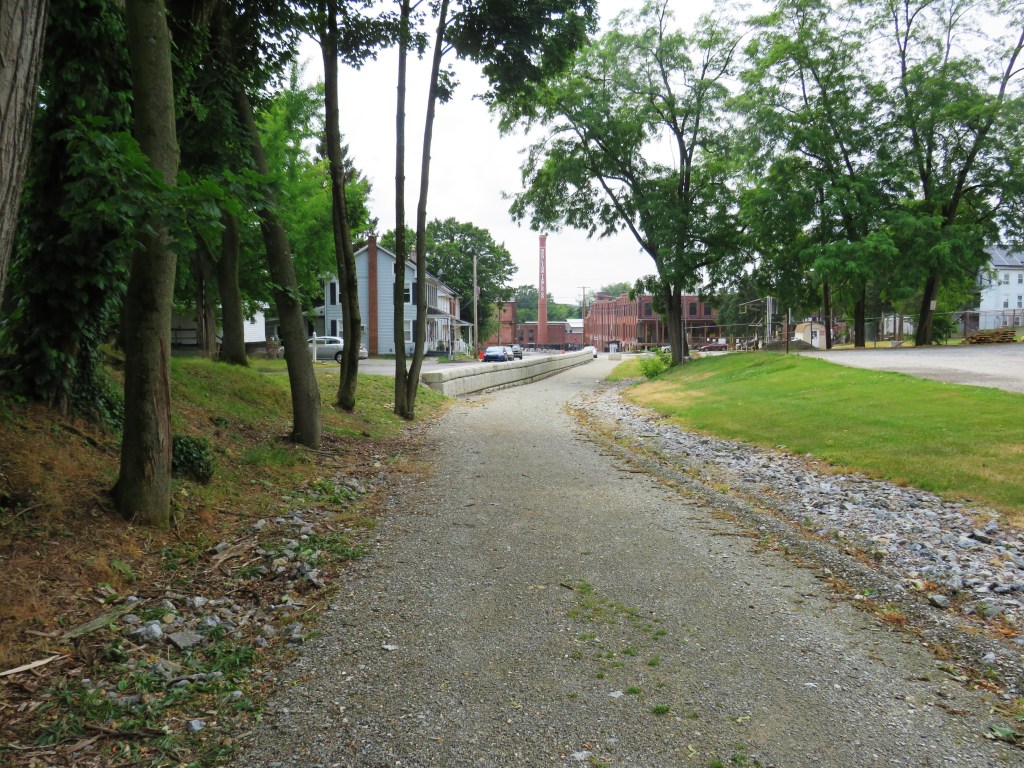
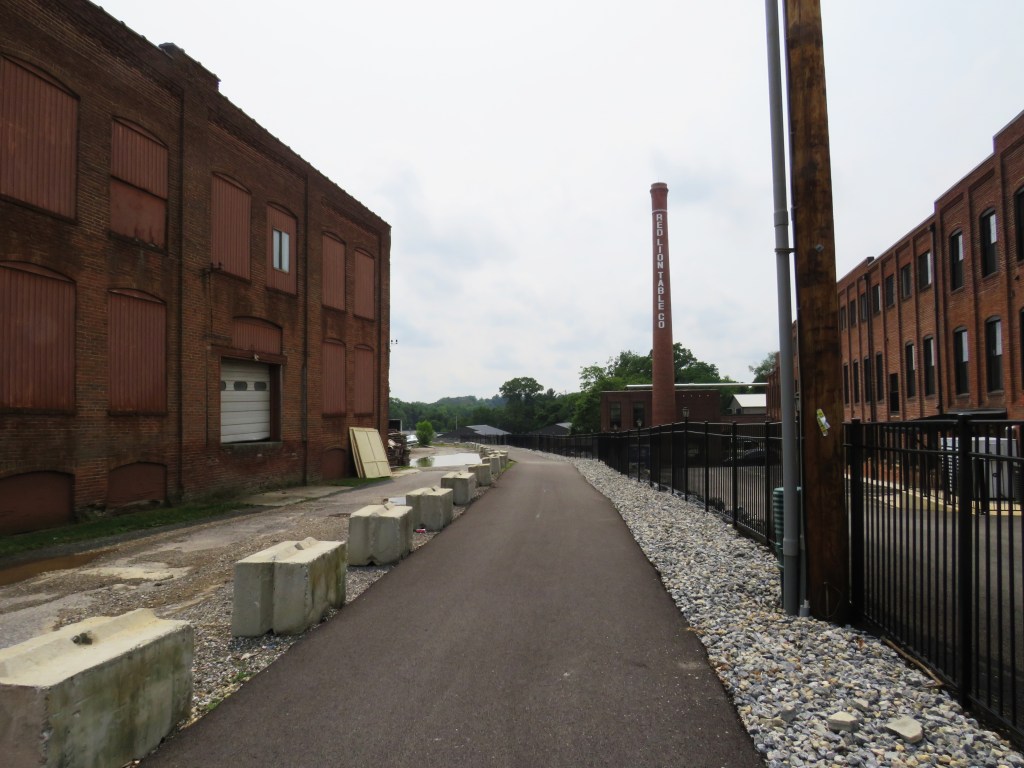
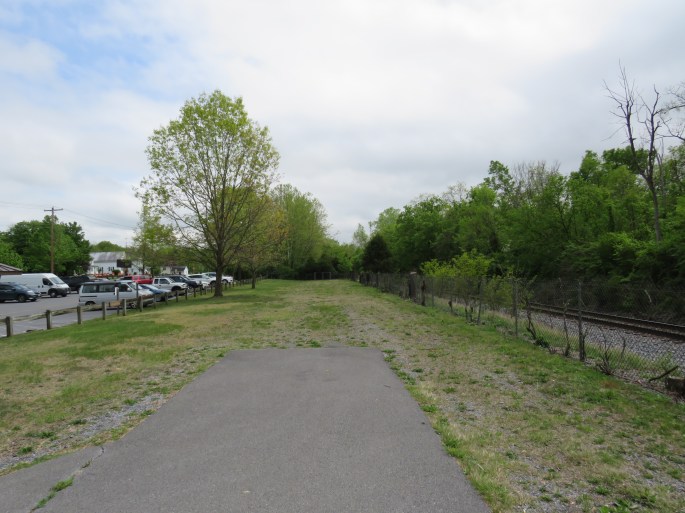
What is the Wayne Thomas Gilchrist Trail?  Commonly called the Wayne T. Gilchrist Trail that was named after a local politician that served in the U.S. state of Maryland and in Washington, the trail is on an old rail line that winds its way through the town of Chestertown located on the Chester River on the Eastern Shore Region of the U.S. state of Maryland.  It is also known as the Chestertown Rail Trail.

The history of the railroad in the town of Chestertown, Maryland is unknown as the town was much more of a port town on the Chester River than a railroad town.  It is known the railroad line was once a spur line that connected to a main railroad line in Delaware that ran south from Wilmington, Delaware down the center of the Delmarva Peninsula to the town of Pocomoke City, Maryland and then to the town of Cape Charles in the U.S. state of Virginia at the southern end of the peninsula where the Chesapeake Bay enters into the Atlantic Ocean.  A railroad ferry transported the train across the mouth of the Chesapeake Bay to Norfolk.  (Much of the track in Virginia is no longer active while the active section in Maryland and Delaware is owned by the Norfolk Southern Railway.)  Although the Pennsylvania Railroad originally built the line.  Smaller short line railroads owned the different spur routes.

Back in the glory days of railroading when the railroads ran both passenger and freight services, the passenger trains served small towns on spur lines like Chestertown.  When Amtrak service began, passenger service to small towns on spur lines ceased, and passenger service ceased on the main railroad line on the Delmarva Peninsula, and the opening of the Chesapeake Bay Bridge connecting the east and west coasts of the Chesapeake Bay aided the decline. 

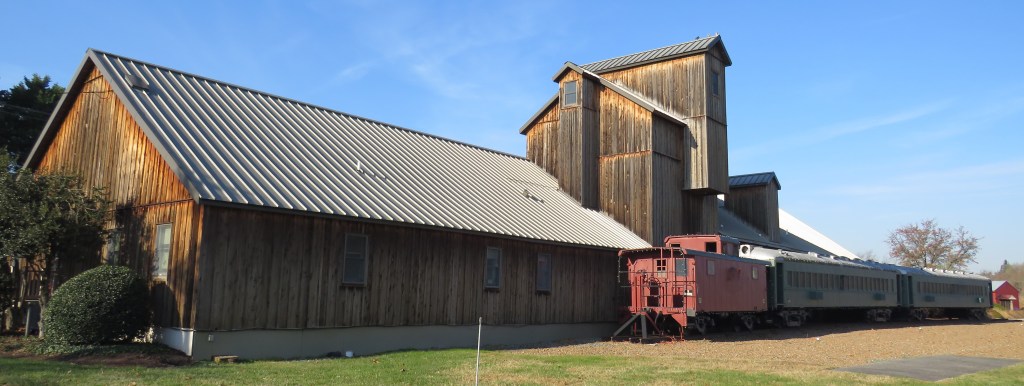
What is known about the railroad line?  At the southern end of the rail trail is an old passenger train station and an old freight house where two old passenger cars and a red caboose are on display.  Between the passenger and freight stations appear to be an area that appears to be the site of an old railroad yard.  The trail runs north from here and ends on the north side of the town. 

Today, the Wayne T. Gilchrist Trail is the only reminder of Chestertown being a railroad town.  It is a reminder of how the railroad was a big part of small town America.

Bluemont Park, Arlington, Virginia

When you visit Bluemont Park, it may appear to be your average park.  Located in Arlington in the U.S. state of Virginia and a suburb of Washington D.C., it looks like your average park, but it is not.

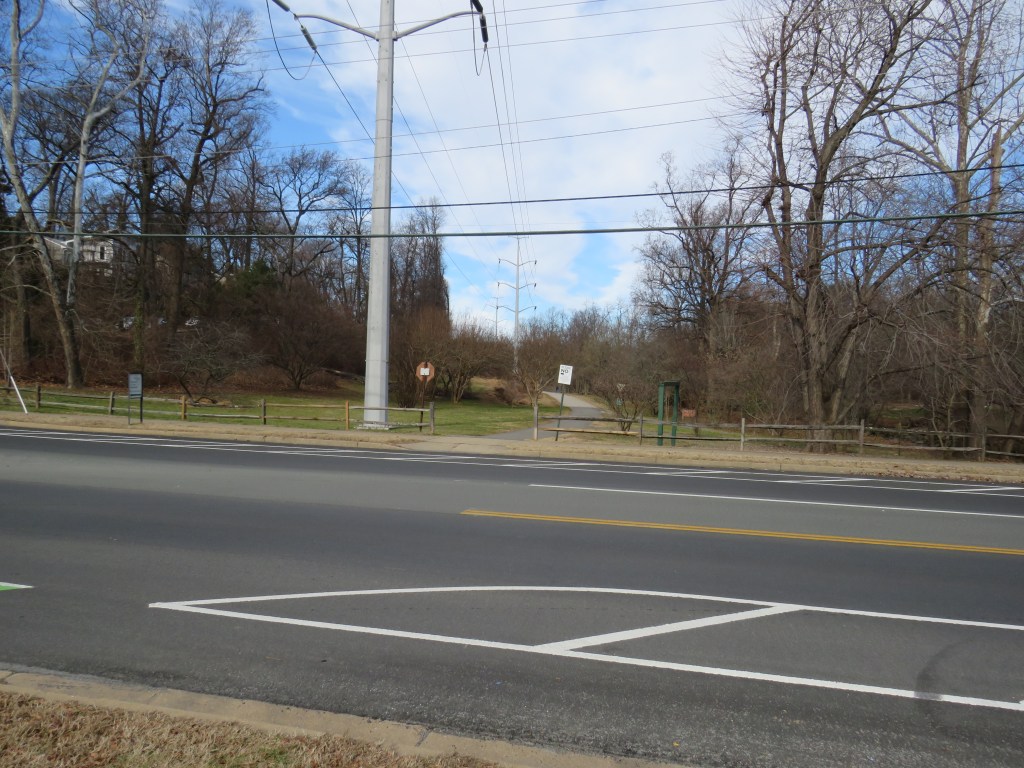
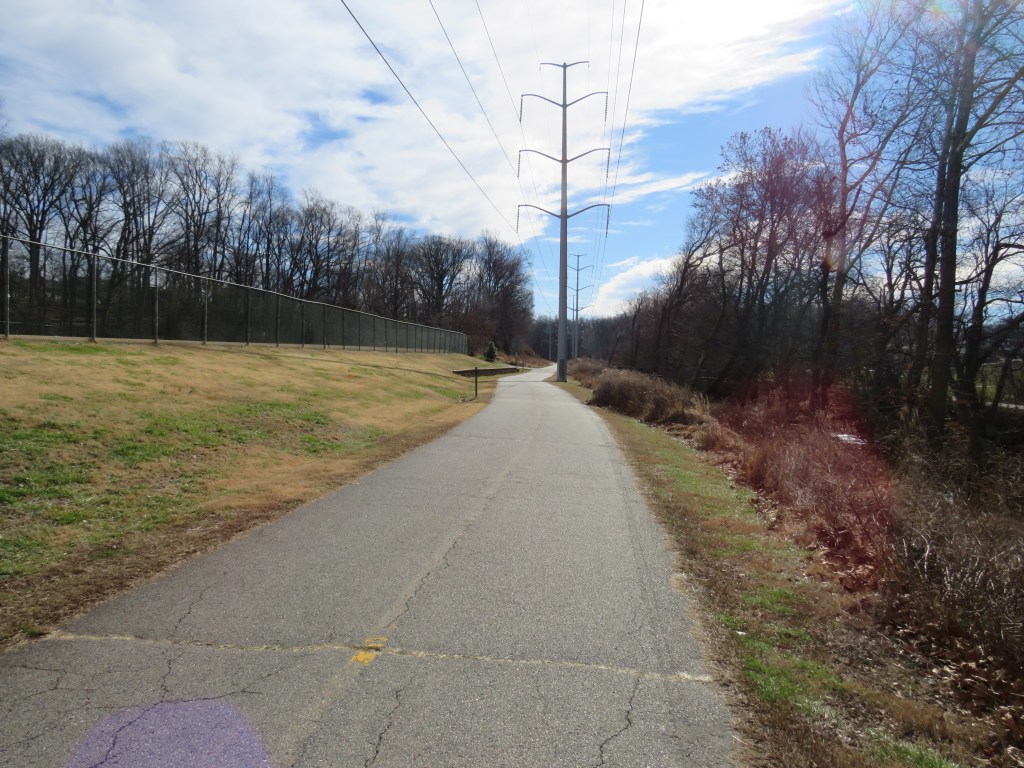
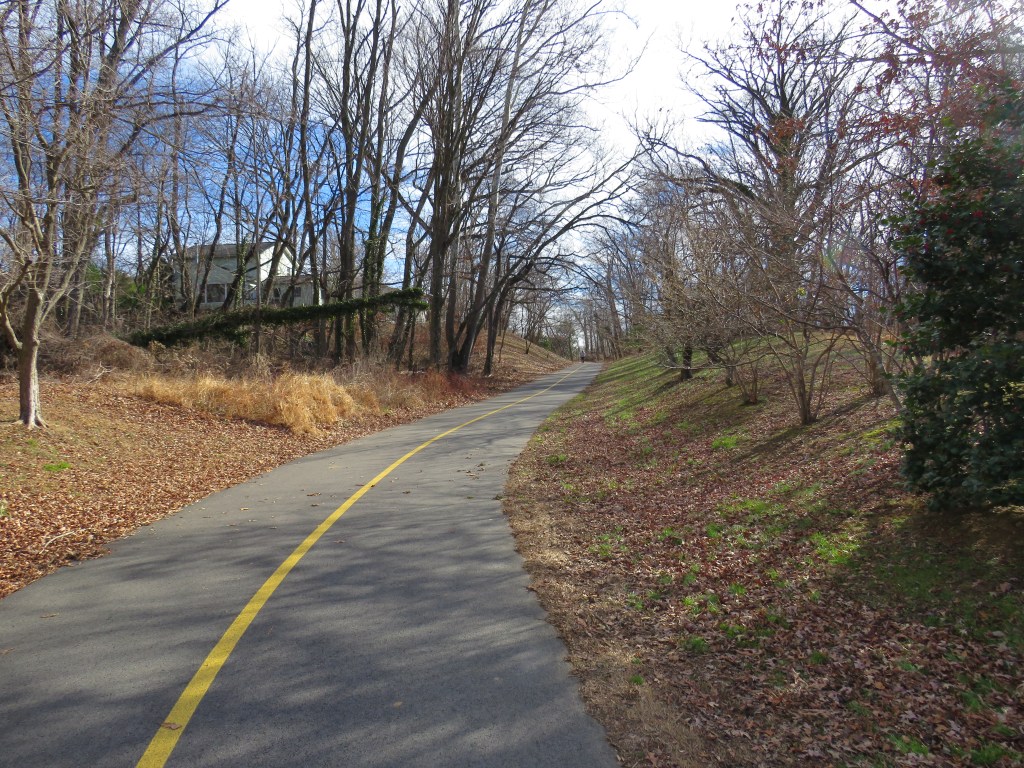
As you approach the park from Wilson Boulevard, you will first notice the Washington and Old Dominion Railroad Trail.  Yes, the Washington and Old Dominion Railroad Trail passes through many parks in the Virginia suburbs between Alexandria and Purcellville.

So what is special about Bluemont Park?

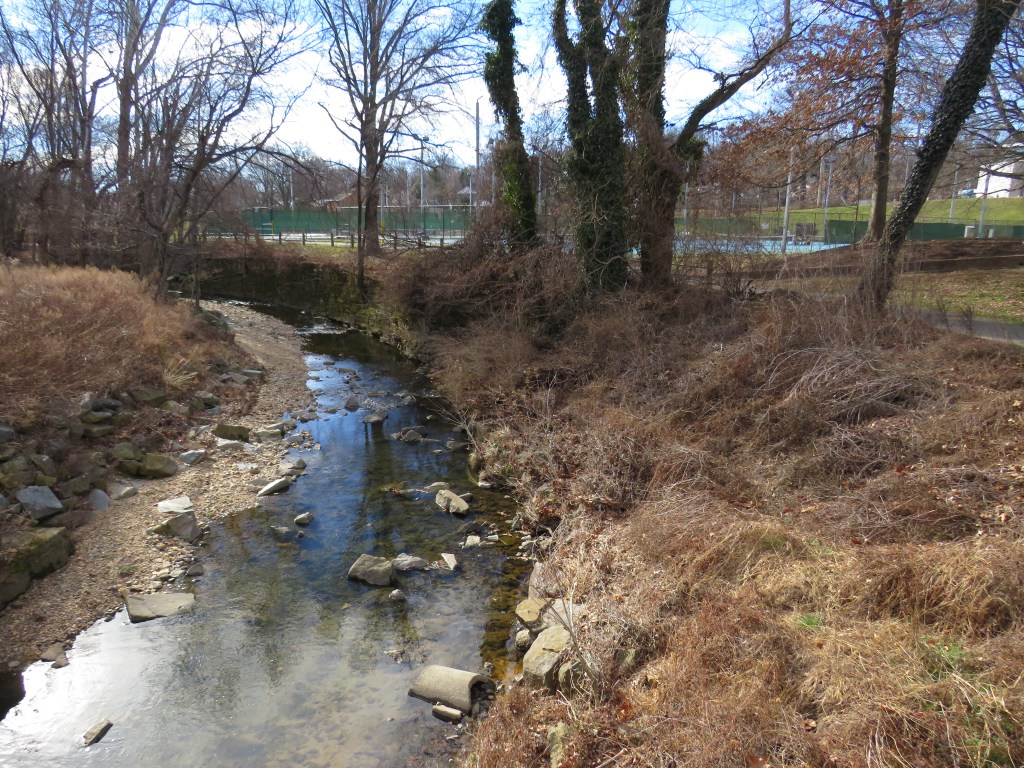
Bluemont Park has a playground, a softball field, and a creek just like many other parks, and the Washington and Old Dominion Railroad Trail passes through the park.  What makes Bluemont Park is what happened here.

What happened at Bluemont Park?

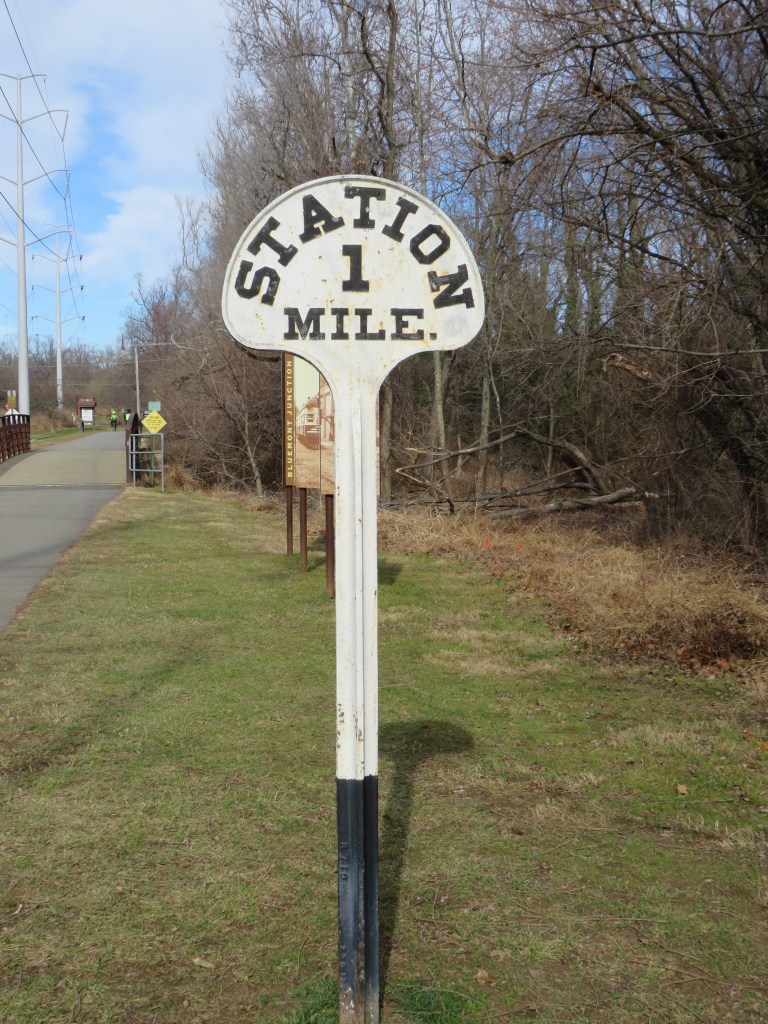
The Washington and Old Dominion Railroad Trail, like other railroad trails, follows the route of a railroad line.  This railroad line ran from the port of Alexandria to the town of Bluemont where it connected to a rail line that is now owned by Norfolk Southern Railway.  (The railroad line was owned by many railroads, but the Washington and Old Dominion Railroad was the last railroad that owned the railroad line.)  Bluemont Park was the site of Bluemont Junction.  It was here where the Washington and Old Dominion Railroad connected with a railroad line that ran to Rosslyn, a community in Arlington that is across the river from Georgetown, a historic neighborhood and oldest section of the District of Columbia, and it connected to a railroad line that ran to the Virginia side of the present day Great Falls Park, a famous waterfall on the Potomac River.  (The Bluemont Trail follows the route to Rosslyn which had a train terminal that is long gone.)  Things changed when passenger service ended in 1951 and the railroad was abandoned in 1968.

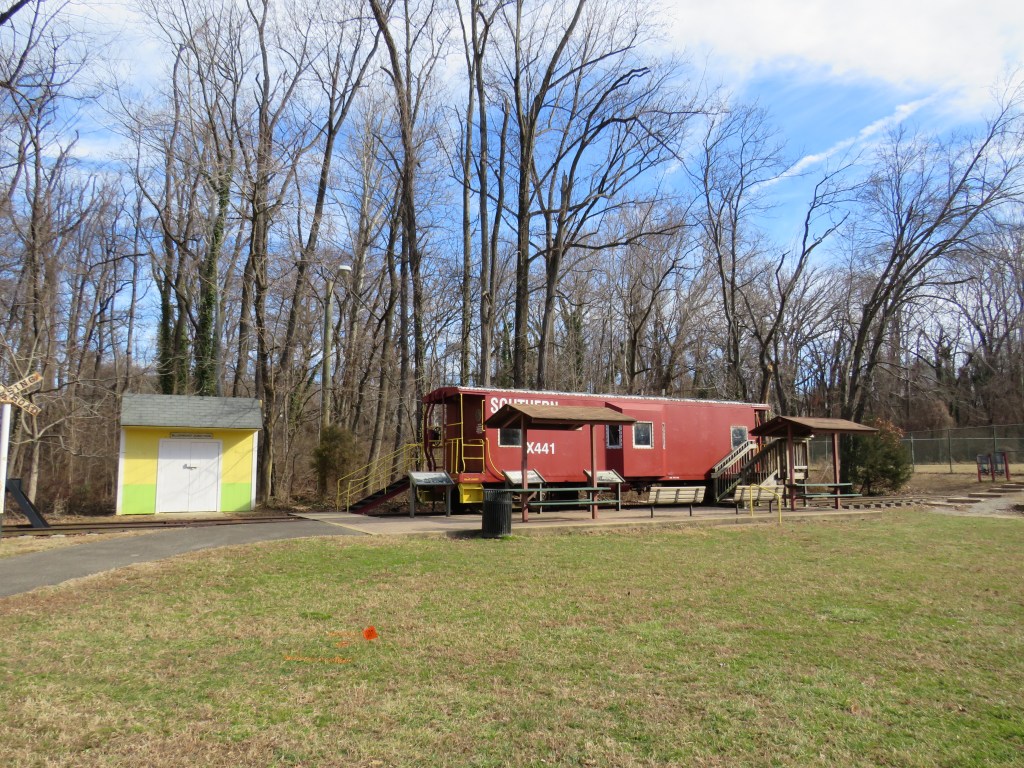
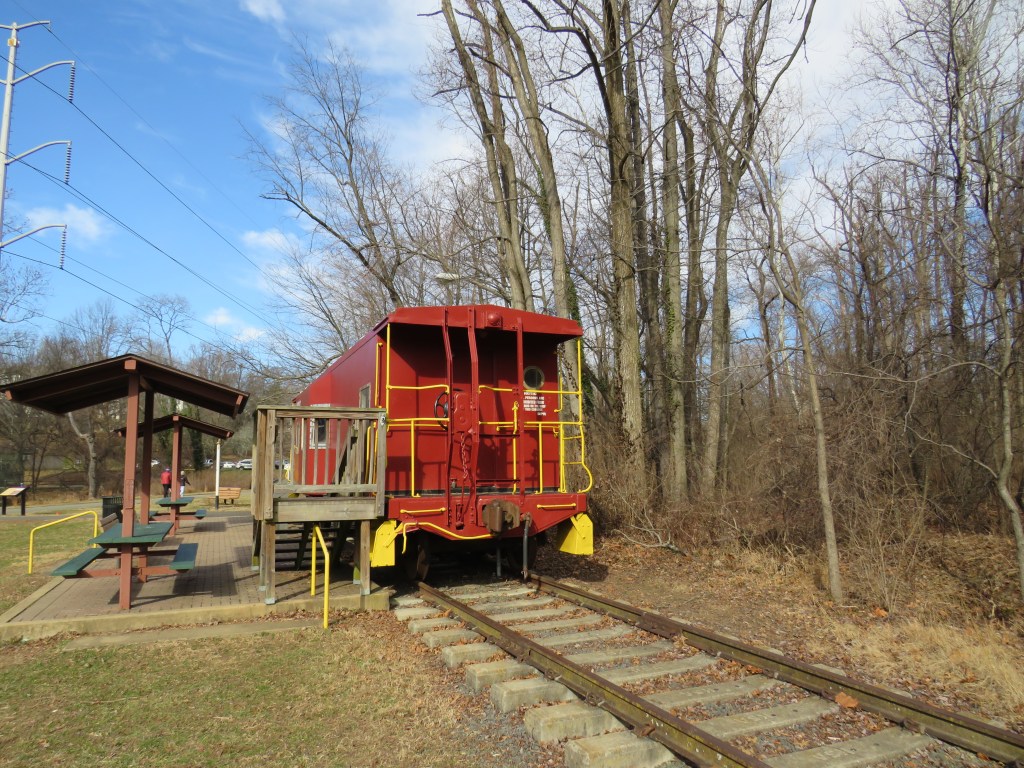
Today, the railroad lines are long gone and so are the many structures that were here that included a passenger station, an electric power station, and a ‘wye’ track used to turn trains around.  When you visit the site today, you will see a replica of the Bluemont Passenger shelter and a caboose paint in the Southern Railway colors.

A visit to Bluemont Park is a quiet place in a very urbanized area which was bustling in its heyday.  It is located at 601 N. Manchester Street in Arlington, Virginia.  The park is open from sunrise to sunset, and it is completely wheelchair accessible.