This is a text widget, which allows you to add text or HTML to your sidebar. You can use them to display text, links, images, HTML, or a combination of these. Edit them in the Widget section of the Customizer.
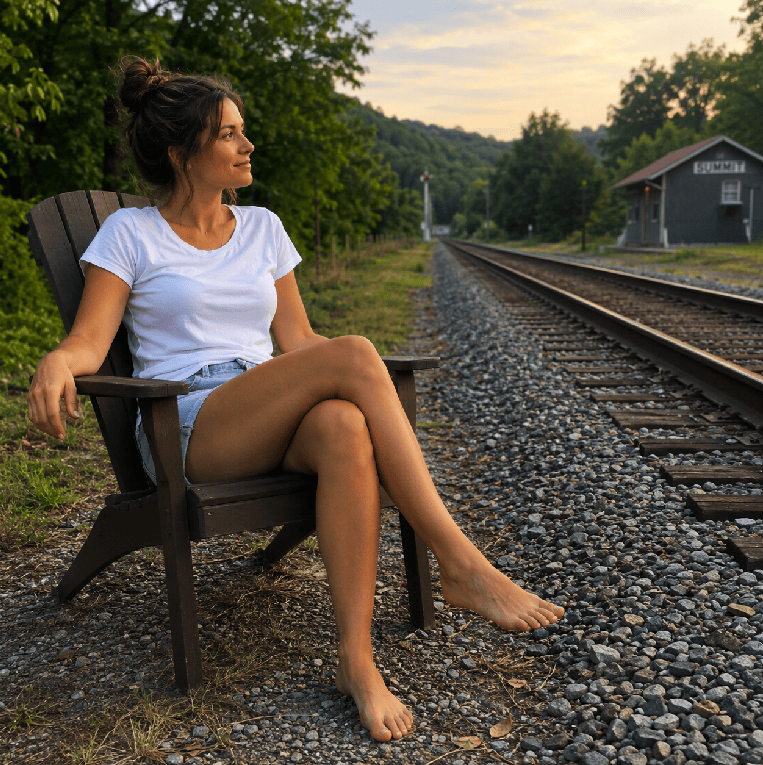
Some of you are saying, “Cassandra Bridge? She is probably a very beautiful and wonderful lady.”
It could be possible that there could be a lady by that name, but this is about an actual bridge.
Some of you are saying, “I see. It is a bridge named Cassandra Bridge. It was probably named after a lady named Cassandra.”
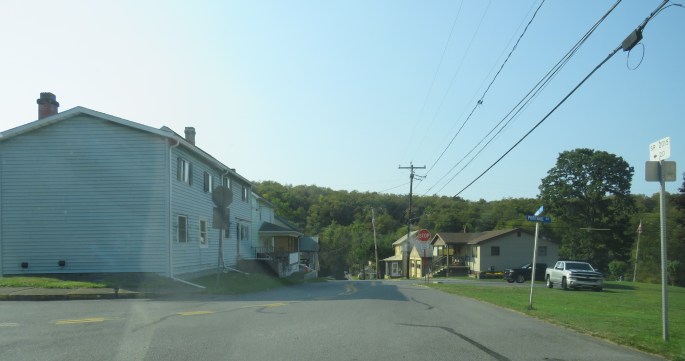
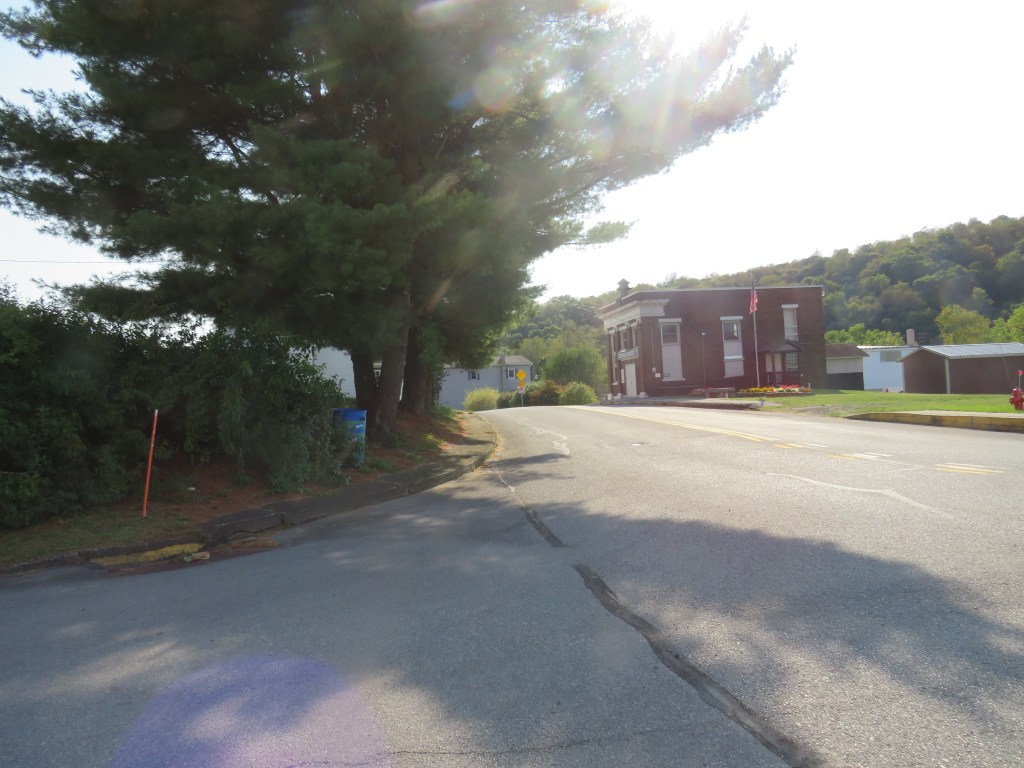
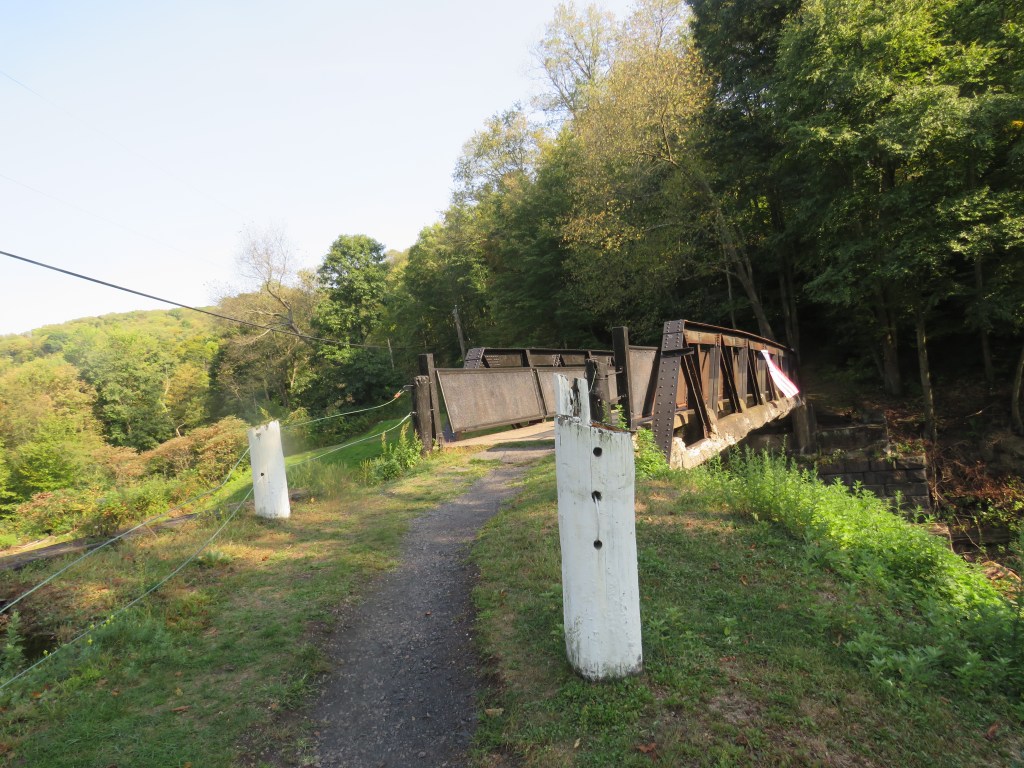
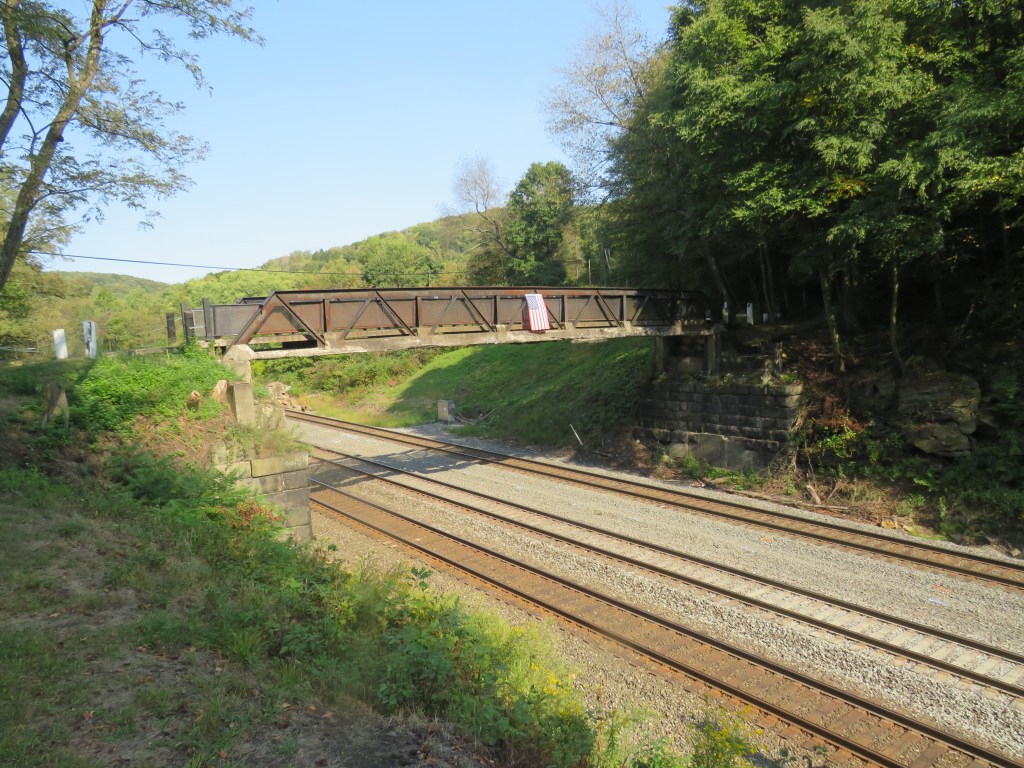
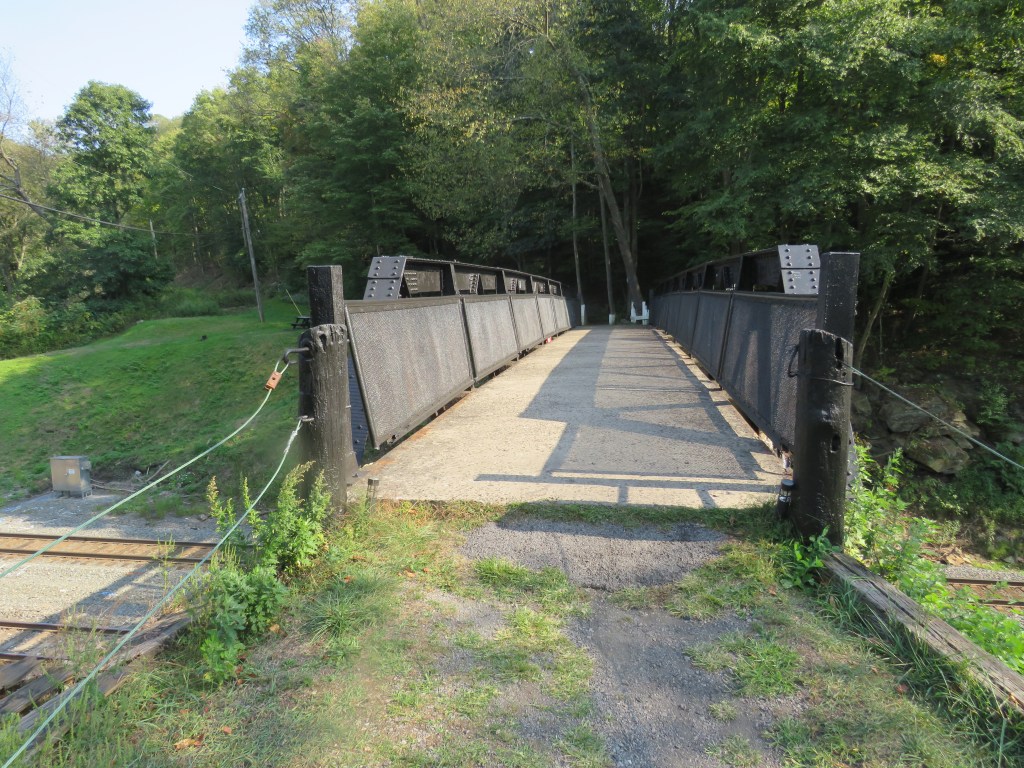
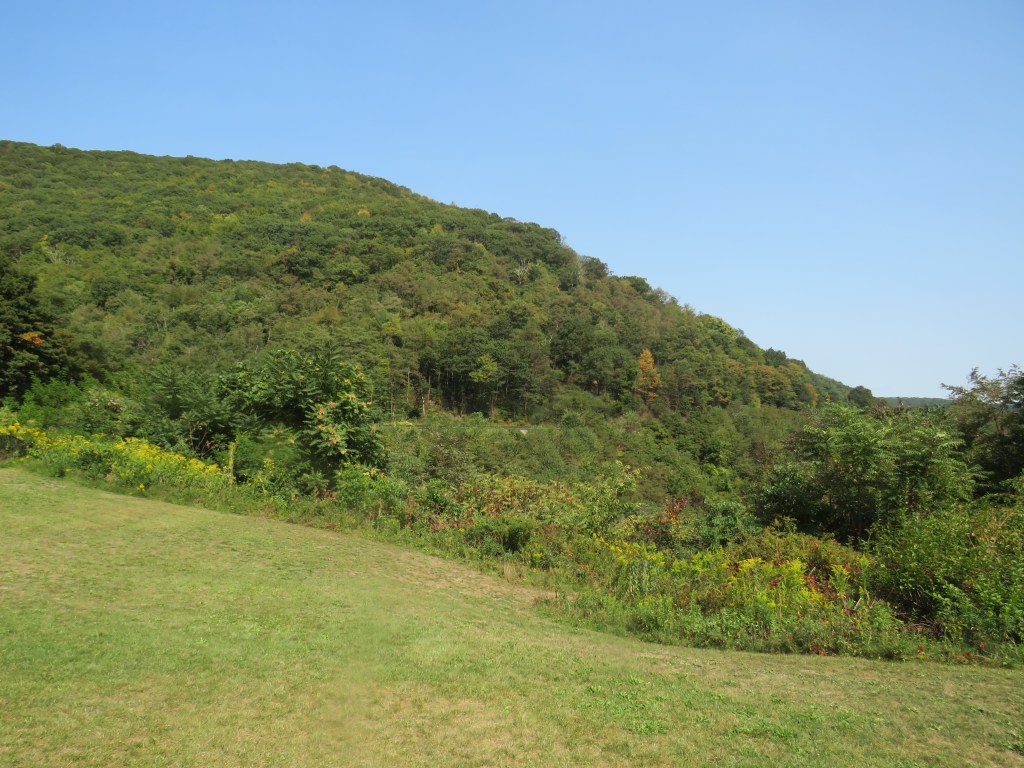
Cassandra Bridge, also called the Cassandra Bridge Overlook, is located in the small town of Cassandra in the U.S. state of Pennsylvania. How the town got its name it currently unknown.
Some of you are saying, “That is interesting. It is called Cassandra Bridge located in Cassandra, Pennsylvania. It does not matter because it is not a railroad bridge, you will not see me here.”
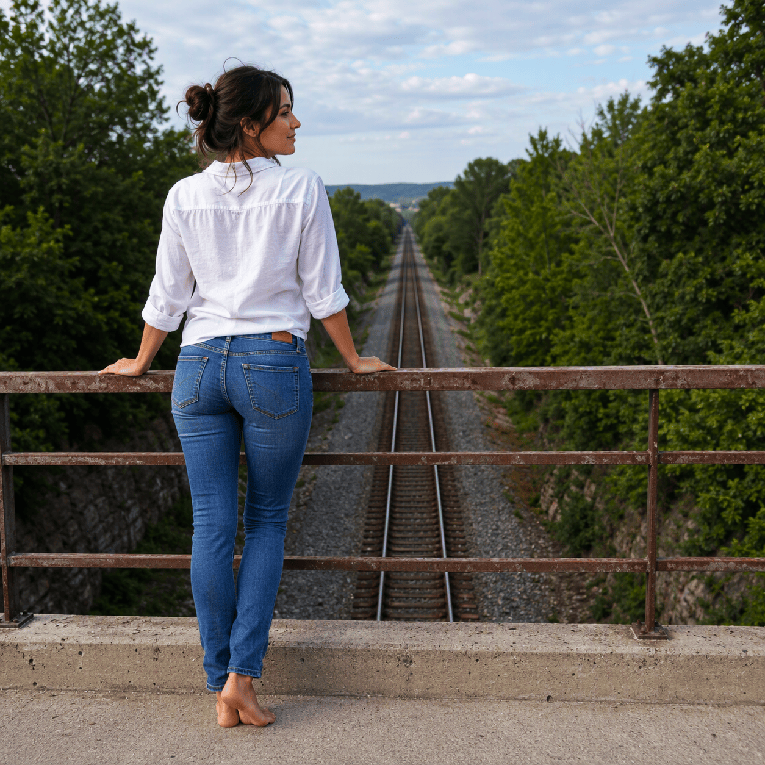
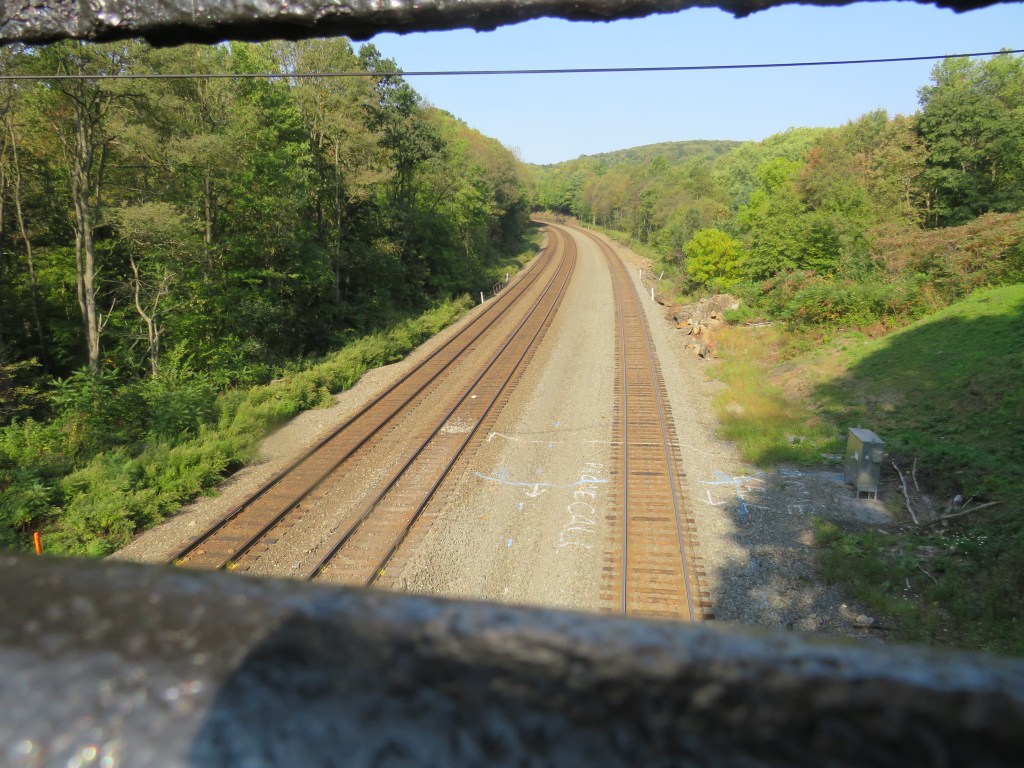
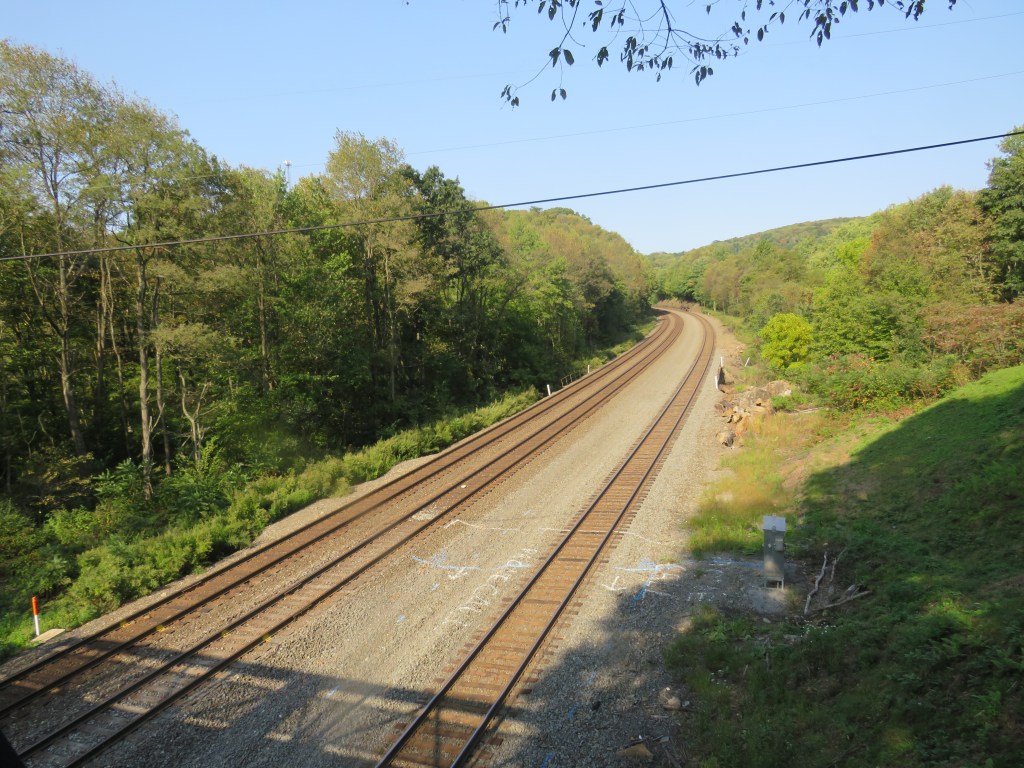
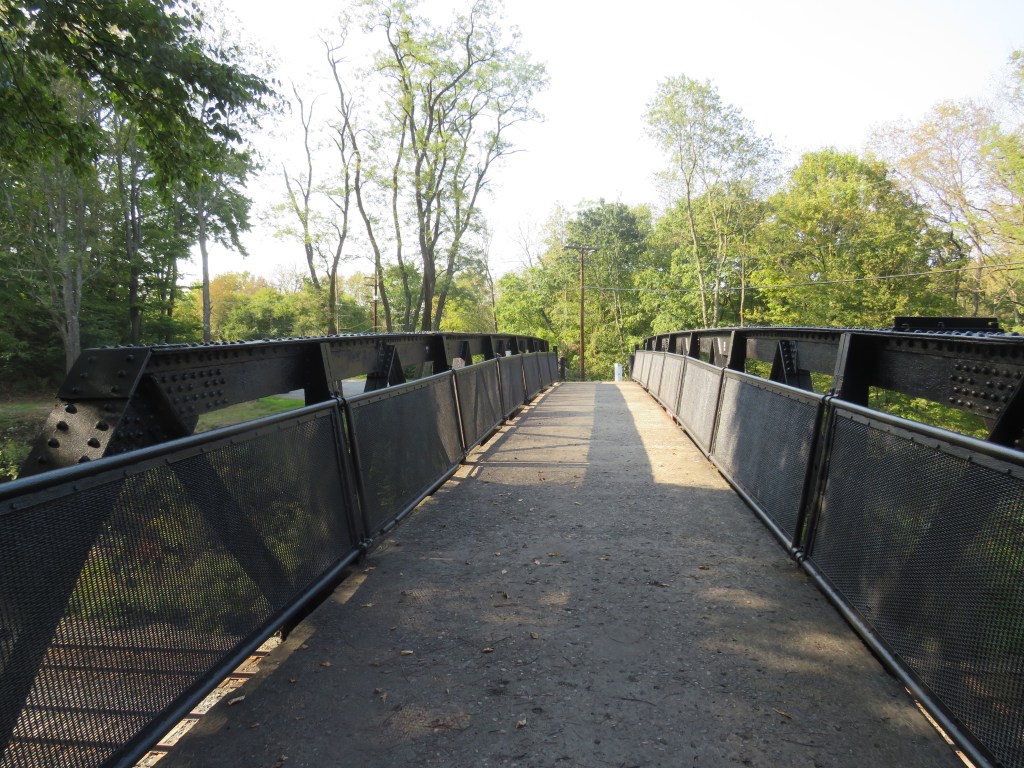
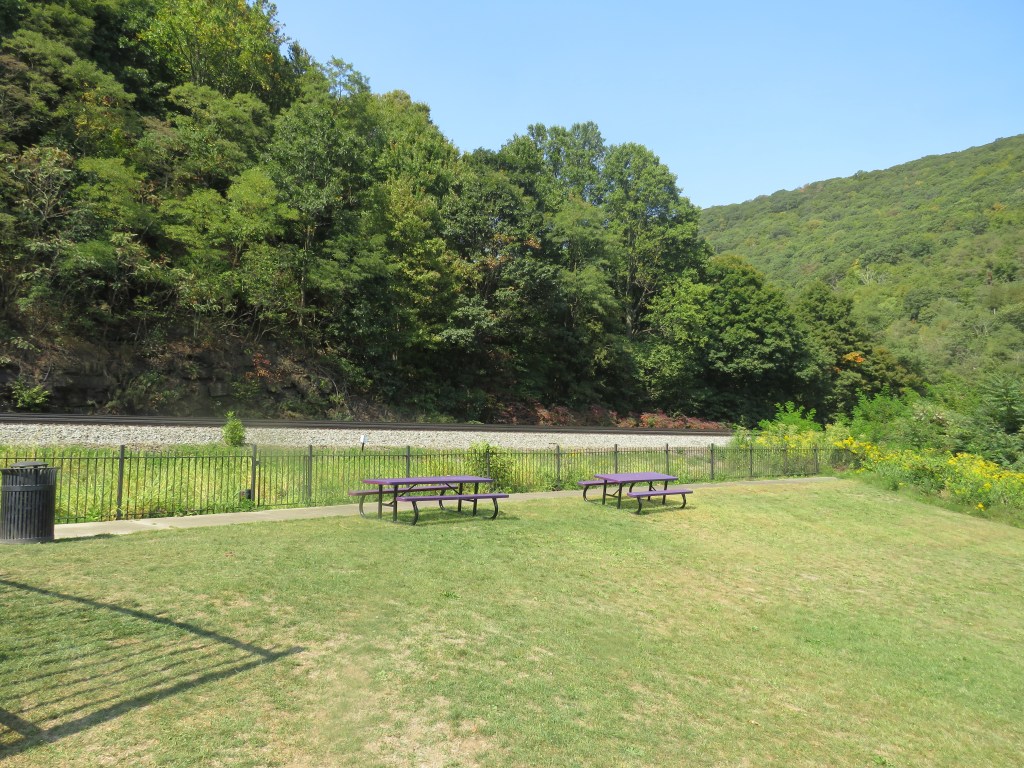
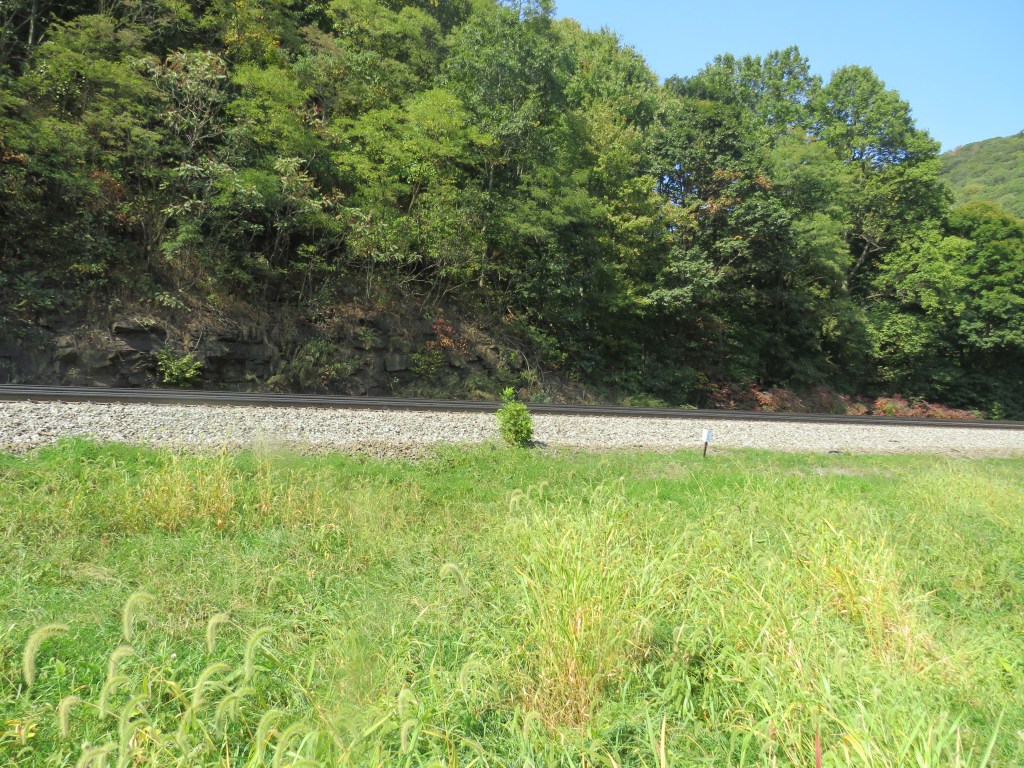
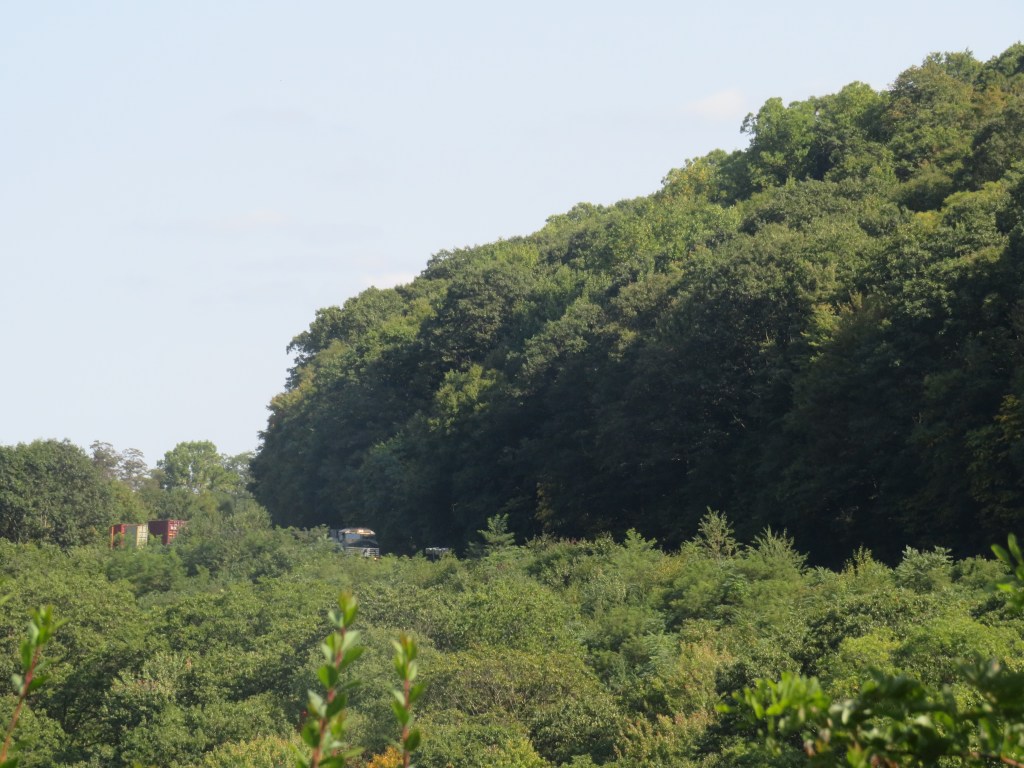
Ladies and gentlemen, if you are a fan of trains, Cassandra Bridge is where you want to be. Why? It is a place where railfans go to watch trains. It is a bridge that crosses a railroad line with three tracks that was originally owned by the Pennsylvania Railroad. Today, railroad fans come here to watch the Norfolk Southern Railway and the occasional Amtrak Trains roll by.
Now you have a reason to visit Cassandra Bridge in Cassandra, Pennsylvania. Be advised that you may not see a lady named Cassandra Bridge, but you can get a great view of any passing train that rolls by.
Cassandra Bridge is located at the east end of Main Street in Cassandra, Pennsylvania, just a short drive from Pennsylvania Route 53. Parking is available on site. The bridge is not wheelchair accessible, but you can still see the trains from the parking area.
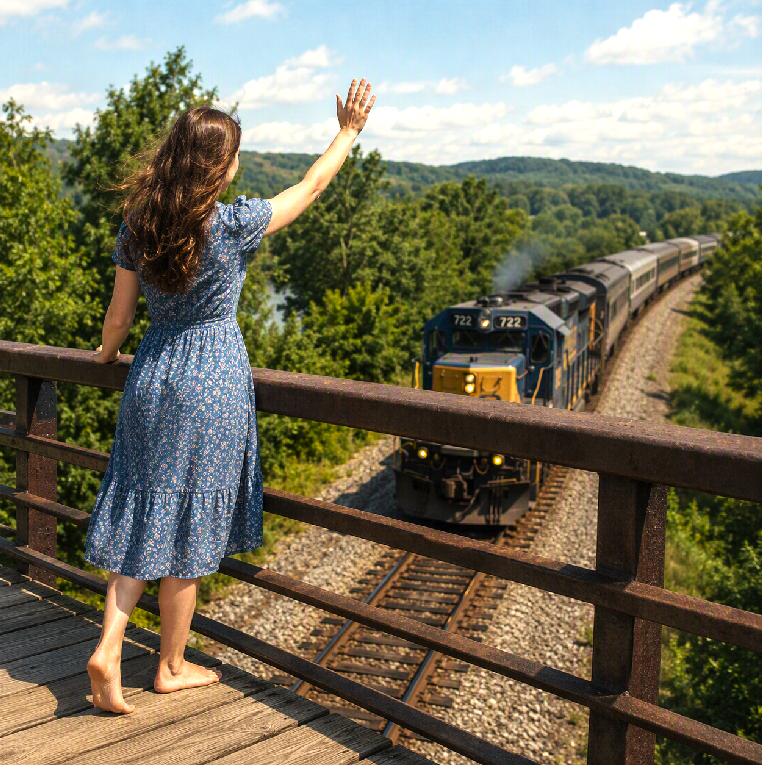
Please note that the photos of the ladies named ‘Cassandra Bridge’ were AI generated photos.
The town of Hollidaysburg in the U.S. state of Pennsylvania is a suburb of Altoona, the city famous for the World Famous Horseshoe Curve. Hollidaysburg is also the home of the Everett Railroad. Not far from the Everett Railroad is a park called the Canal Basin Park. What is the Canal Basin Park?
Some of you are saying, “Well, it is a park designed around a canal basin.”
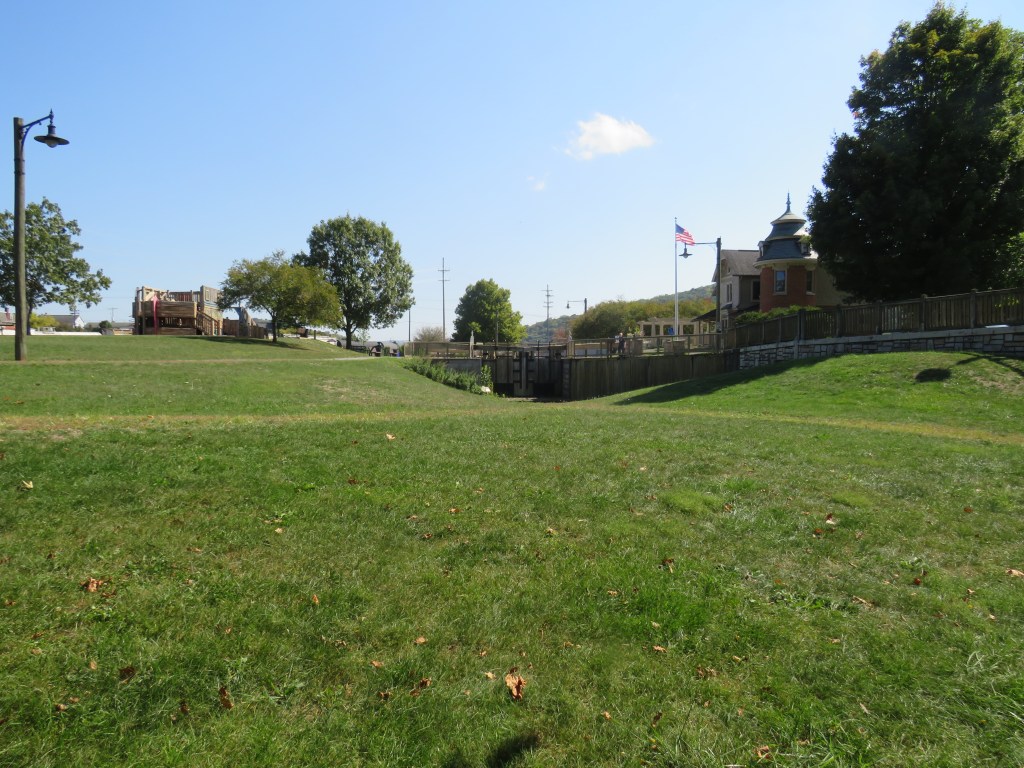
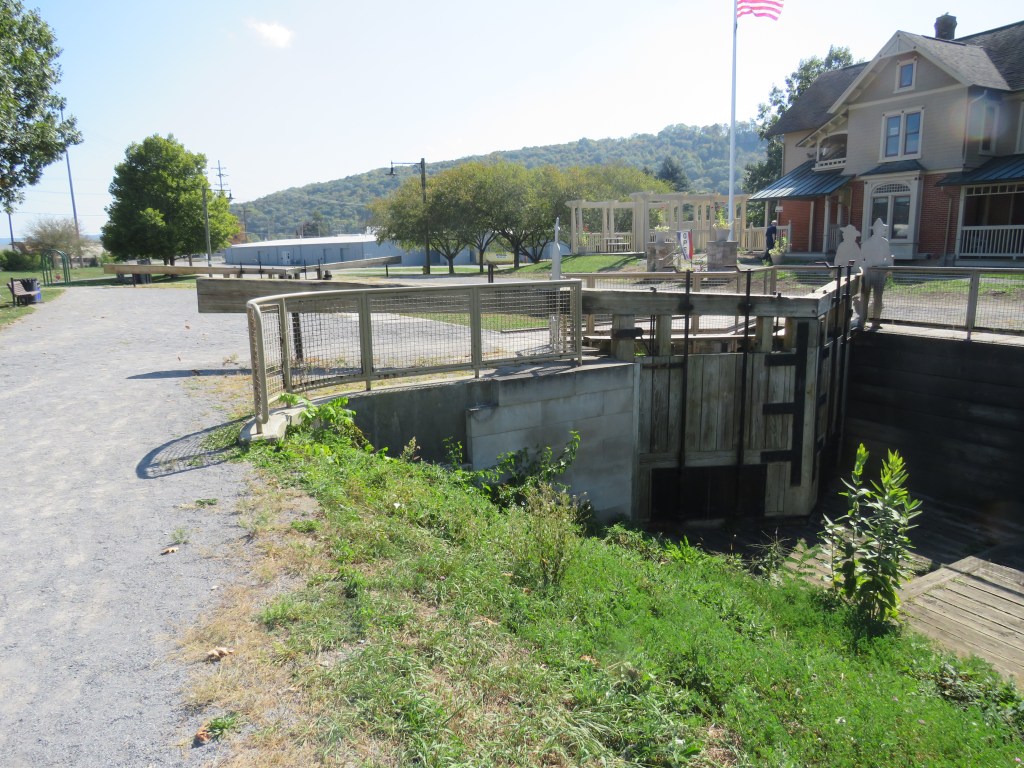
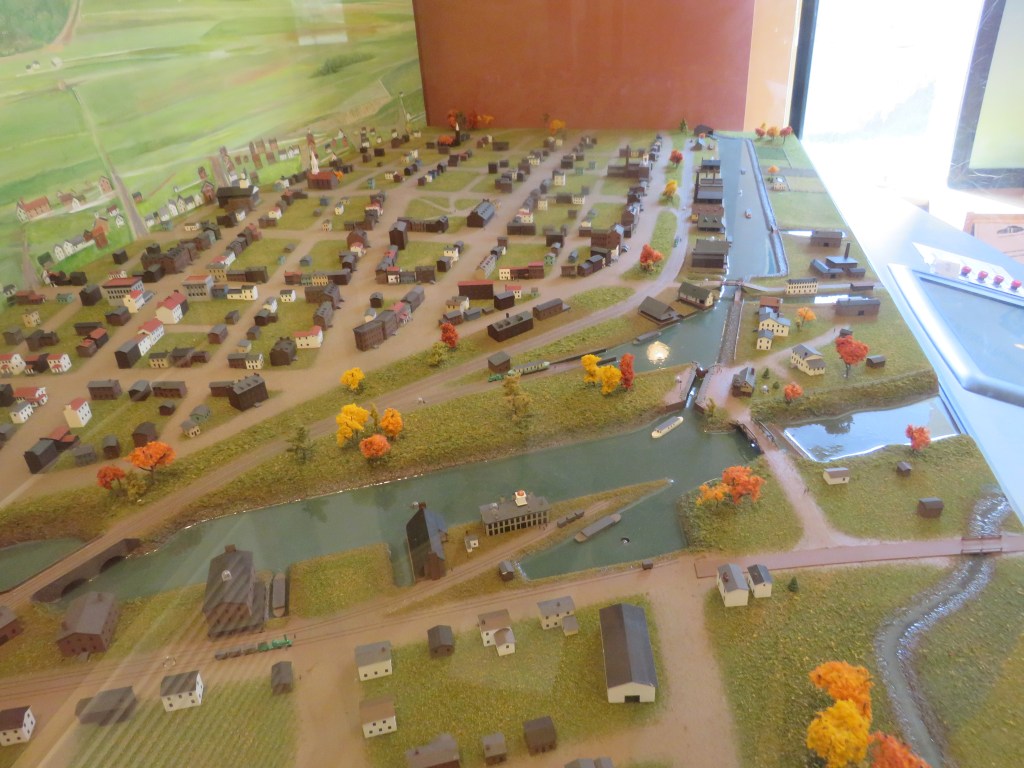
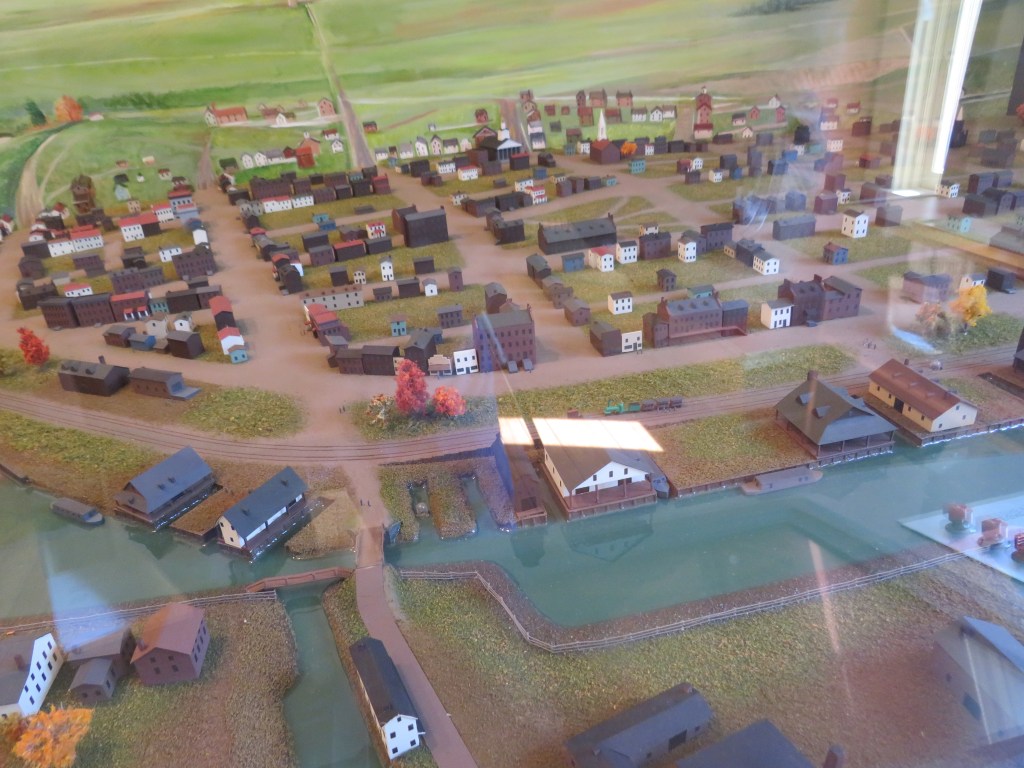
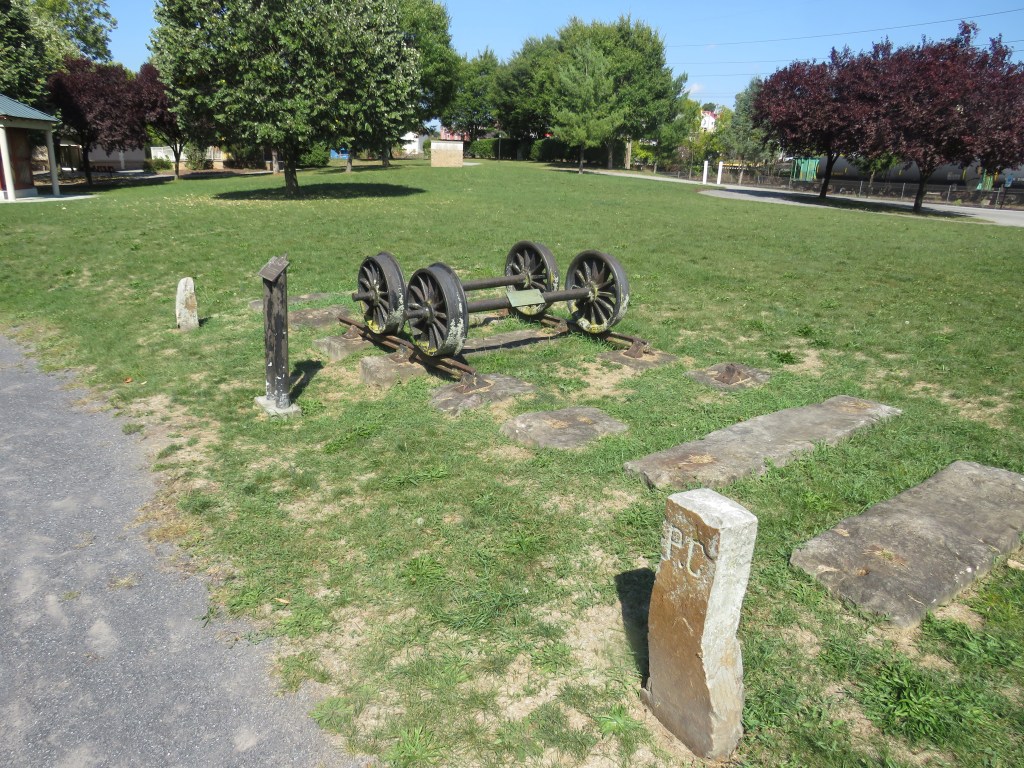
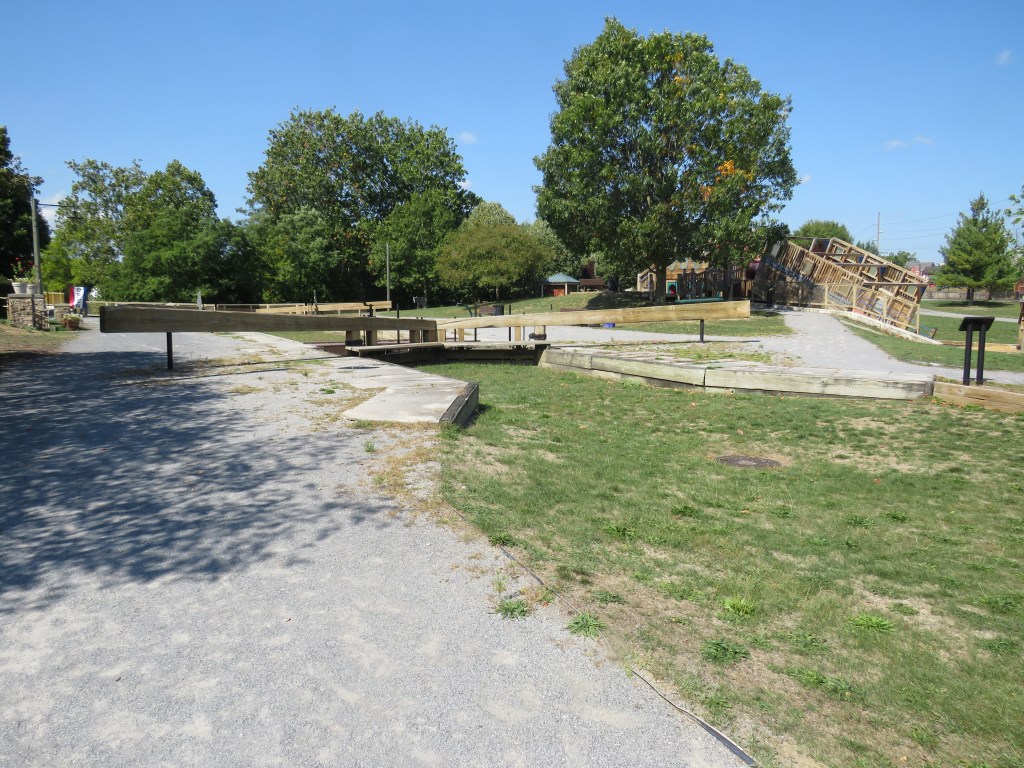
You are correct. Well, you are mostly correct. The park was designed around an old canal basin of the Pennsylvania Main Line Canal. Canal basins was an area where boats would wait until the canal channel was cleared, and then they continued on. The canal, like many of the old canals, was destroyed by flooding. Today, the Canal Basin Park consists of the remains of the basin, a replica canal lock, and a museum housed in an old Victorian home. The Canal Basin Park is a site that preserves American history.
Some of you are saying, “This is great. They take an old canal basin and build a park around it. There is a problem. This is not a railroad site. Therefore, you will not see me here.”
So why visit the Canal Basin Park in Hollidaysburg, Pennsylvania?
The Pennsylvania Main Line Canal was one of many canals built to allow boats to bring goods from the ocean port cities to the inland cities and towns. Each canal was built with a channel wide enough for a boat that was pulled by either mules or horses through the channels and the canal locks which allowed the boats to climb different elevations along the landscape. The Pennsylvania Main Line Canal was built connect the cities of Philadelphia and Pittsburgh. Along these canals, small towns were erected.
Then they came to the Allegheny Mountains. How in the world are you going to build a canal over the high mountain range.
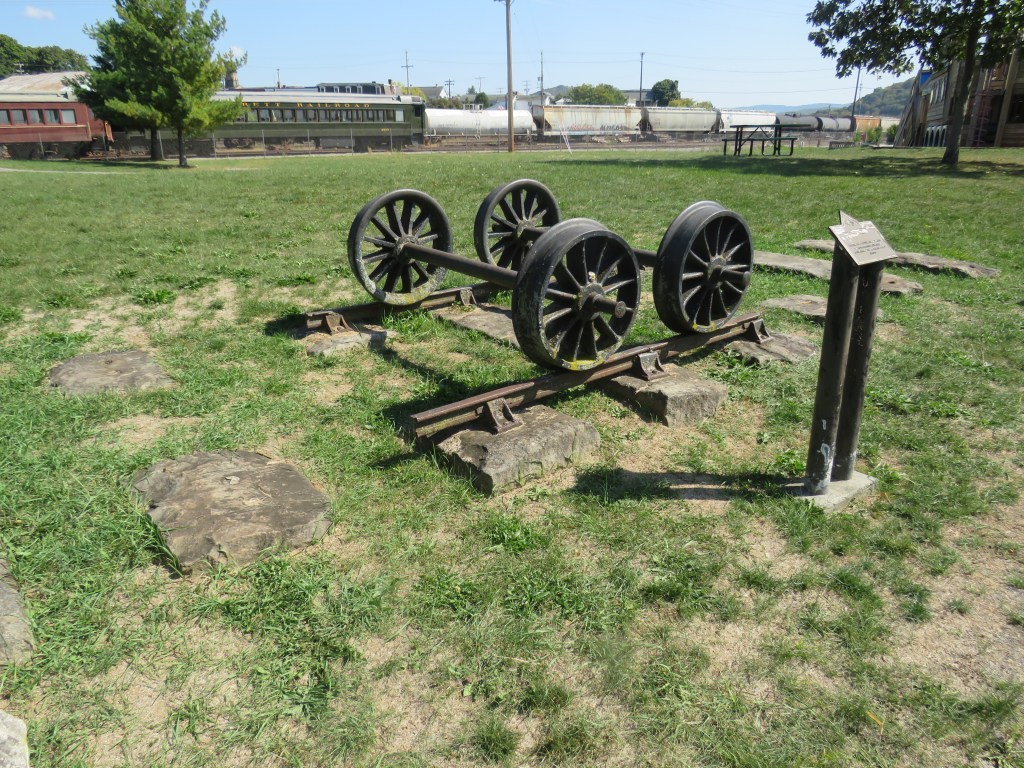
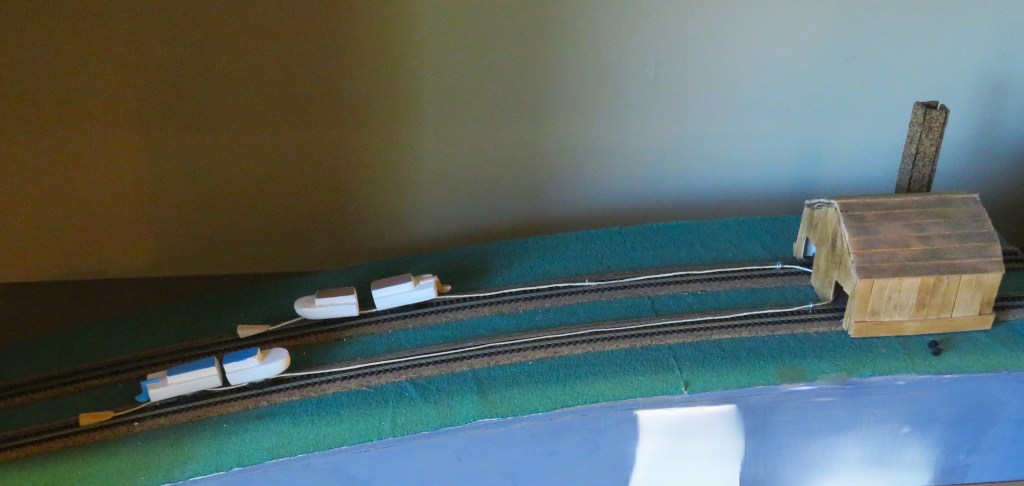
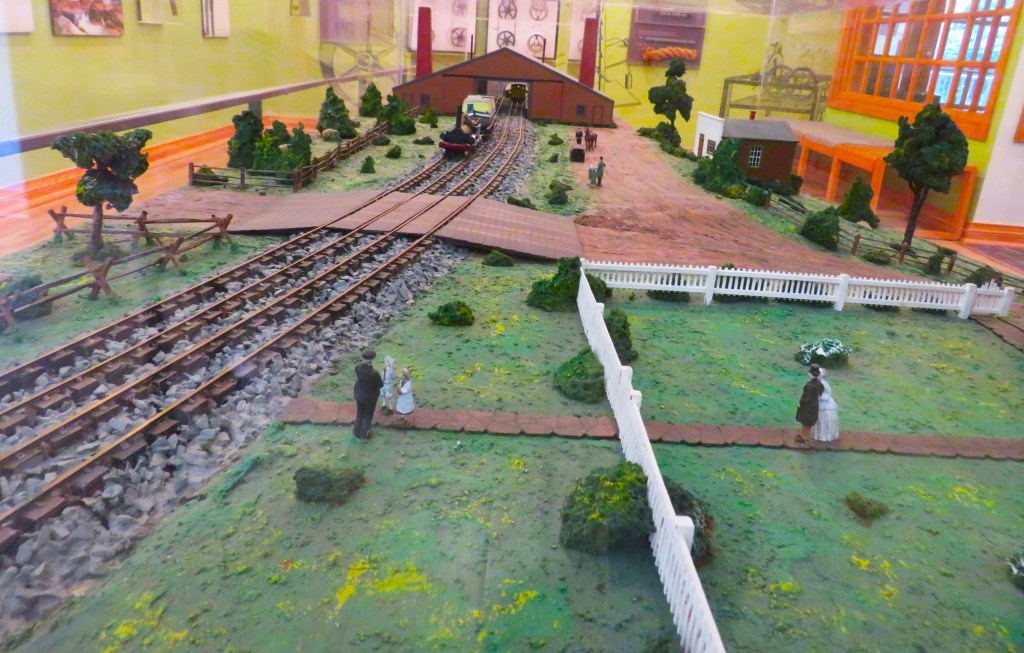
This brings us to Canal Basin Park. Yes, it was a basin where boats waited. It was not for the channel to be clear of boat. It was for the boats to be placed on a flatcar on a train. It was here in Hollidaysburg where the canal boats were put on the Allegheny Portage Railroad. The Pennsylvania Main Line Canal used the Allegheny Portage Railroad to carry the canal cars over the mountain range and then placed back into another canal basin where it continued along its way.
You see. You think that Canal Basin Park is about boats. It is, but it is boats combined with the railroad.
Canal Basin Park is located at 101 Canal Street in Hollidaysburg, Pennsylvania. It is a short drive from U.S. Route 22 and the Everett Railroad. The park is open from sunrise to sunset.
Next time you are in Hollidaysburg and riding the Everett Railroad, take a little time to visit Canal Basin Park. The boats and the railroad are long gone, but you can see a place where American history took place.
The Declaration of Independence has been signed, and the United States of America is a new nation. People come on ships across the Atlantic Ocean to arrive in the port cities to live in the new nation, but when they arrive, some stay along the Atlantic Coast, but some decide to go farther inland. They first travel by the famous horse and wagon, but then came the canals allowing boats to go farther inland. Then came the railroad. It was a race between the railroad and the canals to bring people west from the coast. The kept building west… but then they came to the Allegheny Mountains. Part of the Appalachian Mountain Range, the Allegheny Mountains became a big barrier to transportation. The railroad and the canals did have some success building tunnels and curves. In the U.S. state of Pennsylvania, they came up with a unique idea, and there was nothing like it anywhere in the world.
The Allegheny Portage Railroad was born. What was the Allegheny Portage Railroad?
The Allegheny Portage Railroad was not the first railroad in the United States of America, but it was the first railroad to do something that the Baltimore and Ohio Railroad and the Pennsylvania Railroad were not the first to do. It was the first railroad to cross the Allegheny Mountains. Yes, it was the very first railroad to take goods from the ports of the Atlantic Ocean to the inland of the United States.
Some of you are saying, “Wait a minute. We have heard about the Baltimore and Ohio Railroad. We have heard of the Pennsylvania Railroad. We have heard of the New York Central System Railroad. We have never heard of the Allegheny Portage Railroad.”
The Allegheny Portage Railroad had a unique purpose. What was its purpose? The Allegheny Portage Railroad was actually part of a canal system.
Some of you are saying, “Wait a minute. It is called the Allegheny Portage Railroad. How can it be part of a canal?”
That is a great question. As mentioned, it was a unique railroad. How? Unlike the major railroads that focused on getting passengers and goods from the coast to the midland, the Allegheny Portage Railroad had a special kind of cargo.
The Allegheny Portage Railroad was only thirty-six miles long. It began in the canal town of Hollidaysburg on the east side of the mountains and went up a steep grade over the ridge and then continued on the west side of the mountain range to the city of Johnstown.
Some of you are saying, “Well, that is not very far. The big railroads went from Boston, Massachusetts, New York City, New York, Philadelphia, Pennsylvania and Baltimore, Maryland to Buffalo, New York, Pittsburgh, Pennsylvania, and Cleveland, Ohio and Columbus, Ohio.”
That is true, but, in 1834, the Allegheny Portage Railroad was a unique railroad. There were many canals still in service. The state of Pennsylvania had its own canal system that would transport goods from Philadelphia to Pittsburgh. The canals were operable on hills and flat land, but they were not operable over mountain ranges.
A canal boat would arrive in Hollidaysburg. From there, it was loaded onto the Allegheny Portage Railroad. The train, which consisted of two or three flatbed railroad cars, were they pulled along the rails by a pulley system that was built at the top on the mountain ridge. It was then lowered on the other side of the mountain ridge by the same pulley system to Johnstown. In Johnstown, the boats were taken off of the railroad cars and put into a canal, and the boats continued to Pittsburgh and points west. For canal boats going from Pittsburgh to Philadelphia, the reverse process was done.
Sadly, the Allegheny Railroad only ran from 1834 to 1854.
Some of you are saying, “I bet that the railroad is long gone to history and that the railroad bed is long gone and overgrown.”
Nope.
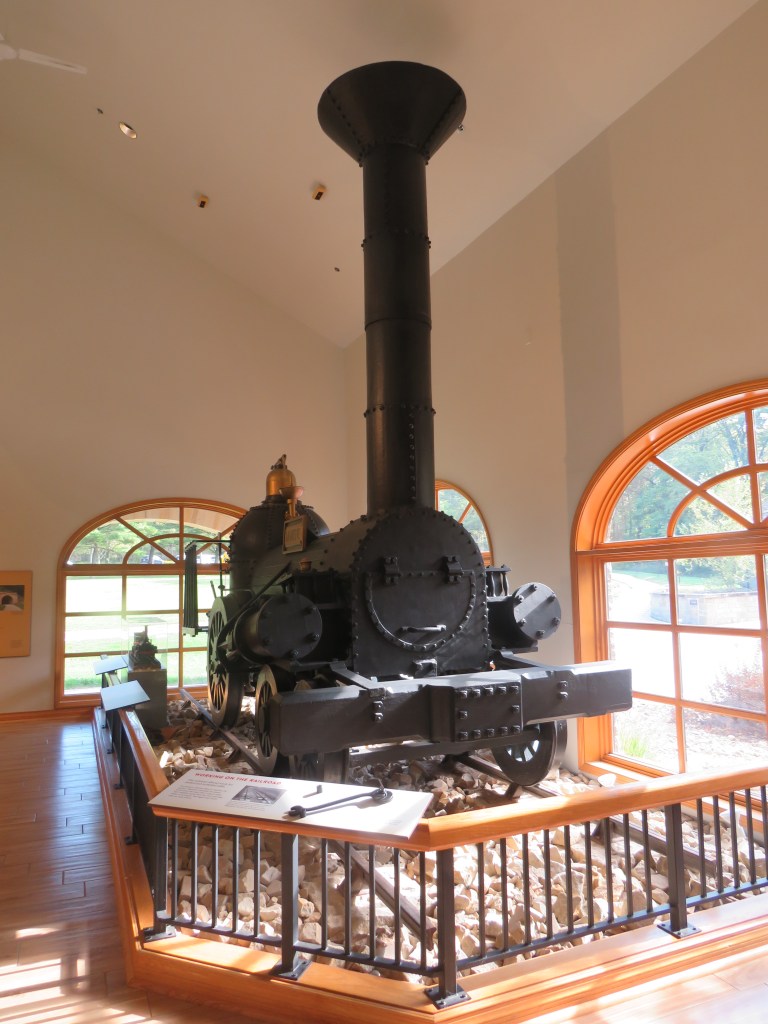
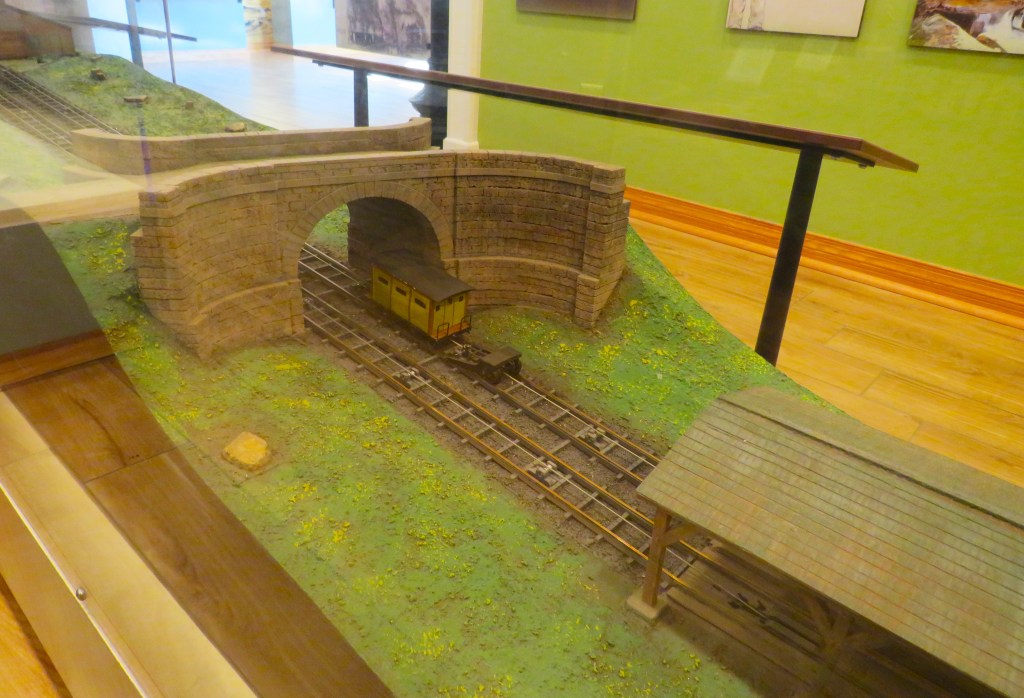
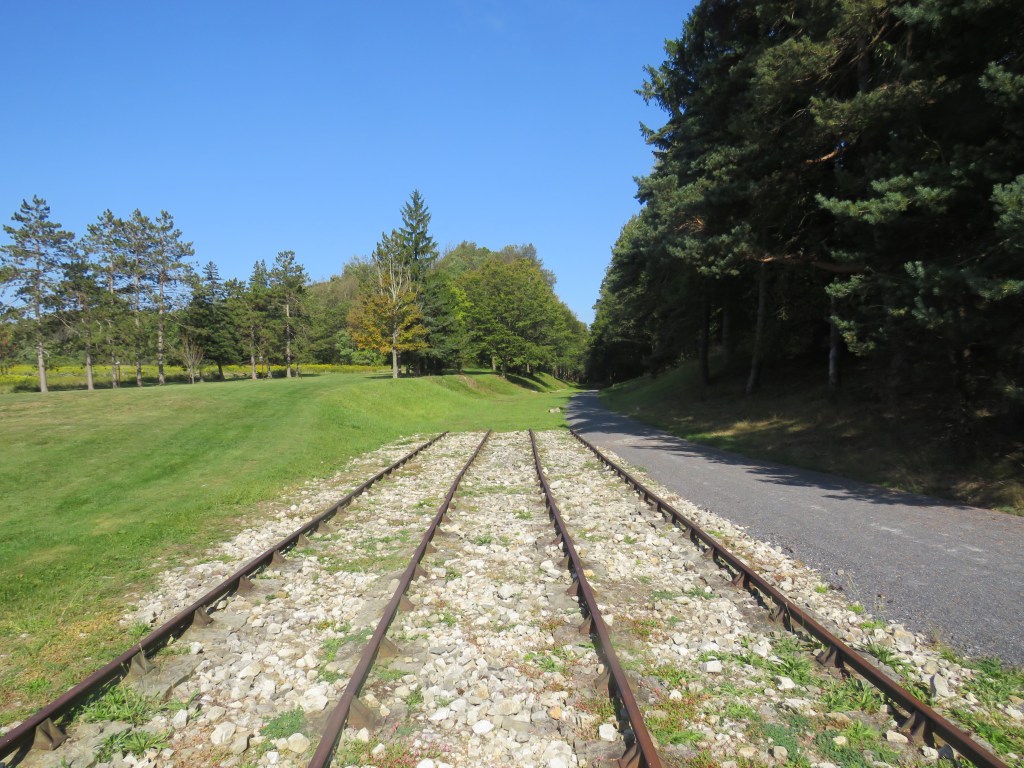
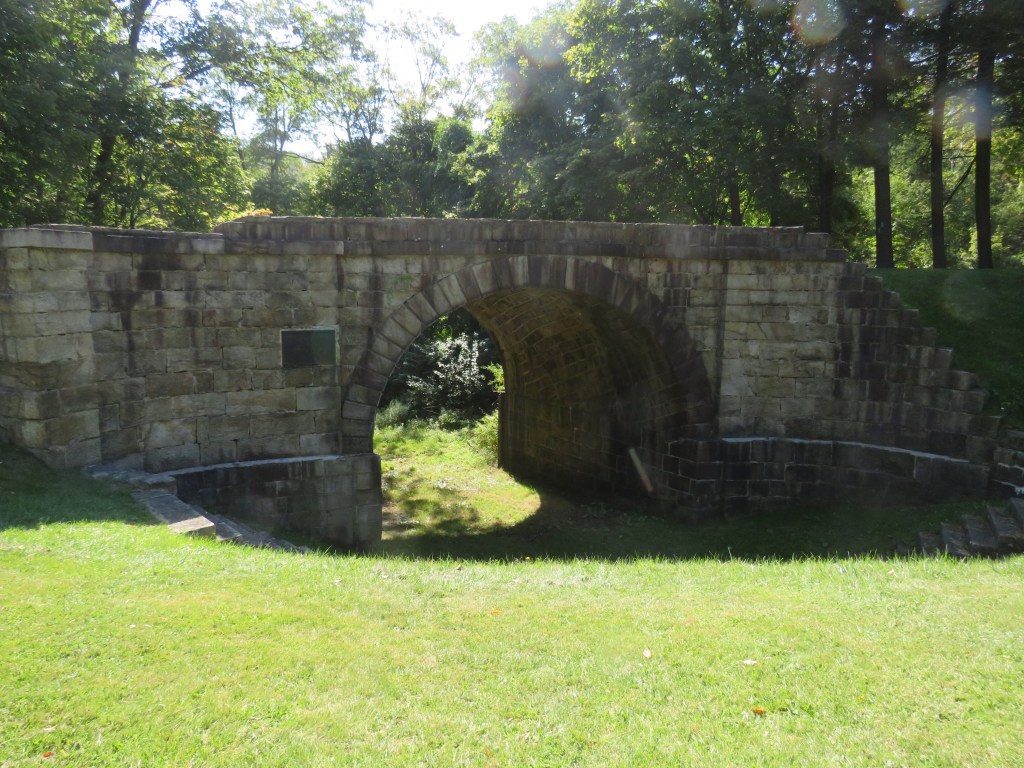
Welcome to the Allegheny Portage Railroad National Historic Site. The Allegheny Portage Railroad National Historic Site preserves the history and the site of the pulley railroad system. The site, owned and operated by the National Park Service, consists of the Visitor Center which houses a museum that shows the working of the railroad and how the railroad was built and how it operated. There is also a replica of the Number 6 Engine House where the pulley system pulled the train up the mountainside and lowered the trains on the other side. You can also visit the Lemon House. No, it is not made from actual lemons. It served as a tavern for those using the railroad. There are also hiking trails along the old railroad bed.
The Allegheny Portage Railroad Historic Site is located at 110 Federal Park Road in Gallitzin, Pennsylvania just off of U.S. Route 22. It is open year round from 9:00am to 5:00pm. (Closed on Wednesday and Thursday.) Parking is on site. The Visitor Center, the Engine House, and the Lemon House are wheelchair accessible, but the hiking trails are not. The great part is that there is no admission fee to visit the site. You can get more information about at Allegheny Portage Railroad National Historic Site (U.S. National Park Service).
The next time you are in Altoona, Pennsylvania, you can see the World-Famous Horseshoe Curve. You can see the National Railroaders Memorial Museum. You can ride the Everett Railroad. You can see the Gallitzin Tunnels. The Allegheny Portage Railroad Historic Site is another great reason to visit Altoona. It is truly a railroad site unlike any other in the world.
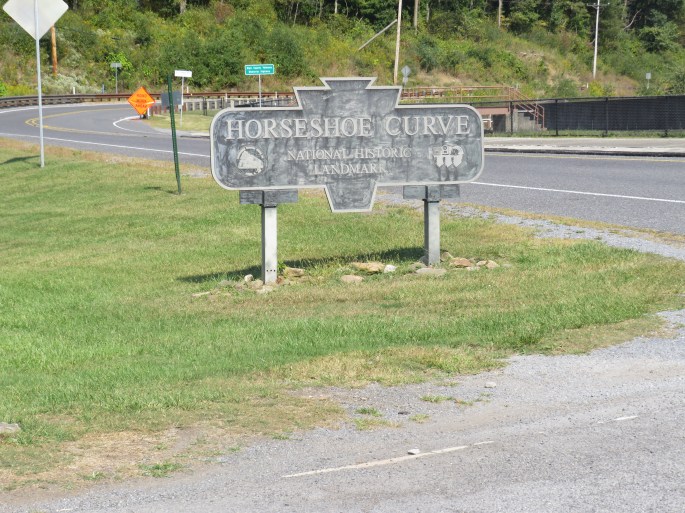
The U.S. state of Pennsylvania is a state with so many historic sites. From the signing of the Declaration of Independence and the United States Constitution in Philadelphia to the discovery of oil in Titusville, everywhere you step in Pennsylvania, history took place. When it comes to the railroad, one of the great railroad sites in the World Famous Horseshoe Curve in the city of Altoona.
Yes, there are other horseshoe curves. What makes this one so famous?
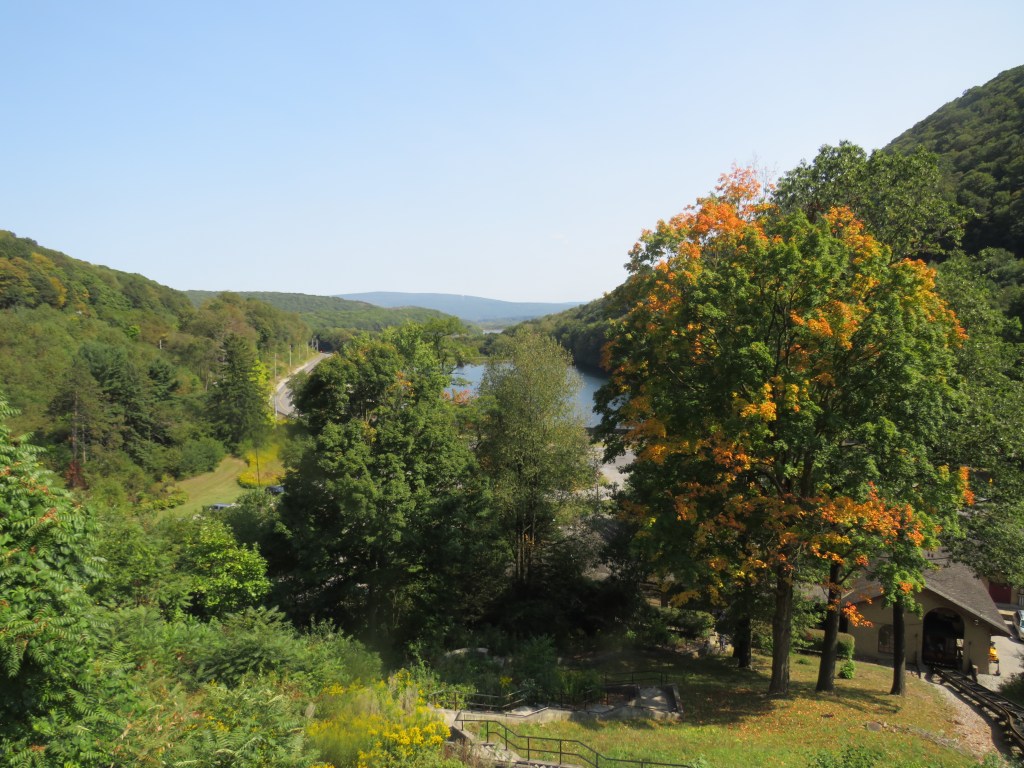
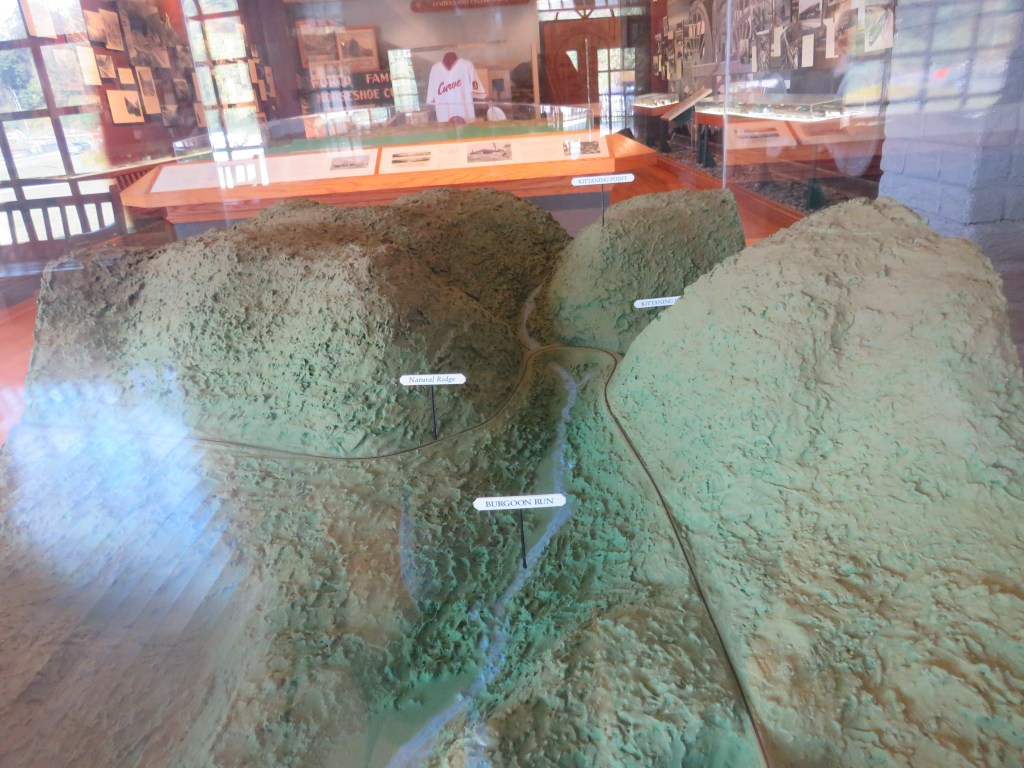
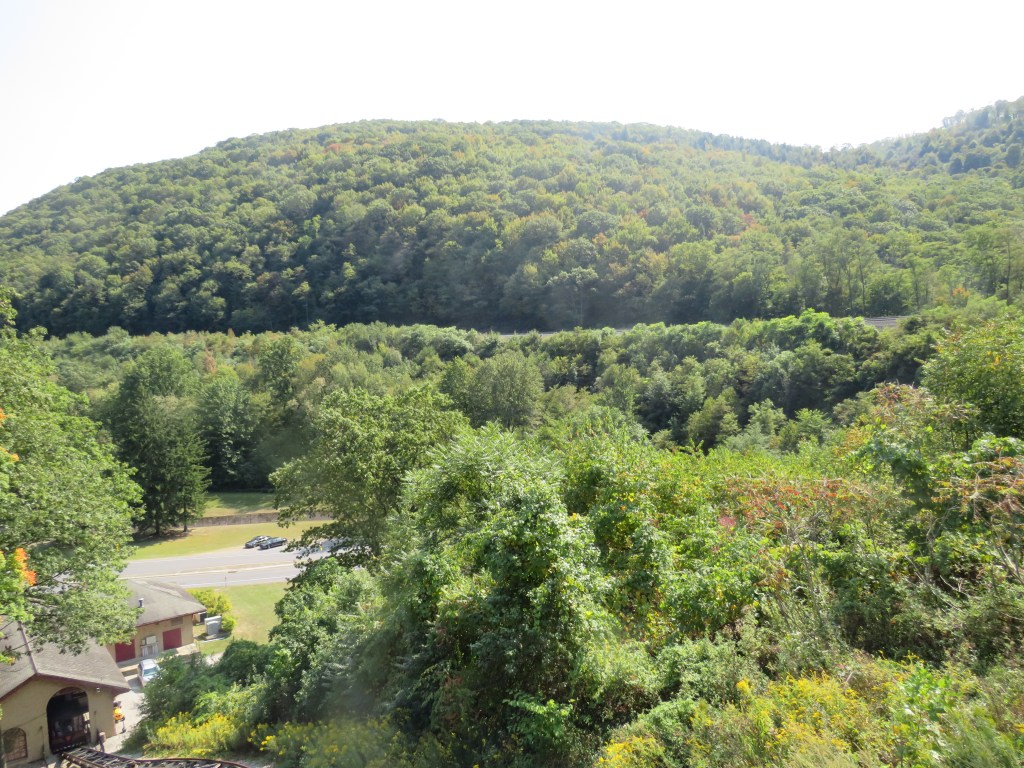
In the early years of the United States of America, settlers arrived on the beaches of the Atlantic Coast. As they came, there was a desire to go west from the Atlantic Ocean. The first attempt was the famous horse and buggy. Then they arrived at the Appalachian Mountains. Building roads over the mountains were very difficult. Then came canals. However, the canals were hard to build over mountains. Then came the railroad. The railroad then had a run-in with the mountain. Then an idea came. Instead on building the tracks straight up the mountainside, why not build the railroad bed along the side of the mountain going up the mountainside gradually. The railroad bed was built gradually going up the mountain into a cove where it made a U-turn on the mountainside. The World Famous Horseshoe Curve was complete. Trains were able to get up the mountain with a little help of the Gallitzin Tunnels allowing trains to from the cities of the Atlantic Ocean to the interior of the United States of America.
Today, the World Famous Horseshoe Curve is designated as a National Engineering Landmark. An engineer can drive his locomotive through the curve, and he could see the back of his train. Train watchers come and spend a day watching the trains roll through the curve. Along with the passing trains, there is also a small museum showing how the curve was built and the great efforts that were made to build the curve.
The World Famous Horseshoe Curve is located at 2400 Veterans Memorial Highway outside of the city of Altoona. (Please note that there is a tunnel north of the site with a height limit not suitable for busses and large recreational vehicles. Busses and large vehicles must approach the curve from the city of Altoona and not from U.S. Route 22.) Access to the viewing area is accessible to wheelchairs by way of funicular that operates during open hours. You can get more information, admission, and of hours at https://www.railroadcity.org/horseshoecurve.
When in Altoona, visit the World Famous Horseshoe Curve. No, you will not find horseshoes, but you will see trains pass through a major engineering marvel.
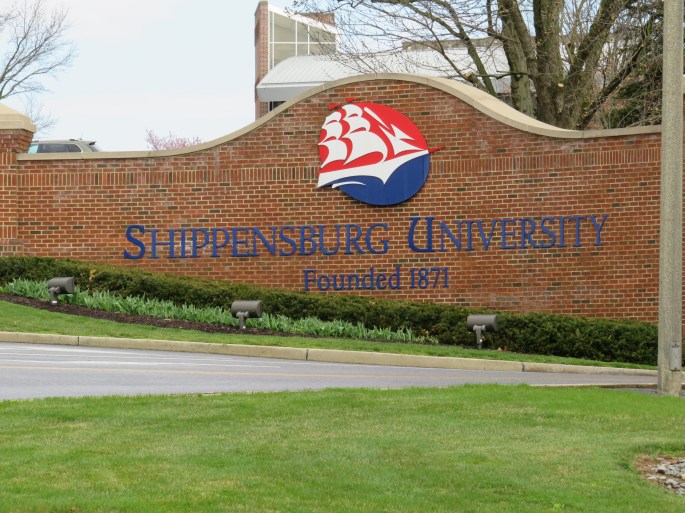
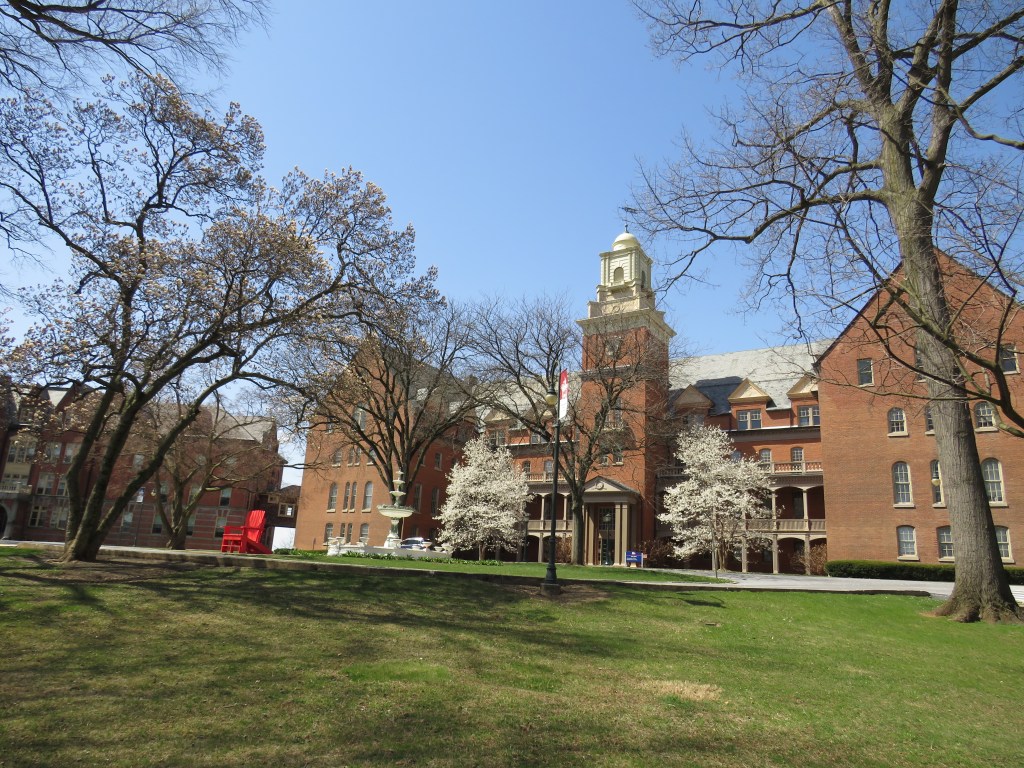
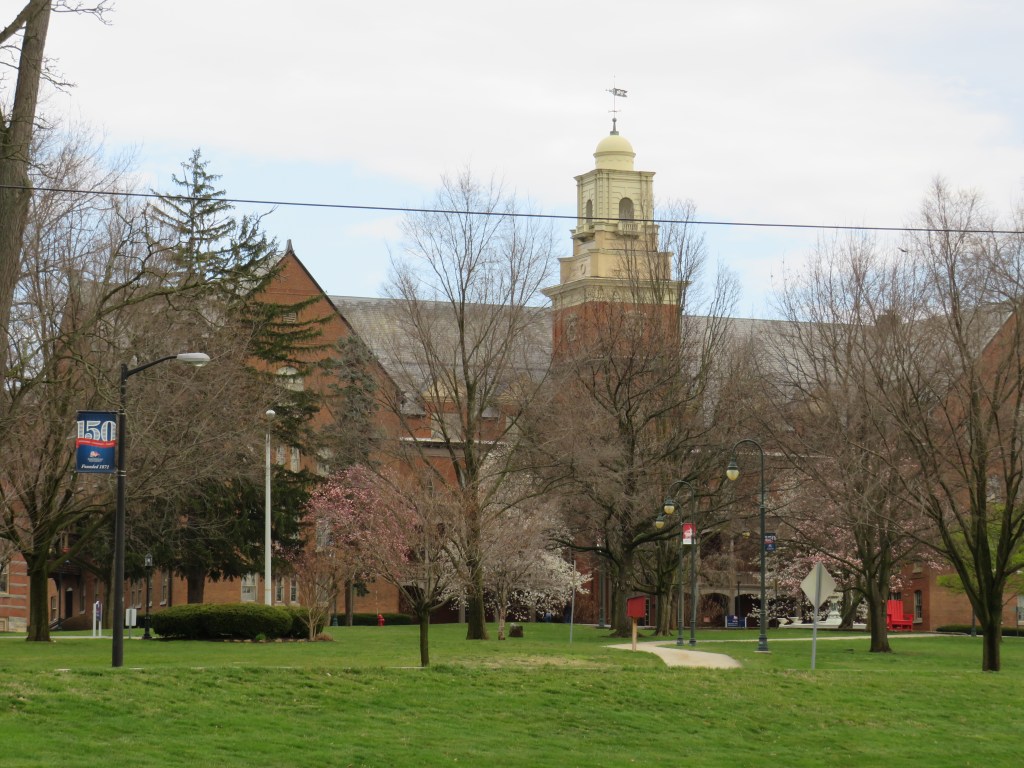
How many of you have ever heard of Shippensburg University located in the town of Shippensburg in the southern region of the U.S. state of Pennsylvania? Alright! It is not as well-known as Penn State University or Harvard or Notre Dame. It began as Shippensburg University of Pennsylvania in 1871 before it was simply named Shippensburg University. For a university that it not very well known, it has had many famous visitors like Pat Benatar, Salt and Pepa, George Carlin, and Jesse Jackson. Every semester, they have many students that attend this university. Shippensburg University is a university that has a deep history.
Some of you are saying, “Wow! This is nice. A university that has a deep history. Oh, I love Pat Benatar. She must have hit the place with her best shot. There is a very big problem. There is no railroad here. Therefore, I will not be making my best shot to visit here.”
Shippensburg University is a university that has a rich history. It is not famous for railroad history. What does Shippensburg University have to do with the railroad? Although the Norfolk Southern Railway passes through Shippensburg, it is a few miles from the university.
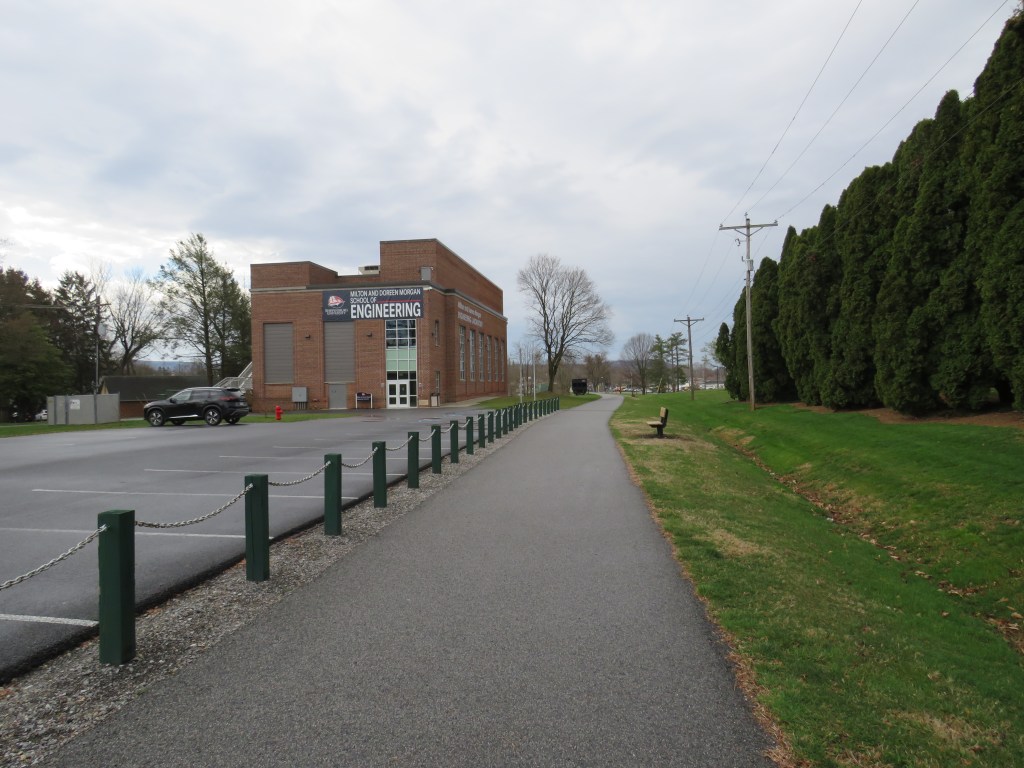
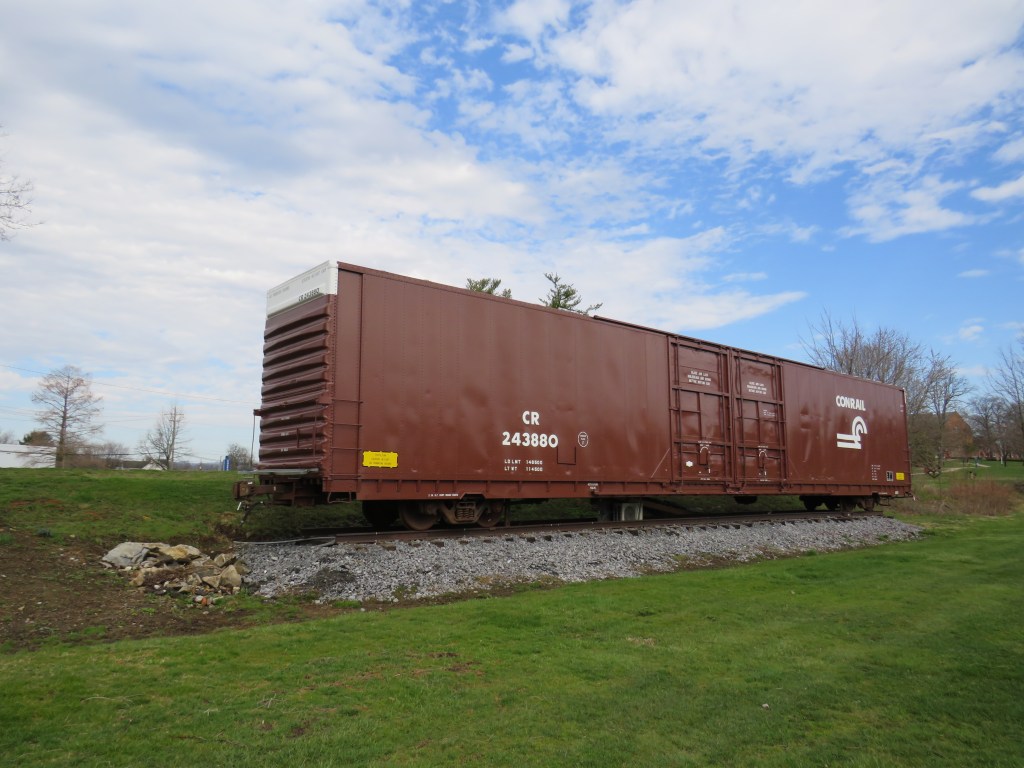
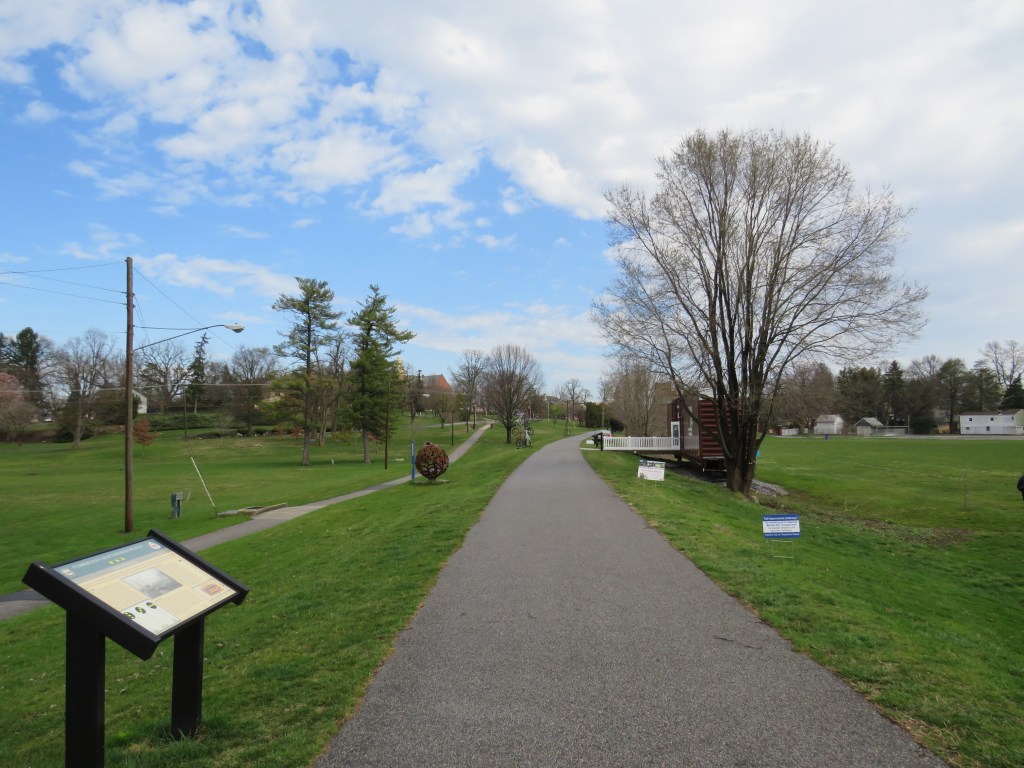
As you walk around the university, you see the various structures. You then notice what looks like a rail trail. The Cumberland Valley Rail Trail begin on the northeast side of the university, and it is here where you see two boxcars. The Penn Central boxcar houses the Cumberland Valley Railroad Museum, and the Conrail boxcar houses the Conrail Museum. The railroad line was originally built by the Cumberland Valley Railroad, but it was later taken over by the Penn Central Railroad, and Conrail was the last railroad to run on the line before railroad service ended.
What does this have to do with Shippensburg University? It was a plot of open land along the Cumberland Valley Railroad that became the determining factor for the location of the university. The railroad would bring students to and from the university and played a big role in the establishment of the school.
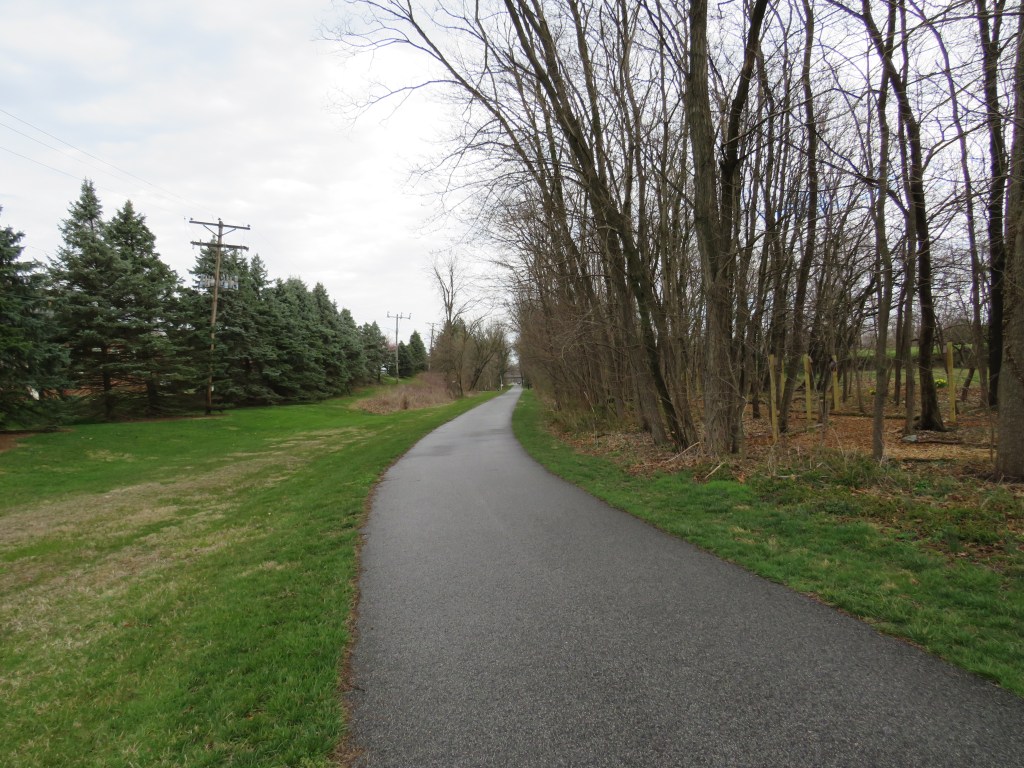
The next time you think about Shippensburg University, think about a university that had its beginning with the railroad. You can hike the Cumberland Valley Rail Trail and get a feel of how the students came to school.
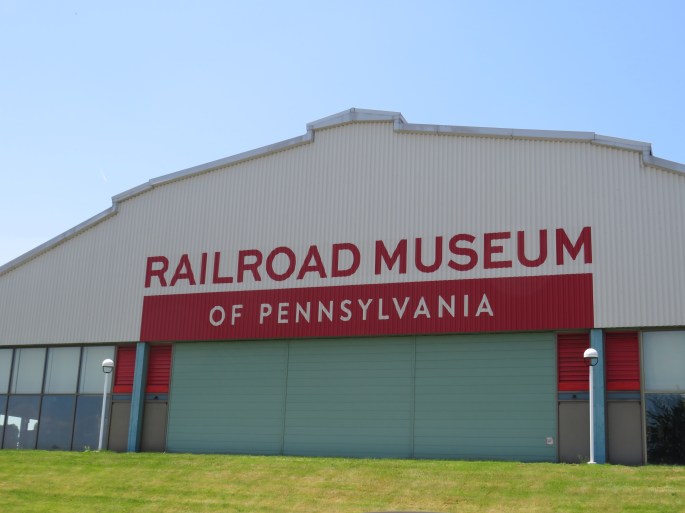
When you think about railroads and the state of Pennsylvania, there are so many famous rail sites and railroad excursions that you can bring up. The railroad is a major part of the history of the state of Pennsylvania. The Railroad Museum of Pennsylvania encompasses all of that history under one roof.
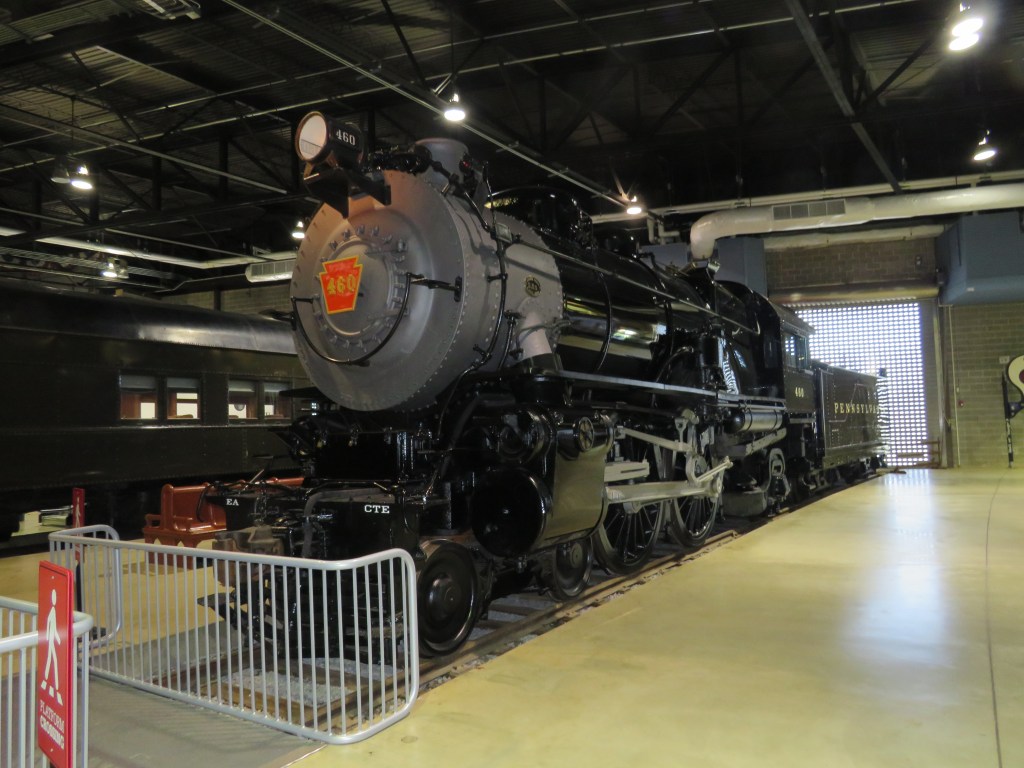
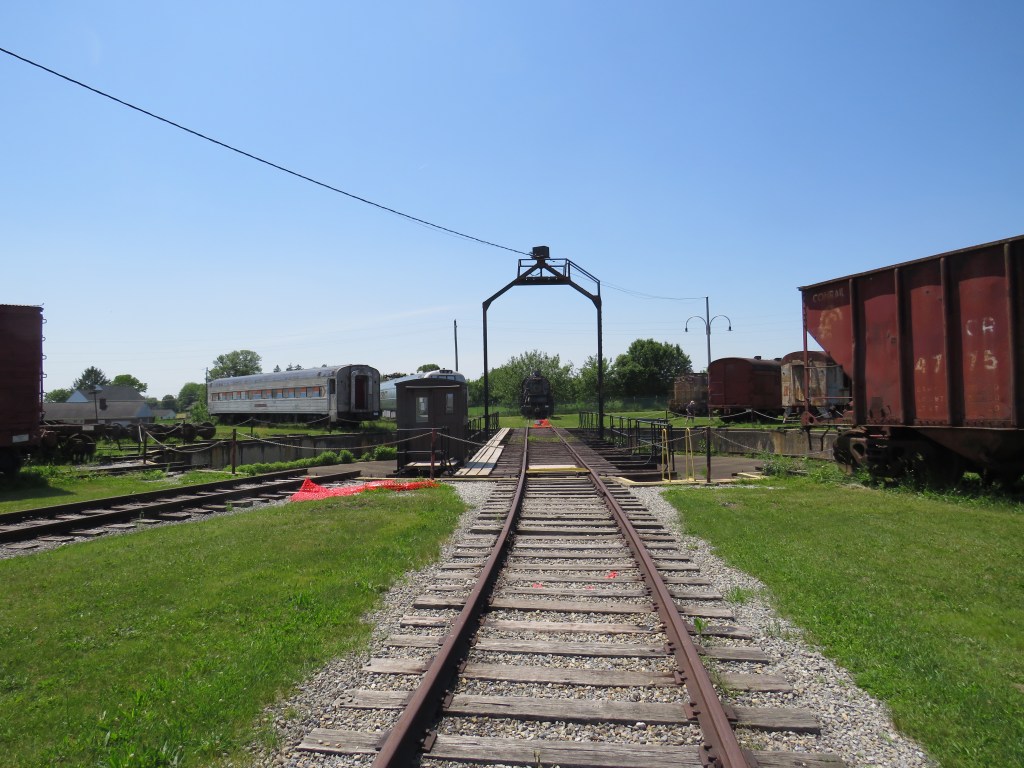
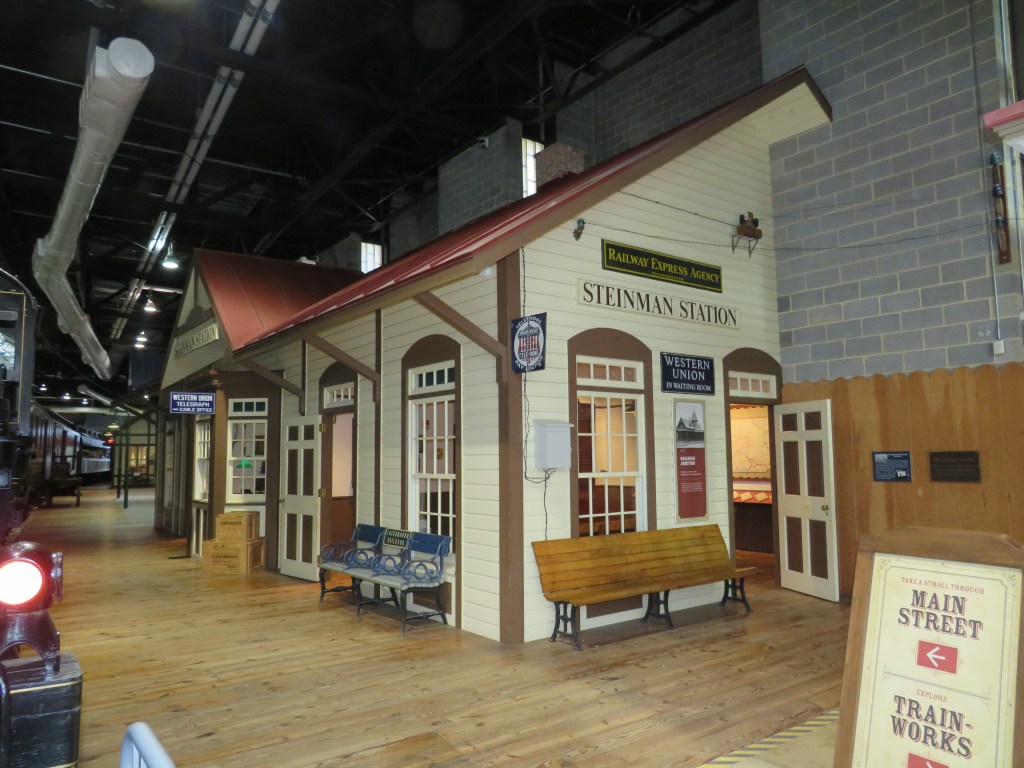
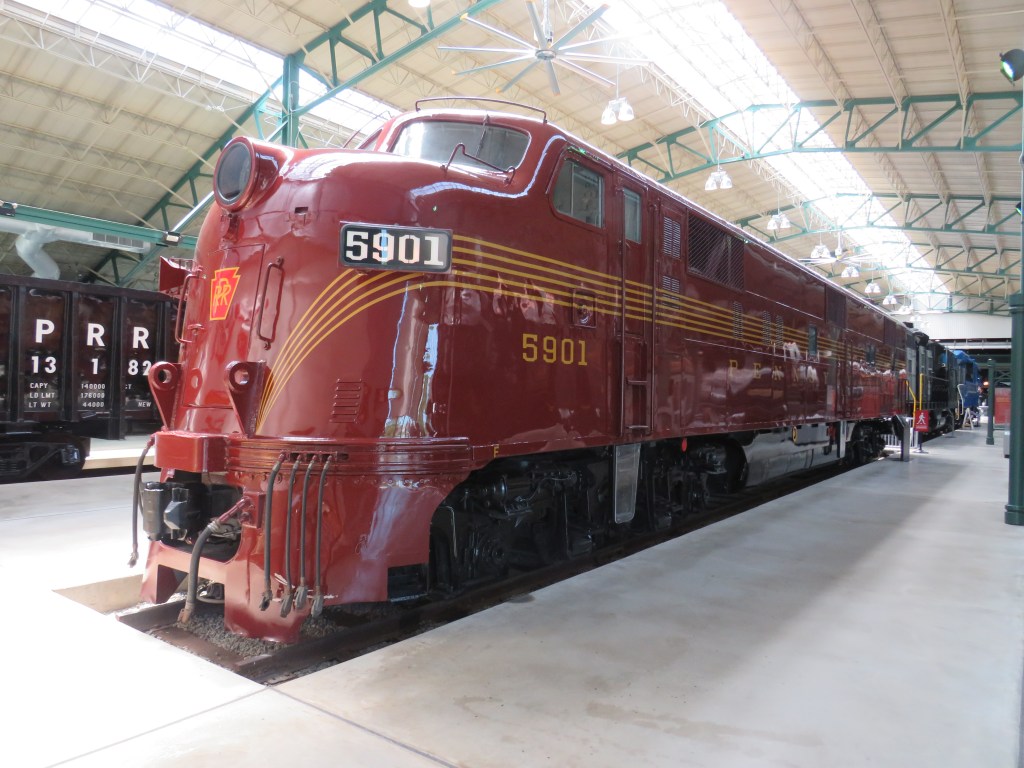
The Railroad Museum of Pennsylvania has one of the largest collections of locomotives, rail cars, and artifacts in the United States. You will notice this is before you approach the museum from the east or the south. The collection includes steam locomotives including the Lindbergh locomotive that raced a plane, electric locomotives, diesel locomotives to include the last E7 in the world, historic box cars, plus many others under one big climate controlled roof or outside where there is also an old turntable.
Among the huge collection you will also find model train displays, an honor roll, a kids play area, a train simulator, and a gift shop just to name a few. Be advised that when you come to this museum, you will need to give yourself plenty of time to see everything.
If that is not enough, the Strasburg Railroad, the oldest short line railroad in the United States, is across the street where there is plenty more to do.
The Railroad Museum of Pennsylvania is located in the Pennsylvania Dutch Country in the Lancaster suburb of Strasburg, Pennsylvania on Pennsylvania Route 741 (300 Gap Road) just east of Pennsylvania Route 896. It is open all year round. General admission is $10.00 for adults, $9.00 for seniors and $8.00 for children 3 to 11. (Rates many vary due to specific events.) Go to www.rrmuseumpa.org for more information on museum hours, to learn about the history of the museum, to read about their numerous restorations and to look up special events hosted by the museum. For the rail fan, this place will fail to disappoint you.
The railroad did not begin in the U.S. state of Pennsylvania, but the state has many great railroad sites. The state is also famous for its railroad towns. One of these towns is Strasburg, a suburb of Lancaster. The Strasburg Railroad is the oldest continuously operating standard gauge railroad in the western hemisphere, and this railroad has been giving railroad excursions through the Amish countryside for many years, and it is one of the most popular train rides in the entire world. As many enjoy the Strasburg Railroad, it overshadows another great attraction that is just one thousand feet away.
Welcome to the Choo Choo Barn. What is the Choo Choo Barn?
Some of you are saying, “Well, duh! It is a barn, but instead of housing farm animals, it houses choo choo’s.”
Well, you are partially right. It does not house full sized choo choo’s like the ones you see at the nearby Strasburg Railroad and Railroad Museum of Pennsylvania, but it is the home of a model train display.
Some of you are saying, “Yeah! I know. It is one of those model train displays where a model train goes around and around and around a small circle. It is just another boring model train display.”
If you enjoy boring model train displays, then you will be very disappointed when you visit the Choo Choo Barn. How great is the Choo Choo Barn?
You may have heard of Northlandz in the town of Flemington in the U.S. state of New Jersey, home of the largest model train display in the world, and you can still visit Northlandz today. Then you have places like Roadside America in Shartlesville, Pennsylvania and EnterTrainment Junction in the West Chester Township, a suburb of Cincinnati in the U.S. state of Ohio, two other large model train displays that are sadly defunct. All three of these train displays was the dream of one man.
How does the Choo Choo Barn compare? It began as a dad giving a gift to his son. It began in a basement of a house. Like many great train displays, it outgrew the basement. It was then relocated to an old maintenance barn, and the Choo Choo Barn came to be as it was opened to the public for millions to enjoy, and it remained under family ownership until 2023 by a man named Gary Russell.
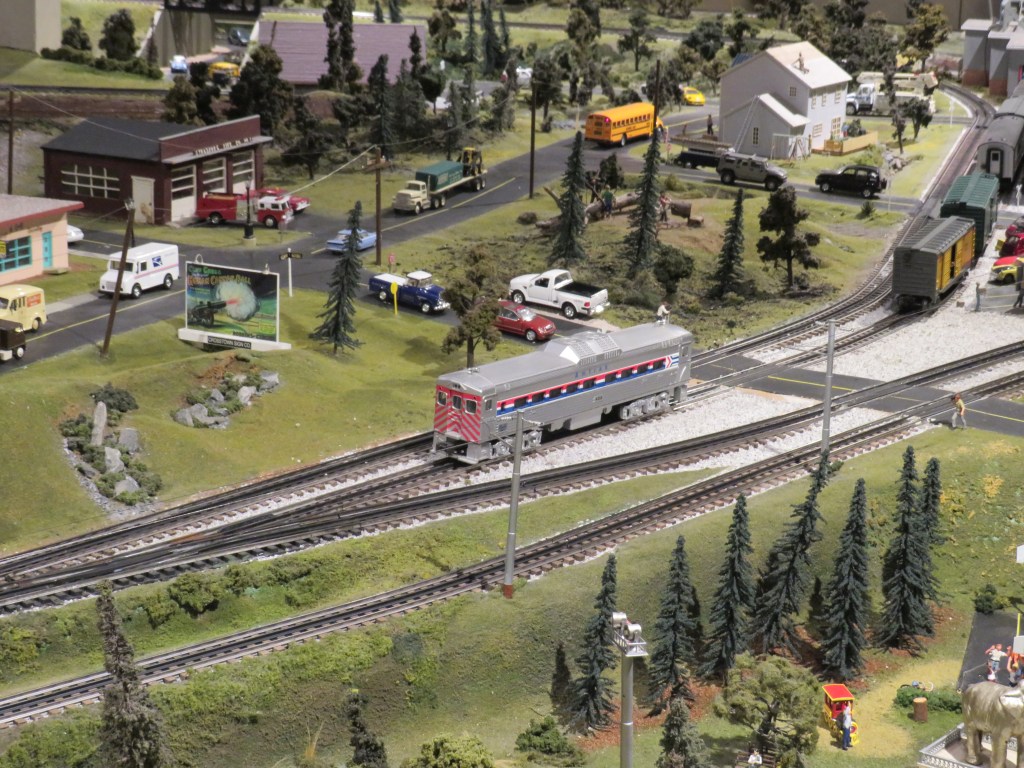
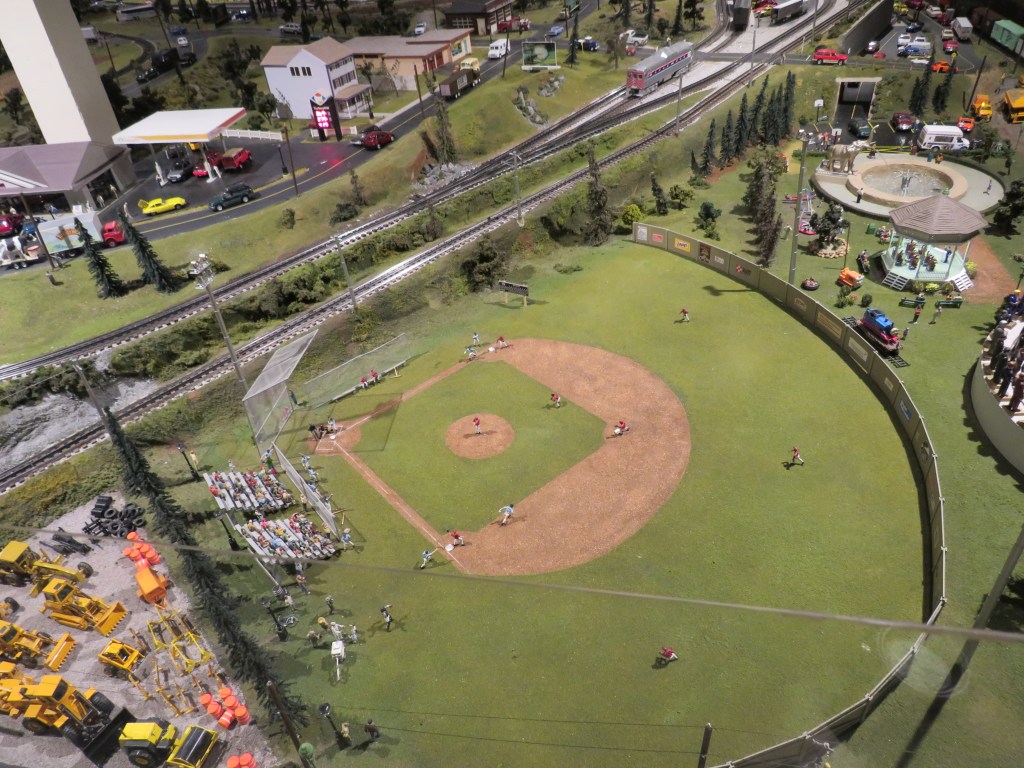
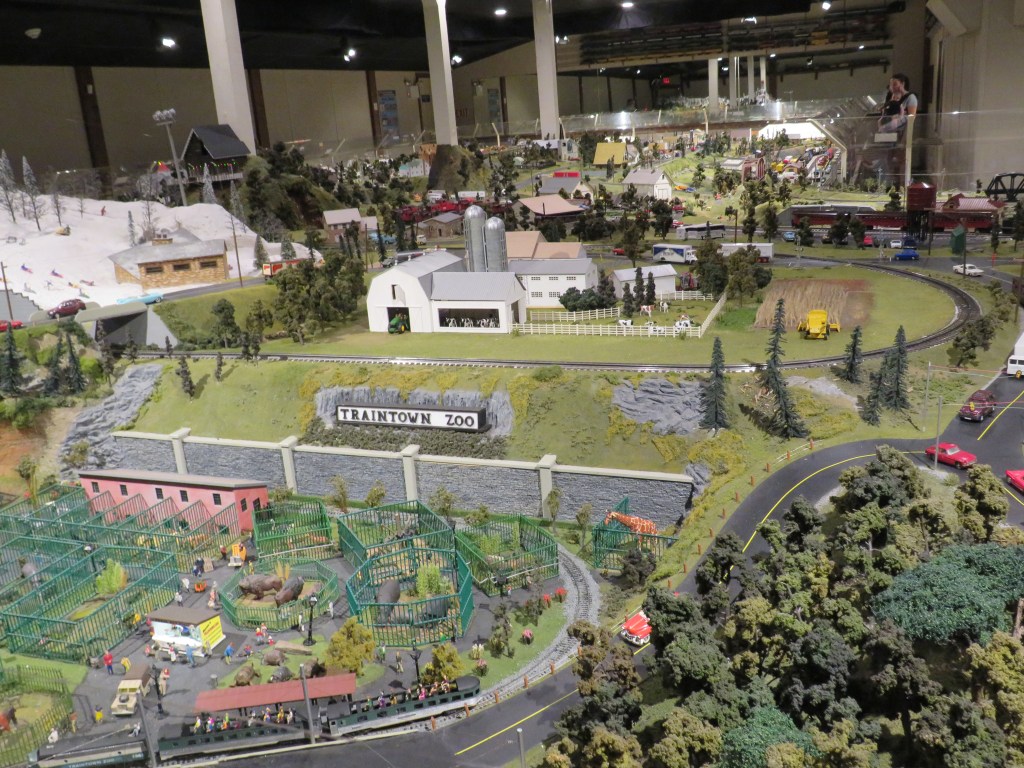
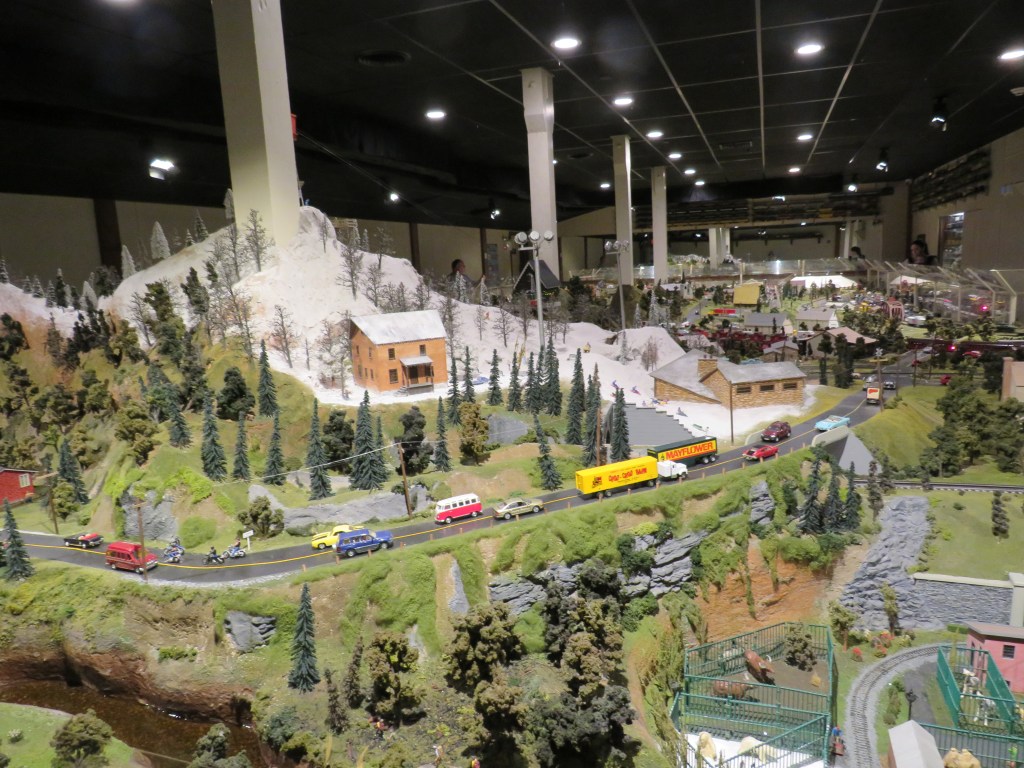
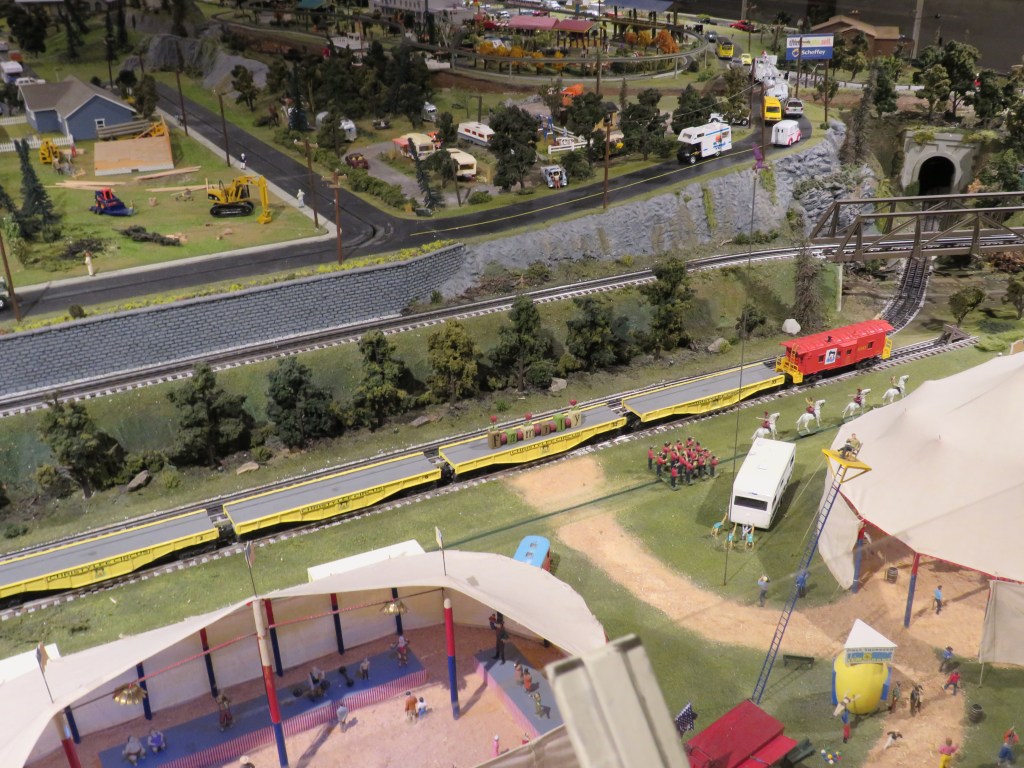
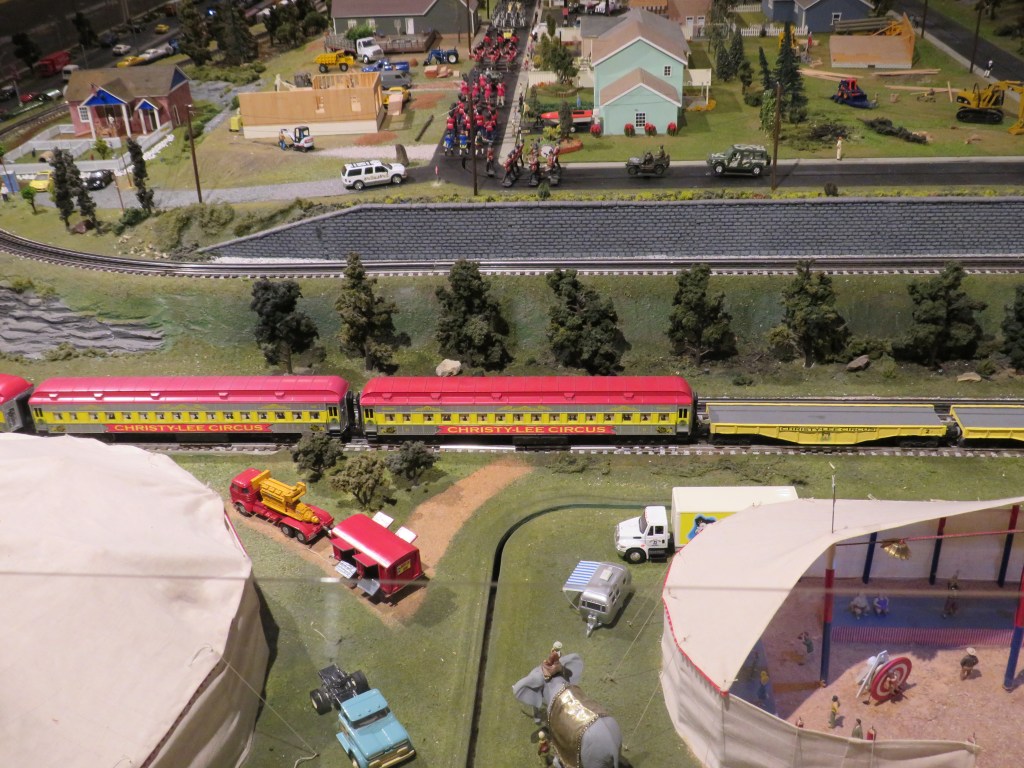
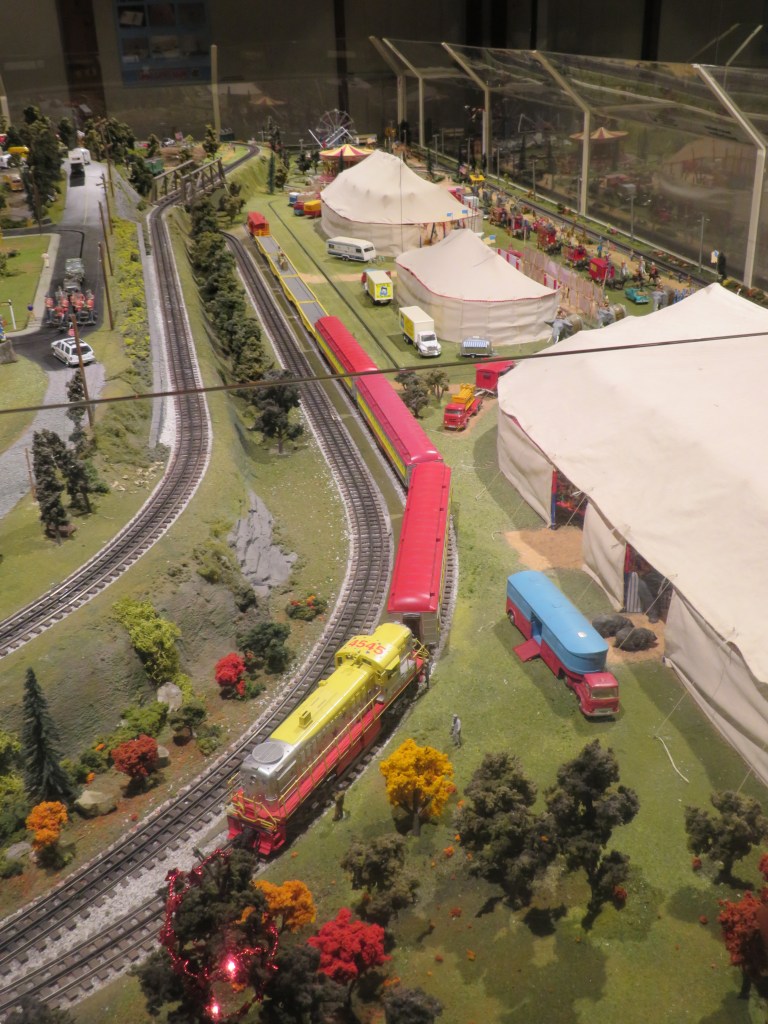
As you enter the room, you see the 1,700 square foot model train display before you. You see a big village with handmade structures. No kits were used in this display. You are mesmerized by the many trains as they go around and around and around. You see a construction crew doing road construction. You can take a peek at the zoo. You can go to the circus You can gaze at the waterfalls. Yes, it is real water going over the falls. As you tour the display, you might want to take in a baseball game.
Through the years, the Choo Choo Barn grew from being a model train display to a gift shop to a small shopping center with model train stores. It went from being the Choo Choo Barn to Choo Choo Barn: Traintown, U.S.A. They also have the Choo Choo Barn Foundation which is a non-profit foundation which acquired the Rocky Springs Carousel. They do have future plans of moving to a new location in the Strasburg area and expanding their attraction while trying to attract younger people to the joys of model railroading.
The Choo Choo Barn: Traintown, U.S.A. is located at 226 Gap Road (Pennsylvania Route 741) in Strasburg, Pennsylvania just a short distance from the Strasburg Railroad and the Railroad Museum of Pennsylvania. It is open every day (closed on certain holidays) from 10:00am to 5:00pm. It is suggested that you give yourself an hour to visit the model train display. It is all on one level making it easy for those in wheelchairs. Parking is on site. You can get information on admission and read more into the history of Choo Choo Barn at https://choochoobarn.com/.
The next time you are in Strasburg, Pennsylvania, ride the Strasburg Railroad. Tour the Railroad Museum of Pennsylvania. See the great model train display at the Choo Choo Barn. Oh, they do have animals. You will see the animals along with the many model trains.
Some of you are saying, “Well, duh! It was a railroad where people read books while riding the railroad.”
Ladies and gentlemen, that is not the correct answer.
Some of you are saying, “Oh! I see. It was a railroad that had the ability to read so they called it the Reading Railroad.”
Ladies and gentlemen, that is not the correct answer either.
What was the Reading Railroad? (In case you are wondering, it is pronounced red-ing as in the color red as opposed to reading as in reading a book.) It was originally called the Philadelphia and Reading Railroad Road running mainly along the Schuylkill River between the city of Philadelphia and the city of Reading in the U.S. state of Pennsylvania, and it was one of the earliest in the United States of America. It was later renamed the Reading Company but was commonly known as the Reading Railroad or the Reading Lines even though the headquarters remained in Philadelphia. The Reading Company served the eastern region of Pennsylvania connecting the coal mines to the ports in Philadelphia until they were overtaken by Conrail in 1976. Many of the surviving railroad lines are now owned by the Norfolk Southern Railway.
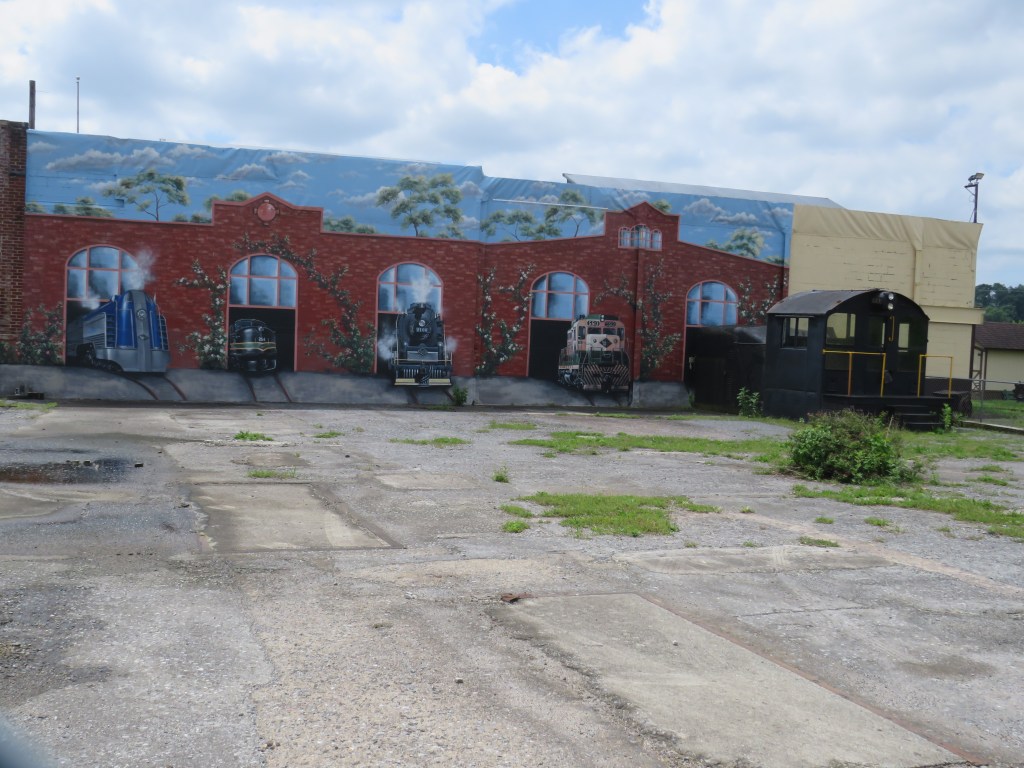
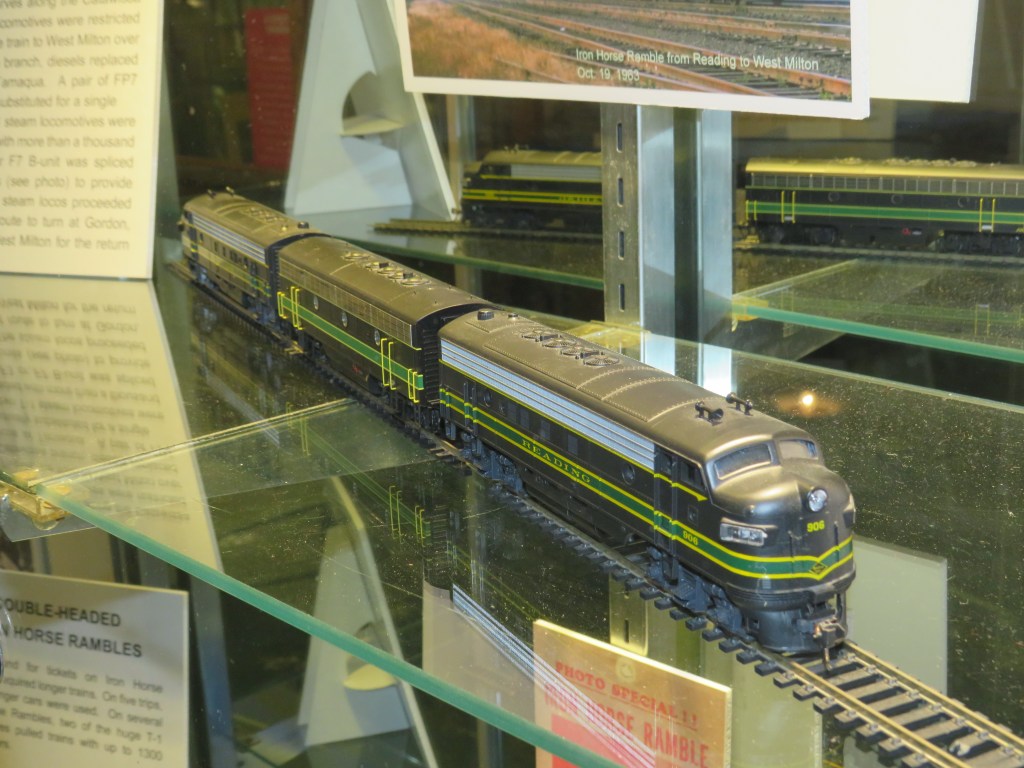
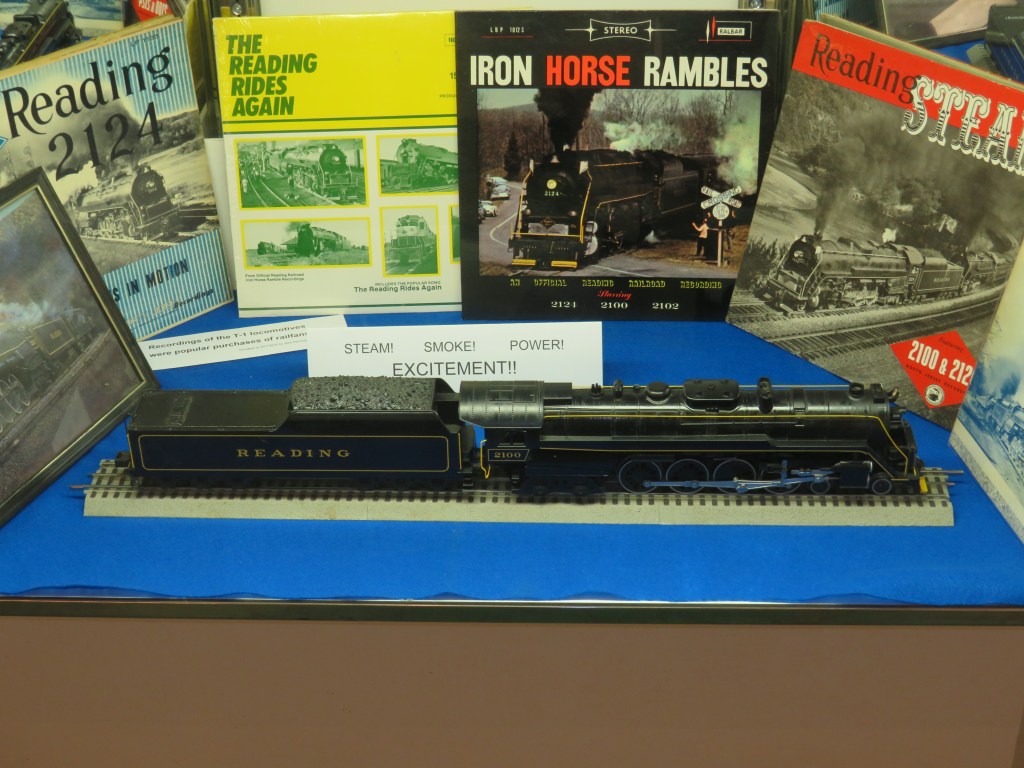
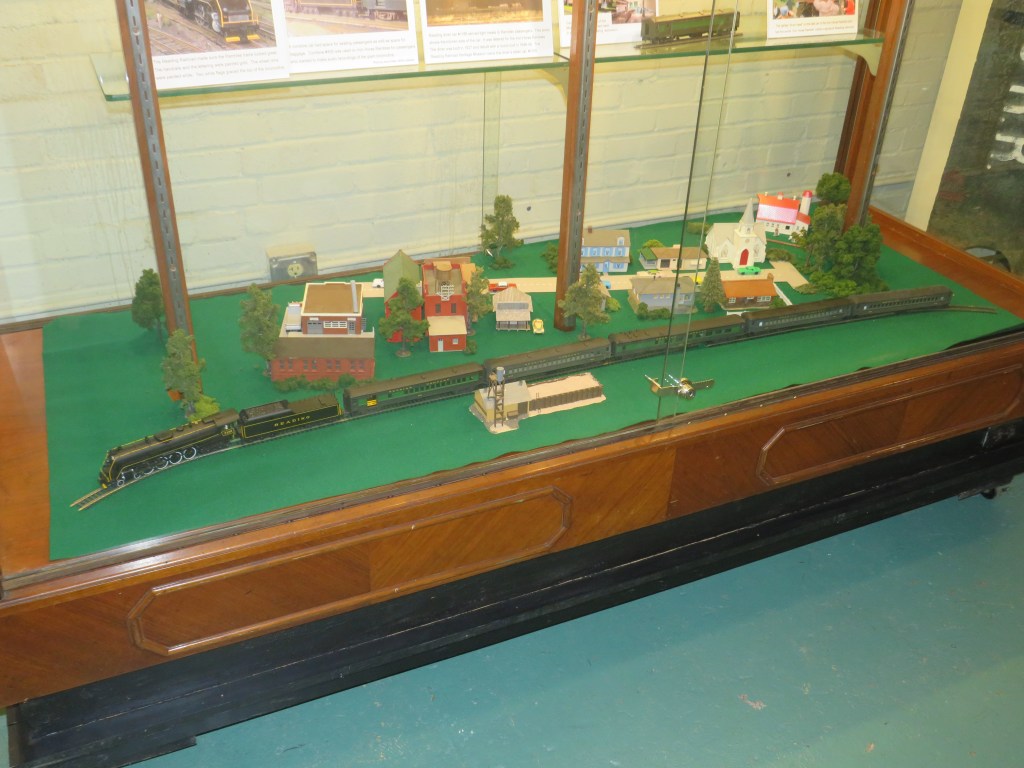
Ladies and gentlemen, welcome to the Reading Railroad Heritage Museum. The museum is completely dedicated to the Reading Company.
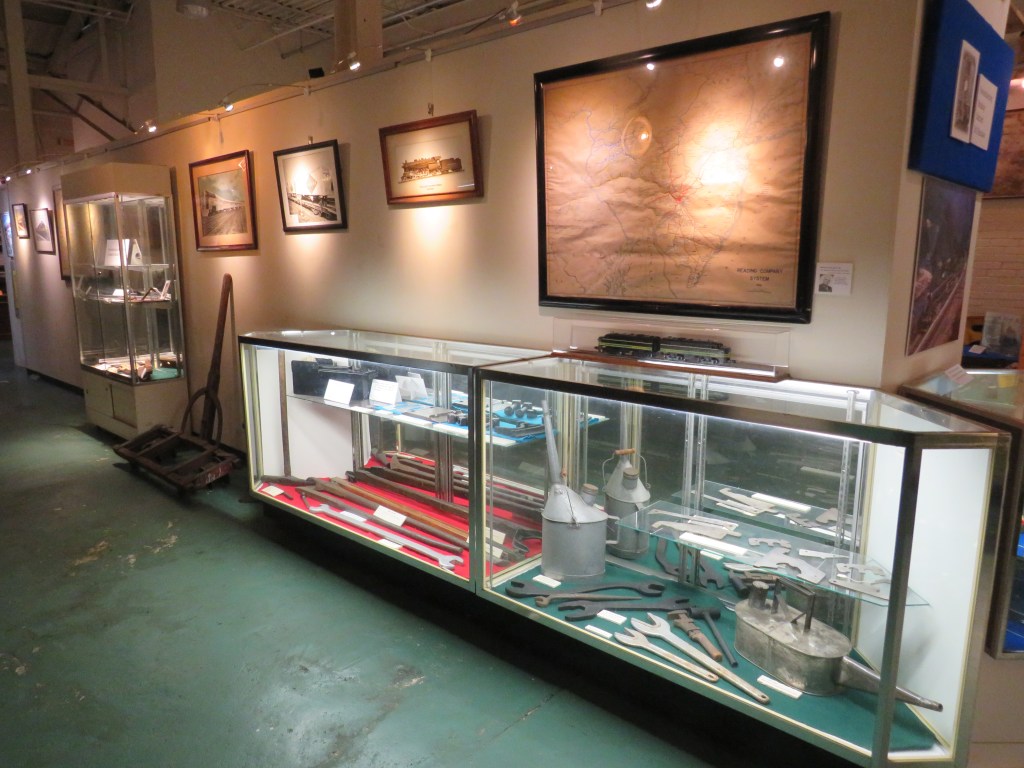
The journey begins at the entrance. The museum occupies a structure originally owned by the Pennsylvania Electric Steel Casting Company. You enter the gift shop and then the museum. You see models of trains. You see model train displays. You see a replica of a station master’s office. You see tools and artifacts used by the Reading Company.
Some of you are saying, “That is nice that they built a museum that remembers the Reading Railroad, but it would be nice to see some real trains.”
That is where we come to the best part of the museum. What is the best part?
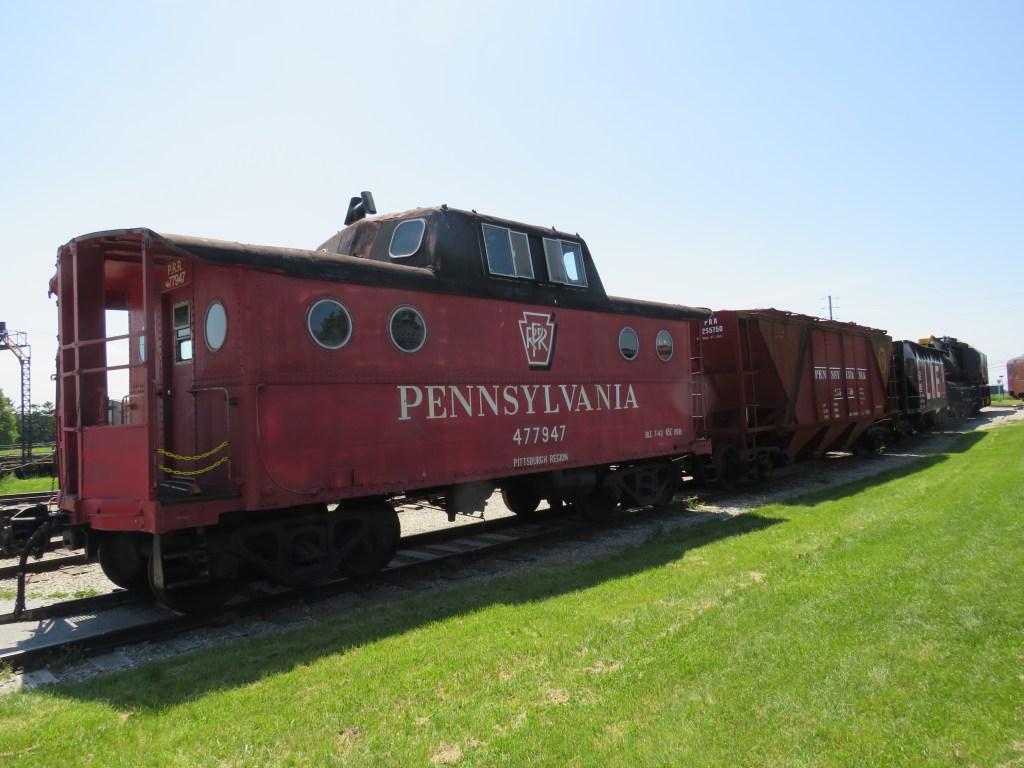
Welcome to the yard. This is a railroad yard made up mostly of railroad cars used on the Reading Railroad with a few exceptions. You have boxcars, passenger cars, locomotives, cabooses, and so much more. There is also a replica railroad tower.
The Reading Railroad Heritage Museum is located at 500 S. Third Street in Hamburg, Pennsylvania. It is a short drive from Interstate 78, U.S. Route 22, and Pennsylvania Route 61. The museum is only open from March to December on Saturdays from 10:00am to 4:00pm and Sundays from 12:00pm to 4:00pm. Admission required to enter the museum. Parking is street parking. The museum is self-guided, but only guided tours for the yard. The museum is wheelchair accessible, but the yard tour requires walking on terrain that is not paved and may be difficult for wheelchairs. You can get more information at https://www.readingrailroad.org/.
Come to the Reading Railroad Heritage Museum in Hamburg, Pennsylvania. Learn more about the Reading Railroad, a railroad worth reading about.
“It’s a beautiful day in this neighborhood, a beautiful day for a neighbor, would you be mine? Could you be mine? It’s a neighborly day in this beautywood, a neighborly day for a beauty. Would you be mine? Could you be mine? I have always wanted to have a neighbor just like you. I’ve always wanted to live in a neighborhood with you. So let’s make the most of this beautiful day, since we’re together, we might as well say, would you be mine? Could you be mine? Won’t you be my neighbor? Won’t you please, won’t you please, please won’t you be my neighbor?”
For the last three decades of the twentieth century, many people young, and old, turned on their television and heard a man commonly called Mister Rogers who was a star of a television program called Mister Rogers Neighborhood. The show began with a view of the neighborhood Mister Rogers lived in. In the next scene, Mister Rogers enters his home and sang the song. Although the show was targeted to young children, many adults became a fan of the show. Although the show aired its last episode in 2001 and he passed away in 2003, the legacy of Mister Rogers and Mister Rogers Neighborhood continues on to this day. In 2018, A Beautiful Day in the Neighborhood aired in theaters telling the story of the television series with Tom Hanks playing the role of Mister Rogers whose real name was Fred Rogers. Fred Rogers may be gone, but his legacy lives on.
Some of you are saying, “Wow! Mister Rogers must have been a great man to have been loved by so many. There is one problem. The show was about Mister Rogers and was a show for children. It was not a railroad show for railroad lovers. Therefore, I have no desire to be his neighbor.”
So, you do not want to be a neighbor of Mister Fred Rogers. Why? The reason is because you had never seen the Mister Rogers Neighborhood television show.
As mentioned, the show began with a view of the neighborhood. This neighborhood was designed after his hometown of Latrobe in the U.S. state of Pennsylvania, a suburb of Pittsburgh. What is special about Latrobe, Pennsylvania? It was a town designed by a civil engineer of the Pennsylvania Railroad who named the town after a college classmate, Benjamin Henry Latrobe II who was an engineer for the Baltimore and Ohio Railroad and the son of the man who happened to be the architect responsible for rebuilding the United States Capitol in Washington D.C. after it was burned down during the War of 1812. Latrobe was also the western terminus of the Ligonier Valley Railroad, a narrow gauge railroad that ran east of Latrobe to the town of Ligonier. There were also two trolley lines that operated in the town.
Some of you are saying, “It is nice that he came from a railroad town, but what does this have to do with the television show?”
As mentioned, again, the show began with a view of the neighborhood. One of the things that you saw was a trolley. Mister Rogers entered the house and sang the famous song. Along with Mister Rogers, the show had other characters. Part of the show took place in ‘The Neighborhood of Make-Believe’. How did he get to the Neighborhood of Make-Believe? One of the characters of the show was called ‘Trolley’.
Some of you are saying, “That is a strange name. Who in the world is ‘Trolley’?”
Oh! ‘Trolley’ was an actual trolley. Well, it was a model trolley that departed from Mister Rogers’ living room to the Neighborhood of Make-Believe. ‘Trolley’ was followed as it left Mister Rogers and along its route until it arrived in the Neighborhood of Make-Believe, a neighborhood that featured puppets.
Some of you are saying, “Wow! That is interesting. I bet he enjoyed riding around in his expensive cars and never rode a train.”
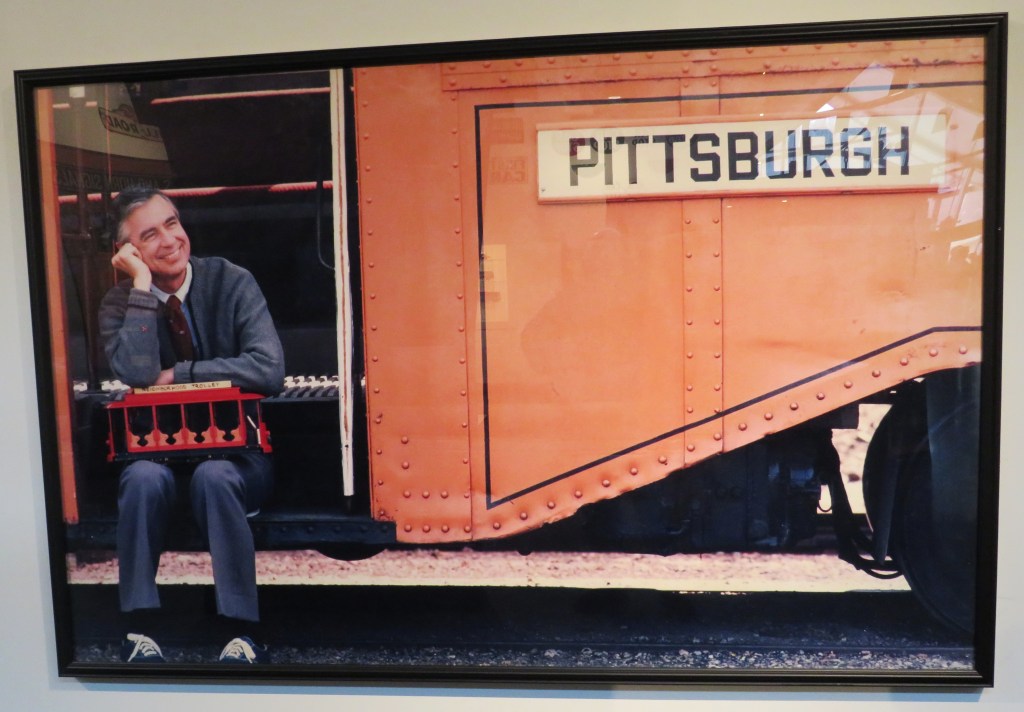
Well, you are wrong again. While he was living in New York City, New York during the filming of the television show, Fred Rogers rode around New York City on the subway. No. He did not have his own private subway car. Fred Rogers enjoyed being around people, and a ride on the subway allowed his to mingle with the regular common people. He was also a big fan of trolleys. A famous photo of Fred Rogers is a photo of him sitting on the steps of a trolley.
Some of you are saying, “That is very nice. Too bad that the trolley is now scrapped.”
Sadly, you are wrong again. The trolley, Trolley Number 3756, can be seen at the Pennsylvania Trolley Museum in Washington, Pennsylvania, like Latrobe, a suburb of Pittsburgh.
Some of you are saying, “Whew! It got spared. I am glad that they saved it. Why the Pennsylvania Trolley Museum?”
Why the Pennsylvania Trolley Museum? In honor of Fred Rogers, whose home is in the Pittsburgh Metropolis, the Pennsylvania Trolley Museum, also in the Pittsburgh Metropolis, was the perfect home for the trolley, but there is more to the story. The photo of Fred Rogers sitting on the trolley steps holding a replica of ‘Trolley’ was taken on October 3, 1983, at the Pennsylvania Trolley Museum by a museum volunteer. Fred Rogers was visiting the museum to film an episode of the television show. While he was visiting, Fred Rogers operated at trolley with help from a volunteer. Today, you can visit Trolley 3756, and you can replicate the photo of yourself. The replica trolley used in the photo can be seen inside a glass encasement inside the Visitor Center.
Now that you know that Fred Rogers is a trolley fan, you might want to move to his neighborhood. You will probably enjoy being his neighbor.
The town of Chambersburg in the U.S. state of Pennsylvania was a town that was established and named after Benjamin Chambers. The town has man historic sites and has a history that is older than the United States of America. Even though a railroad line passes through the town today and there were railroad structures in the town, the town has no real history with the railroad and was never a railroad town. As you walk through the downtown area, the one thing you will see is the Cumberland Valley Rail Trail.
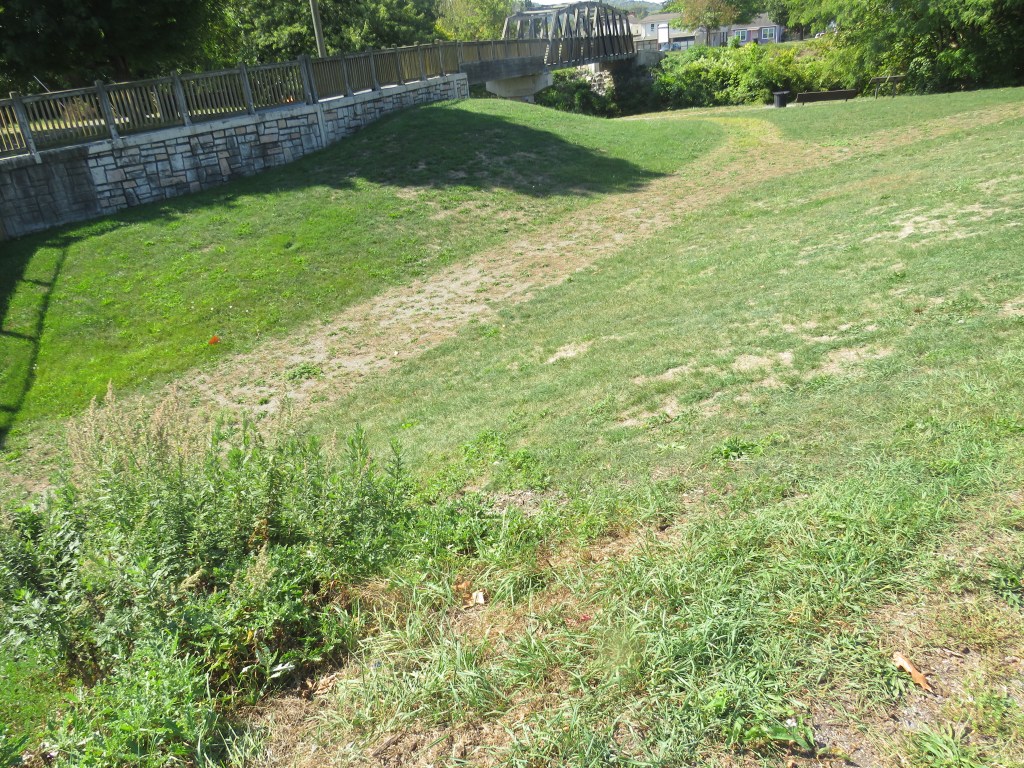
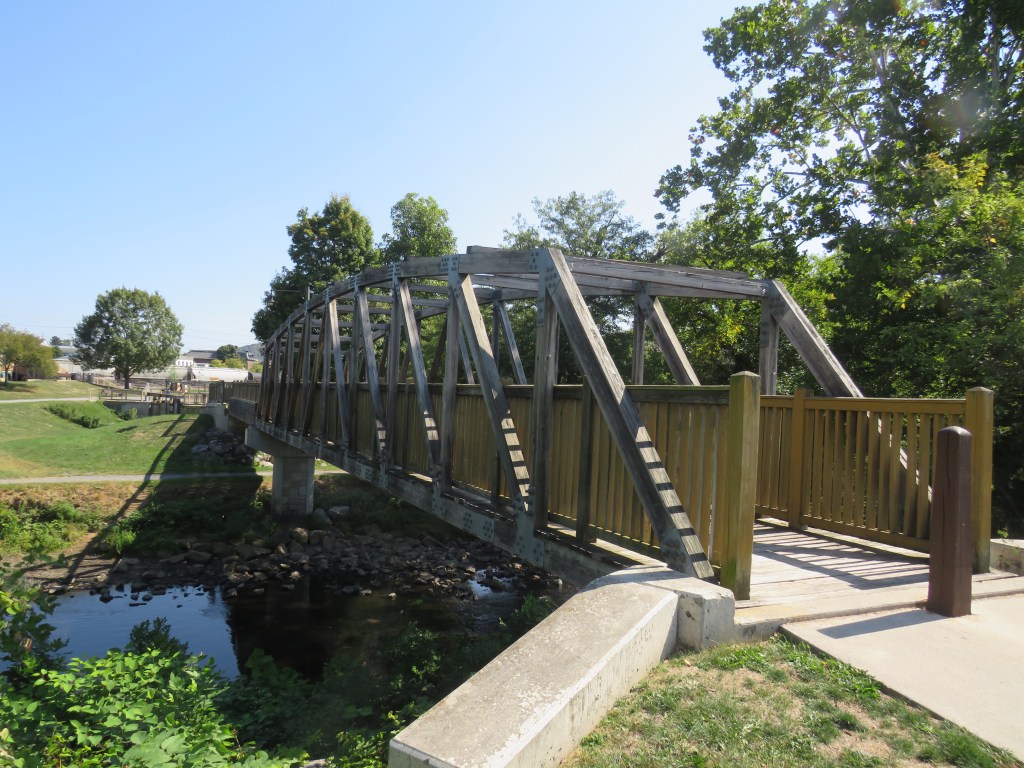
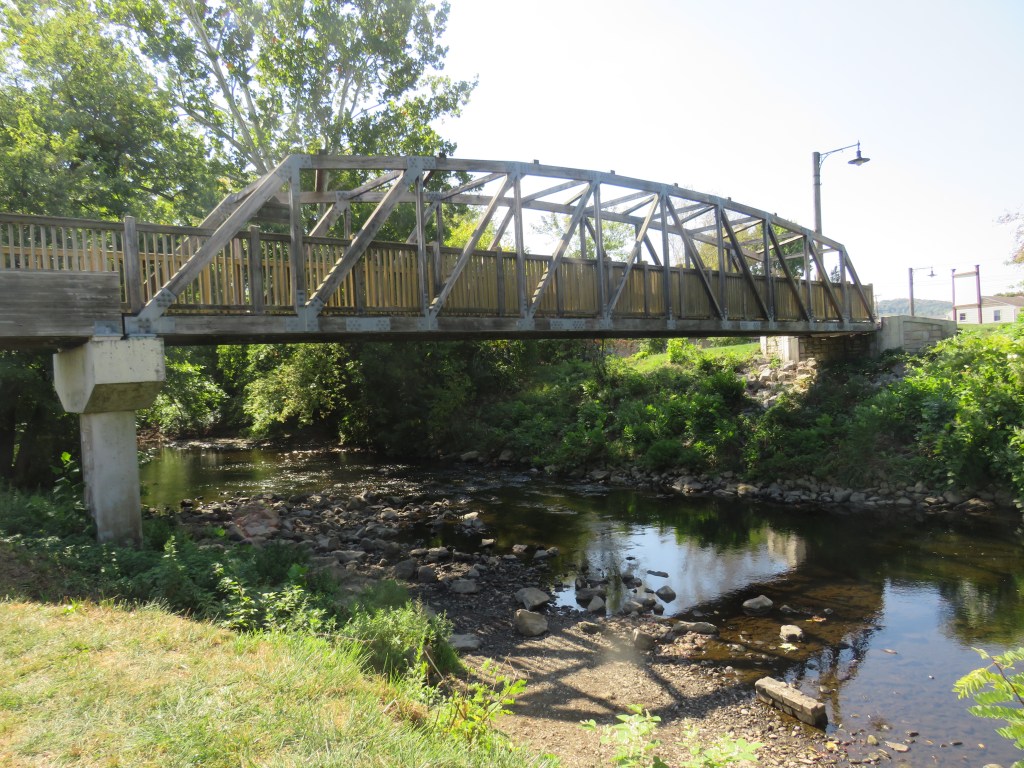
What is the Cumberland Valley Rail Trail? It is a trail under two miles that runs through the heart of the town of Chambersburg. It was built on the railroad bed of the Cumberland Valley Railroad which ran through much of the south central part of Pennsylvania and into the U.S. state of Maryland connecting Chambersburg with the rest of the nation. The main line, owned by the Norfolk Southern Railway today, continues to serve the town. The rail trail parallels the Conococheague Creek and is next to the Fort Chambers Park.
The Cumberland Valley Rail Trail in Chambersburg, Pennsylvania is located on the west side of downtown and U.S. Route 11 crossing U.S. Route 30. It is completely paved making it easy for those in wheelchairs. Only street parking is available. It is mainly flat, and it is accessible from sunrise to sunset.
Chambersburg, Pennsylvania may not be a famous railroad town, but it does preserve a piece of railroad history for hikers, bikers, walkers, and many people for many years to come.