

The U.S. state of Kentucky is a state known as the Bluegrass State. Many people know about Kentucky Fried Chicken which was started by a man named Harland Sanders, commonly known as Colonel Sanders, even though he started in a restaurant in the state, the first Kentucky Fried Chicken was opened in Salt Lake City, Utah. The state is known for its horses, and it has the continuously running sporting event in the world, the Kentucky Derby in Louisville, which is a horse race that is the first race of the Triple Crown. The state is known for its bourbon, of which there are plenty of bourbon distilleries in the state mainly around the Frankfort and Lexington areas. You may have heard of My Old Kentucky Home. It is a real house in Bardstown. In the city of Bowling Green, you will find the National Corvette Hall of Fame. Along with Churchill Downs where the Kentucky Derby is run, the city of Louisville is known for the Louisville Slugger bat factory where many baseball bats are made and sold, and you can tour the factory and buy a bat of your own. You have Mammoth Cave, the largest known cave system in the world. Very few people think of the railroads in Kentucky as there of plenty of great railroad sites in the state.

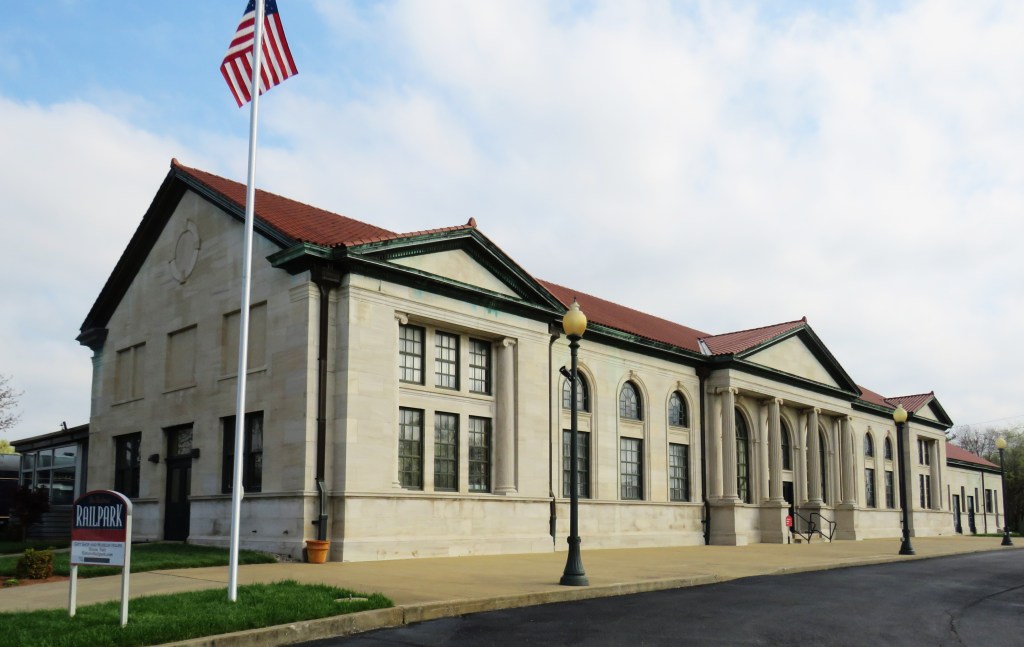
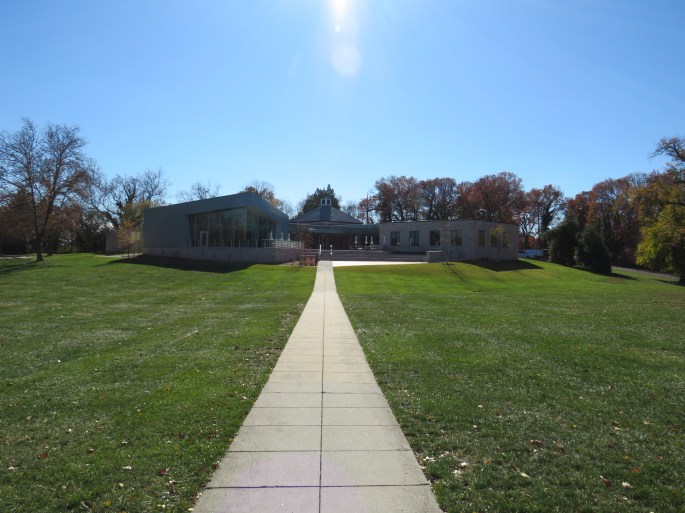
Welcome to the Historic Railpark in Bowling Green, Kentucky. As you arrive, you will notice that it looks like an old train station. Well, that is because before it was a museum, it was a train station. The Louisville and Nashville Railroad built the train station in 1925, and twenty trains served the station each day. As passenger train service decline, some smaller cities like Bowling Green, Kentucky were no longer served by the passenger train.

Fortunately, the Louisville and Nashville Railroad Depot was not demolished like many other train depots, and it eventually became the home of the Historic Railpark and Museum.

Some of you are saying, “That is nice that the train station was spared and made into a museum. Too bad that there is not much to see here.”
Ladies and Gentlemen, if you only enjoy museums that do not have much to offer, then the Historic Railpark and Museum is not for you. What is special about the Historic Railpark and Museum?
As mentioned, you will first notice that it was a train station. This is just the beginning. Yes. It is just the beginning.

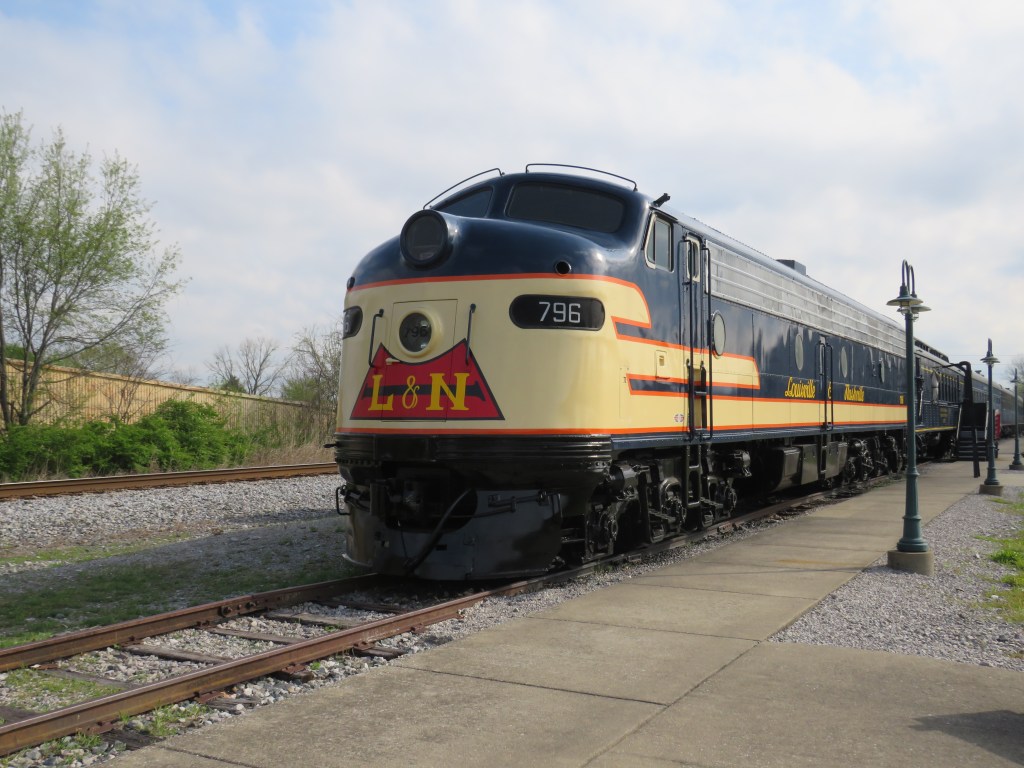
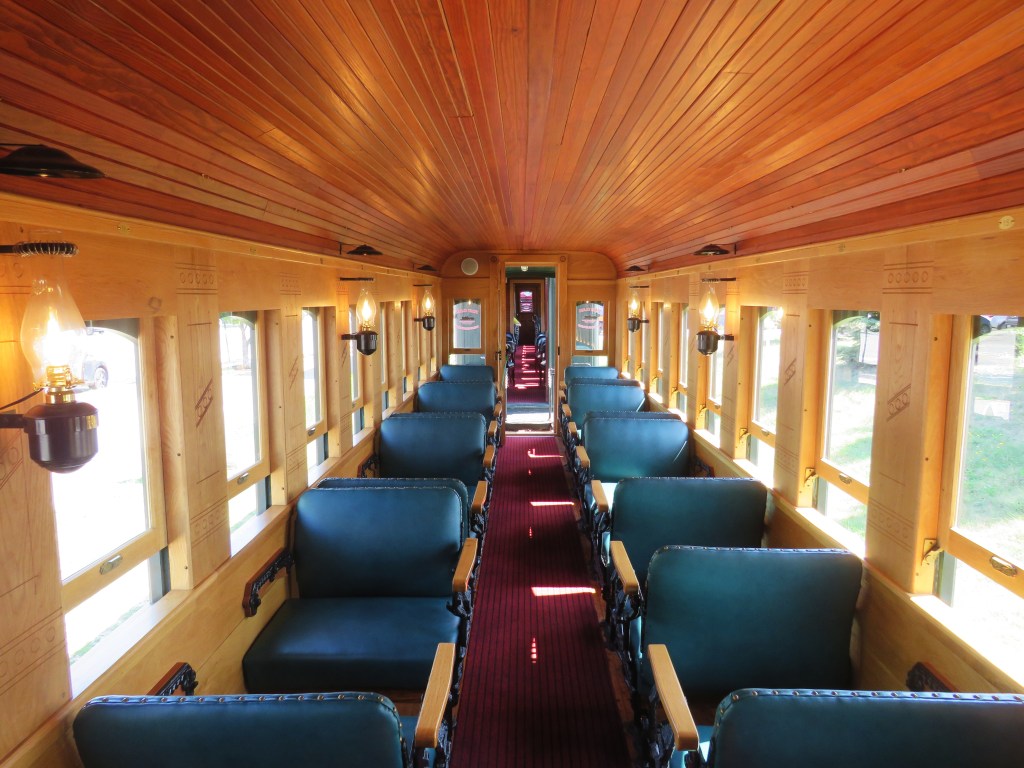
Behind the old train station, you will see a train. No. It is not a little model train. It is a full size train. Located at the original boarding platform, you will see Louisville and Nashville Railroad Locomotive Number 796. Behind it is Railway Post Office Car Number 1107 also from the Louisville and Nashville Railroad. It is followed by the Duncan Hines Dining Car, the Towering Pine Sleeping Car, and the Presidential Parlor Car. Yes, you can take a guided tour of this train, but two other cars that are not open to the public is a caboose and one of the few hospital cars on display. If you are fortunate enough, CSX may treat you with a passing freight train which runs on the same tracks that the Louisville and Nashville Railroad used as the served the station.
If you think that you have seen everything, let us say that you have not seen much yet. It is now time to go inside.

As you enter the old train station from the old boarding platform, you enter the gift shop.

Some of you are saying, “What are they trying to do? Are they trying to get us to buy things before we tour the museum?”

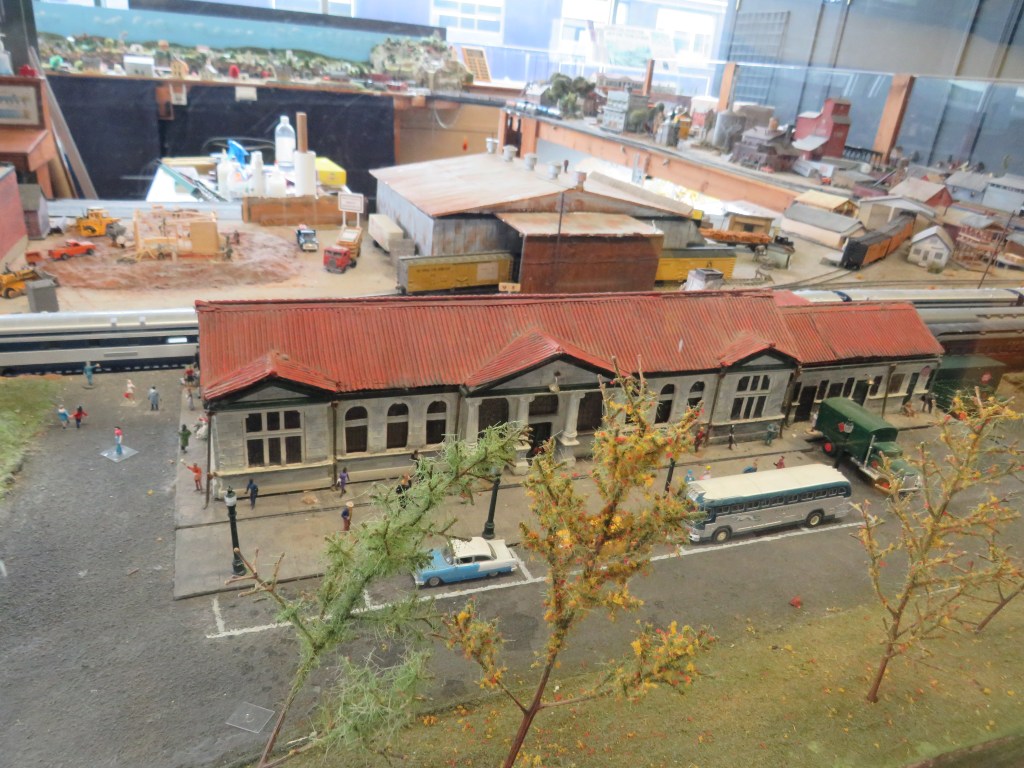
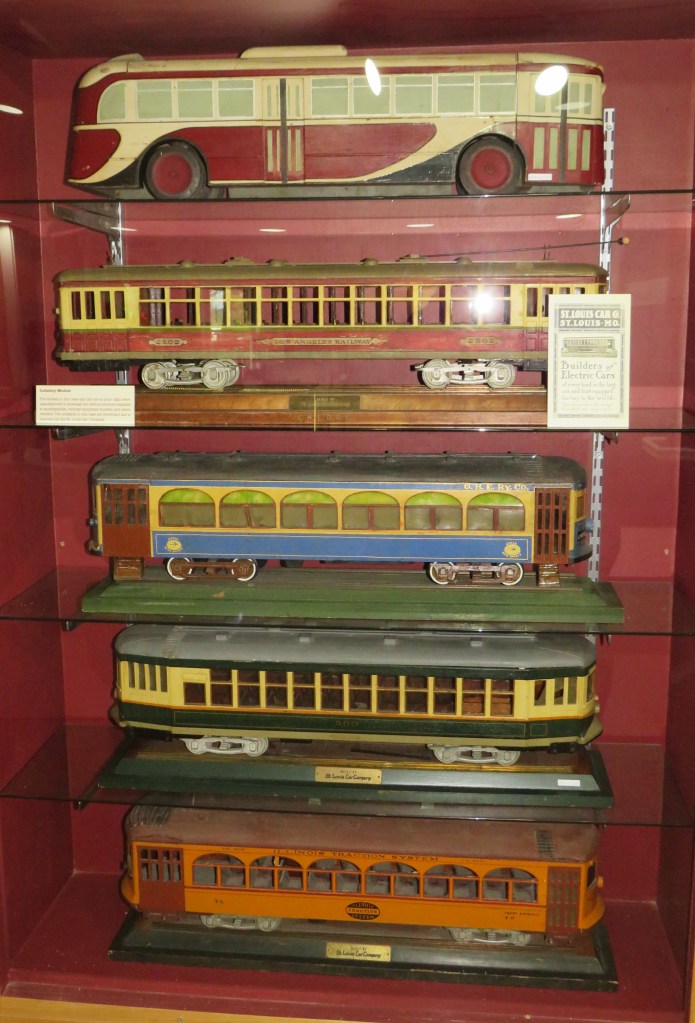
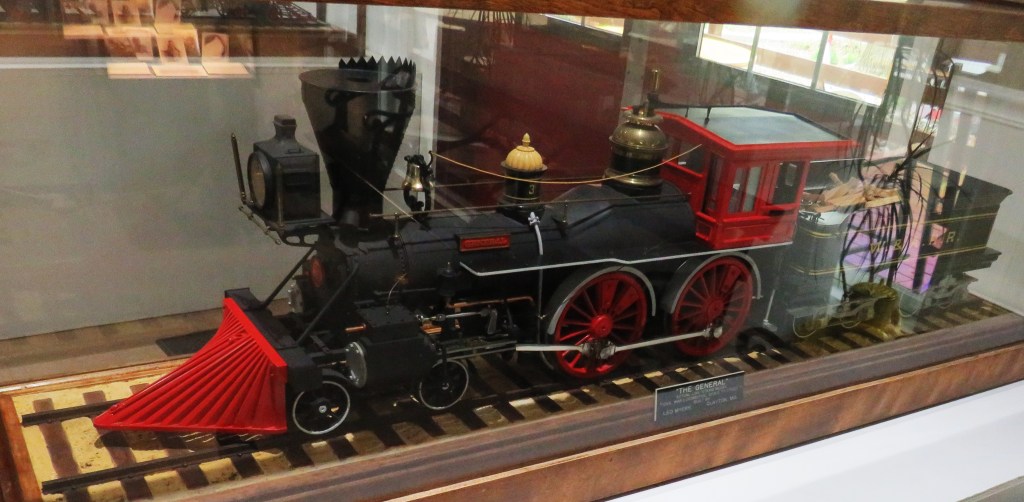
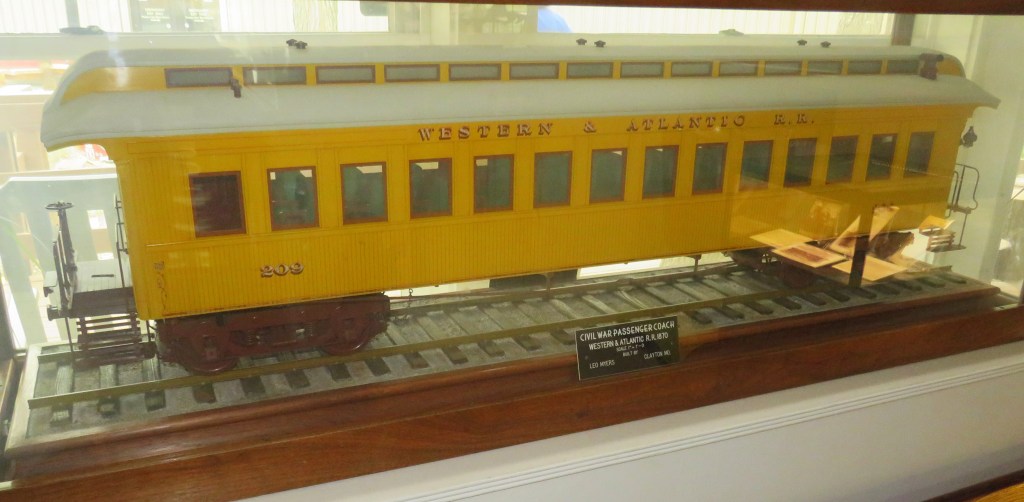
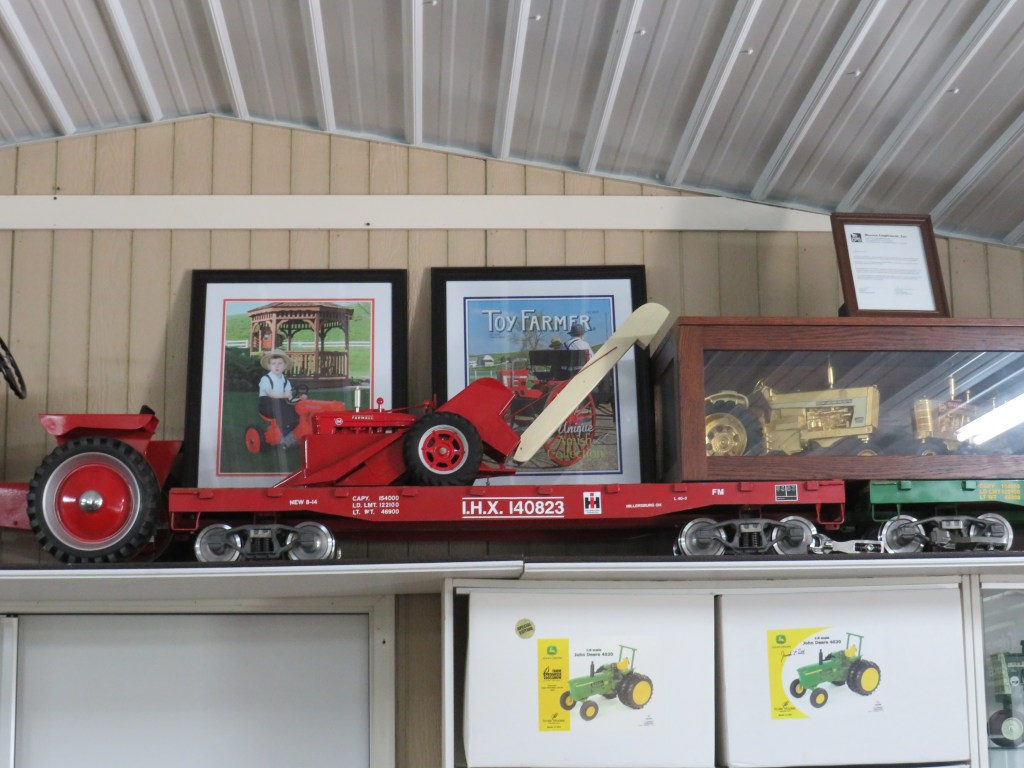
It is designed where you enter the gift shop to pay your admission. The next thing you see the model trains. Yes, there are a few model trains here.

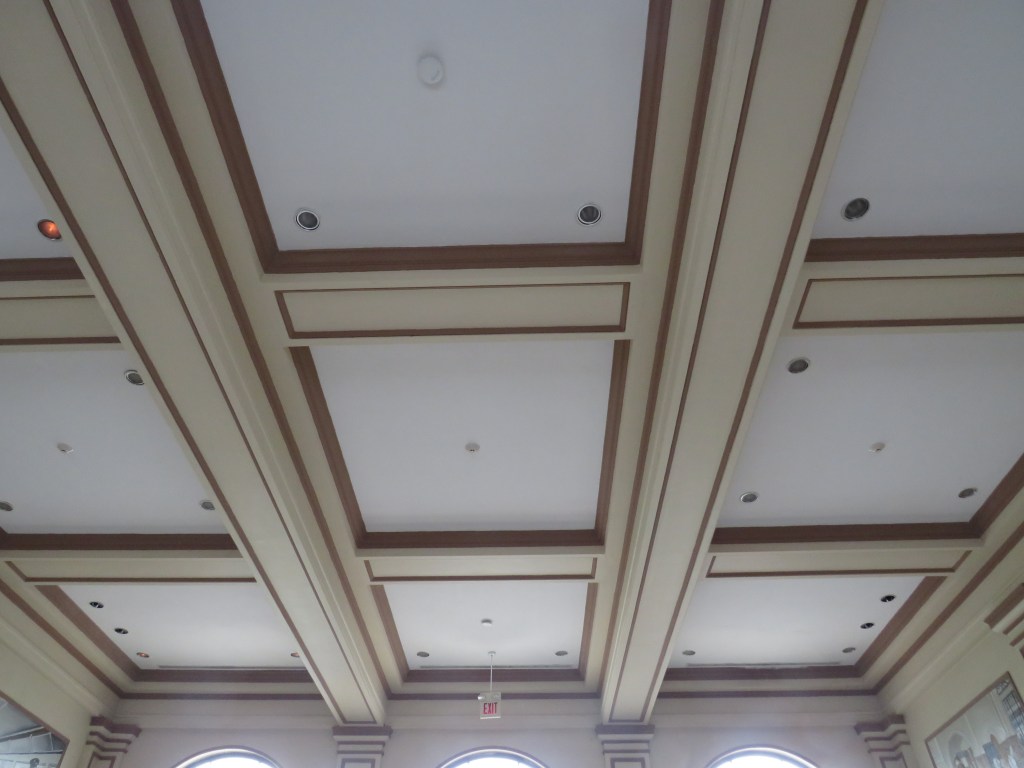
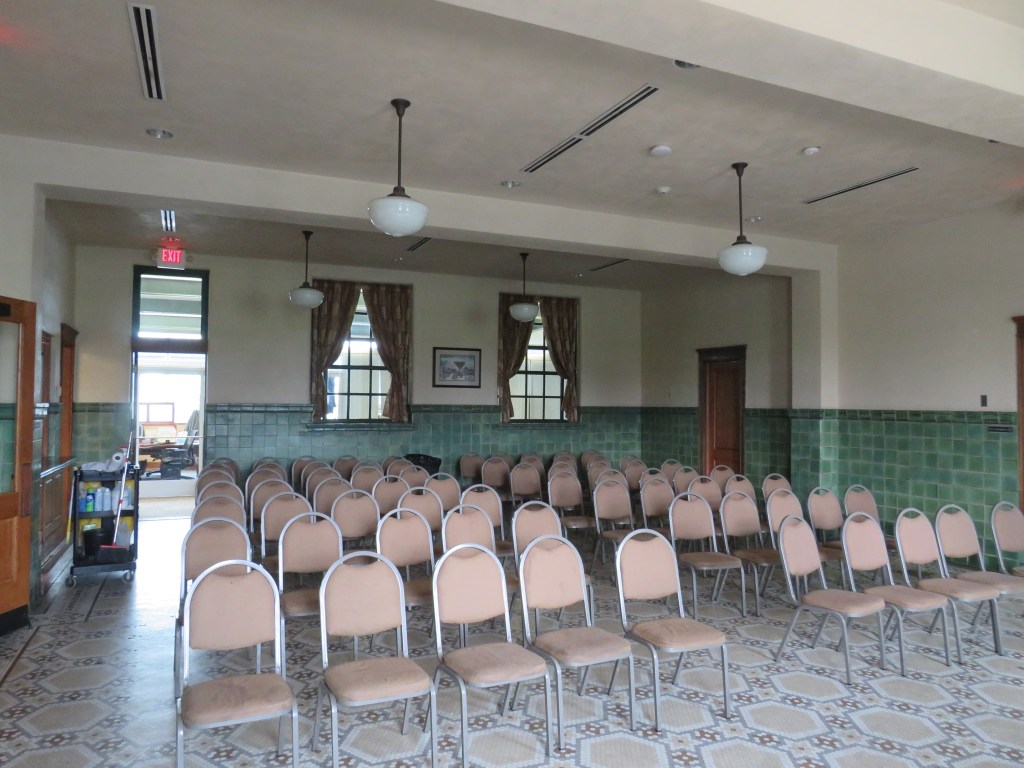
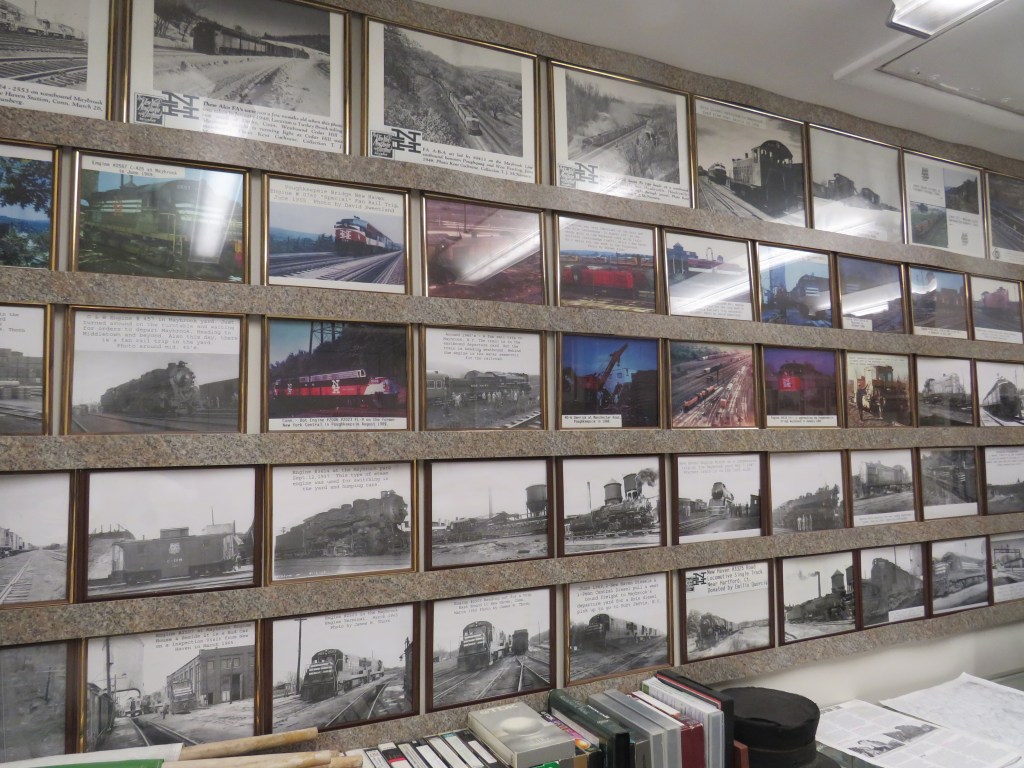
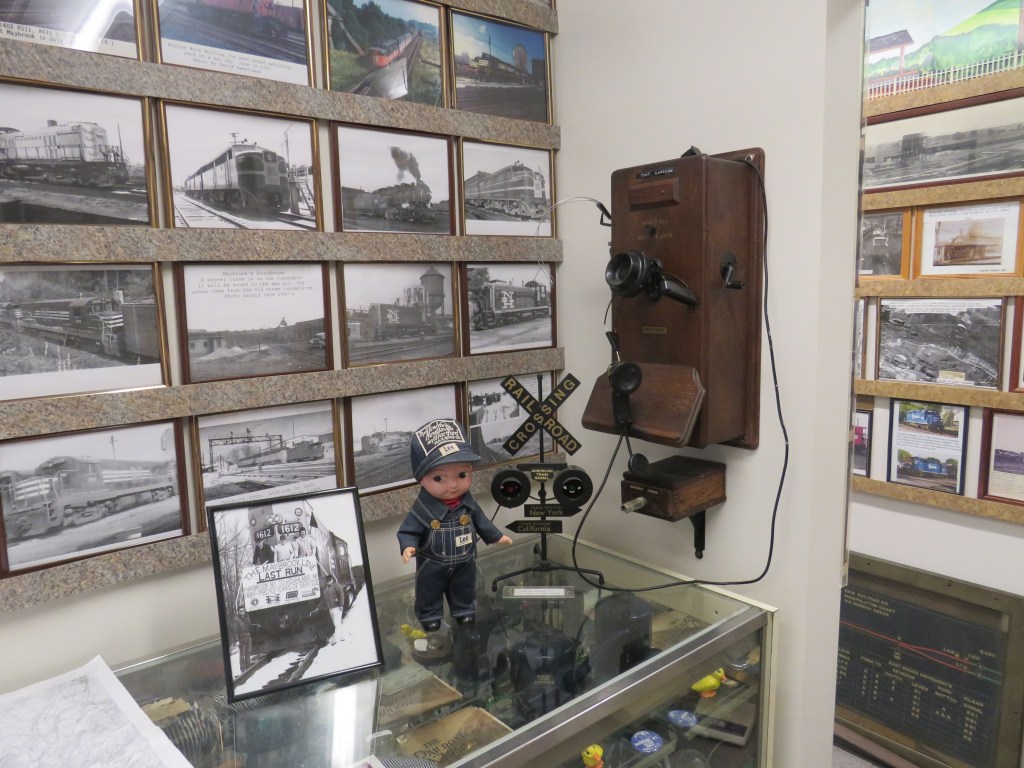
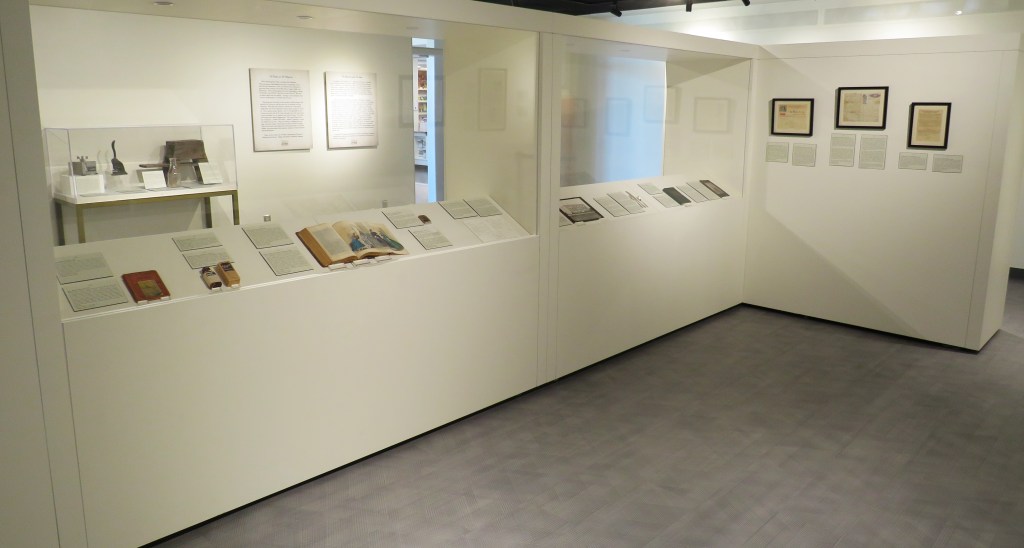
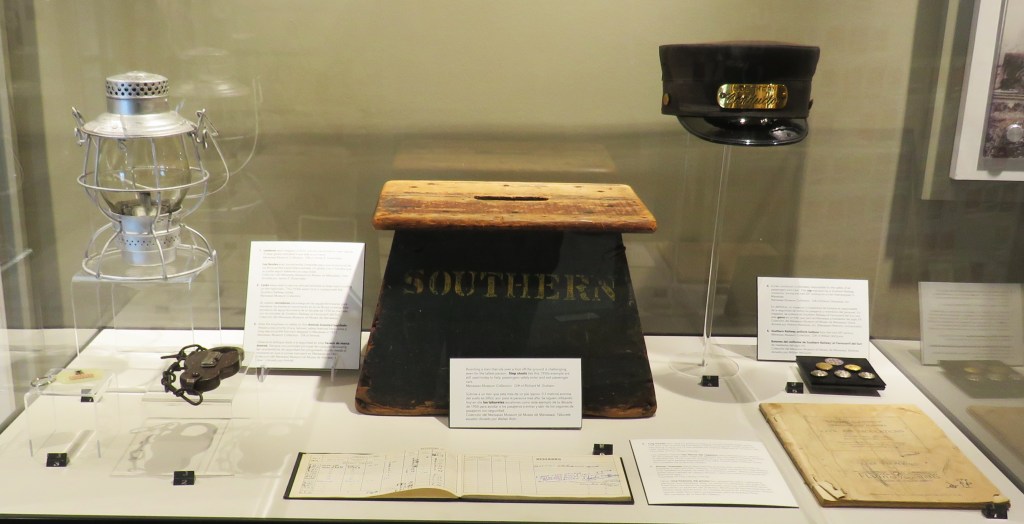
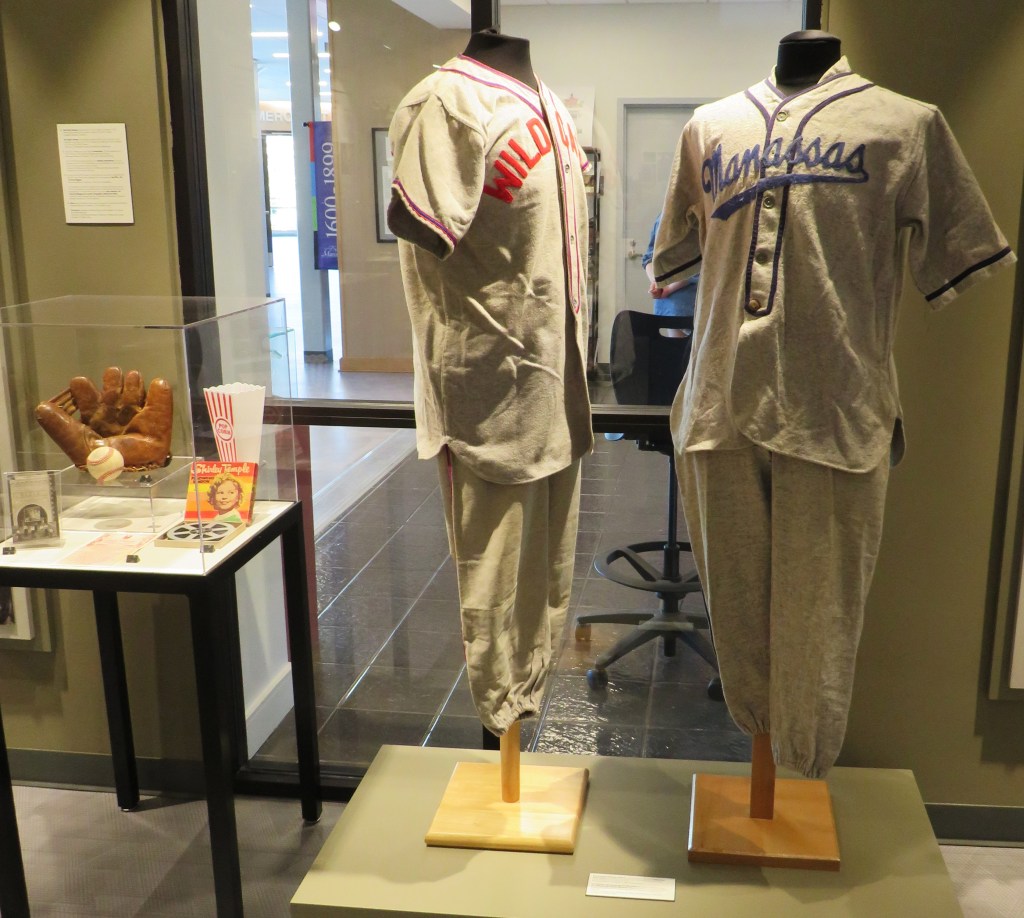
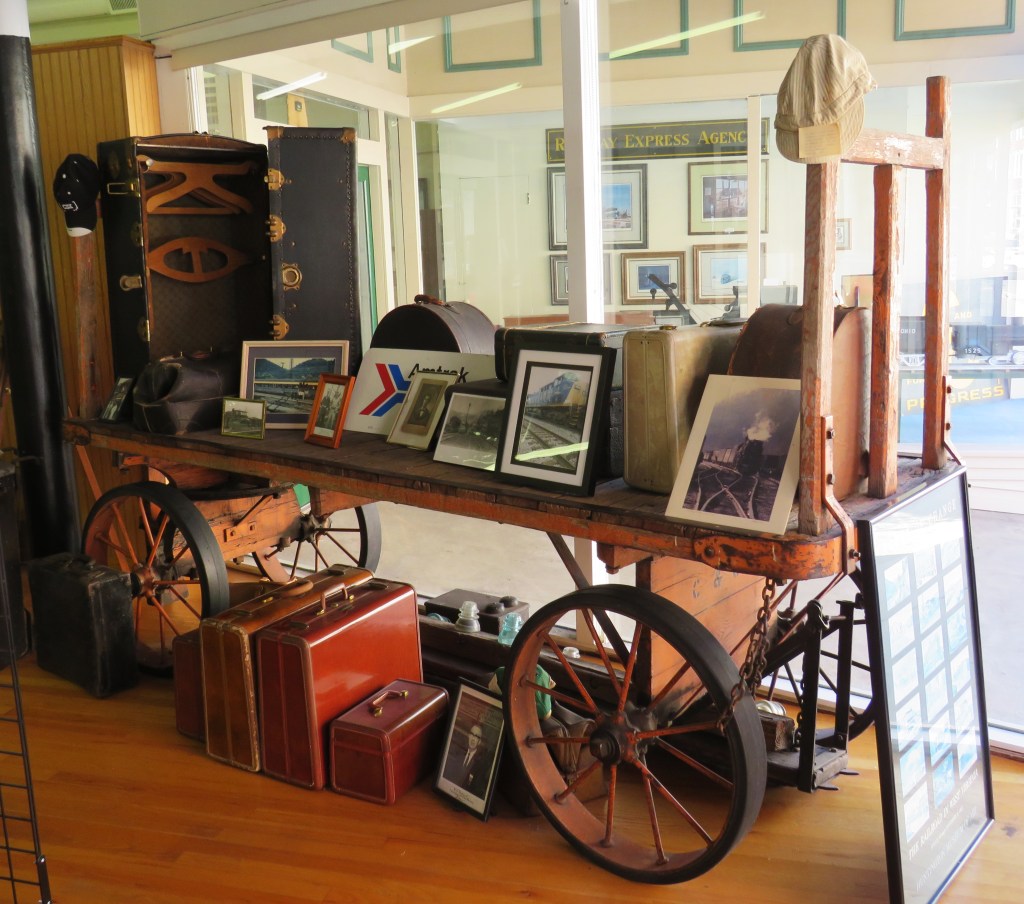
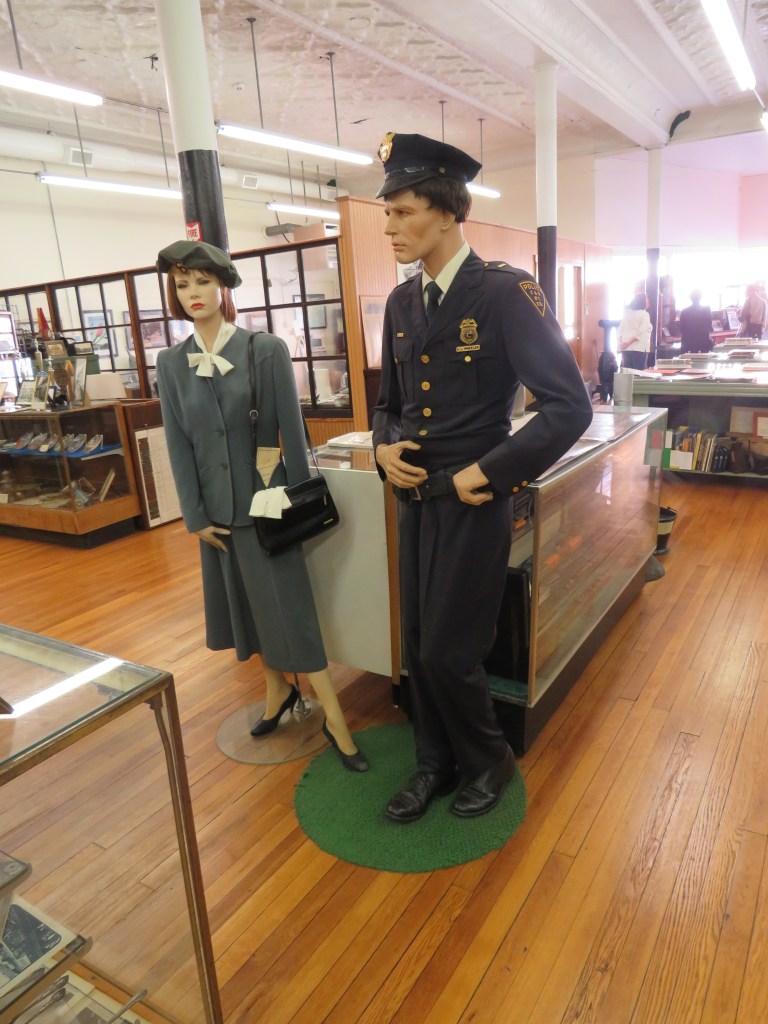
The waiting rooms, the main hall, and the upstairs are filled with rotating exhibits. As you look at the ceiling and the walls, you will think that you are in a grand train station and not a museum.

The Historic Railpark and Museum is a great Kentucky treasure. It is a place when railroad history continues to stand still.

The Historic Railpark and Museum is located at 401 Kentucky Street (U.S. Route 68) in Bowling Green, Kentucky. The museum is open year round, but the hours and days vary throughout the year. Parking is on site. Although the museum is wheelchair accessible, the train is not. You can read more into the history of the museum, the old train station, how you can help out or donate with the restoration of some of their railroad cars, get information on admission, and get directions at https://www.historicrailpark.com/.
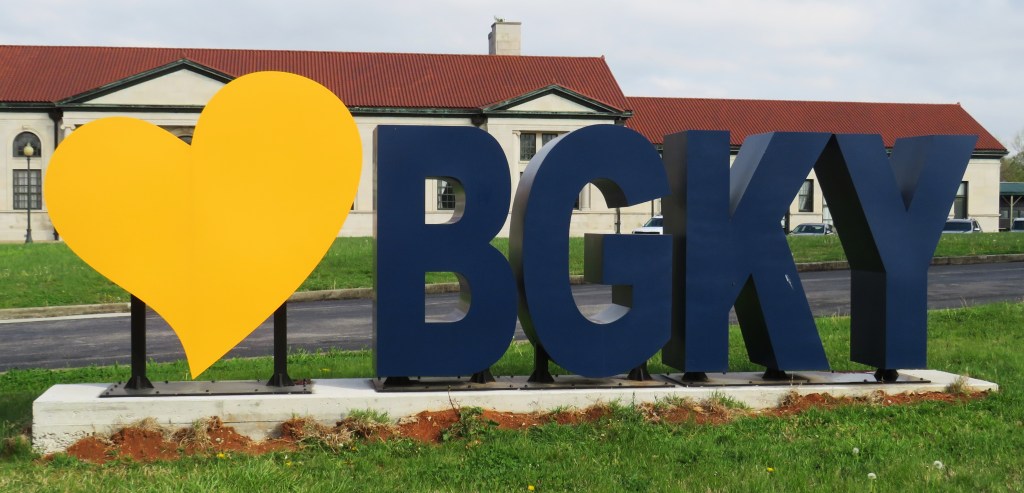
When you think about what is great about the U.S. state of Kentucky, think about the Kentucky Derby. Think about the Louisville Slugger. Think about Kentucky Fried Chicken. Think about that glass of bourbon. When you visit the Historic Railpark and Museum in Bowling Green, you will have a great railroad site on your mind.


































 John Cowgill: Stories of the Railroad