Gassaway, West Virginia

The U.S. state of West Virginia is a state that has so much natural beauty.  It has famous sites like the New River Gorge and the New River Gorge Bridge, the Glade Creek Grist Mill at Babcock State Park, one of the most photographed mills in the United States of America, the natural spas in Berkeley Springs to include George Washington’s Bathtub where George Washington, well… you probably figured it out what he did here, plus the town of Harpers Ferry, and so much more.  It has its cities like the capital city of Charleston, Beckley, and Morgantown, and its many small towns.  One of these small towns located northeast of Charleston is the town of Gassaway.

Some of you are saying, “Interesting.  I bet the town got its name from the fact that somebody was getting gasoline, but the gasoline got away.”

You are very wrong.  The small town, established in 1905, is named after Henry Gassaway Davis, a West Virginia politician who was nominated for the Vice President of the United States of America in 1904.

Some of you are saying, “It is nice that they named a town after a politician.  There is a very big problem.  This is just a small town that has no railroad.  Therefore, I will not be taking these country roads to this town.”

If you were to ask people if they had ever heard of the town of Gassaway, West Virginia, you would get many strange looks.  The town is often overshadowed by the town of Sutton which is east of Gassaway and is famous for it Bigfoot Festival and museum.

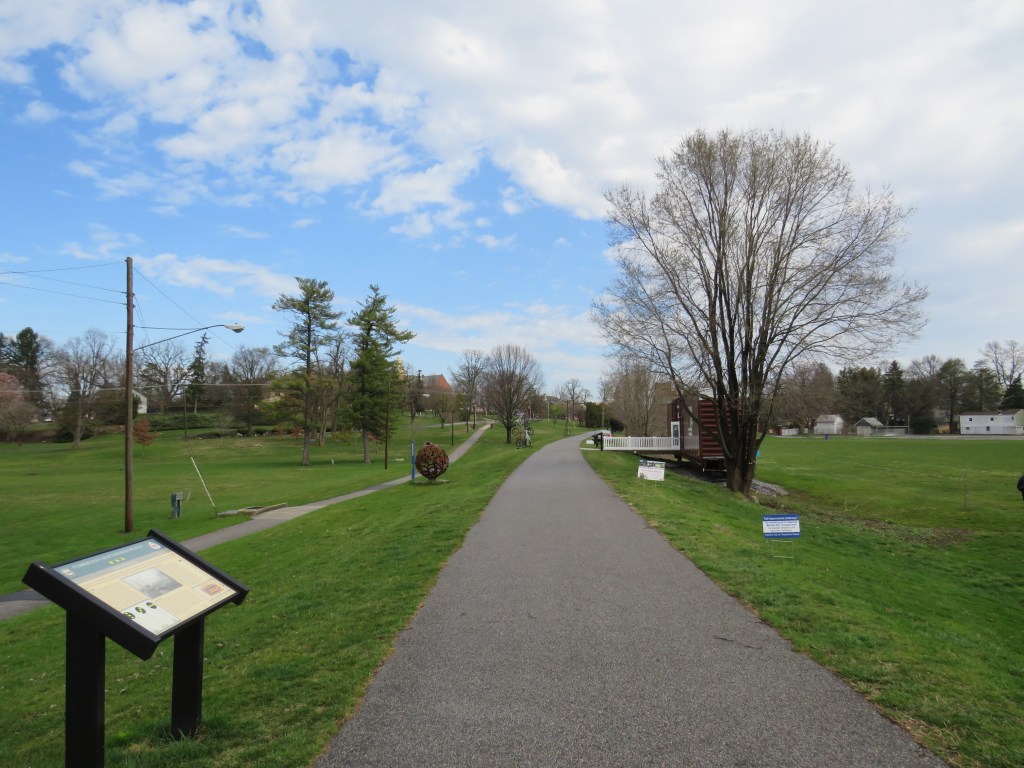
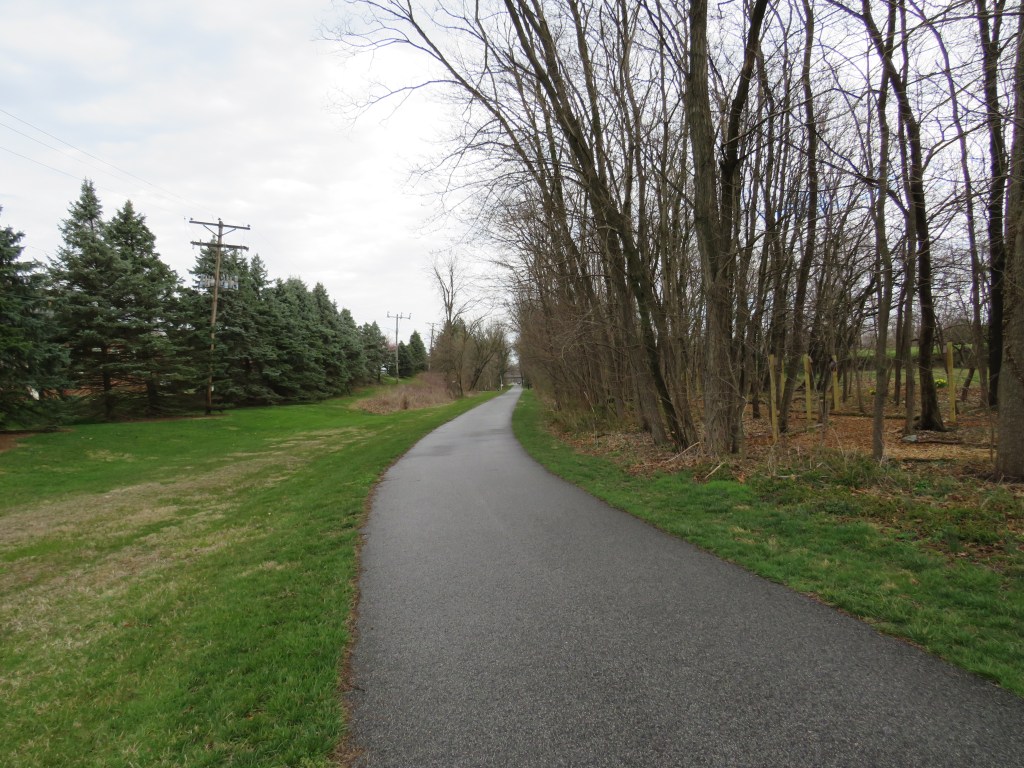
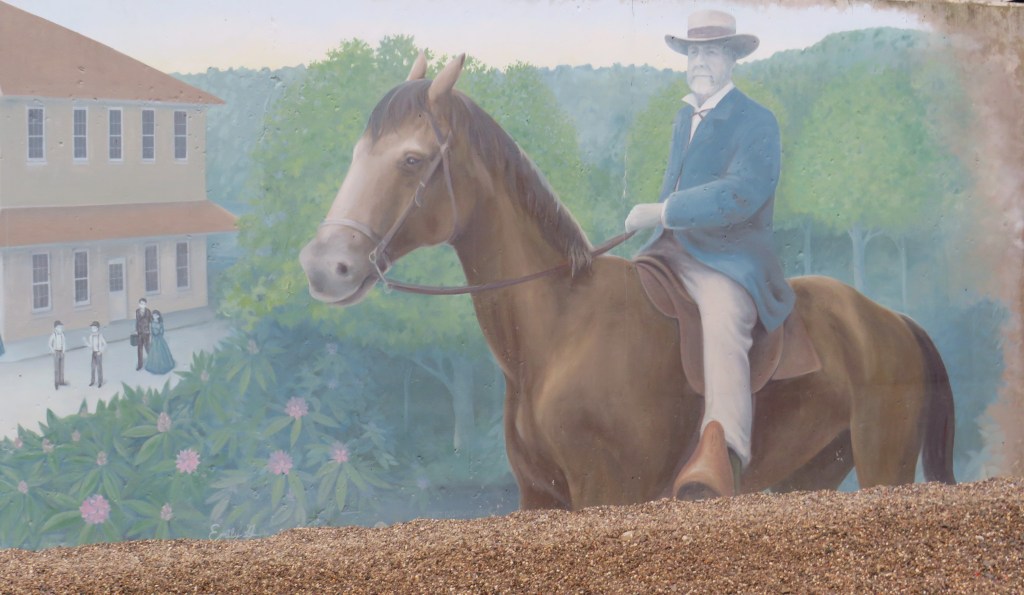
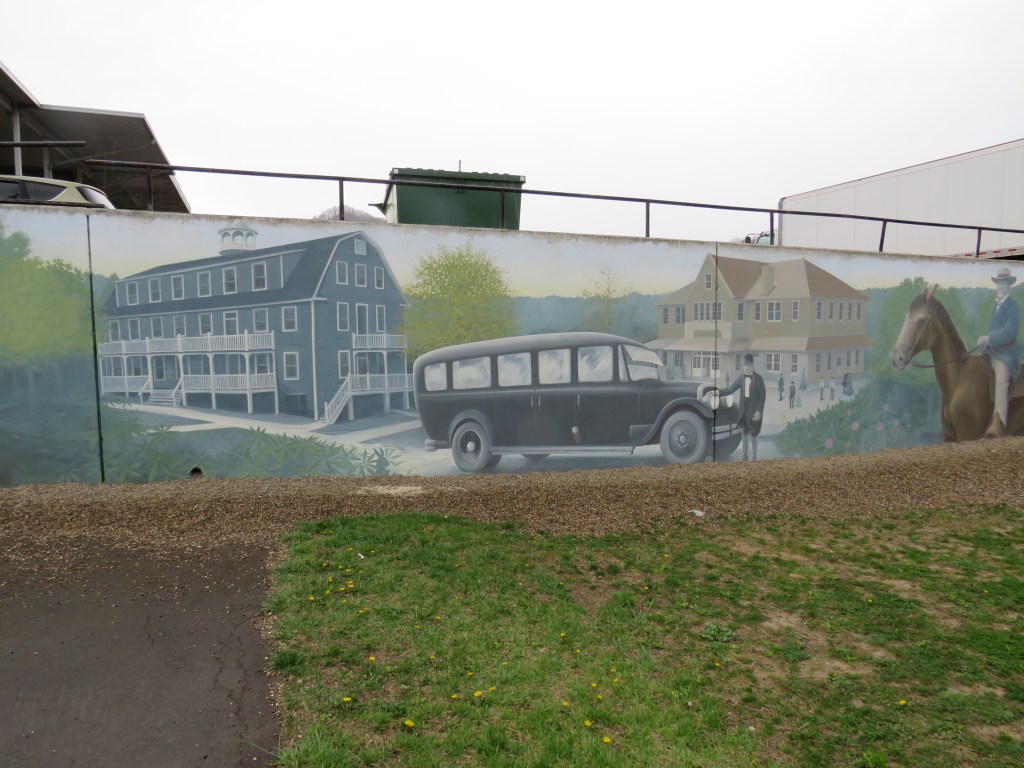
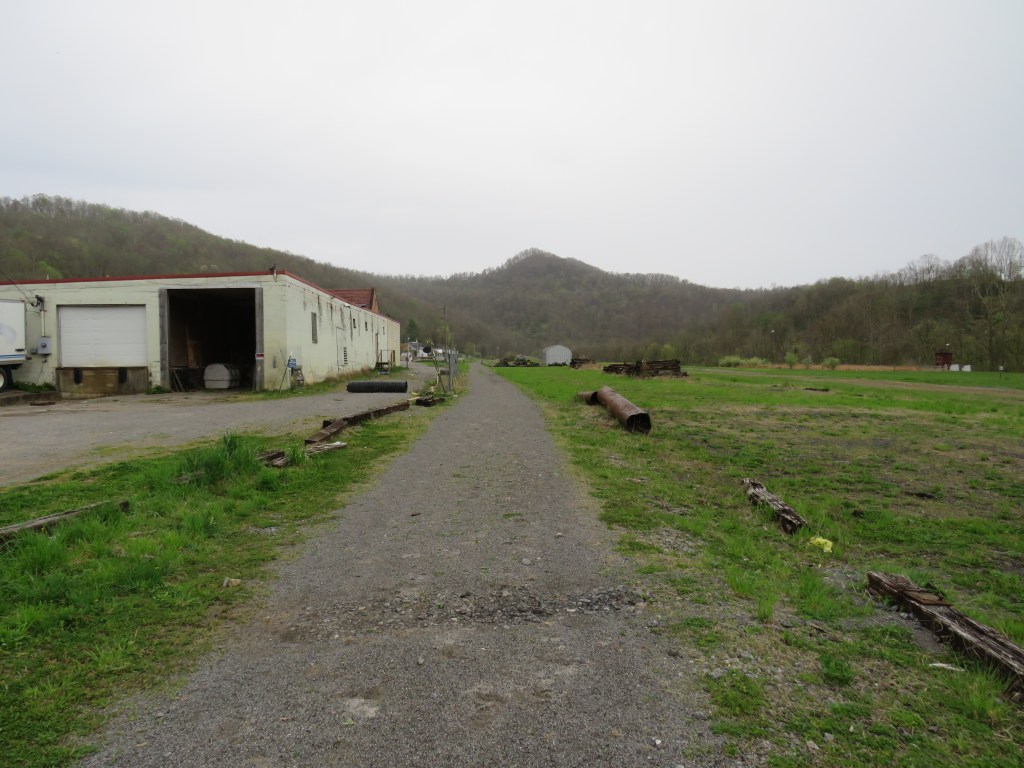
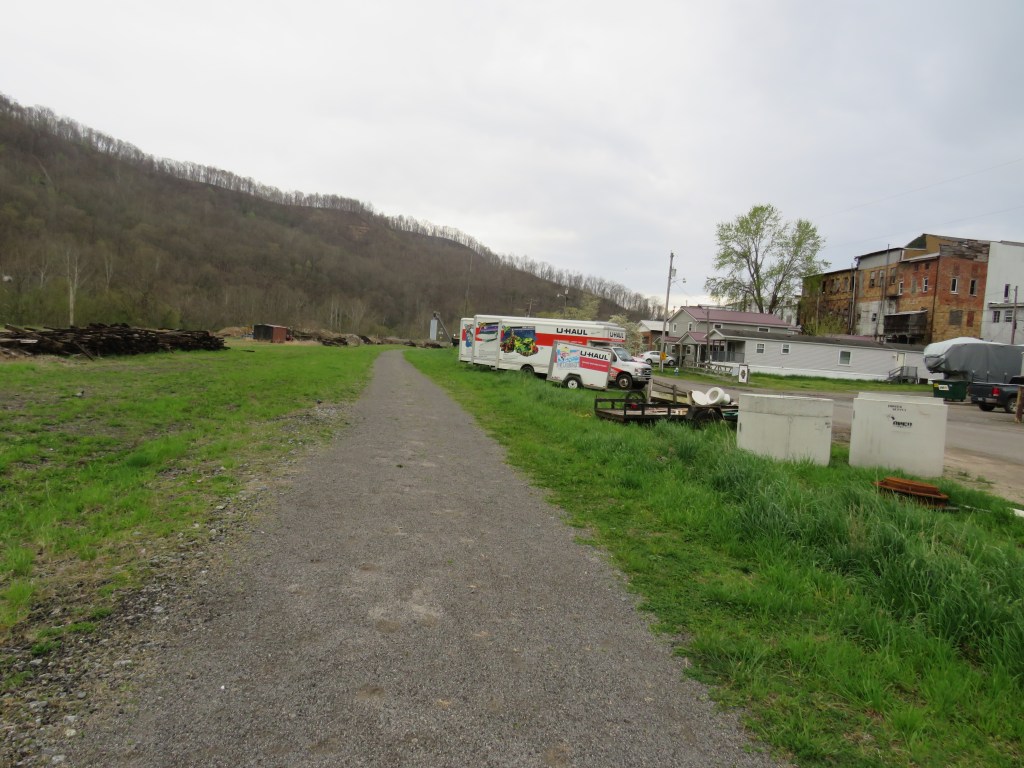
As you approach the town of Gassaway, the very first thing you see it the ‘Welcome to Gassaway’ sign.  Many towns have a welcome sign to greet you as you enter, but you see something interesting.  What do you see?  You see a steam locomotive on the sign.  You continue to drive into the town, and you see an old railroad bridge.  You drive further into the town, and you see an old train station.  You drive to the old train station, and you see a mural with a steam train.  What you do not see is a railroad line.  Well, the railroad line is now a railroad trail.  How did the train station get here?  Today, the town of Gassaway, West Virginia does not look like much, but that was not always the case.
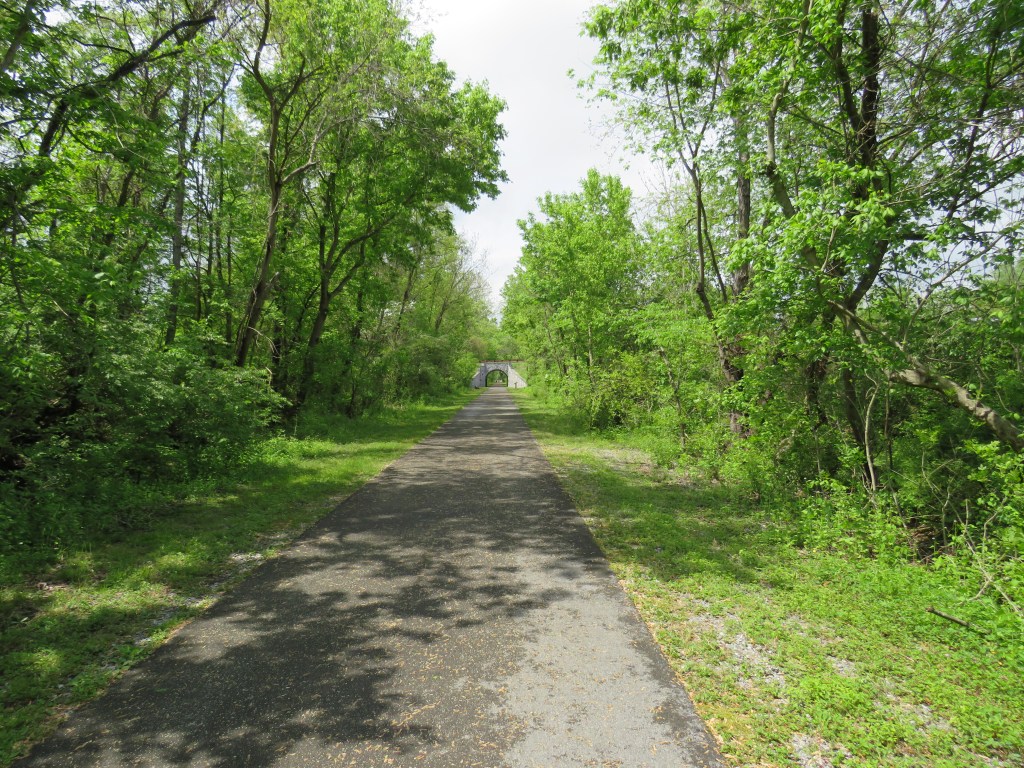
The town of Gassaway, West Virginia was a town built by the railroad.  The Coal and Coke Railway, which ran between Charleston and Elkins, ran through the town of Gassaway, and, in 1914, they built the train station giving passenger train service to the town.  There was also a railroad yard in the town as they changed locomotives in the town as more powerful locomotives were needed to pull the trains to Elkins while locomotives with less power could be used for trains to Charleston.  During its heyday, the town had two hotels, a bank, retail stores, office buildings, and, schools, and churches.  When the railroad went into decline, so did the town.  Railroad service ended and was eventually converted into a rail trail.

As for the train station, it was abandoned for many years, but it was then restored and was put on National Register of Historic Places, and it now serves as an event and meeting space for the town.

The town of Gassaway, West Virginia is four miles west of Interstate 79 on West Virginia Route 4.  The old train station is located on 4th Street one block west of West Virginia Route 4.  It is open available for events like weddings and parties.

The small town of Gassaway may no longer be a railroad town, but the ghosts and the legacy of the railroad remain.

Williamsburg, Indiana

Welcome to Williamsburg, Indiana.

Some of you are saying, “You got it wrong.  You meant to say, ‘Welcome to Williamsburg, Virginia’.”

No.  This is the small town of Williamsburg in the U.S. state of Indiana.  It is not like its Virginia counterpart of Colonial Williamsburg but a small town in the eastern part of the state just west of the U.S. state of Ohio.  When you visit the town, you will pretty much see a ghost town… but it was not always that way.

The town was named after William Johnson, the man who settled the town in 1830.  Like many small towns, it flourished, but something happened in 1901.  What happened?  The Chesapeake and Ohio Railway came to town.  Connecting the Indiana cities of Richmond to the south with Muncie, the Chesapeake and Ohio Railway brought massive growth of business and population to the town.  The town had its own train station.  Like many small towns in the United States of America, Williamsburg went into a decline and began beginning to be the ghost town it is today.

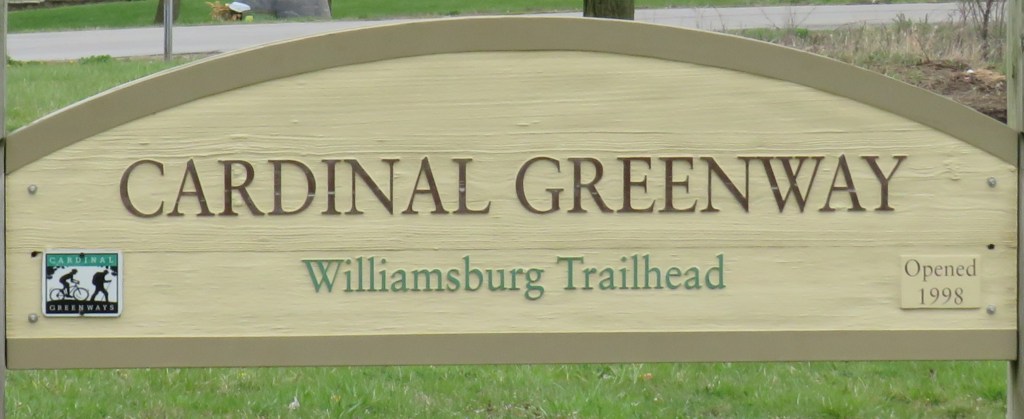
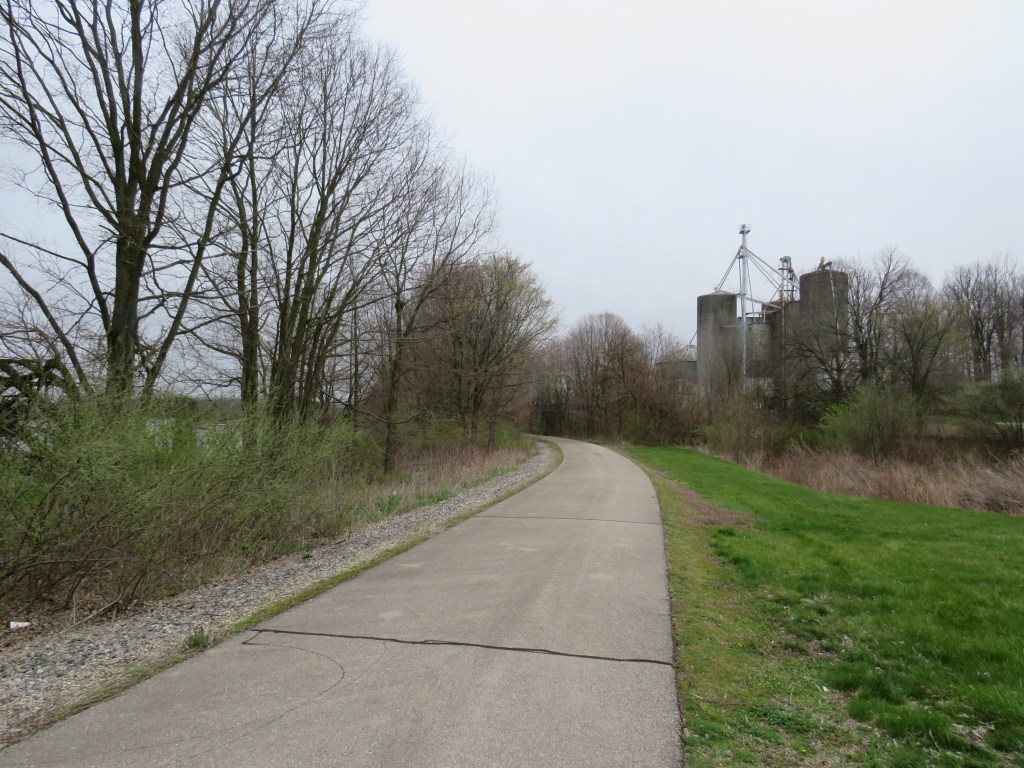
Today, the railroad line that passed through the town of Williamsburg, Indiana became a rail trail known as the Cardinal Greenway, the longest rail trail in the U.S. state of Indiana running to Richmond to the south and Marion to the north.  As you visit the rail trail, you will not notice that this was once a busy place.  Located north of the town center just a short drive of U.S. Route 35, you will experience a quiet place at a place that was once the centerpiece of the town.

Welcome to Williamsburg, Indiana.  You will not see people dress in colonial attire, but you will be in a small town where a railroad made history.

The Cumberland Valley Rail Trail, Chambersburg, Pennsylvania

The town of Chambersburg in the U.S. state of Pennsylvania was a town that was established and named after Benjamin Chambers.  The town has man historic sites and has a history that is older than the United States of America.  Even though a railroad line passes through the town today and there were railroad structures in the town, the town has no real history with the railroad and was never a railroad town.  As you walk through the downtown area, the one thing you will see is the Cumberland Valley Rail Trail.

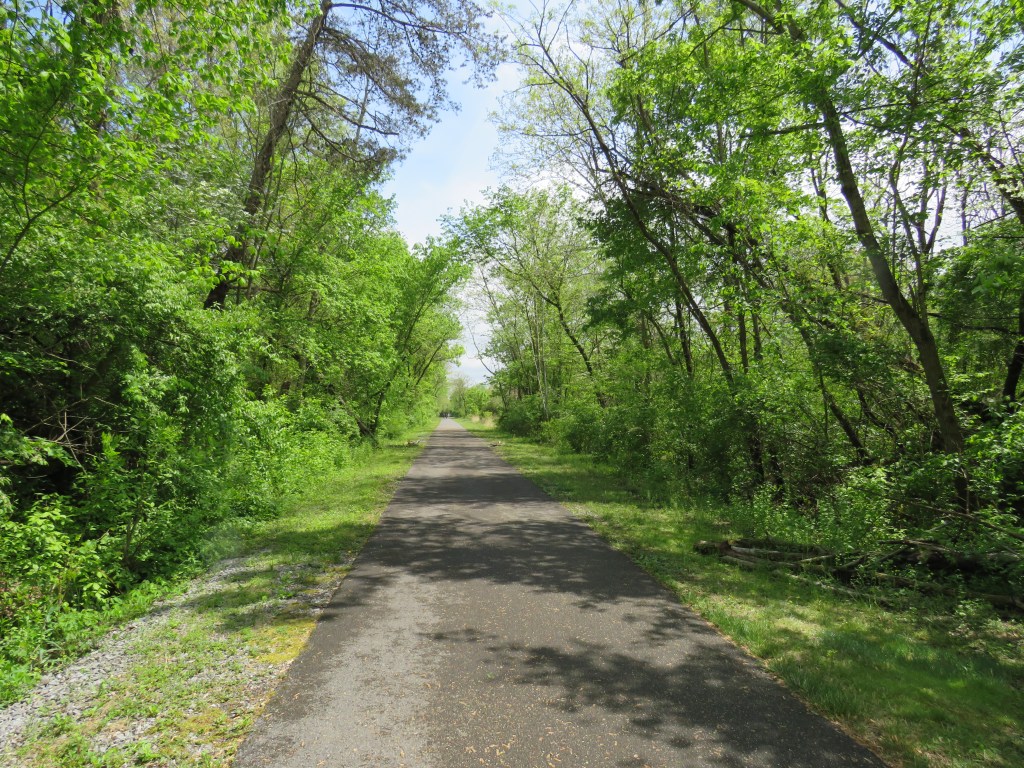
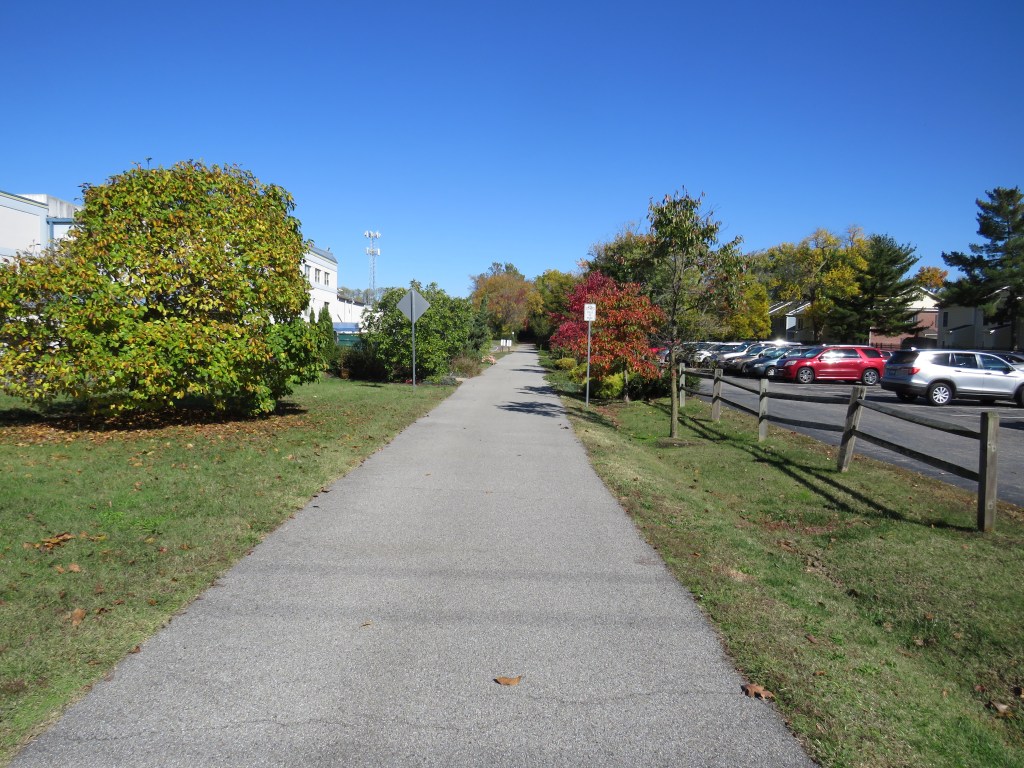
What is the Cumberland Valley Rail Trail?  It is a trail under two miles that runs through the heart of the town of Chambersburg.  It was built on the railroad bed of the Cumberland Valley Railroad which ran through much of the south central part of Pennsylvania and into the U.S. state of Maryland connecting Chambersburg with the rest of the nation.  The main line, owned by the Norfolk Southern Railway today, continues to serve the town.  The rail trail parallels the Conococheague Creek and is next to the Fort Chambers Park.

The Cumberland Valley Rail Trail in Chambersburg, Pennsylvania is located on the west side of downtown and U.S. Route 11 crossing U.S. Route 30.  It is completely paved making it easy for those in wheelchairs.  Only street parking is available.  It is mainly flat, and it is accessible from sunrise to sunset.

Chambersburg, Pennsylvania may not be a famous railroad town, but it does preserve a piece of railroad history for hikers, bikers, walkers, and many people for many years to come.

The Cumberland Valley Rail Trail, Shippensburg, Pennsylvania

In the heyday of the railroad, there were railroad lines all over the United States of America.  As the railroad declined, less used railroad lines were abandoned.  Although many of these railroad lines are lost forever to time, many were preserved as rail trails.  Among these rail trails is the Cumberland Valley Rail Trail that runs between the towns of Newville to Shippensburg in the U.S. state of Pennsylvania, the U.S. state that produced the Penn Central Transportation Company (simply known as the Penn Central) and the world famous Pennsylvania Railroad of which, sadly, neither of them exist today.

Why is it called the Cumberland Valley Rail Trail?  Although Conrail was the last owner of the railroad line who took over the line from the Penn Central Transportation Company, the railroad line was originally owned by the Cumberland Valley Railroad that ran railroad service throughout what is called the Cumberland Valley with railroad line through much of the south central region of Pennsylvania and in the northern parts of the U.S. state of Maryland.  Very little of the railroad lines of the Cumberland Valley Railroad were preserved.

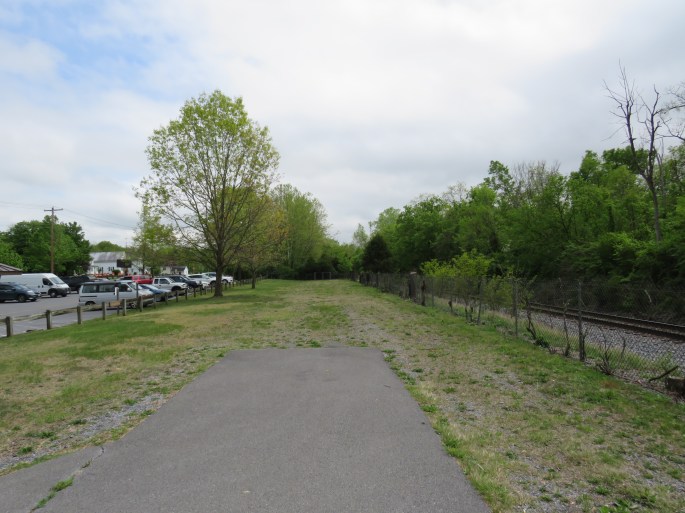
This brings us to the Cumberland Valley Rail Trail.  As mentioned, it begins in the town of Newville and it ends in Shippensburg.  What it special about Shippensburg?  Well, although it is not a famous railroad town, the Norfolk Southern Railway does continue to pass through the town, but it was also served by the Cumberland Valley Railroad that was taken over by the Penn Central Transportation Company and, the railroad line’s last owner, Conrail, who donated the railroad line to be converted into the railroad trail.

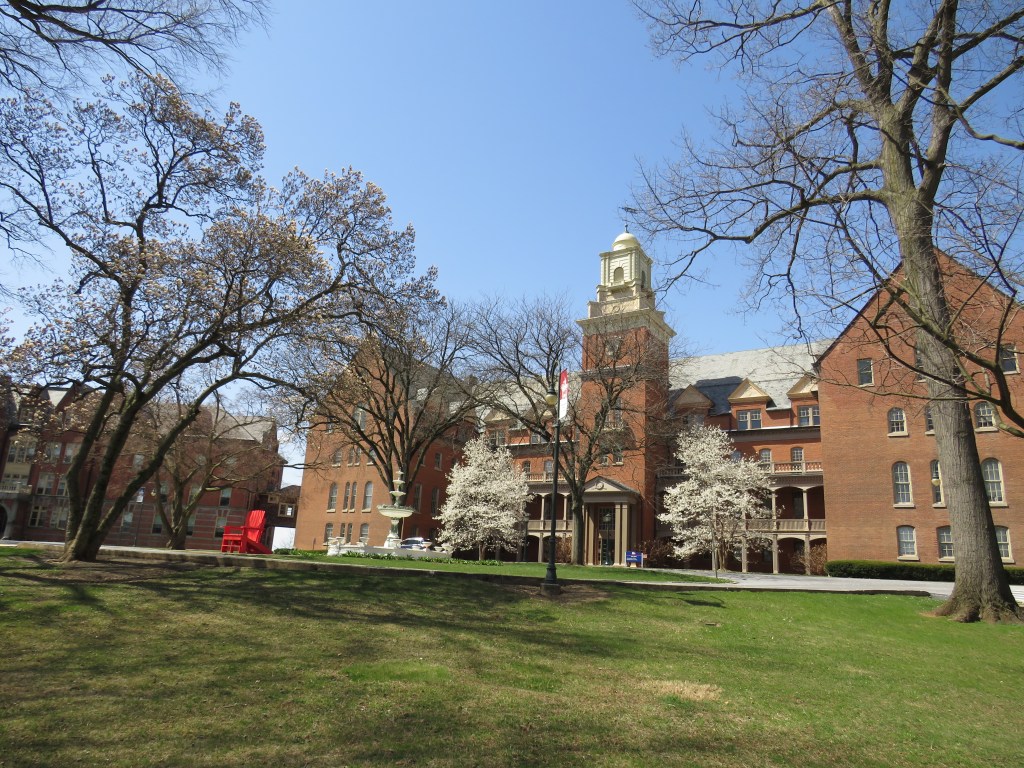
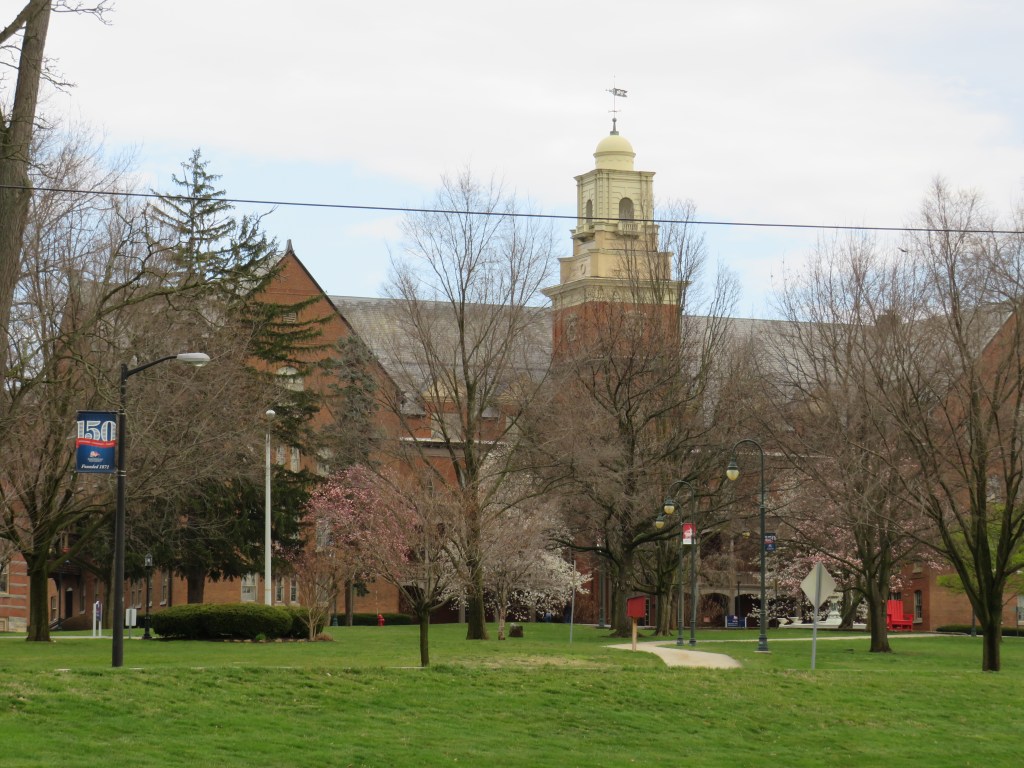
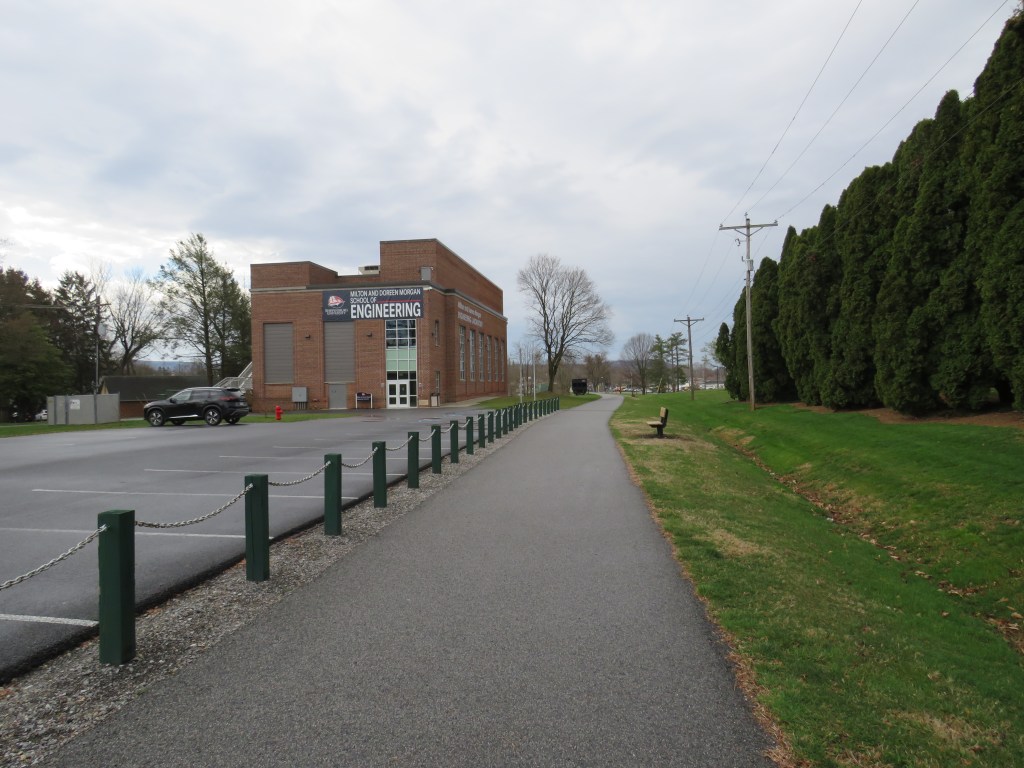
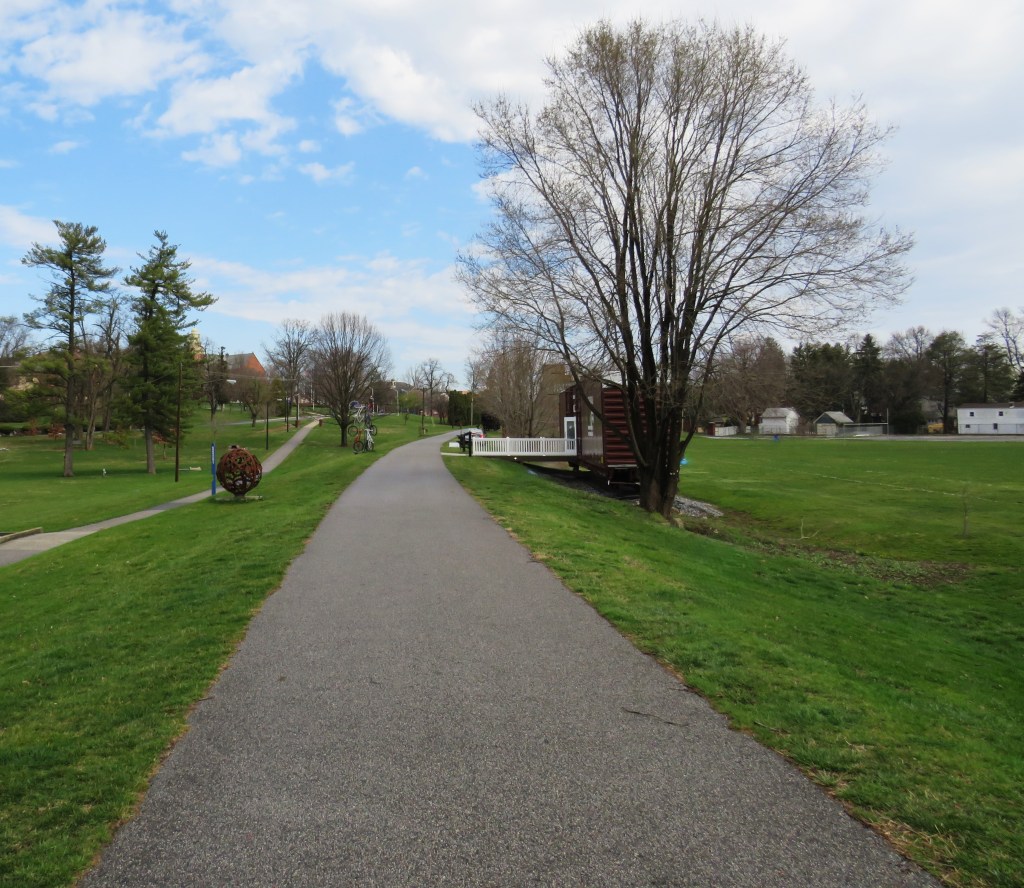
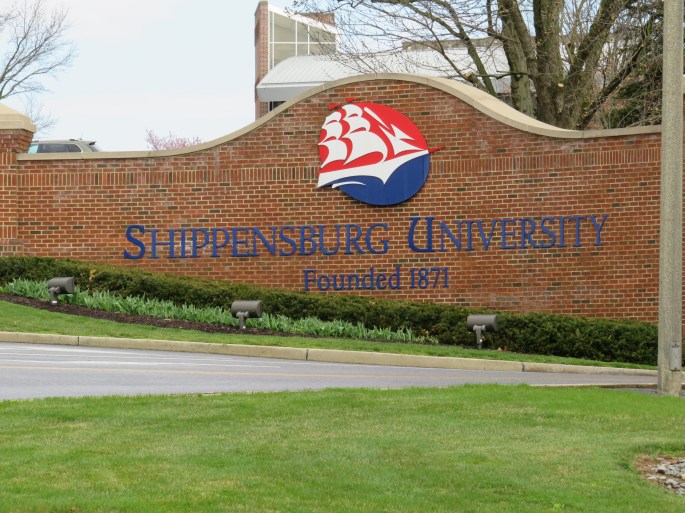
What is special about Shippensburg?  The town’s claim to fame is that it is the home of Shippensburg University.  The west end of the Cumberland Valley Rail Trail begins at the south side of Shippensburg University.  What is special about the rail trail beginning at Shippensburg University?  It is here where the Cumberland Valley Railroad Museum is located.

Why here at Shippensburg University?  Shippensburg University was a benefactor of the Cumberland Valley Railroad.  Here, you will find the Shippensburg Station, a replica train station that serves as a restroom stop for those utilizing the rail trail and is located where a passenger stop for the university was located.

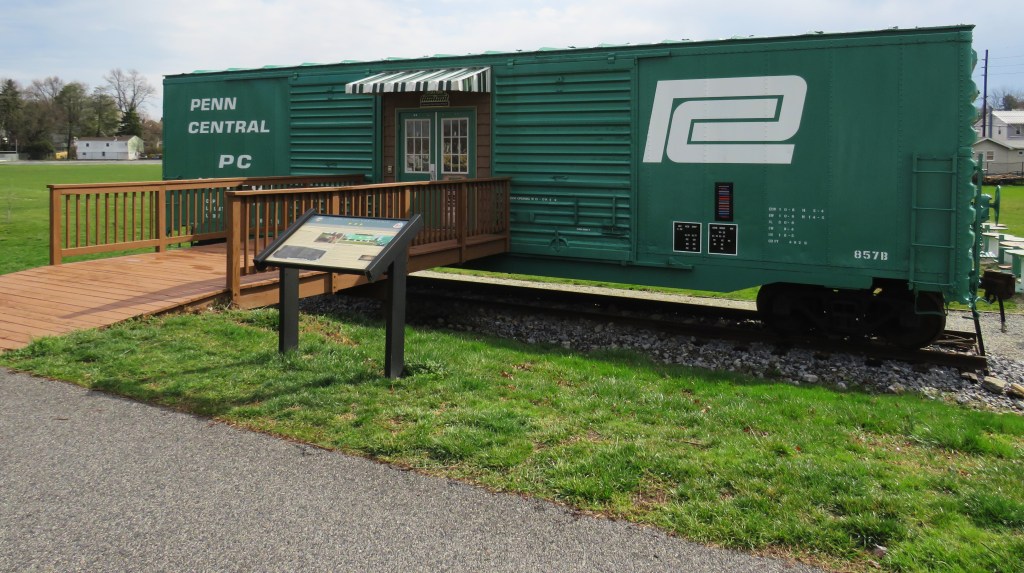
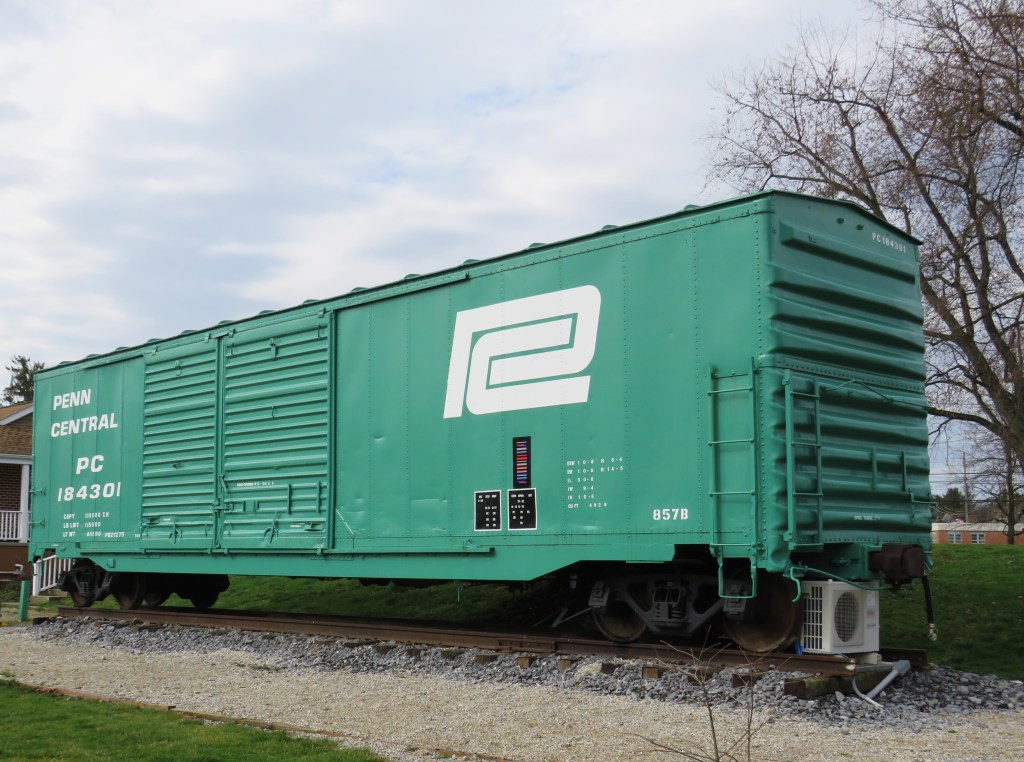
Then you have a boxcar from the Penn Central Transportation Company.  What is special about this boxcar?  Well, it was not originally owned by the Penn Central Transportation Company but the New York Central System, a railroad company that was taken over by the Penn Central Transportation Company.  The boxcar was abandoned at a warehouse in town and was spared from being scrap metal and restored to house artifacts of the Cumberland Valley Railroad and its history and impact on the region.

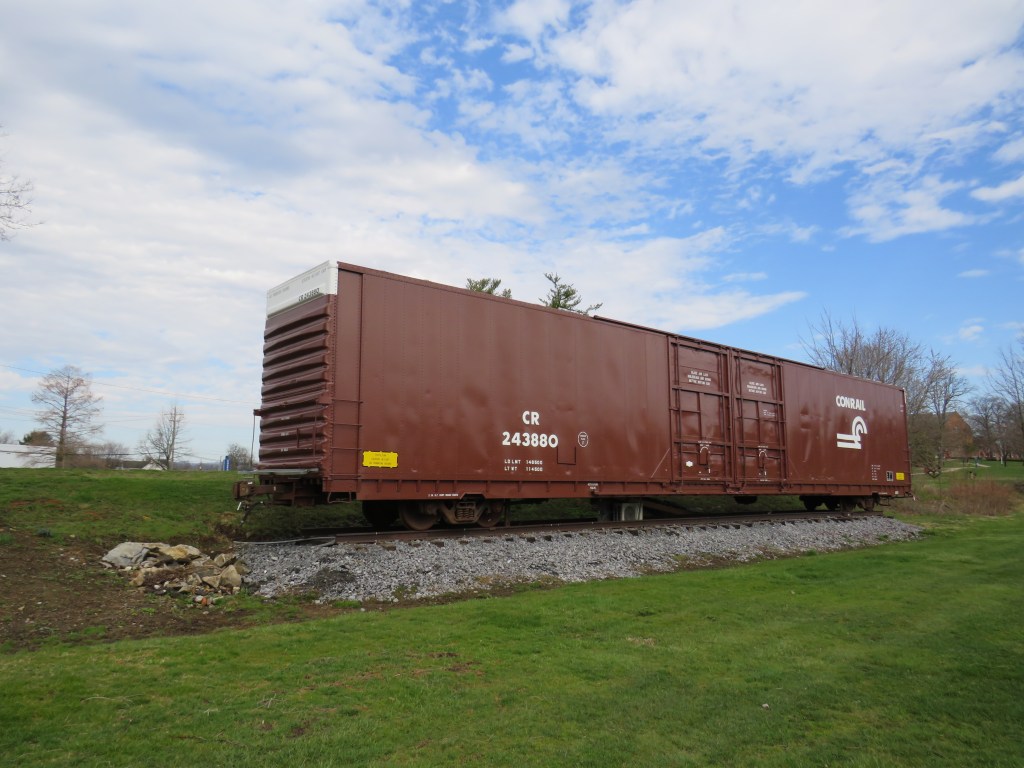
Then you have another boxcar.  This one is from Conrail.  Inside, you will see artifacts and the history of Conrail and its people.

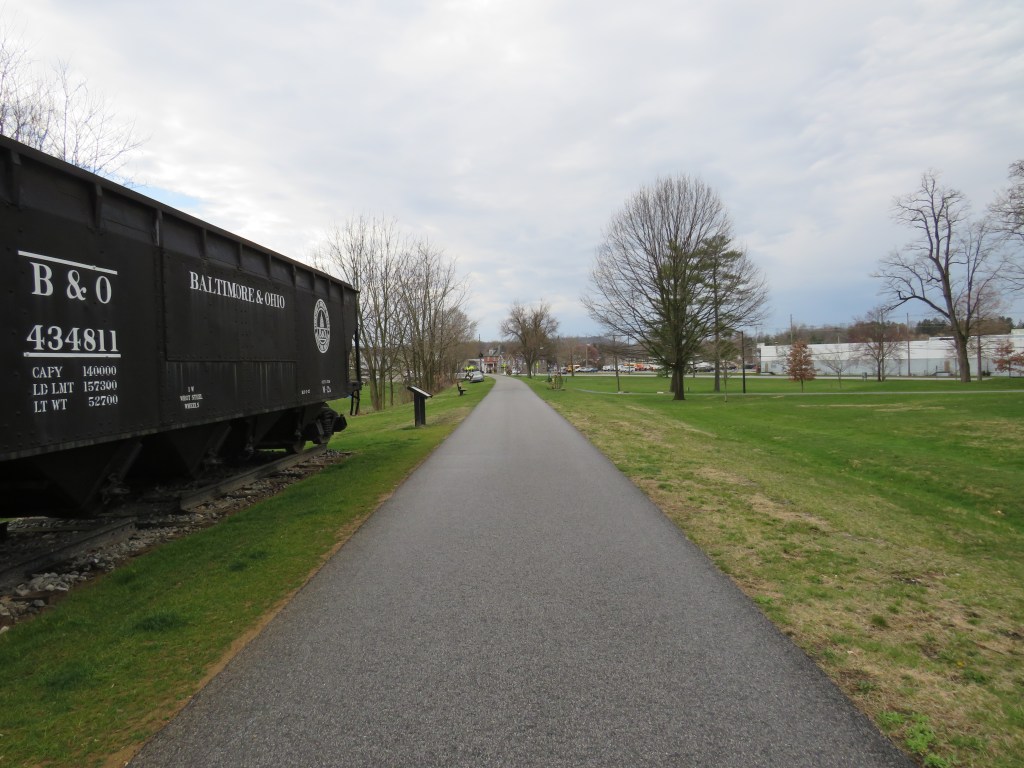
You take a short walk down the trail and you see a coal car From the Baltimore and Ohio Railroad.  Why is it here if the Baltimore and Ohio Railroad never came to Shippensburg?  The coal car came from a train wreck, and it was brought here as coal was shipped to Shippensburg University, and it is a reminder of how coal impacted the region.

So, if you need a reason to visit Shippensburg, Pennsylvania, you now have one.  The rail trail is easy for wheelchairs and so are the boxcars which are open from sunrise to sunset.  Most important, the rail trail and the boxcars are free to visit.

The Western Maryland Rail Trail, Big Pool, Maryland

In the heyday of Railroading, railroads were built to connect small town to big cities.  When the heyday came to an end, many of the railroad lines were abandoned.  On many of the lines, the rails were removed.  Some of the abandoned routes were lost to time allow trees and plants to grow on the old railroad bed.  Some of the railroad beds eroded over time.  Some of the railroads were eventually recovered and became an excursion line.  Then there were those that were made into hiking and biking trails.  Some of the trails were paved while some were left with dirt.  Among those ‘rail trails’ is the Western Maryland Rail Trail in the western region of the U.S. state of Maryland.

What is the Western Maryland Rail Trail?  Yes, it is in the western part of Maryland beginning in the town of Big Pool near the historic Fort Frederick going west through the town of Hancock and ending eighteen miles west to the town of Little Orleans in the panhandle region of the state.  The name comes from the fact that the railroad line was part of the Western Maryland Railway.  The railroad paralleled the old Chesapeake and Ohio Canal which paralleled the Potomac River.  The canal itself was never completed as the railroad gave quicker access to points west.  With the automobile and the Baltimore and Ohio Railroad running just south of the Western Maryland Railway (now owned by CSX Transportation) and the decline of many small towns, the railroad line was no longer used.

Today, you cannot ride the train along this line, but you can hike and bike along this line.  You can feel the history of a railroad that once was.

The Wayne Thomas Gilchrist Trail, Chestertown, Maryland

What is the Wayne Thomas Gilchrist Trail?  Commonly called the Wayne T. Gilchrist Trail that was named after a local politician that served in the U.S. state of Maryland and in Washington, the trail is on an old rail line that winds its way through the town of Chestertown located on the Chester River on the Eastern Shore Region of the U.S. state of Maryland.  It is also known as the Chestertown Rail Trail.

The history of the railroad in the town of Chestertown, Maryland is unknown as the town was much more of a port town on the Chester River than a railroad town.  It is known the railroad line was once a spur line that connected to a main railroad line in Delaware that ran south from Wilmington, Delaware down the center of the Delmarva Peninsula to the town of Pocomoke City, Maryland and then to the town of Cape Charles in the U.S. state of Virginia at the southern end of the peninsula where the Chesapeake Bay enters into the Atlantic Ocean.  A railroad ferry transported the train across the mouth of the Chesapeake Bay to Norfolk.  (Much of the track in Virginia is no longer active while the active section in Maryland and Delaware is owned by the Norfolk Southern Railway.)  Although the Pennsylvania Railroad originally built the line.  Smaller short line railroads owned the different spur routes.

Back in the glory days of railroading when the railroads ran both passenger and freight services, the passenger trains served small towns on spur lines like Chestertown.  When Amtrak service began, passenger service to small towns on spur lines ceased, and passenger service ceased on the main railroad line on the Delmarva Peninsula, and the opening of the Chesapeake Bay Bridge connecting the east and west coasts of the Chesapeake Bay aided the decline. 

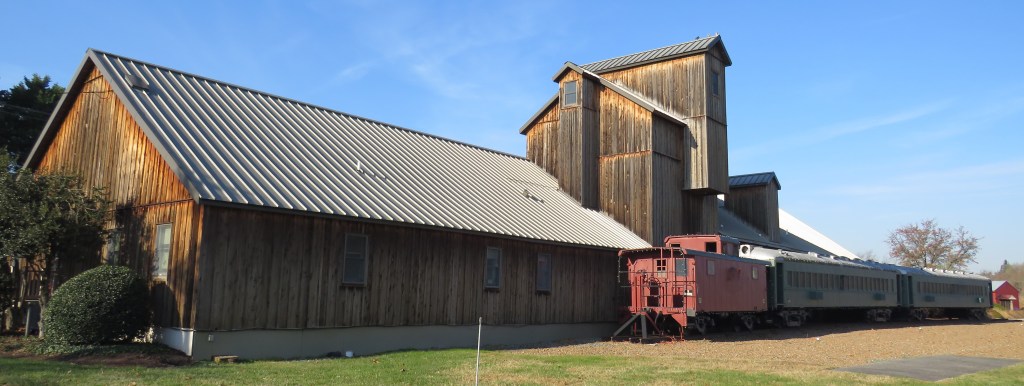
What is known about the railroad line?  At the southern end of the rail trail is an old passenger train station and an old freight house where two old passenger cars and a red caboose are on display.  Between the passenger and freight stations appear to be an area that appears to be the site of an old railroad yard.  The trail runs north from here and ends on the north side of the town. 

Today, the Wayne T. Gilchrist Trail is the only reminder of Chestertown being a railroad town.  It is a reminder of how the railroad was a big part of small town America.

Bluemont Park, Arlington, Virginia

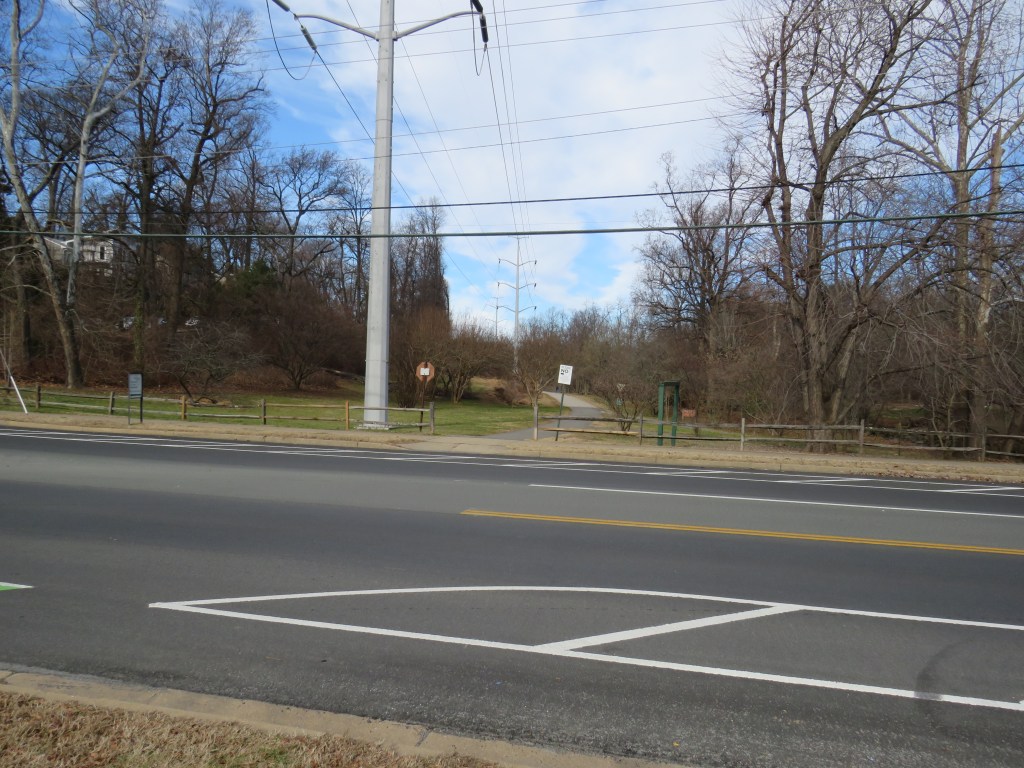
When you visit Bluemont Park, it may appear to be your average park.  Located in Arlington in the U.S. state of Virginia and a suburb of Washington D.C., it looks like your average park, but it is not.

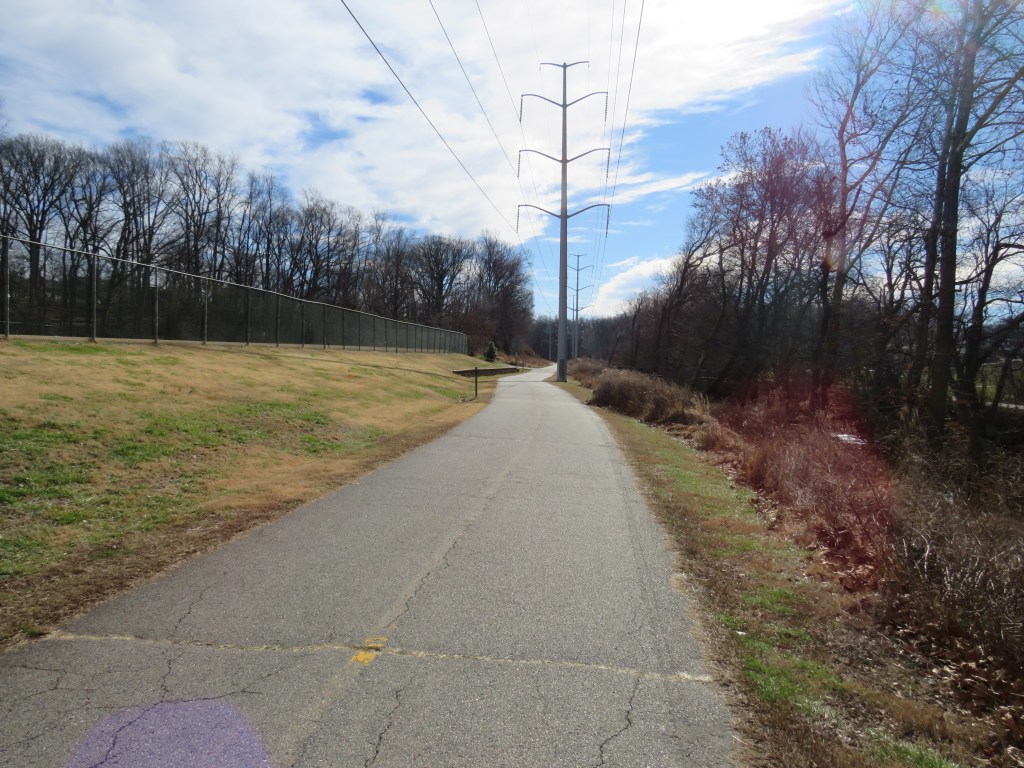
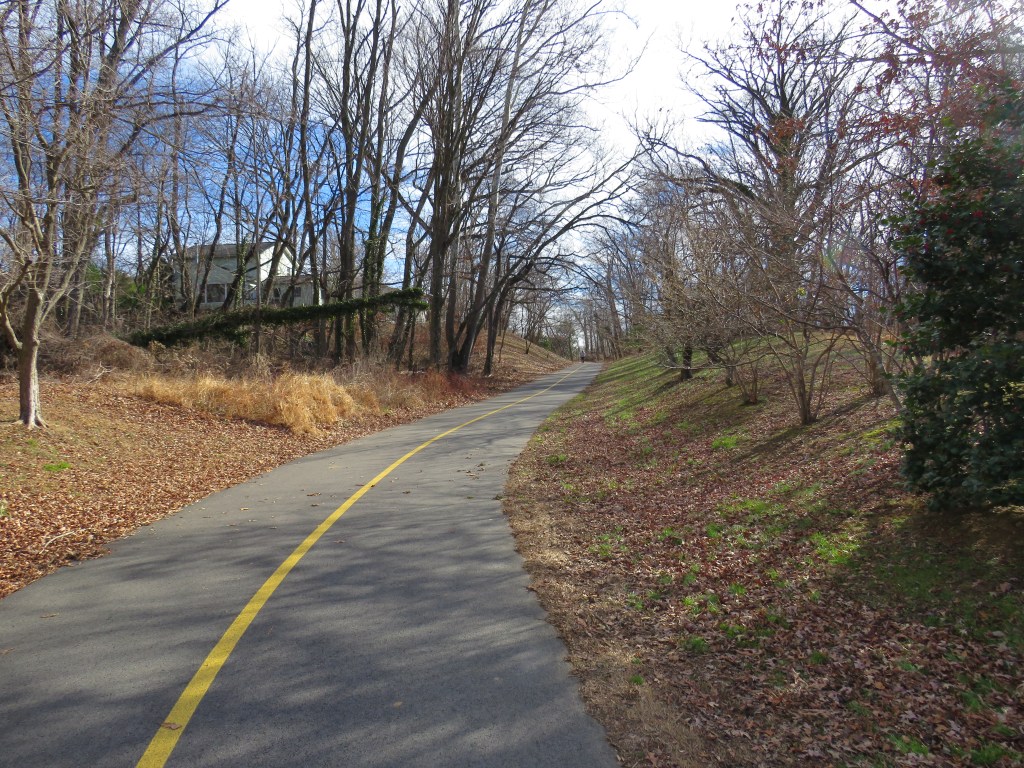
As you approach the park from Wilson Boulevard, you will first notice the Washington and Old Dominion Railroad Trail.  Yes, the Washington and Old Dominion Railroad Trail passes through many parks in the Virginia suburbs between Alexandria and Purcellville.

So what is special about Bluemont Park?

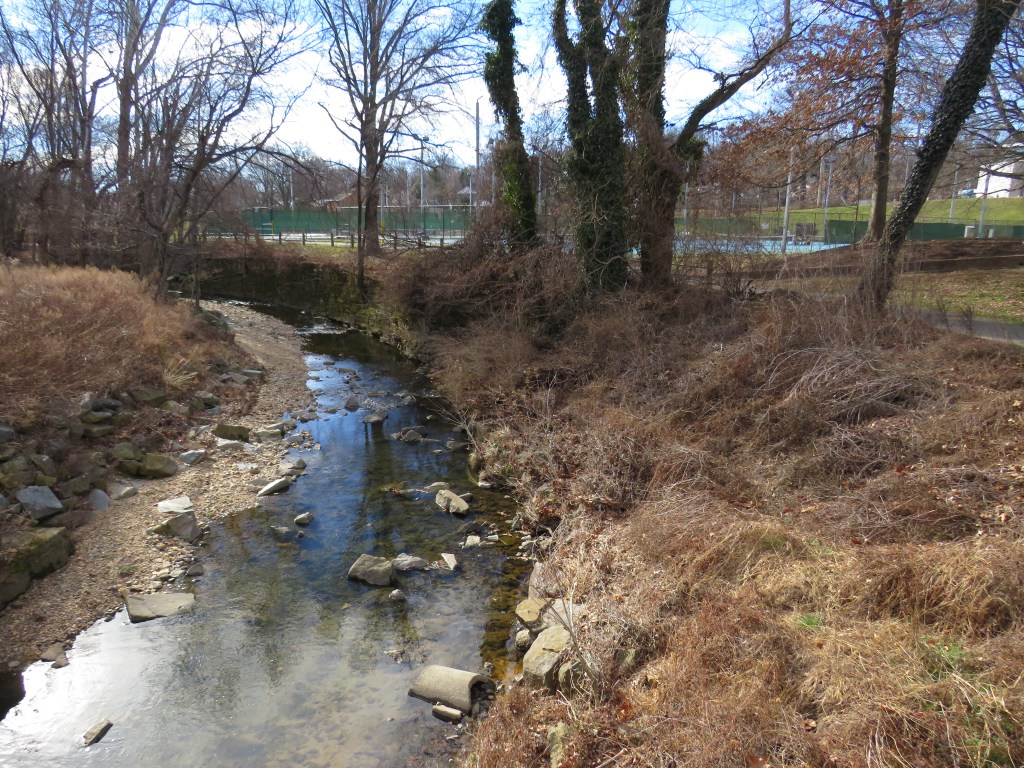
Bluemont Park has a playground, a softball field, and a creek just like many other parks, and the Washington and Old Dominion Railroad Trail passes through the park.  What makes Bluemont Park is what happened here.

What happened at Bluemont Park?

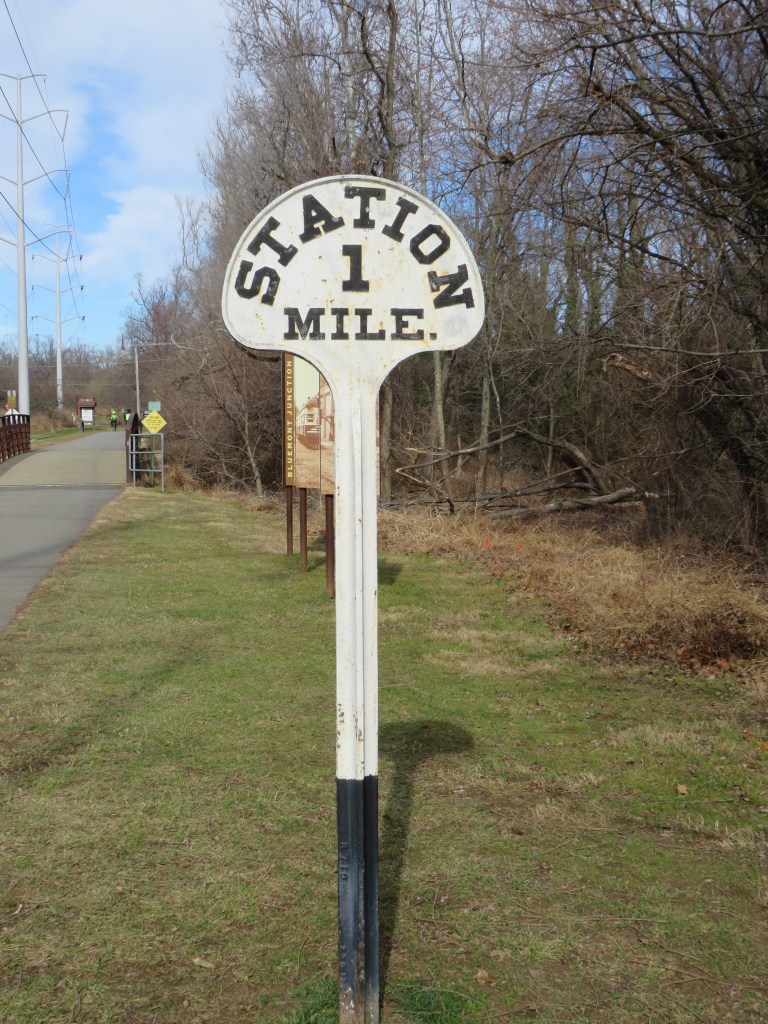
The Washington and Old Dominion Railroad Trail, like other railroad trails, follows the route of a railroad line.  This railroad line ran from the port of Alexandria to the town of Bluemont where it connected to a rail line that is now owned by Norfolk Southern Railway.  (The railroad line was owned by many railroads, but the Washington and Old Dominion Railroad was the last railroad that owned the railroad line.)  Bluemont Park was the site of Bluemont Junction.  It was here where the Washington and Old Dominion Railroad connected with a railroad line that ran to Rosslyn, a community in Arlington that is across the river from Georgetown, a historic neighborhood and oldest section of the District of Columbia, and it connected to a railroad line that ran to the Virginia side of the present day Great Falls Park, a famous waterfall on the Potomac River.  (The Bluemont Trail follows the route to Rosslyn which had a train terminal that is long gone.)  Things changed when passenger service ended in 1951 and the railroad was abandoned in 1968.

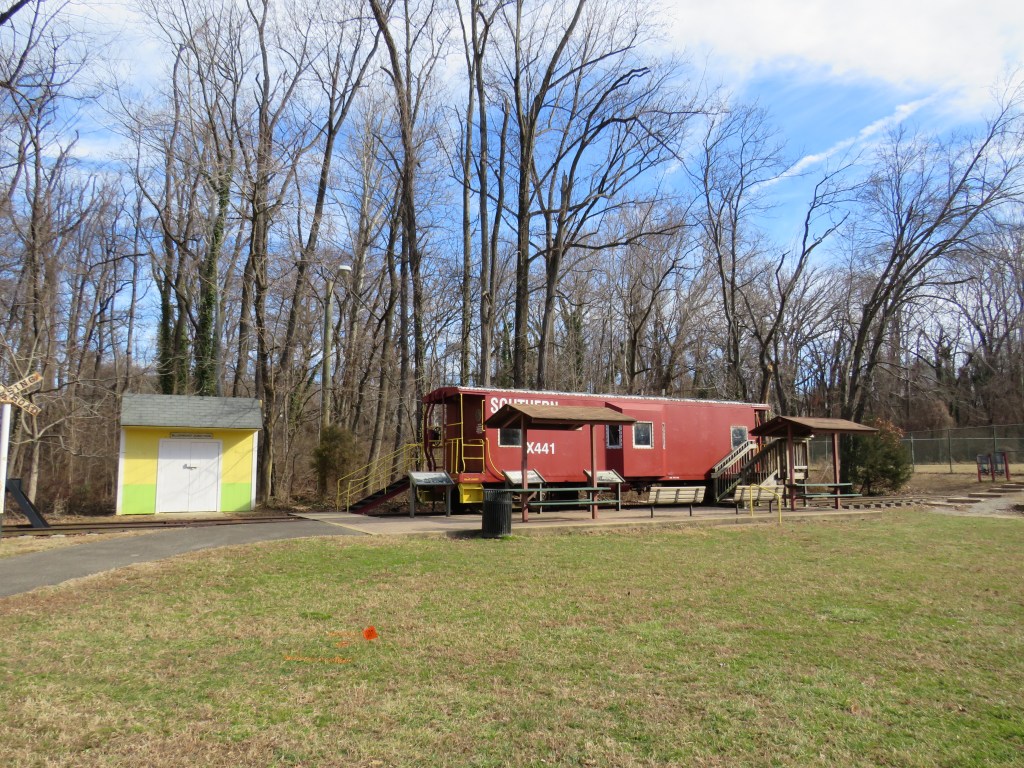
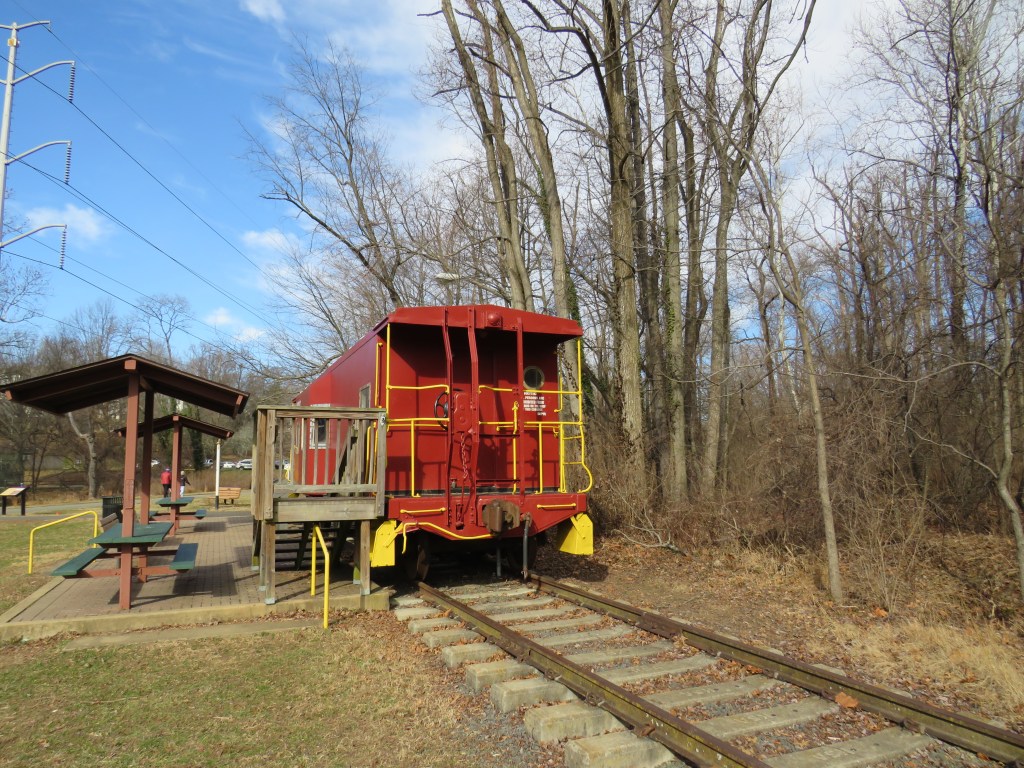
Today, the railroad lines are long gone and so are the many structures that were here that included a passenger station, an electric power station, and a ‘wye’ track used to turn trains around.  When you visit the site today, you will see a replica of the Bluemont Passenger shelter and a caboose paint in the Southern Railway colors.

A visit to Bluemont Park is a quiet place in a very urbanized area which was bustling in its heyday.  It is located at 601 N. Manchester Street in Arlington, Virginia.  The park is open from sunrise to sunset, and it is completely wheelchair accessible.