The Allegheny Portage Railroad National Historic Site, Gallitzin, Pennsylvania

The Declaration of Independence has been signed, and the United States of America is a new nation.  People come on ships across the Atlantic Ocean to arrive in the port cities to live in the new nation, but when they arrive, some stay along the Atlantic Coast, but some decide to go farther inland.  They first travel by the famous horse and wagon, but then came the canals allowing boats to go farther inland.  Then came the railroad.  It was a race between the railroad and the canals to bring people west from the coast.  The kept building west… but then they came to the Allegheny Mountains.  Part of the Appalachian Mountain Range, the Allegheny Mountains became a big barrier to transportation.  The railroad and the canals did have some success building tunnels and curves.  In the U.S. state of Pennsylvania, they came up with a unique idea, and there was nothing like it anywhere in the world.
The Allegheny Portage Railroad was born.  What was the Allegheny Portage Railroad?

The Allegheny Portage Railroad was not the first railroad in the United States of America, but it was the first railroad to do something that the Baltimore and Ohio Railroad and the Pennsylvania Railroad were not the first to do.  It was the first railroad to cross the Allegheny Mountains.  Yes, it was the very first railroad to take goods from the ports of the Atlantic Ocean to the inland of the United States.

Some of you are saying, “Wait a minute.  We have heard about the Baltimore and Ohio Railroad.  We have heard of the Pennsylvania Railroad.  We have heard of the New York Central System Railroad.  We have never heard of the Allegheny Portage Railroad.”

The Allegheny Portage Railroad had a unique purpose.  What was its purpose?  The Allegheny Portage Railroad was actually part of a canal system.

Some of you are saying, “Wait a minute.  It is called the Allegheny Portage Railroad.  How can it be part of a canal?”

That is a great question.  As mentioned, it was a unique railroad.  How?  Unlike the major railroads that focused on getting passengers and goods from the coast to the midland, the Allegheny Portage Railroad had a special kind of cargo.

The Allegheny Portage Railroad was only thirty-six miles long.  It began in the canal town of Hollidaysburg on the east side of the mountains and went up a steep grade over the ridge and then continued on the west side of the mountain range to the city of Johnstown.

Some of you are saying, “Well, that is not very far.  The big railroads went from Boston, Massachusetts, New York City, New York, Philadelphia, Pennsylvania and Baltimore, Maryland to Buffalo, New York, Pittsburgh, Pennsylvania, and Cleveland, Ohio and Columbus, Ohio.”

That is true, but, in 1834, the Allegheny Portage Railroad was a unique railroad.  There were many canals still in service.  The state of Pennsylvania had its own canal system that would transport goods from Philadelphia to Pittsburgh.  The canals were operable on hills and flat land, but they were not operable over mountain ranges.

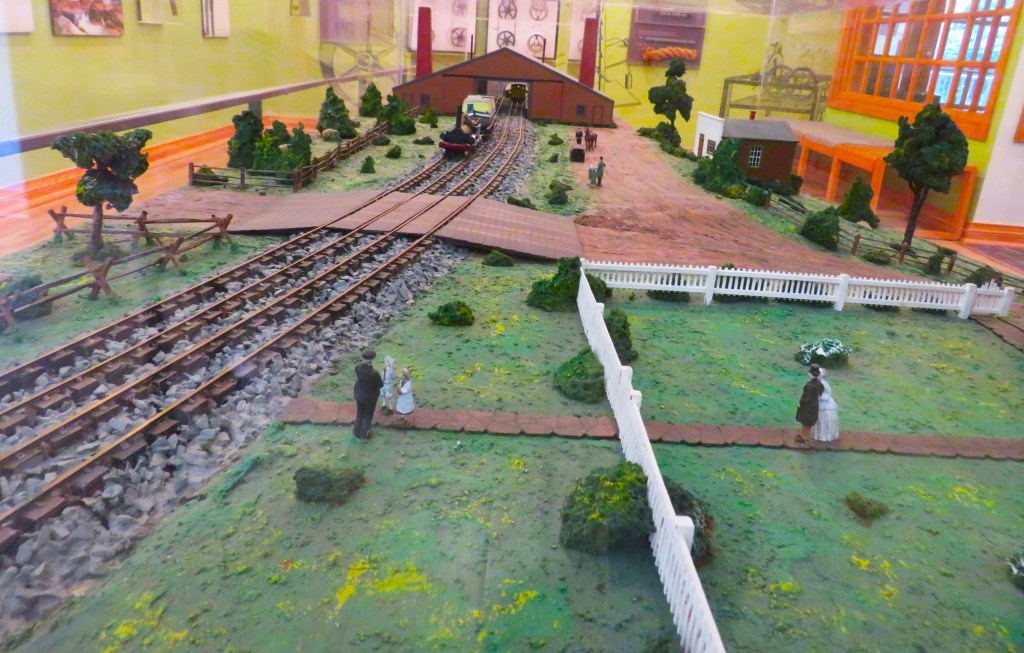
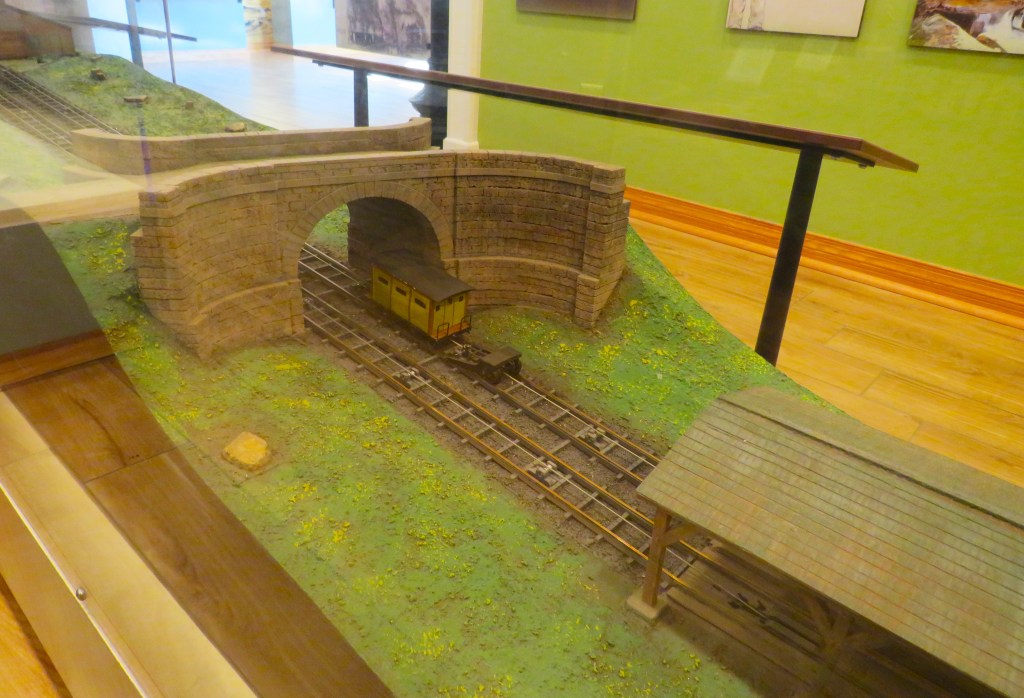
A canal boat would arrive in Hollidaysburg.  From there, it was loaded onto the Allegheny Portage Railroad.  The train, which consisted of two or three flatbed railroad cars, were they pulled along the rails by a pulley system that was built at the top on the mountain ridge.  It was then lowered on the other side of the mountain ridge by the same pulley system to Johnstown.  In Johnstown, the boats were taken off of the railroad cars and put into a canal, and the boats continued to Pittsburgh and points west.  For canal boats going from Pittsburgh to Philadelphia, the reverse process was done.
Sadly, the Allegheny Railroad only ran from 1834 to 1854.

Some of you are saying, “I bet that the railroad is long gone to history and that the railroad bed is long gone and overgrown.”

Nope.

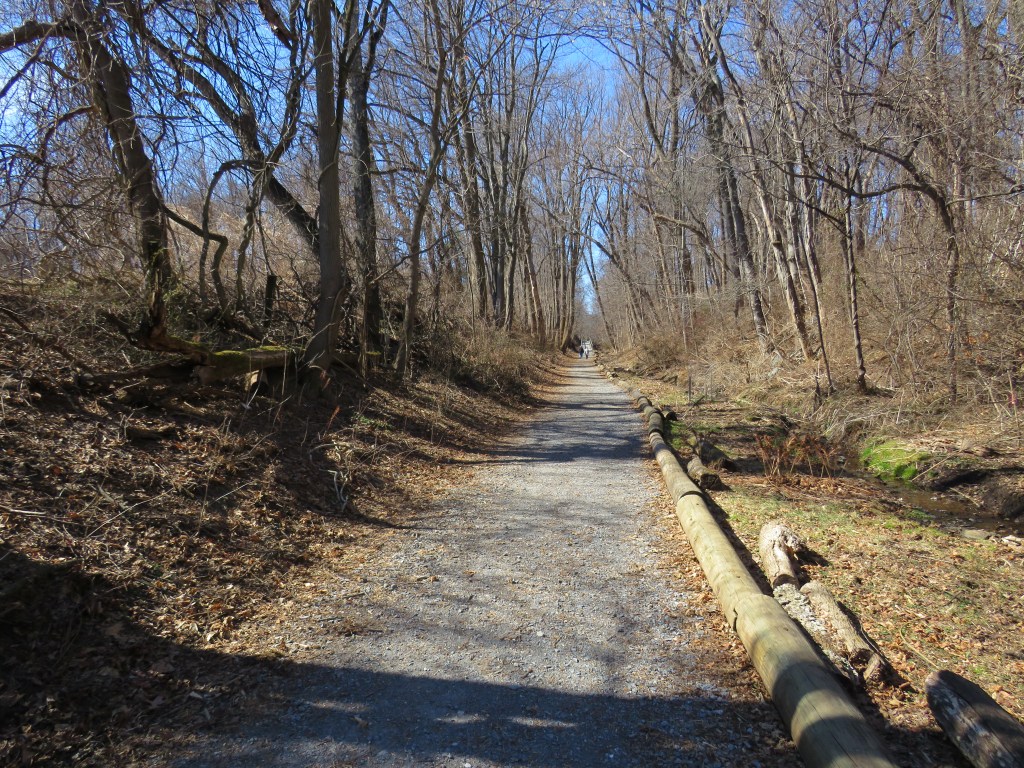
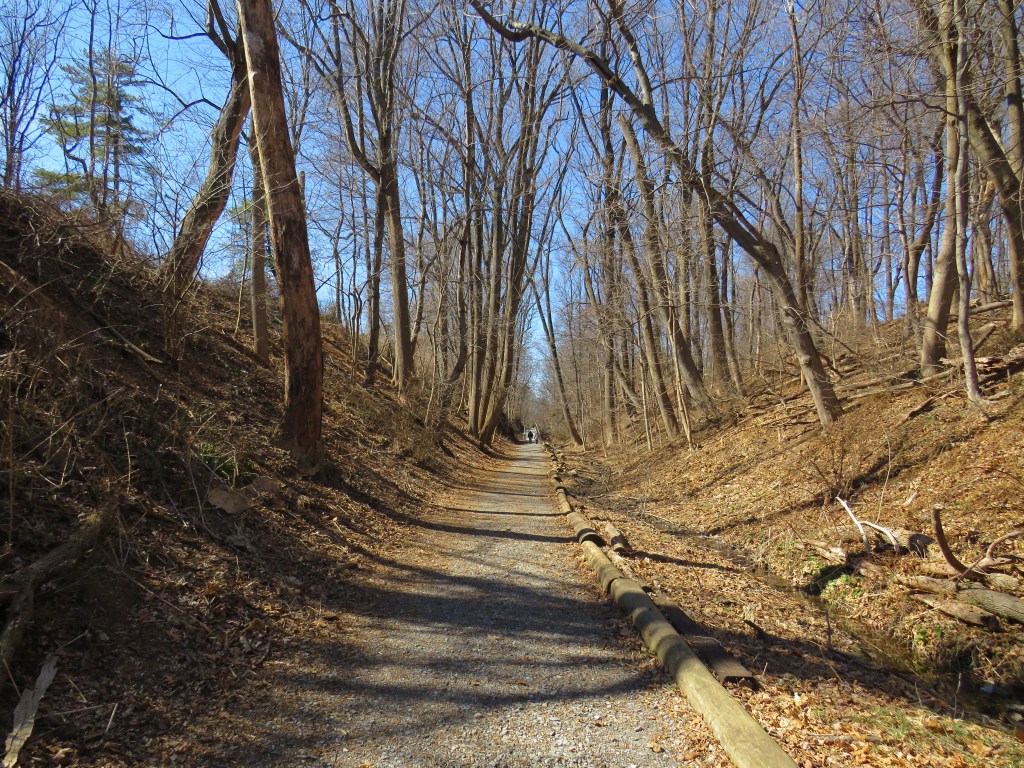
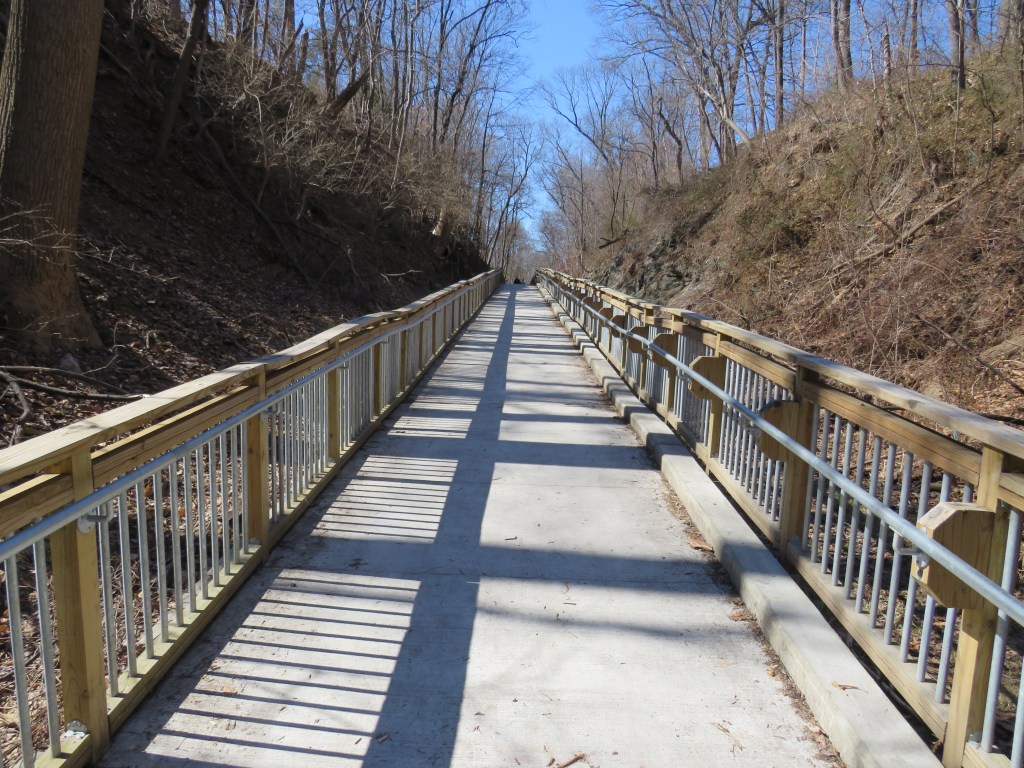
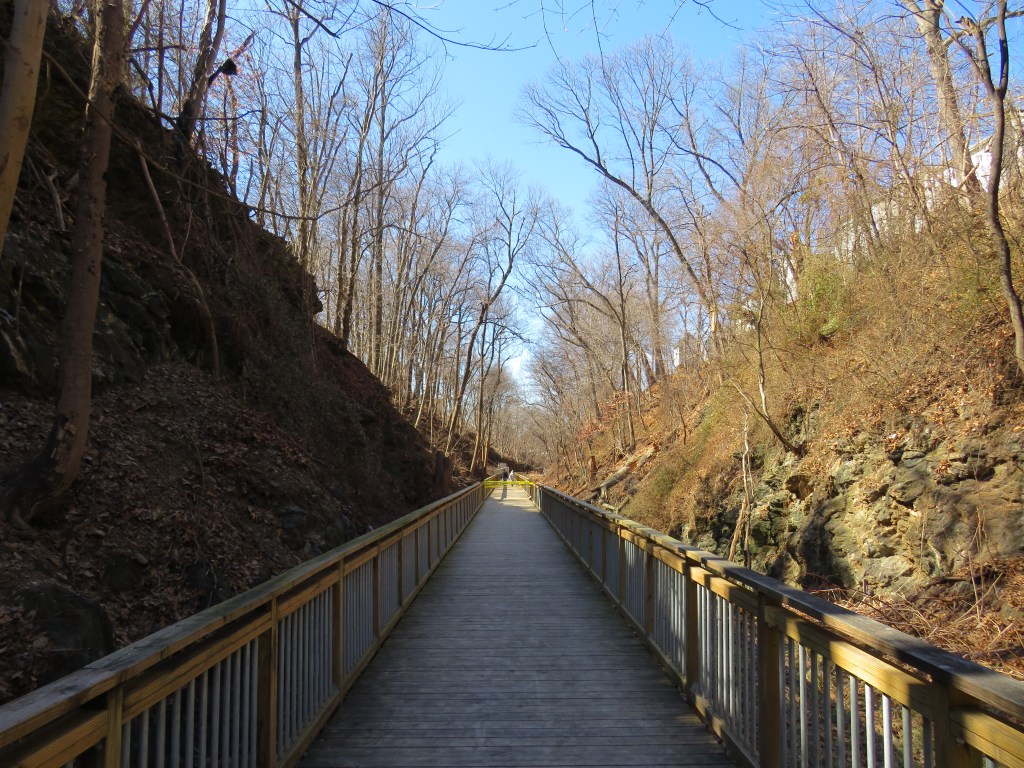
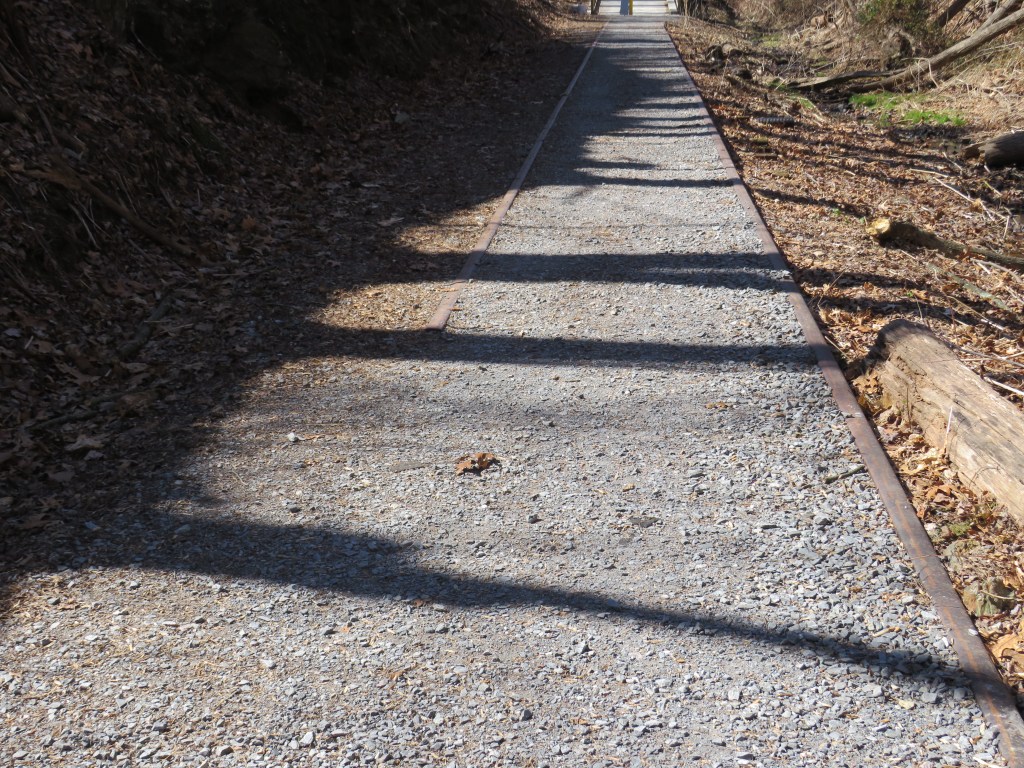
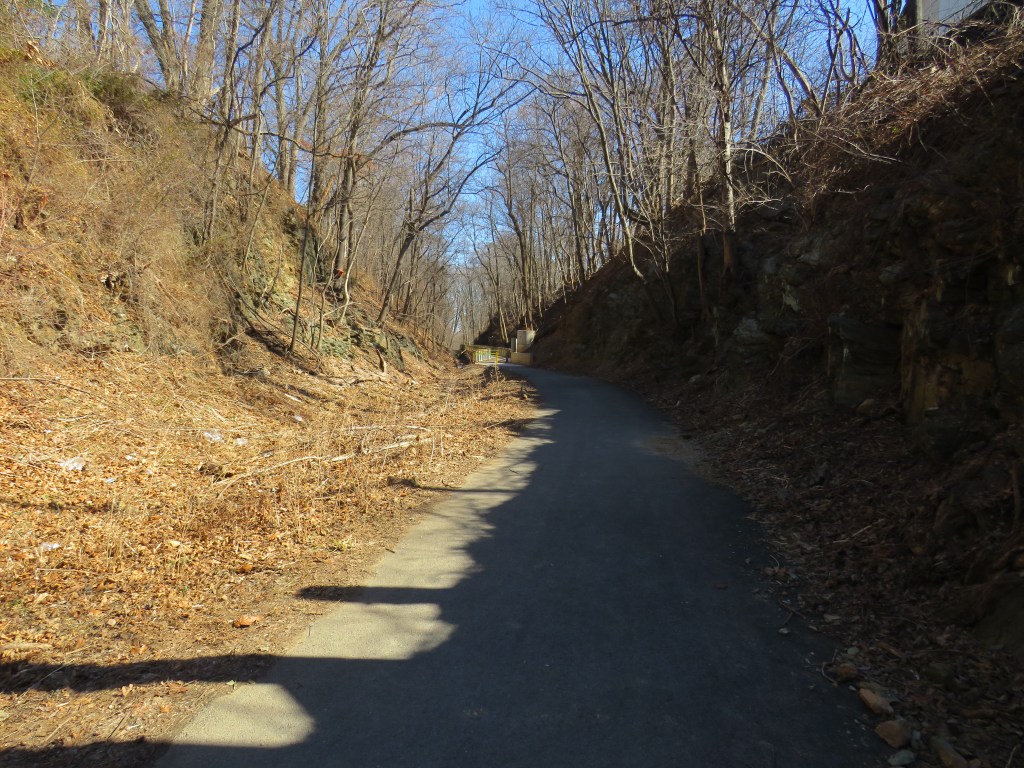
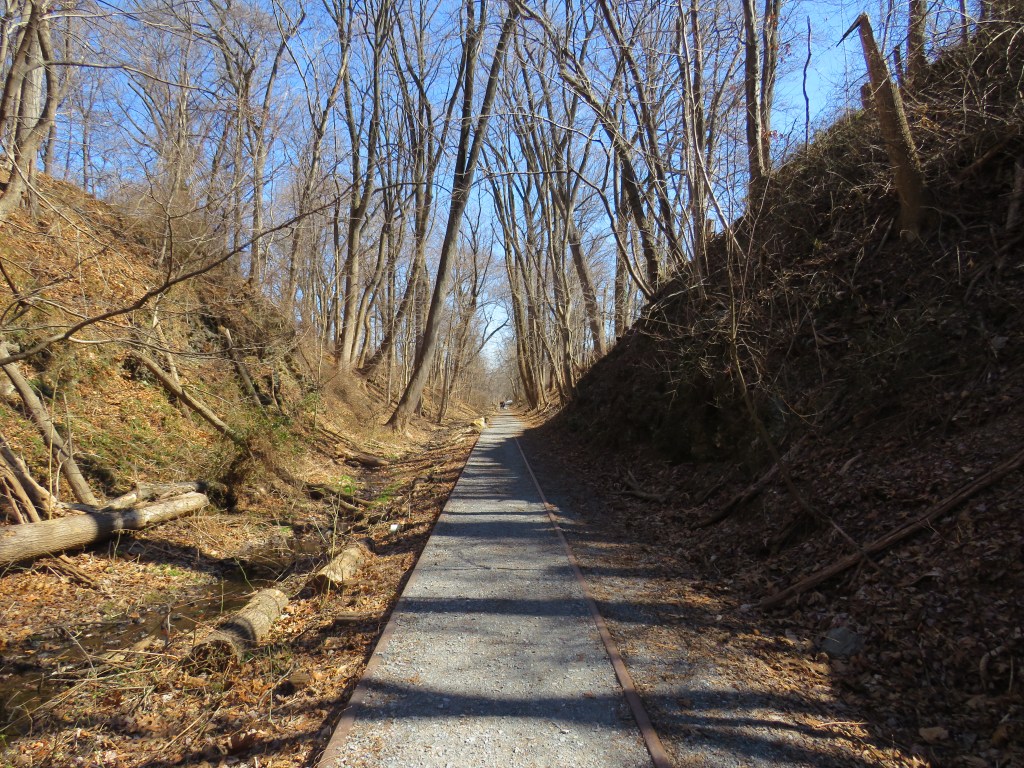
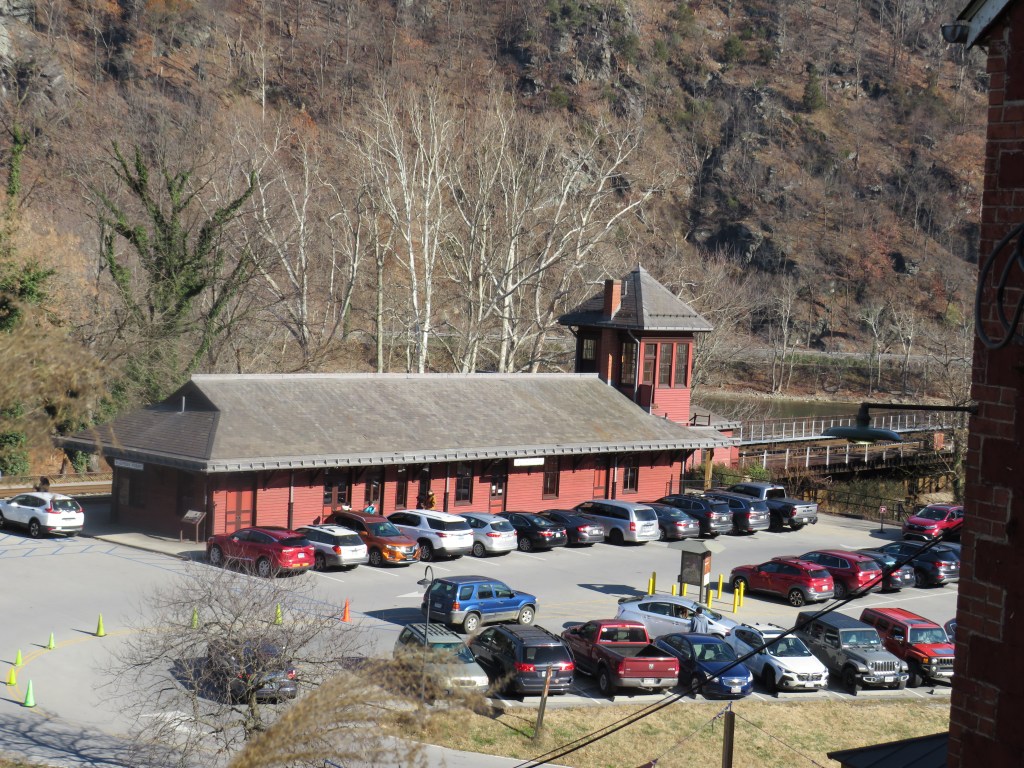
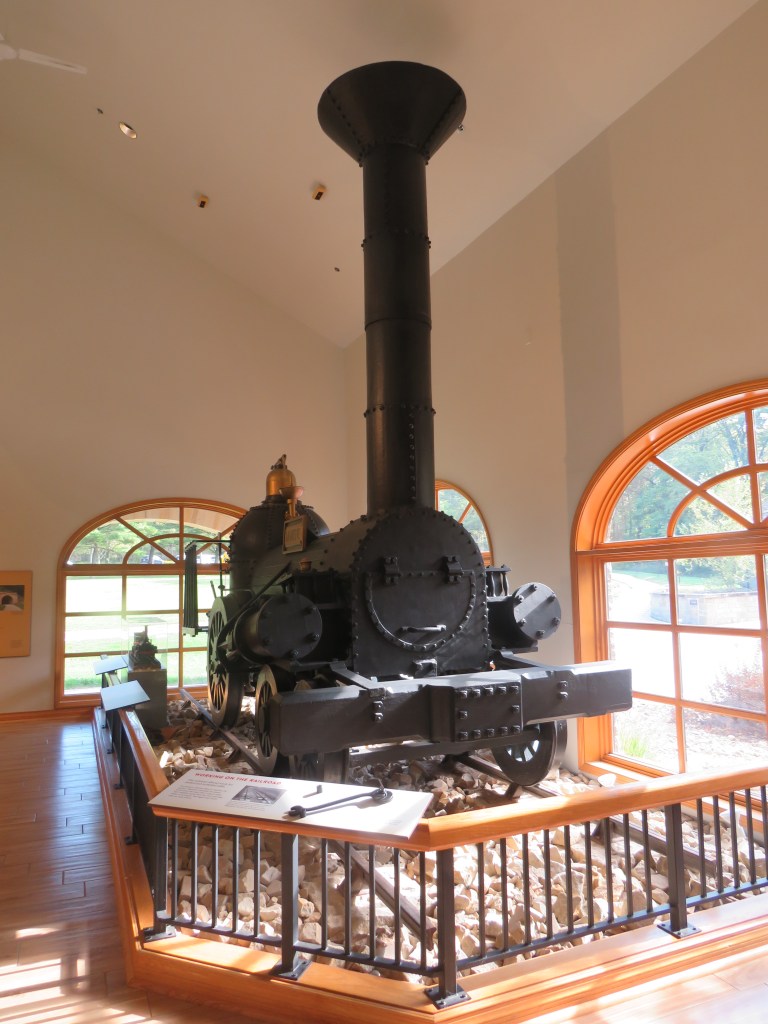
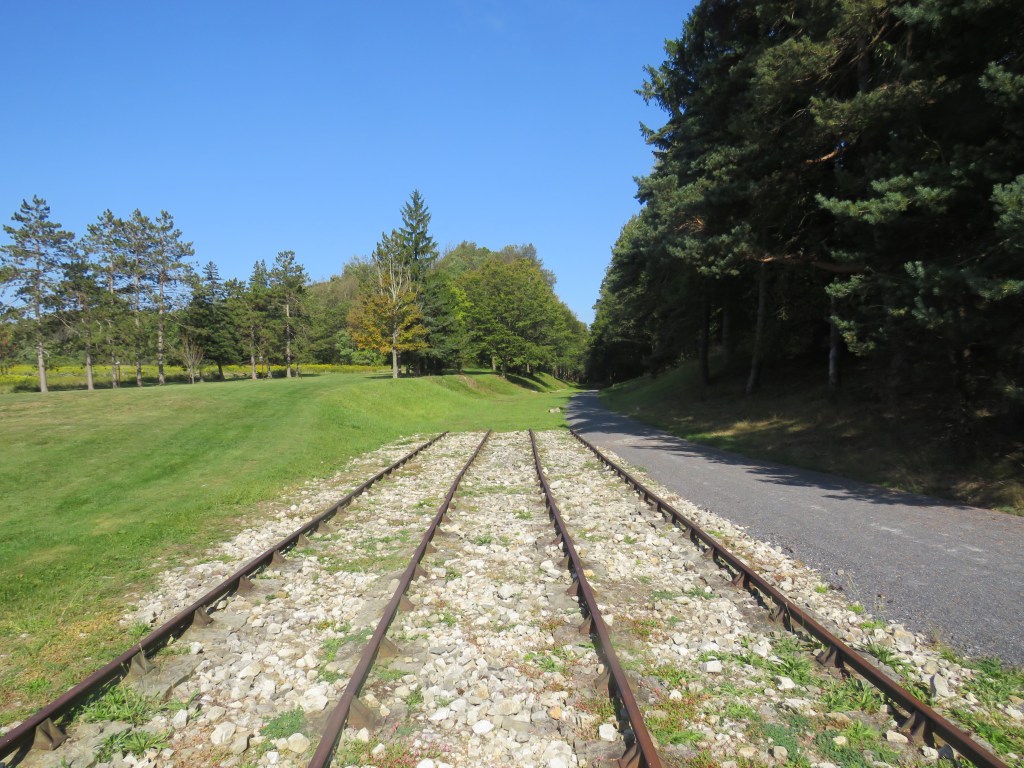
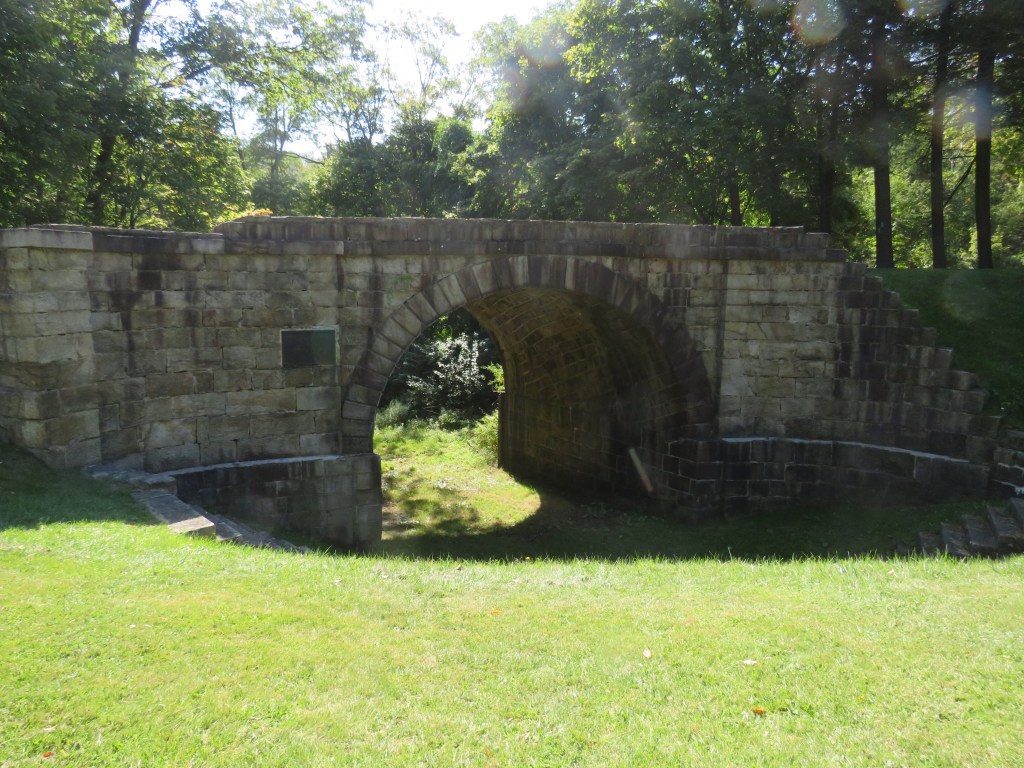
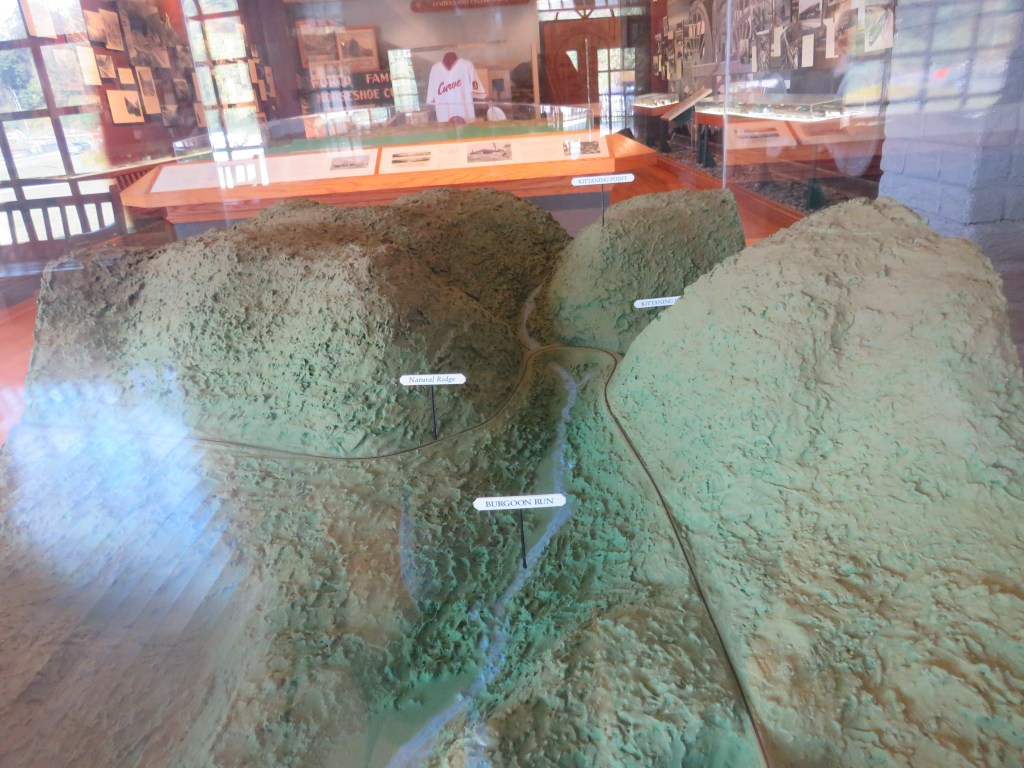
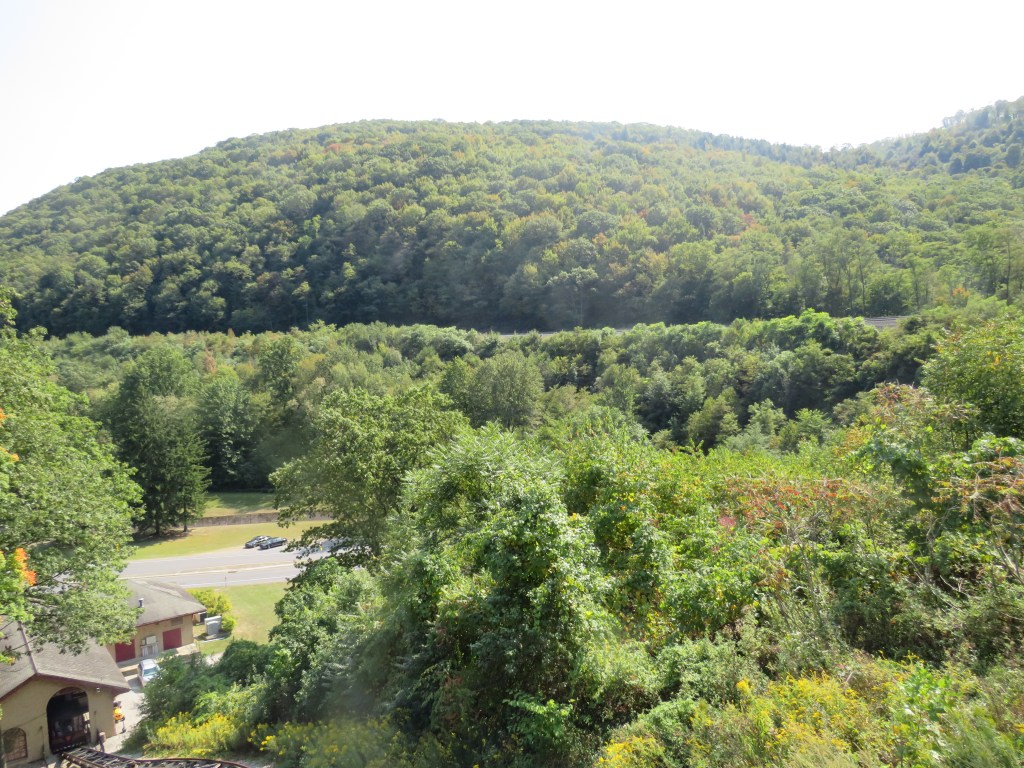
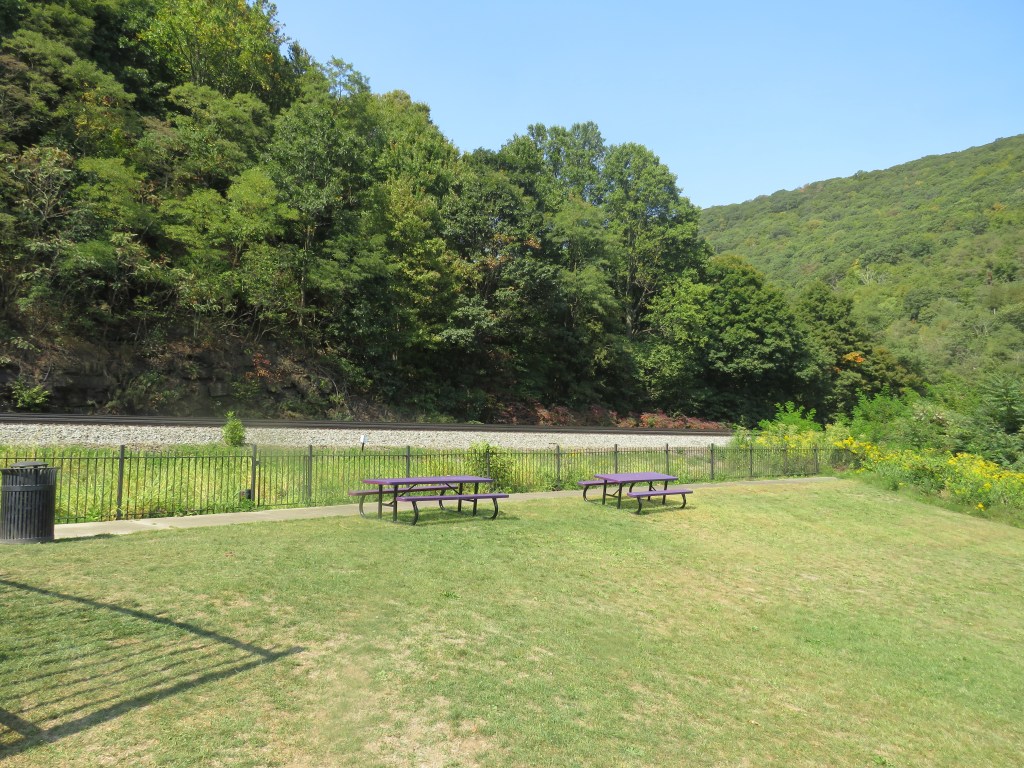
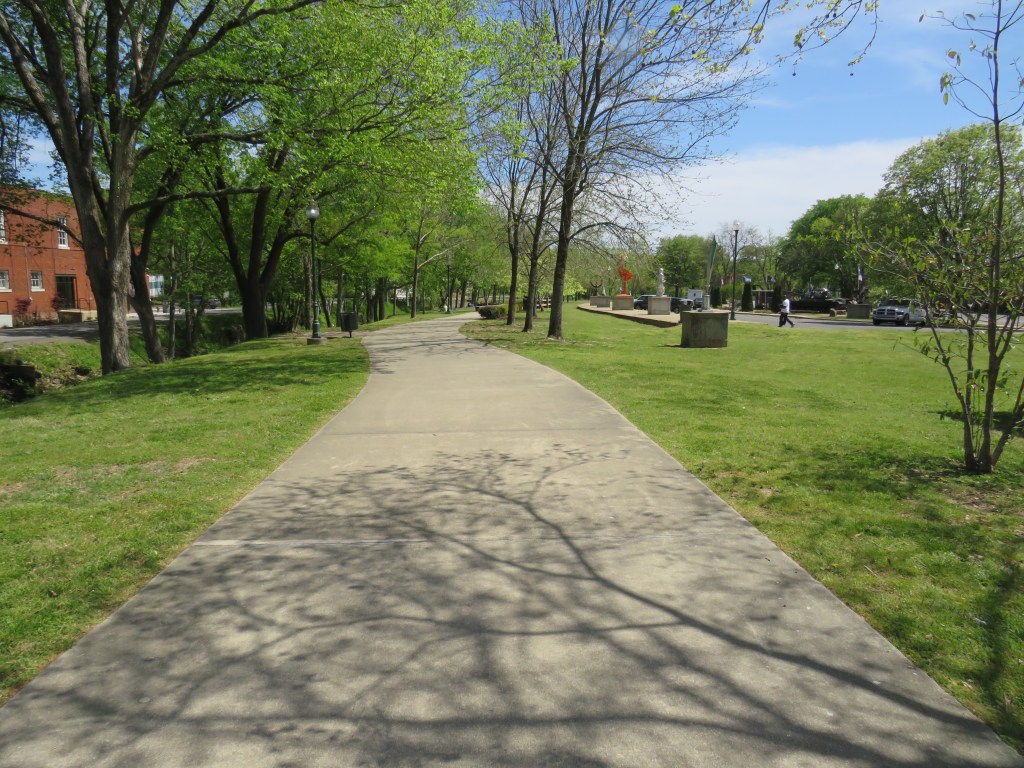
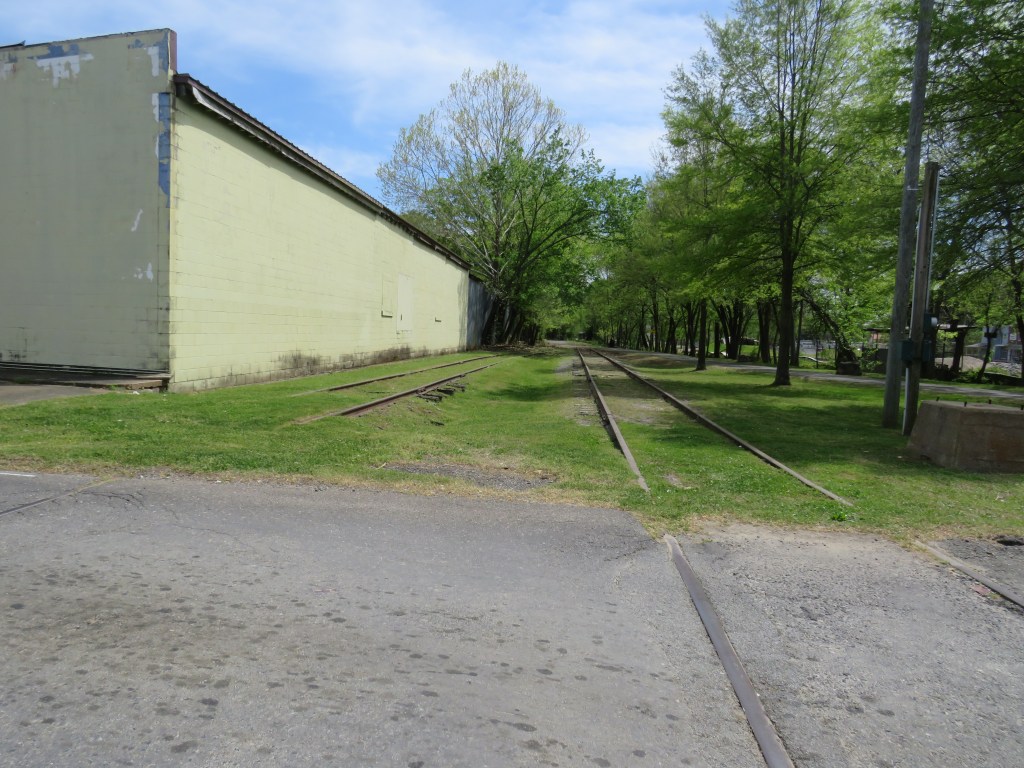
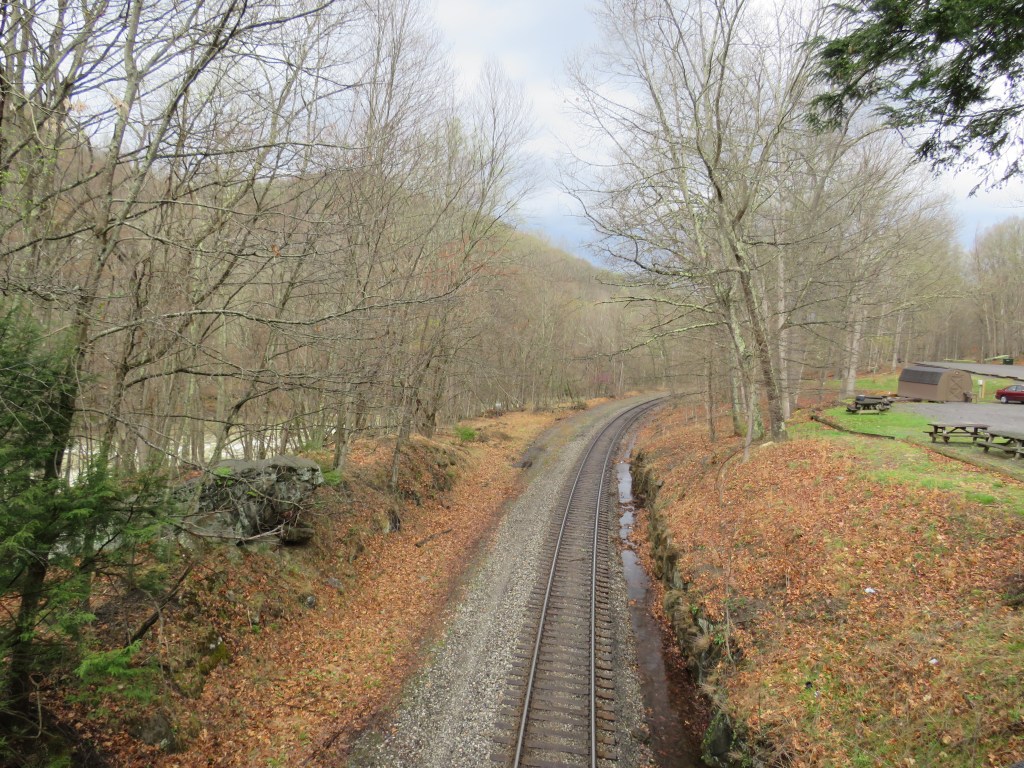
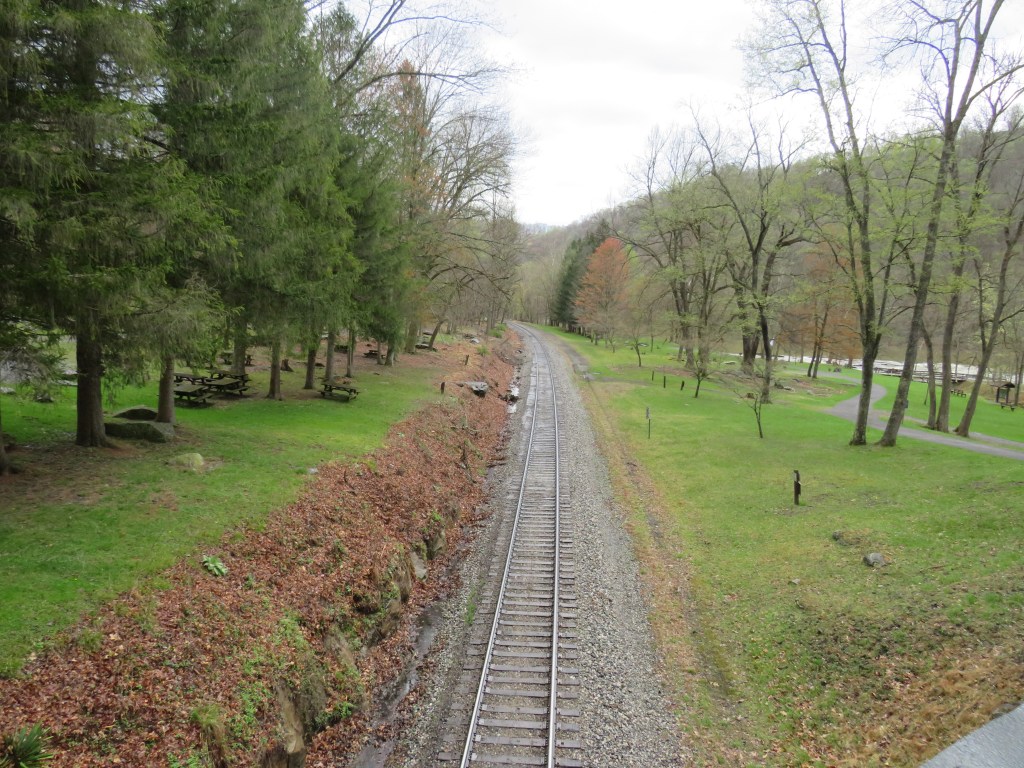
Welcome to the Allegheny Portage Railroad National Historic Site.  The Allegheny Portage Railroad National Historic Site preserves the history and the site of the pulley railroad system.  The site, owned and operated by the National Park Service, consists of the Visitor Center which houses a museum that shows the working of the railroad and how the railroad was built and how it operated.  There is also a replica of the Number 6 Engine House where the pulley system pulled the train up the mountainside and lowered the trains on the other side.  You can also visit the Lemon House.  No, it is not made from actual lemons.  It served as a tavern for those using the railroad.  There are also hiking trails along the old railroad bed.

The Allegheny Portage Railroad Historic Site is located at 110 Federal Park Road in Gallitzin, Pennsylvania just off of U.S. Route 22.  It is open year round from 9:00am to 5:00pm.  (Closed on Wednesday and Thursday.)  Parking is on site.  The Visitor Center, the Engine House, and the Lemon House are wheelchair accessible, but the hiking trails are not.  The great part is that there is no admission fee to visit the site.  You can get more information about at Allegheny Portage Railroad National Historic Site (U.S. National Park Service).
The next time you are in Altoona, Pennsylvania, you can see the World-Famous Horseshoe Curve.  You can see the National Railroaders Memorial Museum.  You can ride the Everett Railroad.  You can see the Gallitzin Tunnels.  The Allegheny Portage Railroad Historic Site is another great reason to visit Altoona.  It is truly a railroad site unlike any other in the world.

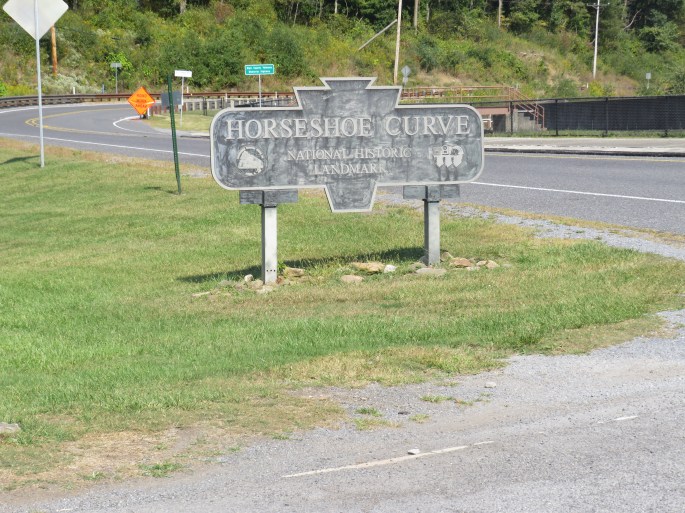
The World Famous Horseshoe Curve, Altoona, Pennsylvania

The U.S. state of Pennsylvania is a state with so many historic sites.  From the signing of the Declaration of Independence and the United States Constitution in Philadelphia to the discovery of oil in Titusville, everywhere you step in Pennsylvania, history took place.  When it comes to the railroad, one of the great railroad sites in the World Famous Horseshoe Curve in the city of Altoona.

Yes, there are other horseshoe curves.  What makes this one so famous?

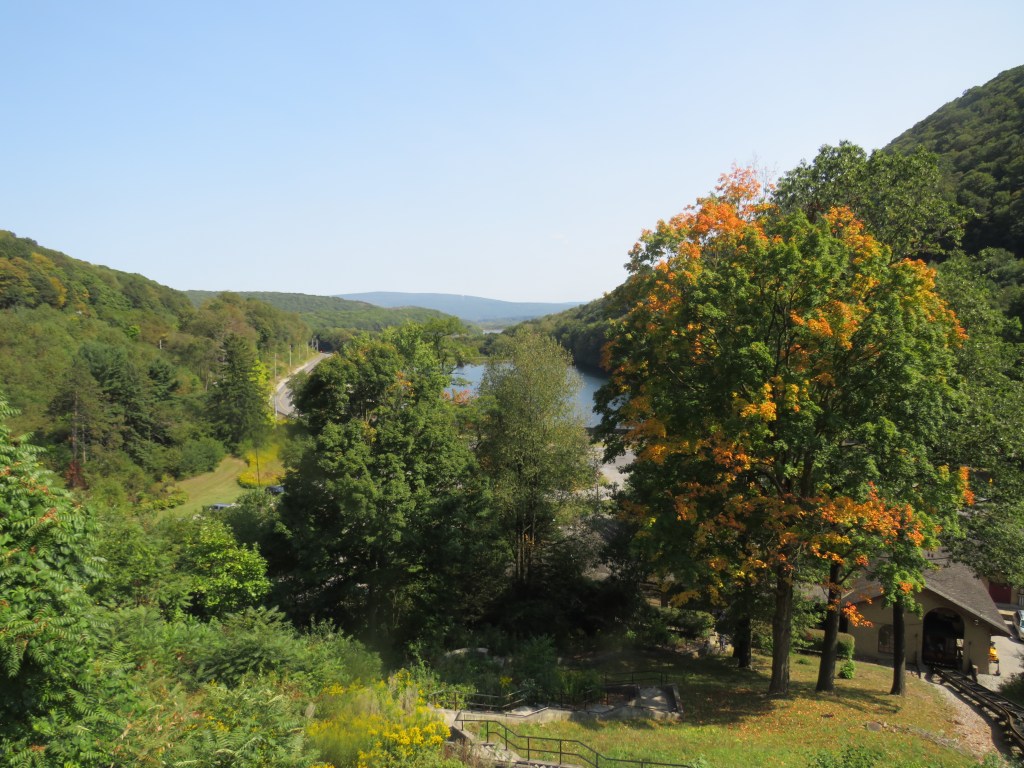
In the early years of the United States of America, settlers arrived on the beaches of the Atlantic Coast.  As they came, there was a desire to go west from the Atlantic Ocean.  The first attempt was the famous horse and buggy.  Then they arrived at the Appalachian Mountains.  Building roads over the mountains were very difficult.  Then came canals.  However, the canals were hard to build over mountains.  Then came the railroad.  The railroad then had a run-in with the mountain.  Then an idea came.  Instead on building the tracks straight up the mountainside, why not build the railroad bed along the side of the mountain going up the mountainside gradually.  The railroad bed was built gradually going up the mountain into a cove where it made a U-turn on the mountainside.  The World Famous Horseshoe Curve was complete.  Trains were able to get up the mountain with a little help of the Gallitzin Tunnels allowing trains to from the cities of the Atlantic Ocean to the interior of the United States of America.

Today, the World Famous Horseshoe Curve is designated as a National Engineering Landmark.  An engineer can drive his locomotive through the curve, and he could see the back of his train.  Train watchers come and spend a day watching the trains roll through the curve.  Along with the passing trains, there is also a small museum showing how the curve was built and the great efforts that were made to build the curve.

The World Famous Horseshoe Curve is located at 2400 Veterans Memorial Highway outside of the city of Altoona.  (Please note that there is a tunnel north of the site with a height limit not suitable for busses and large recreational vehicles.  Busses and large vehicles must approach the curve from the city of Altoona and not from U.S. Route 22.)  Access to the viewing area is accessible to wheelchairs by way of funicular that operates during open hours.  You can get more information, admission, and of hours at https://www.railroadcity.org/horseshoecurve.

When in Altoona, visit the World Famous Horseshoe Curve.  No, you will not find horseshoes, but you will see trains pass through a major engineering marvel.

Quarry Gardens, Schuyler, Virginia

The state of Virginia is one of the original states of what would become the United States of America.  The state has produced more U.S. Presidents that any other state to include George Washington, the first president, and Thomas Jefferson, the third president and the one who drafted the Declaration of Independence.  The state has many famous historic sites like the Manassas National Battlefield, Mount Vernon, and Monticello.  The state has many cities and small towns.  In the central region of the state between the famous college cities of Charlottesville and Lynchburg is a small town known as Schuyler.  What is famous about Schuyler?  The town’s claim to fame is that it is the home of Earl Hamner.  Who is Earl Hamner?  He is famed for being the writer of the true stories that inspired the television show The Waltons, a television series that took place in that small town.  In this town, you will find the Waltons Museum where you can learn about Earl Hamner and the television show.  A few miles from the museum is where you will find another great place.

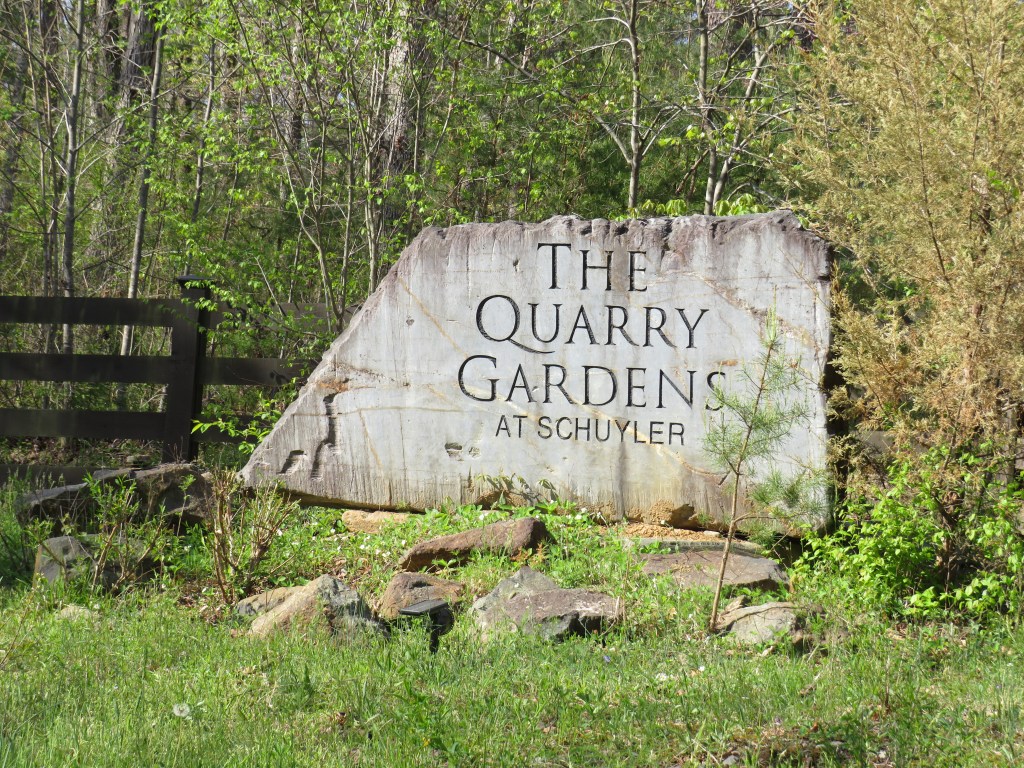
Welcome to Piedmont Discovery Center’s Quarry Gardens.  What is the Piedmont Discovery Center’s Quarry Gardens?

Some of you are saying, “Well, duh, it is a garden that is in a quarry.”

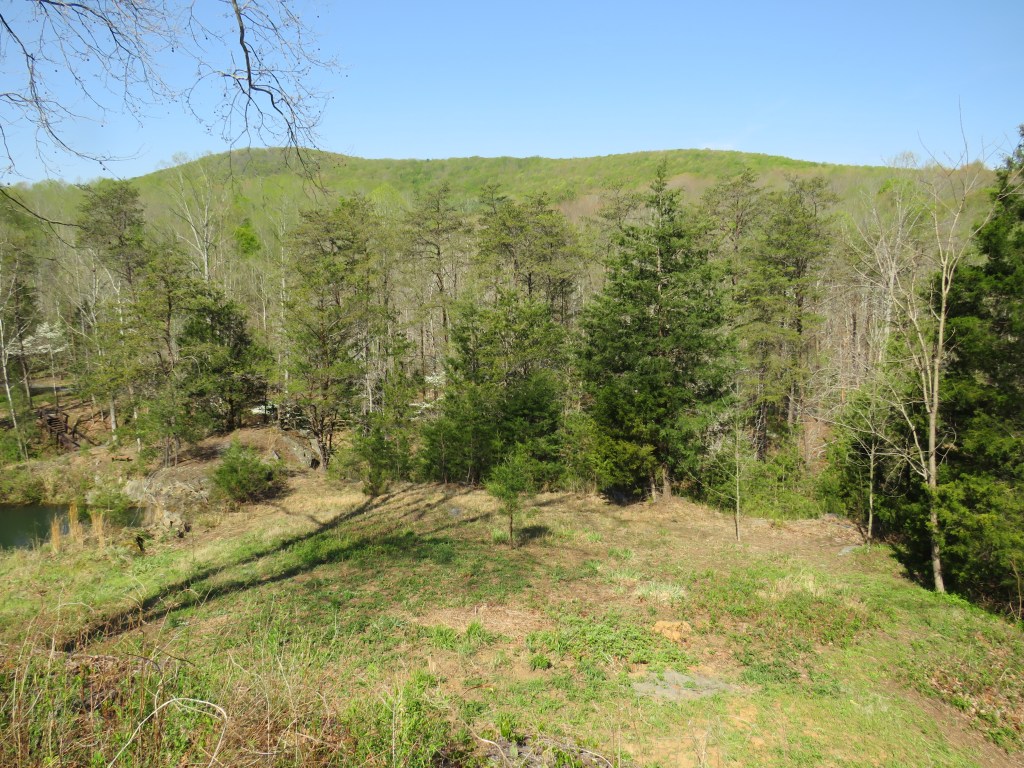
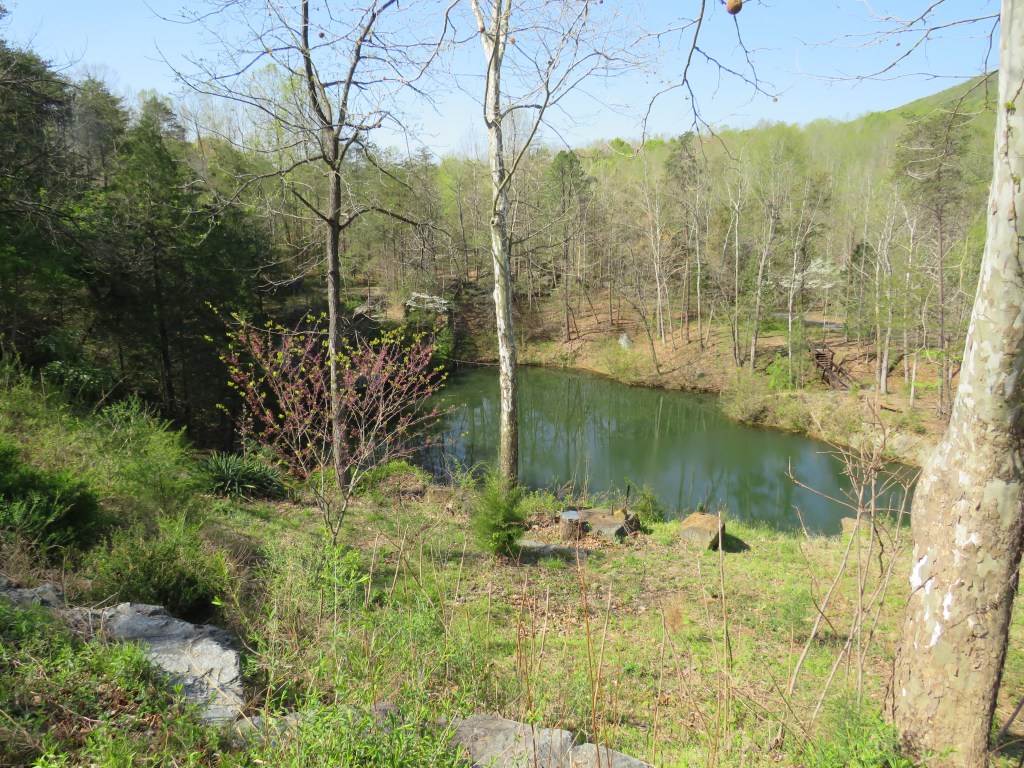
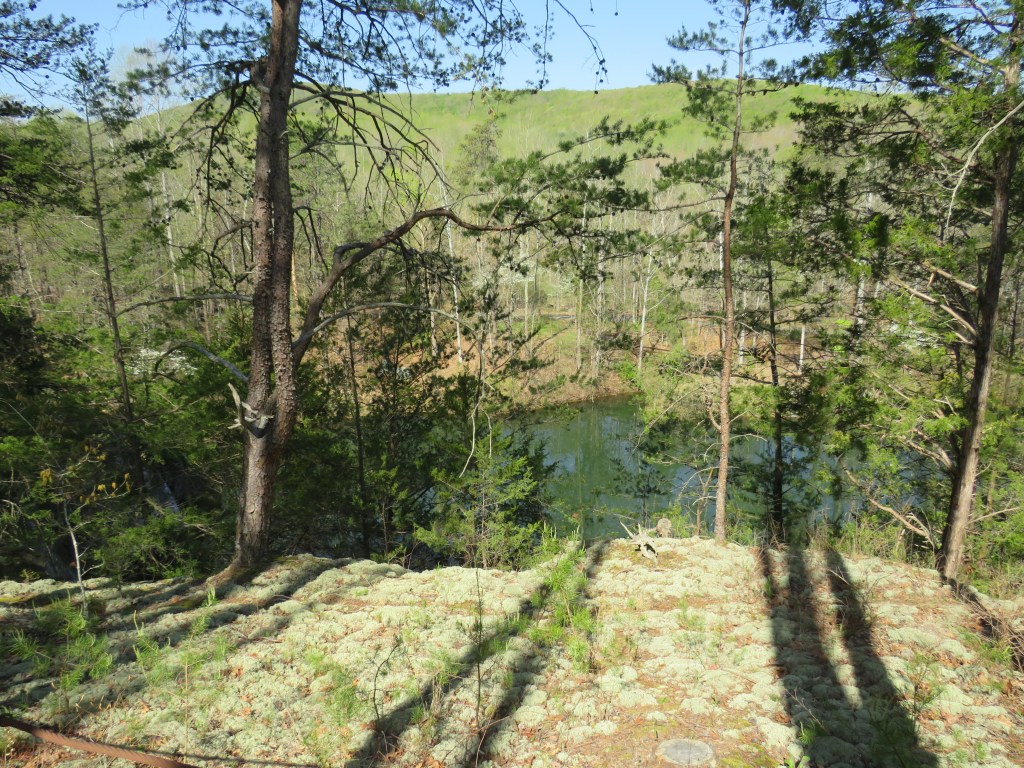
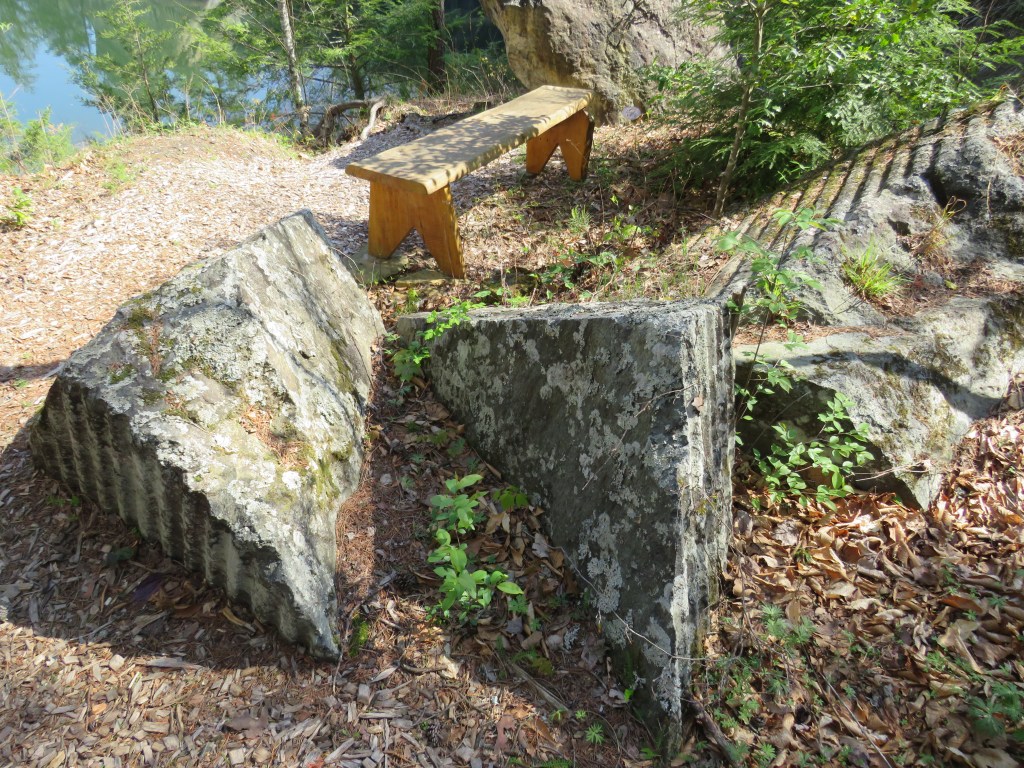
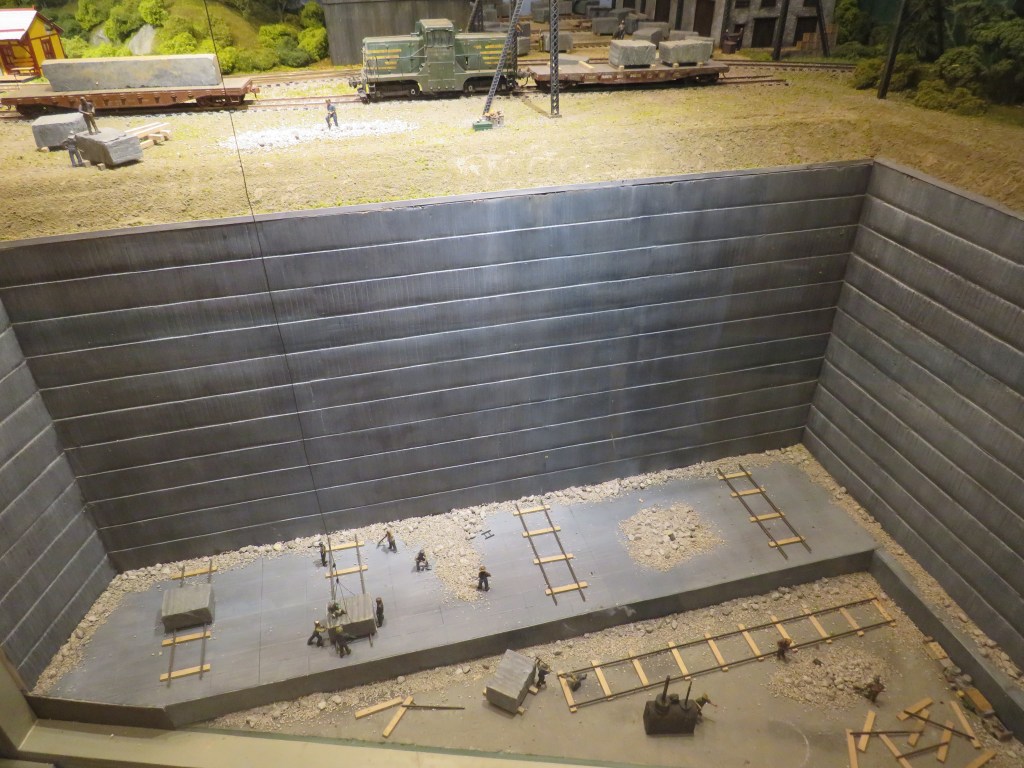
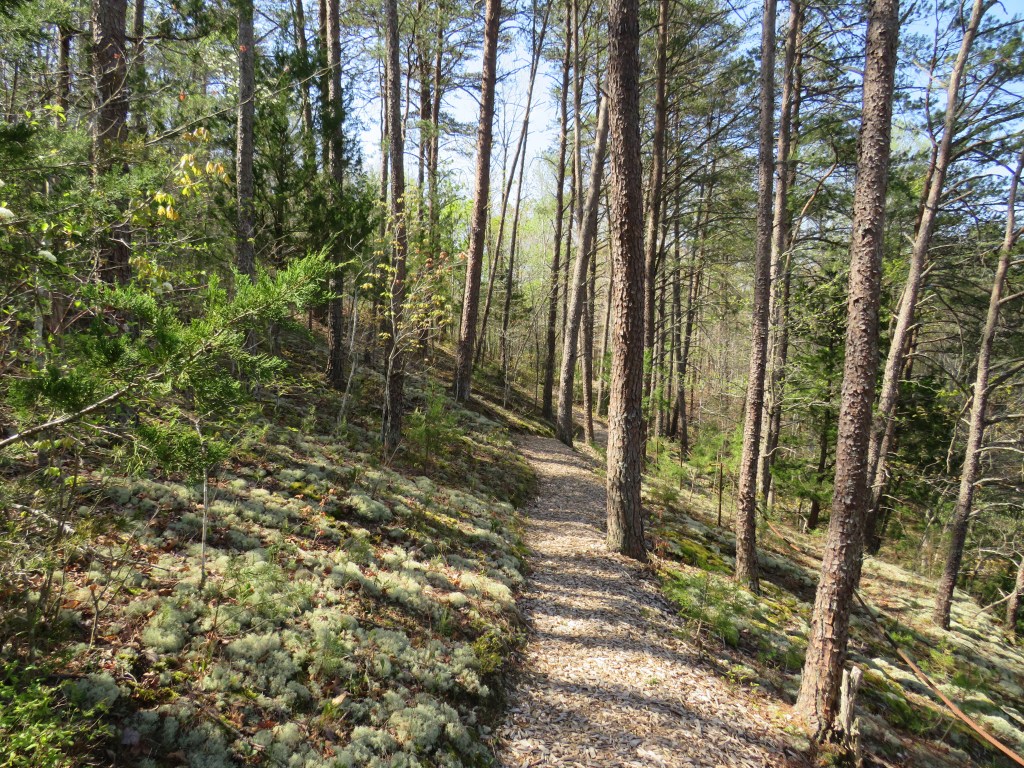
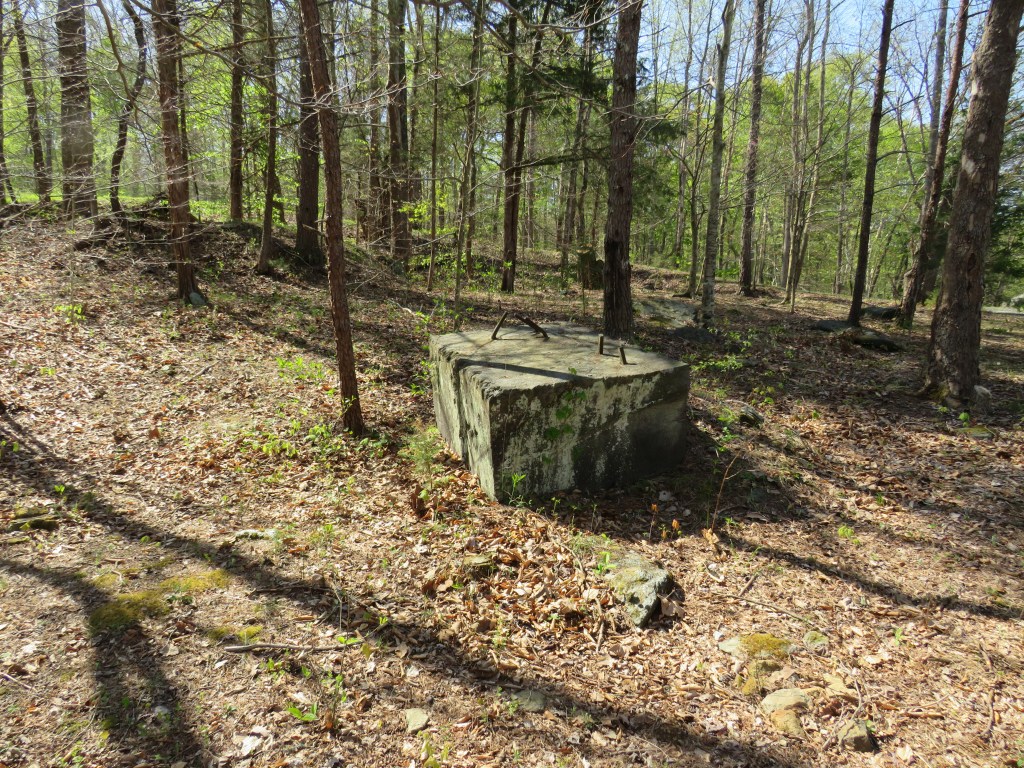
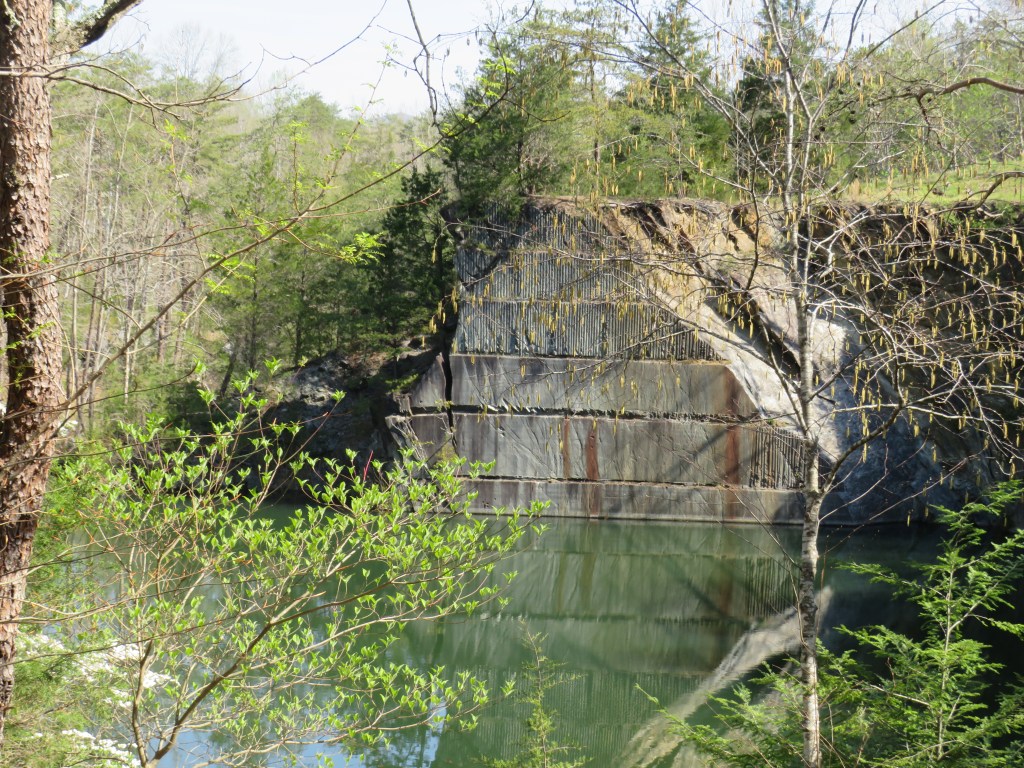
Well, you are exactly right.  It is a garden that was formed in an old quarry.  Well, there are two quarries.  In its heyday, Schuyler was the soapstone capital of the world.  The soapstone was cut out of the quarries, and it was shipped around the world.  Soapstone was quarried on the land now owned by the Piedmont Discovery Center mainly between the 1950’s and the 1970’s, and then it became a dumping site.  A couple named Bernice and Armand Thieblot came up with the idea of making the two quarries into a garden and opening it to the public.  With help from the Piedmont Discovery Center, the idea became a reality.  Today, you can hike the trails around the old quarries.  As you walk around this peaceful place, you will never know that this was once a very active and messy place.

Some of you are saying, “Wow!  I loved the Waltons, and I love gardens.  It is amazing that they were able to make a garden out of this place.  There is a big problem.  This is an old quarry.  This is not a railroad site.  Therefore, you will not see me visiting here.”

Why visit the Quarry Gardens?  It is not a railroad site.  Why visit here?

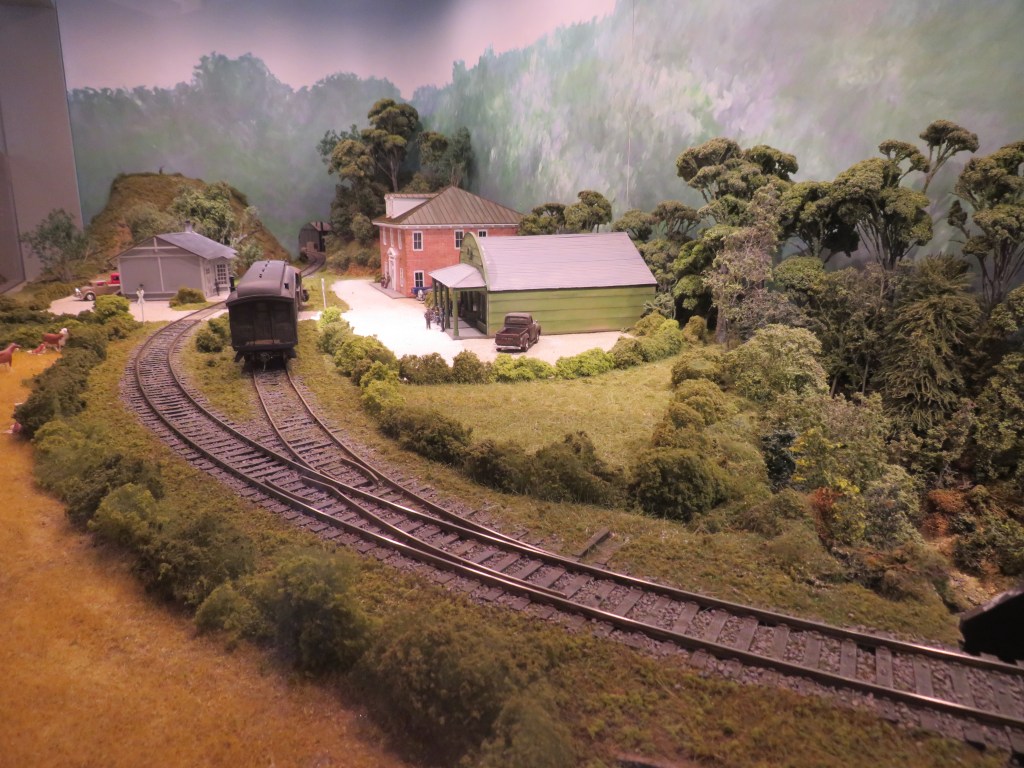
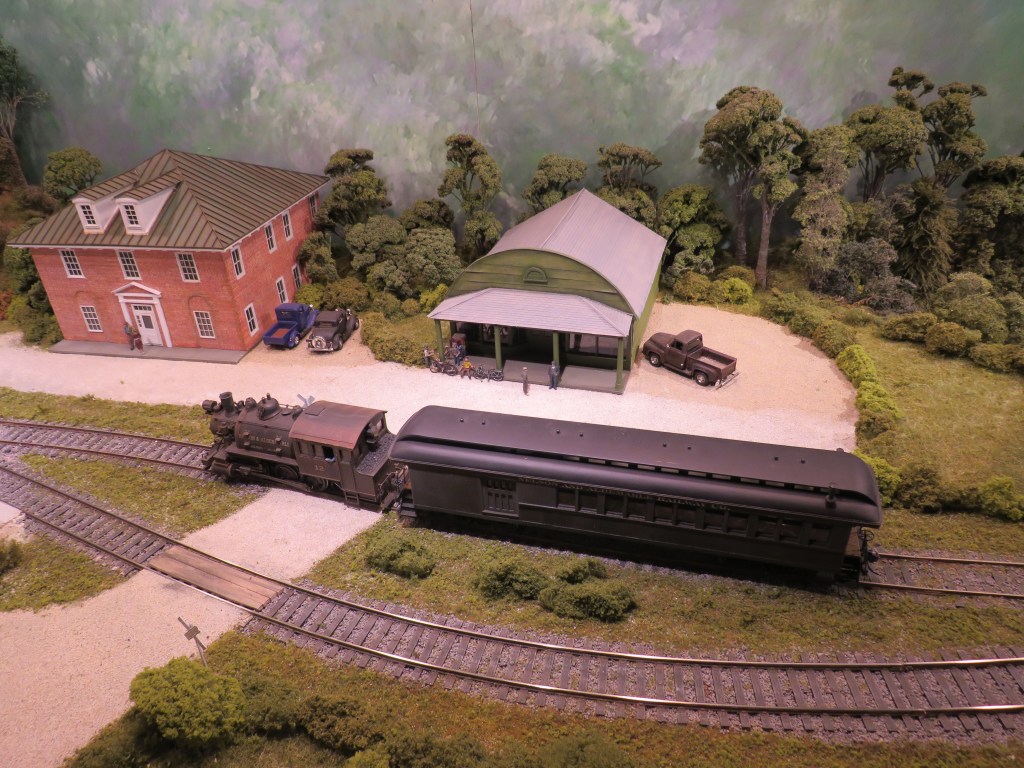
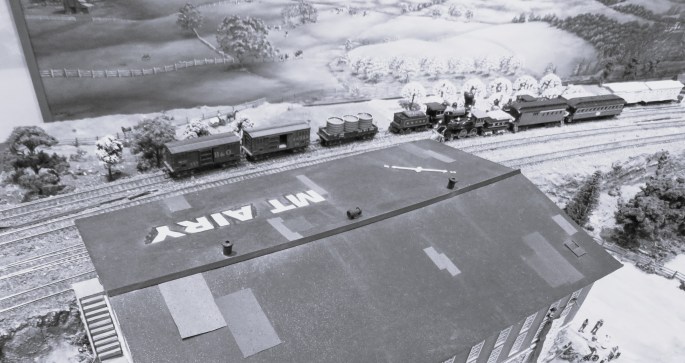
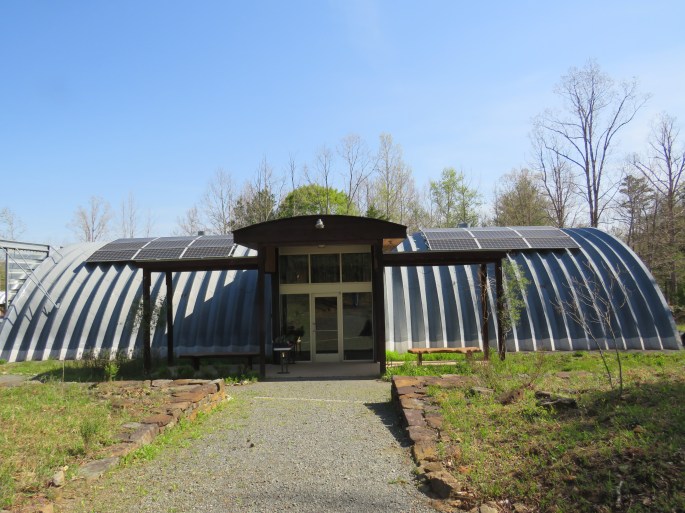
You arrive at the Quarry Gardens.  You park your car, and you enter the Visitor Center to check in.  The Visitor Center contains a small museum telling the history of the quarry and the soapstone industry.  You can also learn about the different plants that have grown in the quarries.  You then see a model train.  I know.  Some places have model trains, but this once is very special.  How special?  It is a model train display of the Nelson and Albemarle Railroad.  What does the Nelson and Albemarle Railroad have to do with the quarry?

As soapstone was mined out of the quarries, it was shipped around the world.  How was it shipped?  You can use big trucks, but the mode of shipping the soapstone from the quarries was the Nelson and Albemarle Railroad.

The Nelson and Albemarle Railroad was a short line railroad that was only 17 miles of total track connecting the quarry to the nearby Chesapeake and Ohio Railway and the Southern Railway, which then took the soapstone to the rest of the world.  The model train display tells the story of how the soapstone was taken from the quarries to the other railroads.  When the quarries were decommissioned, the Nelson and Albemarle Railroad was no more.

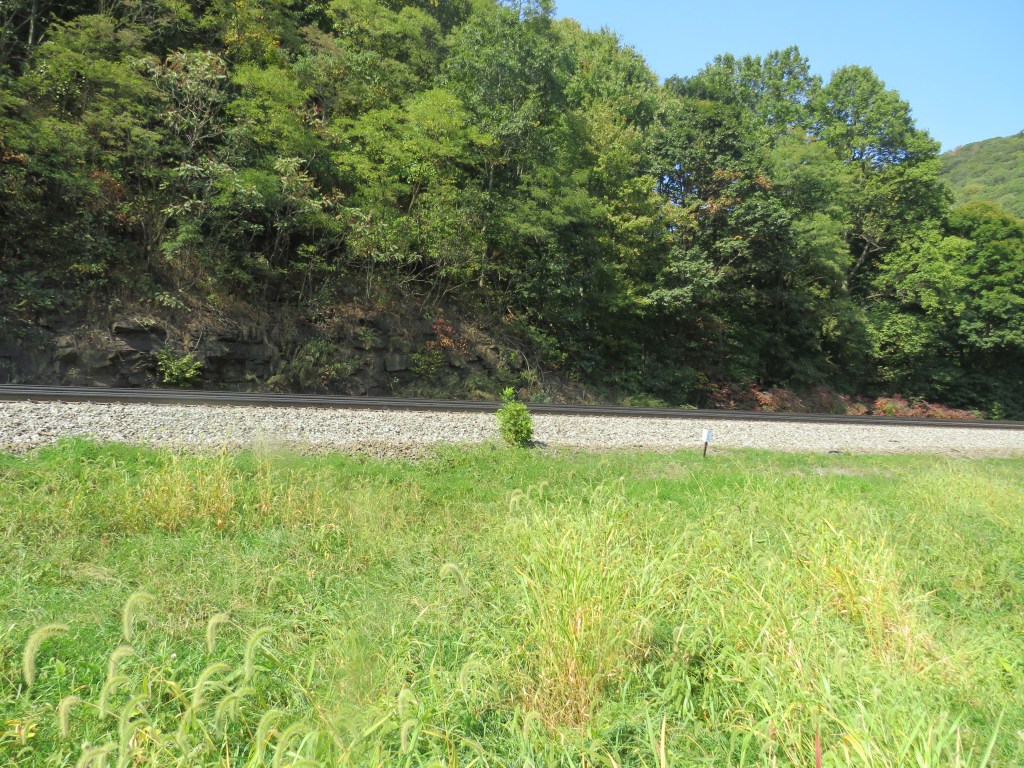
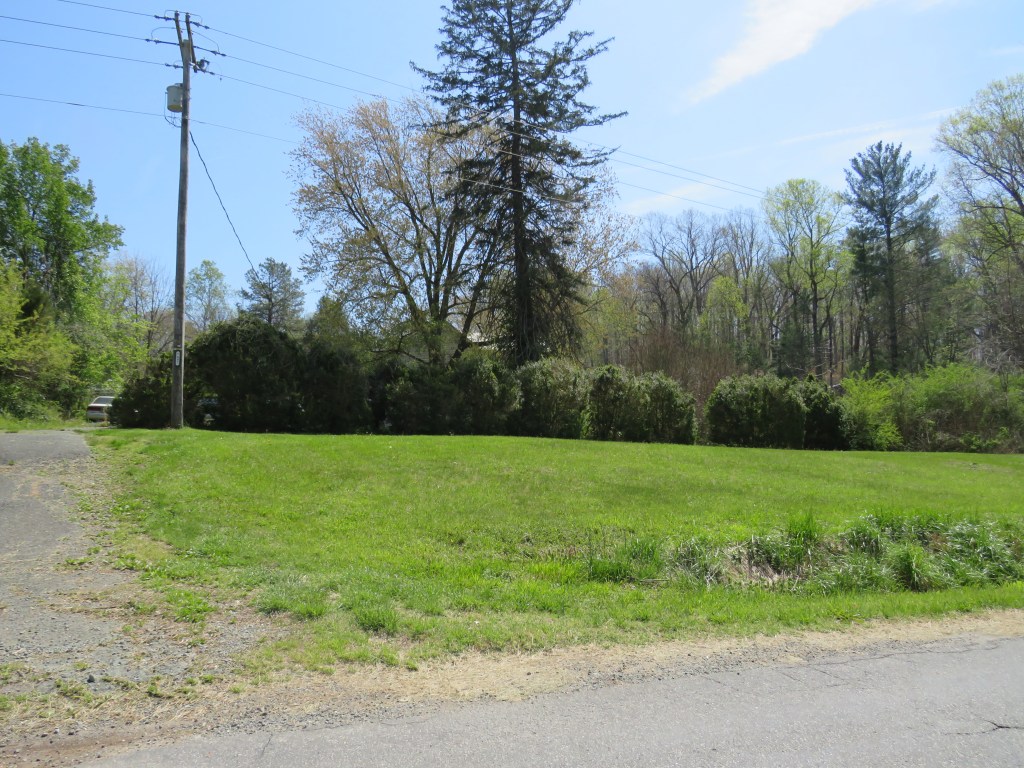
Many of the old railroad beds are on private property, but you can see one of the old railroad beds in the nearby town of Esmont.  The Chesapeake and Ohio Railway line is now owned by Chessie Seaboard Transportation, and the Southern Railway line is now owned by the Norfolk Southern Railway.

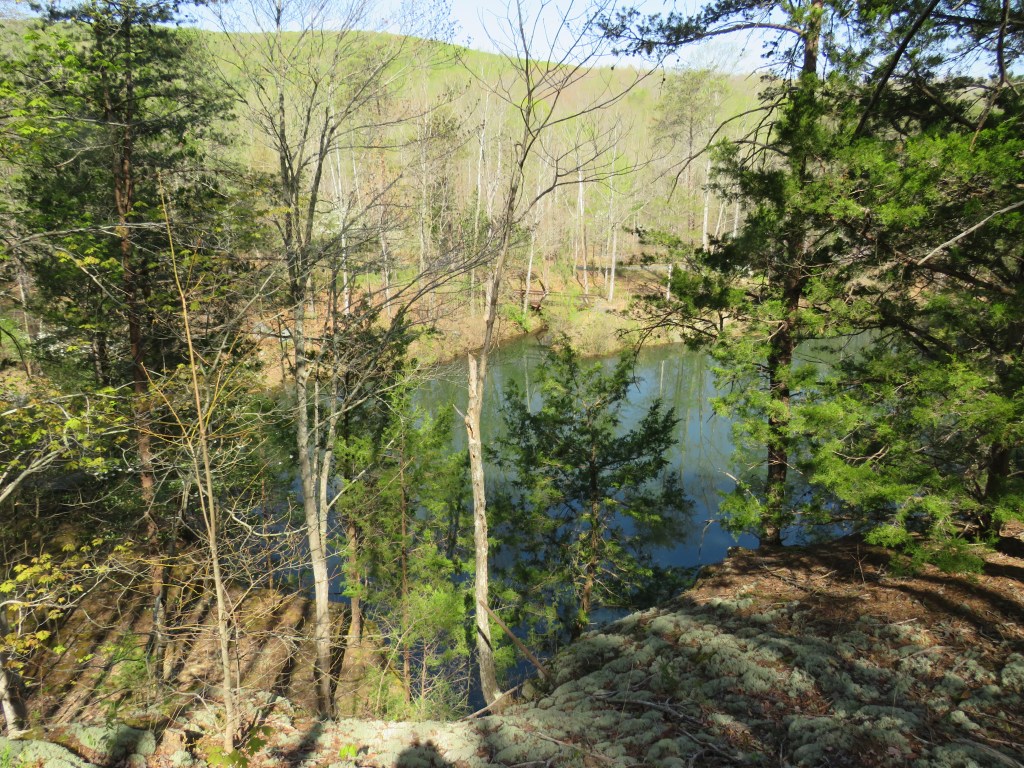
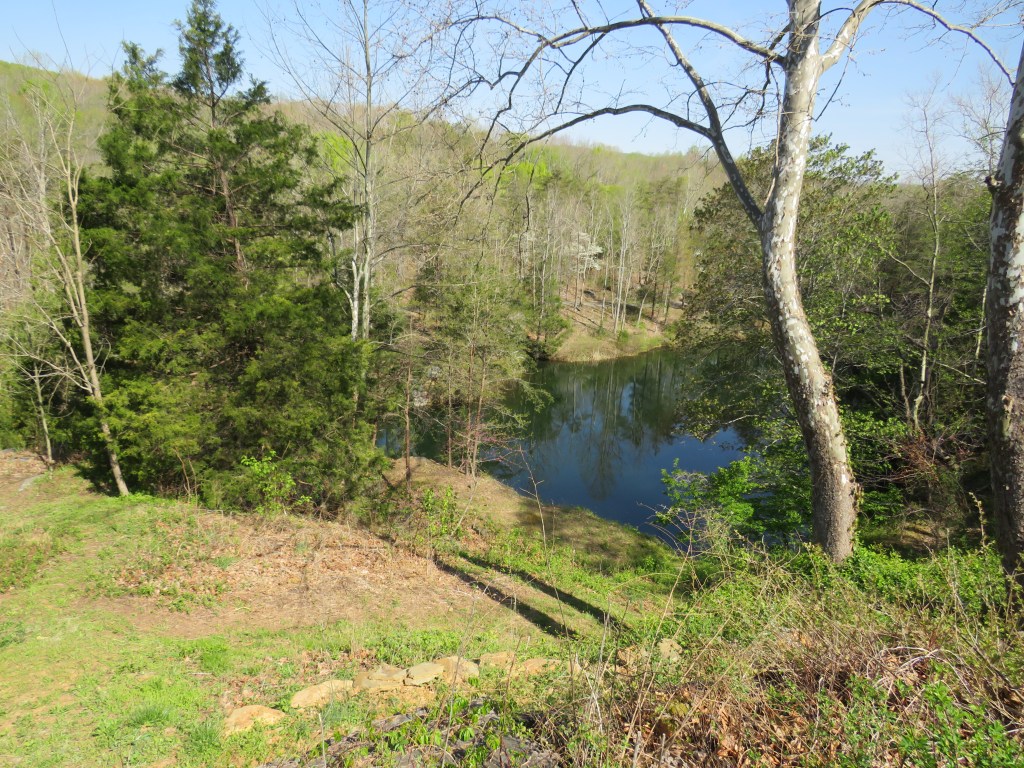
What about the gardens?  There is great scenery everywhere you walk.  You get great views of the quarries that are now filled with water.  (The water is not safe to drink.)  Please note that the pathways are dirt and gravel and not accessible to wheelchairs, and there are stairs to climb.

The Quarry Gardens are located at 1643 Salem Road in Schuyler, Virginia.  Please note that you must make an appointment to visit the gardens and that you cannot simply enter on your own.  You can go to https://quarrygardensatschuyler.org/ to purchase admission, get directions, and to learn more about the history of the garden.

Schuyler, Virginia was once the biggest supplier of soapstone in the world.  It was the railroad that made it possible.

Shippensburg University, Shippensburg, Pennsylvania

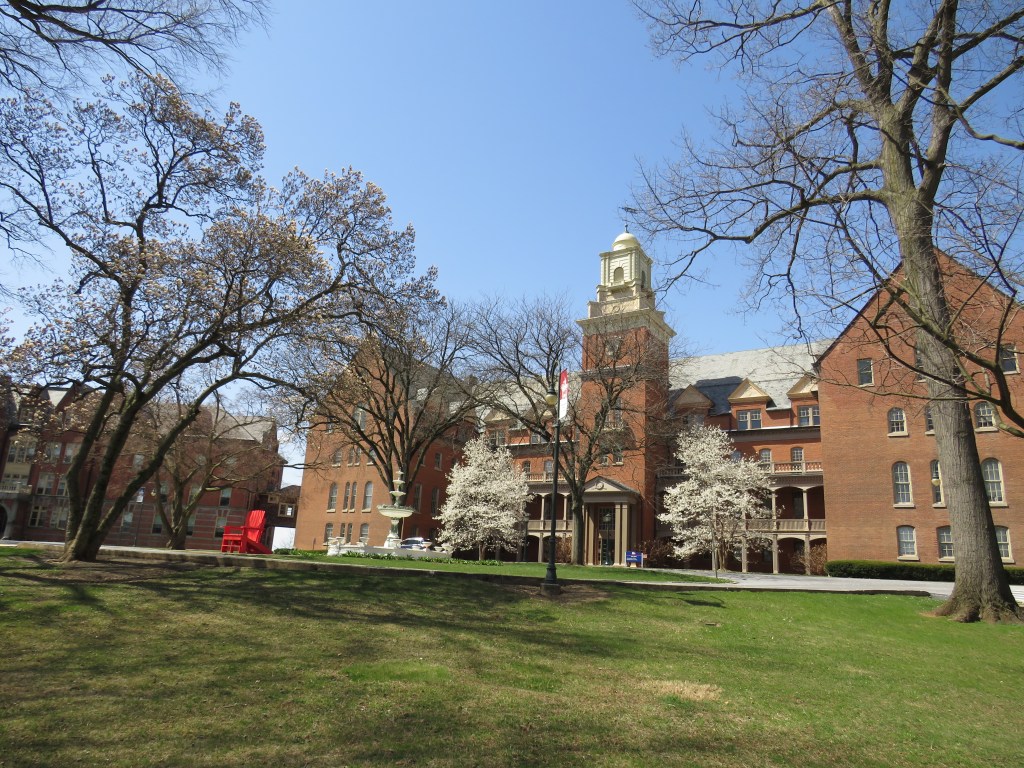
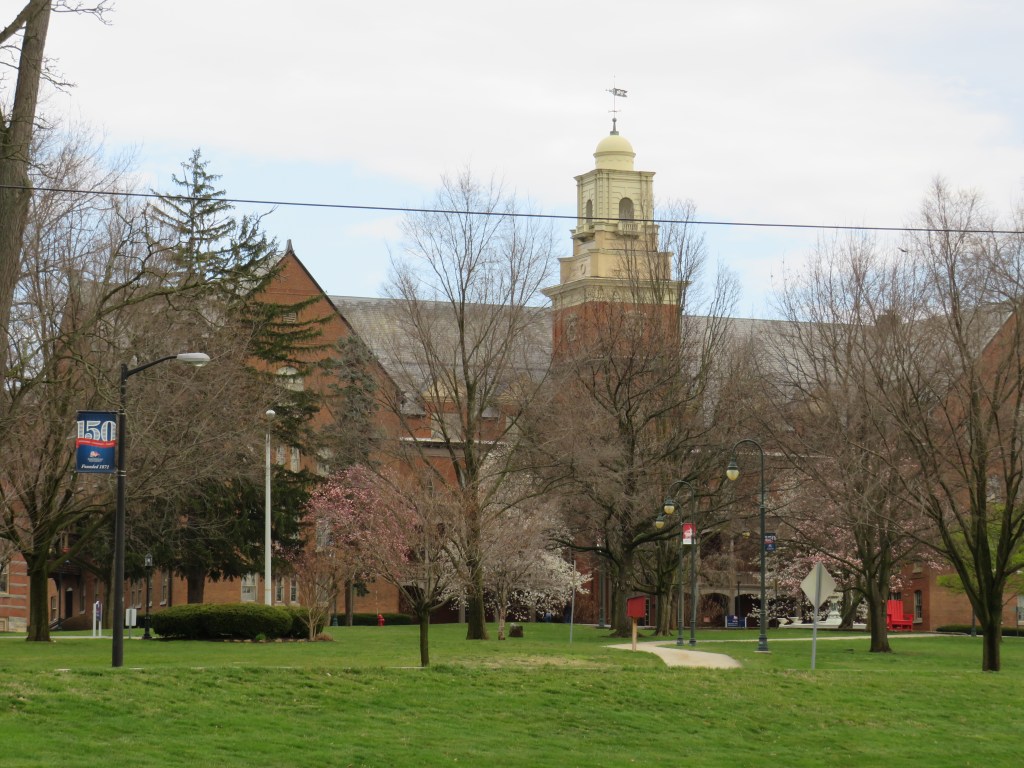
How many of you have ever heard of Shippensburg University located in the town of Shippensburg in the southern region of the U.S. state of Pennsylvania?  Alright!  It is not as well-known as Penn State University or Harvard or Notre Dame.  It began as Shippensburg University of Pennsylvania in 1871 before it was simply named Shippensburg University.  For a university that it not very well known, it has had many famous visitors like Pat Benatar, Salt and Pepa, George Carlin, and Jesse Jackson.  Every semester, they have many students that attend this university.  Shippensburg University is a university that has a deep history.

Some of you are saying, “Wow!  This is nice.  A university that has a deep history.  Oh, I love Pat Benatar.  She must have hit the place with her best shot.  There is a very big problem.  There is no railroad here.  Therefore, I will not be making my best shot to visit here.”

Shippensburg University is a university that has a rich history.  It is not famous for railroad history.  What does Shippensburg University have to do with the railroad?  Although the Norfolk Southern Railway passes through Shippensburg, it is a few miles from the university.

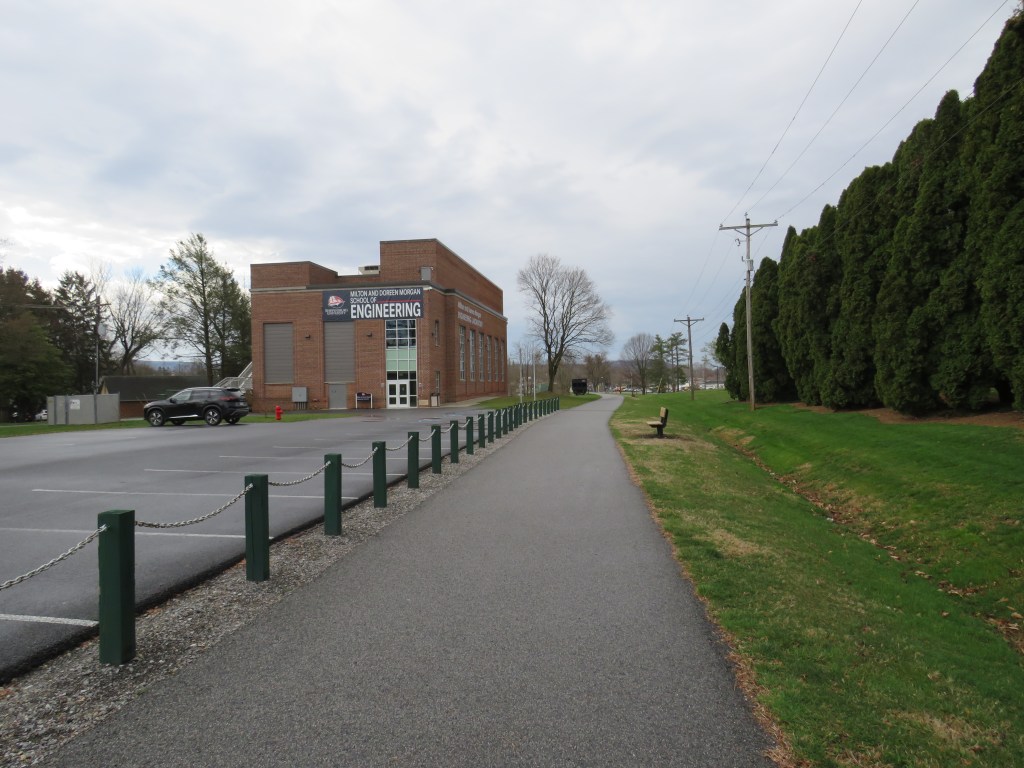
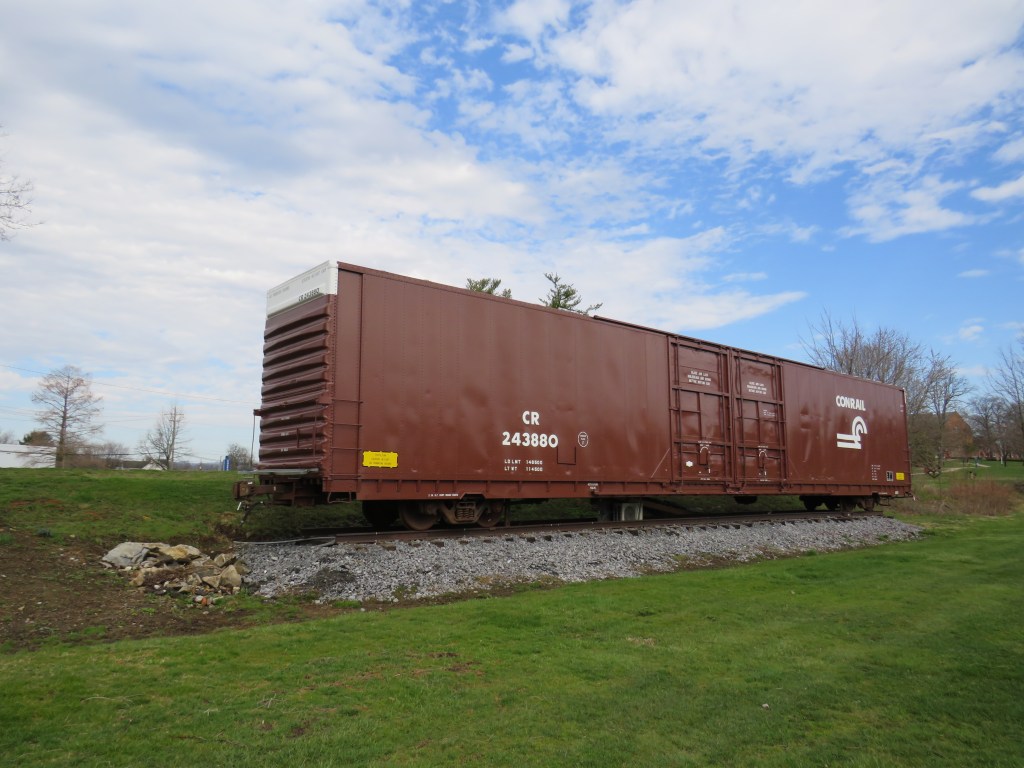
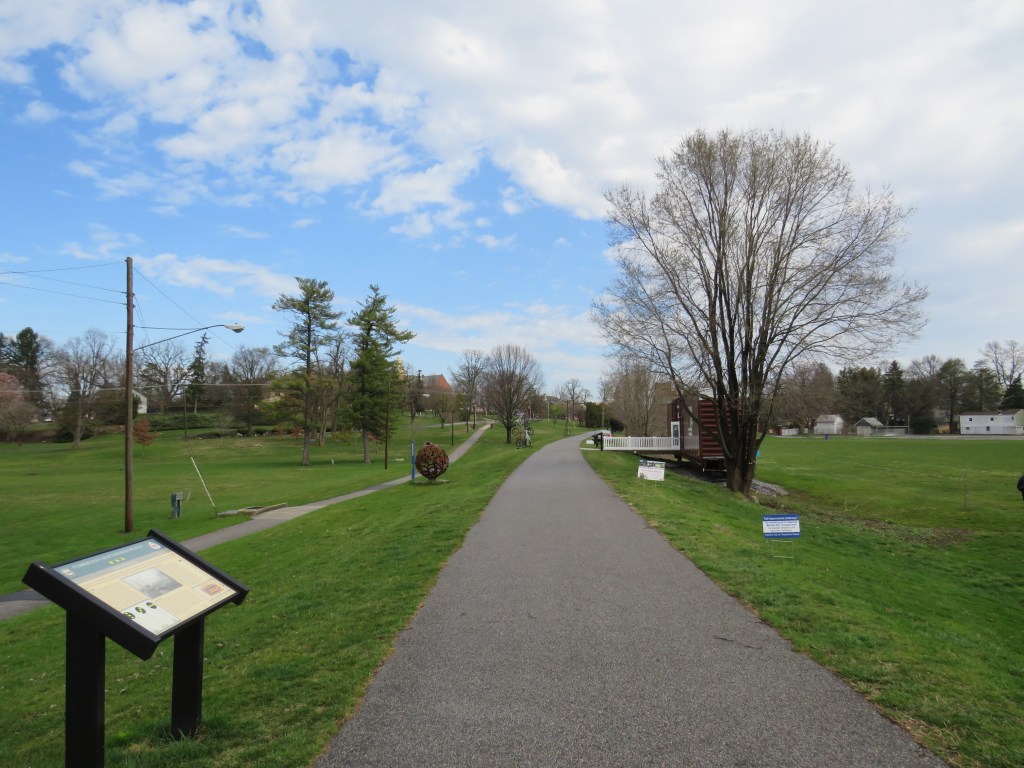
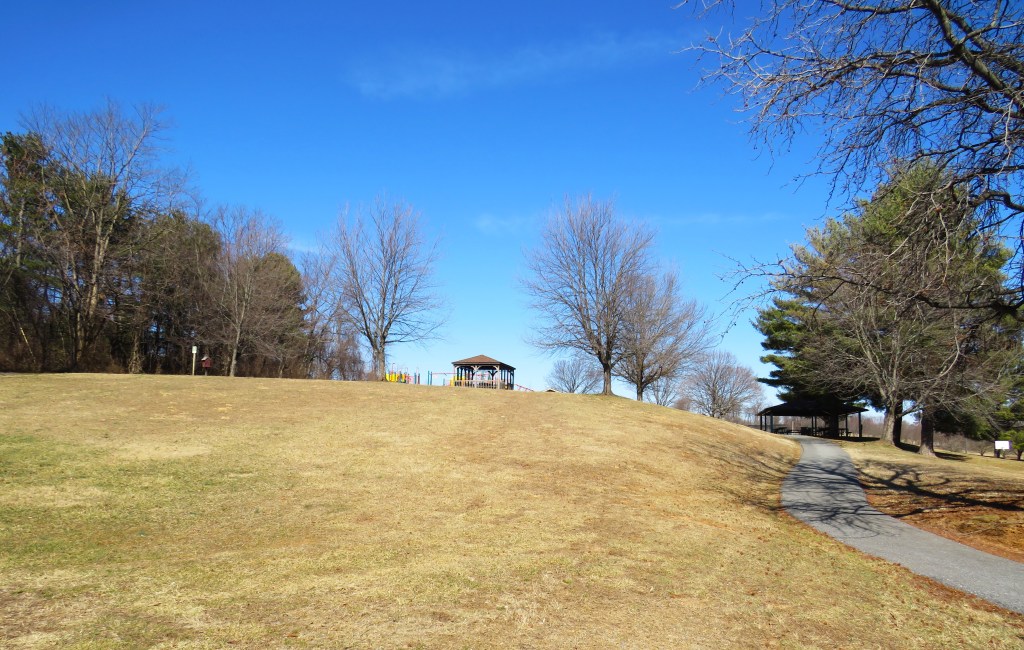
As you walk around the university, you see the various structures.  You then notice what looks like a rail trail.  The Cumberland Valley Rail Trail begin on the northeast side of the university, and it is here where you see two boxcars.  The Penn Central boxcar houses the Cumberland Valley Railroad Museum, and the Conrail boxcar houses the Conrail Museum.  The railroad line was originally built by the Cumberland Valley Railroad, but it was later taken over by the Penn Central Railroad, and Conrail was the last railroad to run on the line before railroad service ended.

What does this have to do with Shippensburg University?  It was a plot of open land along the Cumberland Valley Railroad that became the determining factor for the location of the university.  The railroad would bring students to and from the university and played a big role in the establishment of the school.

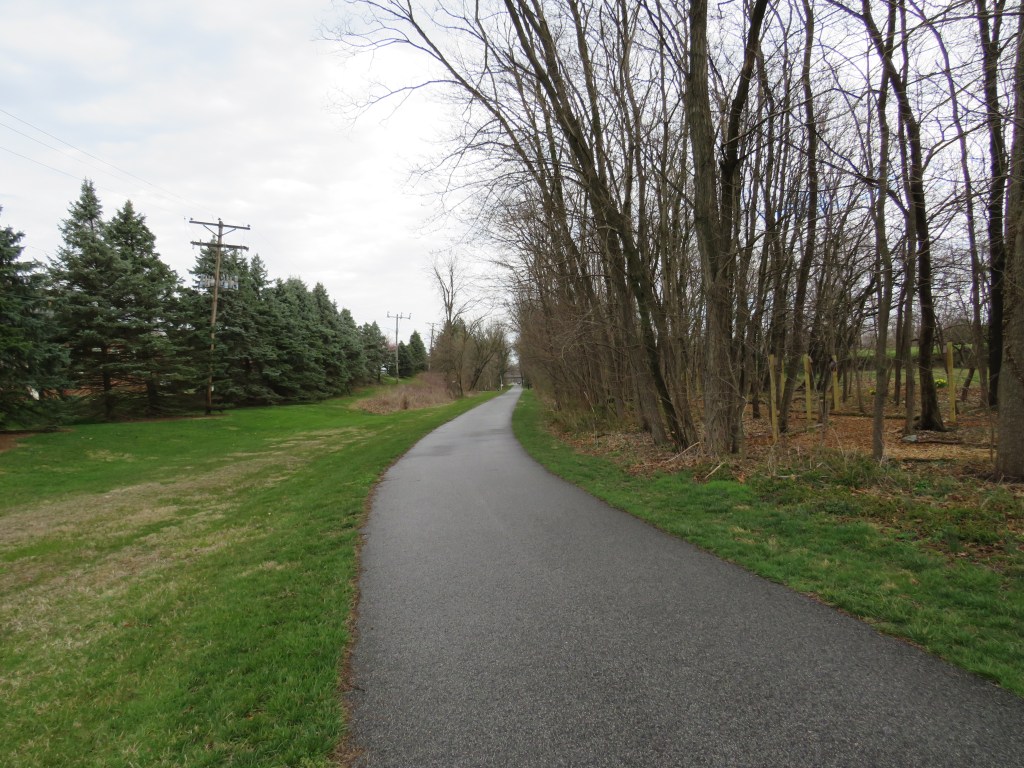
The next time you think about Shippensburg University, think about a university that had its beginning with the railroad.  You can hike the Cumberland Valley Rail Trail and get a feel of how the students came to school.

Hazel Ruby McQuain Park, Morgantown, West Virginia

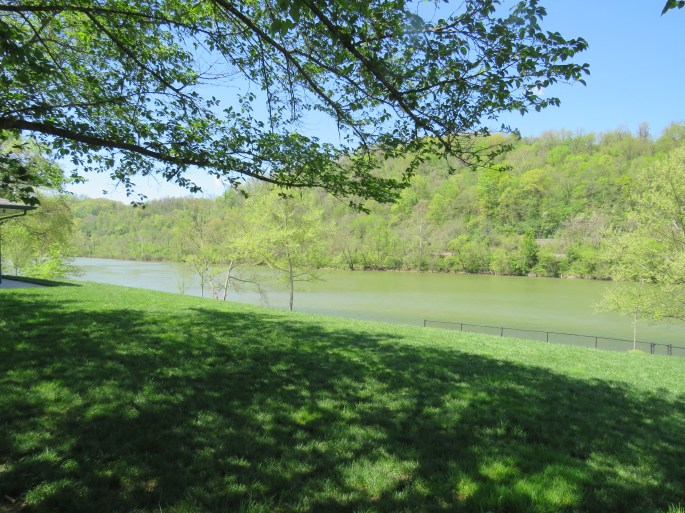
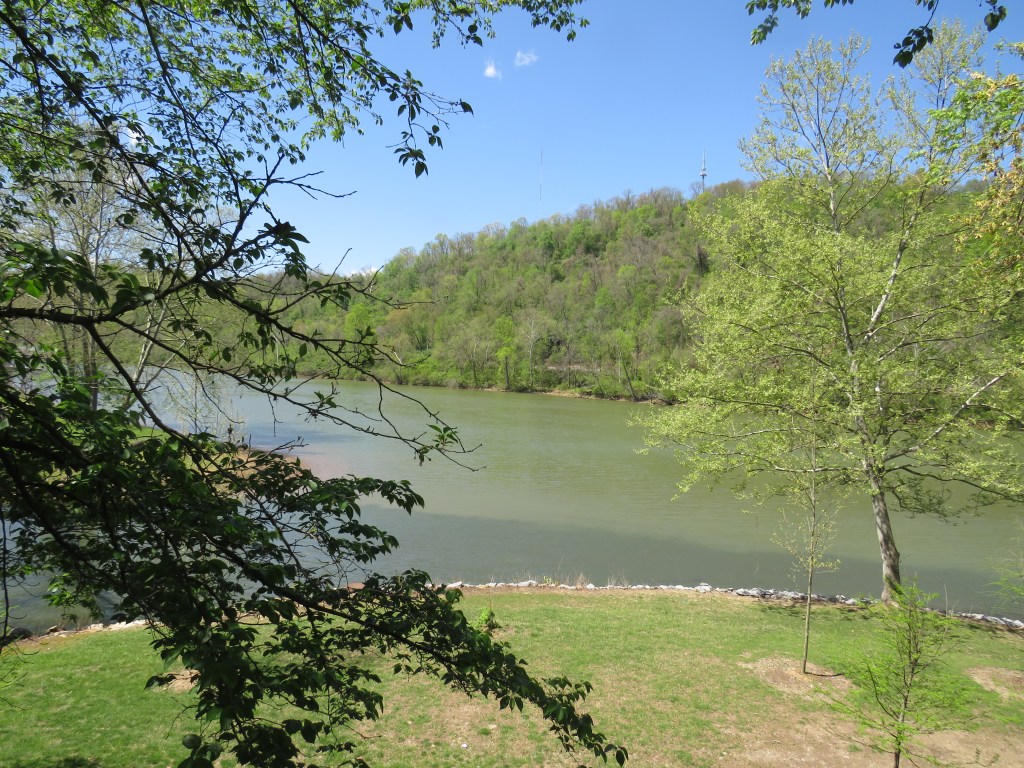
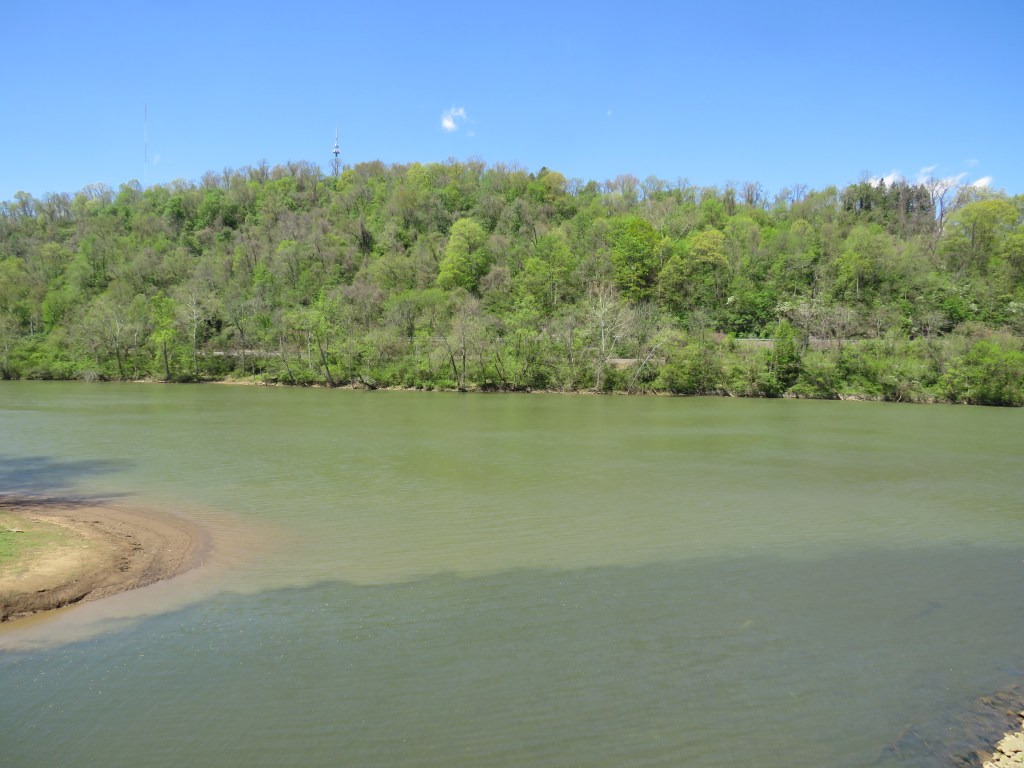
Who is Hazel Ruby McQuain?  She is not famous to most people.  Although she was born in the town of Coshocton in the U.S. state of Ohio, she made great contributions in the city of Morgantown in the U.S. state of West Virginia.  Morgantown is famously known as the home of West Virginia University.  Hazel Ruby McQuain is famous for establishing the Hazel Ruby McQuain Charitable Trust which made a donation to build the John Wesley Ruby Memorial Hospital which is located on the campus of West Virginia University.  (The hospital is named after her husband.)  She made other contributions throughout Morgantown.  For this reason, the Hazel Ruby McQuain Park was created in her honor.  Located on the Monongahela River, it features an amphitheater where concerts are played, a kayak launch for those who wish to paddle on the river, a hiking and biking trail, and a picnic area.  The view of this park is a real contribution for a woman who did so much for this city.

Some of you are saying, “You know, this is very nice.  It is great to honor a great woman who did great things for the city of Morgantown.  Go Mountaineers!  However, there are numerous problems here.  The first problem is that Hazel Ruby McQuain has made no contributions nor does she have any connections to the railroad.  The second problem is that Morgantown, West Virginia is not a railroad town nor is there a railroad passing through here.  The third problem is that this park has nothing to do with the railroad.  Therefore, I will not be contributing a visit to this town or to this park.”

Why visit the Hazel Ruby McQuain Park?  She has no connection with the railroad.  Why visit the park?

It is true that Morgantown, West Virginia, being famous for the University of West Virginia has no real railroad history.  Other than a light rail system, there is no railroad here.  However, that was not always the case.

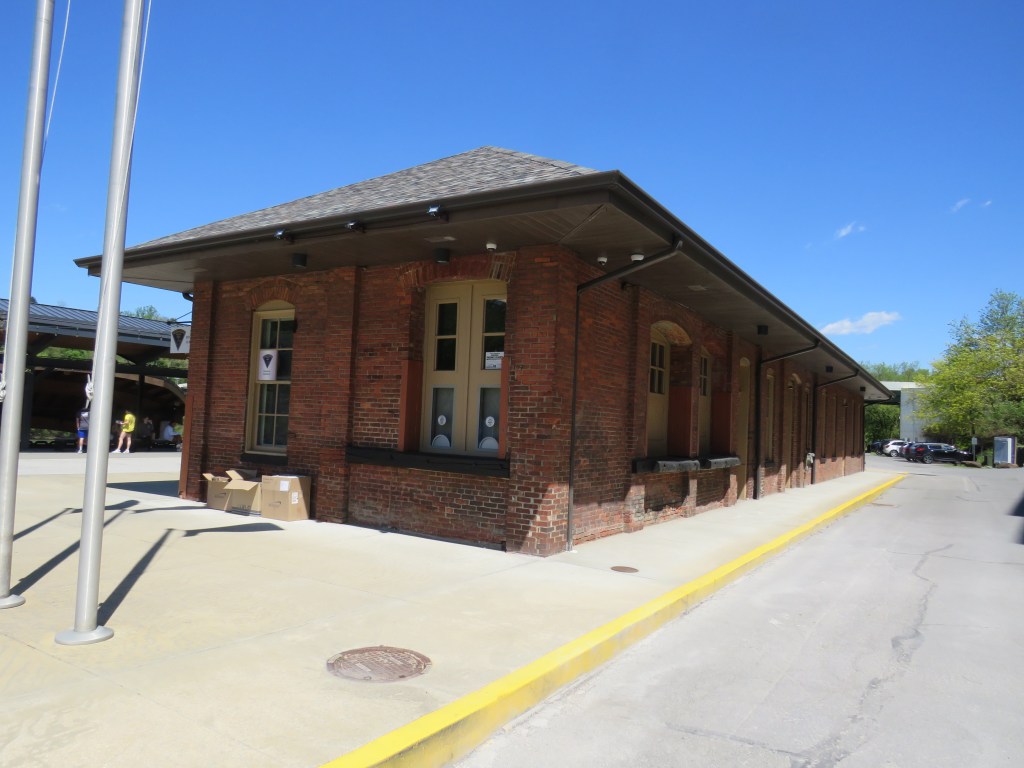
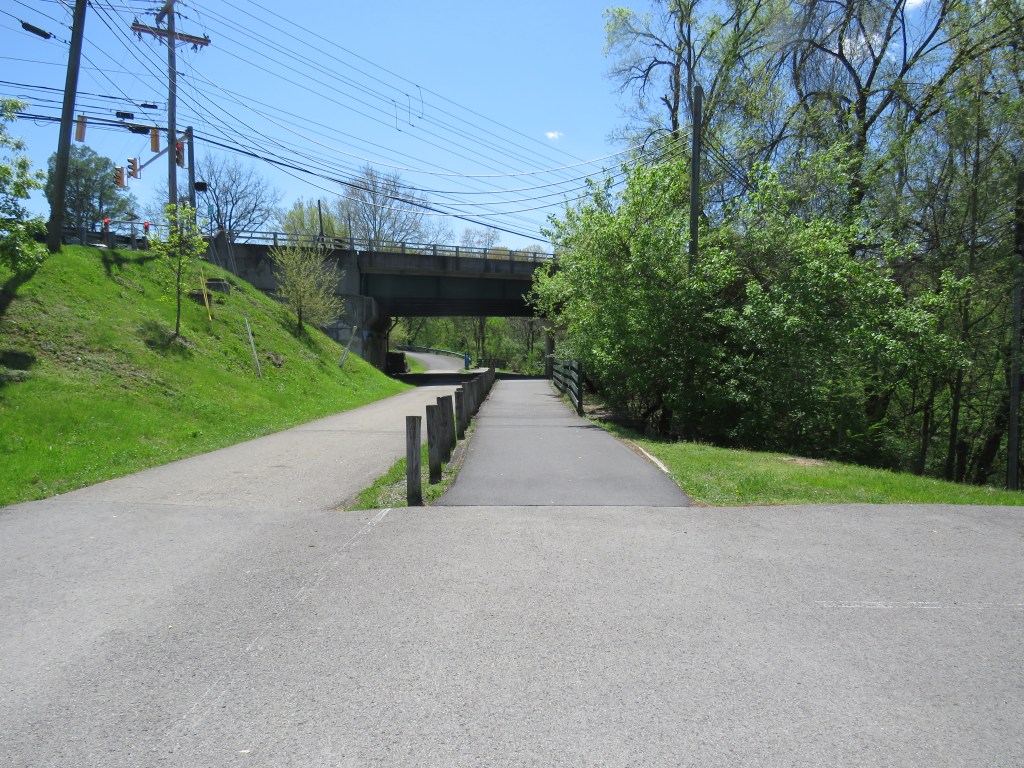
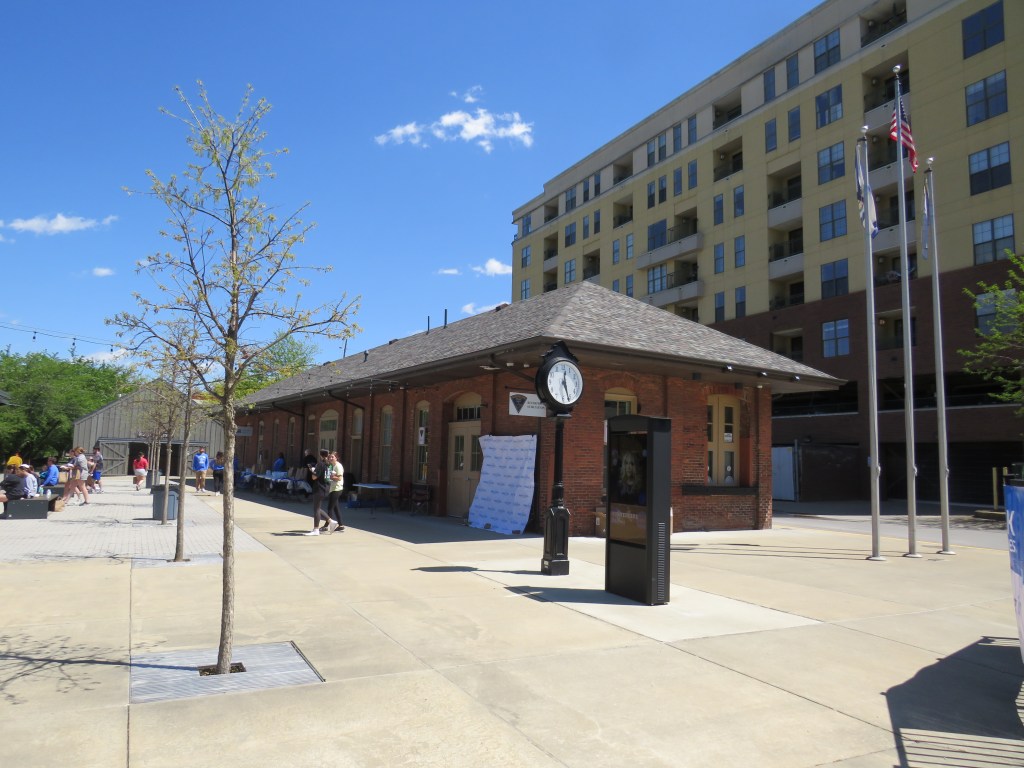
As you enter the Hazel Ruby McQuain Park, the first thing you see is an old train station.  Why is there an old train station here?  It is because the Caperton Trail passes through the park.

Some of you are saying, “That is great.  It has the old train station, but what is special about the Caperton Trail.”

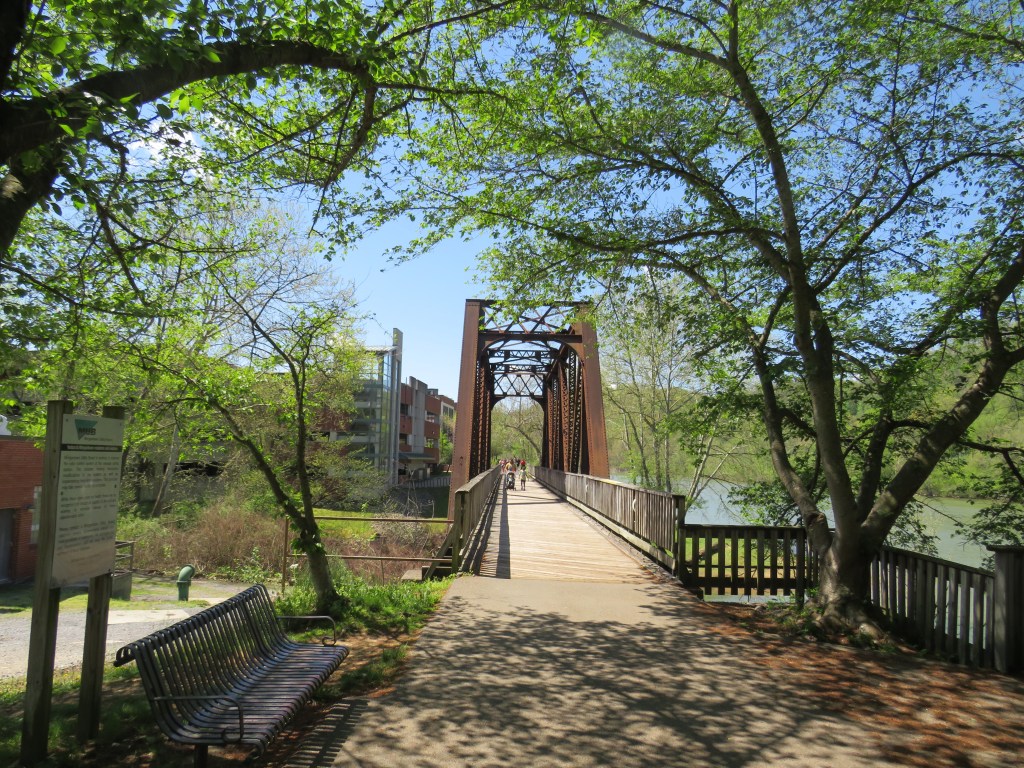
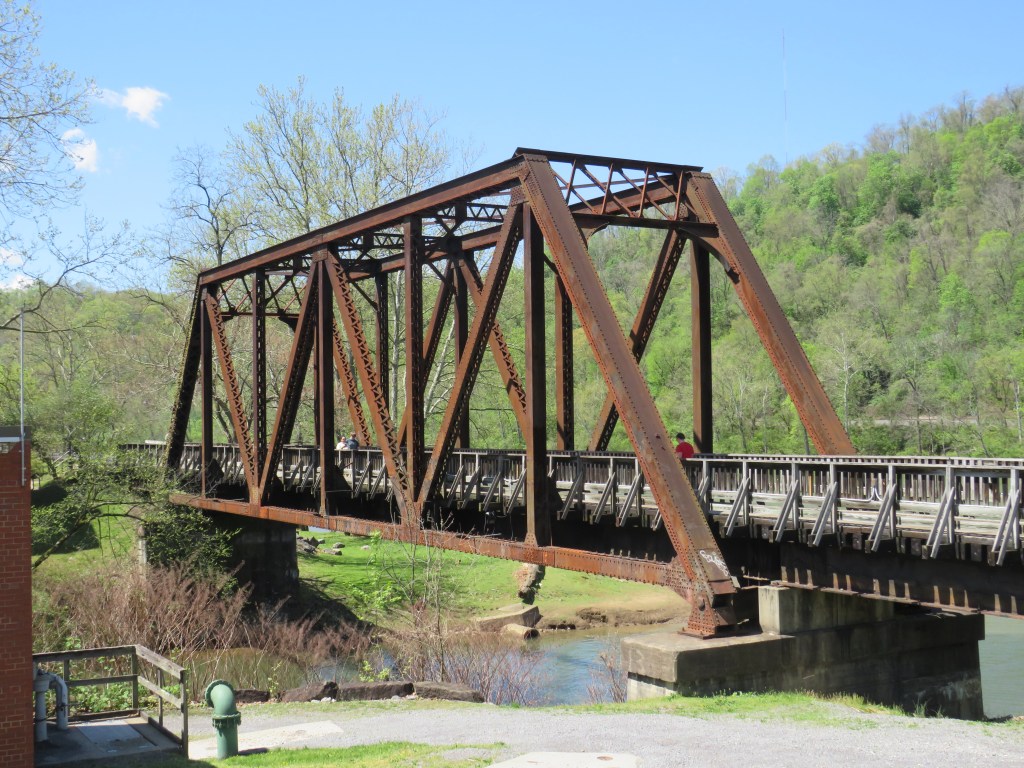
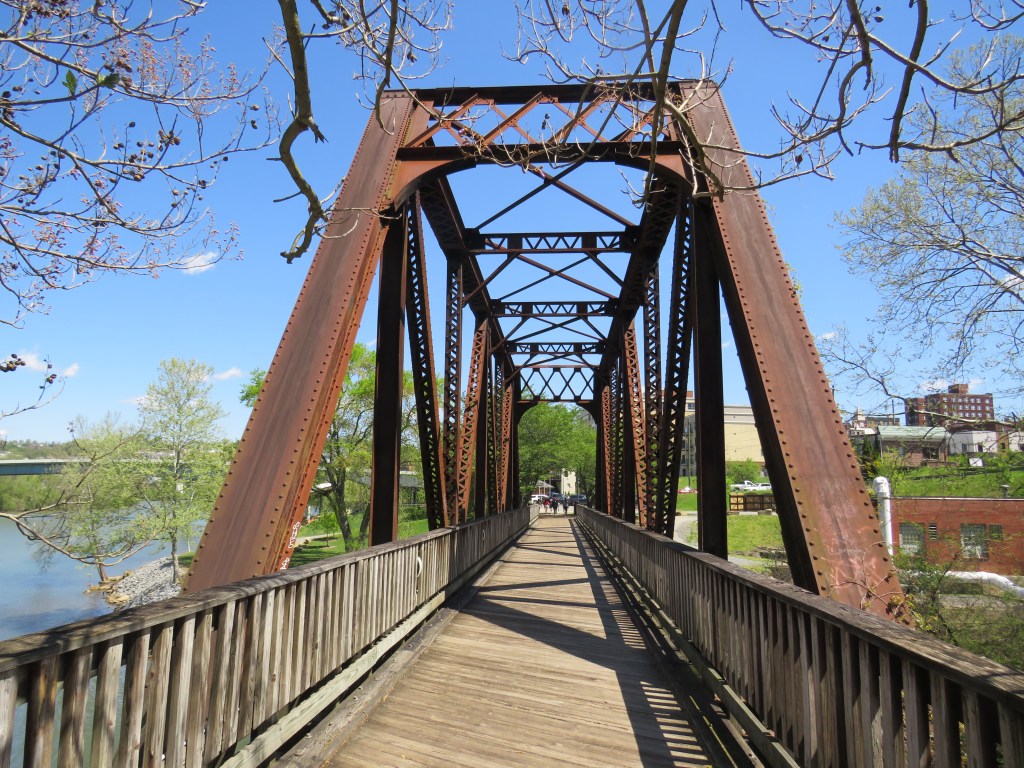
On the south side of the park is an old railroad bridge.  Why is there an old train station and old railroad bridge?  The Caperton Trail is a rail trail.  The Deckers Creek Trail, another rail trail, begins at the old railroad bridge and continues along Deckers Creek.

As you can see, you have a reason to visit Hazel Ruby Park.  Along with the concerts, you have a place where the railroad once ran.  The old train station can be rented for events as well.

The Hazel Ruby Park is located at 185 Garrett Street in Morgantown, West Virginia.  It is just off of U.S. Routes 19 and 119 and a short drive from Interstates 68 and 79.  Parking is on site, or you can hike or bike the trails to the park.

Why visit Hazel Ruby McQuain Park?  She has no connection to the railroad, but the park keeps the railroad history of Morgantown, West Virginia alive.

Hot Springs, Arkansas

The U.S. state of Arkansas is nicknamed the ‘Natural State’.  If you have driven through the state, you can see why it gets that name.  There are no major cities in the state although the metropolis of Memphis in the U.S. state of Tennessee has suburbs in the eastern part of the state.  Speaking of Memphis, Tennessee, the mighty Mississippi River runs on the eastern border of the state.  As the ‘Natural State’, it is interesting that the state capital is Little Rock.  It is also the state’s largest city.  The state is also known for its hot springs.  One of the places where you will find some of the state’s hot springs is in the city of Hot Springs.

Some of you are saying, “Well, duh!  It is called Hot Springs because there are hot springs there.”

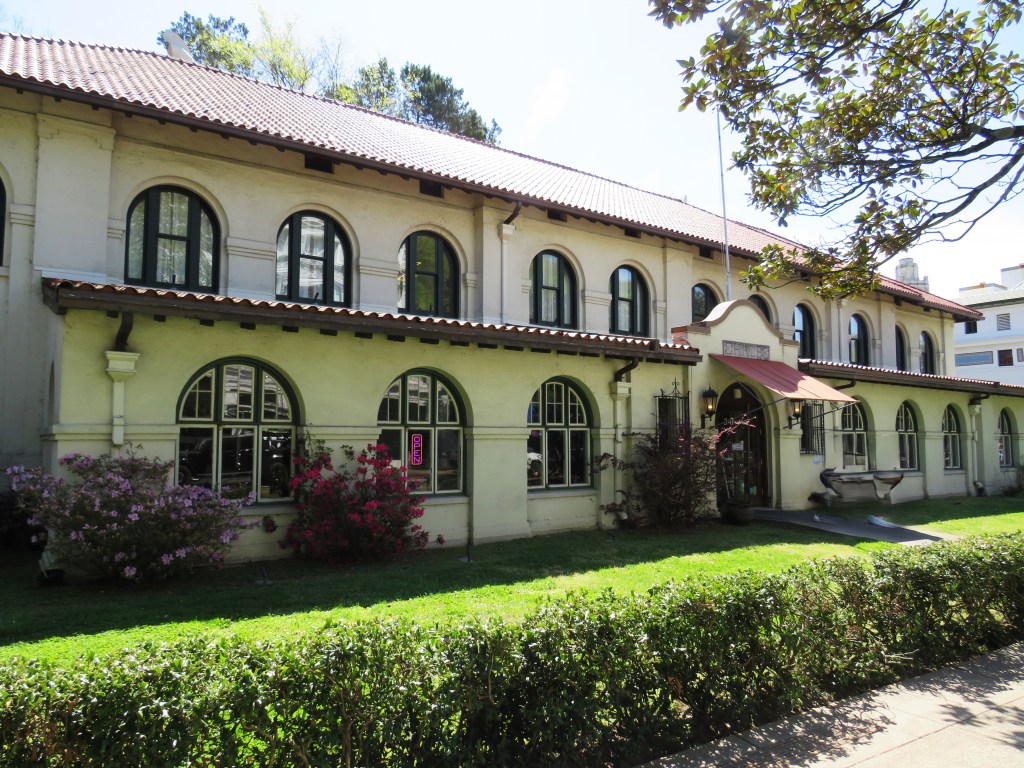
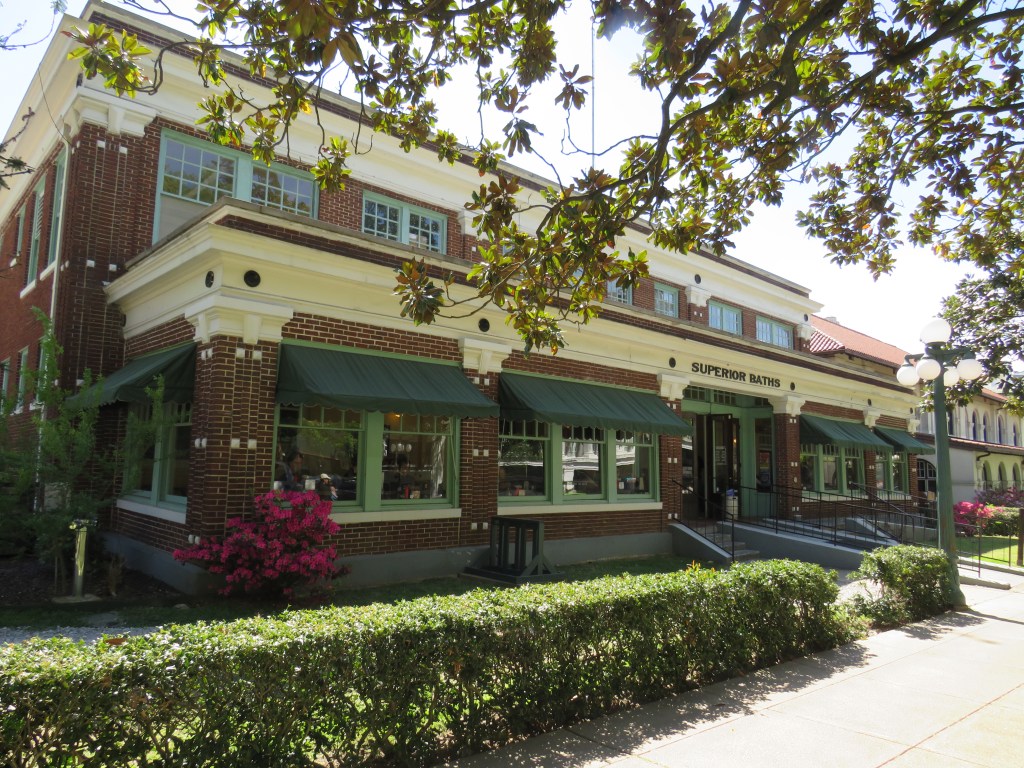
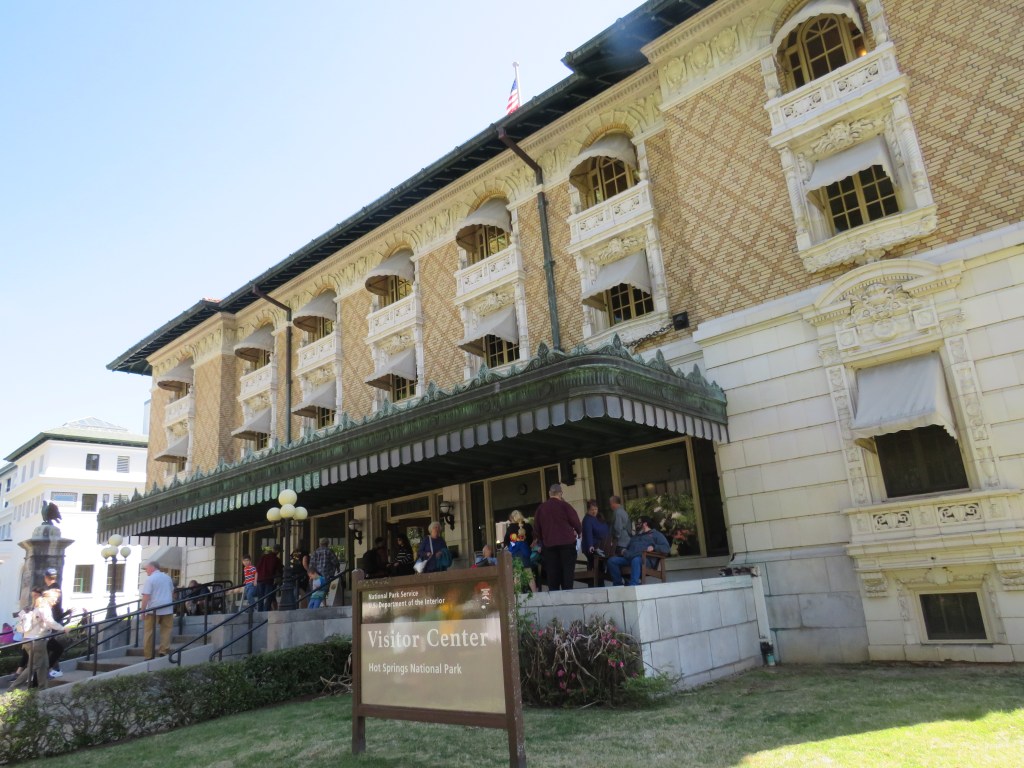
Yes.  That is why it is called Hot Springs.  The city was a city of spas.  That is hot spring spas.  Many of the spa structures remain in a section of the downtown area known as Bathhouse Row, but not all of them have working hot springs.  Yes.  Hot Springs, Arkansas was a place of hot springs, and Hot Springs National Park was established here.  Before they went to the U.S. states of Florida and Arizona, baseball teams did their spring training here.  Yes.  Hot Springs is the birthplace of baseball spring training.  Many famous baseball players to include Herman ‘Babe’ Ruth, Cy Young, Hank Aaron, Jackie Robinson, and Stan Musial, just to name a few.  Many United States Presidents visited here.  Arkansas’ own William Clinton lived here and graduated from high school here.  This was a resort for celebrities, but it was also a haven for gangsters.  One of the most famous gangsters, Al Capone, had a personal room at the Arlington Hotel.  There is so much to Hot Springs, Arkansas.  If you are ever in the central region of Arkansas, it is worth your time to visit.

Some of you are saying, “This is nice.  I have heard of Hot Springs, Arkansas.  I knew about the springs, but I never knew that it was the birthplace of Spring Training Baseball or a gangster haven.  There is one very big problem.  This city has no railroad history nor does it have anything to do with the railroad.  Therefore, I will not be feeling the hot springs of this place.”

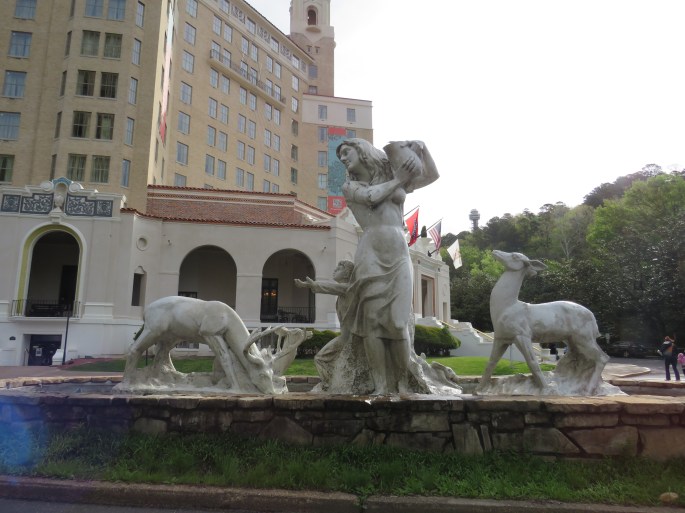
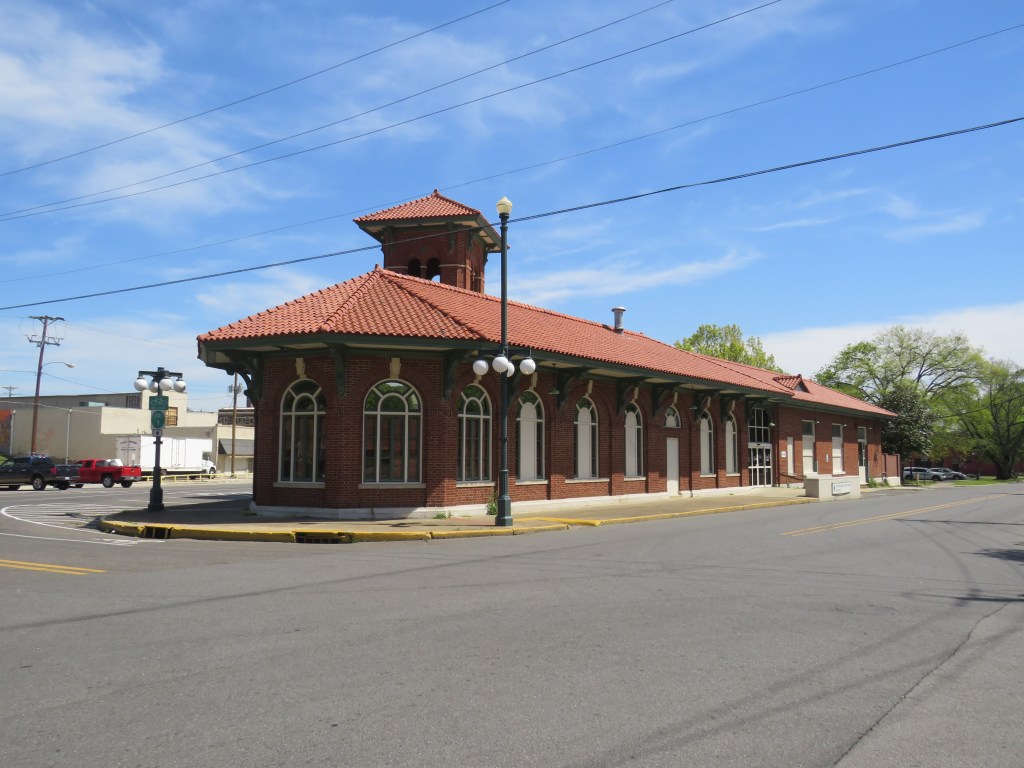
The city of Hot Springs, Arkansas has never been a railroad city.  As you walk and drive around, you see no signs of a railroad ever being here.  Then you come to the Greyhound and Transit Bus Station at the intersection of Broadway Street, Market Street, and Broadway Terrace.  It appears to look like an old train station.  Well, that is because it was an old train station.  This train station was a major contributor to the growth of Hot Springs, Arkansas.  It was built by the Missouri Pacific Railroad in 1917.  It was a spur line that connected to the main railroad line in the town of Malvern, Arkansas.

The railroad line began as the Hot Spring Railroad in 1876.  It was a narrow gauge railroad that was built by Joseph Reynolds who built the railroad line so that he could ride the train from his home in Chicago in the U.S. state of Illinois to the spas to help cure an illness he has.  The railroad line was converted into a standard gauge railroad and was eventually taken over by the Missouri Pacific Railroad.  Passenger service was discontinued to the town with the last train leaving in 1964, and the original railroad line is now a rail trail.  Some of the old rails remain.  The main railroad line in Malvern remains in service and is the closest Amtrak stop.  The current train station in on the National Register of Historic Places.

The next time you think about Hot Springs, Arkansas, you can think about the hot springs, but it was once a place where the railroad once came to town.

Valley Falls State Park, Fairmont, West Virginia

The U.S. state of West Virginia is a state known for its natural beauty and its mountains.  The state has many state parks.  One of those state parks is Valley Falls State Park near the city of Fairmont.  The park is mainly famous for its waterfalls, but it has many hiking trails as well.  A visit to Valley Falls State Park is a place you will cherish.

Some of you are saying, “Wow!  This must be a beautiful place.  I enjoy seeing waterfalls.  There is a big problem.  This park has no connection with the railroad.  Therefore, this park is not a place I will fall for visiting.”

Why visit Valley Falls State Park?  It has very beautiful waterfalls.  There is beauty surrounding you.  Why visit Valley Falls State Park?

You enter the park, and you drive down to the main parking lot.  You park your car, and you make your way to the waterfalls, but you cross a bridge.  What are you crossing?  You are crossing a railroad line.

Some of you are saying, “Yeah, but there are many railroad lines that pass through parks and towns but have no history with the parks or towns.”

You do have a point.  So, what is special about Valley Falls State Park?

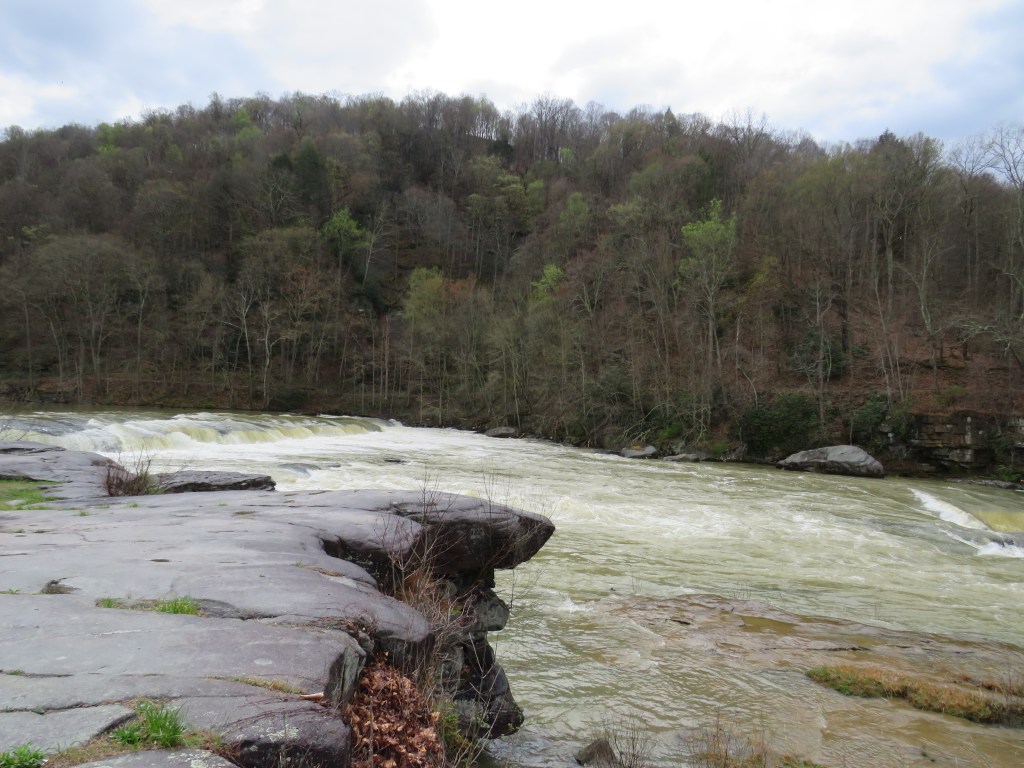
Well, you arrive at the waterfalls, and you are amazed at its beauty.  As you walk around, you notice some ruins.  What was here?

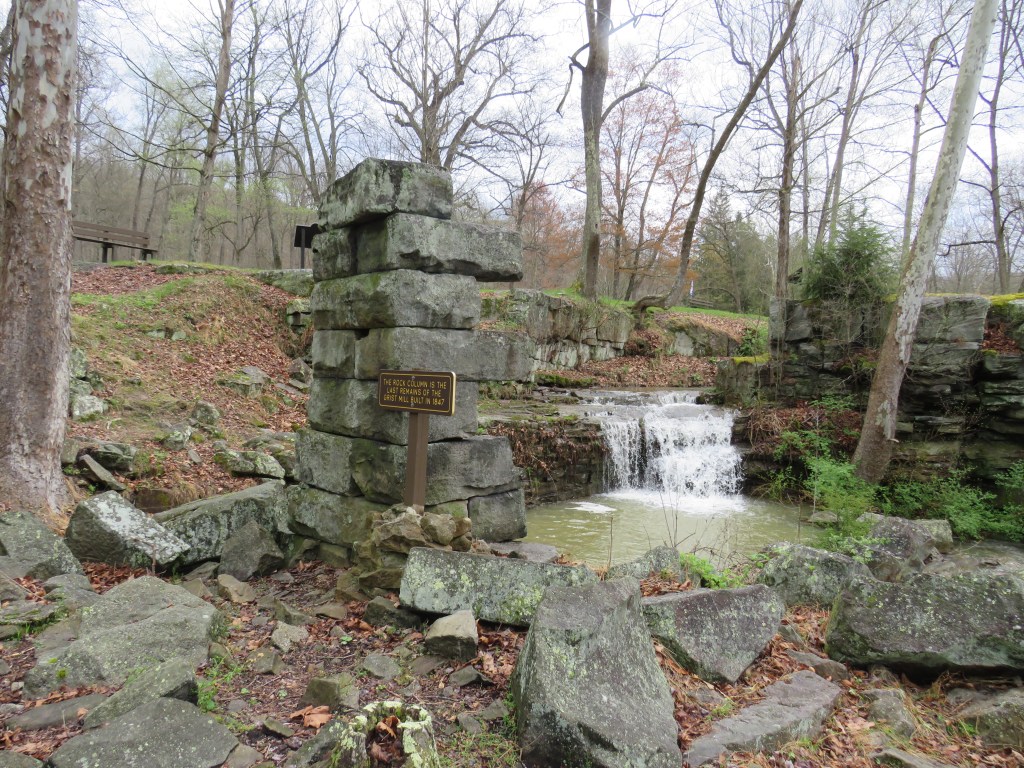
What you are seeing is the ruins of a sawmill and a grist mill.  The water was used to power these mills.  The property was acquired by a trader in the 1830’s, and he built the mills on the site.  A town was erected around the mills, and it was named Valley Falls after, of course, the waterfalls.  Although the mills were the centerpiece of the town, something that arrived in 1853 caused the town to boom.  What came to the town?

In 1853, the Baltimore and Ohio Railroad was built between the town of Grafton to the east and the city of Wheeling located in what is called the Northern Panhandle of the state, and the railroad passed right past the mills.  Sadly, in 1886, the town was destroyed by fire and floods.  The town was never rebuilt although the grist mill itself remained in operation until 1905.

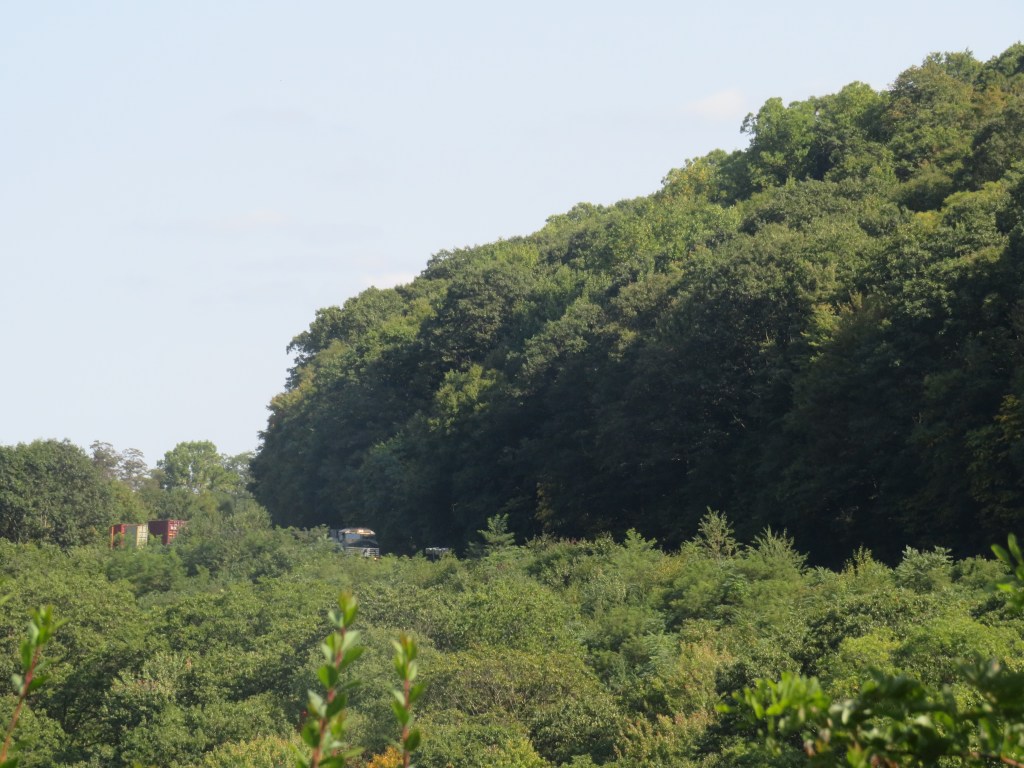
Today, you can see the waterfalls, but you can also see the same railroad line that served the town, but, today, CSX trains pass by the falls.  How great would it be to enjoy the waterfalls and be rewarded by a passing train?

Valley Falls State Park is located at 720 Valley Falls Road southeast of the city of Fairmont, West Virginia off of West Virginia Route 310.  The park is open year round from 7:00am to sunset, but please note that the park will close due to snow and ice.  (If you are adventurous, they do allow you to walk through the park on snowy and icy days.  You just have to park at the entrance and hike in.)  Please note that the walk to the falls is on uneven terrain, which may be difficult for wheelchairs, but much of the falls are viewable from the parking area.  Please also note that the railroad line is an active line.  (No trespassing on the railroad tracks.)

Valley Falls State Park was once the site of a bustling town made possible by the railroad.  Today, the only thing that is bustling is the waterfall and the surrounding natural beauty.  Visit Valley Falls State Park.  You may find it hard to leave.

Mammoth Cave National Park, Cave City, Kentucky

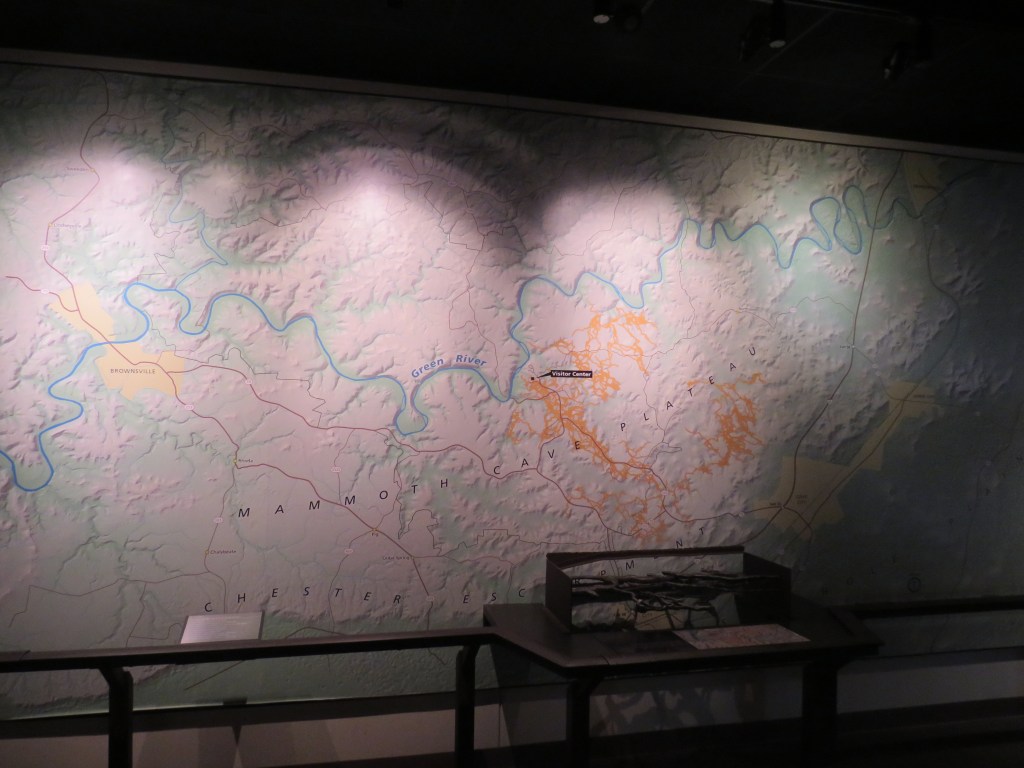
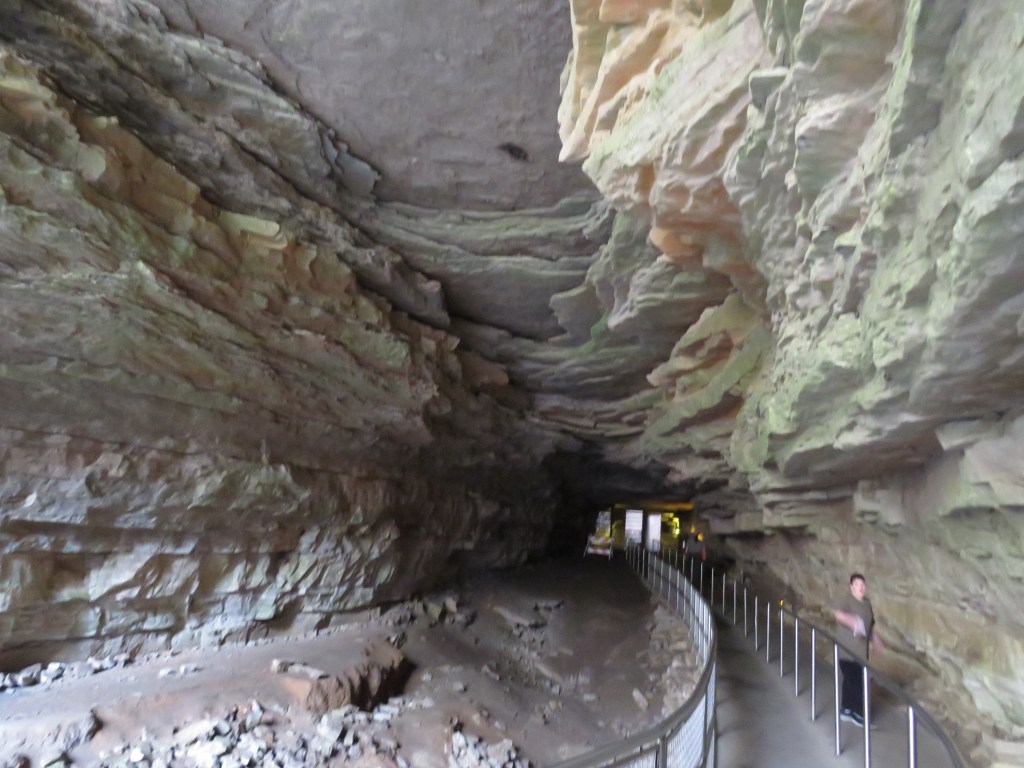
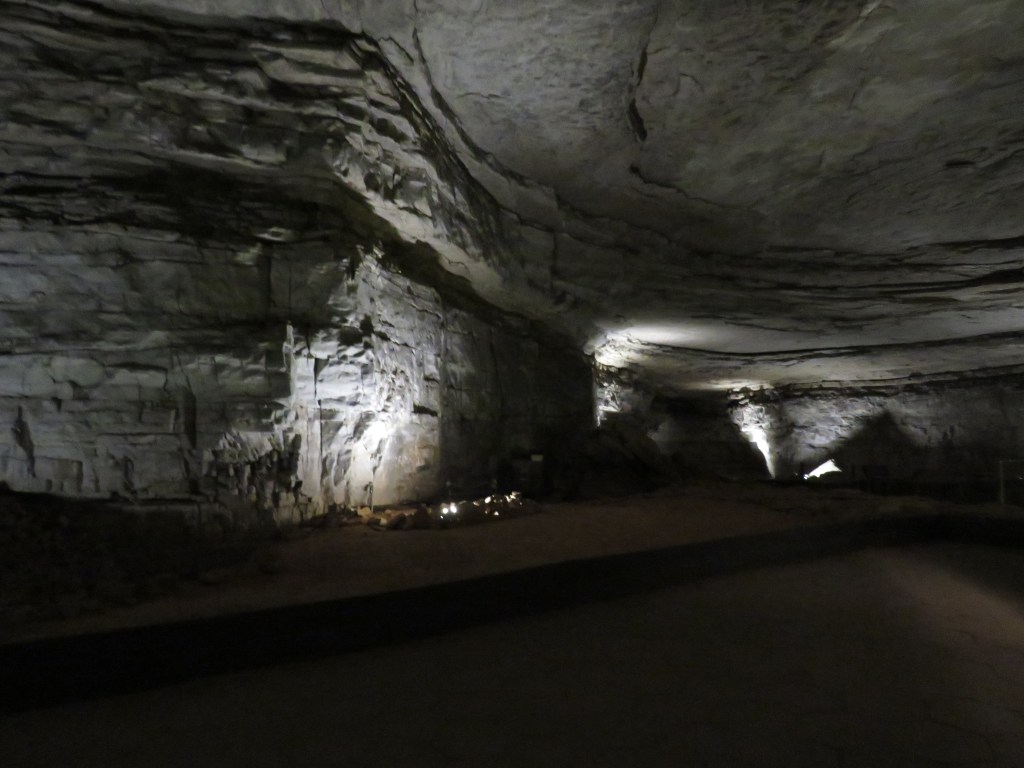
There are many great things about the U.S. state of Kentucky.  Many people think about Kentucky Fried Chicken, a fast food restaurant chain.  You have the bourbon distilleries.  You have the Kentucky Derby in Louisville, the longest continuously running sporting event in the world and the first race of what is known as the Triple Crown.  Louisville is also the home of the Louisville Slugger, a company that makes baseball bats.  How about my Old Kentucky Home in Bardstown?  Then you have Mammoth Cave National Park, the home of Mammoth Cave, the largest known cave system in the entire world.  How big is the cave?  Let us say that you cannot do the entire cave in one tour.  There are many tours involved here.  How does it get the name ‘Mammoth Cave’?

Some of you are saying, “Well, duh, it was the home of a mammoth.  A mammoth lived in the cave.”

It is unclear if that is the answer but being the largest known cave system in the world, it is truly mammoth in size.  It is truly a natural marvel that you will truly want to see.  If you are ever in the south central region of Kentucky, you will want to visit Mammoth Cave.

Some of you are saying, “Wow!  That is one big cave.  However, there is one big problem.  As you can see, this is a cave.  This is not a railroad site.  Therefore, I will not be exploring this place.”

You are right.  This is not a railroad site.  Why visit Mammoth Cave National Park?

Mammoth Cave National Park, as mentioned, is centered around Mammoth Cave.  Hence the name.  It is located near Cave City, which is about eight miles from the park.

Some of you are saying, “Well, duh!  Cave City is an obvious name of a town erected around a cave.”

You are absolutely right, but this is where the story begins.  Cave City was not always called Cave City.  It was originally called Glasgow Junction.  If you are thinking of a railroad junction, you are thinking correctly.  The Louisville and Nashville Railroad brought people to Glasgow Junction.  Then they were brought to Mammoth Cave by a horse drawn carriage to the cave.

Some of you are saying, “It is nice that they were able to ride the train to Cave City, but then they had to take a carriage about eight miles to the cave.  That means that Mammoth Cave has nothing to do with the railroad.  This mean that there is no reason to visit this cave.”

Ladies and Gentlemen, there is more to the story.

In an automobile, eight miles is a short distance.  In a horse drawn carriage, it is a long distance.  The owners of the horse drawn carriages saw that it took time to get tourists from the train station to the cave.  They came up with an idea.  What was that idea?  In 1874, they started the Mammoth Cave Railroad, and the first train ran in 1886.  Instead of riding the train to Glasgow Junction and taking a horse and carriage to the cave, they could now ride the train to the cave.

The railroad, sadly, was only profitable in the first six years.  As more people were able to afford an automobile, fewer people took advantage of the train ride.  The last train ride to the park took place on August 31, 1931.

Now the Mammoth Cave Railroad is gone… but not forgotten.

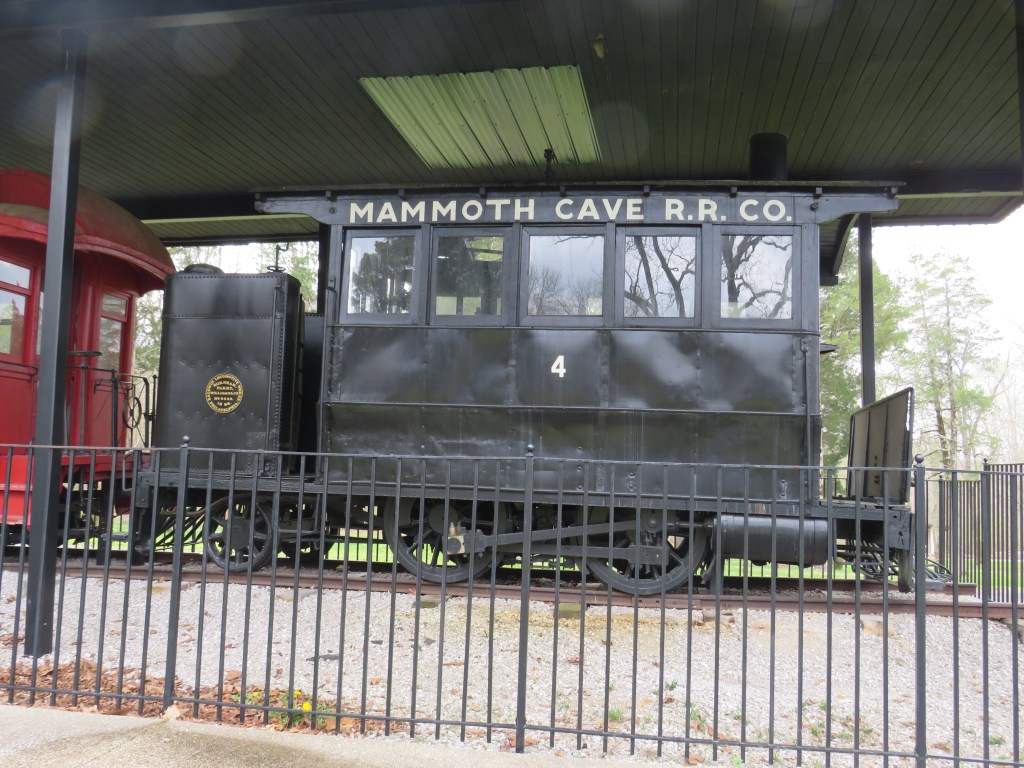
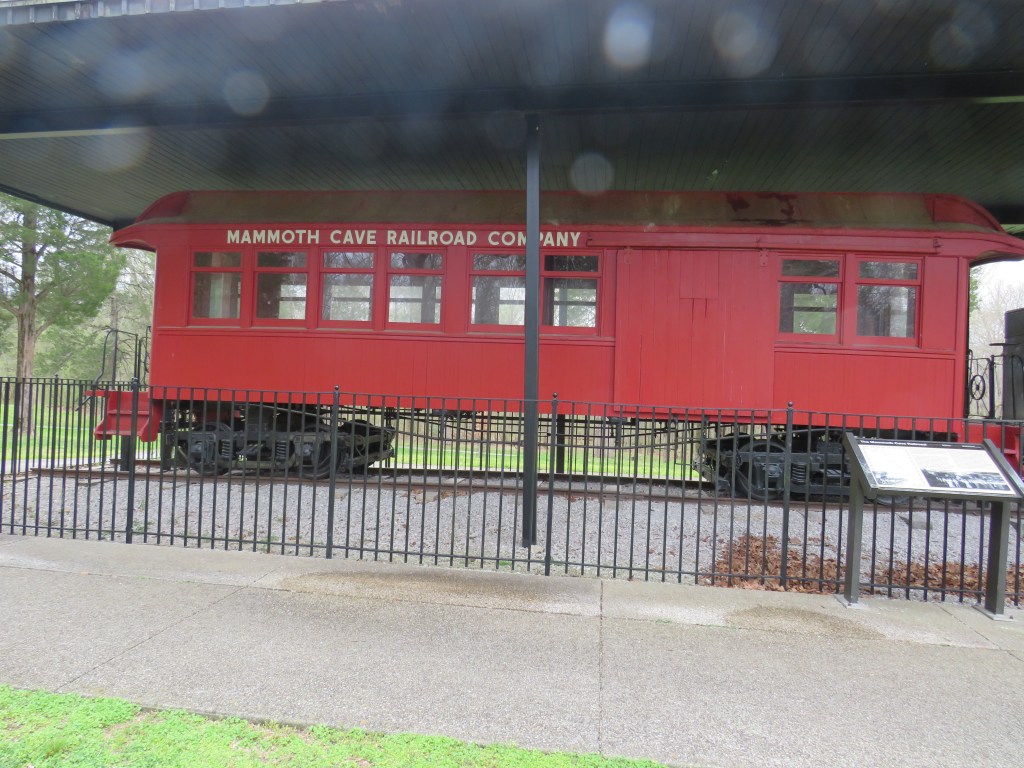
As you enter Mammoth Cave National Park, you can see the old railroad bed that the Mammoth Cave Railroad once ran on, and it is a rail trail that you can hike and bike today.  Once you arrive at the Visitor Center, you are just a short walk from Mammoth Cave Railroad Locomotive Number 4 and Mammoth Cave Railroad Car Number 2.  These two pieces of rolling stock that are covered and surrounded by a steel fence rest at the site of the terminus of the Mammoth Cave Railroad.

As you can see, Mammoth Cave it not just a big cave.  It is a big cave with railroad history.  You can hike on the original railroad bed in the park.  Along with the many cave tours and rail trail, there are also numerous trails you can tread upon.

Mammoth Cave National Park is located at 1 Mammoth Cave Parkway in Mammoth Cave, Kentucky.  It is near Interstate 65 and U.S. Routes 31W and 31E.  Please note that Mammoth Cave is not wheelchair accessible.  You will also be making a descent into the cave with no elevator and escalator.  You will need to climb steps out of the cave.  The rail trail is dirt but is wheelchair accessible.  You can get more information on directions, cave tours, the history of the cave and the Mammoth Cave Railroad at https://www.nps.gov/maca/index.htm.  (Please note that the National Park Service recommends that you do not use GPS in the area and that you follow the directions on the website.)

The next time you think about Mammoth Cave and Mammoth Cave National Park, think about a big cave that has a mammoth history with the railroad.

The Conway Scenic Railroad, North Conway, New Hampshire

The U.S. state of New Hampshire is one of the six states that make up the region known as New England.  It is a state that has much natural beauty.  Its most famous site was a rock formation that, when seen from a particular direction, had the shape of an old man.  Sadly, the rock face eroded years ago, but you can still visit the site where the rock face once was.  Then you have the world famous Mount Washington, the highest point in the state and it known to have the world’s worst weather.  Another popular thing in the state happens to be… a train ride.

Welcome to the Conway Scenic Railroad, one of the most popular train rides in the United States of America.  Why is it called the Conway Scenic Railroad?  As you drive to the town of North Conway, you will begin to see the answer to the question.  The scenery will amaze you, and you will be amazed as you see it from the seat of a train.

You arrive in the town of North Conway, and it is an impressive small town.  Then you arrive at the Conway Scenic Railroad, and you are totally amazed.  What is amazing you?  The first thing you see when you arrive at the Conway Scenic Railroad is the train station.  Yes.  Most train excursions leave from train stations, but the North Conway Train Station was built in 1874.  As you look at the old train station, you may find yourself in a different time.  You enter the ticket office to buy your tickets, and you walk through the small museum that tells the history of the railroad in the region and the gift shop.

The train station is amazing, but you did not come to the town of North Conway, New Hampshire to just see the old train station.  You came here to ride the train.  This is not just any train.  This is the Conway Scenic Railroad, one of the most popular train rides in the nation.

The time has come.  The vintage train pulls into the station, and you board one of the vintage train cars.  From your seat, you are already seeing the beauty of New Hampshire.  The train begins to pull out of the station, and you are shortly out of the town.  You cross over rivers and streams and see fields and mountains to include the world famous Mount Washington.  You ride to the end, and you return to the station.

The Conway Scenic Railroad has numerous excursion routes.  This means that you will need to return again.  After your first train ride, you will want to come back to ride the other excursion trains.

The Conway Scenic Railroad is located in North Conway, New Hampshire at 30 Norcross Circle which is just off of U.S. Route 302 and New Hampshire Route 16.  Parking is on site.  Please note that due to the age of the facility and the trains, they are not wheelchair accessible, but they are happy to assist those with mobility issue in any way they can so that they can enjoy the ride.  Learn more about the excursions, the train schedules, buy tickets, and read more into the railroad at https://www.conwayscenic.com/.

Why is the Conway Scenic Railroad one of the most popular train rides in the United States of America?  The best way to answer this question is to make your way to the small New Hampshire town of North Conway and to ride the train.  Once you ride the train, your question will be answered.

Hawks Nest State Park, Ansted, West Virginia

Some of you may have heard of a place called Hawks Nest State Park in the U.S. state of West Virginia.  What is Hawks Nest State Park?

Some of you are saying, “Well, it is a nest that was created by a hawk, and the great people of West Virginia made a state park out of it.”

How the park got the name is unknown at this point, and there may be a hawks nest here, but when you come here, you get a hawk’s view into the New River Gorge.  You stand at the overlook and lookout over the gorge and see an amazing view.  A visit to Hawks Nest State Park is a place you will want to see again and again.

Some of you are saying, “That is nice.  I have heard great things about the state of West Virginia, and I am aware of the natural beauty of this state.  I am pretty sure that there is a lot of beauty here, but because this park has no railroad, I will not be making my nest here.”

Why visit Hawks Nest State Park?

As you arrive and walk to the overlook and look down into the New River Gorge, you see the great gorge with the New River flowing through the bottom.  You see a dam of which, sadly, was a site of the worst industrial disaster in the state’s history during the construction of a water tunnel.  As you look into the New River Gorge, you see a railroad line.  The Chesapeake and Ohio Railway built the railroad through the gorge to mainly transport coal from the coal mines to the ports of Norfolk in the U.S. state of Virginia, but that is not that main reason for visiting the park.  The main thing you will see has been the number one view in the park.  As you look into the gorge, the number one view is the view of the railroad bridge crossing the New River.  Originally built by the Chesapeake and Ohio Railway and now owned by the Chessie Seaboard Transportation Company (commonly known as CSX), it is still in use today.

Now you have a reason to visit Hawks Next State Park.  When you come here, you may have a problem leaving.

Hawks Nest State Park is located in Ansted, West Virginia on U.S. Route 60 ten miles west of U.S. Route 19 and the World Famous New River Gorge Bridge and the New River Gorge National Park.  The overlook is open from sunrise to sunset, and it is completely wheelchair accessible.

Hawks Nest State Park in Ansted, West Virginia is a great park to visit.  You may not see any hawks or hawk’s nest, but you will get a great view of the New River Gorge and a railroad bridge crossing the New River in the gorge below.