The Maine Narrow Gauge Railroad Company and Museum, Portland, Maine

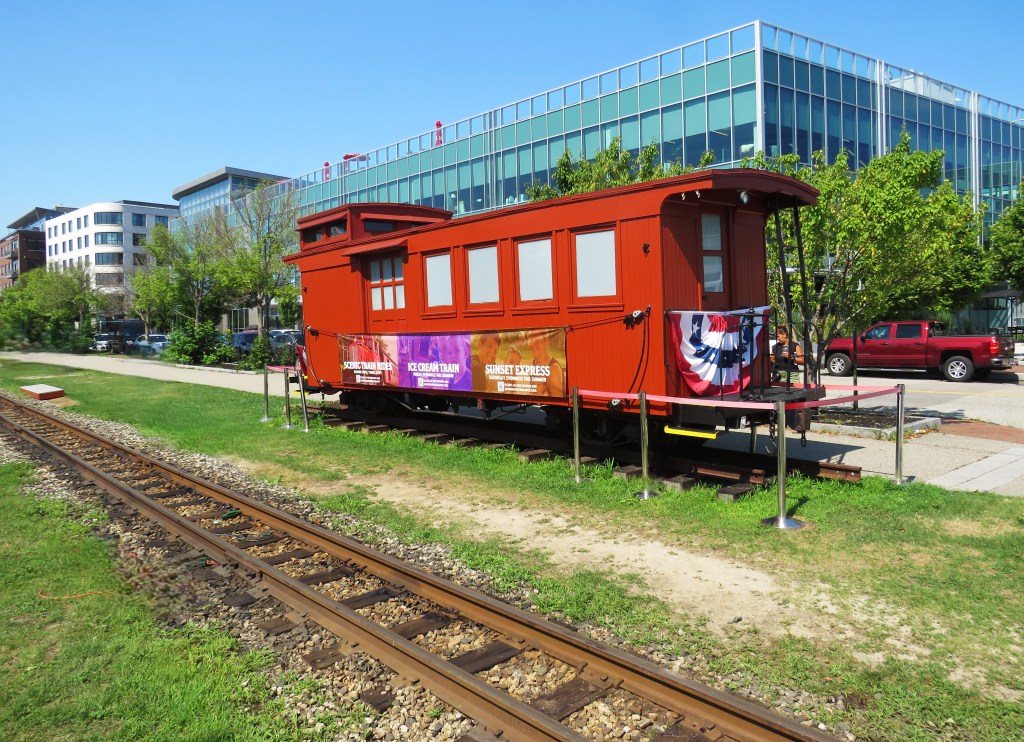
The U.S. state of Maine is the largest of the New England States, the states that make up the northeastern region of the lower 48 states.  The state is famed for its wild open wilderness, its coastline, its lighthouses, and, for you seafood lovers, its lobster rolls.  One thing that the state is not known for is its railroads of which there are many in the state.  In the city of Portland, which is the most populated city in the state.  It is here where you will find the Maine Narrow Gauge Railroad Company and Museum.

What is the Maine Narrow Gauge Railroad Company and Museum?

Some of you are saying, “Well, duh!  It is a narrow gauge railroad company in the state of Maine that has a museum.”

Yes.  It is a narrow gauge railroad company in Maine, but why would you want to visit this railroad?

Let us first ask what a narrow gauge railroad is.  Yes, it is a railroad with a narrow gauge, but what do we mean by narrow gauge?

As you see trains today, they are what you called a standard gauge railroad.  On a standard gauge railroad, the rails are four feet and eight and one-half inches apart.  In the early days of railroading, there was what was called a narrow gauge railroad where the rails were three feet apart.  Although the narrow gauge railroads were cheaper to fund and faster to build, they could not carry the weight that a standard railroad could carry.  Today, narrow gauge railroads only exist as tourist railroads like the East Broad Top Railroad in Rockhill, Pennsylvania and the Cumbres and Toltec Railroad that runs between the U.S. states of New Mexico and Colorado.

The state of Maine had many narrow gauge railroads where the tracks were two feet apart.  Like other narrow gauge railroads, they went into decline.  While some of the railroad equipment was destroyed, some of the equipment was spared.  Some of this equipment was bought by a man named Ellis D. Atwood.  It is the equipment that was owned by Ellis D. Atwood that ended up at the Maine Narrow Gauge Railroad Company which began operation in 1992.

What is special about the Maine Narrow Gauge Railroad Company and Museum?

Let us first begin with the route itself.  The original route was a standard gauge built by the Saint Lawrence and Atlantic Railroad in 1846.  In 1853, the Saint Lawrence and Atlantic Railroad leased the section going to the city of Portland, Maine to the Grand Trunk Railway.  Even though the Grand Trunk Railway was nationalized into the Canadian National Railway, it was still referred to by the locals as the ‘Grand Trunk’ line.  It is this very route that the Maine Narrow Gauge Railroad follows today.

As you arrive at the train station, you find yourself within a short distance from the harbor.  You enter the train station, which does not look like your average train station, but it houses a small museum and the gift shop, and it is here where you buy your ticket.

You did not come here to see the harbor or the gift shop.  You came to ride the train.

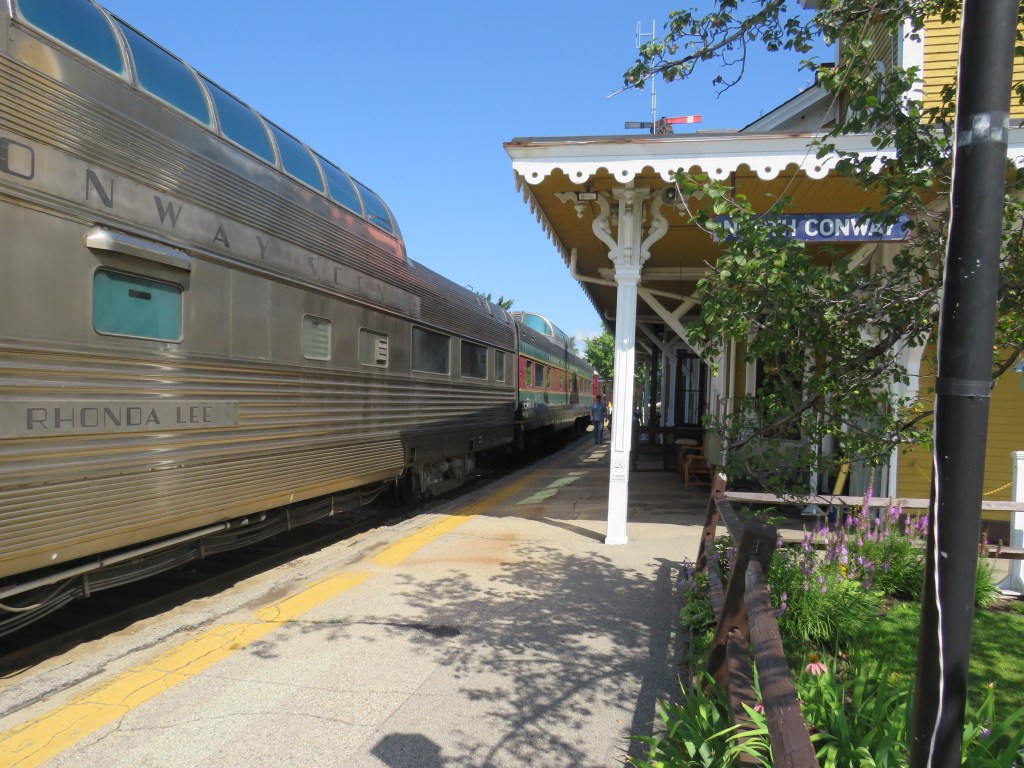
Yes, you see a narrow gauge railroad line, but before it was the Maine Narrow Gauge Railroad, it was a standard gauge railroad.  The train comes, and you get aboard.  The train pulls away from the station.  You have been on many railroads that follow rivers and pass by big lakes.  With the Maine Narrow Gauge Railroad, its entire route, following a route originally laid out by the Canadian National Railroad, you get a view of Casco Bay.  Yes, you see a large body of water along the entire route.  The ride ends at a place where you can see an old turning drawbridge where the railroad crossed the bay.  (Only the drawbridge remains as the rest of the bridge has been demolished.)  It is a short ride, but it is definitely a ride that you will enjoy.

The Maine Narrow Gauge Railroad Company and Museum is located 65 Thames Street in Portland, Maine.  The train runs seasonally between May and October with Christmas trains in late November and December.  The train is wheelchair accessible.  Please note that they do not have their own parking.  Parking is only available on the street or at nearby parking facilities.  You can read more into the history of the railroad, get tickets and directions, and get more information at https://mainenarrowgauge.org/.

The state of Maine has natural beauty.  It has lots of coastline and lighthouses.  You can enjoy the lobster rolls.  Most important of all, it has many railroads, and you will enjoy your ride on the Maine Narrow Gauge Railroad Company and Museum.

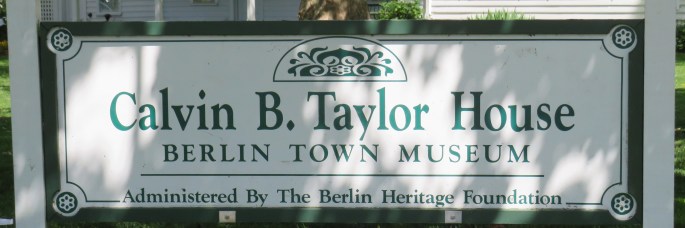
Calvin B. Taylor House, Berlin, Maryland

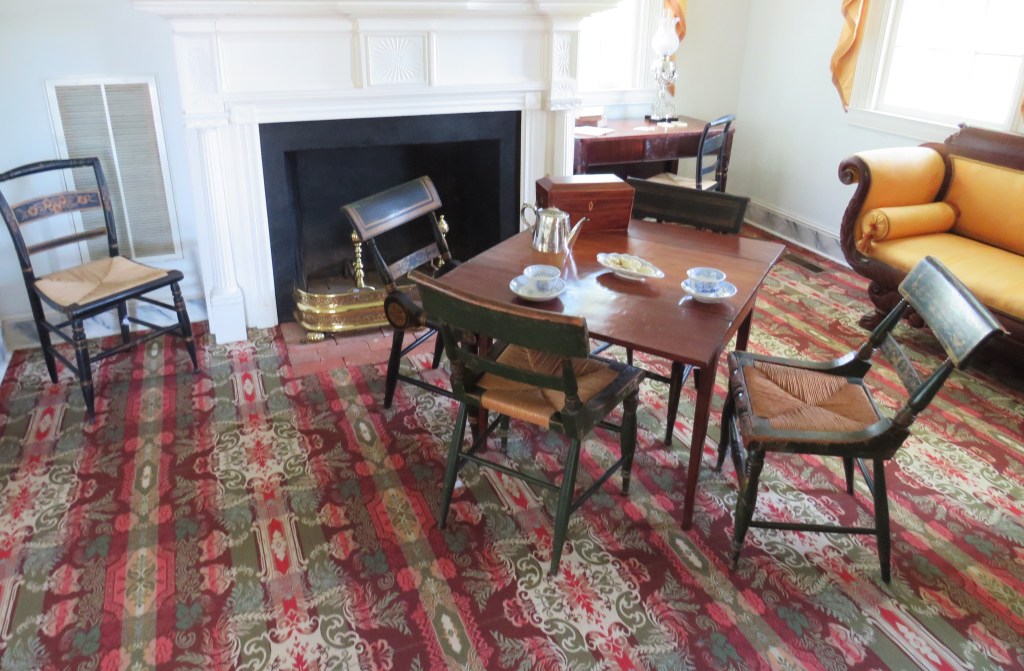
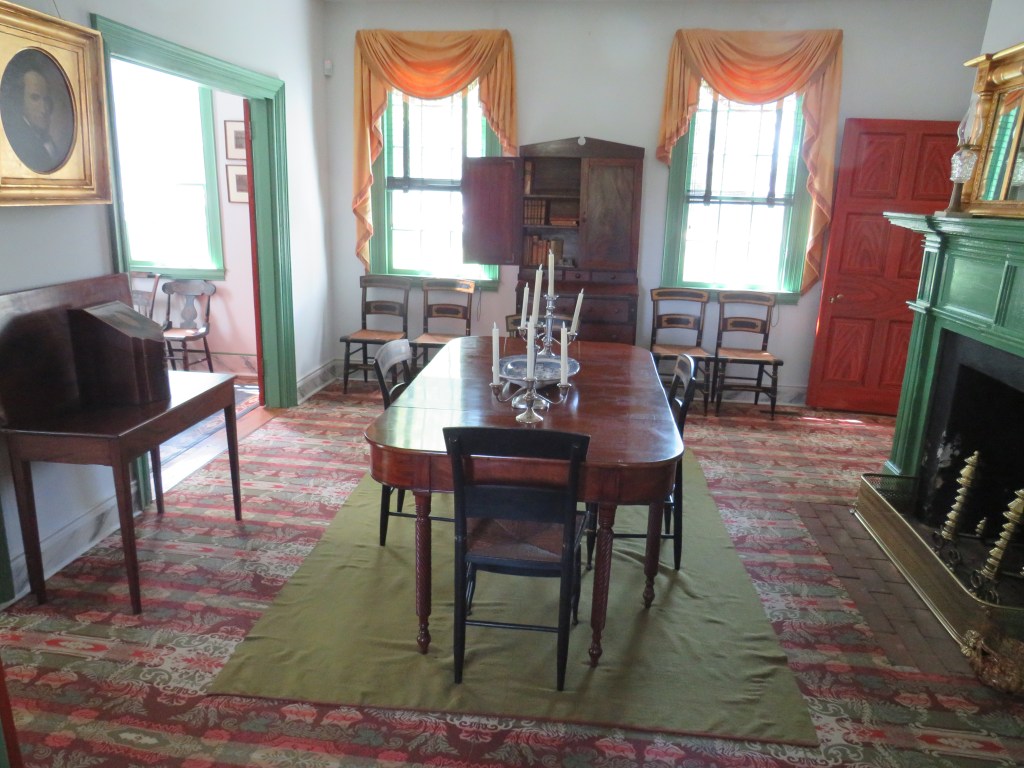
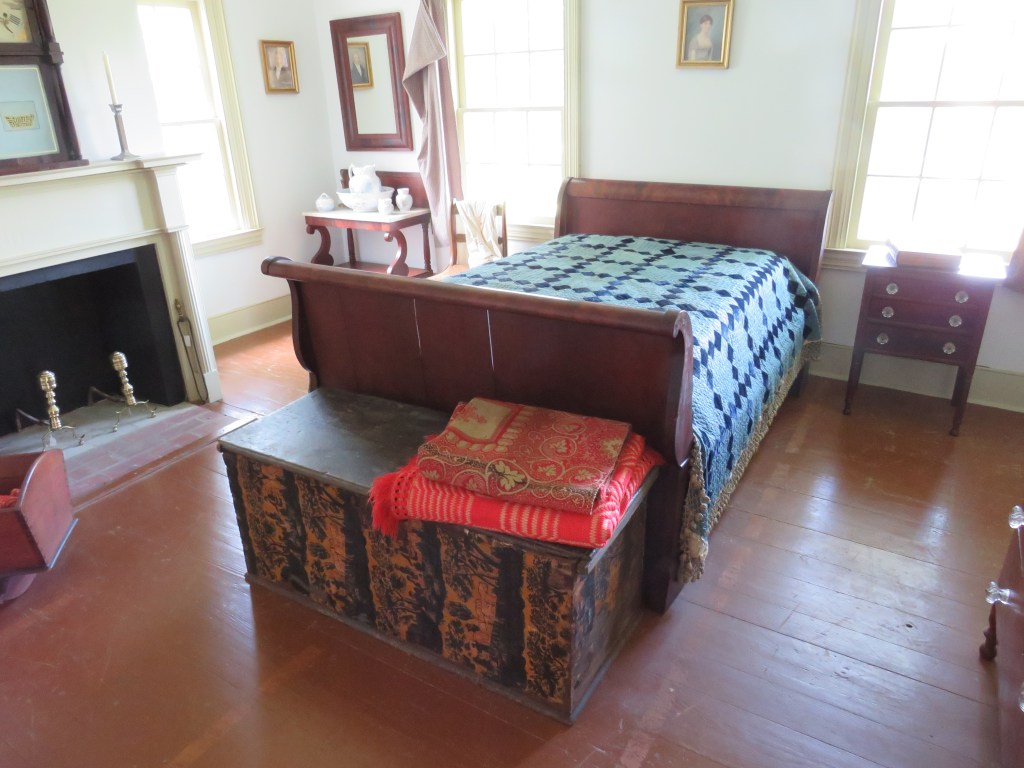
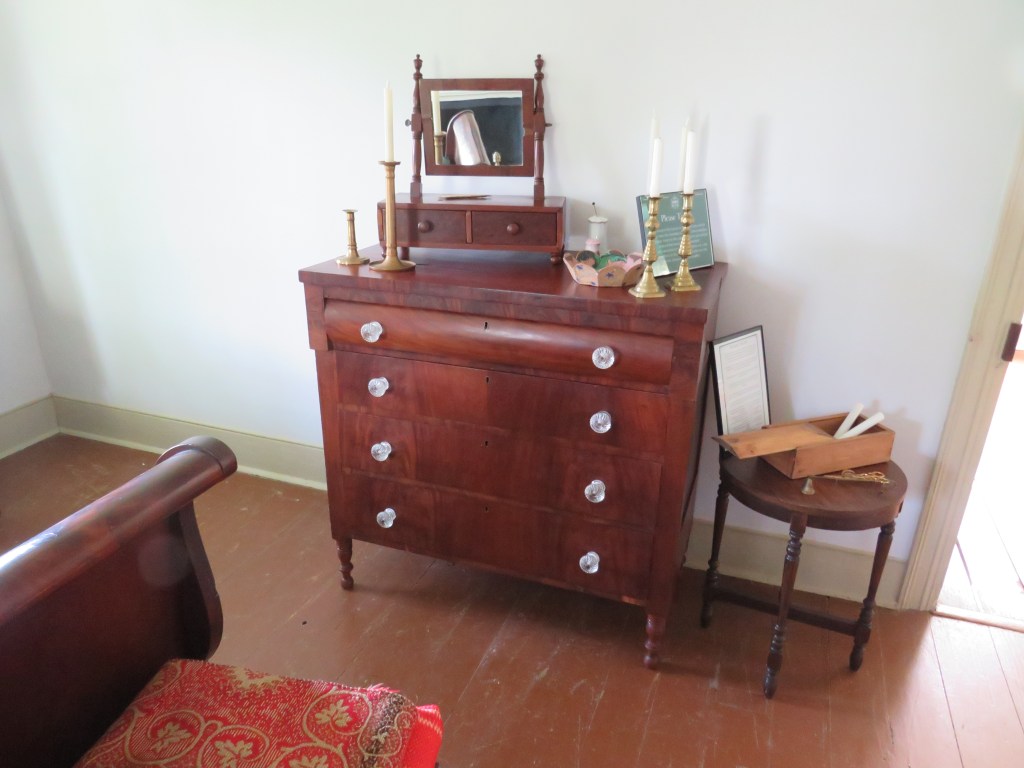
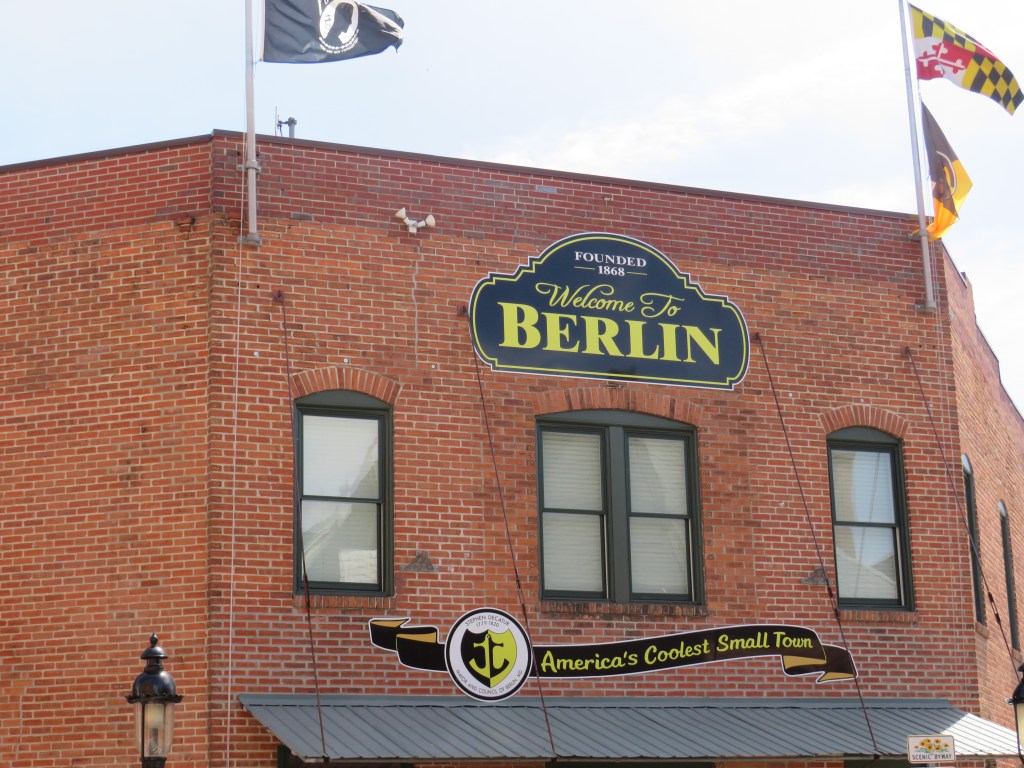
The U.S. state of Maryland is a state that is famous for many things.  It has the Chesapeake Bay which splits the state in two parts.  Baltimore, the state’s largest city, is famous for the National Anthem of the United States of America, known as the ‘Star Spangled Banner’, which was written by Francis Scott Key as he was a prisoner of war as he watched the British Navy bombard Fort McHenry during the War of 1812 only to see the flag still waving.  Baltimore is where the oldest Catholic Church in the nation, and it was here where the first railroad began operation in the Western Hemisphere.  In College Park, the home of the University of Maryland, is also the home of College Park Airport, the oldest continuous operating airport in the world.  You have Annapolis, the state capital, the home of the Naval Academy and the only capitol dome made with wood and has no marble or stone like most capitols.  The state of Maryland is loaded with historic sites, and it has small towns.  One of these small towns is the town of Berlin.  Located on the Delmarva Peninsula near the coastline, the town is considered as one of the best small towns in the nation.  The movie ‘Runaway Bride’ starring Richard Gere and Julia Roberts was filmed here, and Seabiscuit, a famous racehorse who won the Triple Crown (meaning that he won the Kentucky Derby, the Preakness Stakes, and the Belmont Stakes in the same year), was raised in a barn in the area.  (The barn is now on a golf course and houses a restaurant.)  One thing you will not see in this town is the Berlin Wall, but you will find the Calvin B. Taylor House.  What is the Calvin B. Taylor House?  Yes, it was the home of Calvin B. Taylor who was the second owner of the home.  After Calvin B. Taylor’s ownership, the house was divided into apartments.  It was saved from demolition, restored, and made into a museum which is seasonally open for tours.

Who is Calvin B. Taylor?  That is a good question.  Calvin B. Taylor made a big influence on the town of Berlin.  He was an educator and a lawyer, and he was the founder of the Calvin B. Taylor Banking Company in the town of Berlin.  Today, his home is a museum that tells the story of the town of Berlin.  If you want to learn more about an amazing small town, you must visit the Calvin B. Taylor Museum.

Some of you are saying, “This is nice.  Every time I think about Berlin, I think about Germany and the Berlin Wall.  I would not think about a small town in Maryland.  As for the Calvin B. Taylor House, well, it is nice to see that he was a great man who did great things for the town.  There is a very big problem.  Calvin B. Taylor is not a railroad man and has nothing to do with the railroad, and the Calvin B. Taylor House is not a railroad museum.  Therefore, I will not be running away to the town of Berlin, Maryland to visit this house.”

Calvin B. Taylor was not a railroad man, and the Calvin B. Taylor House is not a railroad museum.  Why visit the Calvin B. Taylor House in Berlin, Maryland?

What is now the Calvin B. Taylor House was built in 1832.  Before it was called the Calvin B. Taylor House, the home had former owners.  One of the former owners is a man named Robert J. Henry.  Who is Robert J. Henry?

When you visit the town of Berlin, Maryland, you see a charming small town with historic buildings.  Although a railroad line passes through the town, the town has never been a big railroad town nor does the town have a big history of the railroad.

So what is the big deal?

In the early days of railroading, the railroad served many cities and towns.  Robert J. Henry was the man who was instrumental in bringing the railroad to the town of Berlin.  Being on a large peninsula between the Atlantic Ocean and the Chesapeake Bay, you wonder if anybody rode the train here.

Well, they did.  Where did they come from, and where did they go?

The town had a train station that was called Berlin Union Station.  Why the name Union Station?  It was located at a junction of another railroad line.  People came from Baltimore by way of a ferry that went across the Chesapeake Bay between Baltimore Harbor and Love Point, a point on the east side of the bay near where the Chesapeake Bay Bridge.  Others came from Philadelphia, Pennsylvania and rode a train down the peninsula.  The Baltimore, Chesapeake, and Atlantic Coast Railroad and the Baltimore and Eastern Railroad had passenger service to the town.  Today, the train station is long gone, and there is no passenger railroad service on the Delmarva Peninsula. Only freight service by Norfolk Southern and smaller railroads today.  Today, you can ride a rail bike along the tracks through the town.

Some of you are saying, “It is nice that the man who brought the railroad to the town once owned the house, but that is not a reason to visit.”

Why visit the Calvin B. Taylor House?  The home is left in the way it is as the second owner, Calvin B. Tayler, left it as he added additions to the home.  With a tour of the house, there is an exhibit gallery that displays artifacts and items from the town of Berlin.  There is a small exhibit on the old train station to include a sign from the station, the only surviving part of the station, and pictures of the train station.  There are also old train schedules on display.

You see.  You do have a reason to visit the Calvin B. Taylor House.  While you are here, you will find other reasons to walk around the town and maybe visit the Mermaid Museum and the Old Atlantic Hotel where many of the railroad passengers spent the night.

The Calvin B. Taylor House is located in the town of Berlin, Maryland at 208 N. Main Street (Maryland Route 818) just north of the town center and one mile south of U.S. Route 50.  It is open seasonally from April to October on Monday, Wednesday, Friday, and Saturday from 11:00am to 3:00pm.  Only street parking is available.  Due to the age of the home, it is not wheelchair accessible.  You can read more into the history of the house and checkout the events at https://www.taylorhousemuseum.org/.

Now you have a reason to visit the Calvin B. Taylor House in Berlin, Maryland.  It is a great place to runaway to.

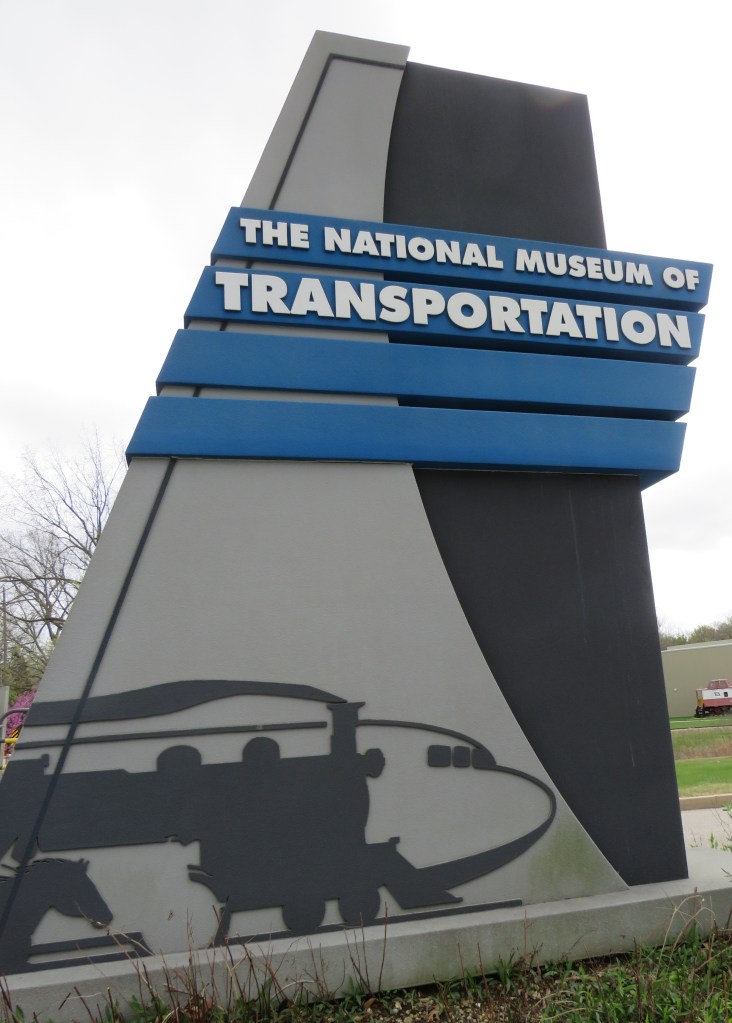
The National Museum of Transportation, Saint Louis, Missouri

The city of Saint Louis in the U.S. state of Missouri, a city located on the Mississippi River, is commonly known as the ‘Gateway to the West’.  The city’s most famous landmark, the Gateway Arch, is a monument to those who went west to seek opportunities.  It is here in this city that you will find the National Museum of Transportation.

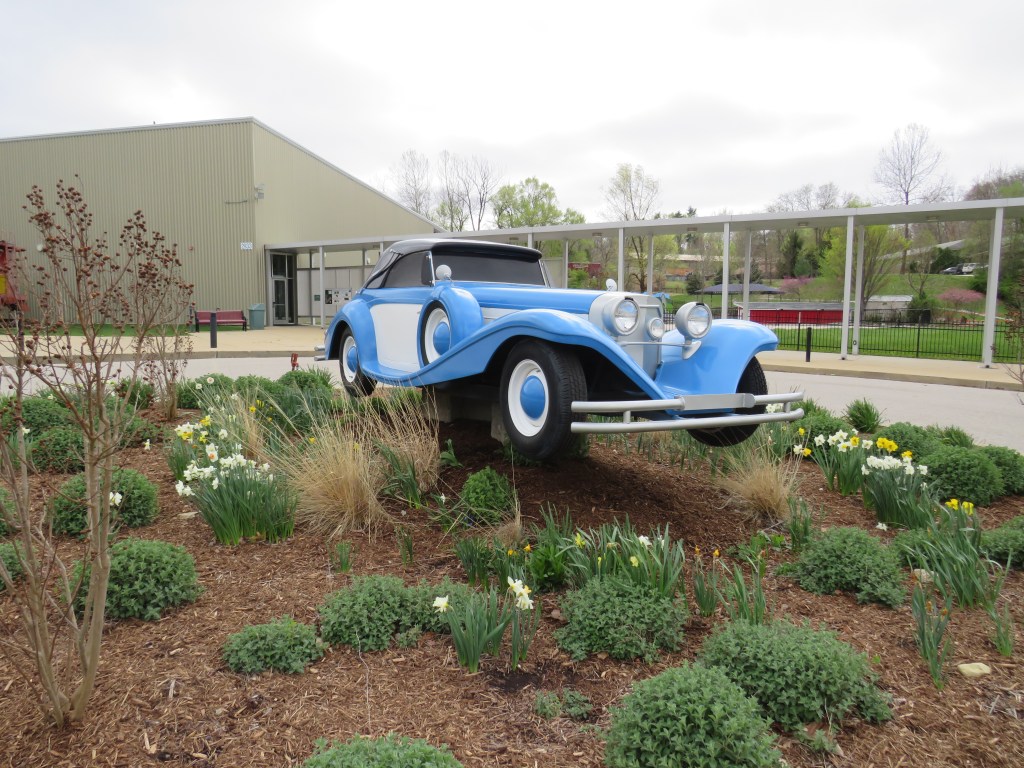
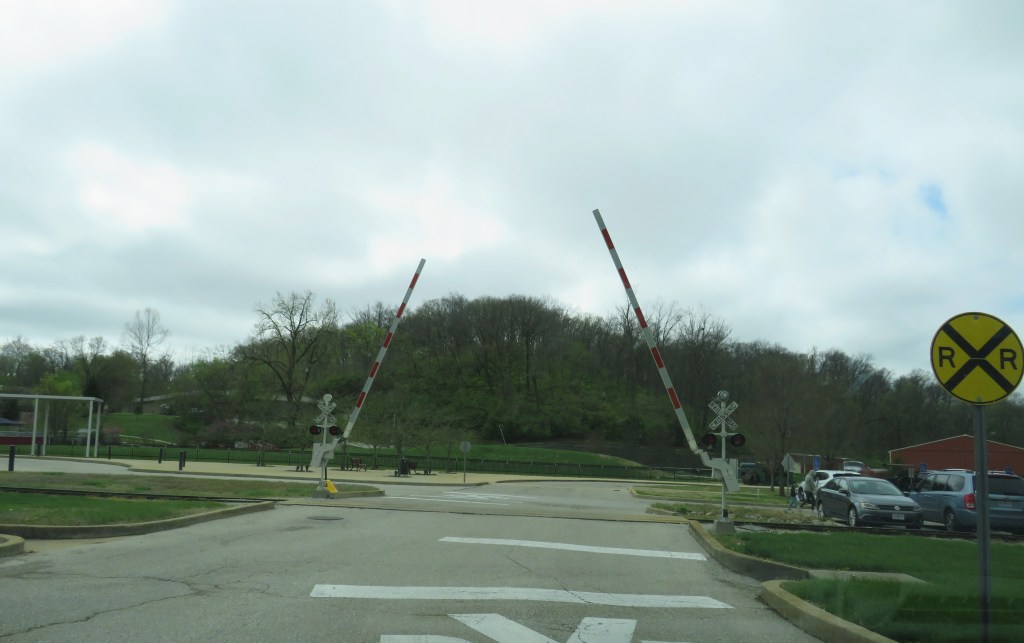
What is the National Museum of Transportation?  Well, of course, it is a museum of transportation from automobiles to planes to boats, but the majority of what you will see here is trains.  As you enter the museum parking lot, you must cross a set of railroad tracks.  This is just the beginning.

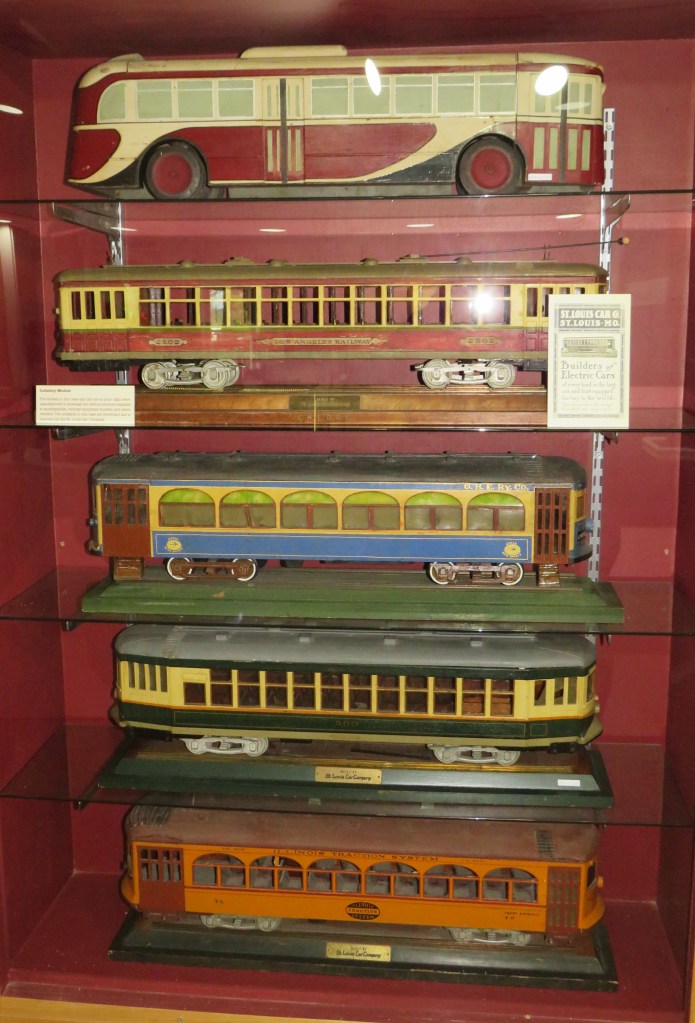
You park your car and walk to the Visitor Center where a Wabash Railroad Caboose sits outside.  You enter the museum, and you see automobiles on display.  Yes, it is a transportation museum.  As you walk around, you see a model train display, and you see model trains encased in glass.

Be warned.  You have not seen anything yet.

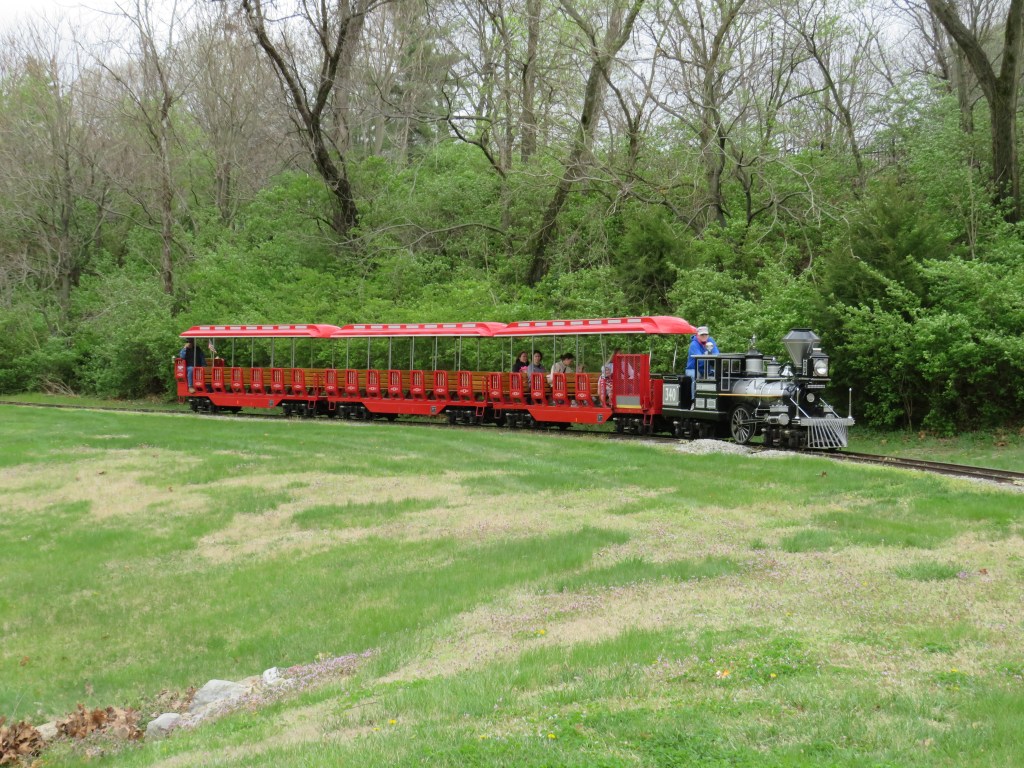
Remember when you crossed the railroad tracks as you entered the parking lot?  Well, you can take a ride on the miniature train that circles that parking lot.  You see aircraft on display and a tanker truck.  As you take a ride, the narrator tells you of each locomotive, mining equipment, and rolling stock you pass by.

In case you are wondering, there is much more to see.

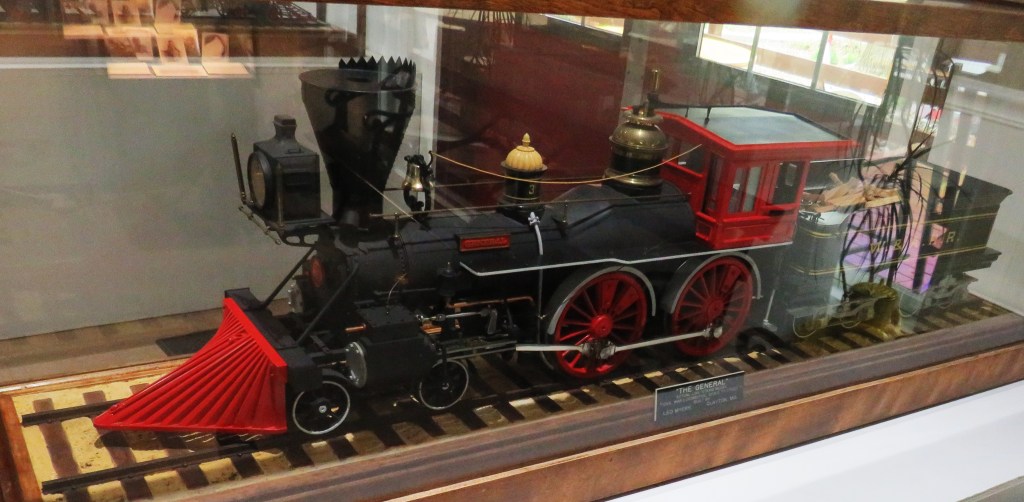
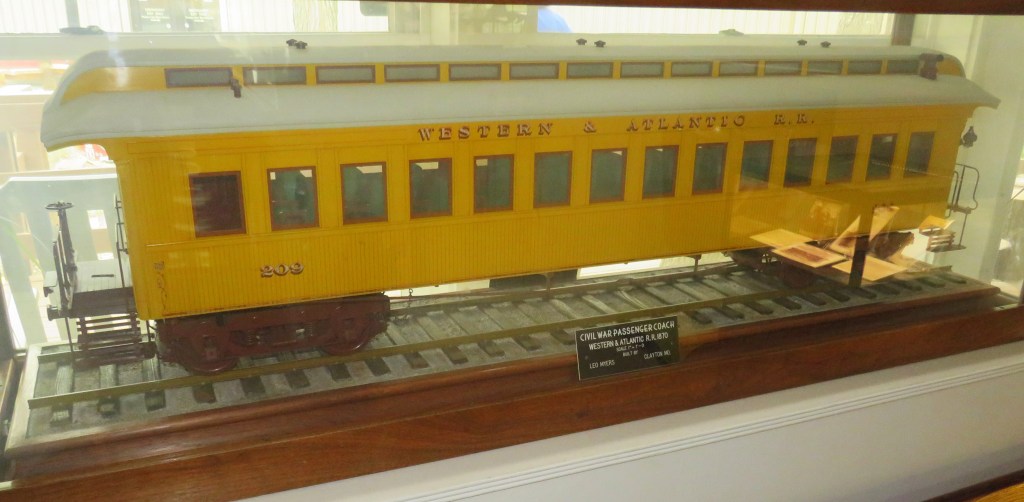
You walk through the Earl C. Lindberg Automotive Center seeing the old cars, and then you see an old train station.  On the outside, you see a model train display.  On the inside, you see models of locomotives and rolling stock to include a model of the ‘General’, a steam locomotive that was part of a chase in the U.S. state of Georgia during the American Civil War.

Now you think that you have seen a lot of trains so far.  At this point, you have not seen much.

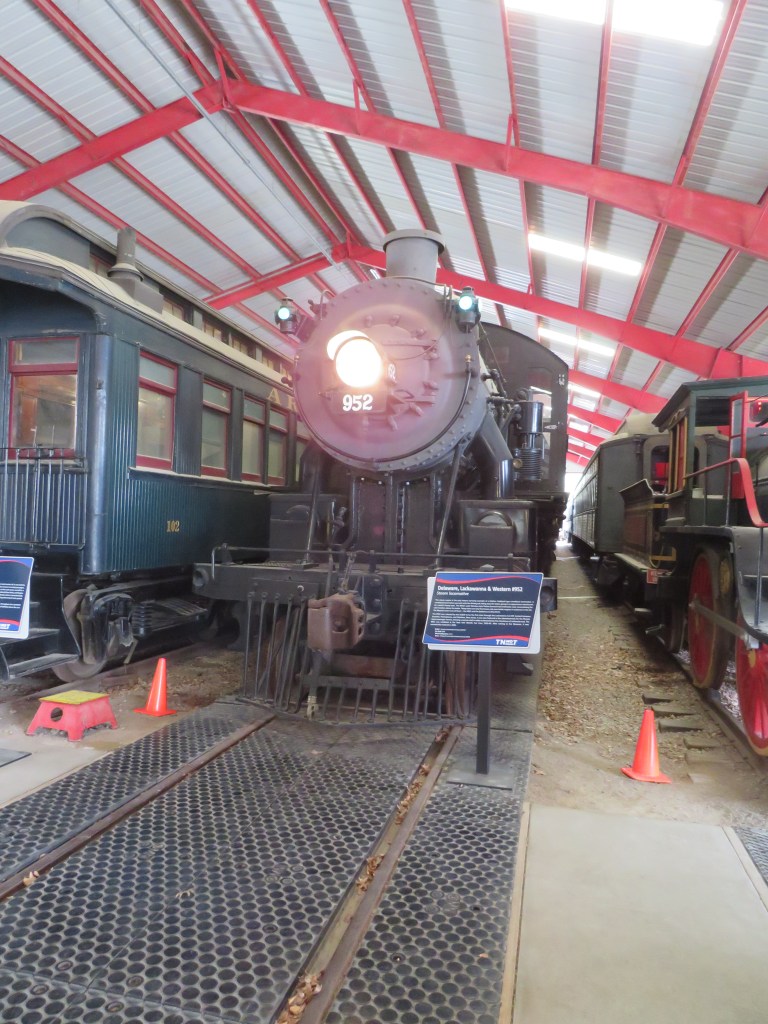
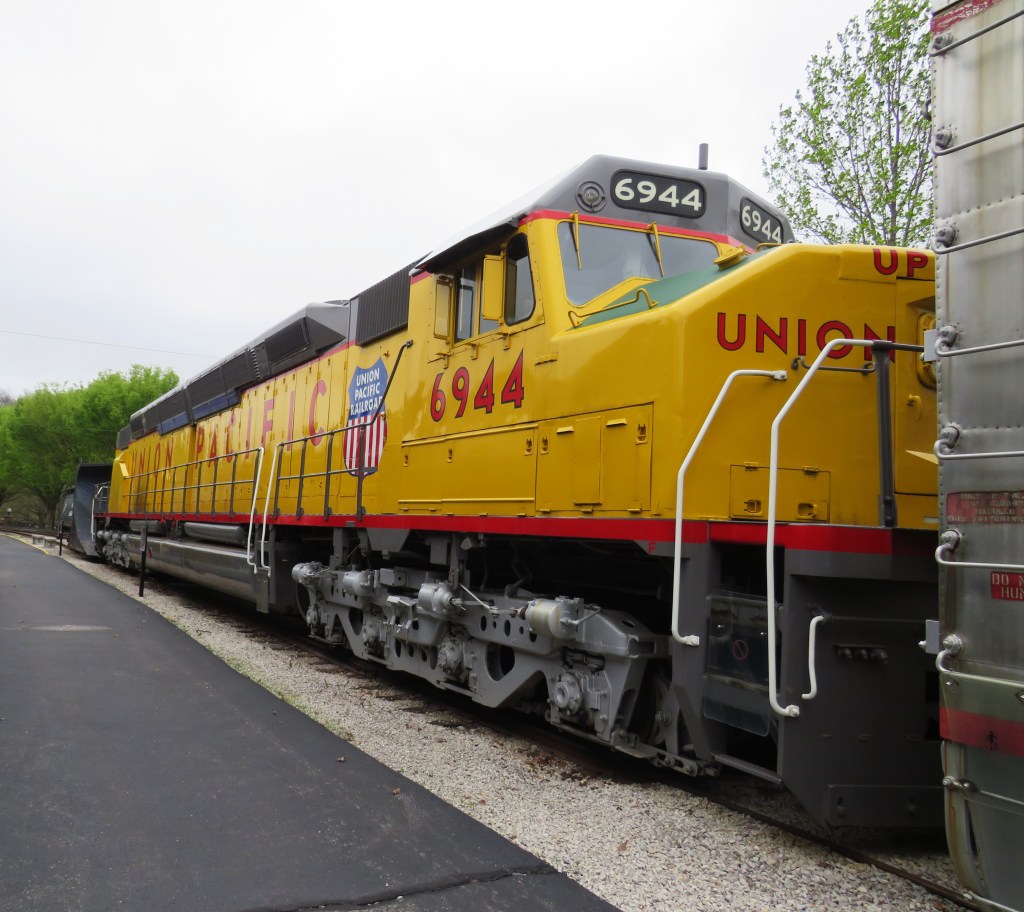
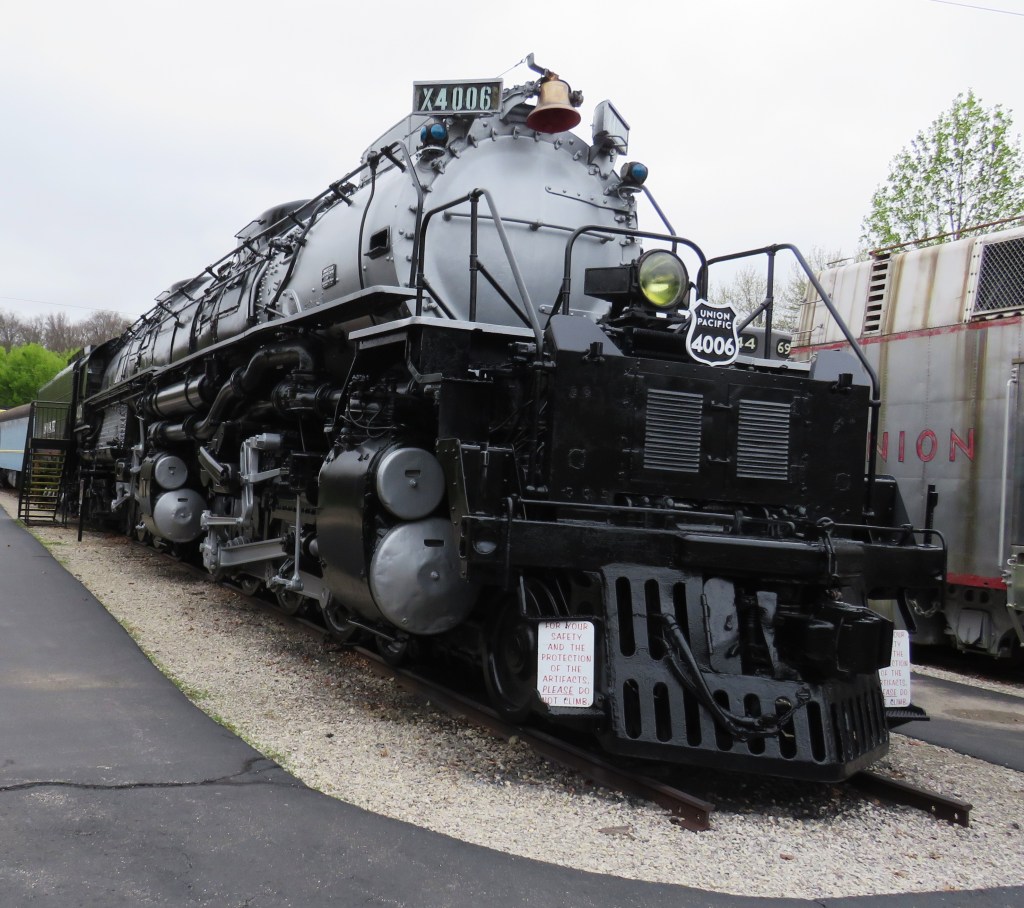
Why should you visit the National Museum of Transportation?  Ladies and gentlemen, this museum boasts a large collection of railroad rolling stock.  No, it is not just from the railroads that are particulate to the Saint Louis region.  You have rolling stock from the Missouri Pacific Railroad, the Georgia Railroad, the Northern Pacific Railway, the Burlington Route, the Baltimore and Ohio Railroad, the Union Pacific Railroad, the Norfolk and Western Railway to include Locomotive Number 2156, a locomotive that was originally at the Virginia Museum of Transportation in Roanoke, Virginia, and the Santa Fe Railroad just to name a few.  The collection includes locomotives, boxcars, passenger cars, trolleys, and other rolling stock.

The National Museum of Transportation is located at 2933 Barrett Station Road in Saint Louis, Missouri.  It is open year round, but the miniature train only runs seasonally.  The entire museum is wheelchair accessible.  You can get more information about admission, hours, and events at https://tnmot.org/.

The city of Saint Louis, Missouri is the Gateway to the West, and it is the home of a great museum known as the National Museum of Transportation.  Let us say that it is a gateway to transportation in the nation.

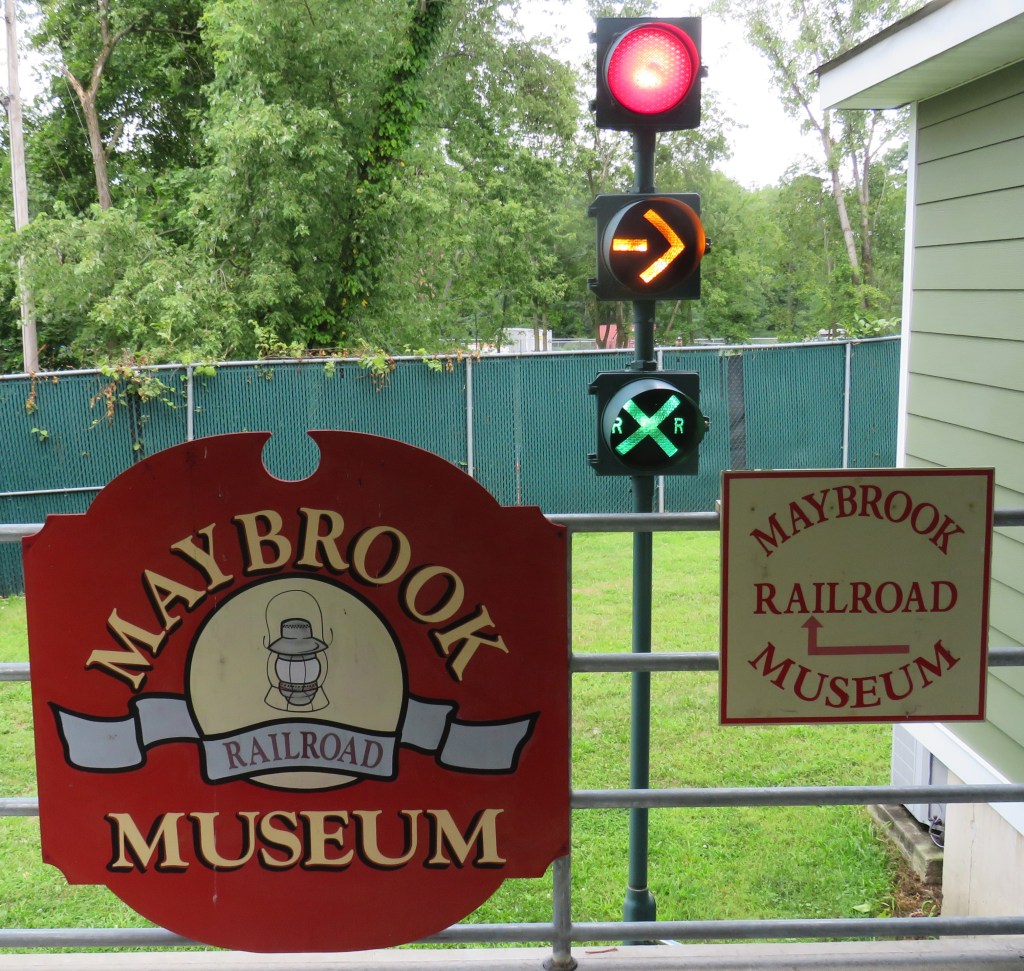
Maybrook Railroad Museum, Maybrook, New York

The U.S. state of New York is known as the Empire State.  Why?  Most people would think that it is because of the World Famous Empire State Building located in New York City, but the name was actually coined by George Washington, a General in the Continental Army during the American Revolutionary War because of the role the U.S. state played in the war to include the Battle of Saratoga which was the turning point of the War, and the name stuck as New York City remains the financial capital of the world, and, in the early years of the twentieth century, was called the Gateway to North America with the influx of immigrants entering the city.  Most people think about New York City as it is the most populated city in the United States of America and is one of the largest metropolitan areas in the world, but there are other famous cities in the state like Rochester and Buffalo where, in the suburbs, you will find one of the most famous waterfalls in the world, Niagara Falls.  The state has many great small villages.  One of this villages is Maybrook.  Located in the southeast region of the state about seventy miles north of New York City, the small village of Maybrook is a small, charming village that makes the state of New York special.

Some of you are saying, “I love New York.  There is so much great history and nature area in the state.  I enjoy the skyline of New York City with the high rise buildings to include the Empire State Building.  I love Niagara Falls.  There is so much in this state.  As for Maybrook, there is really nothing to see there.  Therefore, I will not be visiting this village of Maybrook.”

So, you do not see a reason to visit the small village of Maybrook.  What is special about this small village?

As you exit Interstate 84 and drive south on New York Route 208, you come upon a caboose from the New York, New Haven, and Hartford Railroad.  I know.  There are many lonely cabooses on display across the country, but this is not your average lonely caboose.  What makes the village of Maybrook so important?  It was here where the largest railroad yard in the state of New York where the town saw the largest number of trains, about fifty two trains a day, during the height of World War II which had to move quickly to supply the troops.  Sadly, the yard nor the Maybrook Railroad Line no longer exists.  The old railroad line crossed the Hudson River going towards Connecticut.  The bridge, called the Walkway over the Hudson, is now a pedestrian bridge where you can get exceptional view of the Hudson River.

Some of you are saying, “Well then.  If the railroad yard is no longer there, there is no reason to visit Maybrook.”

Ladies and gentlemen, there is more to the story.

Drive one mile south on New York Route 208 into the village of Maybrook, and you will see the Government Center.  Yes, it is where the government of the village of Maybrook meets, but there is also another important place here.  What is this important place?

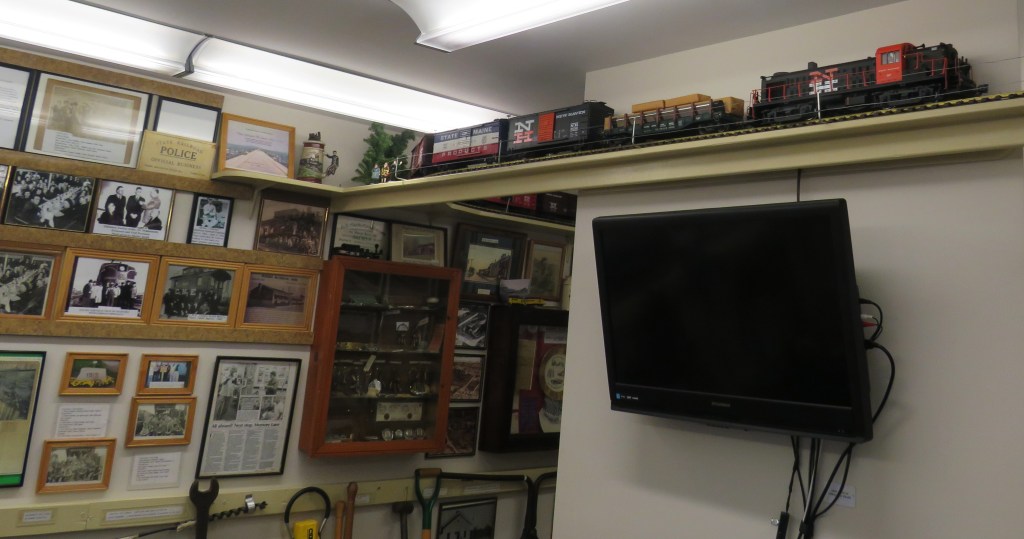
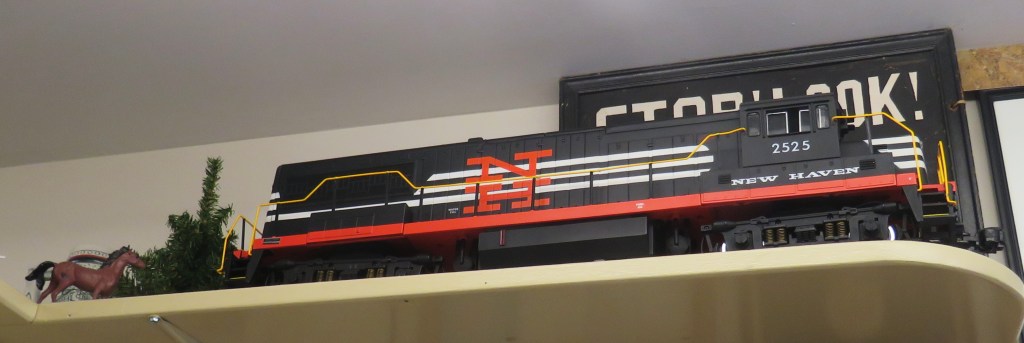
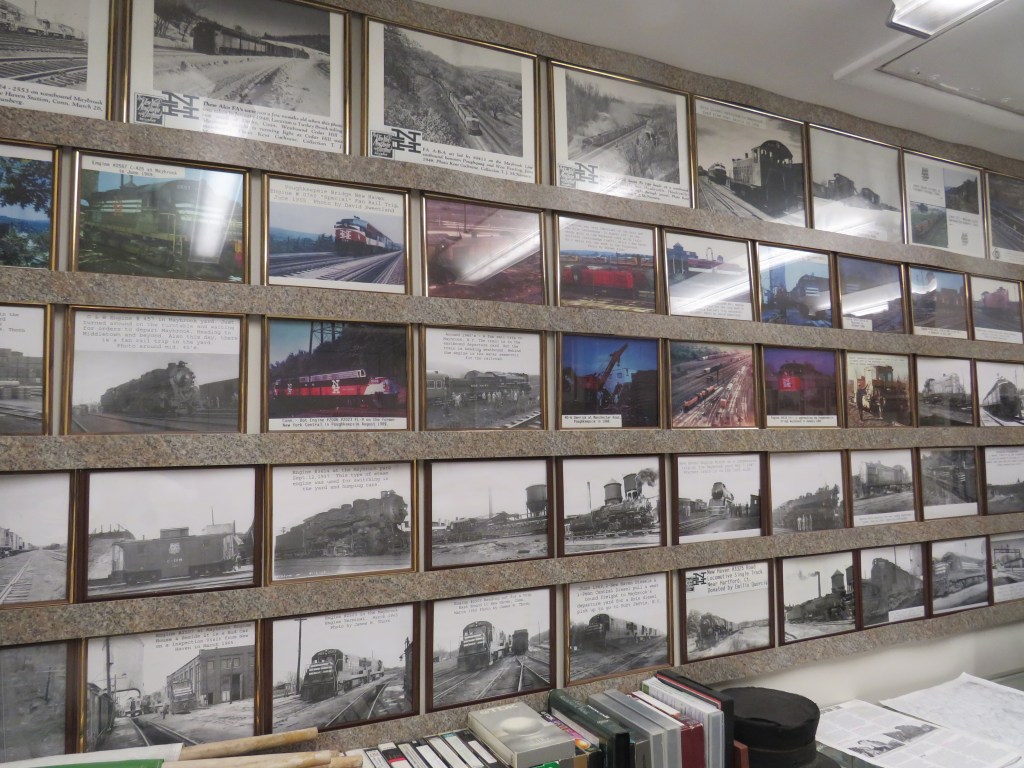
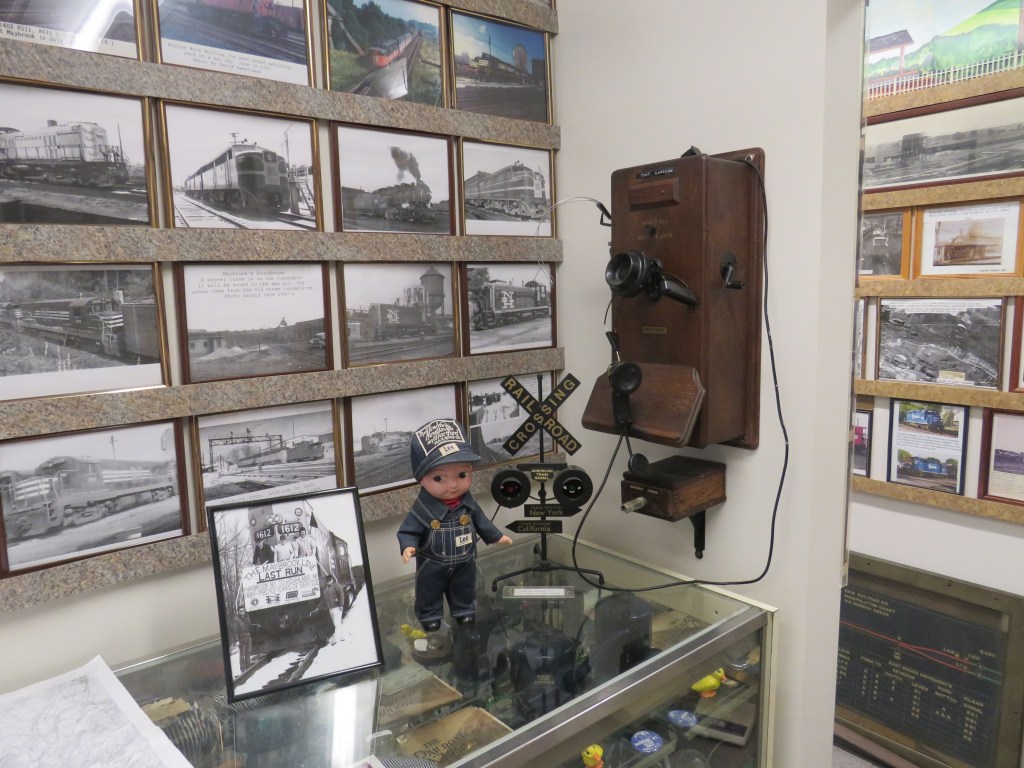
Welcome to the Maybrook Railroad Museum.  When you arrive, you will not see a locomotive or a caboose or any kind of rolling stock.  Why visit the museum?  As a place where the largest railroad yard in eastern America was once located, the small museum tells the story of how this small village played a big role in the railroad history of the United States of America.  Although you cannot see the actual railroad yard itself, you can see pictures and artifacts and books of the railroad yard.  Yes, it is a small museum, but there is much railroad history inside, and for a little excitement, there is a model train that runs road above you.

The Maybrook Railroad Museum is owned by the Maybrook Railroad Historical Society, and it is operated by volunteers, and they are open to anyone who is willing to volunteer.  It is located inside the Maybrook Government Center located at 111 Schipps Lane just off of New York Route 208 and a short drive south of Interstate 84.  It is open seasonally from the first Sunday after Easter April to the Last Sunday in October from 1:00pm to 4:00pm.  Admission is free, but they gladly accept any donation to keep the museum open for many generations to come.  Parking is on site, and the museum is wheelchair accessible.  You can read more about the Village of Maybrook and it role in the region at https://www.villageofmaybrook.com/.

Maybrook, New York is a small village with a big railroad past.  The Maybrook Railroad Museum preserves and honors that past.  You love New York, and you will love the Maybrook Railroad Museum.

Hawks Nest State Park, Ansted, West Virginia

Some of you may have heard of a place called Hawks Nest State Park in the U.S. state of West Virginia.  What is Hawks Nest State Park?

Some of you are saying, “Well, it is a nest that was created by a hawk, and the great people of West Virginia made a state park out of it.”

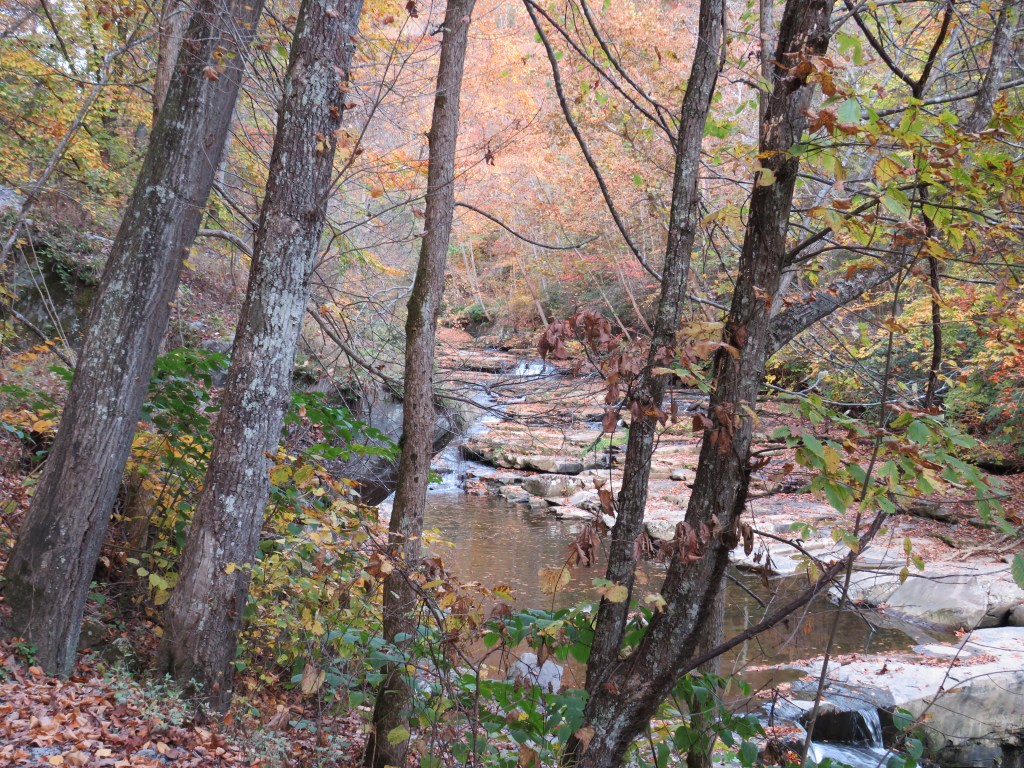
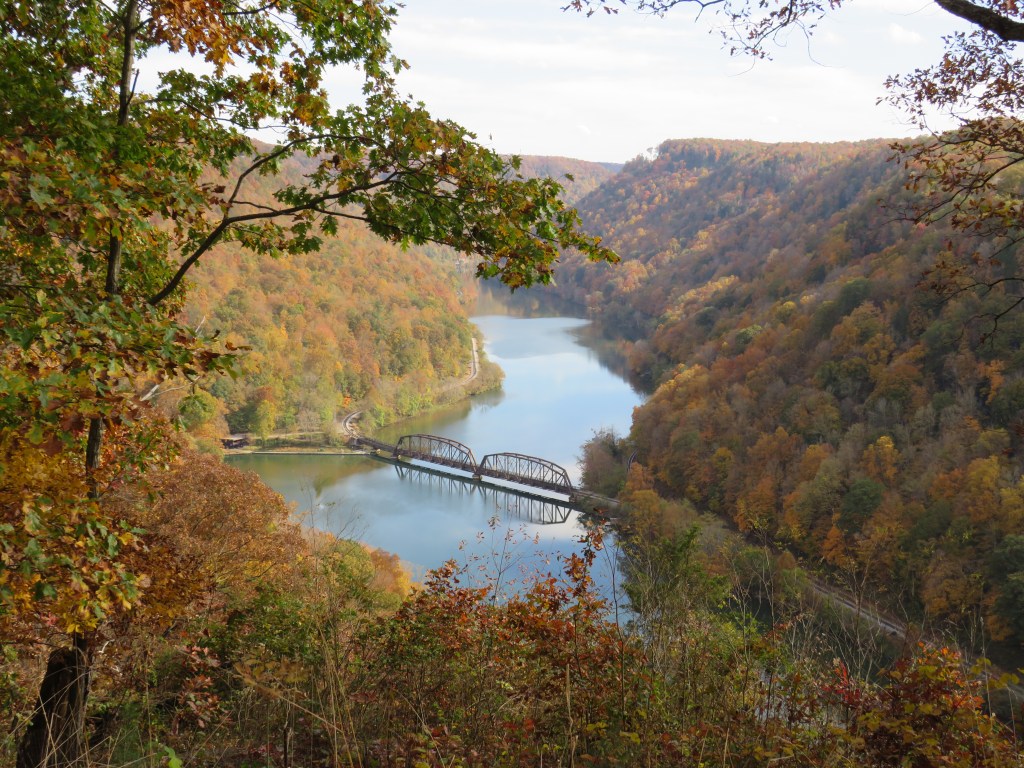
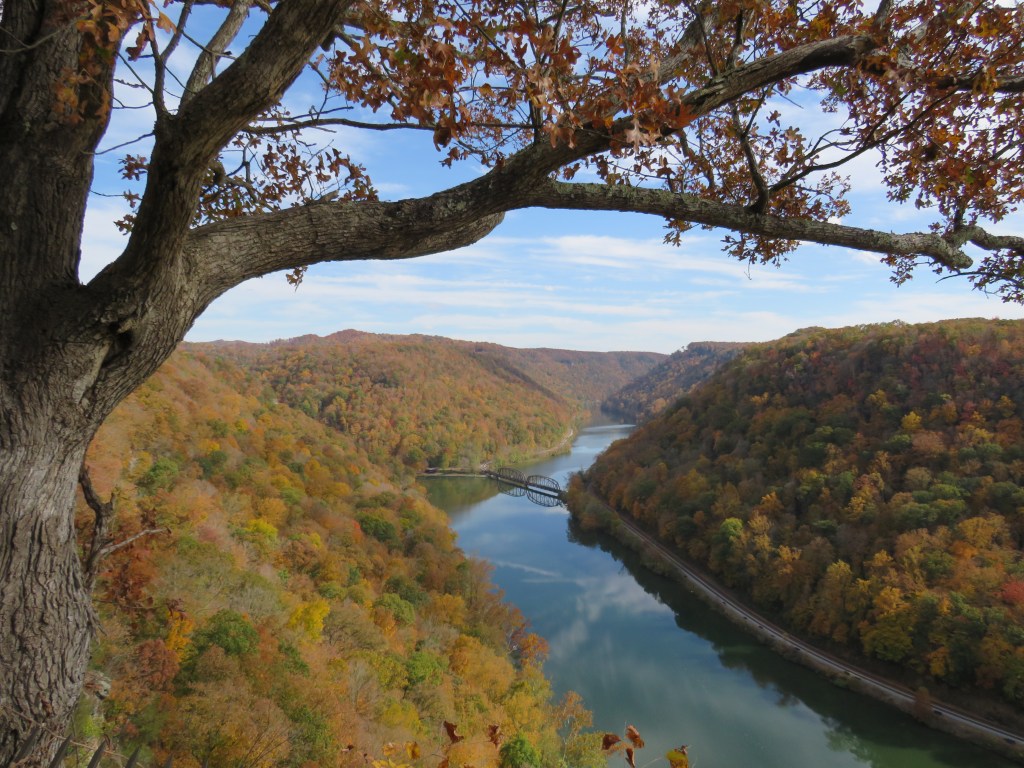
How the park got the name is unknown at this point, and there may be a hawks nest here, but when you come here, you get a hawk’s view into the New River Gorge.  You stand at the overlook and lookout over the gorge and see an amazing view.  A visit to Hawks Nest State Park is a place you will want to see again and again.

Some of you are saying, “That is nice.  I have heard great things about the state of West Virginia, and I am aware of the natural beauty of this state.  I am pretty sure that there is a lot of beauty here, but because this park has no railroad, I will not be making my nest here.”

Why visit Hawks Nest State Park?

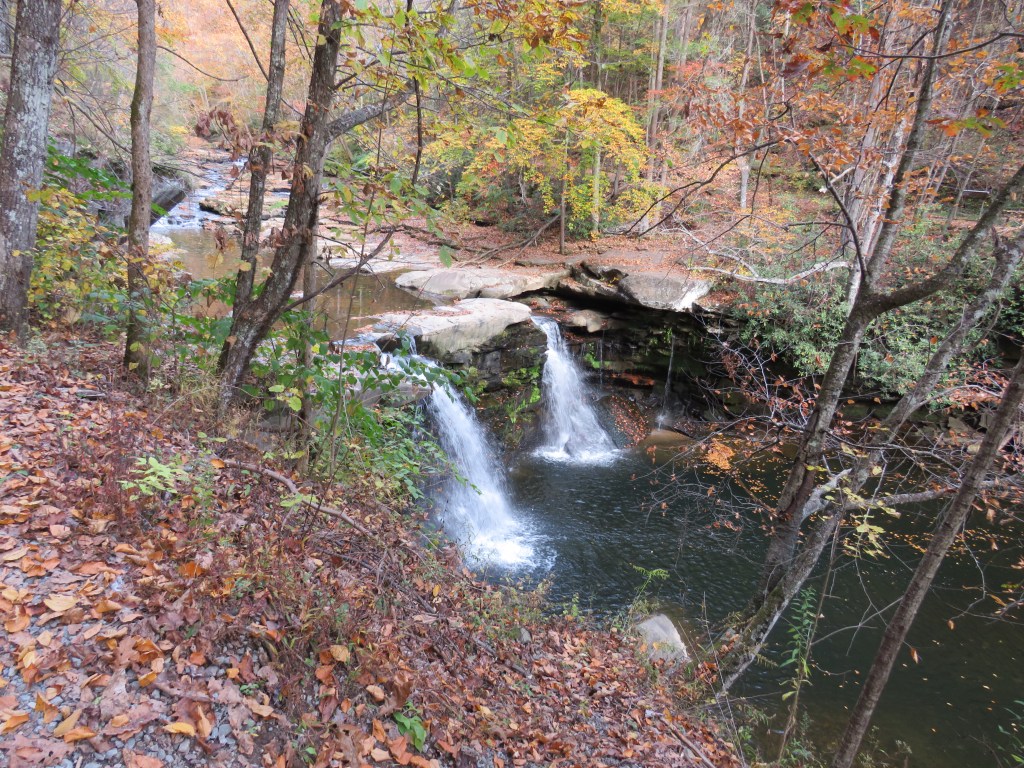
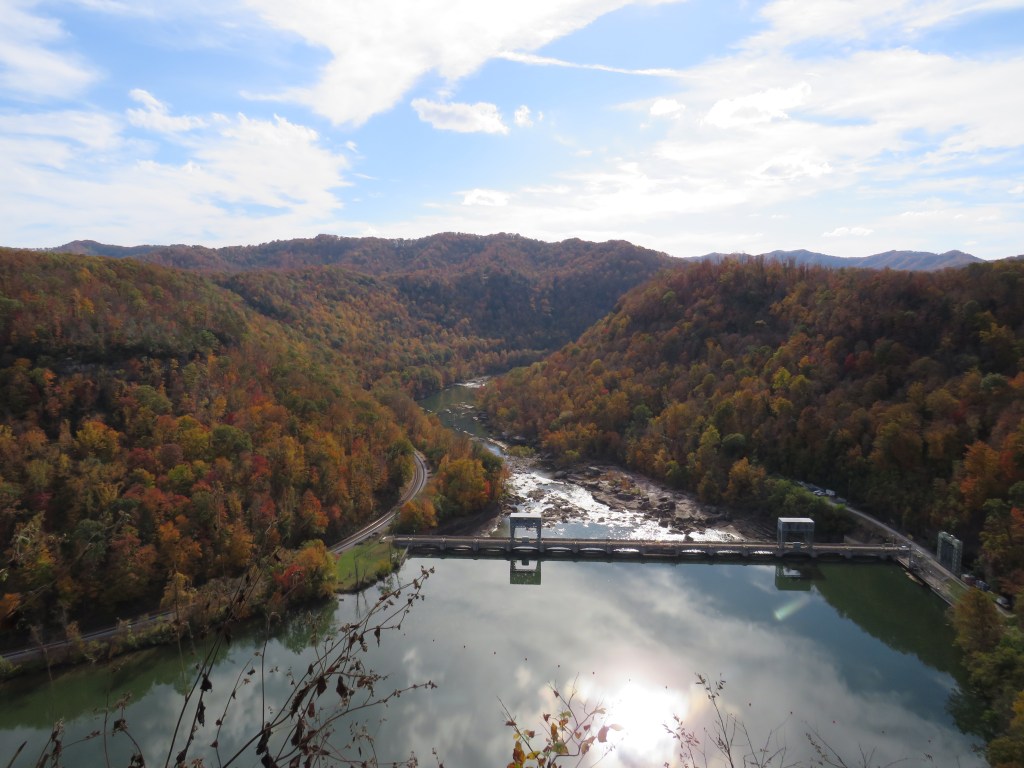
As you arrive and walk to the overlook and look down into the New River Gorge, you see the great gorge with the New River flowing through the bottom.  You see a dam of which, sadly, was a site of the worst industrial disaster in the state’s history during the construction of a water tunnel.  As you look into the New River Gorge, you see a railroad line.  The Chesapeake and Ohio Railway built the railroad through the gorge to mainly transport coal from the coal mines to the ports of Norfolk in the U.S. state of Virginia, but that is not that main reason for visiting the park.  The main thing you will see has been the number one view in the park.  As you look into the gorge, the number one view is the view of the railroad bridge crossing the New River.  Originally built by the Chesapeake and Ohio Railway and now owned by the Chessie Seaboard Transportation Company (commonly known as CSX), it is still in use today.

Now you have a reason to visit Hawks Next State Park.  When you come here, you may have a problem leaving.

Hawks Nest State Park is located in Ansted, West Virginia on U.S. Route 60 ten miles west of U.S. Route 19 and the World Famous New River Gorge Bridge and the New River Gorge National Park.  The overlook is open from sunrise to sunset, and it is completely wheelchair accessible.

Hawks Nest State Park in Ansted, West Virginia is a great park to visit.  You may not see any hawks or hawk’s nest, but you will get a great view of the New River Gorge and a railroad bridge crossing the New River in the gorge below.

Manassas Museum, Manassas, Virginia

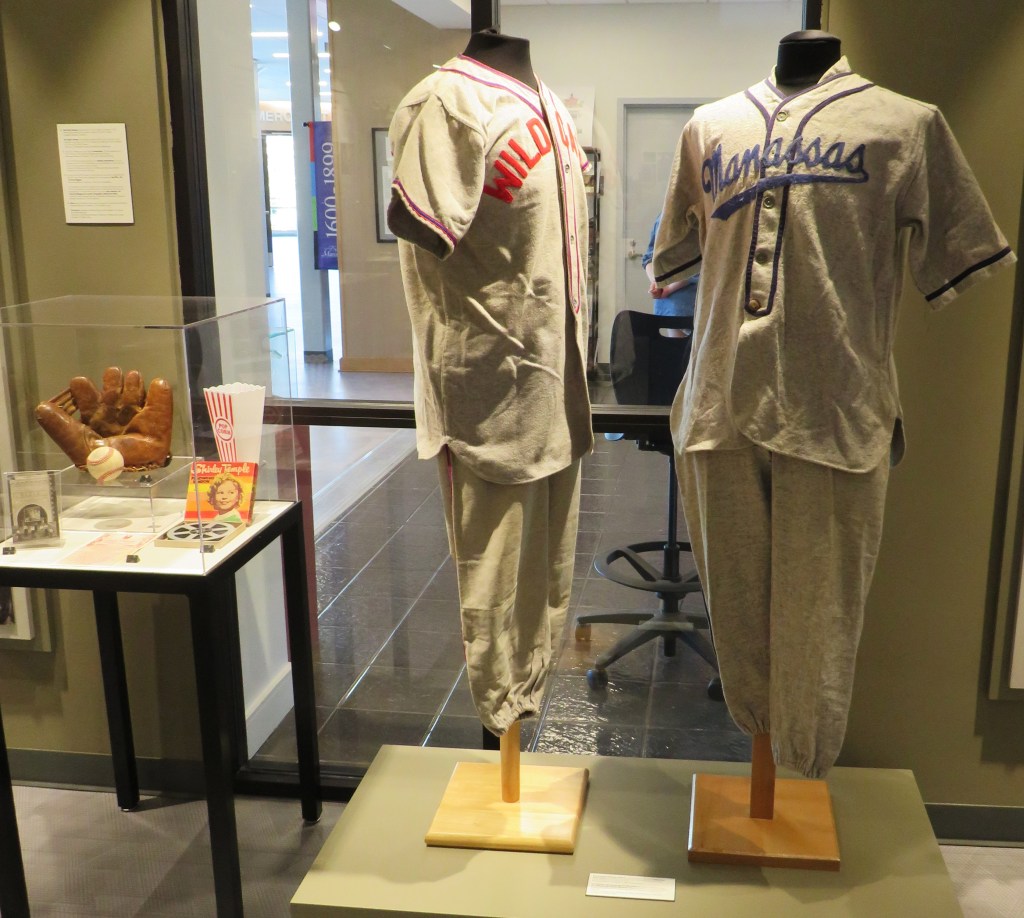
Many people in the United States of America and around the world have heard of the town of Manassas in the U.S. state of Virginia.  The town is rich in history and is most famous for being a major player in the American Civil War.  The most famous thing about Manassas is that it is the only place where two major battles of the American Civil War took place.  The first battle, commonly called the First Battle of Manassas, is where a Confederate General named Thomas Jackson was issued the name ‘Stonewall’ after he continued to fight the Union Army as much of the Confederate Army was retreating, a stand that gave the Confederate Army a victory.  Although the American Civil War dominates the town’s history, that town is known for many things.  The best way to learn the story of Manassas, Virginia is to visit the Manassas Museum.  Located in the Old Town (the original part of the town), the Manassas Museum tells the story from the very beginning to the present day.  If you want to know everything about Manassas, Virginia, the Manassas Museum is a place that you must visit.

Some of you are saying, “This is nice.  I have been to many town museums, and they all talk about their town.  As for Manassas, the town is truly about the American Civil War and the two battles.  There is a problem.  Manassas is famous for the American Civil War and not railroads.  Therefore, I will not be battling my way to visit this museum.”

You are exactly right.  Manassas, Virginia is dominated by American Civil War history.  What is the point of visiting Manassas or the Manassas Museum.

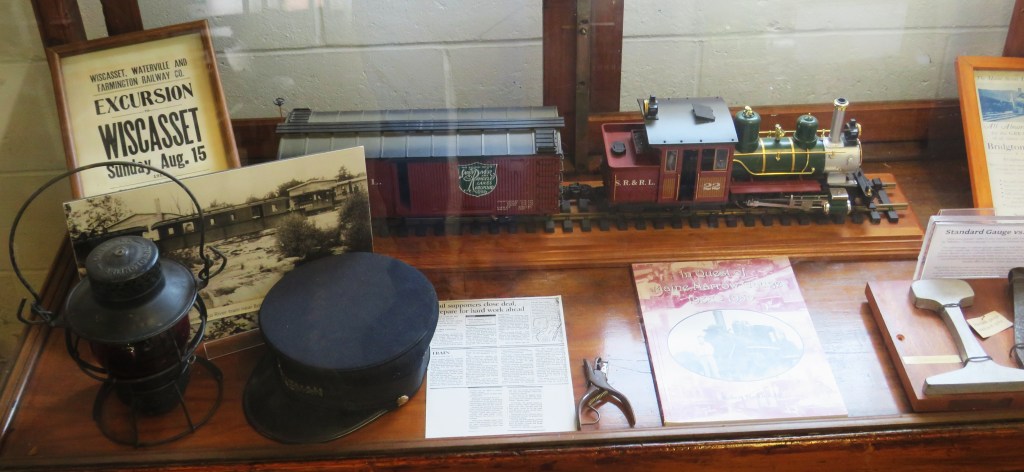
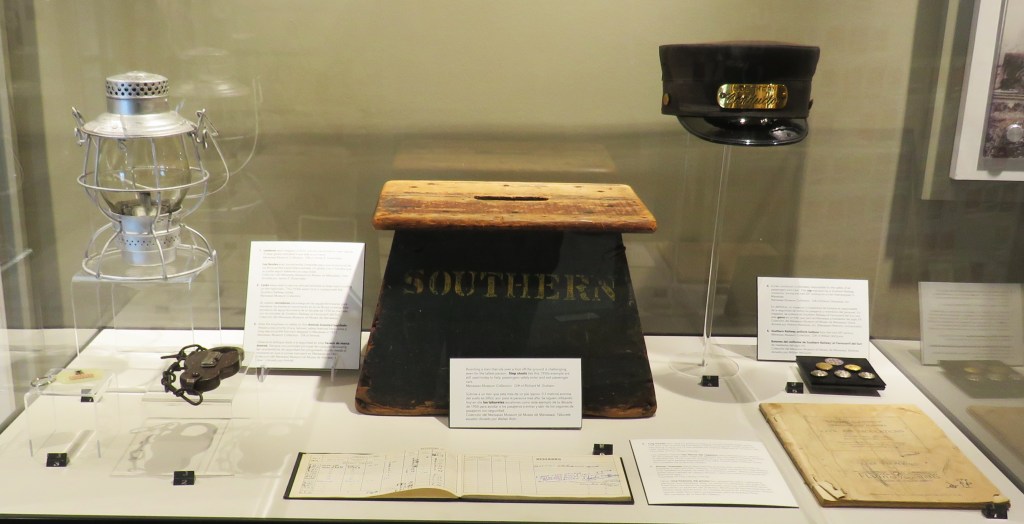
Even though the history of Manassas, Virginia is dominated by the American Civil War and the only place were two major battles of the war took place, the history of Manassas does not start there.  How did the town start?  Well, it was originally called Manassas Junction.  How did the name Manassas Junction come about?  Even though the town is famous for the American Civil War, it began as a railroad town.  A display at the Manassas Museum tells the story of Manassas as a railroad town which features a step for passengers from the Southern Railway, a railroad that served Manassas.  There is also a conductors hat and a replica railroad lantern.

If that is not enough, the First Battle of Manassas was the first war in American history to use the railroad as General Thomas ‘Stonewall’ Jackson and his troops arrived by train at a location near the museum and marched up to the present day battlefield to fight the war.  The first railroad built specifically for military use ran from Manassas to a town called Centreville.  If that is not enough, all of the railroad tracks with the exception of the military railroad which was short lived still pass through Manassas today and is owned by the Norfolk Southern Railway today.  If that is not enough, the Manassas Railroad Festival takes place on the first Saturday in June every year.

As mentioned, the Manassas Museum tells the story of Manassas.  The railroad is a big part of the history of the town from the very beginning as a junction on the railroad to it days as a suburb of Washington D.C.  Manassas has a history that continues to this day.

The Manassas Museum is located at 9101 Prince William Street in Manassas, Virginia just blocks from Virginia Route 28 and across the street from the Manassas Train Station.  Parking is available at the museum.  It is open from 10:00am to 5:00pm Monday through Saturday and 12:00pm to 5:00pm on Sunday.  Admission is free, and the museum is completely wheelchair accessible.

Come to the Manassas Museum.  See the story of Manassas from the beginning to the present day.  See how the railroad started a town that continues to transform the United States of America to this present day.

Hinton Railroad Museum, Hinton, West Virginia

The U.S. state of West Virginia is called the Mountaineer State because it is a state that is completely mountainous with no plains or flatland.  One of the state’s greatest natural wonders is the New River Gorge where the New River carves it way through a deep gorge through the southern region of the state.  South of the New River Gorge is the river town of Hinton.  Hinton is a town on the New River, and it is also a railroad town with an old Chesapeake and Ohio Railway Station that was built by the Chesapeake and Ohio Railway, and it is served by Amtrak today.  The town has a railroad festival in the fall to celebrate the railroad heritage, but the town also has another railroad treasure.

Welcome to the Hinton Railroad Museum.  It looks small on the outside, but it has so much on the inside.  No, you will not see full size locomotives on display nor will you see old boxcars or a caboose.

Why visit the Hinton Railroad Museum?  As you see the museum from the street, you will want to go inside.

Before you even enter the museum, you will see a wooden model train.  Be advised that this is just the beginning.

The museum is filled with artifacts mainly from the Chesapeake and Ohio Railway.  The displays are full of models trains, old photos, old rail equipment, uniforms, and other items, but there is one item that will catch your eye.

The main thing that you will see is the full scale wooden display.  The display is a carving by Charlie Permelia telling the story of John Henry.  Who is John Henry?  In the nearby town of Talcott is the Great Bend Tunnel of which the original has been replaced by a new tunnel used by CSX Transportation today.  The original tunnel was built by railroad workers.  One of them was John Henry, a muscular man.  It was here where John Henry challenged a steel drill with his hammer.  Even though he defeated the steel drill, it cost him his life.  The wooden display is a memorial to the famous worker.

The Hinton Railroad Museum is located at 206 Temple Street (West Virginia Route 20 North) in the town center.  Only street parking is available.  Sadly, the building is not wheelchair accessible.

Miller Park, Bloomington, Illinois

Cities big and small throughout the United States have their landmarks and city parks.  Among these city parks is Miller Park in the city of Bloomington in the U.S. state of Illinois.  The park has trees, a playground, a small zoo, a manmade lake, a miniature golf course, a memorial to firemen and a war veterans memorial.  Located in the southwestern area of the city on the Historic U.S. Route 66, it is a park within the city that is an oasis from the urbanization.

Some of you are saying, “It is nice that these cities have parks.  These parks are great.  However, there is a problem.  Since this park has no railroad history, I will not be taking a walk in this park.”

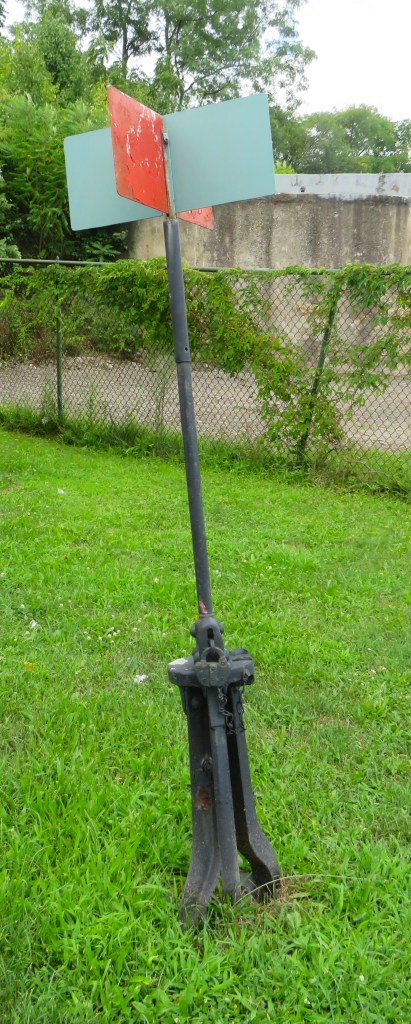
Oh, you will want to take a walk in this park.  Why?  One of the big features of this park is Nickel Plate Road Steam Locomotive Number 639 and its tender.  Another feature is Caboose Number 4770 from the Southern Pacific Railroad.  Other feature include a whistle that was on top of the shops of the Chicago and Alton Railroad and pays tribute to the workers of those shops.  (The shops are now gone.)  Another feature is an old semaphore.  (Semaphores have been replaced by the railroad signals today.)

The locomotive was built by the Lima Locomotive Works and was used by the Nickel Plate Road.  When the Nickel Plate Road decommissioned the locomotive, they donated it to the park.  Today, it is on display with the Southern Pacific Railroad Caboose.

Miller Park is located at 1020 S. Morris Avenue in Bloomington, Illinois along the Historic U.S. Route 66.  (It is west of U.S. Route 51 by way of Wood Street.)  Parking is on side.  The park is open sunrise to sunset, and the park is wheelchair accessible.

When in Bloomington, Illinois, visit Miller Park.  See a locomotive that once ran on the rails of the United States of America.

West Virginia Northern Community College, Wheeling, West Virginia

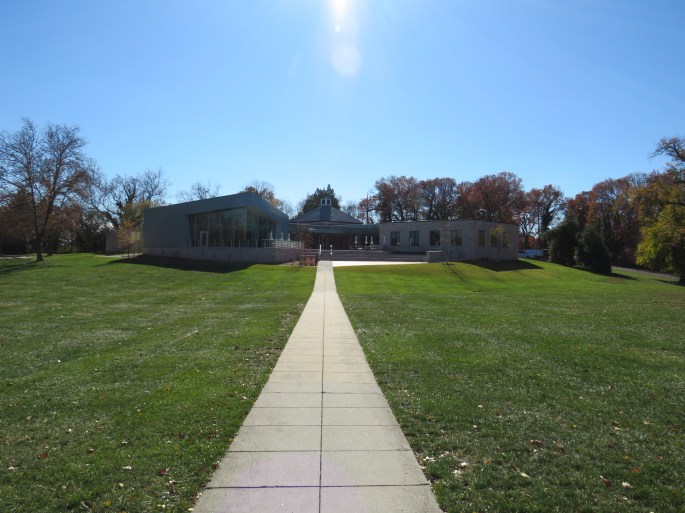
The U.S. state of West Virginia is a state that was once part of Virginia.  It is known as the Mountain State because the typography of the state is 100% mountains, and it is the only state with that kind of typography.  The state has no major cities although parts of the state are in the Washington D.C. and Pittsburgh, Pennsylvania metro areas.  It does have a few cities like Charleston, the state capital and largest city, Morgantown, the home of West Virginia University, and Huntington, the home of Marshall University where the movie We Are Marshall featured the tragedy of the university’s football team.  The state has many engineering feats like the New River Gorge Bridge.  What the state is really known for is its coal mines and its natural beauty.  One unpopular place in the state is the city of Wheeling.  Located in the northern panhandle region of the state nestled between the U.S. states of Pennsylvania and Ohio, the city of Wheeling is located on the Ohio River and is on the National Road (present day U.S. Route 40).  If Wheeling, West Virginia is unpopular, why visit?  While in Wheeling, you can visit the West Virginia Northern Community College.  Located in the Downtown section of the city, West Virginia Northern Community College welcomes students from the region to get an education.  When in Wheeling, make a visit to the West Virginia Northern Community College.

Some of you are saying, “That is nice.  You know.  Wheeling, West Virginia has never been on my list of places to visit.  I either pass through on Interstate 70 or take the Interstate 470 bypass.  With Wheeling not being a railroad city, I will not be visiting Wheeling, and I will not be getting an education here.”

You do have a point.  Why visit the West Virginia Northern Community College?

The state of West Virginia has a lot of history, and it is a state that has many railroad sites and much railroad history.  In Cass, you will find the Cass Scenic Railroad and the Durbin Rocket.  You have the railroad town of Thurmond and Prince.  In Elkins, you have the Cheat Mountain Salamander, the Mountain Explorer, and the Tygart Flyer, and it is the home of the West Virginia Railroad Museum.  In Martinsburg, you have the oldest surviving steel truss roundhouse in the nation.  There are numerous rail trails throughout the state.  When it comes to the city of Wheeling, well, it is not a famous railroad city with many railroad sites.

So why visit Wheeling, West Virginia?

As mentioned, Wheeling, West Virginia is the home of the West Virginia Northern Community College.  What is so special about the West Virginia Northern Community College?  Well, before it was a college, it was a train station.  In the glory days of railroading, the Baltimore and Ohio Railroad built the terminal in 1907 to give passenger train service to the people of Wheeling, West Virginia and the surrounding region.  The four story brick and limestone train station welcomed passengers to the city as well as sent passengers to other parts of the nation.  Passenger service ceased in 1961.  The train station was remodeled and became the home of the West Virginia Northern Community College.  In 1996, the building was placed on the National Register of Historic Places.

West Virginia Northern Community College is located in Downtown Wheeling, West Virginia at the corner of Market Street, 16th Street, and Chapline Street.  Please note that the building is not open to the public but to college students and teachers only.

Next time you come upon the city of Wheeling, West Virginia, think of it as a city where you can see a train station that gives you an education.

The Lincoln Depot, Springfield, Illinois

The U.S. state of Illinois is commonly known as the ‘Land of Lincoln’.  Even though Abraham Lincoln, the sixteenth President of the United States of America, was not born in the state, (born in Kentucky) he spent much of his public life here as a lawyer and a politician.  In Springfield, the state capital of Illinois, you can visit and tour his home that is owned and operated by the National Park Service.  It is also where he is buried along with his wife and son in a tomb in a cemetery on the northwestern area of the city.  He is one of the most honored politicians in U.S. history, but when it comes to the railroad, most people would associate him with the railroad more than any other president.  Without Air Force One, the railroad was the fastest mode of travel in his day.

This brings us to an old train station in the capital city that is known as the Lincoln Depot.  Originally called the Great Western Depot, it was originally built in 1852, and it was repaired in 1857 after a fire destroyed parts of the station.  It was here on February 11, 1861, where Abraham Lincoln made what would be his final speech in the capital city before he departed on a train for another capital city, Washington D.C., to begin his life as the President of the United States of America.

Around 1900, passenger and freight service ceased.  The depot when through many ownerships before it was bought by a local group in 1960 to preserve the depot, and it was eventually made into a museum.  There was another fire in 1968.  (Arson was suspected but not proven.)  The museum was closed in 1977, but it was reopened as a museum in 1980 when a new owner took over.  The museum was closed in 2011, and it was sold again to be a law office, but the lawyer was a descendant of Abraham Lincoln’s law partner.  In 2014, it was a museum again, and it remains a museum today.

Today, the Lincoln Depot in Springfield, Illinois in on the National Register of Historical Places.  The trains that pass by the station are freight trains from the Norfolk Southern Railway.  (Amtrak service is in the center of the city just blocks from the State Capitol.)  It is open Monday to Friday from 10:00am to 4:00pm.  Please note that only the first floor is open to the public, and admission is free.  It is also wheelchair accessible.  The museum does not have its own parking.  There is metered parking on the street or you can park at a parking garage.  You can get more information on the depot at https://www.lincolndepot.org/.  On the website, you read Abraham Lincoln’s farewell speech, read more into the history of the train depot including a timeline, and see photos of the depot.

When in Illinois, visit the capital city of Springfield.  Visit an old train depot where the journey of a man on his way to a house called the White House, began.