This is a text widget, which allows you to add text or HTML to your sidebar. You can use them to display text, links, images, HTML, or a combination of these. Edit them in the Widget section of the Customizer.
Some of you are saying, “Well, it’s a ‘tiny town’.”
Yes. It is a tiny town.
Some of you are saying, “Yes. It is a tiny town. It is not a railroad town. Therefore, I will not be shrinking myself to visit this place.”
So what is Tiny Town, and why visit Tiny Town? Located in the city of Hot Springs that is named for its hot springs in the U.S. state of Arkansas, why would you want to take the time to visit Tiny Town?
As you approach Tiny Town, you will want to see more. Why?
You may have heard of a place called Roadside America in a small town known as Shartlesville in the U.S. state of Pennsylvania. It was a model train village designed by one man who handmade each structure in the village. Then you had a place called EnterTrainment Junction, another model train village located in the city of Cincinnati in the U.S. state of Ohio. Sadly, both of these places closed and are places that will not be seen again.
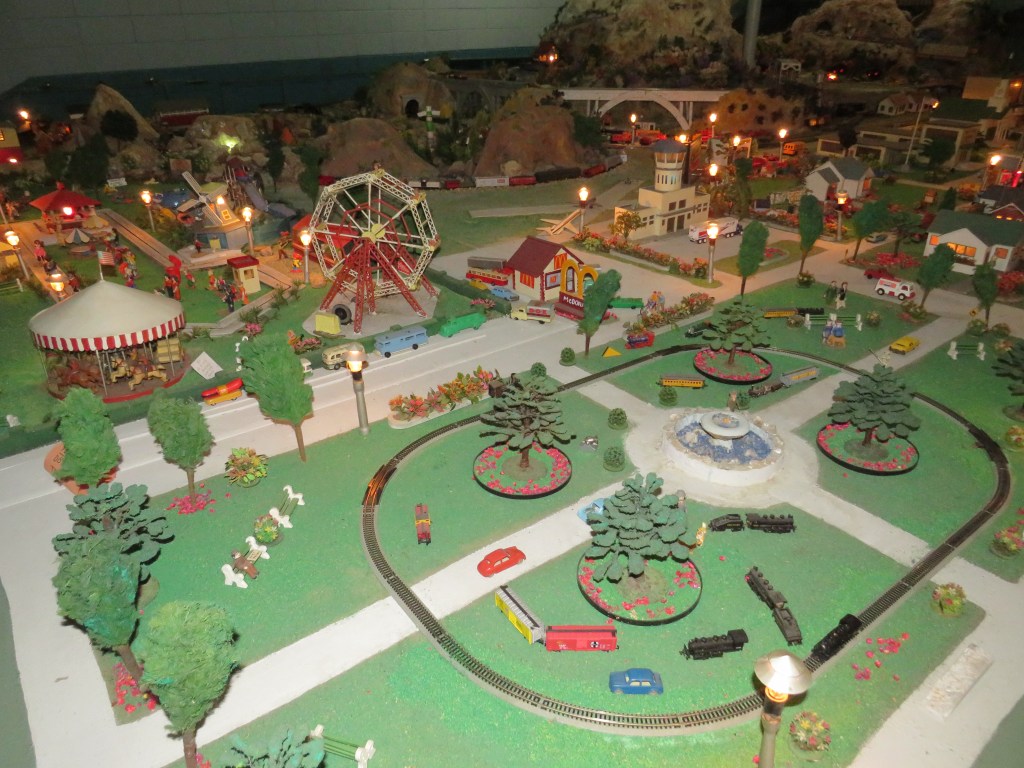
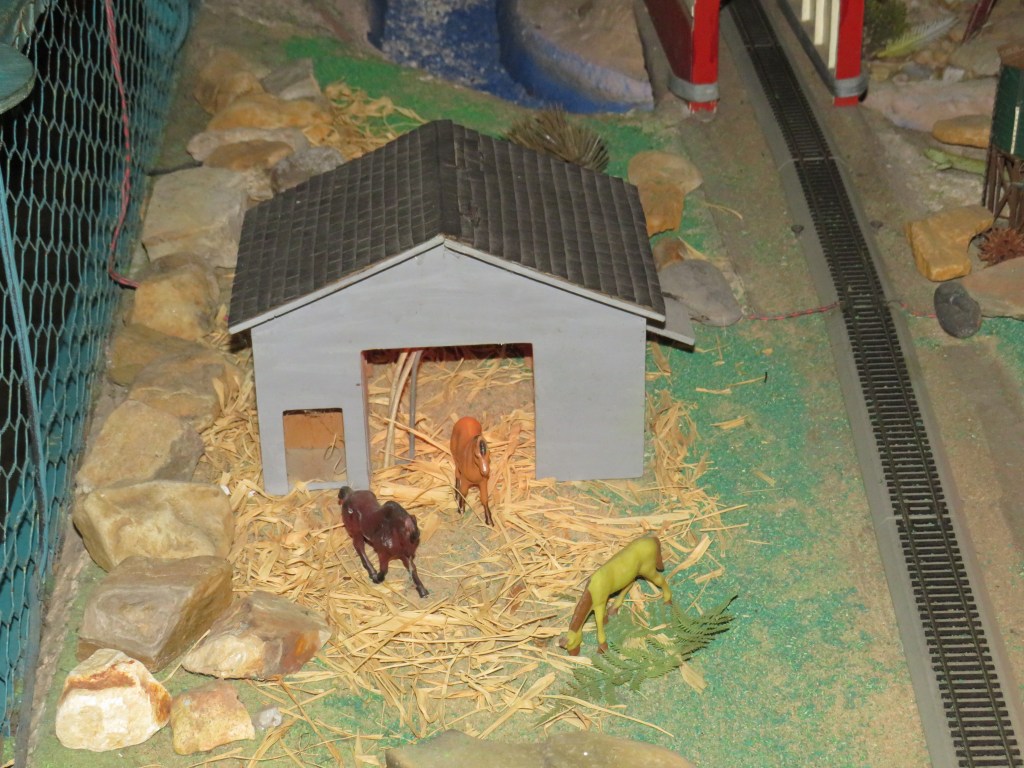
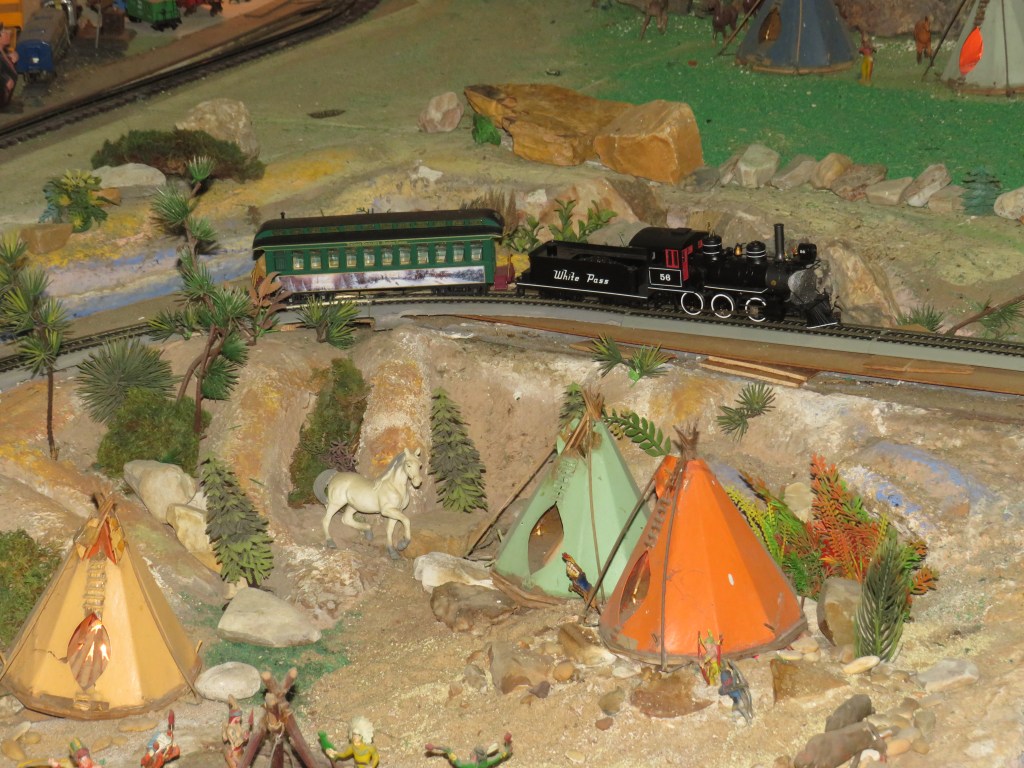
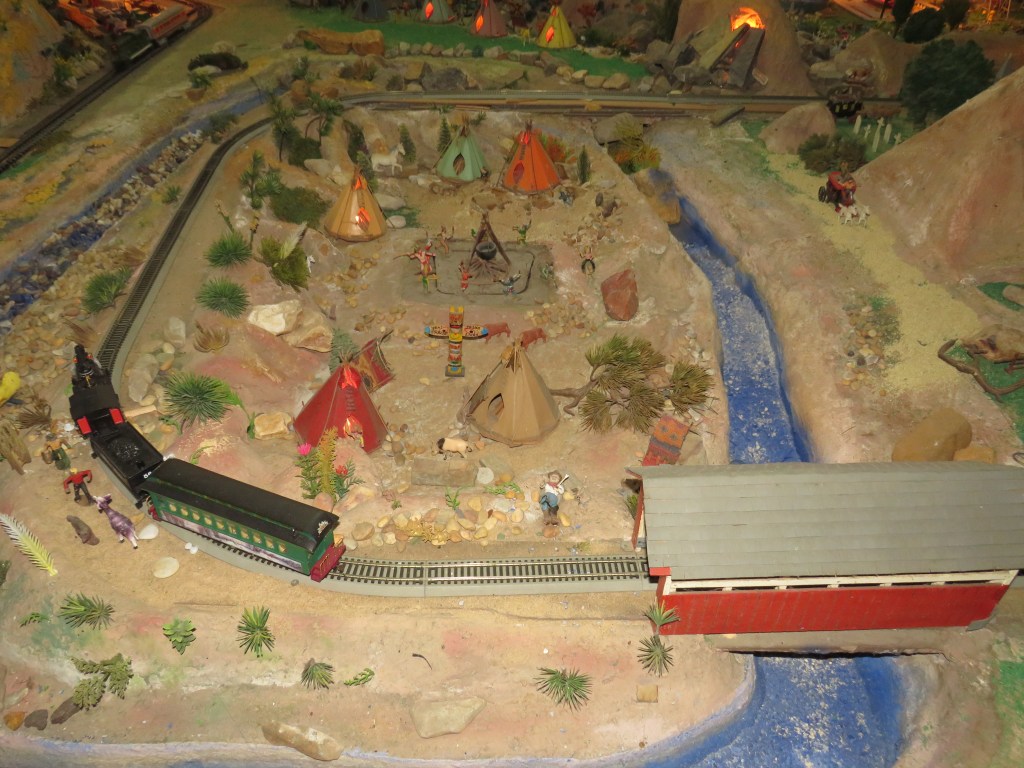
That brings us to Tiny Town in Hot Springs, Arkansas. Like Roadside America and EnterTrainment Junction, Tiny Town is a model railroad village. Each structure is handmade without using any kits like most model train displays. The scenes on this display are from twenty two different U.S. states. You have small towns and carnivals and Indian villages and wild west towns and mountains and valleys. The Ferris wheels and other items actually move. There are waterfalls and rivers and lakes using actual water. Yes, real water goes over the waterfall and real water spring from the fountains.
This may be called Tiny Town, but the story behind it is not tiny nor is the excitement of visiting Tiny Town. You do not have to be a train lover to enjoy this masterpiece in a city known for its natural masterpieces.
Tiny Town is located at 374 Whittington Avenue in Hot Springs, Arkansas. It is just a short drive from Arkansas Route 7 and a short drive and walk from the Hot Springs National Park and the downtown area. Please note that it is only open from March to October. Everything is on one floor making it completely wheelchair accessible. They do not have their own parking, but there is plenty of street parking available. You can get more information about Tiny Town and read more into its history at https://www.tinytowntrains.com/.
It is called Tiny Town. When you visit, you will see that there is nothing tiny about this place.
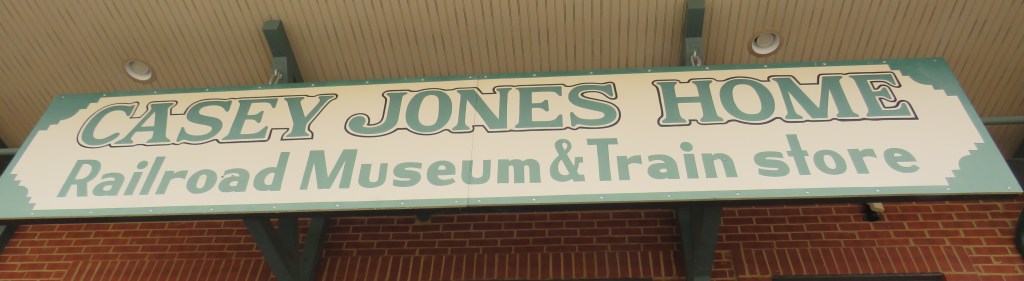
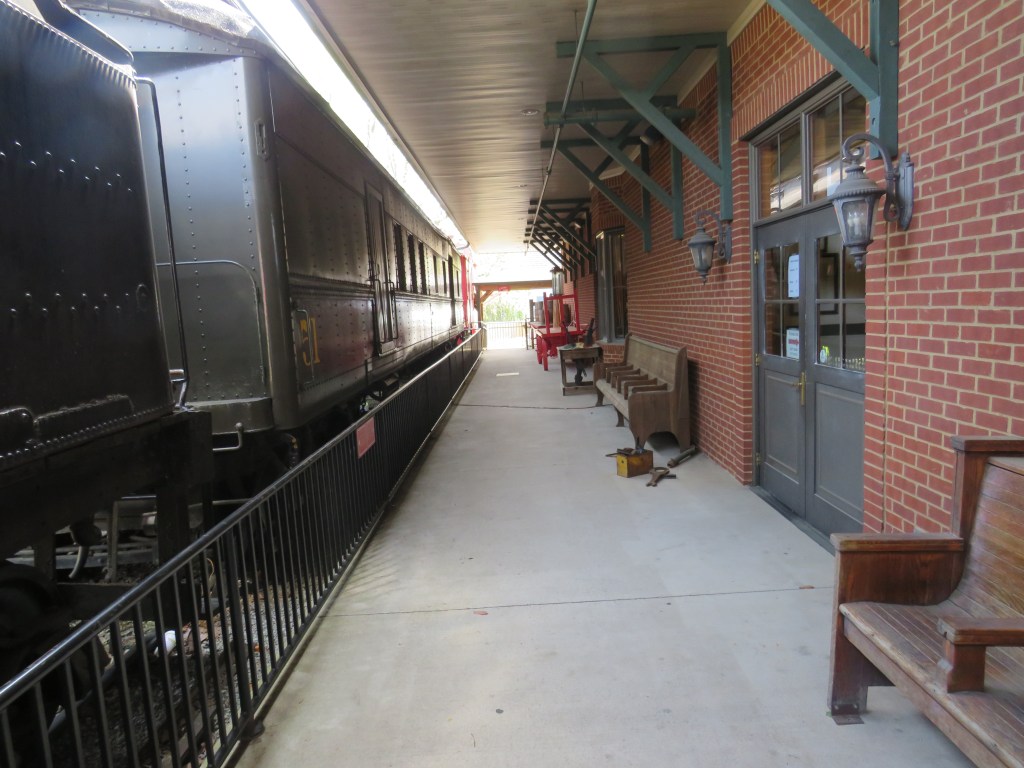
Many railroad historians are very familiar with the name Casey Jones. Who was Casey Jones? John Luther ‘Casey’ Jones was a famous railroad engineer who had a tragic ending to his life. He had just taken over a train headed for New Orleans, Louisiana that had arrived at the station in Canton, Mississippi over an hour late, he tried to get the train back on its schedule. He was known to be on time. As he was trying to get the train back on schedule, he was unaware that there was a stopped freight train ahead. He did get word of the stopped train and tried to slow the train down… but it was not enough. He was the only man in the locomotive as he had told his fireman, the man who shoveled coal from the coal car to the boiler, to jump off of the train. Casey saw the caboose of the freight train as his train slammed hard into the caboose… and he was killed instantly. He was the only one on the train who lost his life, but his actions in the locomotive saved the lives of the passengers and the rest of the crew. He spent much of his life in the city of Jackson in the U.S. state of Tennessee, and it is here where you will find the Casey Jones Village and Museum.
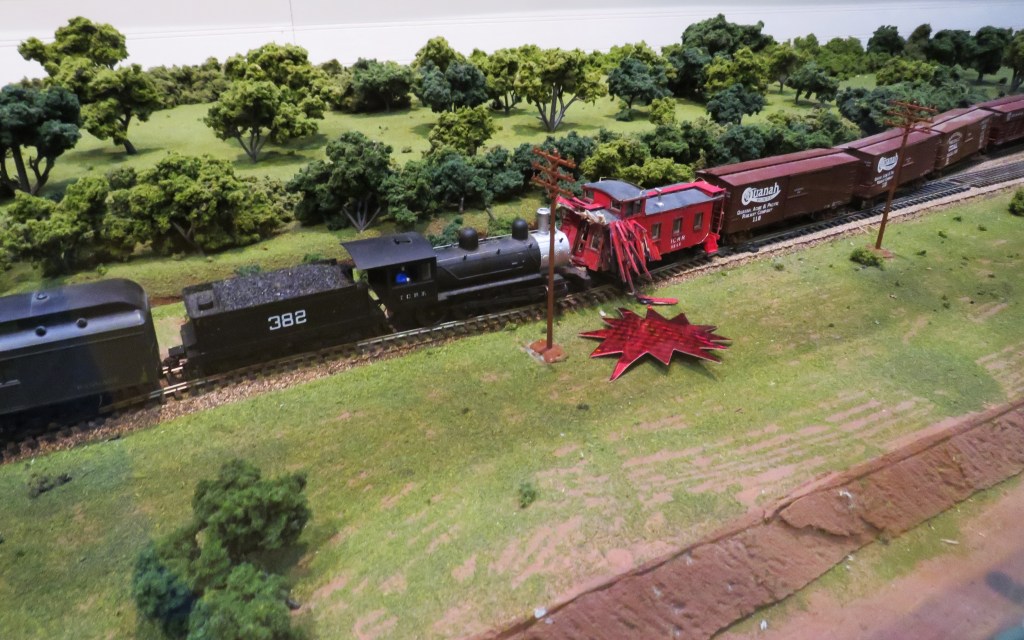
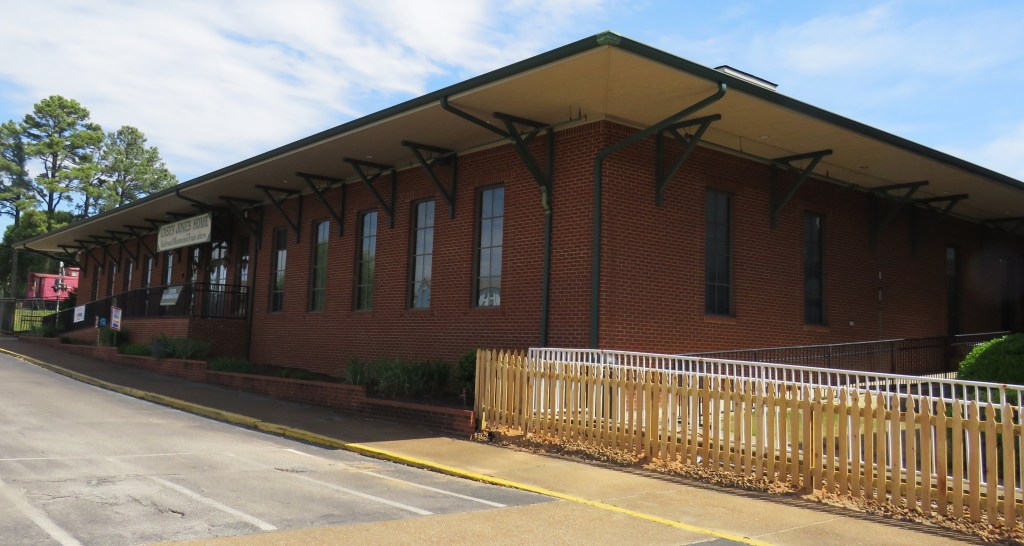
What is the Casey Jones Village and Museum? Well, you will see a small shopping village, but before you see the village, you will see the museum. It is here where you can see a short film about the life of Casey Jones. The museum has artifacts from different railroads and from Casey himself. There is a small model of the train crash site. The carriage that carried his casket during his funeral. The museum has model trains and a train store.
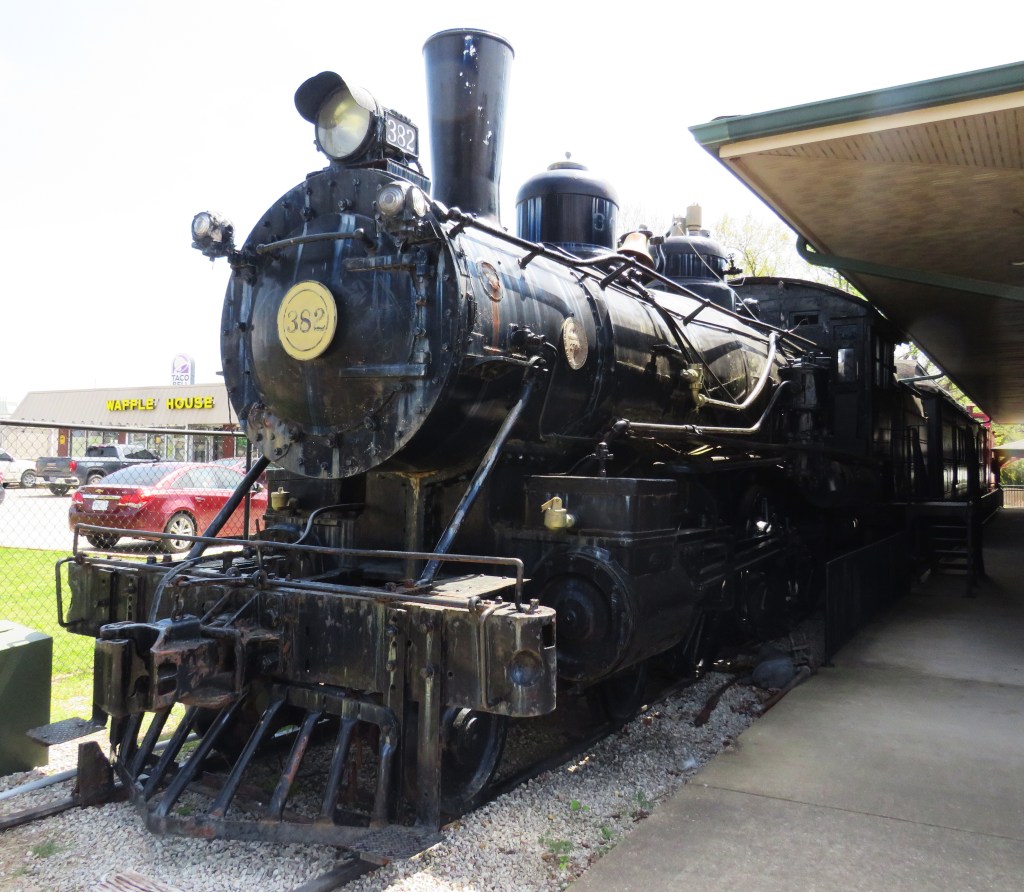
Now that you have walked through the museum, you can go outside and see a replica of Illinois Central Railroad Number 382. Casey was on the original locomotive that was involved in the crash.
There is also an old baggage car and a caboose.
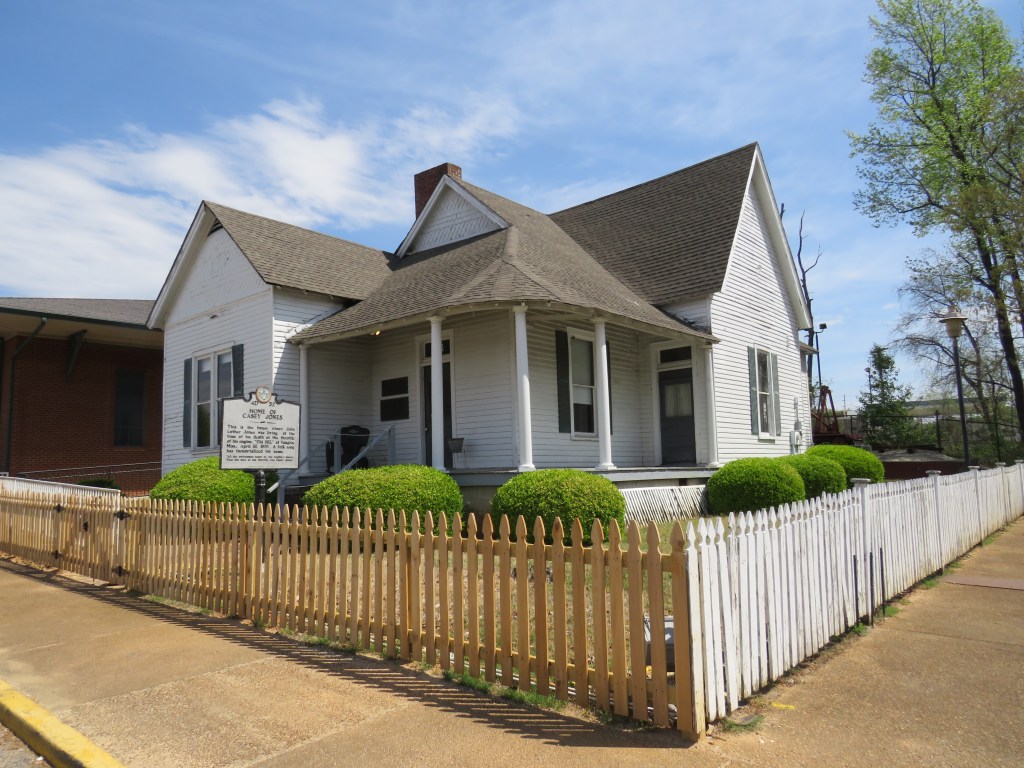
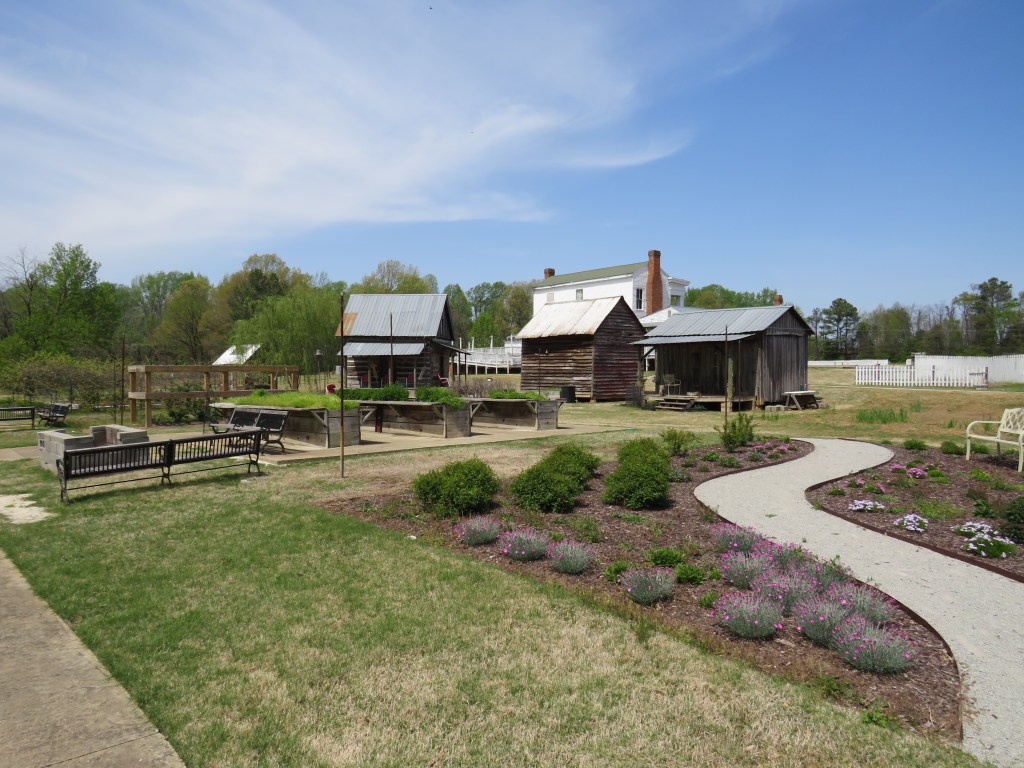
Another part of the visit to the museum is a tour of the home of Casey Jones. It is his original home at it original site. You can see the different rooms with the original furniture.
Once you are finished with the museum, you can visit the Country Store. It is not only a store, but it also has a restaurant. The rest of the village feature shops, and there is also a farm and a church.
You do not have to be a railroad fan to appreciate the life of Casey Jones. Many songs were written about him. When you see more into his life, you will see him as an American railroad hero.
The Casey Jones Village and Museum is located at 56 Casey Jones Lane in Jackson, Tennessee. It is just off of Interstate 40 and U.S. Routes 45 and 412. Parking is on site. The museum and village hours vary throughout the years. The museum and house is wheelchair accessible. You can get more information at https://www.caseyjones.com/.
Casey Jones is a hero. He was a railroad hero who saved the lives of others. When you visit the Casey Jones Museum, he may become your hero too.
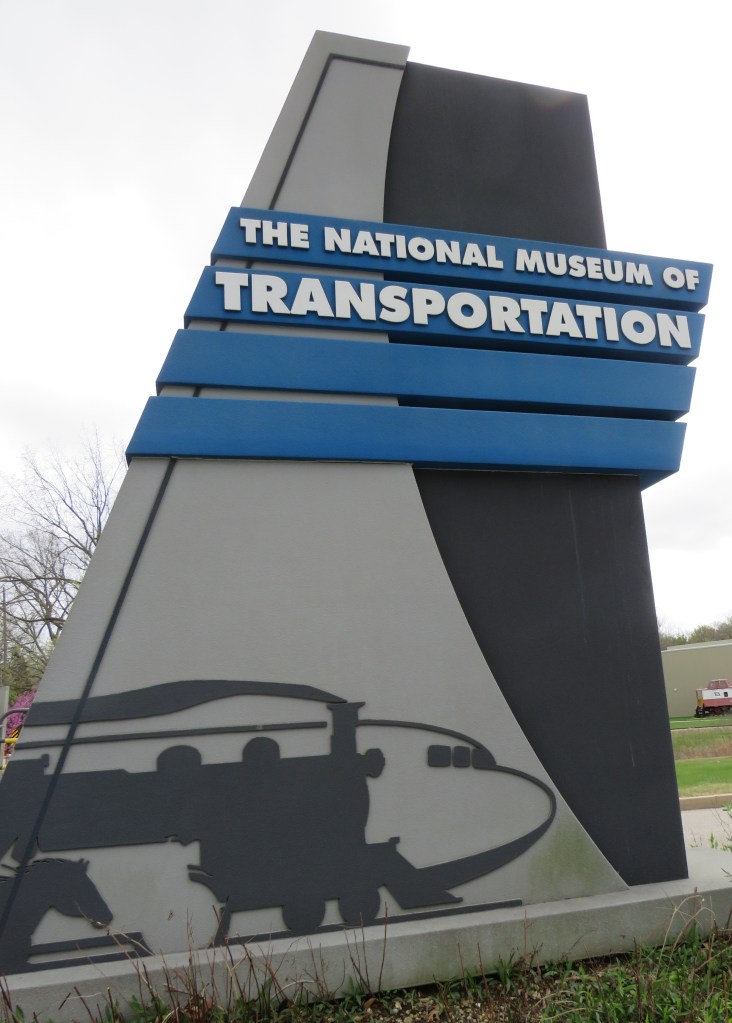
The city of Saint Louis in the U.S. state of Missouri, a city located on the Mississippi River, is commonly known as the ‘Gateway to the West’. The city’s most famous landmark, the Gateway Arch, is a monument to those who went west to seek opportunities. It is here in this city that you will find the National Museum of Transportation.
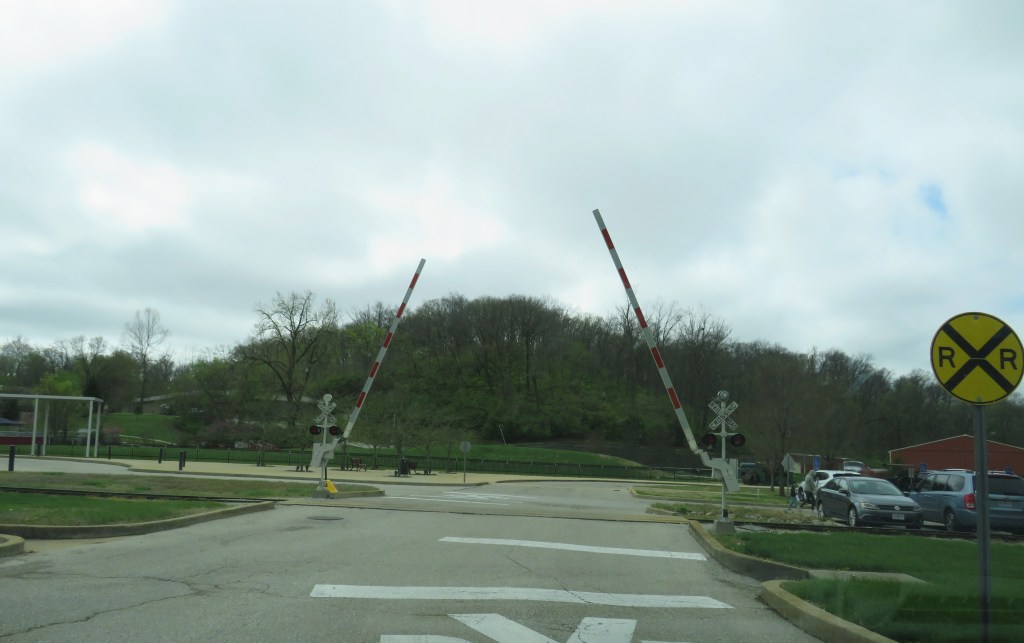
What is the National Museum of Transportation? Well, of course, it is a museum of transportation from automobiles to planes to boats, but the majority of what you will see here is trains. As you enter the museum parking lot, you must cross a set of railroad tracks. This is just the beginning.
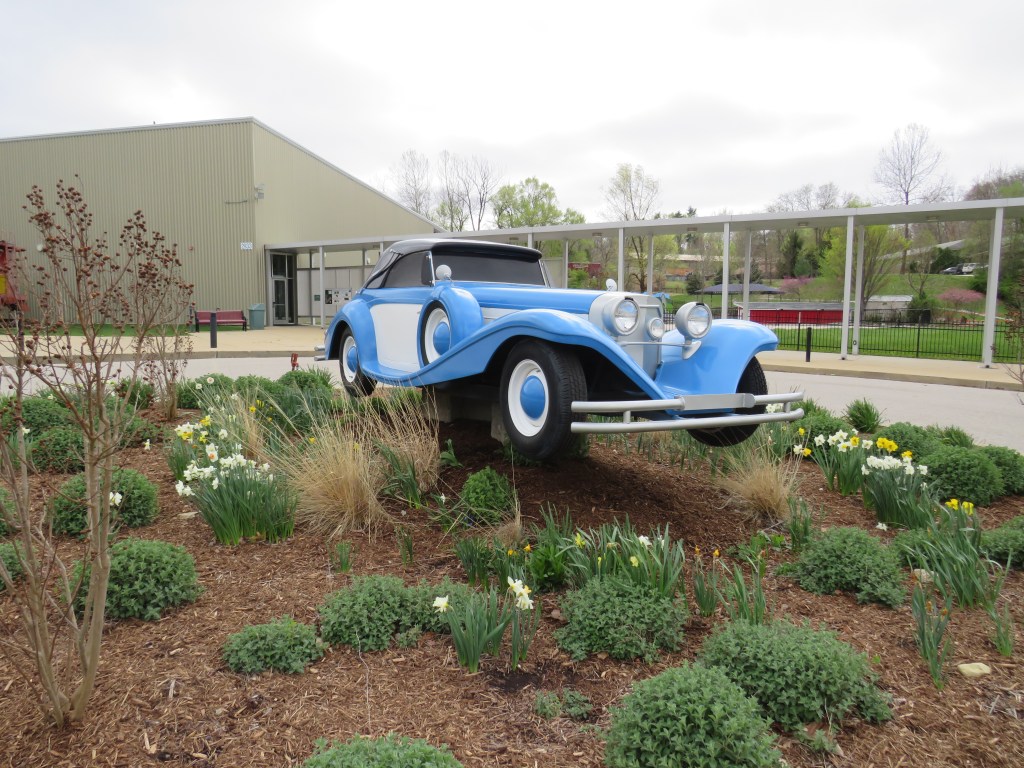
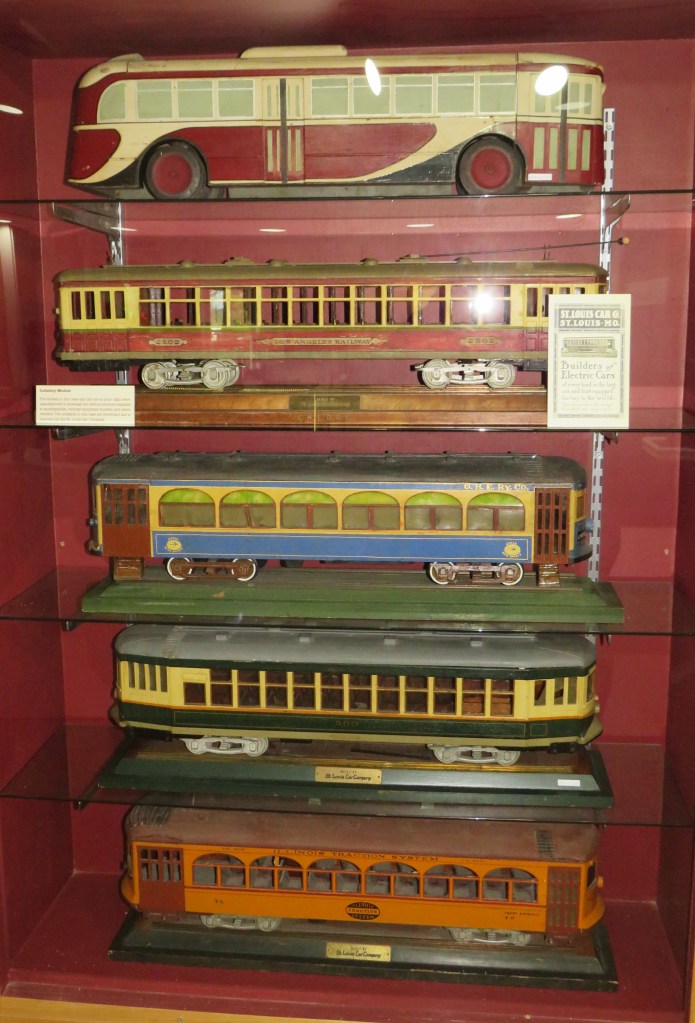
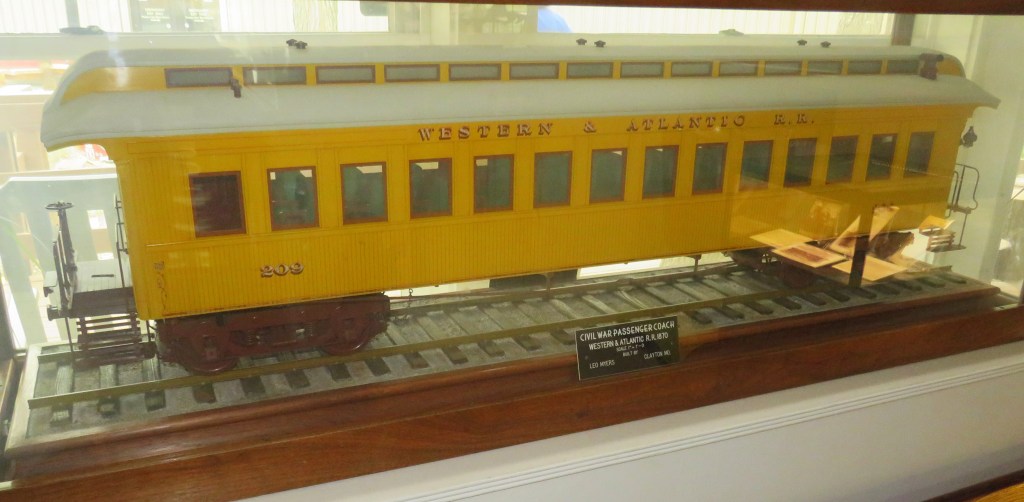
You park your car and walk to the Visitor Center where a Wabash Railroad Caboose sits outside. You enter the museum, and you see automobiles on display. Yes, it is a transportation museum. As you walk around, you see a model train display, and you see model trains encased in glass.
Be warned. You have not seen anything yet.
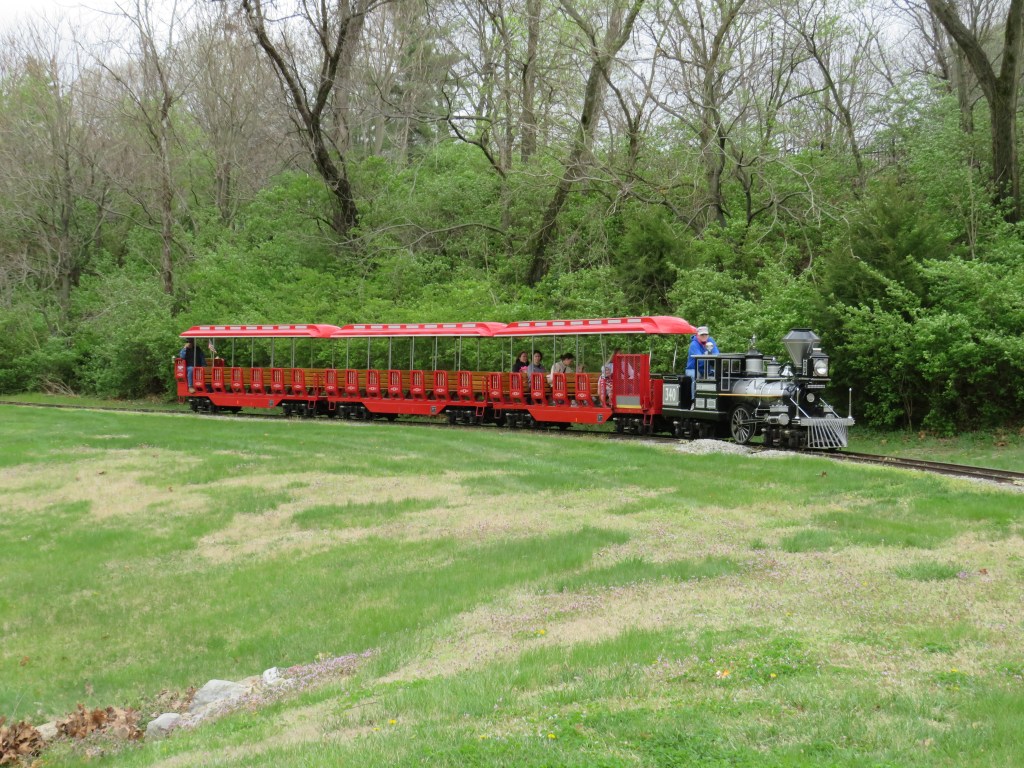
Remember when you crossed the railroad tracks as you entered the parking lot? Well, you can take a ride on the miniature train that circles that parking lot. You see aircraft on display and a tanker truck. As you take a ride, the narrator tells you of each locomotive, mining equipment, and rolling stock you pass by.
In case you are wondering, there is much more to see.
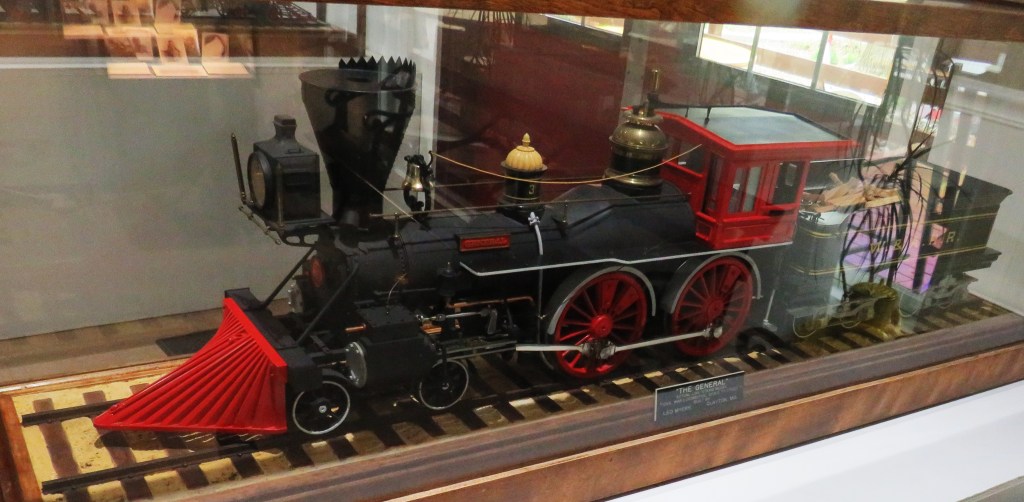
You walk through the Earl C. Lindberg Automotive Center seeing the old cars, and then you see an old train station. On the outside, you see a model train display. On the inside, you see models of locomotives and rolling stock to include a model of the ‘General’, a steam locomotive that was part of a chase in the U.S. state of Georgia during the American Civil War.
Now you think that you have seen a lot of trains so far. At this point, you have not seen much.
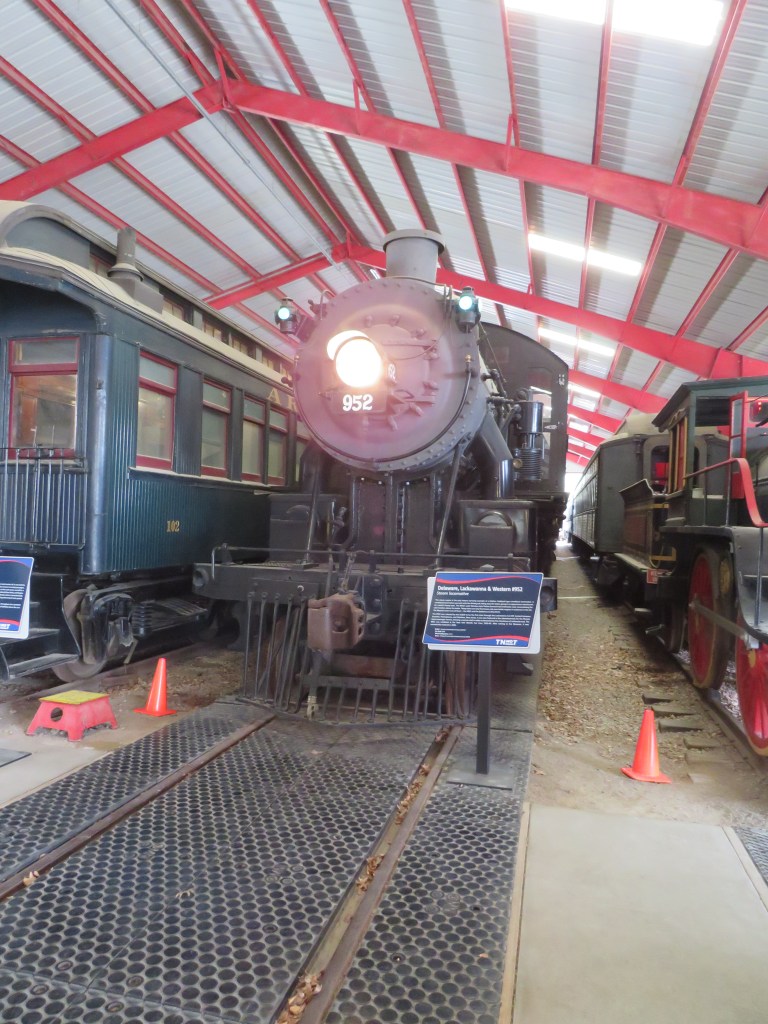
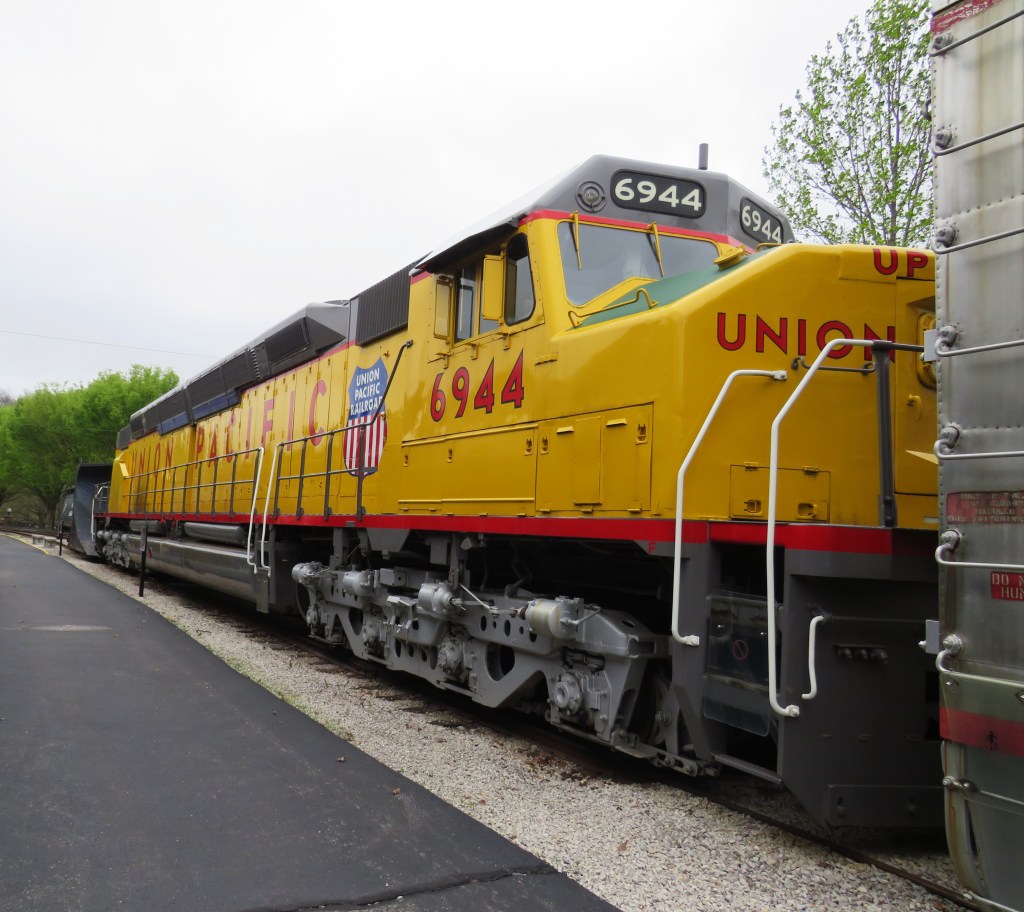
Why should you visit the National Museum of Transportation? Ladies and gentlemen, this museum boasts a large collection of railroad rolling stock. No, it is not just from the railroads that are particulate to the Saint Louis region. You have rolling stock from the Missouri Pacific Railroad, the Georgia Railroad, the Northern Pacific Railway, the Burlington Route, the Baltimore and Ohio Railroad, the Union Pacific Railroad, the Norfolk and Western Railway to include Locomotive Number 2156, a locomotive that was originally at the Virginia Museum of Transportation in Roanoke, Virginia, and the Santa Fe Railroad just to name a few. The collection includes locomotives, boxcars, passenger cars, trolleys, and other rolling stock.
The National Museum of Transportation is located at 2933 Barrett Station Road in Saint Louis, Missouri. It is open year round, but the miniature train only runs seasonally. The entire museum is wheelchair accessible. You can get more information about admission, hours, and events at https://tnmot.org/.
The city of Saint Louis, Missouri is the Gateway to the West, and it is the home of a great museum known as the National Museum of Transportation. Let us say that it is a gateway to transportation in the nation.
It was the start of my day. I arrived at the park to start up the steam locomotive of my miniature train, and I began the inspection round of the tracks looking for any problems or cracks. I rolled out of the station and continued into the woods. I arrived at the first bend, and after I made the turn, I squeezed on the brakes. Right before me was a lady with her long bright red hair wearing a bright white shirt and dark blue jeans with the bottoms rolled up slightly on her legs dancing barefoot on the tracks. She stepped then twirled then stepped then twirled with her hair flying around.
“Excuse me, mam!” I called out. “You can’t be on the tracks.”
She appeared to pay no attention to my voice as she continued to dance around. I inched closer to her.
“Hello!”
I pulled the whistle. She twirled around to wink at me.
“Mam, you cannot be on the tracks.”
She gracefully tiptoed closer. “Me sorry.” She sulked. “I was just having fun.”
“Sorry to spoil your fun,” I said, “but these are live tracks, and the train will be running soon.”
She glanced around. “I am far from home. Can you give me a ride on the train?”
“Well!”
“Please!” She injected. “I’ll be your friend forever.”
I gave it a thought. “There is only one seat. You will have to sit on the boiler.”
She stepped over, and she threw her leg over the boiler and sat on top of the cab laying her head on my chest and stretching out her bare feet towards the stack. I continued forward inspecting the track below.
“I have never ridden a train before.” She peeked up at me with a beautiful grin on her face. “I’ve always wanted to ride a train.”
She stretched out her left foot to feel the steam flow between her toes.
“Be careful. It can burn you.”
But she paid me no mind as she stretched out her right foot over the smokestack. I wanted to say something, but she appeared to be caught up in the moment. I continued with my inspection.
I slowly arrived at the station. She was still laying her head on my chest. I glanced at my watch, and… I sped up the train going back into the woods. I felt the strands of her hair smack up against my face as the winds blew. I glanced down to see her big and beautiful smile. When I arrived at the station a second time, I glanced again at my watch.
“Sorry,” I spoke as she was rubbing her head on my chest, “but the train ride is over. I have to get everything ready for the park to open which is in an hour.”
She peeked up at me. “Thank you for the ride.”
“Gladly,” I replied. “It was a pleasure riding with you.”
She stood up, and she stooped over to kiss me. “Maybe we can do it again tomorrow.”
“I will look for you.”
She started to step away.
“What is your name?” I asked her.
She whipped her head around. “Trixie. My name is Trixie.”
She turned at walked towards the park exit.
“Nice to meet you.” I spoke.
She turned and blew a kiss. From that moment, I saw bright days ahead.
It was the first day on the job. Joey was a conductor who was preparing the train to the town of Christmasville. He boarded his car, and the train pulled up to the station platform. He stepped off the train. “All aboard to Christmasville.”
The passengers lined up to board the train.
A father, mother, and boy started to board the train. “Are you going to Christmasville?” He asked the boy.
“Oh, I am.” The boy was very excited. “I can’t wait to see Santa Claus.”
“I bet that he can’t wait to see you.” Joey smiled.
The three men boarded the train. More passengers boarded until it was time for the train to depart. Joey was about to board the train when he saw a beautiful lady wearing a shiny blue robe walking towards him holding a ticket. He noticed her bright white feathery wings and the shine on her face, her hands, and her feet with a golden tattoo on her right foot that sparkled and a shiny brass toe ring on her middle toe.
The angel boarded the train. Joey looked around for more passengers before he boarded the train. The train pulled out of the station and was on its way to… Christmasville.
It is Thanksgiving. Many people will be traveling to meet with others to enjoy a big feast. Many will be traveling by train to get to that feast. Did you know that many turkeys will be traveling by train? This is not referring to your exes. This is referring to the turkeys that many of you will be eating on that big day. They come from the farms. They are then prepared and frozen. Some are put into a refrigeration car to be shipped to your local grocery store where you buy it, take it home, and eventually ends up on your table along with many other items.
So, on this thanksgiving, take the time to thank the engineers who drive the train that pulls the cars with the turkeys, the men and women who loaded and unloaded those refrigeration cars.
For those who will be traveling by train, take the time to thank the engineers, the conductors, the porters, the baggage handlers, mechanics and all those who make you journey to and from that feast a pleasurable one.
May everyone have a very Happy Thanksgiving, and may we always be grateful to all those who keep the trains running.
The cover photo is a harvest display at the Omni Homestead Resort in Warm Springs, Virginia, U.S.A.
The turkeys on the train photo is an AI generated photo.
The second photo is a harvest display at a general store in Clifton, Virginia, U.S.A.
The third photo is of the train station for the Arcade and Attica Railroad in Arcade, New York, U.S.A.
The fourth photo is of the Greenbank Train Station which is owned by the Wilmington and Western Railroad in Greenbank, Delaware, U.S.A.
The final photo is the Essex Train Station which is owned by the Essex Steam Train and Riverboat in Essex, Connecticut, U.S.A.
As the railroad was built to connect cities and towns across the United States of America, each town and city had their own passenger station. You have train station in the major cities that are still in use today like the Main Street Station in Richmond, the capital city of the U.S. state of Virginia, Union Stations in Washington, D.C., Chicago, Illinois, Saint Louis, Missouri, and Kansas City, Missouri, Penn Station in Baltimore, Maryland, and Grand Central Station in New York City, New York. You have those old train stations like the terminal in Cincinnati, Ohio and the old train stations in Salt Lake City, Utah and the Reading Terminal in Philadelphia, Pennsylvania plus the old train terminal in Detroit, Michigan and the Central Railroad of New Jersey terminal in Jersey City, New Jersey. Oh, how it would have been great to see the original Penn Station in New York City, New York. How about those small towns? The train stations in Point of Rocks, Maryland, Tamaqua, Pennsylvania, and Lebanon, Pennsylvania were very impressive when they were in service.
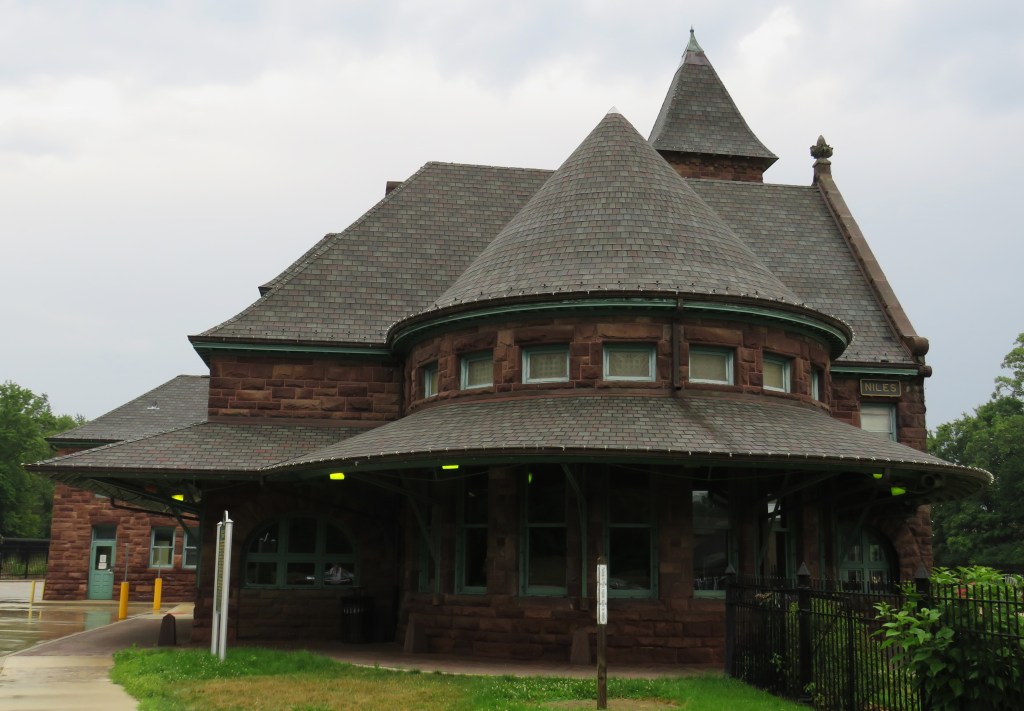
Then you have the town of Niles in the southwestern region of the U.S. state of Michigan. The train station in Niles was built by the Michigan Central Railroad in 1892. For a small town, it is one fancy Richardsonian Romanesque style station built with brownstone and gabled roofs with a sixty foot clock tower and a garden surrounding the station. The station was featured in the movies Continental Divide, Midnight Run, and Only the Lonely. If the builders were to see this station today, they would see the same train station that was built in 1892 as the exterior has not been altered. The interior has been rearranged with the elimination of the smoking rooms.
Some of you are saying, “This is very nice. Too bad the station is not being used.”
Do not be mistaken. The station is still in use today except Amtrak, not the Michigan Railroad or the New York Central System who took over the Michigan Central Railroad, brings passenger service today. As mentioned, if the builders were to see the station today, they would see little change. The station is also on the National Register of Historical Places and the Michigan State Register.
The Niles Train Station is now owned by Amtrak. It is located on Dey Street just east of Michigan Route 51 north of the town center. Parking is on site. As mentioned, it is still an active train station.
You may not have heard of the town of Niles, Michigan. When you visit, you will see a very special town with an amazing train station.
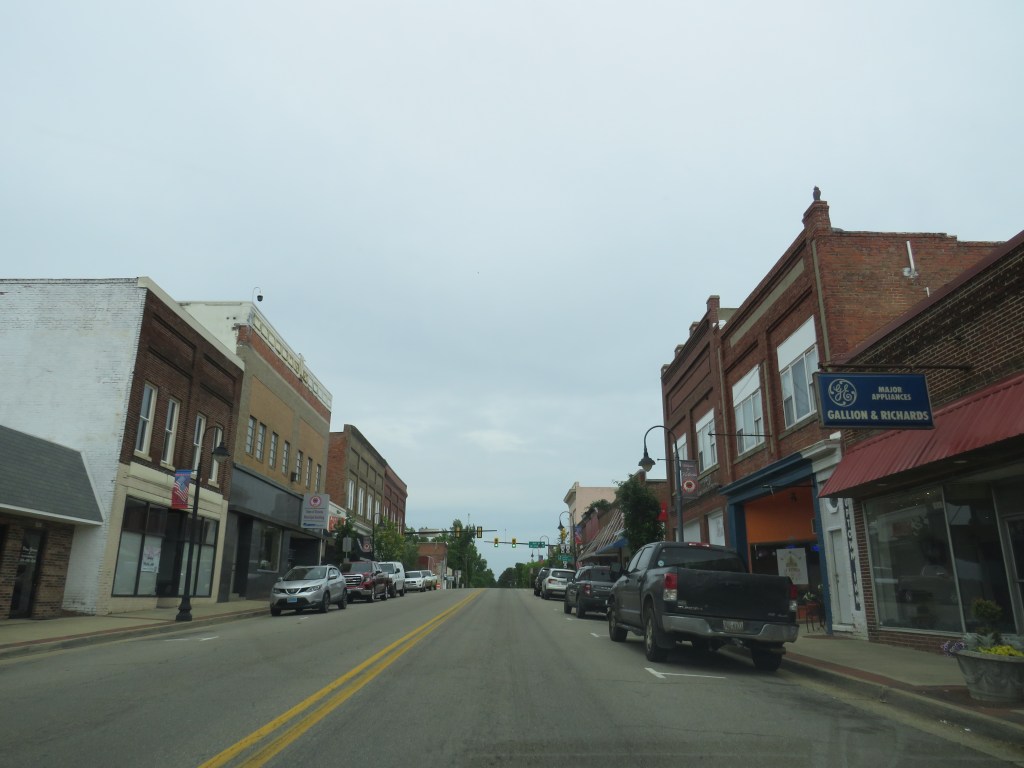
Have you ever heard of the small town of Victoria in the southern region of the U.S. state of Virginia? If you have never heard of this town, do not feel sad as very few people even know that this town even exists. The town, located halfway between the port city of Norfolk at the mouth of the Chesapeake Bay and the city of Roanoke, has no famous historic sites or landmarks. It is your typical small town with a main street with stores. The only routes through the town is Virginia State Routes 40 and 49.
Some of you are saying, “Well, that is not much. With a name like Victoria, it would be funny if the town is named after some famous queen.”
Ladies and gentlemen, start laughing. This small one-horse town is named after Queen Victoria. Yes, it is named after the British Queen Victoria. The county the town is located in, Lunenburg County, is named for a German Duke. As you can see, the town of Victoria is a small town that has much European royalty.
Now some of you are saying, “Amazing. Queen Victoria would be very proud to have a town named in her honor. Being a small town with no castles or palaces, she would probably never visit here. What is really bad is that there is no railroad in this town. Therefore, I will not accept the royalty of visiting this town.”
So, you do not want to visit this town because of the fact that it is not a railroad town. Ladies and gentlemen, you are about to learn about a small town in southern Virginia.
The U.S. state of Virginia is a state that has much history, and the history begins long before the state was established. Before it was a state, it was a British colony, one of the original thirteen colonies. It has the oldest continuous American city in the United States of America which is the site of the first English settlement in the nation, Jamestown. (Yes, Taos, New Mexico and Saint Augustine, Florida are older establishments, but they were not part of the United States of America until years later.) The state has many great historical cities like the state capitol, Richmond, a city that served as the Confederate capital during the American Civil War, and Williamsburg, a city that was once the state capital of Virginia, and Yorktown where a great victory over the British and where they surrendered during the American Revolutionary War, and, as mentioned, Jamestown, the oldest continuous American city, and Charlottesville, the home of Thomas Jefferson, and Manassas where the first major battle of the American Civil War took place and it the only place that was the site of two major battles during that war, and Alexandria, a city with deep history, and Bristol, a town that is partly in Virginia and partly in Tennessee where it is said that country music began here. The state has produce more U.S. presidents than any other state. The father of the nation, George Washington, and the man who drafted the Declaration of Independence, Thomas Jefferson, two U.S. presidents, were born here and had their homes here. Speaking of Thomas Jefferson, his home, Monticello, located in Charlottesville, is the only U.S. presidential home that is a UNESCO World Heritage Site. The state is one of the most visited states in the nation.
That brings us to the town of Victoria, a town that very few have heard of.
Some of you are saying, “If nobody has ever heard of this town, then the town most likely had no significance.”
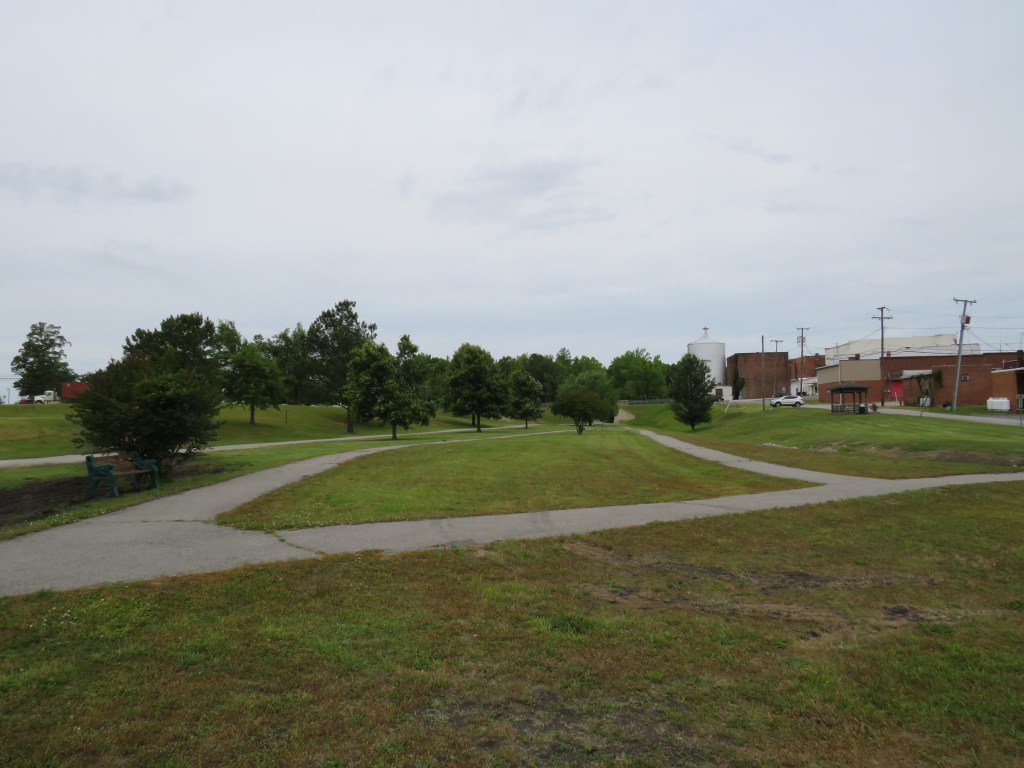
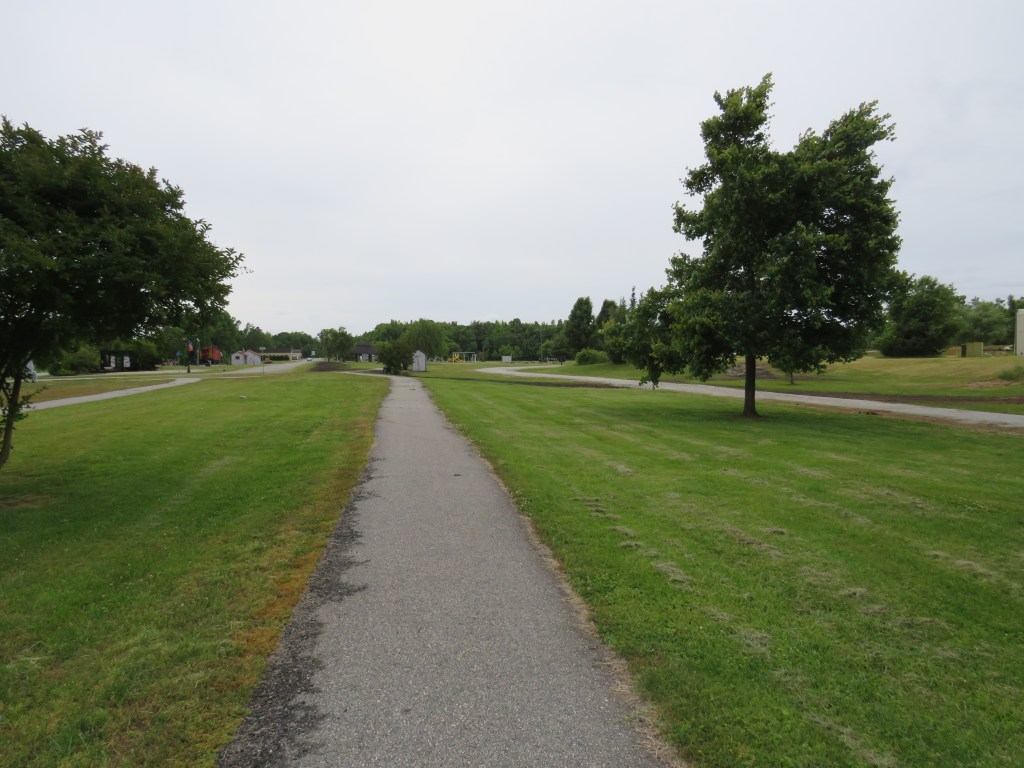
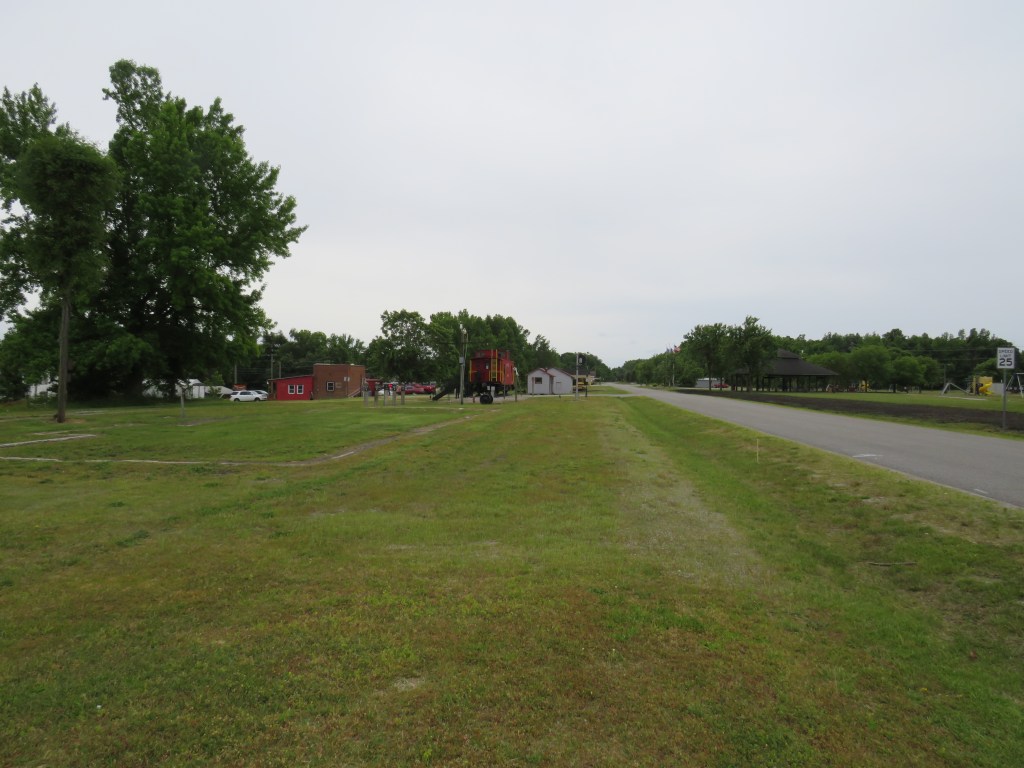
What is special about the town of Victoria, Virginia? When you arrive here, you with see a town just like any other small town, but then you notice something. You see a park with a caboose. What caboose? It is from the Virginian Railway. What is it doing here in this town? You notice what appears to be a trail, but it is not an ordinary trail, but what appears to be a rail trail.
What is special about the town of Victoria, Virginia? It was a planned community. As mentioned, the town is halfway between Roanoke and Norfolk. What is so important about that? Norfolk, as mentioned, is a major port city, and it is the largest natural port in the world. Both Roanoke and Norfolk were major railroad cities, and they are major railroad cities today. Why is Norfolk a major port? The Port of Norfolk is a major coal city, and the port is served by many coal trains bringing coal from the mines in Kentucky, Virginia, and West Virginia to the ships in Norfolk.
Some of you are saying, “That is nice, but what does Victoria have to do with it?”
As mentioned, Victoria, Virginia was a planned community. What was the plan? The town was planned around the railroad. The Tidewater Railway came to town. The Tidewater Railway was then taken over by the Virginian Railway. The steam locomotive, after one hundred miles of operation, had to be serviced. What is special about the town of Victoria, Virginia? It was the site of a roundhouse and a railroad yard. The town flourished. As the steam locomotive was replaced by the diesel locomotive that required less maintenance and could go farther before needing maintenance, the roundhouse became obsolete. The Virginian Railway was taken over by the Norfolk and Western Railway which became the last railroad to serve the town. (The Norfolk and Western Railway was later taken over by the Norfolk Southern Railway.) Like with many takeovers of railroads, certain railroad lines are abandoned. Sadly, the railroad line through Victoria was one of those lines. The tracks were taken up, and it was eventually turned into a rail trail.
The railroad in Victoria, Virginia is now gone… but it is not forgotten.
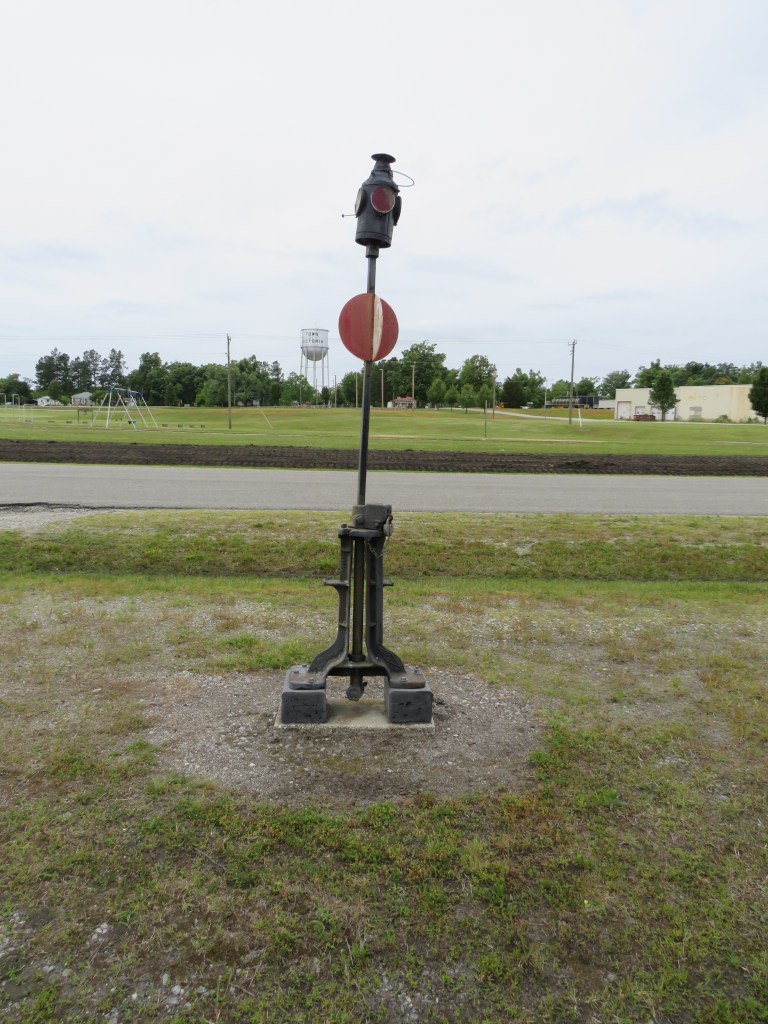
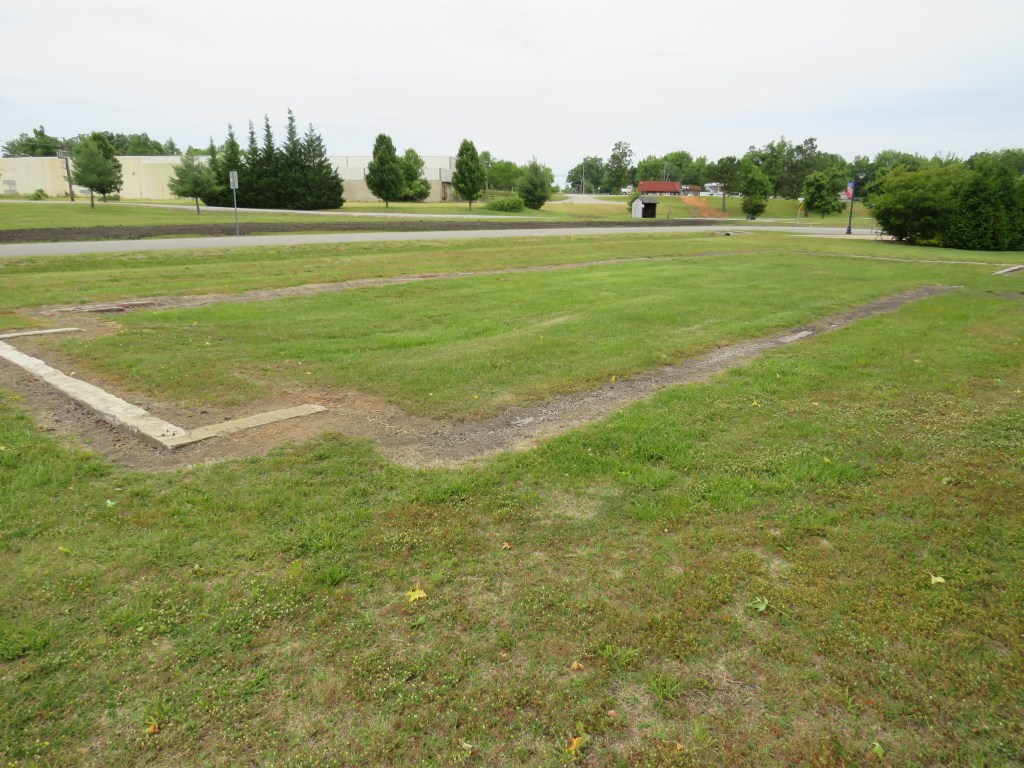
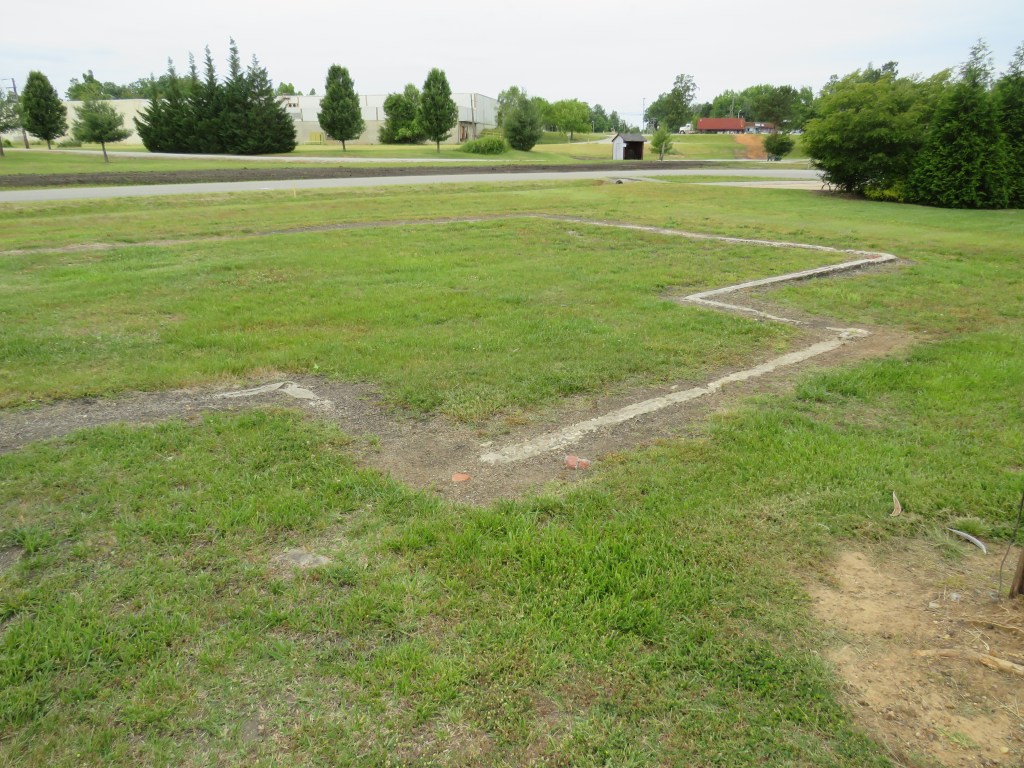
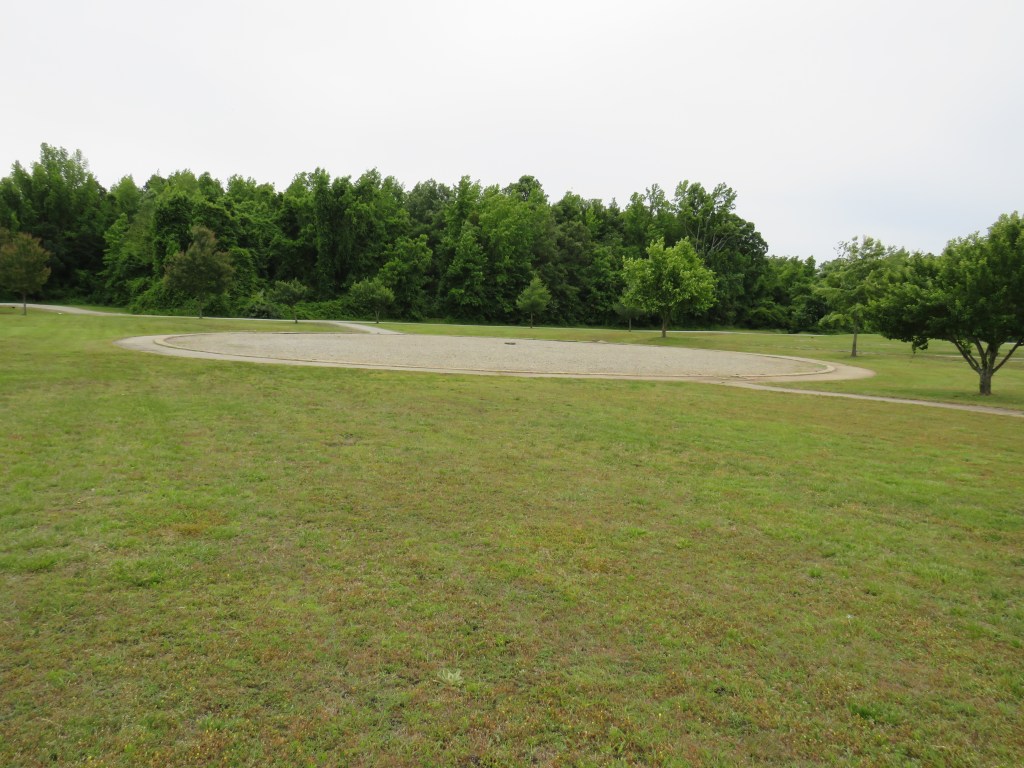
Virginian Railway Caboose Number 342 sits in the place where the railroad yard and main railroad line once was. Next to the caboose, you will see the foundation of the passenger station. What about the roundhouse? Across the street from the caboose is the Victoria Railroad Park. Like the passenger station, only the foundation of the roundhouse and a Virginian Railway gondola car remain. You can walk and see where a roundhouse once stood. What is now a quiet park was once a bustling place. When the railroad left town, the town became what it is today.
The town of Victoria, Virginia is located in southern Virginia served only by states routes 40 and 49. The railroad park is located off of Main Street (Virginia Route 40). The rail trail, part of the Tabacco Heritage Trail, is paved. The Victoria Railroad Park is open sunrise to sunset, and it is free. Parking is on site. The park is flat, but it is not completely paved. Wheelchairs may have difficulty getting around.
The town of Victoria, Virginia, may not be as famous as other cities in Virginia, but it has a place in state, national, and international history. It may be a small town, but it has much railroad royalty.
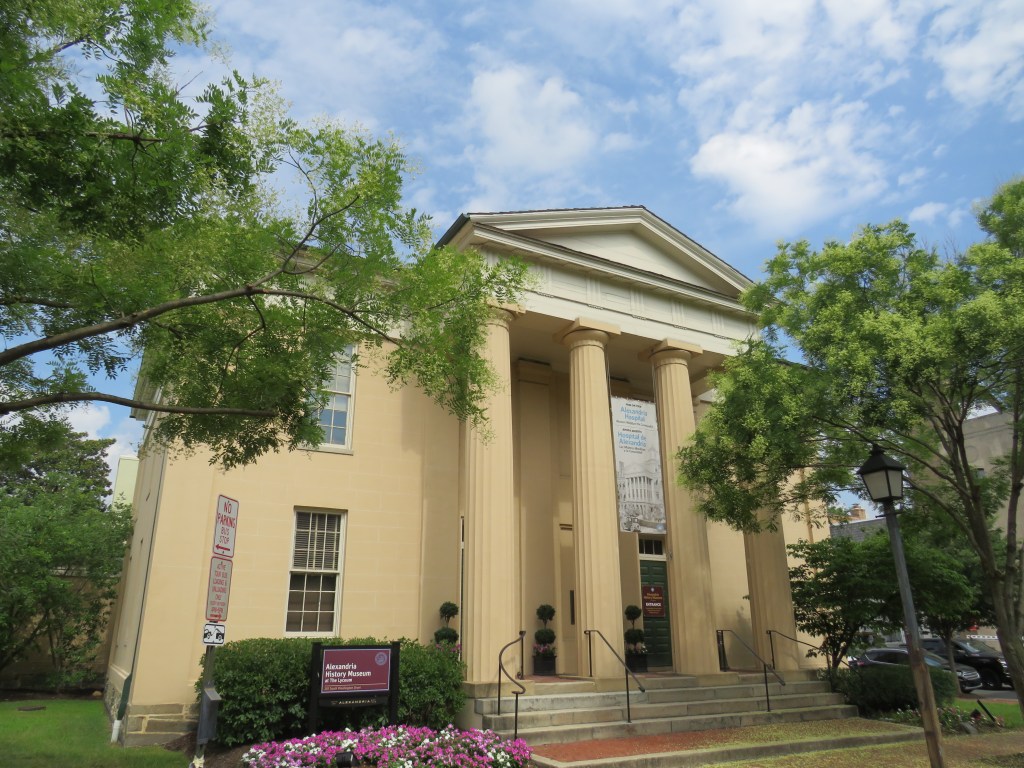
The city of Alexandria in the U.S. state of Virginia is the most storied town in the United States of America. It was once an independent city that is now a part of the Washington-Baltimore metropolis. How many stories does this city have to tell? Well, you could be here for centuries to hear half of them. It was once one of the busiest ports in the Western Hemisphere. It is the home of Christ Church. What is special about Christ Church? Let us say that all but a small handful of U.S. Presidents have attended a church service there. George Washington, the first President of the United States of America, regularly attended here and had his own personal pew. George Washington was a frequent visitor to Alexandria as his home, Mount Vernon, is south of here. He also had meals at Gadsby Tavern. Both sites are open to visitors. Then you have the Jones Point Lighthouse which is where the southern end of the District of Columbia is located. Where is the park? It is under the Woodrow Wilson Memorial Bridge, the only bridge to pass through three states. (That is Maryland with the border of the Virginia shoreline of the Potomac River with a small section of the District of Columbia next to the Virginia shore.) There is much more that can be told, but you can visit the Lyceum in Alexandria to learn more about Alexandria.
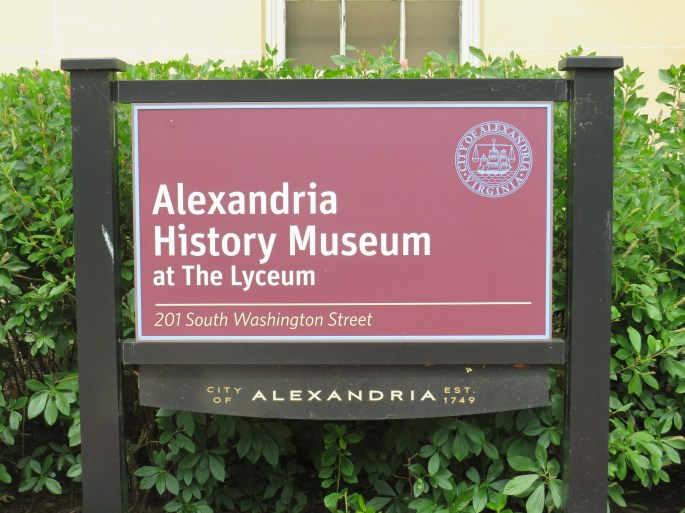
What is the Lyceum? That is a good question. A lyceum is a temple like structure. Yes, it looks like an actual temple, and there are others in the northeast region of the United States of America. The Lyceum in Alexandria, Virginia was originally a lecture hall, but it housed other things until it became the home of the Alexandria History Museum. It you want to learn more about Alexandria, Virginia, the Alexandria History Museum at the Lyceum is the place to start.
Some of you are saying, “Wow! That is nice. Alexandria, Virginia is a great place to visit. There is so much there. As for the Lyceum, well, it is probably a nice place to see. There is a very big problem. As you can see, this Lyceum is the home of the Alexandria History Museum and has nothing to do with the railroad. Therefore, you will not see a history of me at the Lyceum.”
Well, you have a point. Why visit the Alexandria History Museum at the Lyceum. It is not a railroad museum which is a good excuse not to visit. Why visit?
As mentioned, the city of Alexandria, Virginia has an extensive history. You walk over to the waterfront along the Potomac River, you see a marina with boats, but you see no ocean bound ships. This was not the case one hundred years ago. The peaceful waterfront was once one of the busiest ports in the Western Hemisphere.
What does this have to do with the railroad?
As mentioned, the city of Alexandria, Virginia has an extensive history. This includes an extensive railroad history. As a busy port, it was the railroad that brought the goods from the ports to towns west and south that did not have access to ports. The Washington and Old Dominion Railroad which ran across the northern region of Virginia (now a rail trail) and the Alexandria and Orange Railroad which ran to towns in the central region of Virginia (later owned by the Southern Railway and now owned by Norfolk Southern Railway today) had direct access to the ports. Trains from the Richmond, Fredericksburg, and Potomac Railroad, the Baltimore and Ohio Railroad, the Chesapeake and Ohio Railway, the Pennsylvania Railroad, and the Southern Railway were stored in a large railroad yard in the northern region of the city. The railroad yard was at a site that is now a large shopping center on U.S. Route 1. Only the main railroad line which runs from the bridge crossing of the Potomac River and is now owned by CSX Transportation is all that remains today. (The railroad line continues south to Richmond today.)
The railroad yard that was owned by the Alexandria and Orange Railroad remains today and stores railcars from CSX Transportation and Norfolk Southern Railway today. (The yard is between Virginia Route 236 and Interstate 495 today.) The original yard was much larger than it was today as it included a roundhouse at the east end of the railroad yard. The roundhouse was demolished years ago, but it had a great place in history. Why? It was where a special railroad car was built. What was this railroad car? It was President Abraham Lincoln’s private railroad car. You can call it the Air Force One of the railroad. It was to be introduced to Abraham Lincoln, but he so desired to take his wife, Mary, to a play a Ford’s Theater that evening. Did he ever ride his private railroad car? Yes, he did, but not as President Abraham Lincoln. That night, he was assassinated. His private railroad car was renamed his funeral car, and it carried his remains back to Springfield, Illinois where his tomb is today.
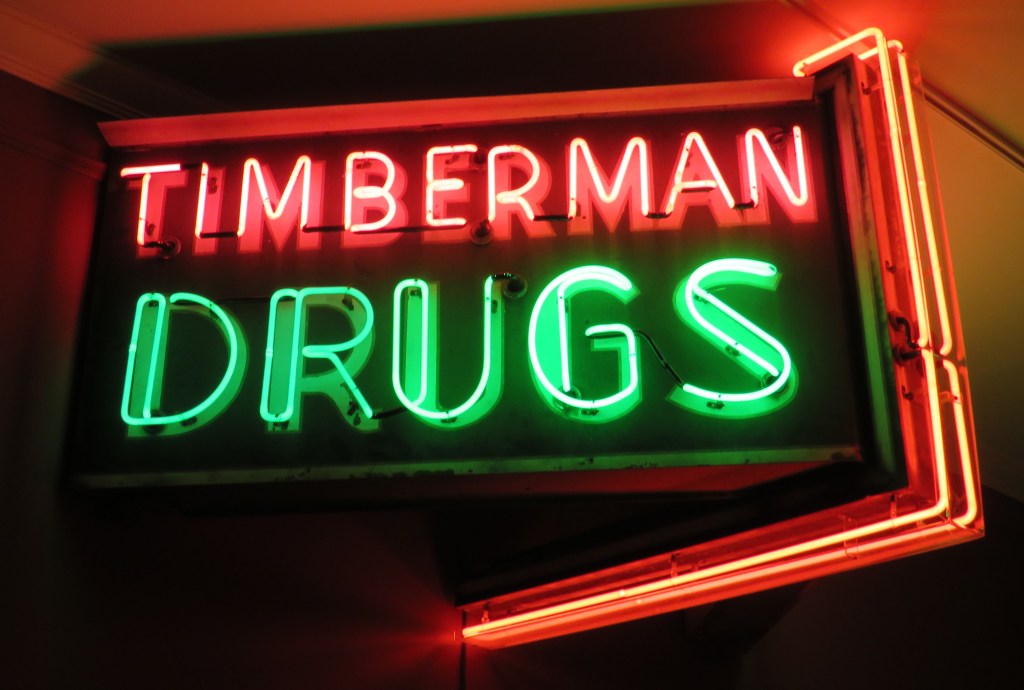
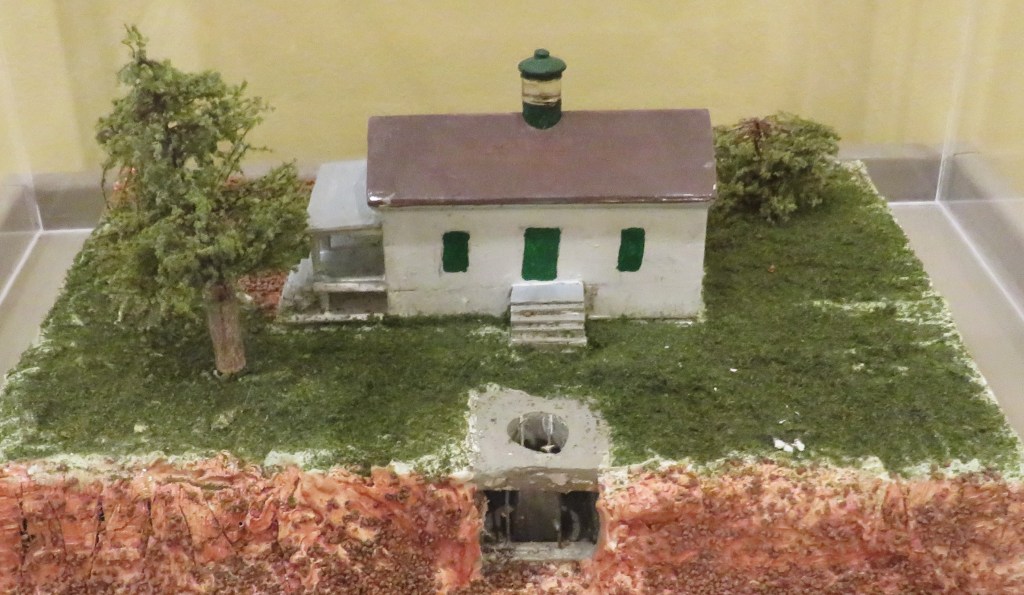
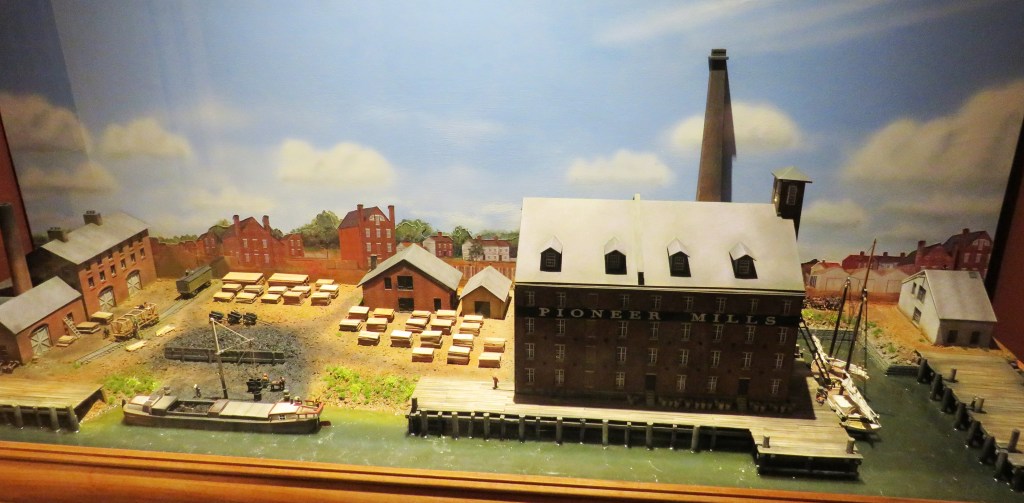
Now, why visit the Alexandria History Museum at the Lyceum in Alexandria, Virginia? Even though you do not see full size trains, and though there is no caboose outside the museum, you will see models and displays of the railroad in the museum. You see stories of how that trains passed through Alexandria and how the ports benefitted from the railroad.
Is that all? The answer is no.
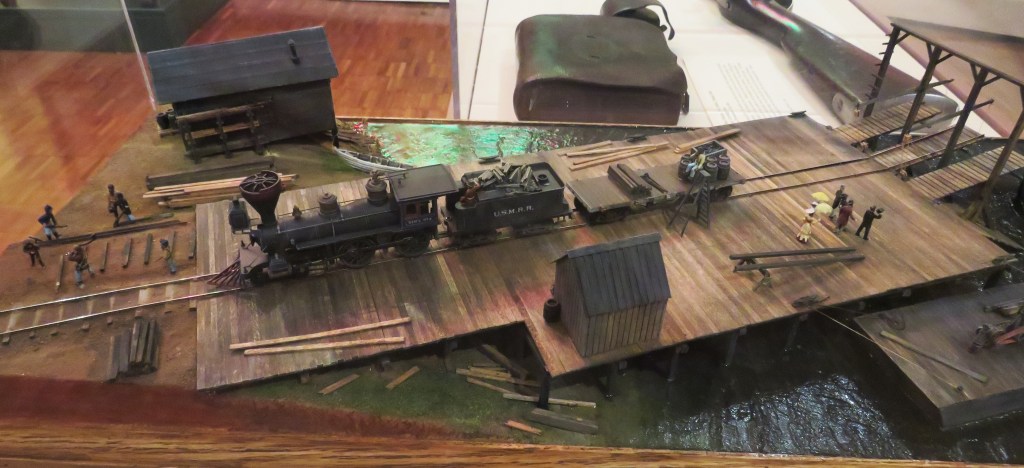
During your visit to the Alexandria History Museum at the Lyceum, you will learn more things about the history of the railroad in Alexandria, Virginia. Alexandria was the headquarters of the United States Military Railroad. The railroad cars were stored in the same yard as the Alexandra and Orange Railroad. Sadly, most of the tracks where the railroad cars were stored were taken up. The United States Military Railroad also operated a railroad ferry. This ferry took railroad cars and locomotives up and down the Potomac River.
It that it? As mentioned, the city of Alexandria, Virginia has an extensive history. As you look at the streets of Alexandria today, you will not see any evidence of trolleys. The trolleys are long gone, but the Mount Vernon Electric Railway and the Washington-Virginia Railway Company ran trolleys through the town.
The Alexandria History Museum at the Lyceum has many stories to tell including the many stories of the railroad in Alexandria, Virginia. Even after seeing every in the museum, you will realize that you still have not seen it all.
The Alexandria History Museum at the Lyceum is owned and operated by the city of Alexandria. It is located in the heart of Old Town Alexandria Virginia at 201 S. Washington Street just blocks east of U.S. Route 1. It is open Thursday and Friday 11:00am to 4:00pm, Saturday from 11:00am to 5:00pm and Sunday from 1:00pm to 5:00pm. (It is closed Monday, Tuesday, and Wednesday.) Parking is available from those visiting the Lyceum only. Admission is free, and it is wheelchair accessible. You can get more information at https://www.alexandriava.gov/Lyceum.
The city of Alexandria, Virginia is a city of extensive history, and it is a city of extensive railroad history. Much of the railroads may be gone, but it stays alive at the Alexandria History Museum at the Lyceum.
The town of Mechanicsburg in the U.S. state of Pennsylvania is a suburban town of the capital city of Harrisburg. How did the town get its name? The town was established before the automobile so it did not get its name from automobile mechanics. The town got its name from the fact that it was a town were Conestoga wagons were repaired. When the Cumberland Valley Railroad came to the town, the town became a major stop for the railroad. Today, the Norfolk Southern Railway owns the railroad line, and the trains no longer stop here, but the old train station, the freight house, and the stationmaster’s house remain, and they are all part of the Mechanicsburg Museum.
The Passenger Train Station was built by the Cumberland Valley Railroad in 1867. It remained a passenger station until 1952. Today, the exhibits tell the history of the Cumberland Valley Railroad and how the town was a great benefactor to the towns growth.
The Stationmaster’s House was more than just the home of the stationmaster. It was an office for Adams Express, a company that was one of the early companies before the Railway Express Agency, and it was also where baggage was stored. Today, the home is furnished with furniture the way it was furnished back in the day when the train station was active.
The Freight Station is across the tracks from the Passenger Station and Stationmaster’s House. This is the second Freight House for the town that was built in 1886 that replaced the original one built in 1874. It was here where the locomotives received water and wood. There was a side track here where the trains were able to stop for a long time. The track was removed after freight and passenger serviced ceased. Today, it houses exhibits that are about the town of Mechanicsburg itself. The exhibits do change over time.
All three structures were to be demolished, but the Mechanicsburg Museum Association rescued the buildings, and they remain under their ownership today.
The Mechanicsburg Museum is located at 2 W. Strawberry Alley in Mechanicsburg, Pennsylvania just one block north of the intersection of Pennsylvania Routes 114 and 641. It is open Wednesday to Saturday from 12:00pm to 3:00pm. The complex has the three structures. Admission is free, but they gladly accept donations. The structures are wheelchair accessible. You can read more into the Mechanicsburg Museum Association and read more about the museum at http://www.mechanicsburgmuseum.org/index.html.
The town of Mechanicsburg, Pennsylvania has automobile mechanics today. It also has the Mechanicsburg Museum. It is a great place to see the history of the town.






































 John Cowgill: Stories of the Railroad