Calvin B. Taylor House, Berlin, Maryland

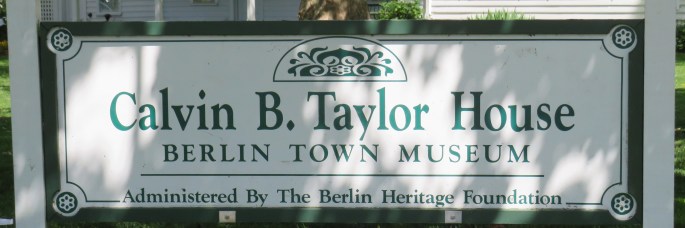
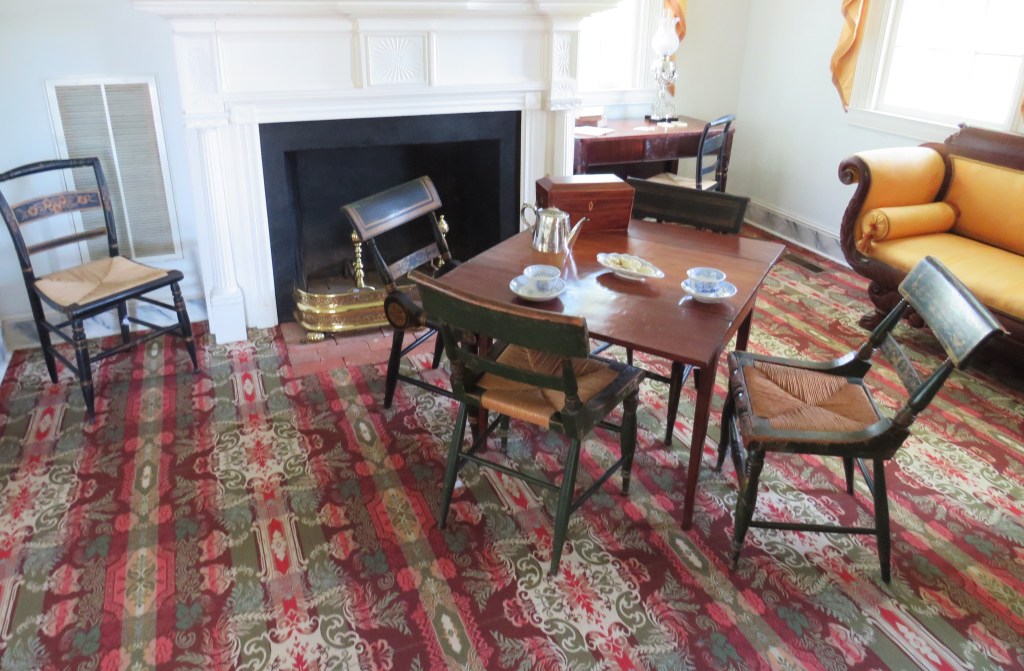
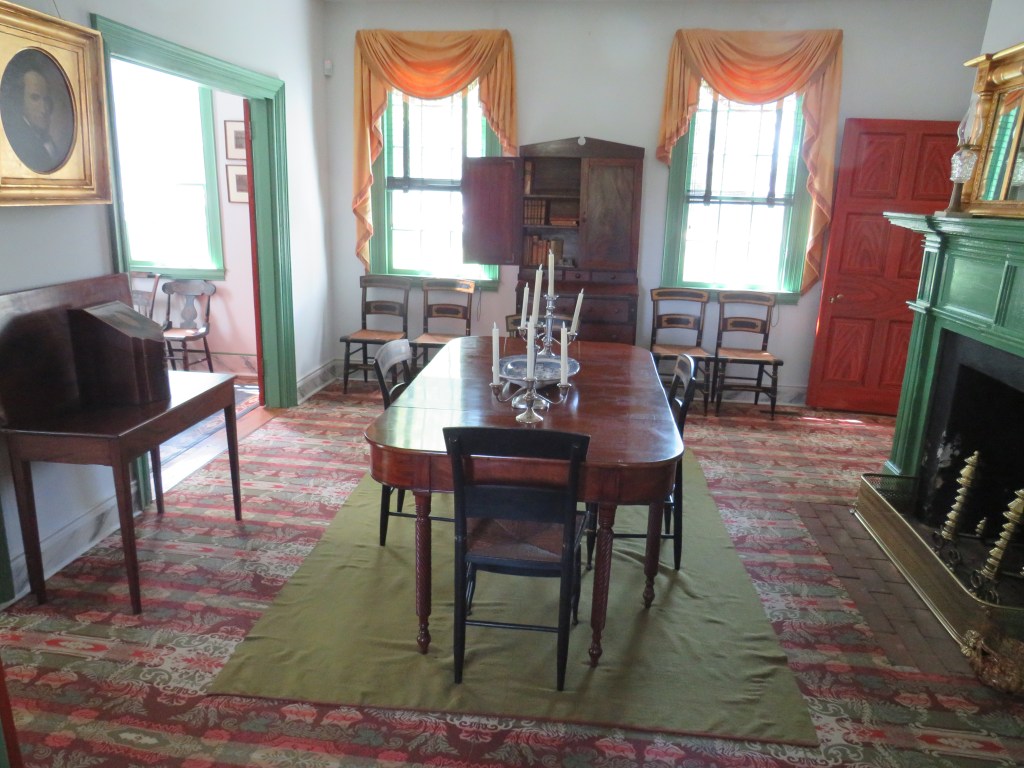
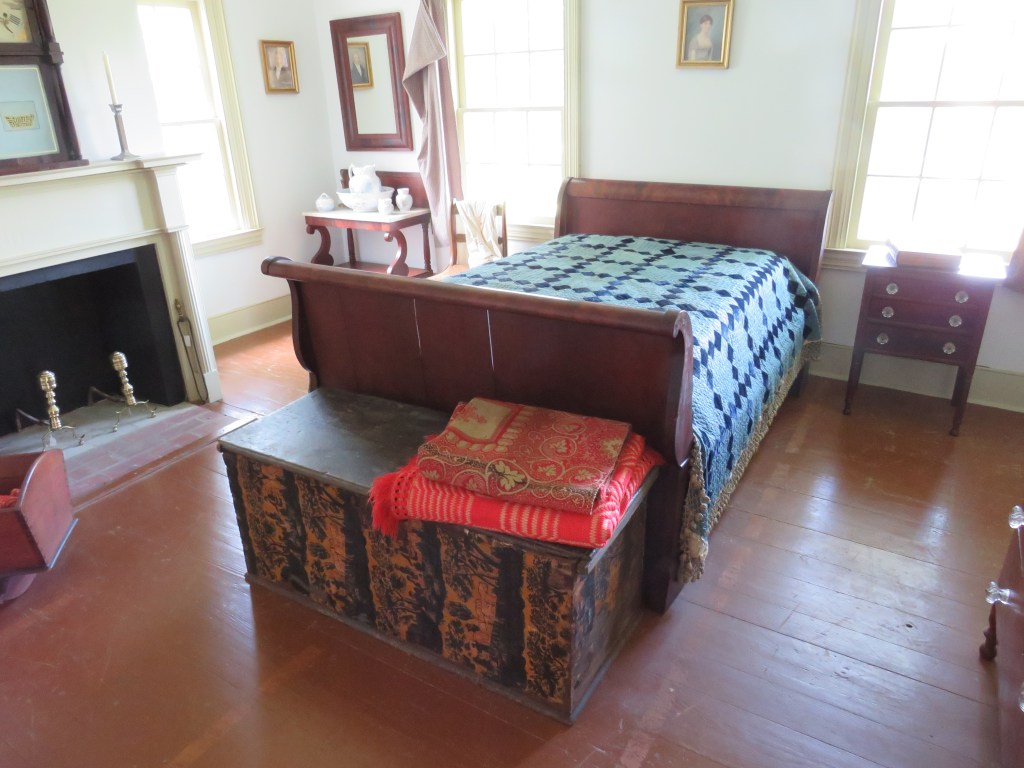
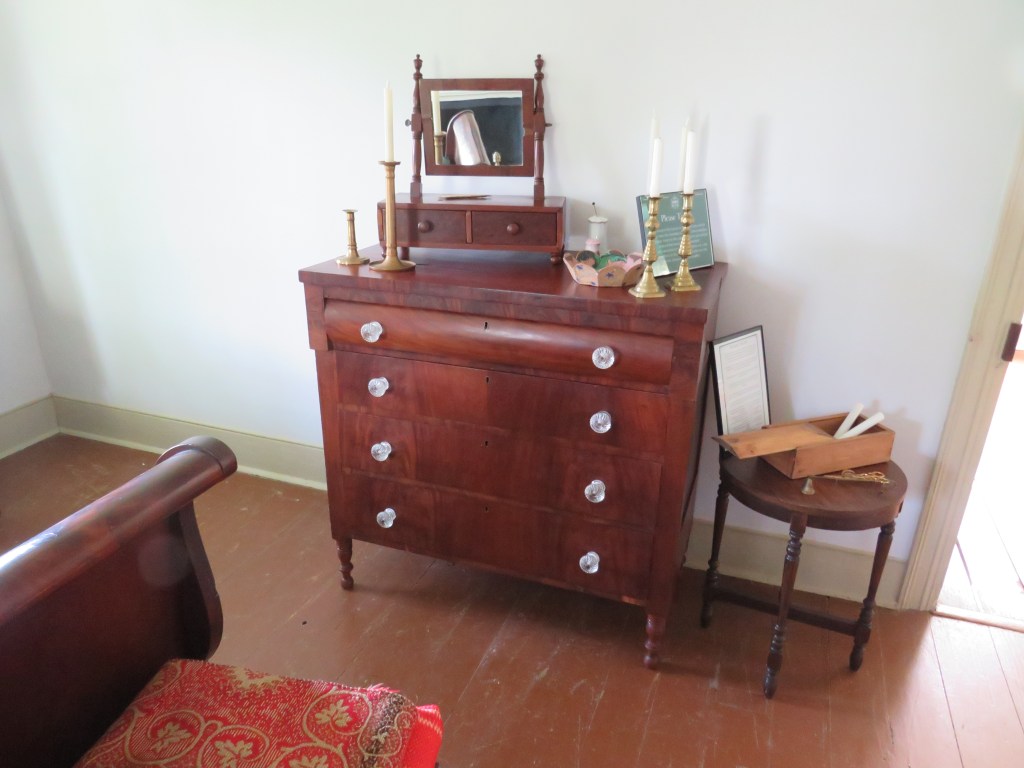
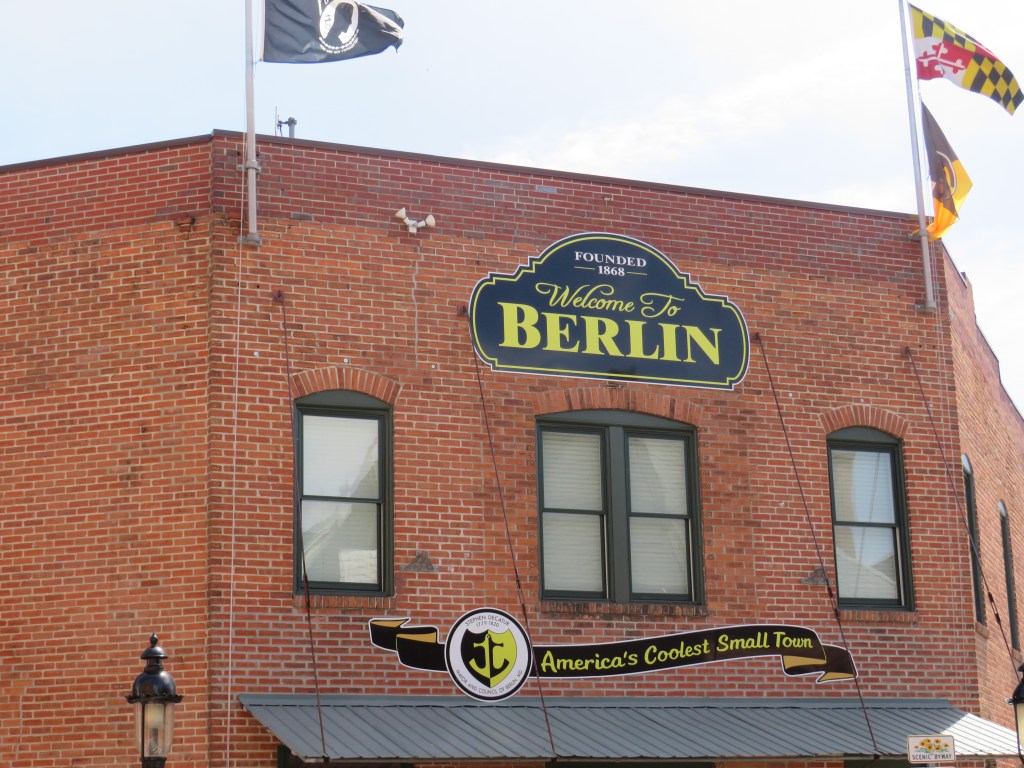
The U.S. state of Maryland is a state that is famous for many things.  It has the Chesapeake Bay which splits the state in two parts.  Baltimore, the state’s largest city, is famous for the National Anthem of the United States of America, known as the ‘Star Spangled Banner’, which was written by Francis Scott Key as he was a prisoner of war as he watched the British Navy bombard Fort McHenry during the War of 1812 only to see the flag still waving.  Baltimore is where the oldest Catholic Church in the nation, and it was here where the first railroad began operation in the Western Hemisphere.  In College Park, the home of the University of Maryland, is also the home of College Park Airport, the oldest continuous operating airport in the world.  You have Annapolis, the state capital, the home of the Naval Academy and the only capitol dome made with wood and has no marble or stone like most capitols.  The state of Maryland is loaded with historic sites, and it has small towns.  One of these small towns is the town of Berlin.  Located on the Delmarva Peninsula near the coastline, the town is considered as one of the best small towns in the nation.  The movie ‘Runaway Bride’ starring Richard Gere and Julia Roberts was filmed here, and Seabiscuit, a famous racehorse who won the Triple Crown (meaning that he won the Kentucky Derby, the Preakness Stakes, and the Belmont Stakes in the same year), was raised in a barn in the area.  (The barn is now on a golf course and houses a restaurant.)  One thing you will not see in this town is the Berlin Wall, but you will find the Calvin B. Taylor House.  What is the Calvin B. Taylor House?  Yes, it was the home of Calvin B. Taylor who was the second owner of the home.  After Calvin B. Taylor’s ownership, the house was divided into apartments.  It was saved from demolition, restored, and made into a museum which is seasonally open for tours.

Who is Calvin B. Taylor?  That is a good question.  Calvin B. Taylor made a big influence on the town of Berlin.  He was an educator and a lawyer, and he was the founder of the Calvin B. Taylor Banking Company in the town of Berlin.  Today, his home is a museum that tells the story of the town of Berlin.  If you want to learn more about an amazing small town, you must visit the Calvin B. Taylor Museum.

Some of you are saying, “This is nice.  Every time I think about Berlin, I think about Germany and the Berlin Wall.  I would not think about a small town in Maryland.  As for the Calvin B. Taylor House, well, it is nice to see that he was a great man who did great things for the town.  There is a very big problem.  Calvin B. Taylor is not a railroad man and has nothing to do with the railroad, and the Calvin B. Taylor House is not a railroad museum.  Therefore, I will not be running away to the town of Berlin, Maryland to visit this house.”

Calvin B. Taylor was not a railroad man, and the Calvin B. Taylor House is not a railroad museum.  Why visit the Calvin B. Taylor House in Berlin, Maryland?

What is now the Calvin B. Taylor House was built in 1832.  Before it was called the Calvin B. Taylor House, the home had former owners.  One of the former owners is a man named Robert J. Henry.  Who is Robert J. Henry?

When you visit the town of Berlin, Maryland, you see a charming small town with historic buildings.  Although a railroad line passes through the town, the town has never been a big railroad town nor does the town have a big history of the railroad.

So what is the big deal?

In the early days of railroading, the railroad served many cities and towns.  Robert J. Henry was the man who was instrumental in bringing the railroad to the town of Berlin.  Being on a large peninsula between the Atlantic Ocean and the Chesapeake Bay, you wonder if anybody rode the train here.

Well, they did.  Where did they come from, and where did they go?

The town had a train station that was called Berlin Union Station.  Why the name Union Station?  It was located at a junction of another railroad line.  People came from Baltimore by way of a ferry that went across the Chesapeake Bay between Baltimore Harbor and Love Point, a point on the east side of the bay near where the Chesapeake Bay Bridge.  Others came from Philadelphia, Pennsylvania and rode a train down the peninsula.  The Baltimore, Chesapeake, and Atlantic Coast Railroad and the Baltimore and Eastern Railroad had passenger service to the town.  Today, the train station is long gone, and there is no passenger railroad service on the Delmarva Peninsula. Only freight service by Norfolk Southern and smaller railroads today.  Today, you can ride a rail bike along the tracks through the town.

Some of you are saying, “It is nice that the man who brought the railroad to the town once owned the house, but that is not a reason to visit.”

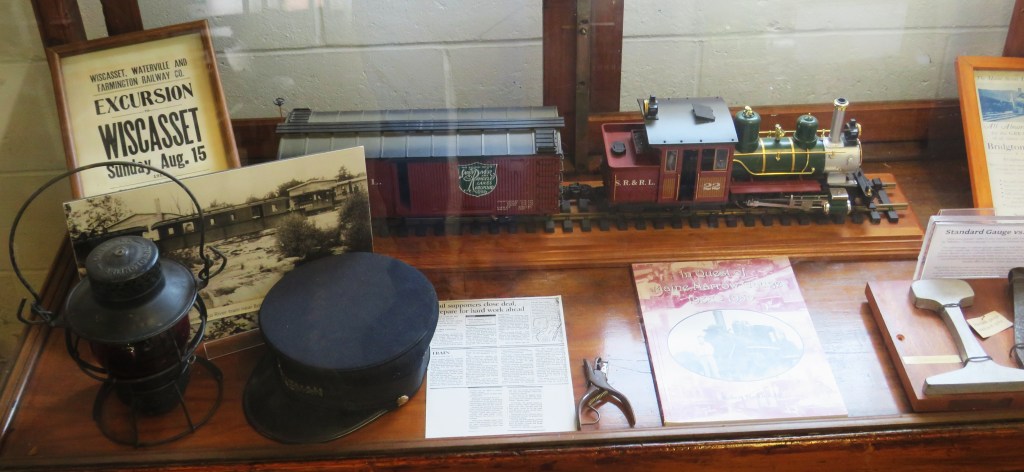
Why visit the Calvin B. Taylor House?  The home is left in the way it is as the second owner, Calvin B. Tayler, left it as he added additions to the home.  With a tour of the house, there is an exhibit gallery that displays artifacts and items from the town of Berlin.  There is a small exhibit on the old train station to include a sign from the station, the only surviving part of the station, and pictures of the train station.  There are also old train schedules on display.

You see.  You do have a reason to visit the Calvin B. Taylor House.  While you are here, you will find other reasons to walk around the town and maybe visit the Mermaid Museum and the Old Atlantic Hotel where many of the railroad passengers spent the night.

The Calvin B. Taylor House is located in the town of Berlin, Maryland at 208 N. Main Street (Maryland Route 818) just north of the town center and one mile south of U.S. Route 50.  It is open seasonally from April to October on Monday, Wednesday, Friday, and Saturday from 11:00am to 3:00pm.  Only street parking is available.  Due to the age of the home, it is not wheelchair accessible.  You can read more into the history of the house and checkout the events at https://www.taylorhousemuseum.org/.

Now you have a reason to visit the Calvin B. Taylor House in Berlin, Maryland.  It is a great place to runaway to.

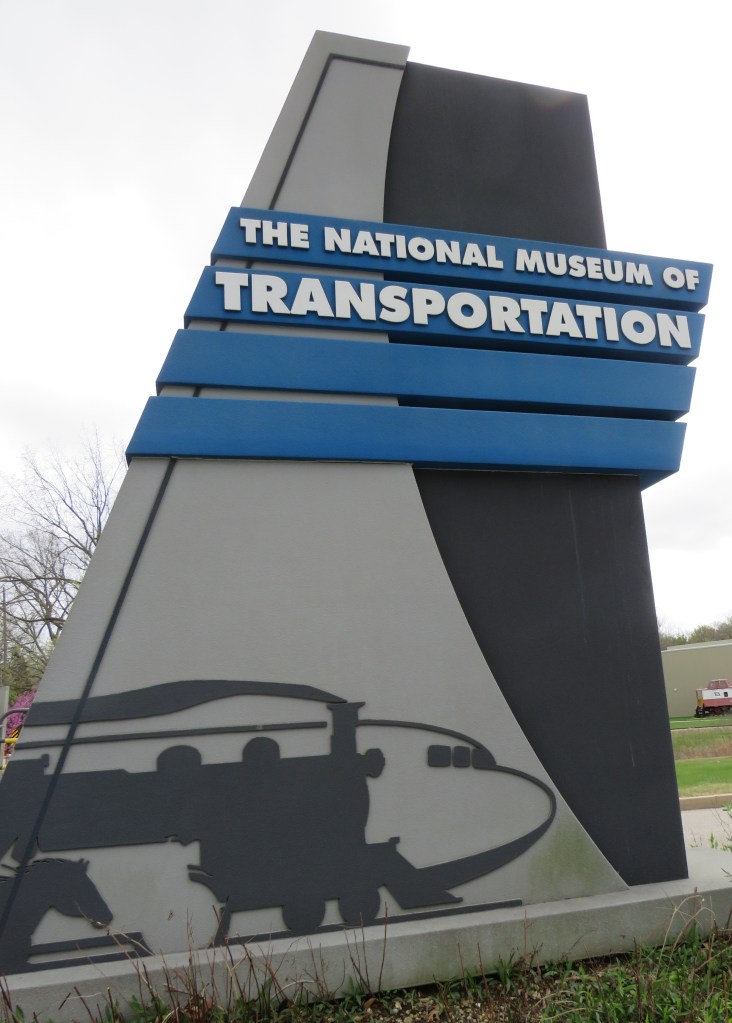
The National Museum of Transportation, Saint Louis, Missouri

The city of Saint Louis in the U.S. state of Missouri, a city located on the Mississippi River, is commonly known as the ‘Gateway to the West’.  The city’s most famous landmark, the Gateway Arch, is a monument to those who went west to seek opportunities.  It is here in this city that you will find the National Museum of Transportation.

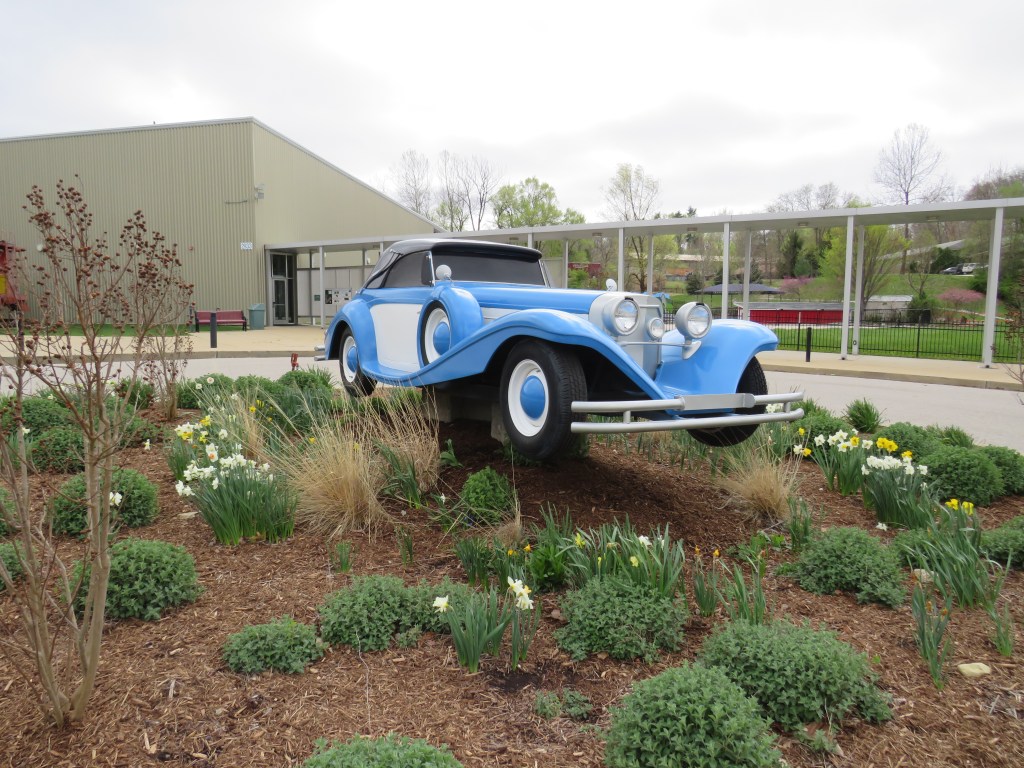
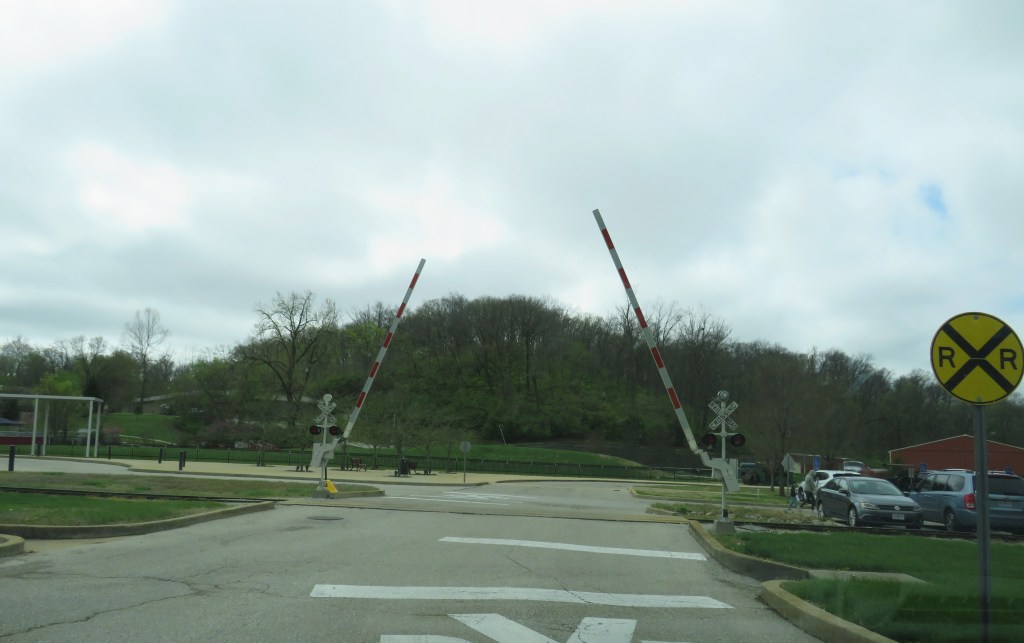
What is the National Museum of Transportation?  Well, of course, it is a museum of transportation from automobiles to planes to boats, but the majority of what you will see here is trains.  As you enter the museum parking lot, you must cross a set of railroad tracks.  This is just the beginning.

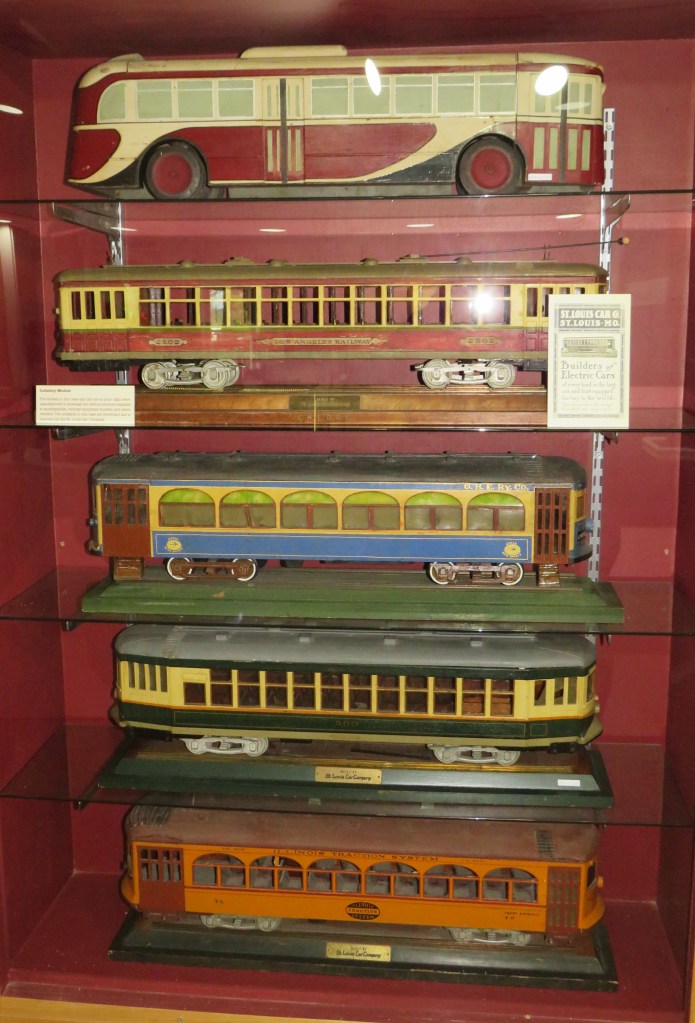
You park your car and walk to the Visitor Center where a Wabash Railroad Caboose sits outside.  You enter the museum, and you see automobiles on display.  Yes, it is a transportation museum.  As you walk around, you see a model train display, and you see model trains encased in glass.

Be warned.  You have not seen anything yet.

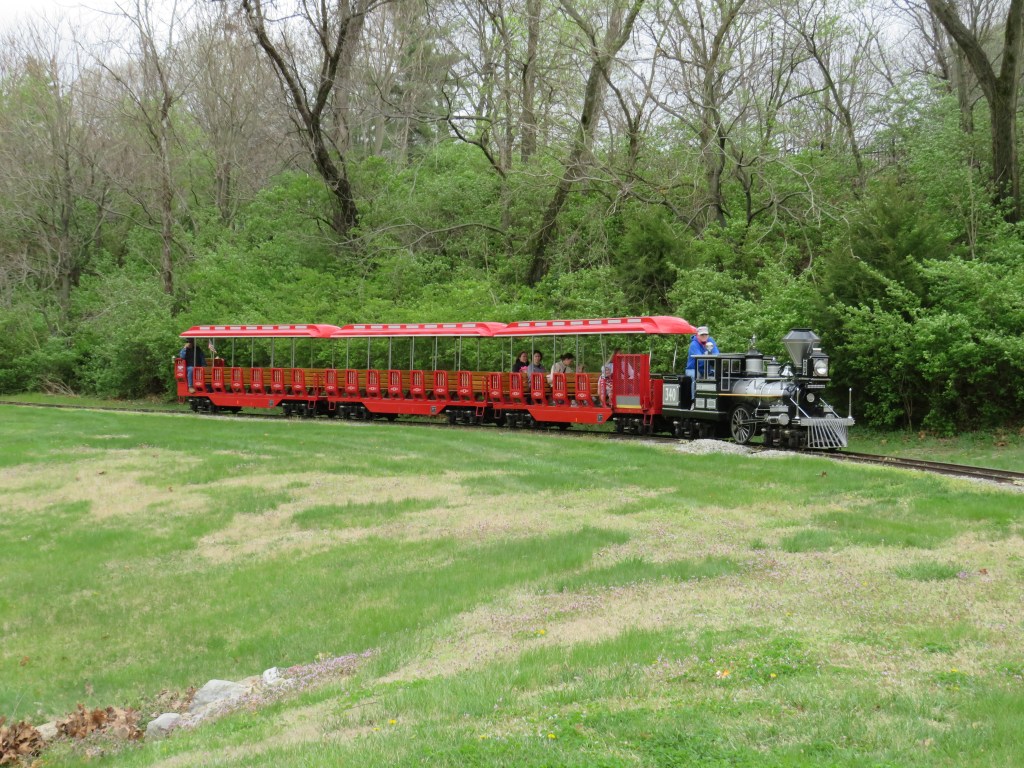
Remember when you crossed the railroad tracks as you entered the parking lot?  Well, you can take a ride on the miniature train that circles that parking lot.  You see aircraft on display and a tanker truck.  As you take a ride, the narrator tells you of each locomotive, mining equipment, and rolling stock you pass by.

In case you are wondering, there is much more to see.

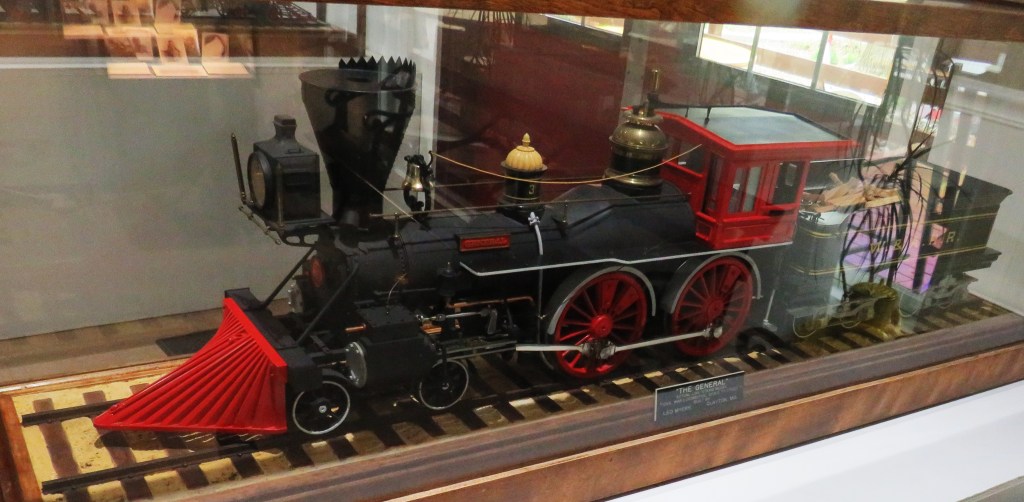
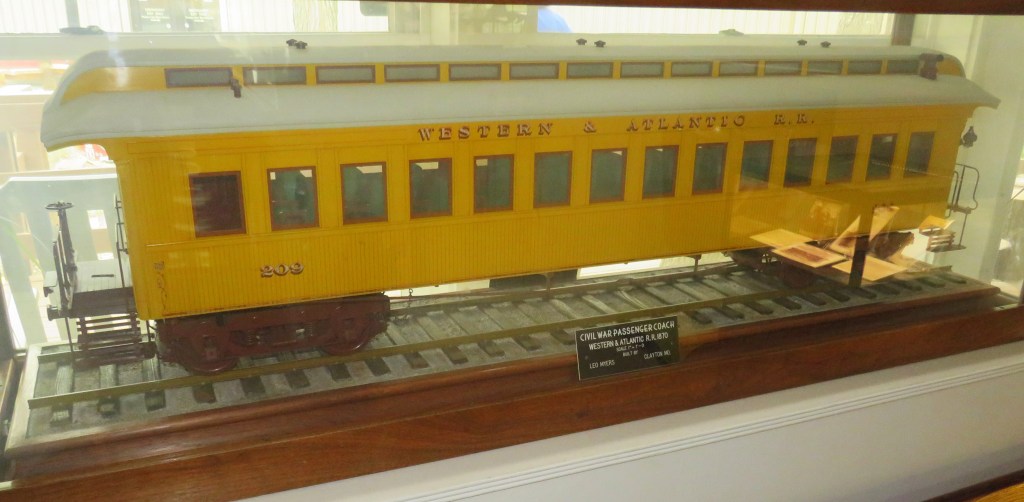
You walk through the Earl C. Lindberg Automotive Center seeing the old cars, and then you see an old train station.  On the outside, you see a model train display.  On the inside, you see models of locomotives and rolling stock to include a model of the ‘General’, a steam locomotive that was part of a chase in the U.S. state of Georgia during the American Civil War.

Now you think that you have seen a lot of trains so far.  At this point, you have not seen much.

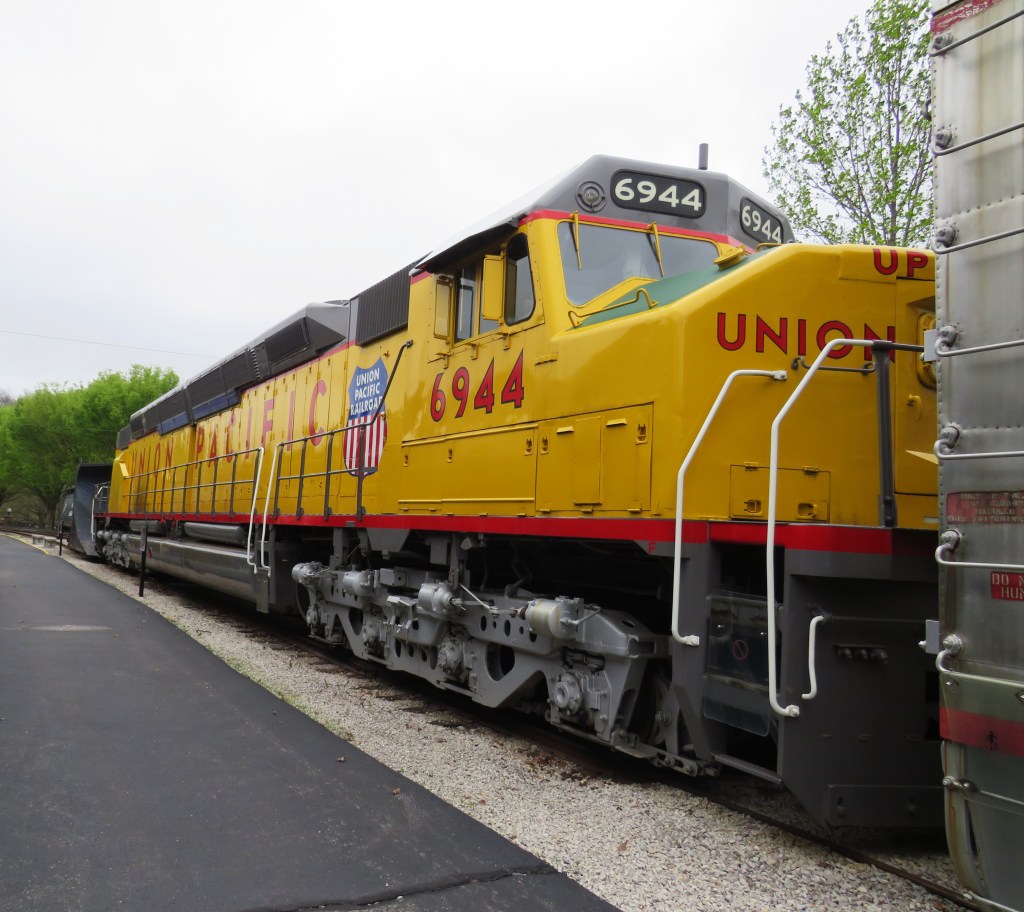
Why should you visit the National Museum of Transportation?  Ladies and gentlemen, this museum boasts a large collection of railroad rolling stock.  No, it is not just from the railroads that are particulate to the Saint Louis region.  You have rolling stock from the Missouri Pacific Railroad, the Georgia Railroad, the Northern Pacific Railway, the Burlington Route, the Baltimore and Ohio Railroad, the Union Pacific Railroad, the Norfolk and Western Railway to include Locomotive Number 2156, a locomotive that was originally at the Virginia Museum of Transportation in Roanoke, Virginia, and the Santa Fe Railroad just to name a few.  The collection includes locomotives, boxcars, passenger cars, trolleys, and other rolling stock.

The National Museum of Transportation is located at 2933 Barrett Station Road in Saint Louis, Missouri.  It is open year round, but the miniature train only runs seasonally.  The entire museum is wheelchair accessible.  You can get more information about admission, hours, and events at https://tnmot.org/.

The city of Saint Louis, Missouri is the Gateway to the West, and it is the home of a great museum known as the National Museum of Transportation.  Let us say that it is a gateway to transportation in the nation.

Maybrook Railroad Museum, Maybrook, New York

The U.S. state of New York is known as the Empire State.  Why?  Most people would think that it is because of the World Famous Empire State Building located in New York City, but the name was actually coined by George Washington, a General in the Continental Army during the American Revolutionary War because of the role the U.S. state played in the war to include the Battle of Saratoga which was the turning point of the War, and the name stuck as New York City remains the financial capital of the world, and, in the early years of the twentieth century, was called the Gateway to North America with the influx of immigrants entering the city.  Most people think about New York City as it is the most populated city in the United States of America and is one of the largest metropolitan areas in the world, but there are other famous cities in the state like Rochester and Buffalo where, in the suburbs, you will find one of the most famous waterfalls in the world, Niagara Falls.  The state has many great small villages.  One of this villages is Maybrook.  Located in the southeast region of the state about seventy miles north of New York City, the small village of Maybrook is a small, charming village that makes the state of New York special.

Some of you are saying, “I love New York.  There is so much great history and nature area in the state.  I enjoy the skyline of New York City with the high rise buildings to include the Empire State Building.  I love Niagara Falls.  There is so much in this state.  As for Maybrook, there is really nothing to see there.  Therefore, I will not be visiting this village of Maybrook.”

So, you do not see a reason to visit the small village of Maybrook.  What is special about this small village?

As you exit Interstate 84 and drive south on New York Route 208, you come upon a caboose from the New York, New Haven, and Hartford Railroad.  I know.  There are many lonely cabooses on display across the country, but this is not your average lonely caboose.  What makes the village of Maybrook so important?  It was here where the largest railroad yard in the state of New York where the town saw the largest number of trains, about fifty two trains a day, during the height of World War II which had to move quickly to supply the troops.  Sadly, the yard nor the Maybrook Railroad Line no longer exists.  The old railroad line crossed the Hudson River going towards Connecticut.  The bridge, called the Walkway over the Hudson, is now a pedestrian bridge where you can get exceptional view of the Hudson River.

Some of you are saying, “Well then.  If the railroad yard is no longer there, there is no reason to visit Maybrook.”

Ladies and gentlemen, there is more to the story.

Drive one mile south on New York Route 208 into the village of Maybrook, and you will see the Government Center.  Yes, it is where the government of the village of Maybrook meets, but there is also another important place here.  What is this important place?

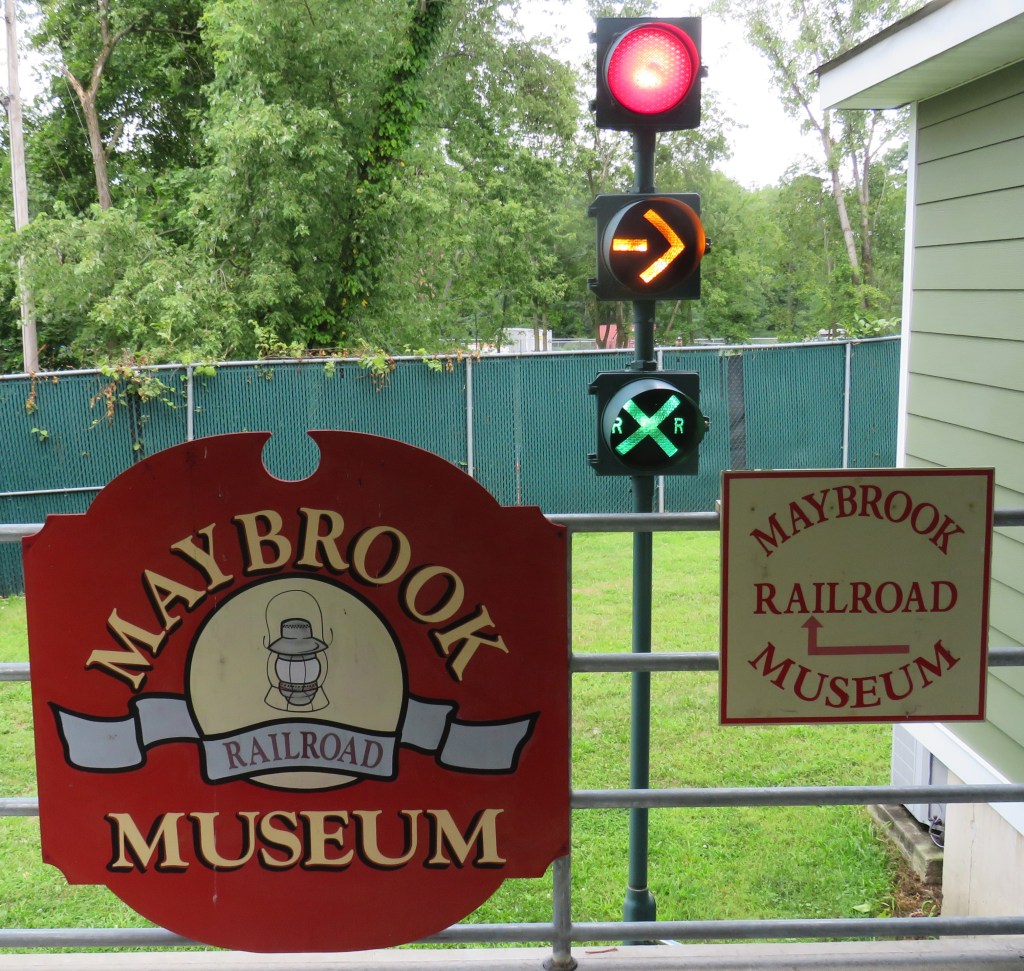
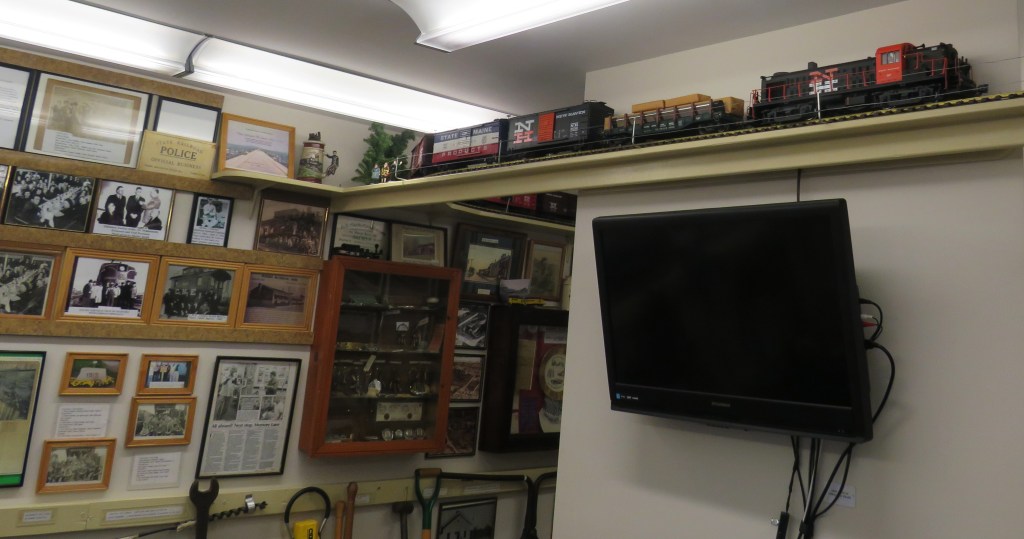
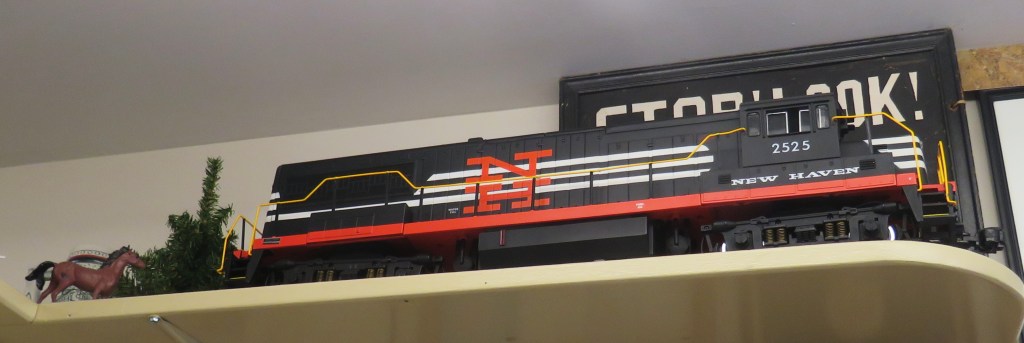
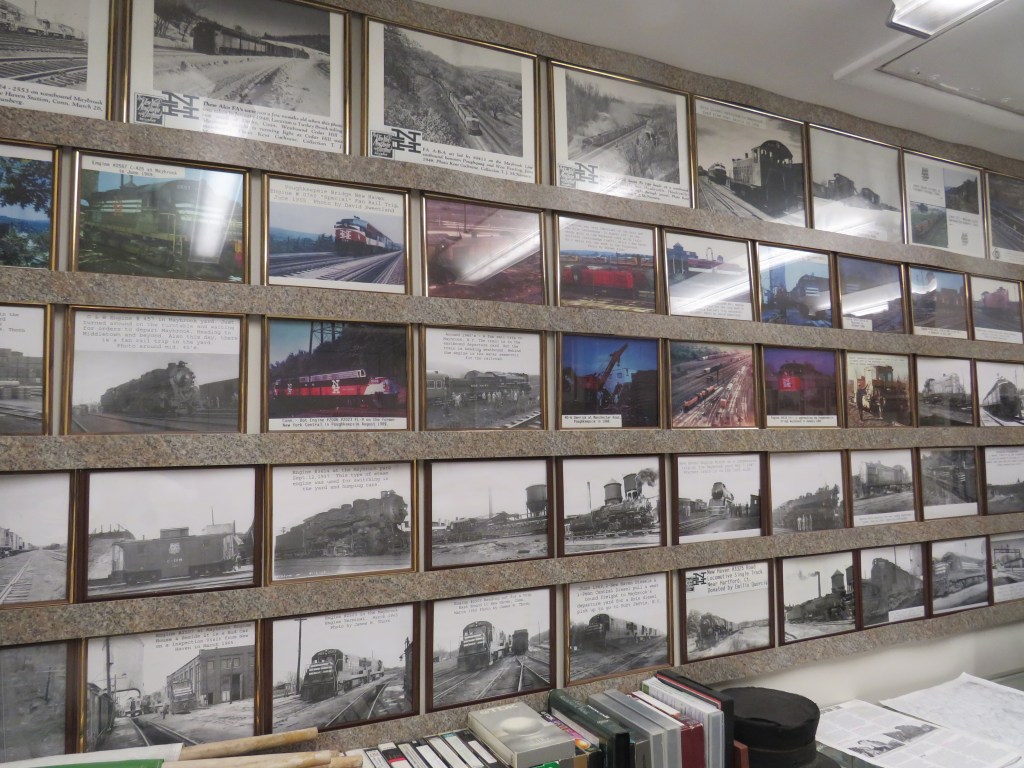
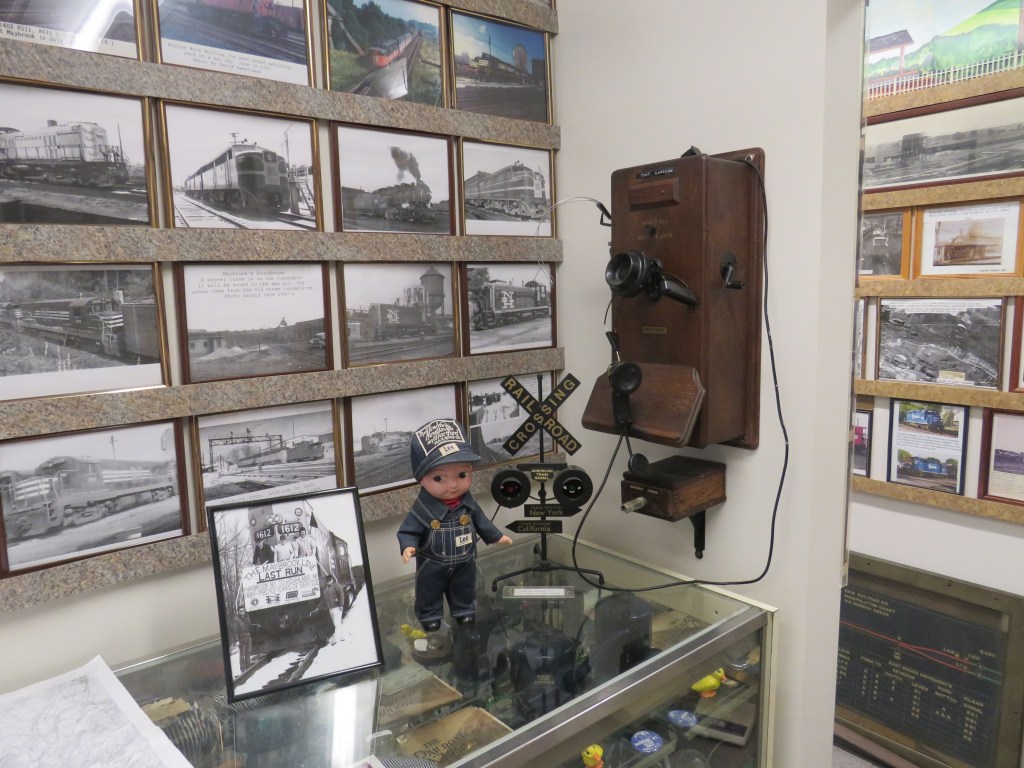
Welcome to the Maybrook Railroad Museum.  When you arrive, you will not see a locomotive or a caboose or any kind of rolling stock.  Why visit the museum?  As a place where the largest railroad yard in eastern America was once located, the small museum tells the story of how this small village played a big role in the railroad history of the United States of America.  Although you cannot see the actual railroad yard itself, you can see pictures and artifacts and books of the railroad yard.  Yes, it is a small museum, but there is much railroad history inside, and for a little excitement, there is a model train that runs road above you.
The Maybrook Railroad Museum is owned by the Maybrook Railroad Historical Society, and it is operated by volunteers, and they are open to anyone who is willing to volunteer.  It is located inside the Maybrook Government Center located at 111 Schipps Lane just off of New York Route 208 and a short drive south of Interstate 84.  It is open seasonally from the first Sunday after Easter April to the Last Sunday in October from 1:00pm to 4:00pm.  Admission is free, but they gladly accept any donation to keep the museum open for many generations to come.  Parking is on site, and the museum is wheelchair accessible.  You can read more about the Village of Maybrook and it role in the region at https://www.villageofmaybrook.com/.

Maybrook, New York is a small village with a big railroad past.  The Maybrook Railroad Museum preserves and honors that past.  You love New York, and you will love the Maybrook Railroad Museum.
Prince, West Virginia

How many of you have heard of the small town of Prince located in the southern region of the U.S. state of West Virginia?  Unless you live in that region or work for the National Park Service or are a railroad historian, you most likely have never heard of this town.  It is a suburb of Beckley that is on the New River inside the New River Gorge which is famous for its beauty and an engineering marvel, the New River Gorge Bridge.

Some of you are saying, “I bet that the town is named after some prince in a foreign country.”

Sadly, you are wrong.  That town is named for William Prince, who happened to be a settler in the region and was never part of any royal family.

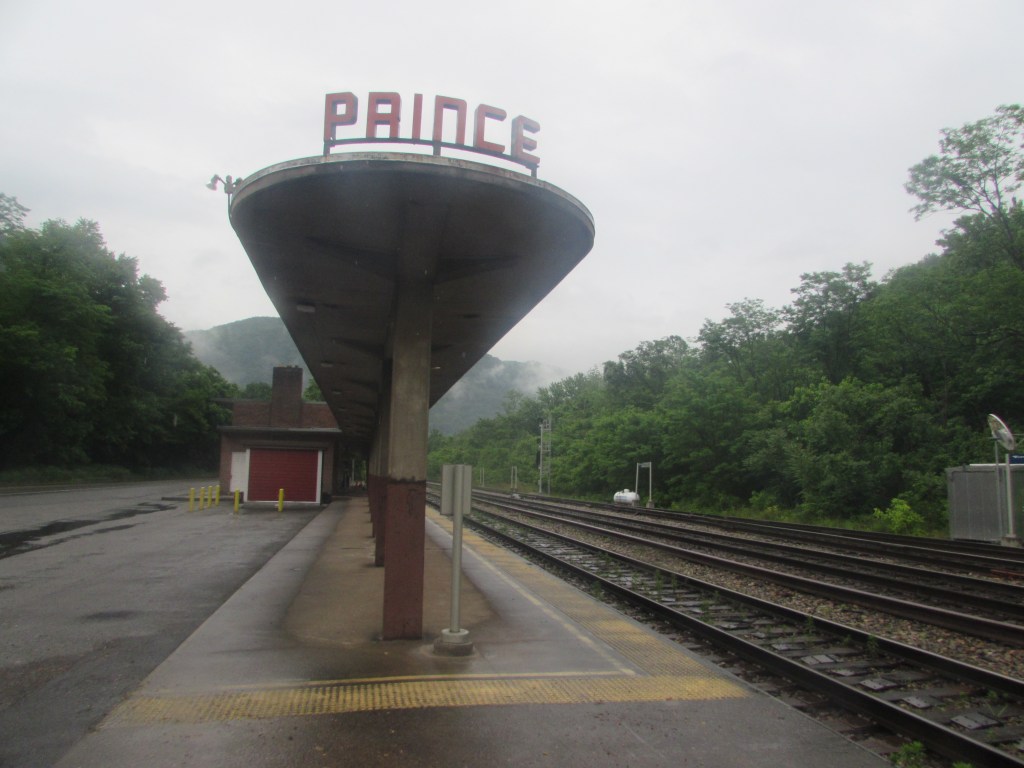
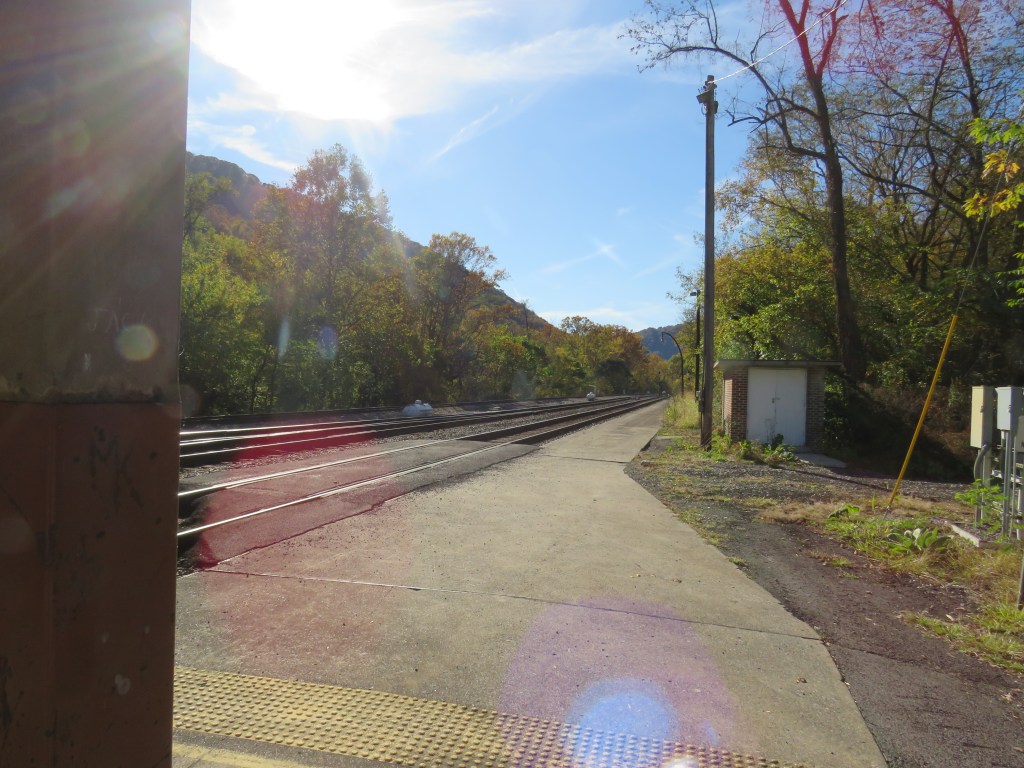
What is this town known for?  Well, it is mostly a ghost town like the nearby town of Thurmond.  Like Thurmond, it is a railroad town as the Chesapeake and Ohio Railway (now CSX Transportation) passes through.  Like Thurmond, the town has three amazing features.  The first is the New River.  The second is the surrounding natural beauty.  The third is the train station.  Both towns are known for their train stations.  The train station in Prince has a special history.

What is special about the train station in Prince, West Virginia?

The train station in Prince, West Virginia serves as the Amtrak station for the city of Beckley as the city does not have its own train station.

There is more to the story.  The railroad line was originally built by the Chesapeake and Ohio Railway serving the region’s coal industry by transporting coal from the mines of West Virginia to the ships in the harbor of Norfolk in the U.S. state of Virginia.  The town of Prince, West Virginia did not have a rail yard.  What put the town on the railroad map?  It is on a junction of two railroad lines with the main line going into the gorge and the other line going to the southern region of the state, but what put the town on the railroad map was the train station.

Well, many towns were put on the map by their train station, but what makes the town of Prince, West Virginia special?

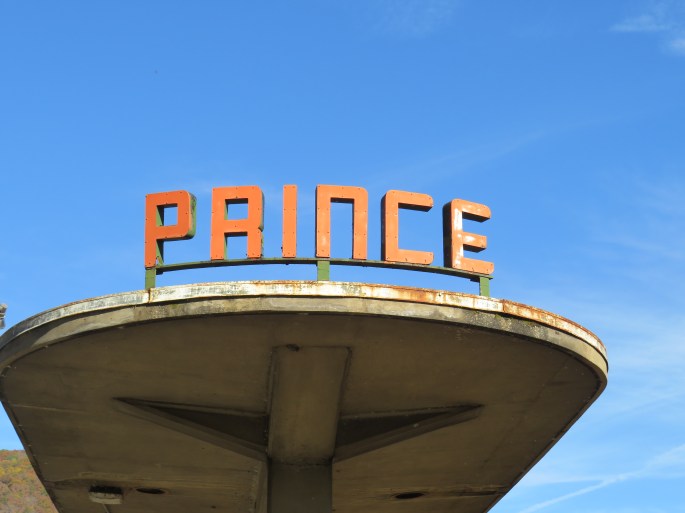
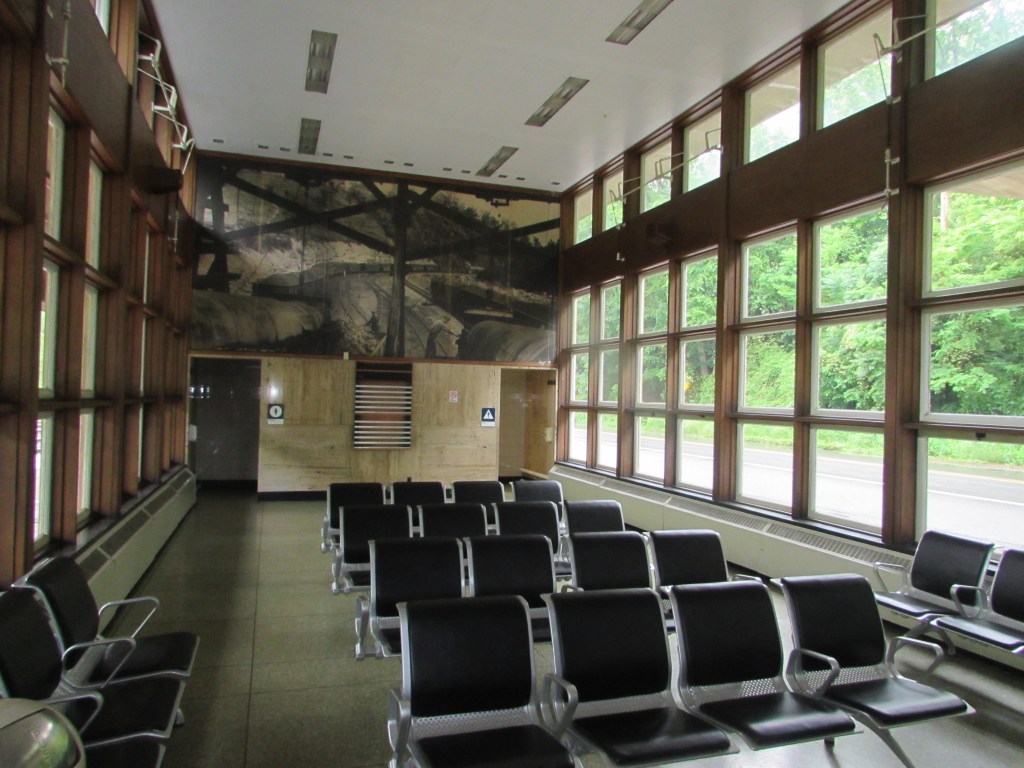
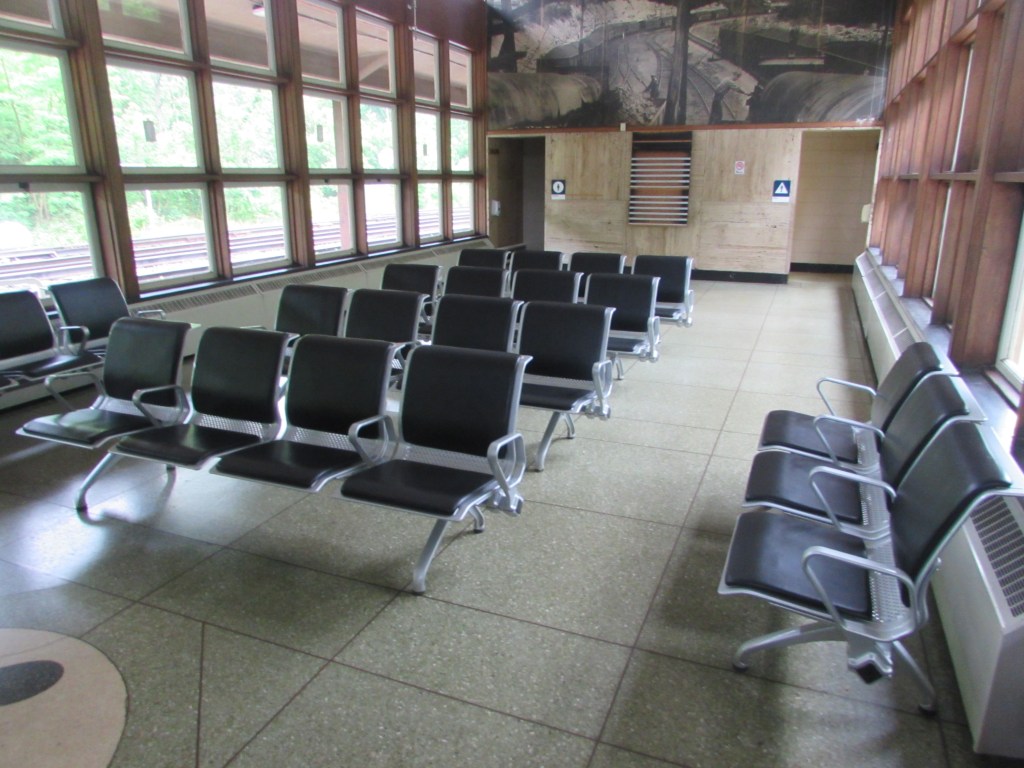
The Chesapeake and Ohio Railway had a plan to build modern train stations on their railroad lines between Charleston, West Virginia and Norfolk, Virginia.  As you look at the train station, it looks old with the old C&O symbol on the side.  When the station was built, it was very modern.  Of all of the planned stations, this was the only station to be built.  Yes, you are looking at the only planned station by the Chesapeake and Ohio Railway to be built on the line.

Today, the train station retains its original look.  It is the main building in the town.

The next time you think about the town of Prince, West Virginia, think about a town surrounded by natural beauty that had railroad royalty.

Trixie on the Line

It was the start of my day.  I arrived at the park to start up the steam locomotive of my miniature train, and I began the inspection round of the tracks looking for any problems or cracks.  I rolled out of the station and continued into the woods.  I arrived at the first bend, and after I made the turn, I squeezed on the brakes.  Right before me was a lady with her long bright red hair wearing a bright white shirt and dark blue jeans with the bottoms rolled up slightly on her legs dancing barefoot on the tracks.  She stepped then twirled then stepped then twirled with her hair flying around.

“Excuse me, mam!”  I called out.  “You can’t be on the tracks.”

She appeared to pay no attention to my voice as she continued to dance around.  I inched closer to her.

“Hello!”

I pulled the whistle.  She twirled around to wink at me.

“Mam, you cannot be on the tracks.”

She gracefully tiptoed closer.  “Me sorry.”  She sulked.  “I was just having fun.”

“Sorry to spoil your fun,” I said, “but these are live tracks, and the train will be running soon.”

She glanced around.  “I am far from home.  Can you give me a ride on the train?”

“Well!”

“Please!”  She injected. “I’ll be your friend forever.”

I gave it a thought.  “There is only one seat.  You will have to sit on the boiler.”

She stepped over, and she threw her leg over the boiler and sat on top of the cab laying her head on my chest and stretching out her bare feet towards the stack.  I continued forward inspecting the track below.

“I have never ridden a train before.”  She peeked up at me with a beautiful grin on her face.  “I’ve always wanted to ride a train.”

She stretched out her left foot to feel the steam flow between her toes.

“Be careful.  It can burn you.”

But she paid me no mind as she stretched out her right foot over the smokestack.  I wanted to say something, but she appeared to be caught up in the moment.  I continued with my inspection.

I slowly arrived at the station.  She was still laying her head on my chest.  I glanced at my watch, and…  I sped up the train going back into the woods.  I felt the strands of her hair smack up against my face as the winds blew.  I glanced down to see her big and beautiful smile.  When I arrived at the station a second time, I glanced again at my watch.

“Sorry,” I spoke as she was rubbing her head on my chest, “but the train ride is over.  I have to get everything ready for the park to open which is in an hour.”

She peeked up at me.  “Thank you for the ride.”

“Gladly,” I replied.  “It was a pleasure riding with you.”

She stood up, and she stooped over to kiss me.  “Maybe we can do it again tomorrow.”

“I will look for you.”

She started to step away.

“What is your name?”  I asked her.

She whipped her head around.  “Trixie.  My name is Trixie.”

She turned at walked towards the park exit.

“Nice to meet you.”  I spoke.

She turned and blew a kiss.  From that moment, I saw bright days ahead.

Miller Park, Bloomington, Illinois

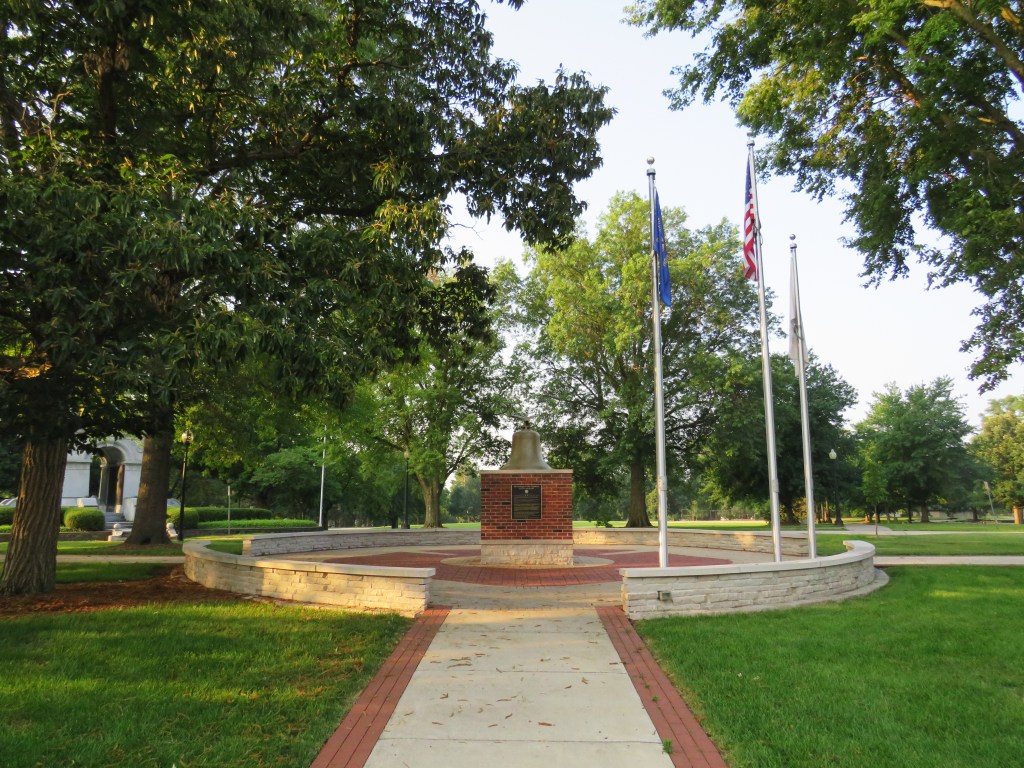
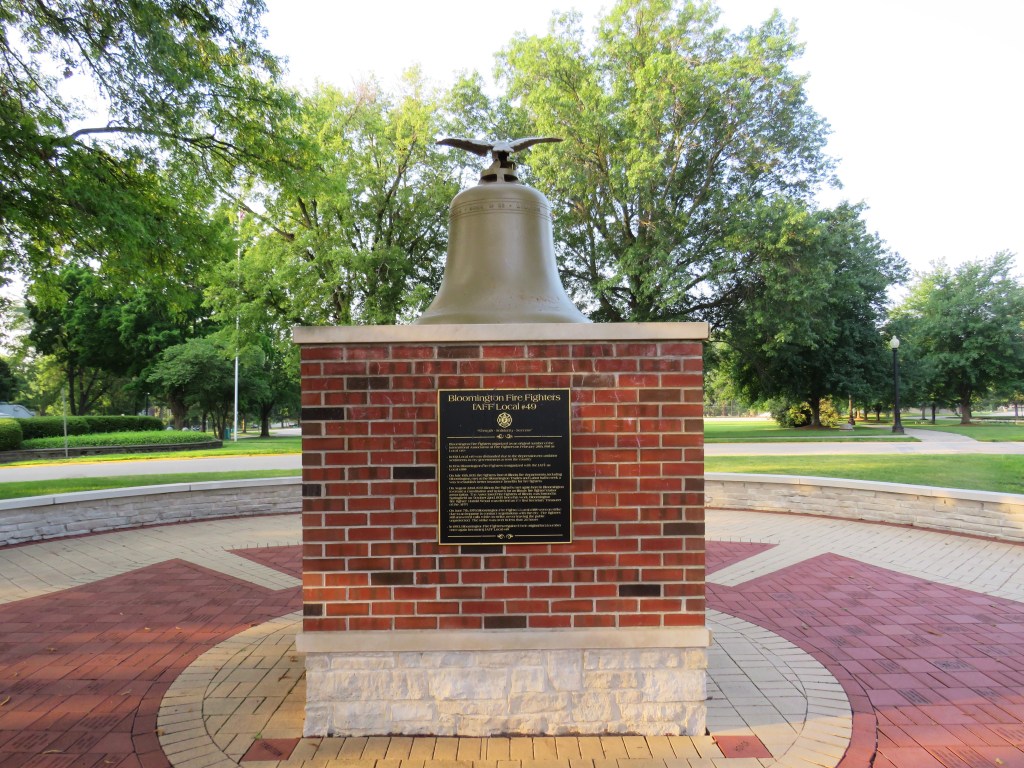
Cities big and small throughout the United States have their landmarks and city parks.  Among these city parks is Miller Park in the city of Bloomington in the U.S. state of Illinois.  The park has trees, a playground, a small zoo, a manmade lake, a miniature golf course, a memorial to firemen and a war veterans memorial.  Located in the southwestern area of the city on the Historic U.S. Route 66, it is a park within the city that is an oasis from the urbanization.

Some of you are saying, “It is nice that these cities have parks.  These parks are great.  However, there is a problem.  Since this park has no railroad history, I will not be taking a walk in this park.”

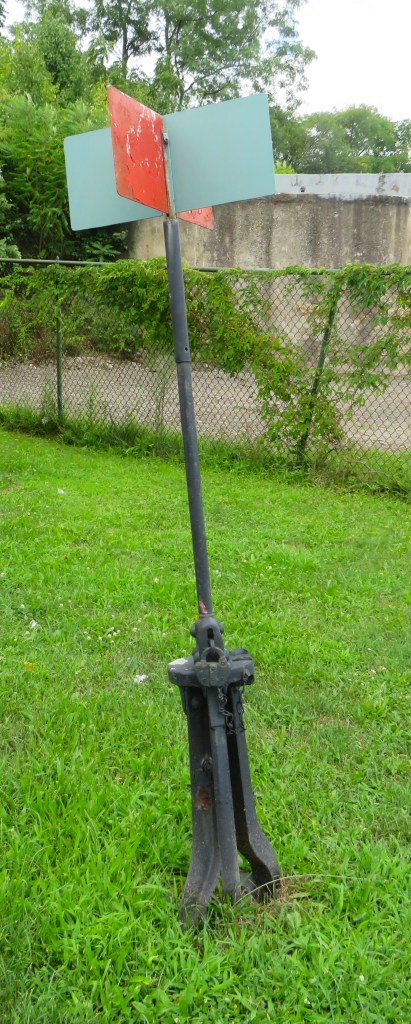
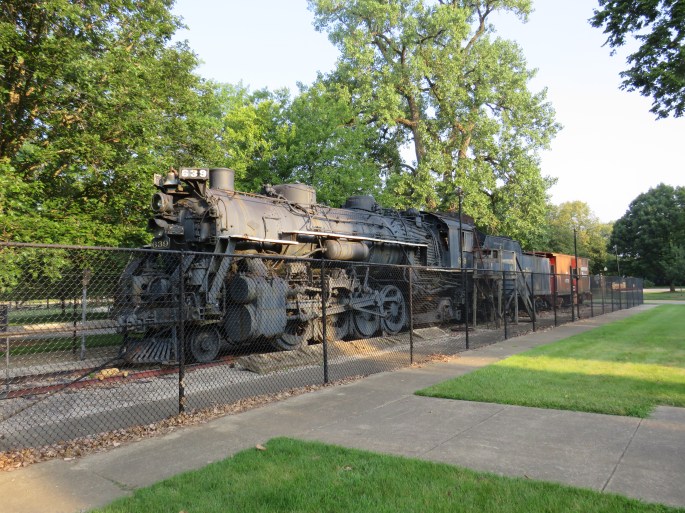
Oh, you will want to take a walk in this park.  Why?  One of the big features of this park is Nickel Plate Road Steam Locomotive Number 639 and its tender.  Another feature is Caboose Number 4770 from the Southern Pacific Railroad.  Other feature include a whistle that was on top of the shops of the Chicago and Alton Railroad and pays tribute to the workers of those shops.  (The shops are now gone.)  Another feature is an old semaphore.  (Semaphores have been replaced by the railroad signals today.)

The locomotive was built by the Lima Locomotive Works and was used by the Nickel Plate Road.  When the Nickel Plate Road decommissioned the locomotive, they donated it to the park.  Today, it is on display with the Southern Pacific Railroad Caboose.

Miller Park is located at 1020 S. Morris Avenue in Bloomington, Illinois along the Historic U.S. Route 66.  (It is west of U.S. Route 51 by way of Wood Street.)  Parking is on side.  The park is open sunrise to sunset, and the park is wheelchair accessible.

When in Bloomington, Illinois, visit Miller Park.  See a locomotive that once ran on the rails of the United States of America.

Erb’s Coleman Museum, Sugarcreek, Ohio

The U.S. state of Ohio is a state with major cities and small towns.  Among those small towns is the town of Sugarcreek.  Located within the largest Amish region in the United States of America, it is famous for the World’s Largest Cuckoo Clock and the Age of Steam Roundhouse, an active railroad roundhouse that is also a museum.  Just a short drive from the Age of Steam Roundhouse is Erb’s Coleman Museum.  What is Erb’s Coleman Museum?  It is a collection of Coleman products mainly lamps.  The Coleman Company is known for camping products including lamps, coolers, tents, and other things, but there is also a collection of lamps used in homes.  Once you complete you visit to the Age of Steam Roundhouse, make a short trip to Erb’s Coleman Museum.

Some of you are saying, “This is great.  I love Ohio, and I definitely love the Age of Steam Roundhouse.  As for Erb’s Coleman Museum, well, I am not really a camper or an outdoorsman.  Since it is not a railroad place like the Age of Steam Roundhouse, you will not find me camping out here.”

You are right.  It is not a railroad museum.  Why visit Erb’s Coleman Museum?

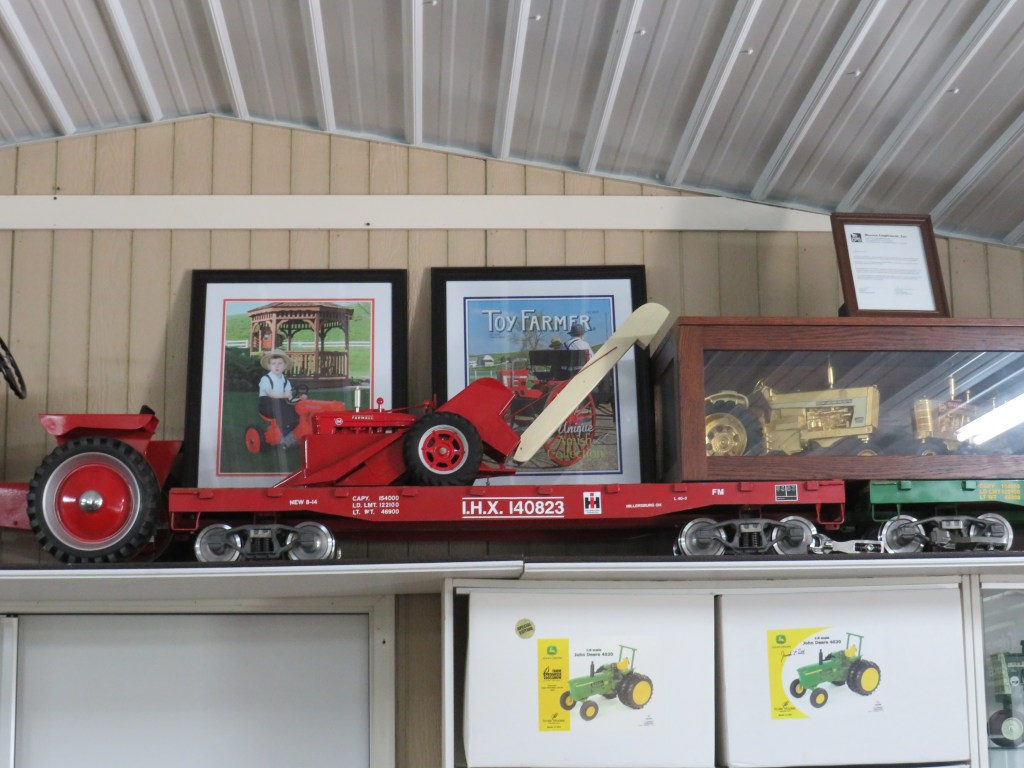
As you approach the museum, you will see a tent and maybe an Amish buggy.  It is Amish Country.  As you enter, you see a collection of lamps used for camping and for living and bed rooms.  When you go upstairs, you see coolers, old radios, gas stoves, railroad flatcars…

Some of you are saying,  “Railroad flatcars?”

You will see railroad flatcars across the tops of the exhibition cabinets.  Sadly, they are not on a track, but there are plenty to see.

Whether you are an outdoors person or not, Erb’s Coleman Museum is a great place to visit, and it is a great compliment to your visit to the Age of Steam Roundhouse.  It is located at 149 Seldenright Road SW south of the town of Sugarcreek.  Please note that that property is not wheelchair accessible and requires that you climb a flight of stairs to the second floor.  They also do not have a website, and only cash is accepted.  What you will see is over 3,000 items on display.

Going to Christmasville

It was the first day on the job.  Joey was a conductor who was preparing the train to the town of Christmasville.  He boarded his car, and the train pulled up to the station platform.  He stepped off the train.  “All aboard to Christmasville.”

The passengers lined up to board the train.

A father, mother, and boy started to board the train.  “Are you going to Christmasville?”  He asked the boy.

“Oh, I am.”  The boy was very excited.  “I can’t wait to see Santa Claus.”

“I bet that he can’t wait to see you.”  Joey smiled.

Photo by olia danilevich on Pexels.com

A few other passengers boarded, and then came a man and a woman who appeared to be pregnant.  “Are you going to Christmasville?”

“Oh,” the man smiled, “we could be having our first child born in Christmasville.”

He looked at their tickets.  “Well, Joseph and Mary, I hope that you have a happy child.”

More passengers boarded, and then there were three men holding presents.

Photo by Damir on Pexels.com

“Who are the gifts for?”  Joey inquired.

Photo by Andras Stefuca on Pexels.com

“Oh,” one of the men smiled, “We are going to see the king.  We are offering him gifts.”

Photo by Nicolu00e1s Rueda on Pexels.com

“Great!  I hope that enjoy the ride.”

The three men boarded the train.  More passengers boarded until it was time for the train to depart.  Joey was about to board the train when he saw a beautiful lady wearing a shiny blue robe walking towards him holding a ticket.  He noticed her bright white feathery wings and the shine on her face, her hands, and her feet with a golden tattoo on her right foot that sparkled and a shiny brass toe ring on her middle toe.

Photo by Nataliia Holovchuk on Pexels.com

“You’re an angel.”  Joey was very excited.

Photo by Dmitrii Eremin on Pexels.com

The angel smiled.  “I am happy to be riding with you.”  She winked at him.

“But…”

Photo by Tony Zohari on Pexels.com

“I know that I am an angel, but I rather would take the train to Christmasville.  It gives my wings a rest.”  She interrupted.

“All aboard.”

Photo by Vladimir Srajber on Pexels.com

The angel boarded the train.  Joey looked around for more passengers before he boarded the train.  The train pulled out of the station and was on its way to… Christmasville.

Wishing everyone a very MERRY CHRISTMAS!!!

Photo by NastyaSensei on Pexels.com

The cover photo was AI generated

The first photo is from Aberdeen, North Carolina, U.S.A.

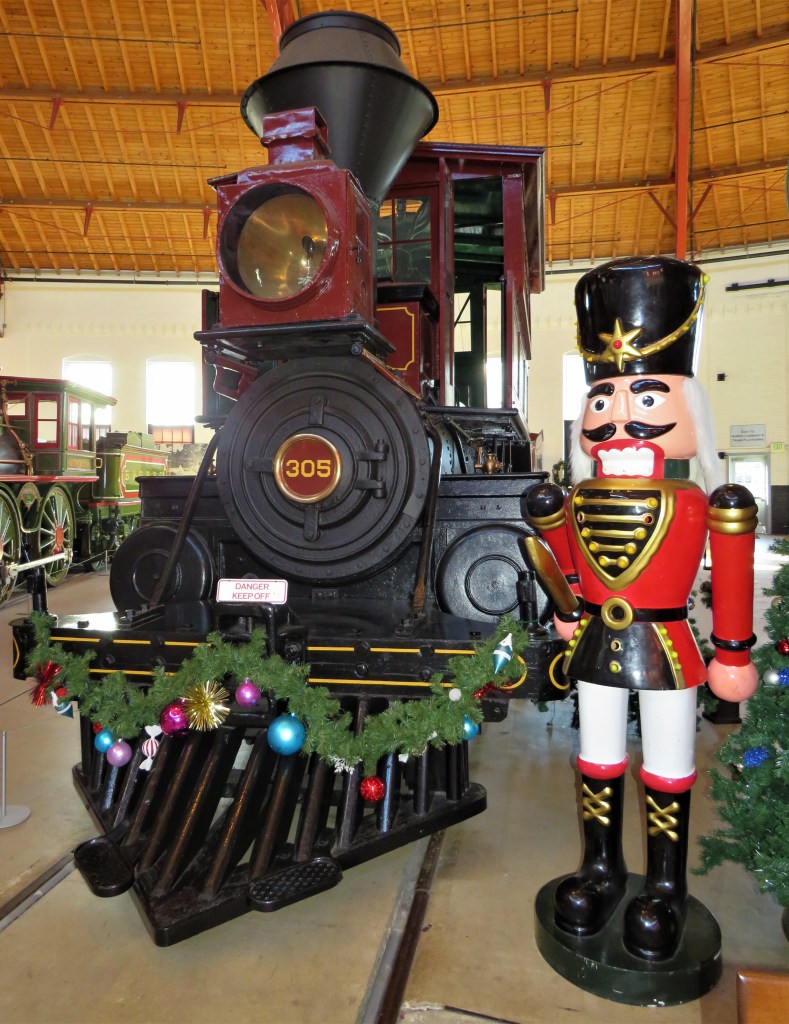
The third photo is from the Baltimore and Ohio Railroad Museum in Baltimore, Maryland, U.S.A.

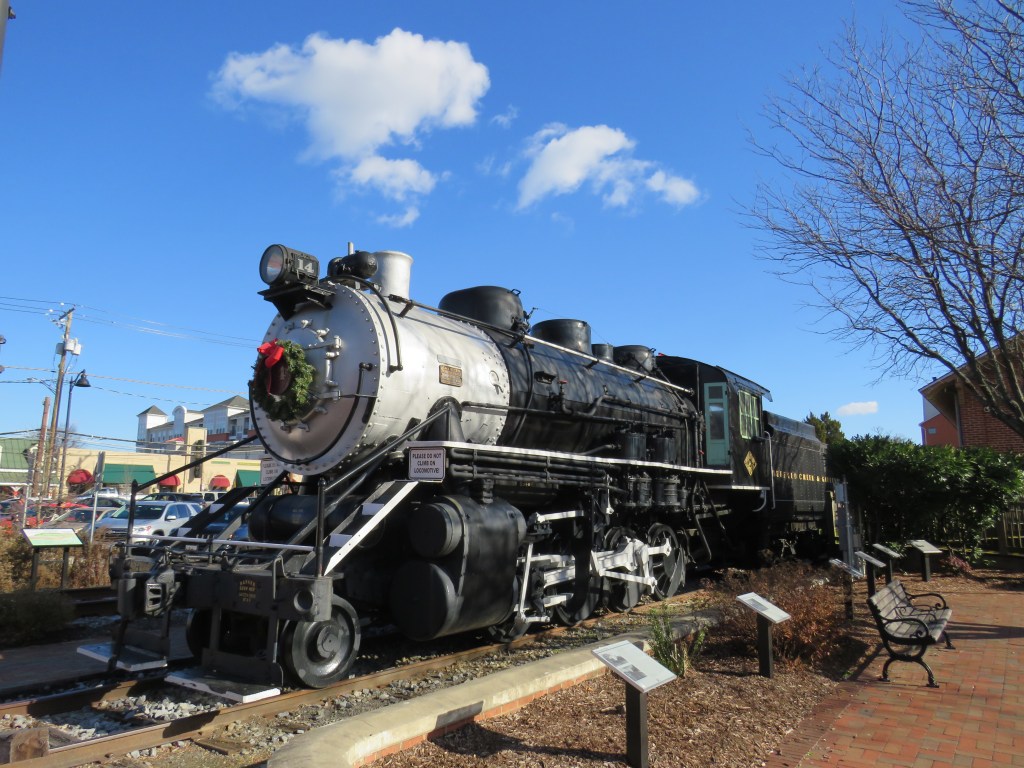
The fourth photo is from Aberdeen, North Carolina, U.S.A.

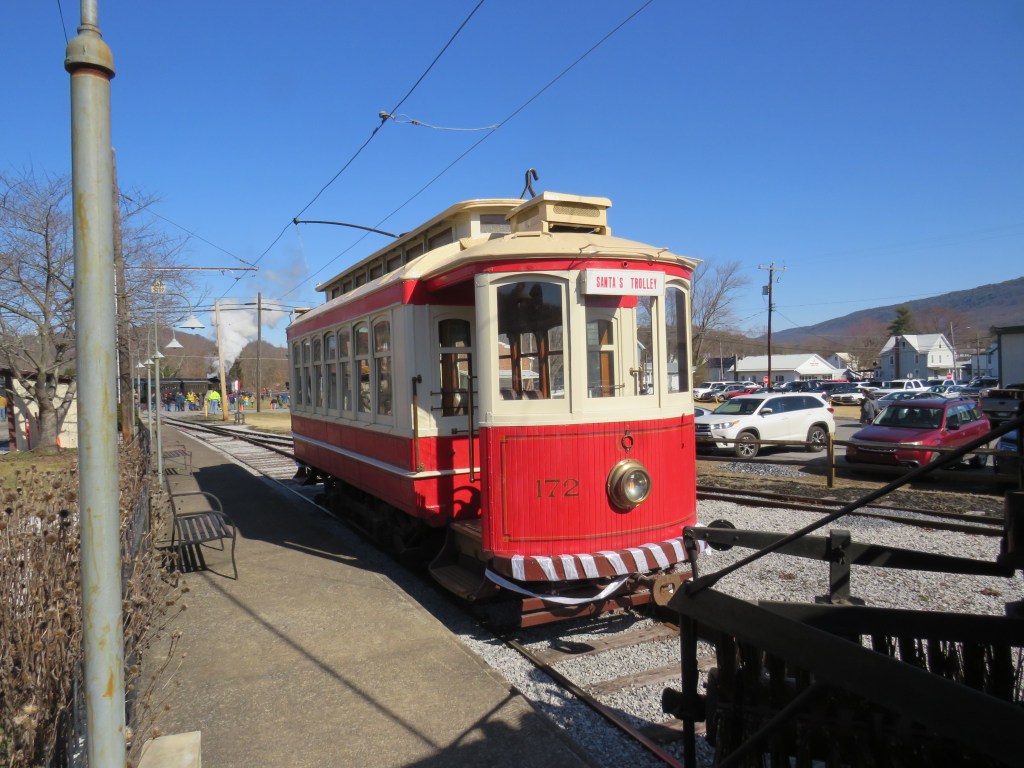
The fifth photo is the Santa Trolley at the Rockhill Trolley Museum in Rockhill, Pennsylvania, U.S.A.

The sixth photo is from the Star Barn in Elizabethtown, Pennsylvania, U.S.A.

The seventh photo is courtesy from Pixels.com.

The eight photo is from Gaithersburg, Maryland, U.S.A.

The ninth and tenth photo is from the model train display at the United States Botanical Gardens in Washington D.C.

The eleventh, twelfth, and thirteenth photo is courtesy from Pixels.com.

The fourteenth photo is from Sanford, North Carolina, U.S.A.

The fifteenth, sixteenth, seventeenth, and eighteenth photo is courtesy from Pixels.com.

The nineteenth photo is the tree at National Harbor in Oxon Hill, Maryland, U.S.A.

The last photo is courtesy from Pixels.com.

The Kruger Street Toy and Train Museum, Wheeling, West Virginia

There are so many things about the U.S. state of West Virginia.  It is a state that has so much natural beauty.  You have the New River Gorge.  You have Dolly Sods, the largest unspoiled natural area east of the Mississippi River.  You have the many mountains and valleys.  Are you thinking about the coal mining industry?  You can visit the Beckley Exhibition Coal Mine, a once active coal mine in Beckley that is now open for public tours.  What about railroads?  You have the Cass Scenic Railroad in the town of Cass that takes you to the top of the second highest point in the state.  Also in Cass, you can take a ride on the Durbin Rocket.  You have the city of Elkins that was once a major railroad city with only excursion trains today.  Elkins is also the home of the West Virginia Railroad Museum that tells the history of the railroad in the state.  There is so much to the state of West Virginia from small towns to natural beauty to railroads to its cities with the largest city being Charleston, the state capital.  A city that is very often overlooked is the city of Wheeling.  How is it overlooked as Interstate 70 and the National Road (U.S. Route 40) passes through this city which happens to be on the Ohio River and borders Ohio?  Once known as the ‘Gateway to the West’, it was once a big railroad town with the Baltimore and Ohio Railroad having a presence here, but it has a great little treasure known as the Kruger Street Toy and Train Museum.

What is the Kruger Street Toy and Train Museum?

Some of you are saying, “Well, duh, it is a museum of toy and trains that happens to be on Kruger Street.”

You are exactly right.  It is on Kruger Street.  It is about toys and trains.  Well, it is about model trains of which there are plenty here.  Yes, there are plenty of museums about toys and about trains, but what makes this place different?

It all began with a father and son who collected toy trains.  The collection grew, and they decided to display their collection in a museum, but where?

As you arrive at the Kruger Street Toy and Train Museum, you notice that it looks like a school.  That is because it was a school.  It was bought through an auction, and the Kruger Street Toy and Train Museum was opened in September of 1998.

Before you enter the old school, you notice a yellow caboose.  Yes, there are cabooses everywhere, but this particular caboose is from the Baltimore and Ohio Railroad as a memorial to the Baltimore and Ohio Railroad’s influence to the city of Wheeling.

Ladies and gentlemen, this is just the beginning.

You enter the museum, the very first thing you see… is a model train, but there is much more.

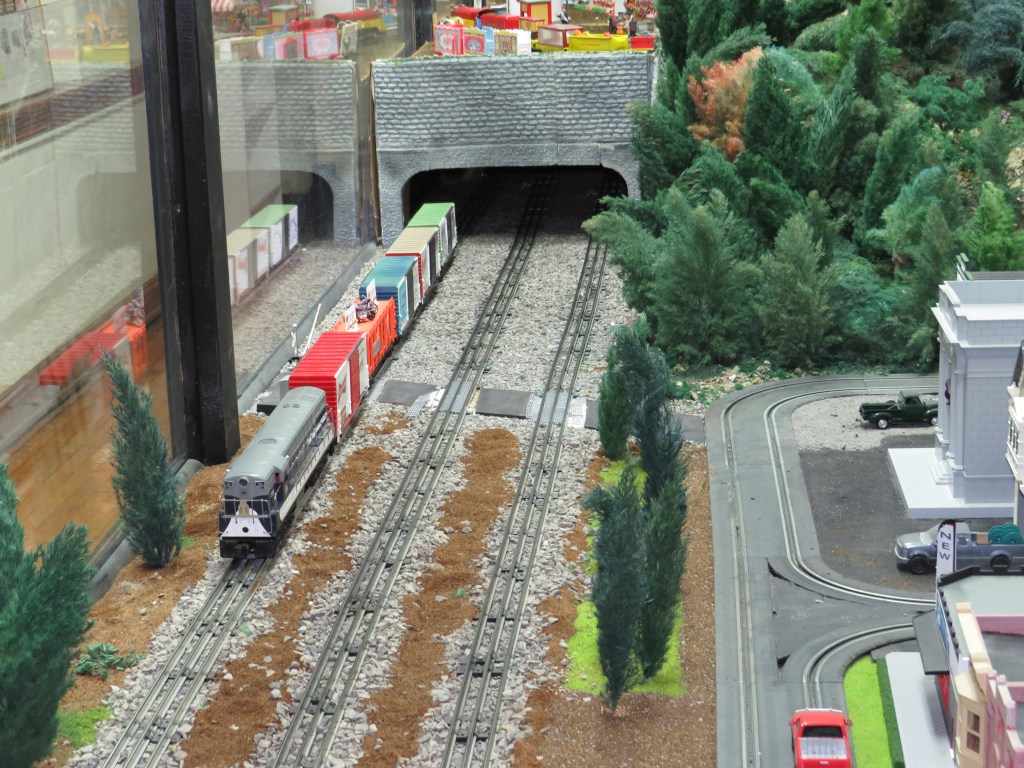
The museum features rooms dedicated to different toys, and there are rooms dedicated to different model trains.  You have the O Gauge Room.  (O Gauge is a size of the model train.)

Then there is the Ohio Valley History Room which has a model train display of the Ohio River Valley of which Wheeling is a part of, and there is a display in honor of Chuck Yeager, a famous jet pilot from the state who is famous for breaking the sound barrier.

What is a train museum without the Historic Train Room?  The room has a collection of historic model trains from Lionel.

You have the HO Gauge Room.  Yes, it features a HO Gauge model train display, but it also displays locomotives in brass and model trains from all gauges.

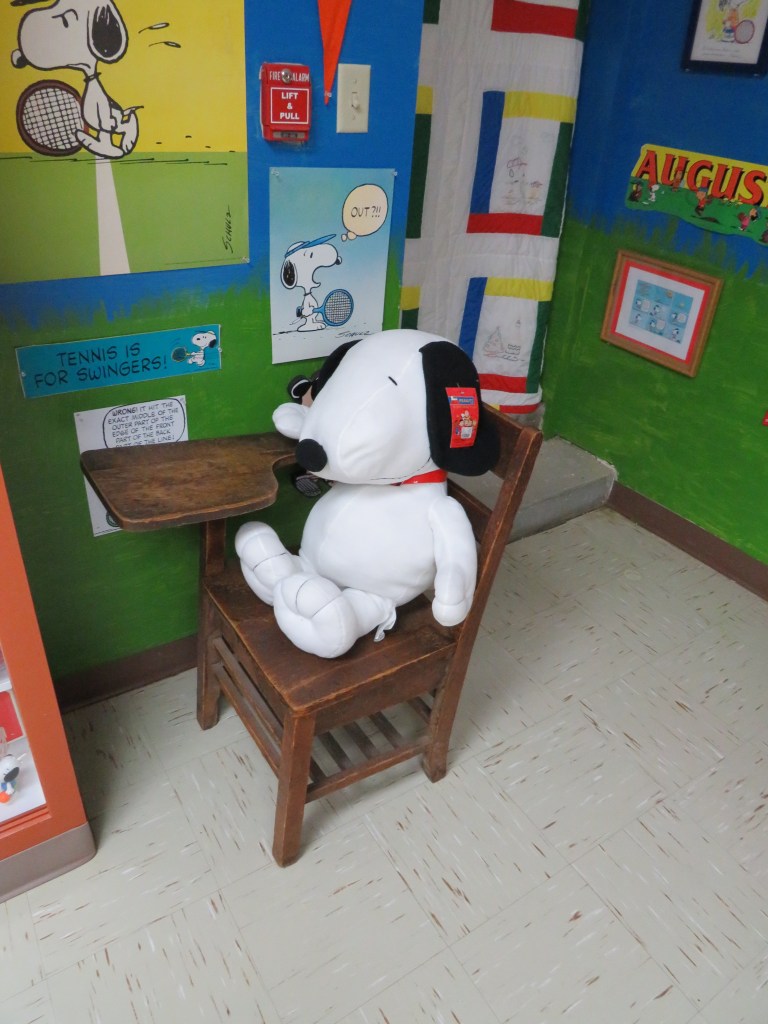
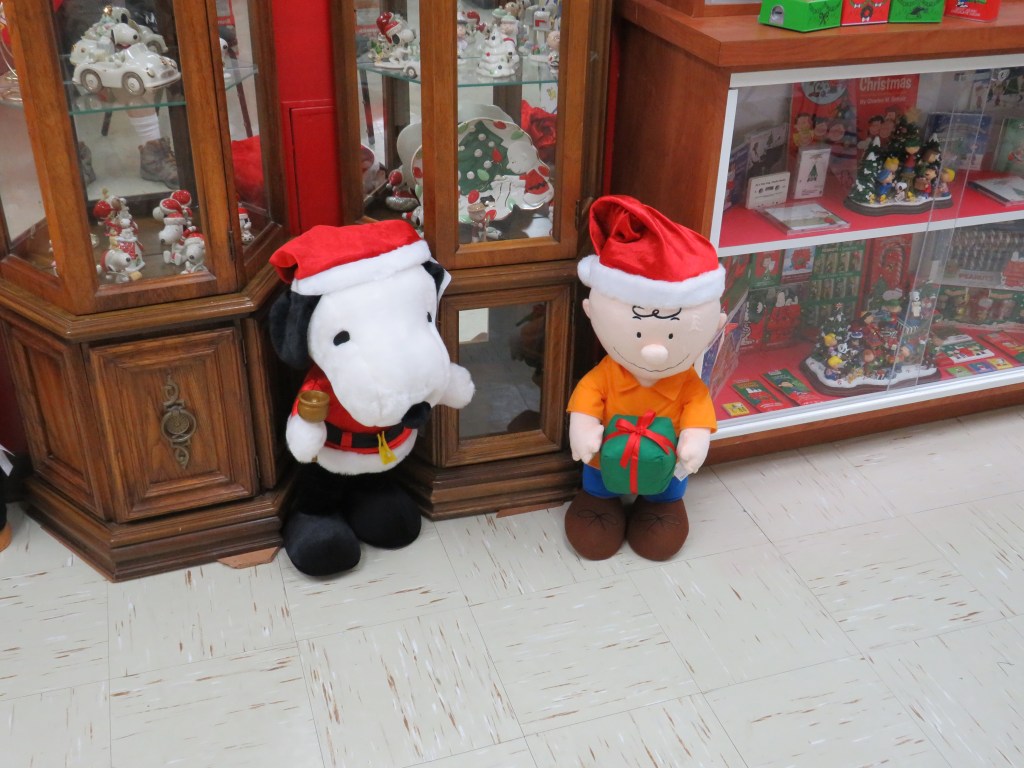
Yes this is a museum about toys and trains.  For those who are a fan of Peanuts (the cartoon and not the food item), the museum features a collection of Snoopy, Charlie Brown, and other Peanuts characters that was donated by a local doctor named William Mercer so that many would enjoy the collection for years to come.  Yes, it is about Peanuts, but there is also a model train display here as well.

The Kruger Street Toy and Train Museum is a very special museum in a not-so-famous part of West Virginia.  A visit here is a visit you will cherish.  For those of the older generation, it will bring back memories of your childhood.  For the younger ones, they will see the toys that the children played with before them.

The Kruger Toy and Train Museum is located at 144 Kruger Street in Wheeling, West Virginia.  It is less that a miles from Interstate 70, U.S. Route 40, and West Virginia Route 88.  The museum is open year round, but hours do vary due to the time of the year.  Parking is on site.  Due to the age of the structure, the museum is not wheelchair accessible.  You can learn more about the museum and its exhibits, the history of the museum and the building, and get information on hours and admission at https://www.toyandtrain.com/.

They call it wild and wonderful West Virginia, but the state has much to offer.  The city of Wheeling has the Kruger Toy and Train Museum.  When you visit, you will have a wonderful time.

The Cumberland Valley Rail Trail, Shippensburg, Pennsylvania

In the heyday of the railroad, there were railroad lines all over the United States of America.  As the railroad declined, less used railroad lines were abandoned.  Although many of these railroad lines are lost forever to time, many were preserved as rail trails.  Among these rail trails is the Cumberland Valley Rail Trail that runs between the towns of Newville to Shippensburg in the U.S. state of Pennsylvania, the U.S. state that produced the Penn Central Transportation Company (simply known as the Penn Central) and the world famous Pennsylvania Railroad of which, sadly, neither of them exist today.

Why is it called the Cumberland Valley Rail Trail?  Although Conrail was the last owner of the railroad line who took over the line from the Penn Central Transportation Company, the railroad line was originally owned by the Cumberland Valley Railroad that ran railroad service throughout what is called the Cumberland Valley with railroad line through much of the south central region of Pennsylvania and in the northern parts of the U.S. state of Maryland.  Very little of the railroad lines of the Cumberland Valley Railroad were preserved.

This brings us to the Cumberland Valley Rail Trail.  As mentioned, it begins in the town of Newville and it ends in Shippensburg.  What it special about Shippensburg?  Well, although it is not a famous railroad town, the Norfolk Southern Railway does continue to pass through the town, but it was also served by the Cumberland Valley Railroad that was taken over by the Penn Central Transportation Company and, the railroad line’s last owner, Conrail, who donated the railroad line to be converted into the railroad trail.

What is special about Shippensburg?  The town’s claim to fame is that it is the home of Shippensburg University.  The west end of the Cumberland Valley Rail Trail begins at the south side of Shippensburg University.  What is special about the rail trail beginning at Shippensburg University?  It is here where the Cumberland Valley Railroad Museum is located.

Why here at Shippensburg University?  Shippensburg University was a benefactor of the Cumberland Valley Railroad.  Here, you will find the Shippensburg Station, a replica train station that serves as a restroom stop for those utilizing the rail trail and is located where a passenger stop for the university was located.

Then you have a boxcar from the Penn Central Transportation Company.  What is special about this boxcar?  Well, it was not originally owned by the Penn Central Transportation Company but the New York Central System, a railroad company that was taken over by the Penn Central Transportation Company.  The boxcar was abandoned at a warehouse in town and was spared from being scrap metal and restored to house artifacts of the Cumberland Valley Railroad and its history and impact on the region.

Then you have another boxcar.  This one is from Conrail.  Inside, you will see artifacts and the history of Conrail and its people.

You take a short walk down the trail and you see a coal car From the Baltimore and Ohio Railroad.  Why is it here if the Baltimore and Ohio Railroad never came to Shippensburg?  The coal car came from a train wreck, and it was brought here as coal was shipped to Shippensburg University, and it is a reminder of how coal impacted the region.

So, if you need a reason to visit Shippensburg, Pennsylvania, you now have one.  The rail trail is easy for wheelchairs and so are the boxcars which are open from sunrise to sunset.  Most important, the rail trail and the boxcars are free to visit.