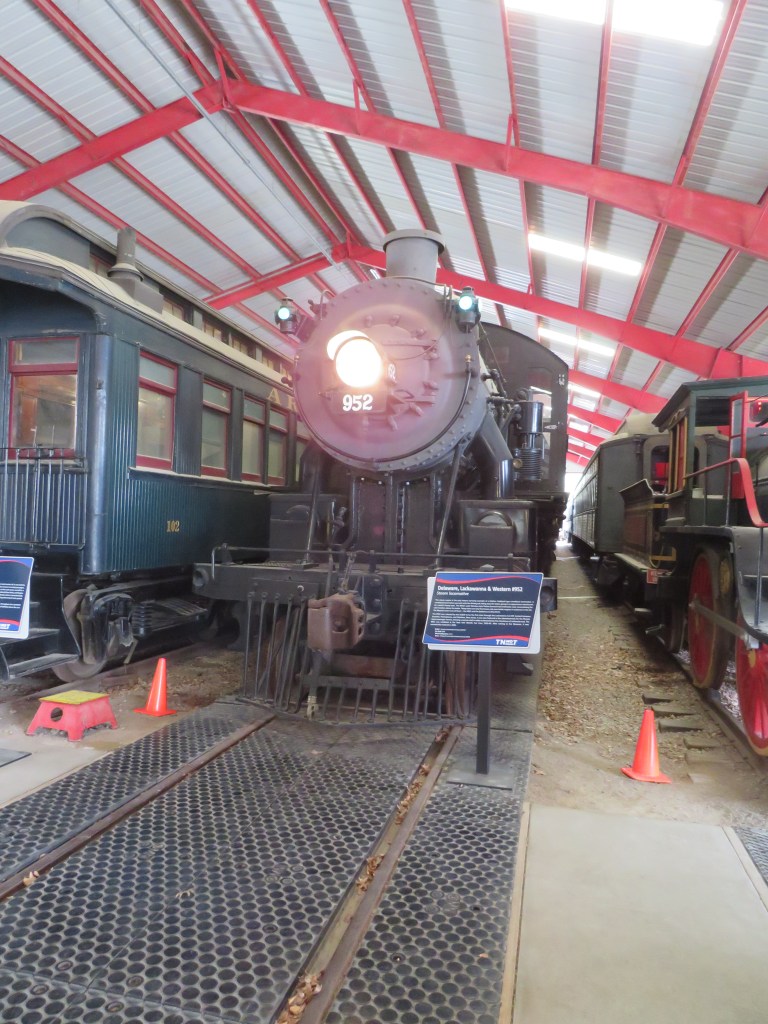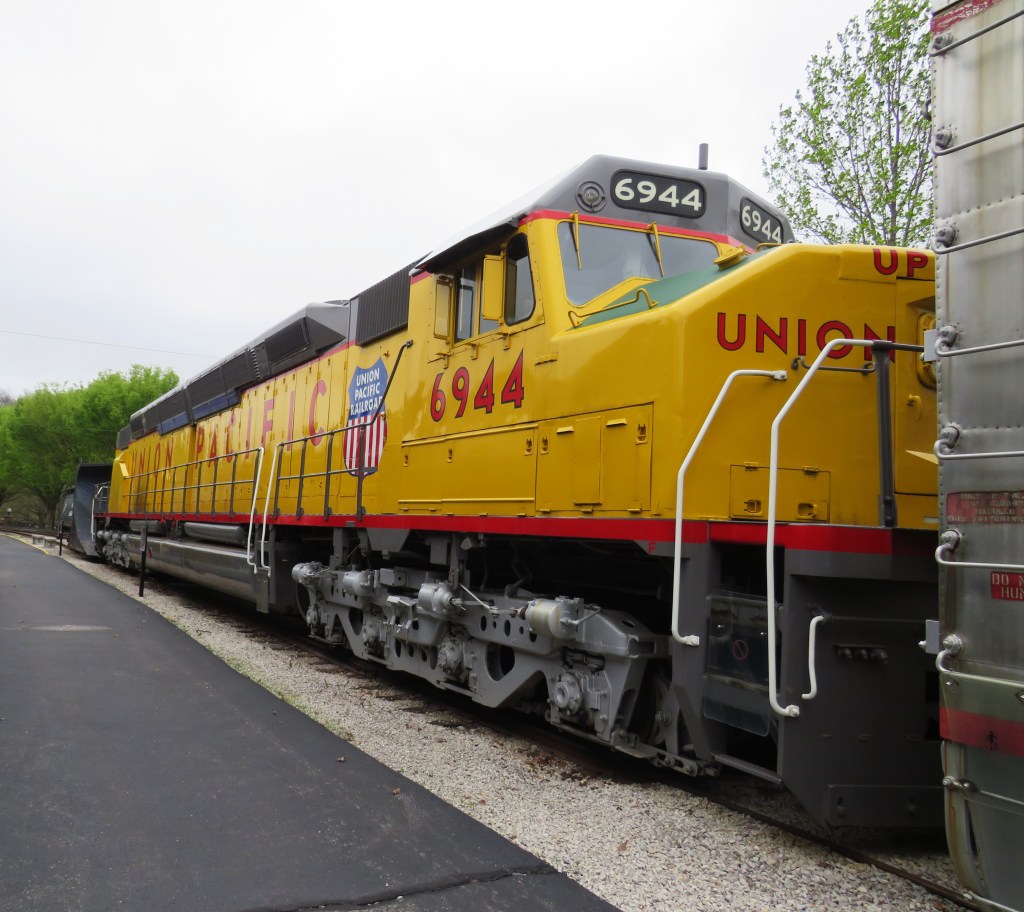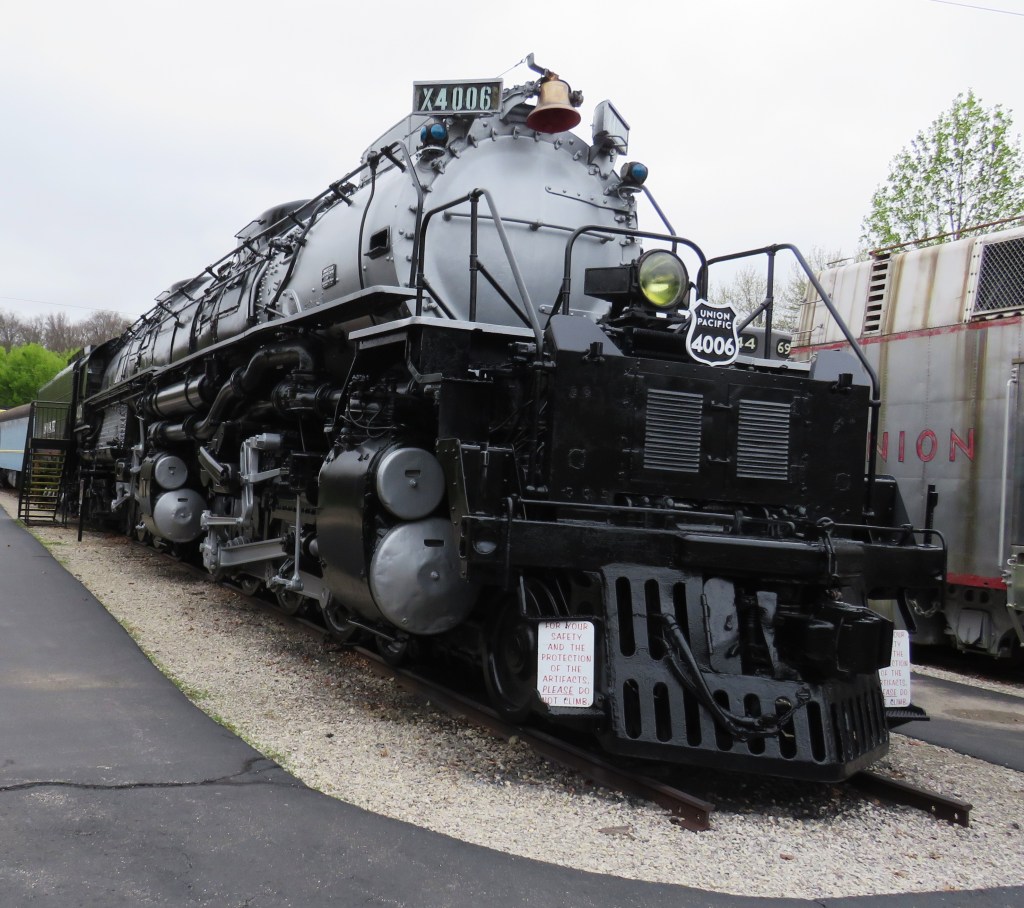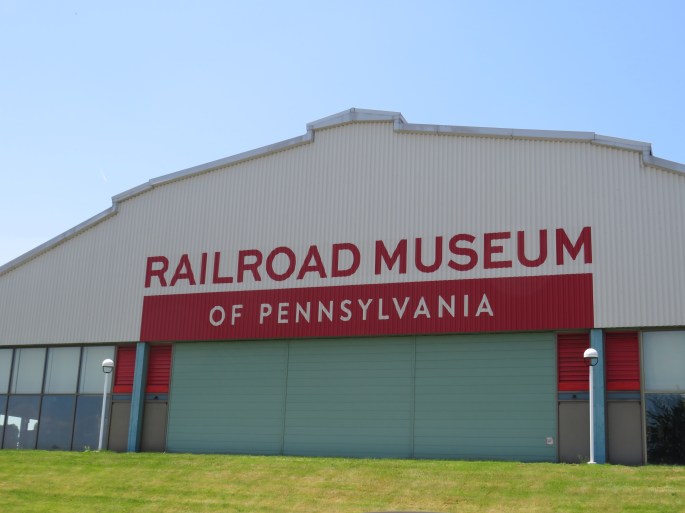
The National Museum of Transportation, Saint Louis, Missouri

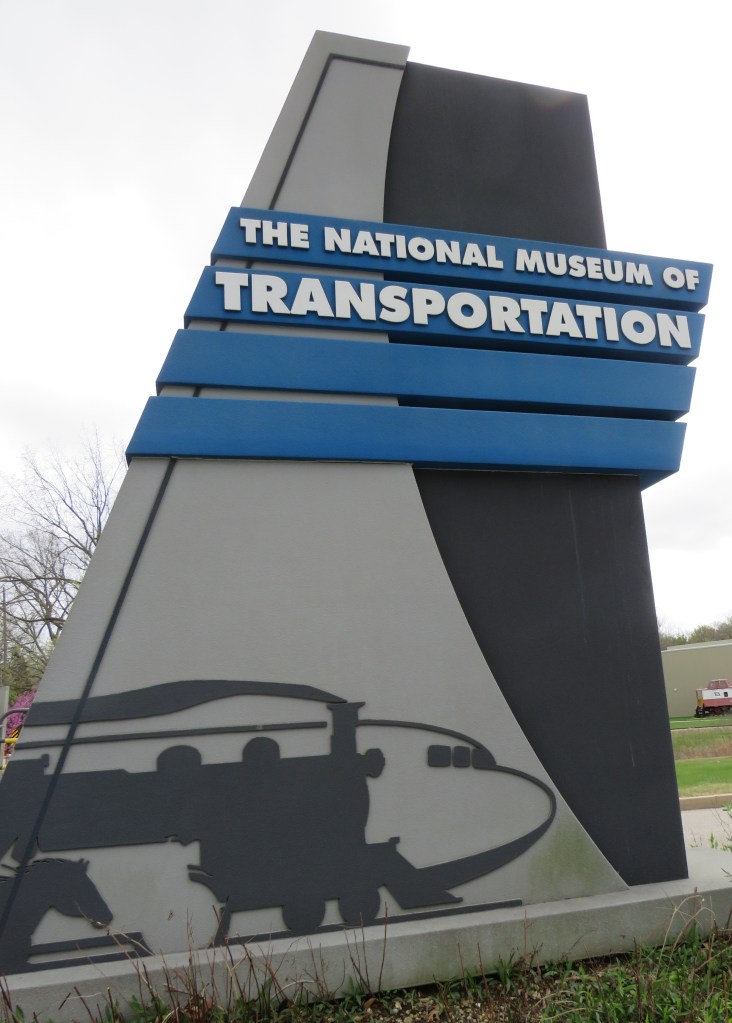
The city of Saint Louis in the U.S. state of Missouri, a city located on the Mississippi River, is commonly known as the ‘Gateway to the West’.  The city’s most famous landmark, the Gateway Arch, is a monument to those who went west to seek opportunities.  It is here in this city that you will find the National Museum of Transportation.

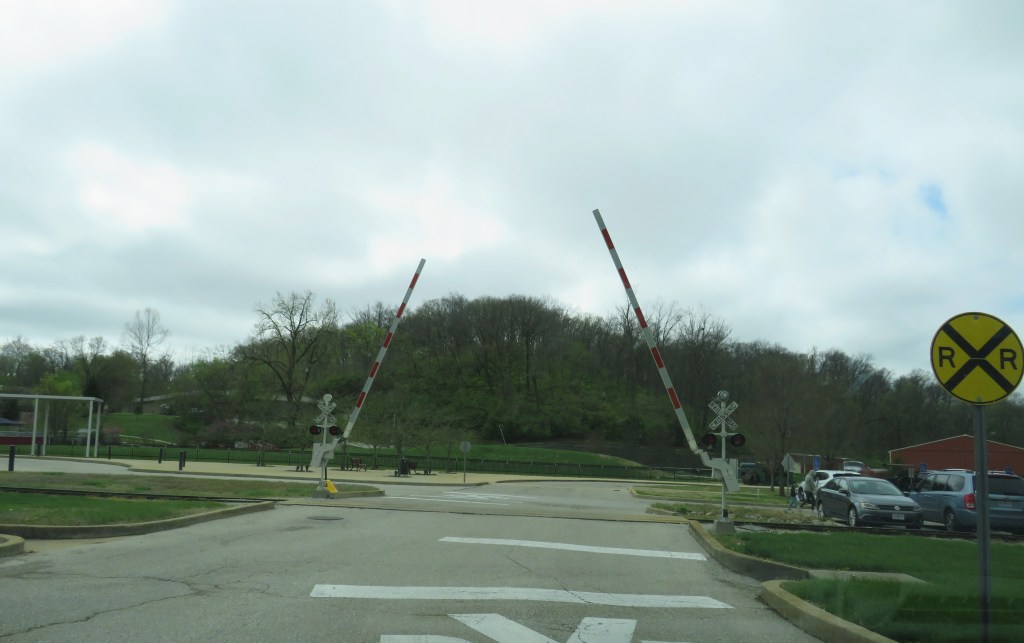
What is the National Museum of Transportation?  Well, of course, it is a museum of transportation from automobiles to planes to boats, but the majority of what you will see here is trains.  As you enter the museum parking lot, you must cross a set of railroad tracks.  This is just the beginning.

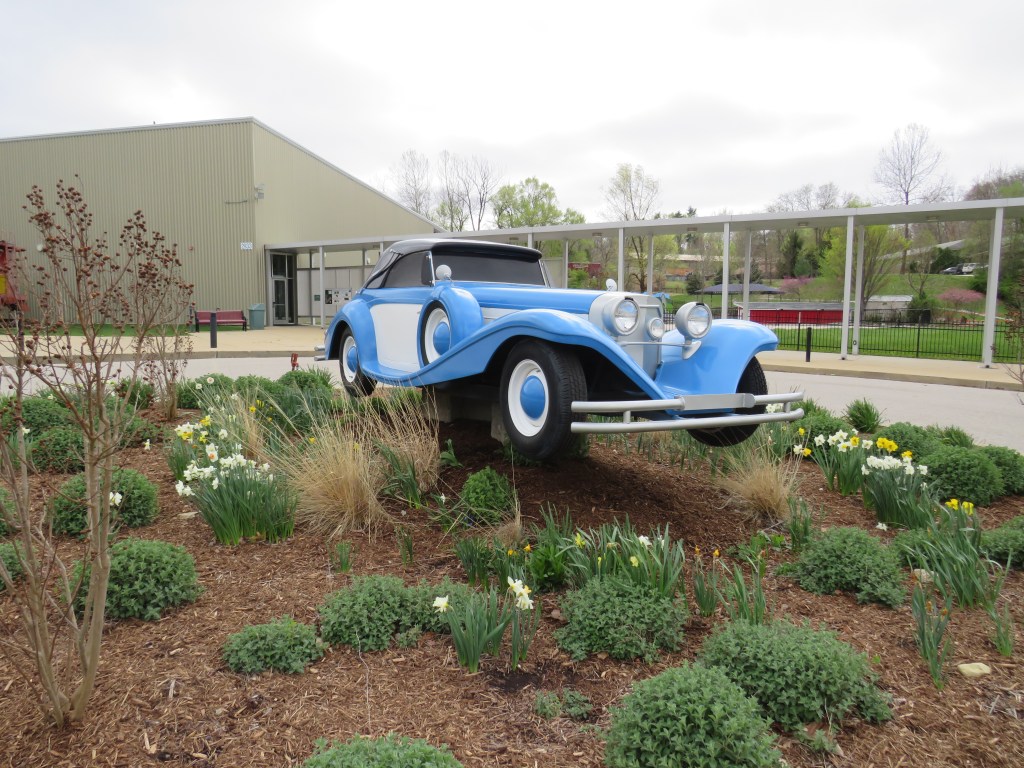
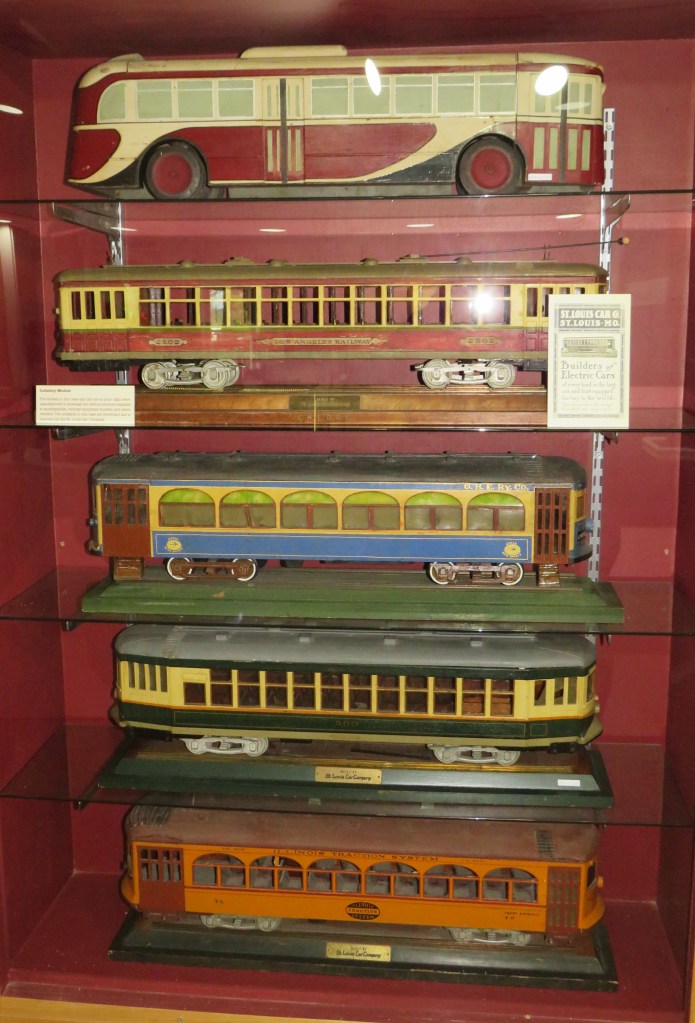
You park your car and walk to the Visitor Center where a Wabash Railroad Caboose sits outside.  You enter the museum, and you see automobiles on display.  Yes, it is a transportation museum.  As you walk around, you see a model train display, and you see model trains encased in glass.

Be warned.  You have not seen anything yet.

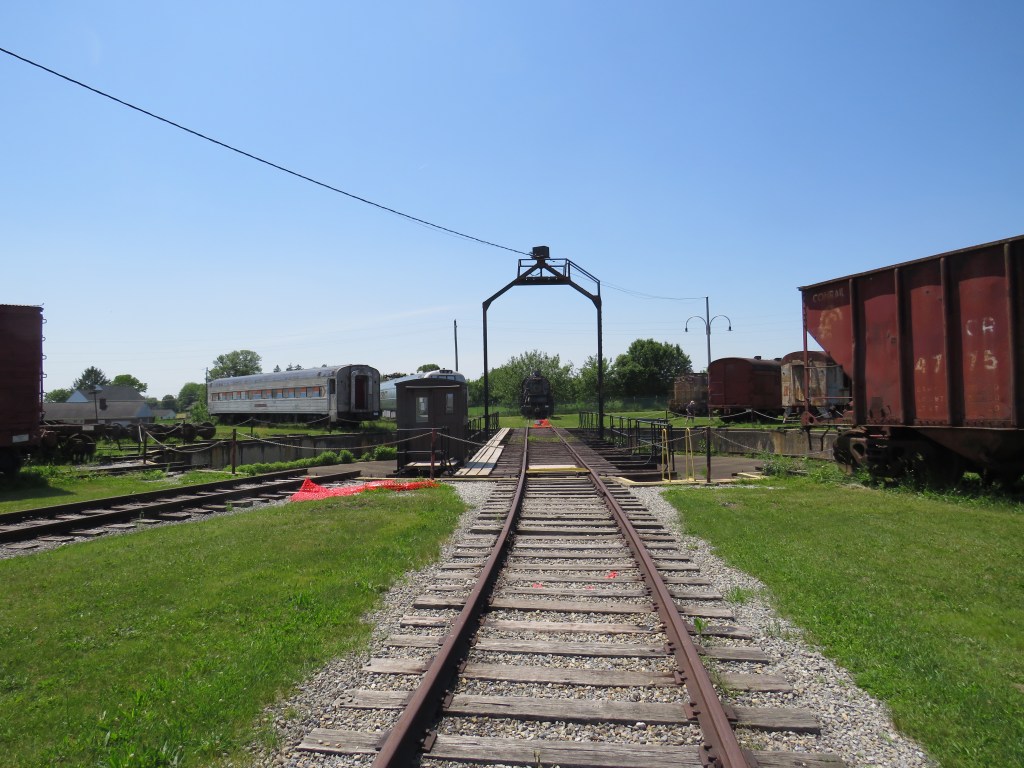
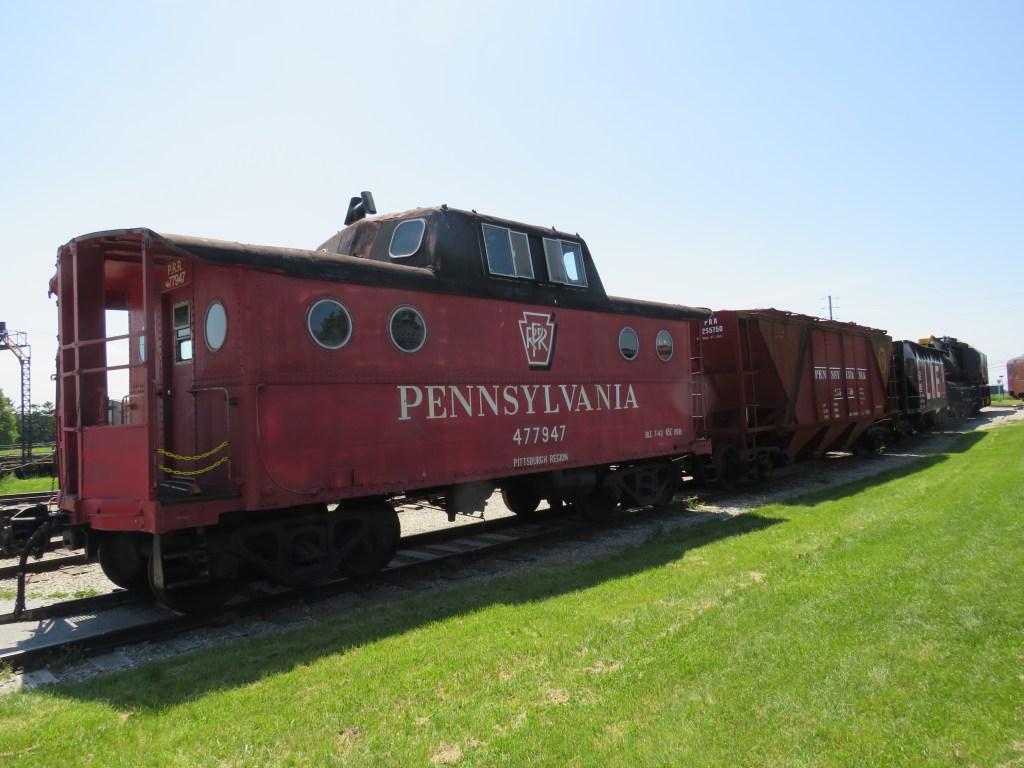
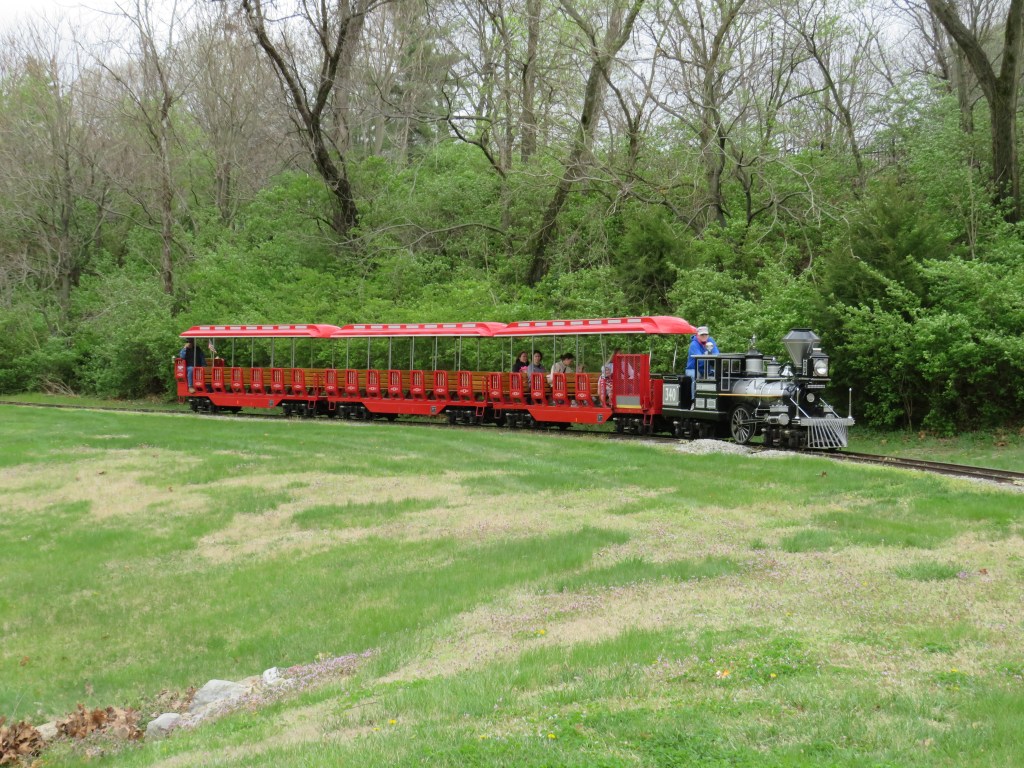
Remember when you crossed the railroad tracks as you entered the parking lot?  Well, you can take a ride on the miniature train that circles that parking lot.  You see aircraft on display and a tanker truck.  As you take a ride, the narrator tells you of each locomotive, mining equipment, and rolling stock you pass by.

In case you are wondering, there is much more to see.

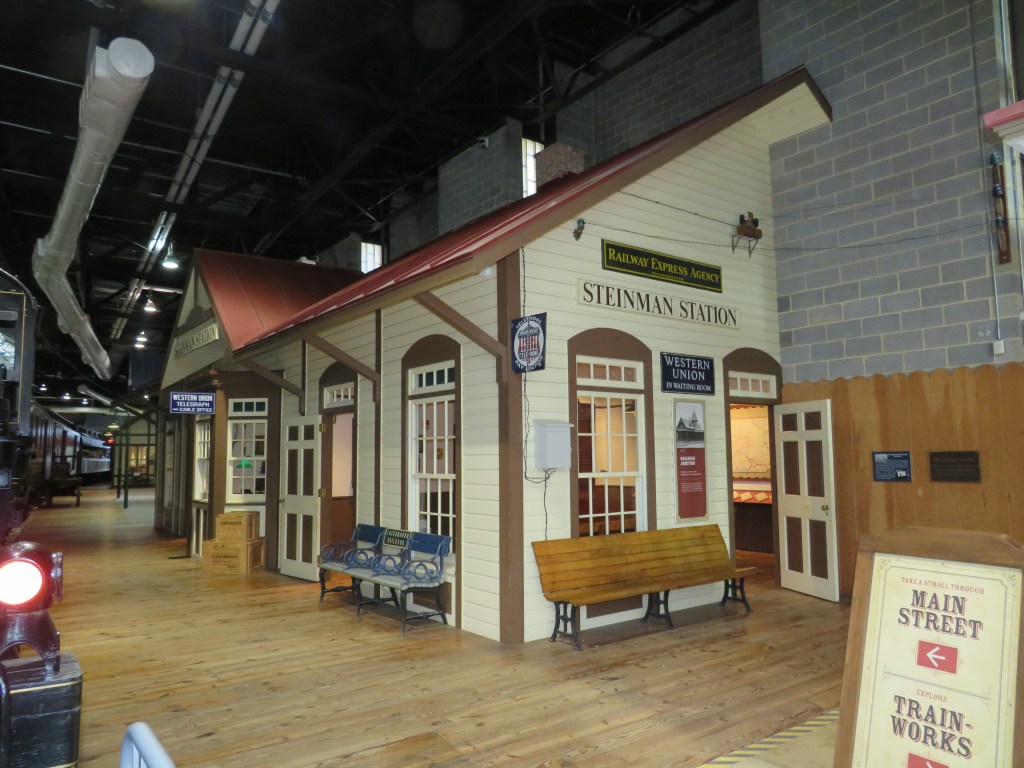
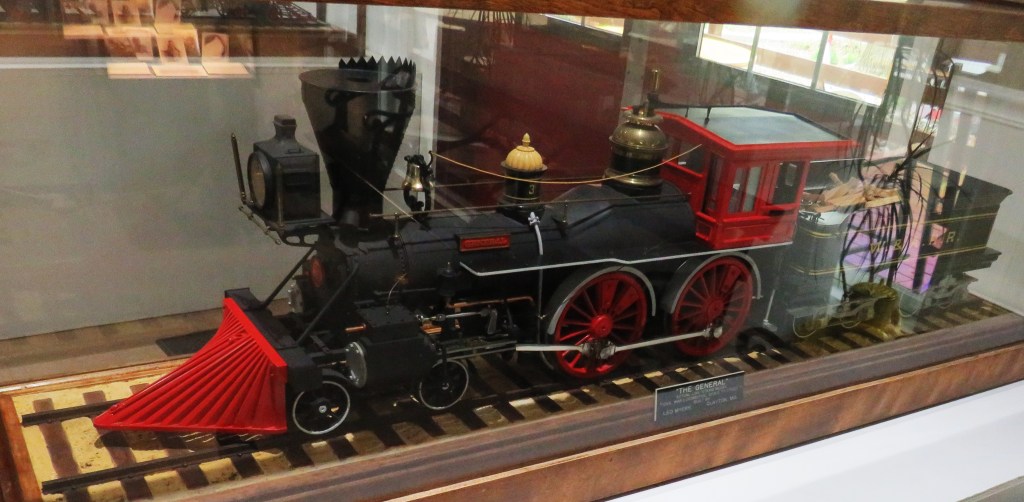
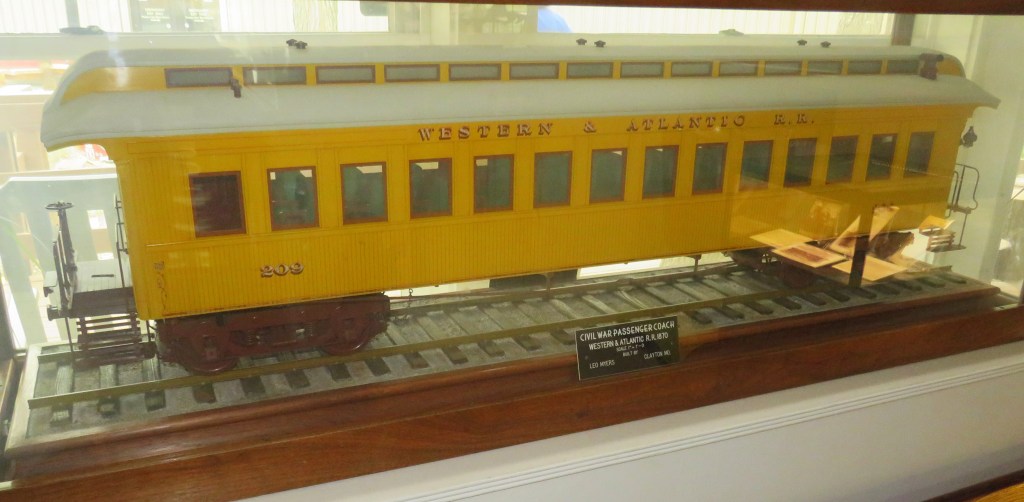
You walk through the Earl C. Lindberg Automotive Center seeing the old cars, and then you see an old train station.  On the outside, you see a model train display.  On the inside, you see models of locomotives and rolling stock to include a model of the ‘General’, a steam locomotive that was part of a chase in the U.S. state of Georgia during the American Civil War.

Now you think that you have seen a lot of trains so far.  At this point, you have not seen much.

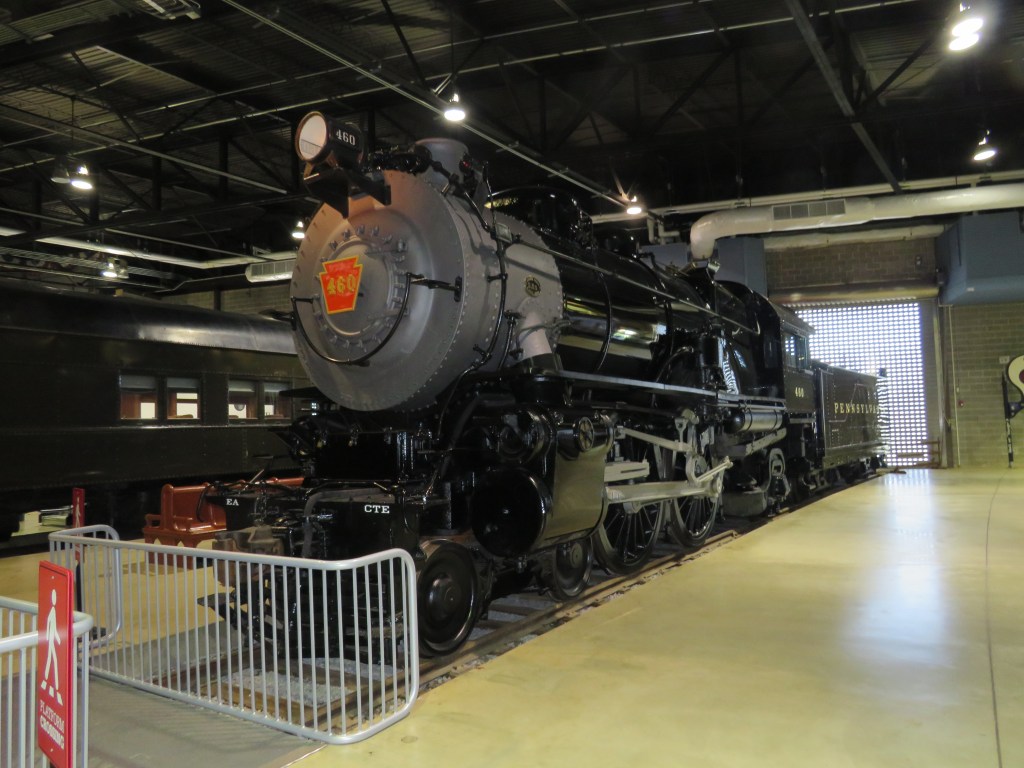
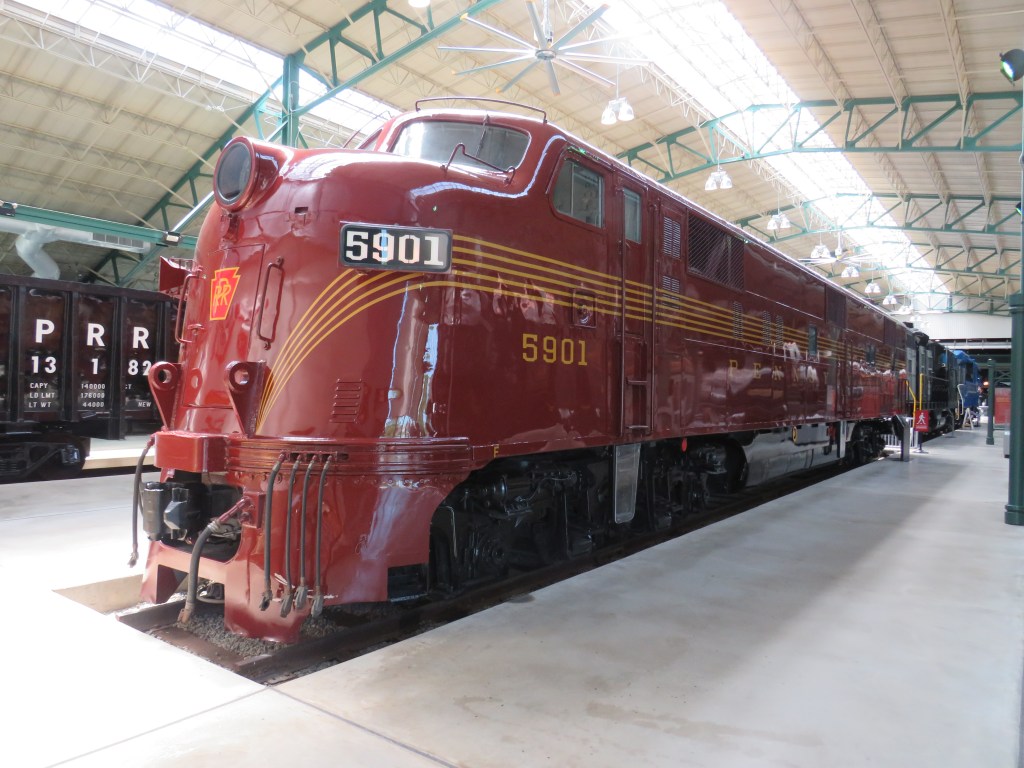
Why should you visit the National Museum of Transportation?  Ladies and gentlemen, this museum boasts a large collection of railroad rolling stock.  No, it is not just from the railroads that are particulate to the Saint Louis region.  You have rolling stock from the Missouri Pacific Railroad, the Georgia Railroad, the Northern Pacific Railway, the Burlington Route, the Baltimore and Ohio Railroad, the Union Pacific Railroad, the Norfolk and Western Railway to include Locomotive Number 2156, a locomotive that was originally at the Virginia Museum of Transportation in Roanoke, Virginia, and the Santa Fe Railroad just to name a few.  The collection includes locomotives, boxcars, passenger cars, trolleys, and other rolling stock.

The National Museum of Transportation is located at 2933 Barrett Station Road in Saint Louis, Missouri.  It is open year round, but the miniature train only runs seasonally.  The entire museum is wheelchair accessible.  You can get more information about admission, hours, and events at https://tnmot.org/.

The city of Saint Louis, Missouri is the Gateway to the West, and it is the home of a great museum known as the National Museum of Transportation.  Let us say that it is a gateway to transportation in the nation.

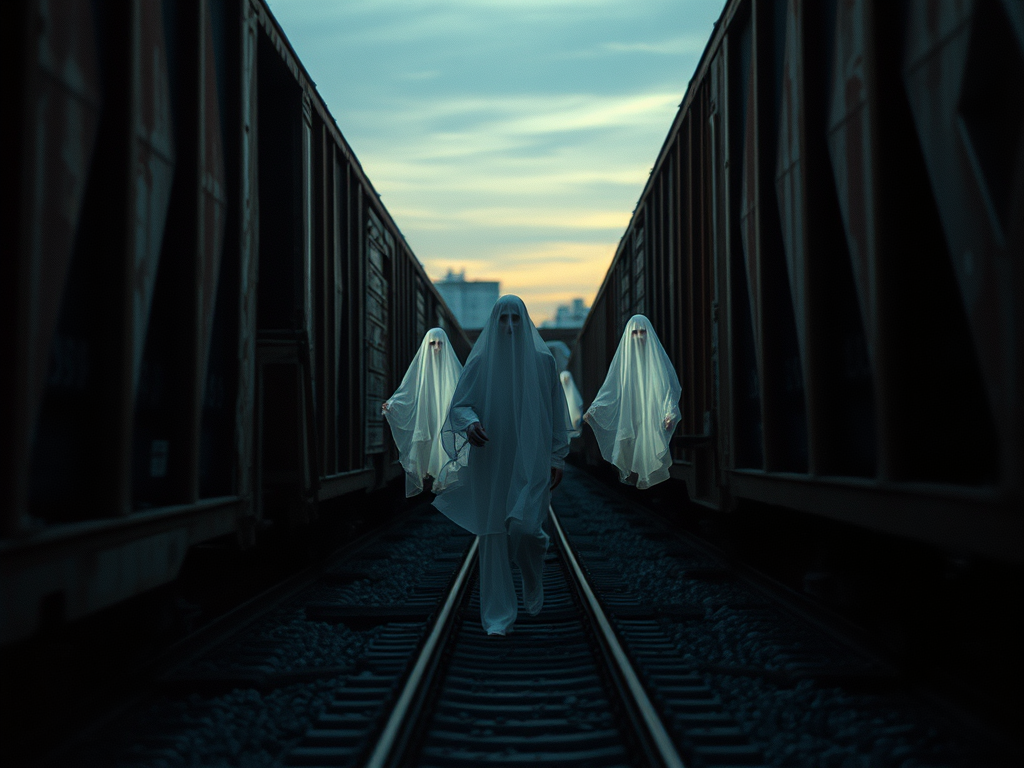
“The Ghosts of Eckington Yard”

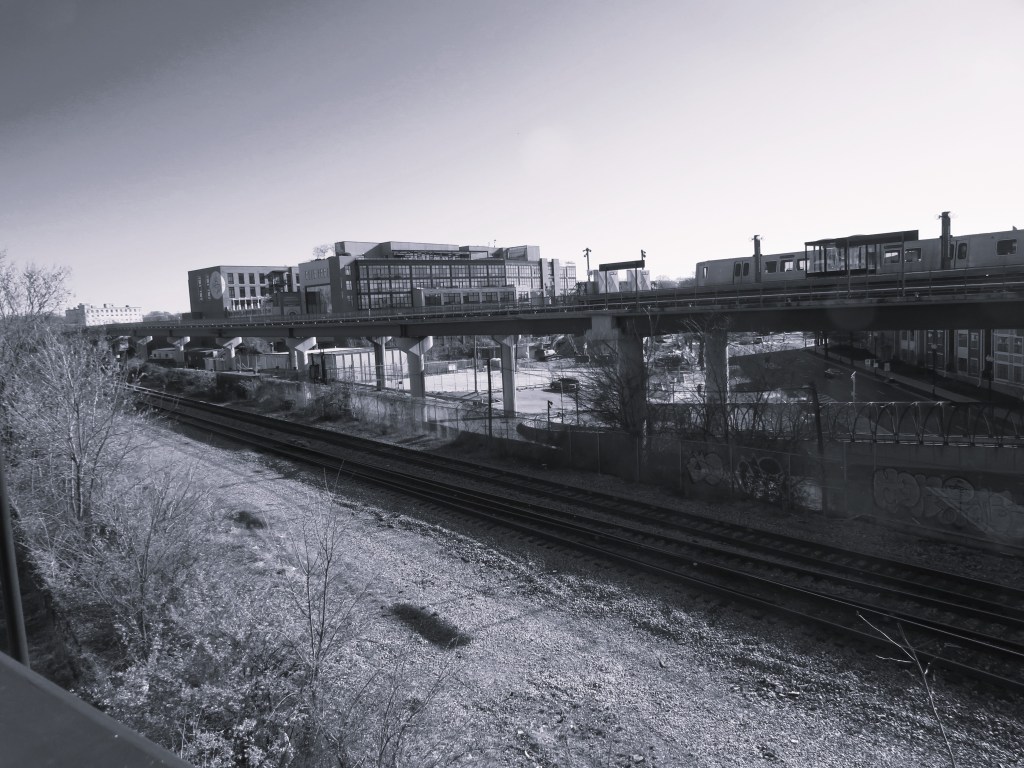
Washington D.C. is the capital of the United States of America.  (D.C. is an abbreviation for the District of Columbia.)  Like many cities, it has streets, and many of its avenues are named for the U.S. states.  One of its many entryways is a street known as New York Avenue.  What is special about New York Avenue?  Well, of course, it is named for the U.S. state of New York, but, before air travel, as New York City was the Gateway to North America with many ships passing by the Statue of Liberty, New York Avenue serves as a gateway into Washington D.C. for cars making the road famous for its massive traffic jams.  Before the Interstate Highway System as U.S. Routes were the way to travel across the nation, much of the traffic passing through the city came down New York Avenue as U.S. Routes 1 and 50 came down this road.  (Today, only U.S. Route 50 follows New York Avenue as U.S. Route 1 was rerouted.)  As you sit in traffic on New York Avenue, you notice that it follows an electrified railroad line.  (It was originally owned by the Pennsylvania Railroad but now owned by Amtrak.)  As you get closer to downtown, you see the railyard.  You climb a hill, you see the yard below.  Then you cross a bridge, and you do not see the yard anymore.  You see condos, high price condos.  The condos are part of the Eckington community, but what is special about those condos?

As mentioned, Washington D.C. is the capital of the United States of America.  It is one of the most visited cities in the world.  It is a city with a lot of history.  Although the city is not famous as a railroad city, there is much railroad history here.

So, what is special about those condos in Eckington?  The story begins when the Baltimore and Ohio Railroad, the nation’s first commercial railroad, came to the nation’s capital.

Until the 1970’s, New York Avenue was a roadway were there were many warehouses.  When you heard the traffic reports on New York Avenue, a warehouse was always used as a location.  The most famous warehouse was the Hecht Company warehouse.  Many of these warehouse were served by railroads.  As you travelled down New York Avenue through Eckington, you saw boxcars being loaded and unloaded.  During the Franklin Roosevelt Presidential Inaugural, you saw Pullman Cars at that site as, before airplanes, executives had their own private railcars.

That it just a small part of the story.

As the railroad lines went along New York Avenue before going south to Union Station, there were warehouses on the north side and south side of New York Avenue with many of the warehouses served by either the Pennsylvania Railroad or the Baltimore and Ohio Railroad that passed through the yard and went north.  The yard continued along the Baltimore and Ohio Railroad line about a mile north of where the Pennsylvania Railroad went south towards Union Station.  (Both the Baltimore and Ohio Railroad and the Pennsylvania Railroad served Union Station.)  In the 1970’s, the Washington Metropolitan Area Transit Authority took up a small section of the yard to build a yard for its subway trains.  Things changed as many of the warehouses either closed or began using trucks.  In the 1980’s much of the rails were removed, and much of the land was sold.

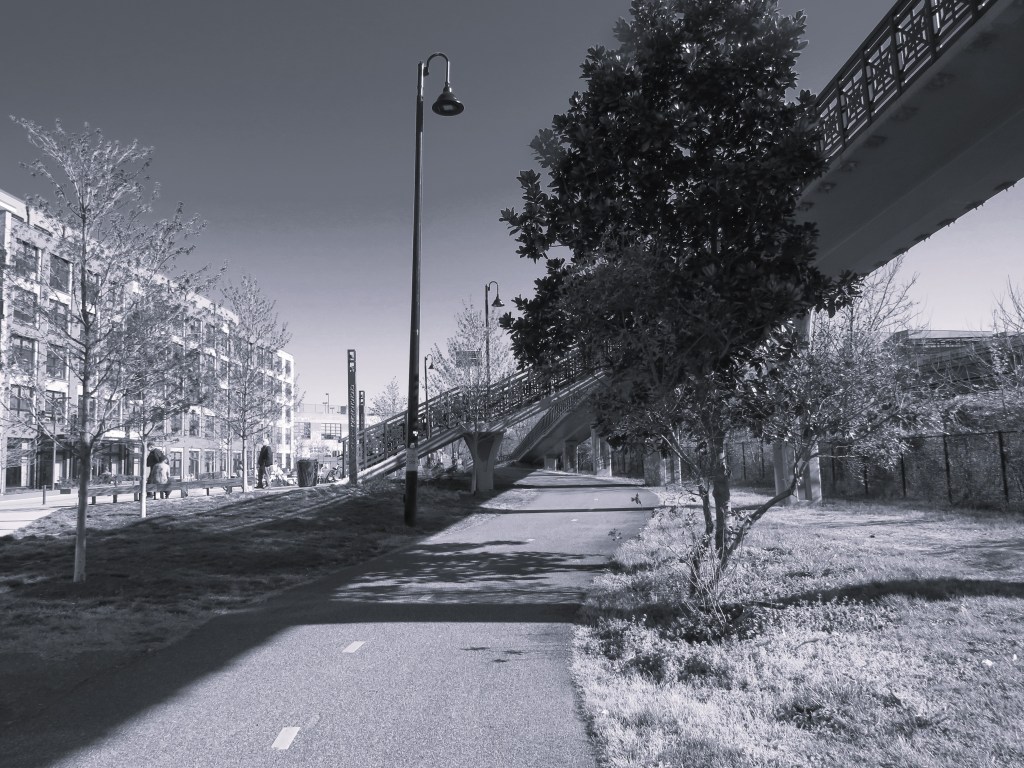
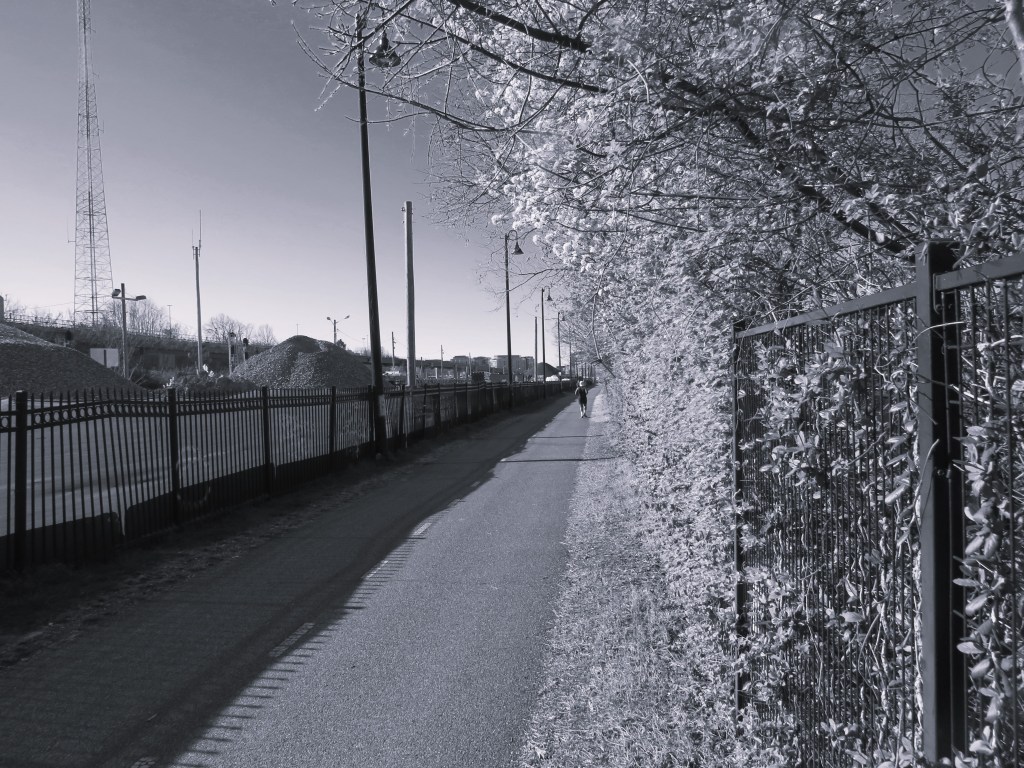
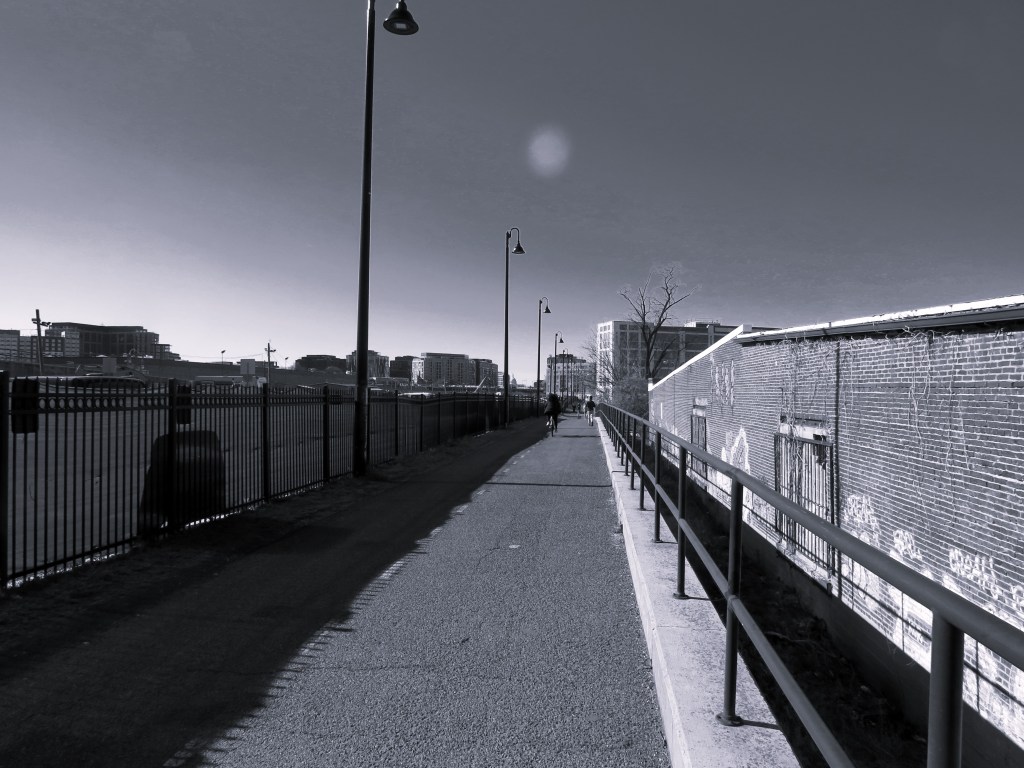
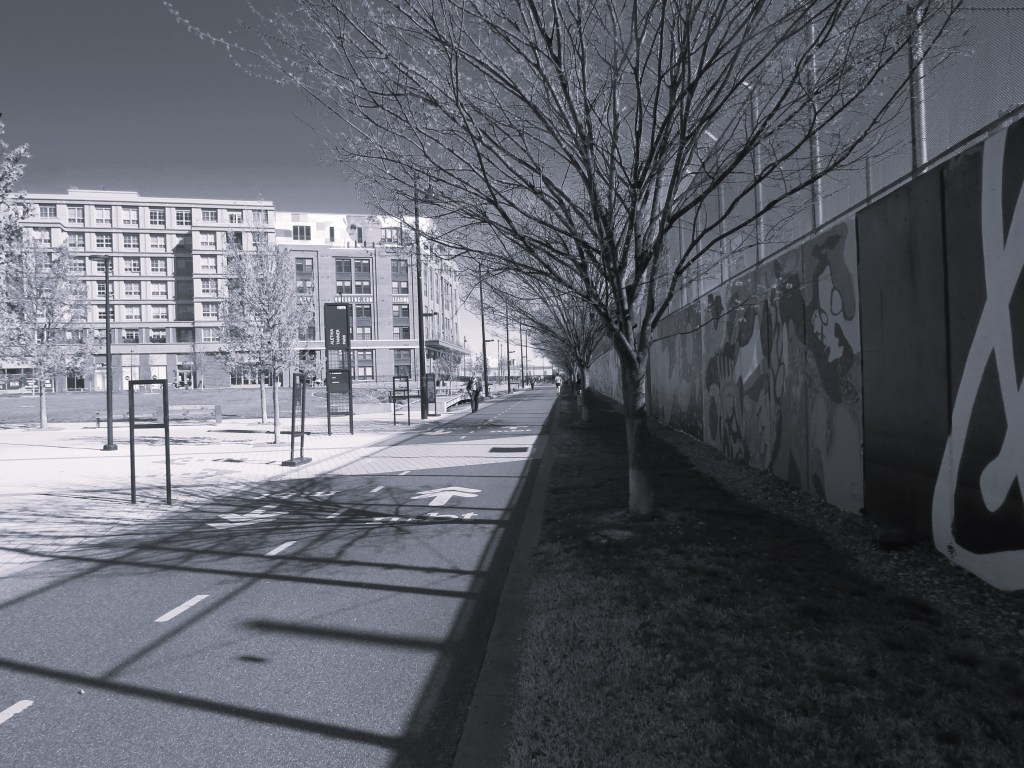
Today, as you drive along New York Avenue, you see only the Amtrak trains in the yard in what was called the Ivy City Yard.  The Baltimore and Ohio Railroad line, now owned by the Chessie Seaboard System (CSX), only pass through making no stops except to wait for an Amtrak Train going north from Union Station.  What was once Eckington Yard now has a bike path where you can walk along where railroads once ran, and you can see where the railroad spurs once were.  You can walk under New York Avenue and watch the trains going in and out of Union Station to points north to Philadelphia, New York, and Boston and points west to Pittsburgh, Columbus, and Chicago, and see the old Capital City Arena where a band called the ‘Beatles’ performed their first concert in the United States of America.  (It is no longer an arena, but the building still stands.)  Although Eckington is a completely different place than it was, as you walk through, the ‘Ghosts of Eckington Yard’ may come out to greet you.
Mitchener Station, Selma, North Carolina

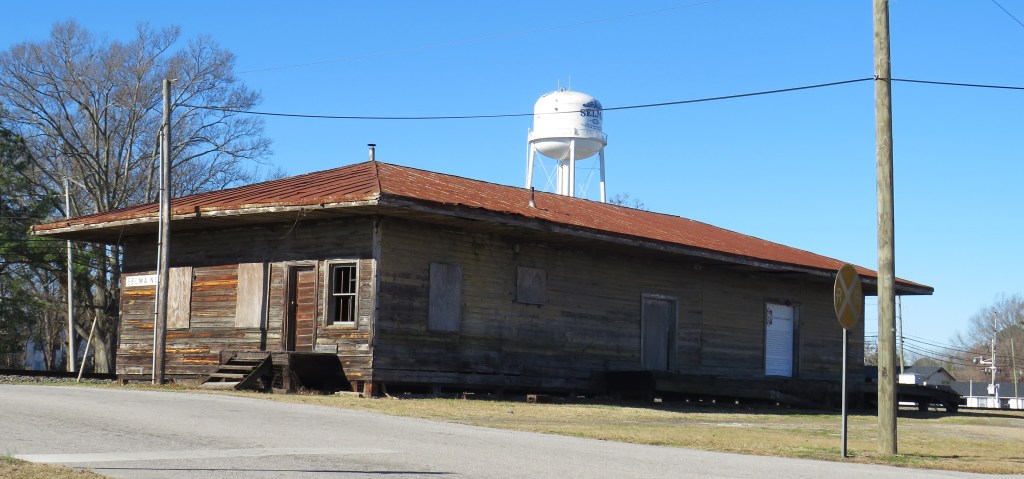
The town of Selma in the U.S. state of North Carolina is home to a train station that sits at the crossing of two major railroad lines.  The town has a history with the railroad that goes back to before Selma became an official town.  Mitchener Station, the town’s original train station, was built in 1855.  Today, it is currently abandoned as it rests just a short ways from the current Union Station where Amtrak stops today.

Some of you are saying, “If it is abandoned, why do they not just demolish it?”

It is an old train station.  Many do get demolished.  However, Mitchener Station in Selma, North Carolina is not just a rotting train station.

What is special about Mitchener Station?  As mentioned, it was built in 1855 long before the town was chartered.  It is also the oldest surviving train station in North Carolina.  Is that it?  The answer is no.  The train station was also controlled by the Confederate Army during the American Civil War.  The North Carolina Governor met with the soldiers.  They occupied the station until the Union Army attacked the station causing the Confederate Army to flee.

Today, there are attempts to restore the train station.  As for now, it is not open to the public.  It is in its original location at Railroad Street and Railford Street one block east of U.S. Route 301 and minutes from Interstate 95.

The Old Train Station

In the glory days of the passenger railroad, you had the grand train stations in the big cities, and you had the train station in the small town.  As fewer people took the train, the train made fewer stops.  Many of the small towns were served by the passenger train.  In those small towns, the train stations were abandoned.  Some were demolished, but some were spared.  In some towns, the train no longer goes there.

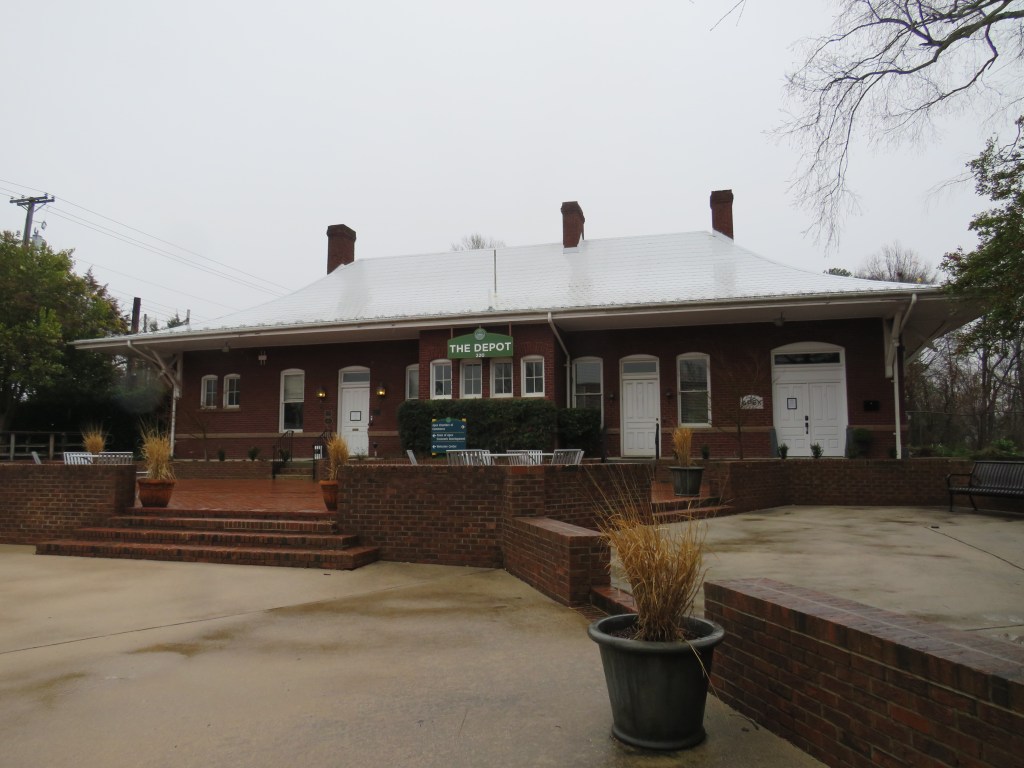
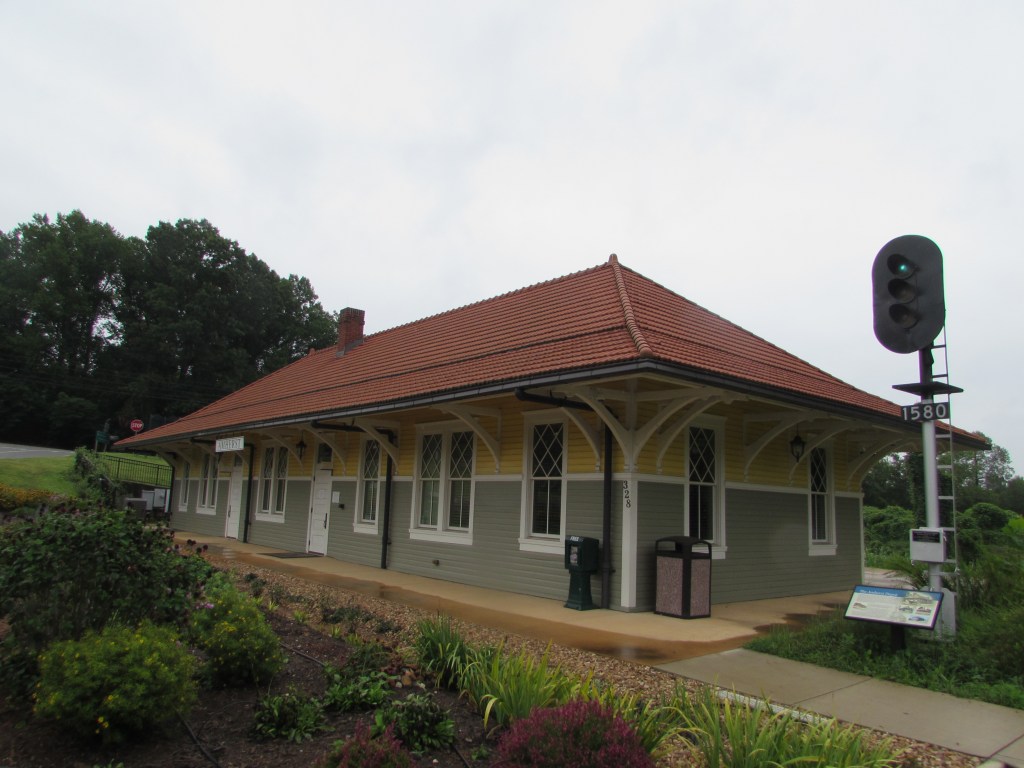
You visit the small town, and you see the old train station.  It is a visitor center or museum or a business.  Some that are within major metropolitan areas are used as commuter train stations.  Some were kept in their place while some were relocated to be preserved.  Some that are next to an active rail line have had a fence between the depot and the tracks.  You have stations that have remained next to rail trails.  Regardless, you feel the need to see the train station.

As you walk around, it appears lonely.  As you look through the windows, you see the waiting room.  You can imagine the people sitting on the benches waiting for their train to come.  You look into what was the ticket office.  You imagine the ticket master selling tickets.  You see him collecting the mail to send to citizens of the town.  You see him sending a telegraph.  He is at the window watching for the trains.  You look into the freight room and imagine the freight being prepared to be put on the next train and the freight that had arrived to be sent somewhere in the region.  You walk out to the empty platform.  The tracks are currently empty but wait.  You imagine the passengers standing awaiting for their train to come.  The train comes, and the passengers board and deboard the train.  Their loved ones hug them and take their luggage to the car, or horse pending on the time period.  Then, you are back to the present as a train, an actual train comes and rolls by the station.  You stand, and you watch.

But you are at a station where the tracks are no longer there.  You see a rail trail, or you just see the old railroad bed.  You set your mind back in time, and you see the trains coming.  You watch each hiker and biker, and you think of them as a passenger on a train.

The old train station may still be used as a train station or not.  As you see the station, it will remind of how the railroad was a part of the town and how it made many towns what they are today.

The Cover Photo is Point of Rocks, Maryland.

The First Photo is Apex, North Carolina.

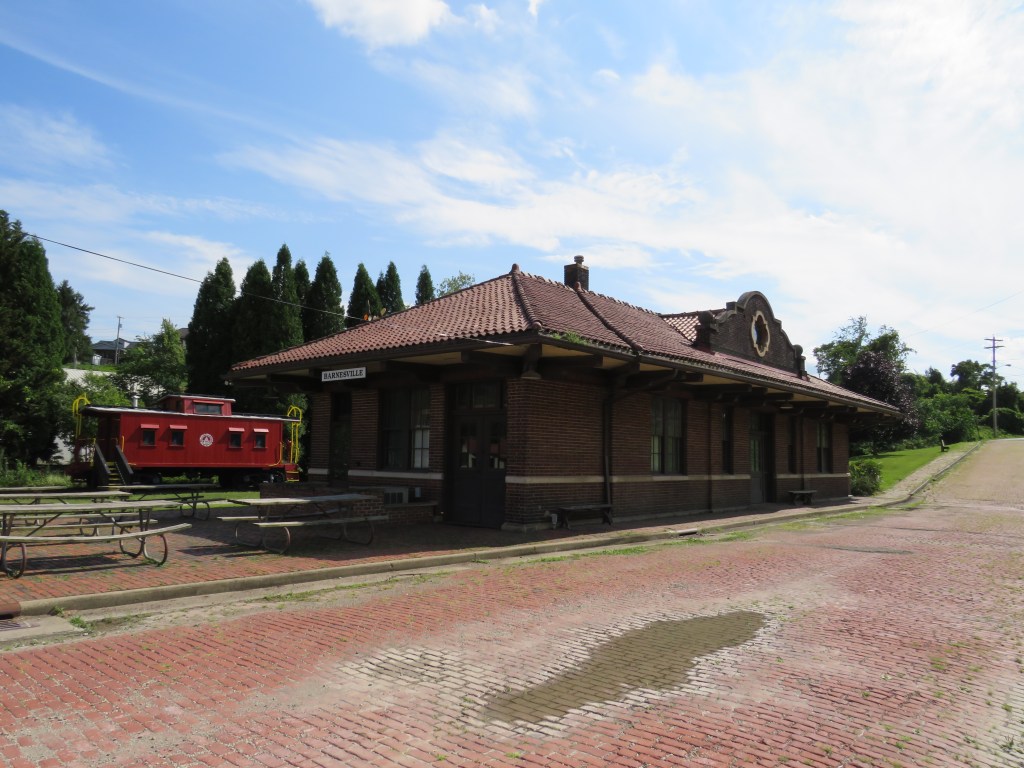
The Second Photo is Barnesville, Ohio.

The Third Photo is Amherst, Virginia.

The Fourth Photo is Marlinton, West Virginia.

The Fifth Photo is Quakerstown, Pennsylvania.

The Final Photo is Brunswick, Maryland.