The Cumberland Valley Rail Trail, Chambersburg, Pennsylvania

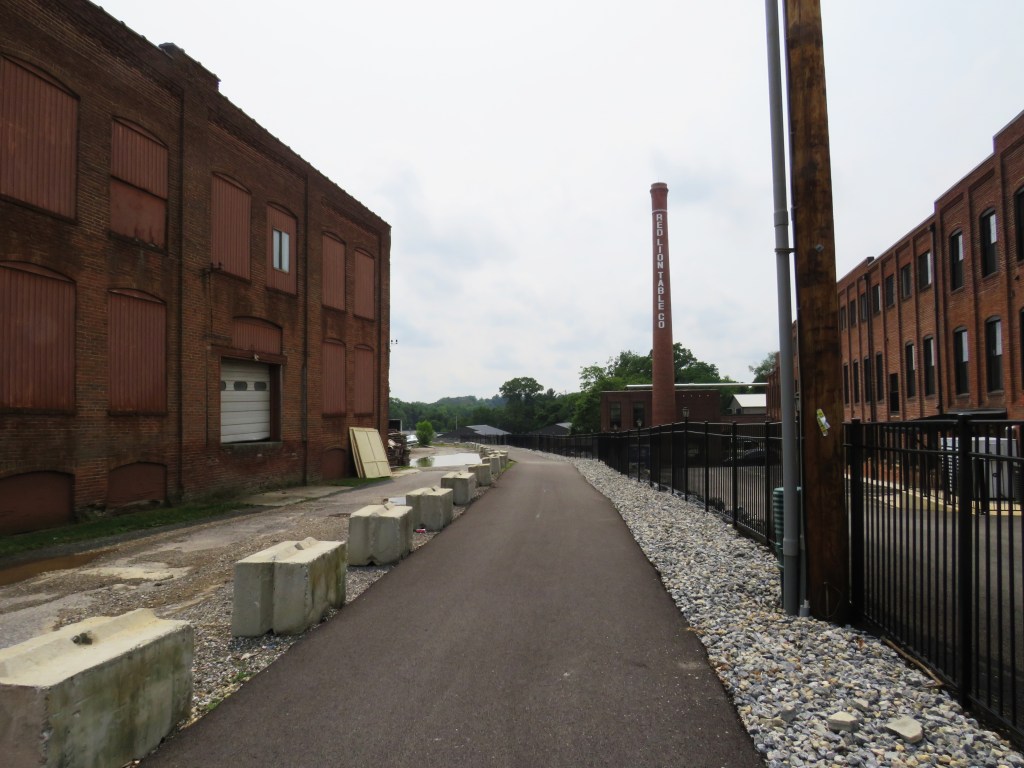
The town of Chambersburg in the U.S. state of Pennsylvania was a town that was established and named after Benjamin Chambers.  The town has man historic sites and has a history that is older than the United States of America.  Even though a railroad line passes through the town today and there were railroad structures in the town, the town has no real history with the railroad and was never a railroad town.  As you walk through the downtown area, the one thing you will see is the Cumberland Valley Rail Trail.

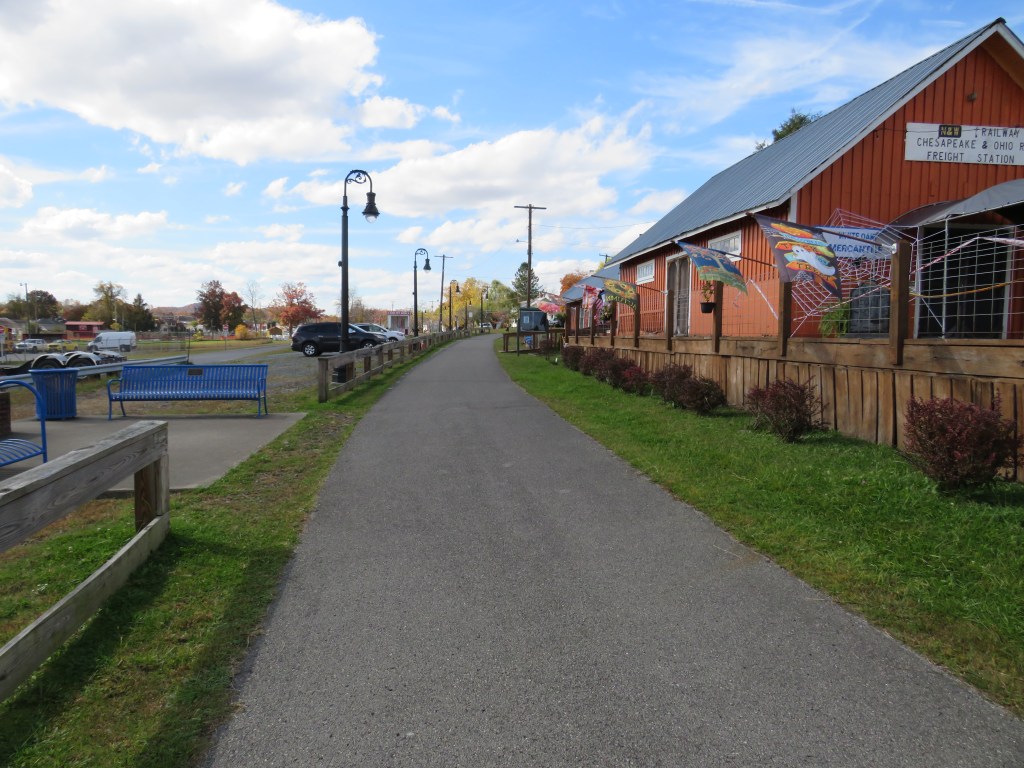
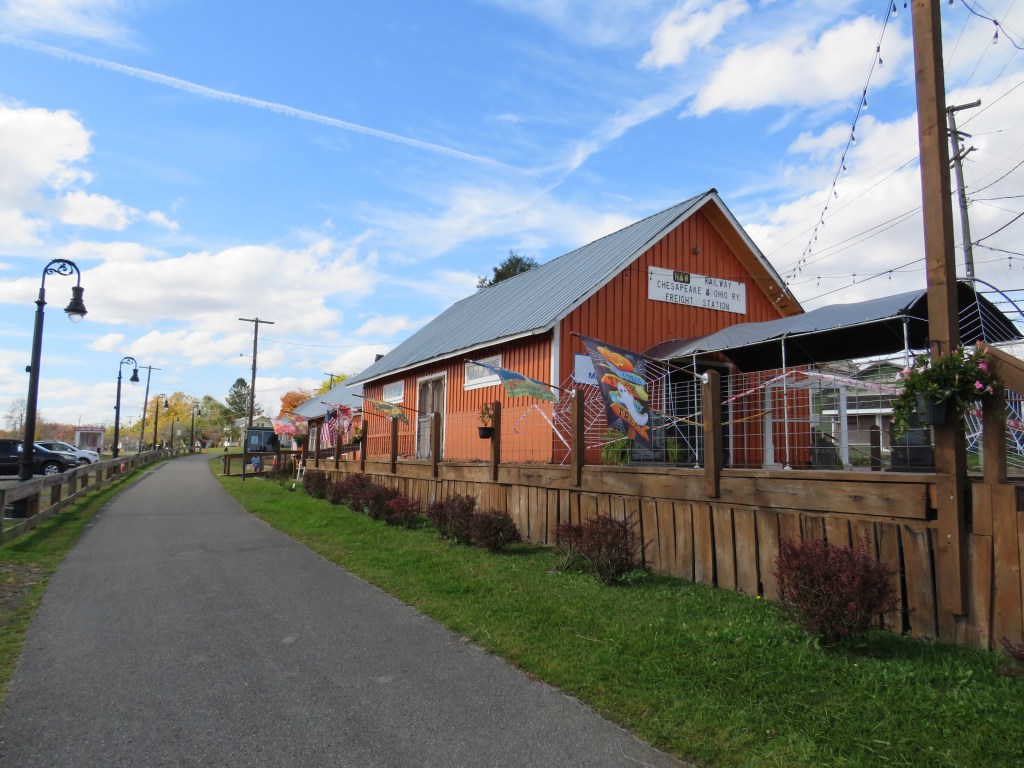
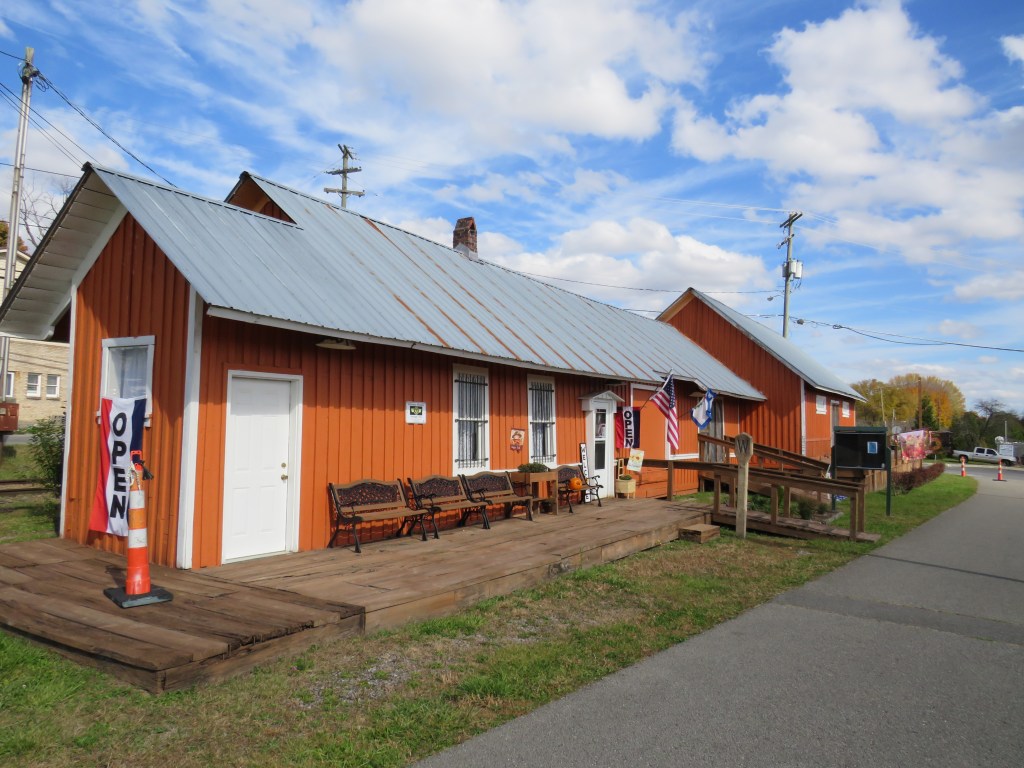
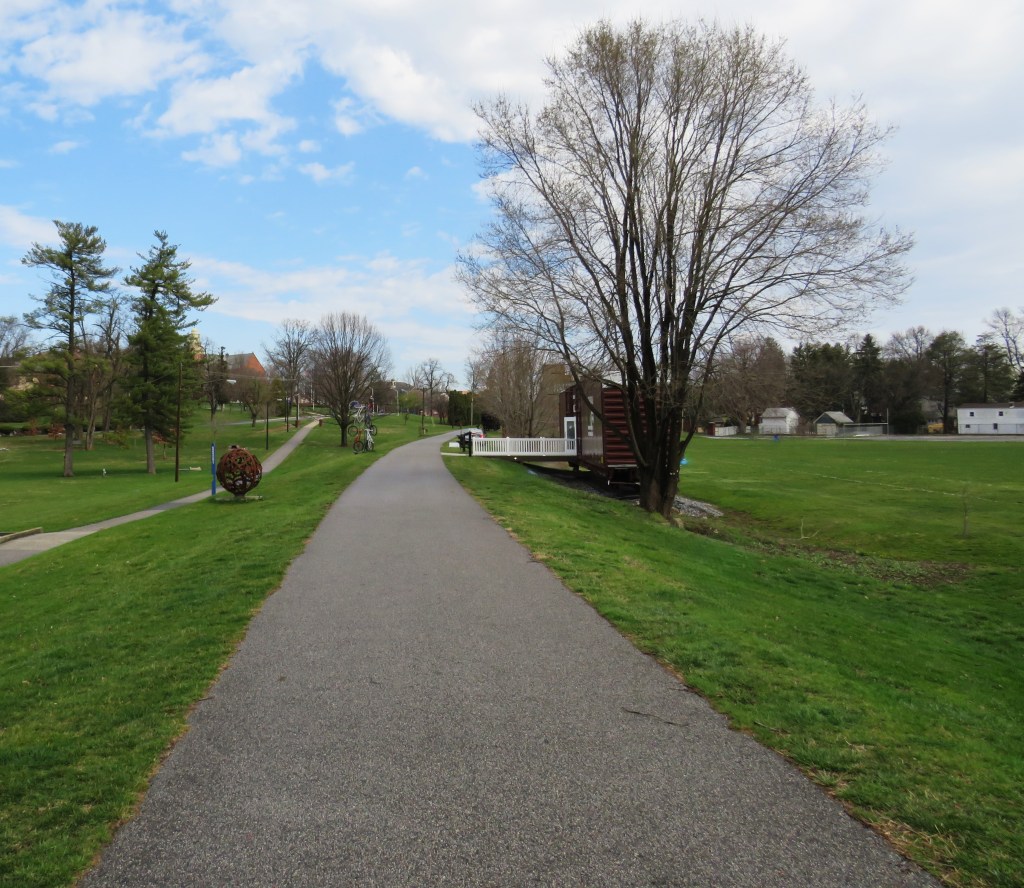
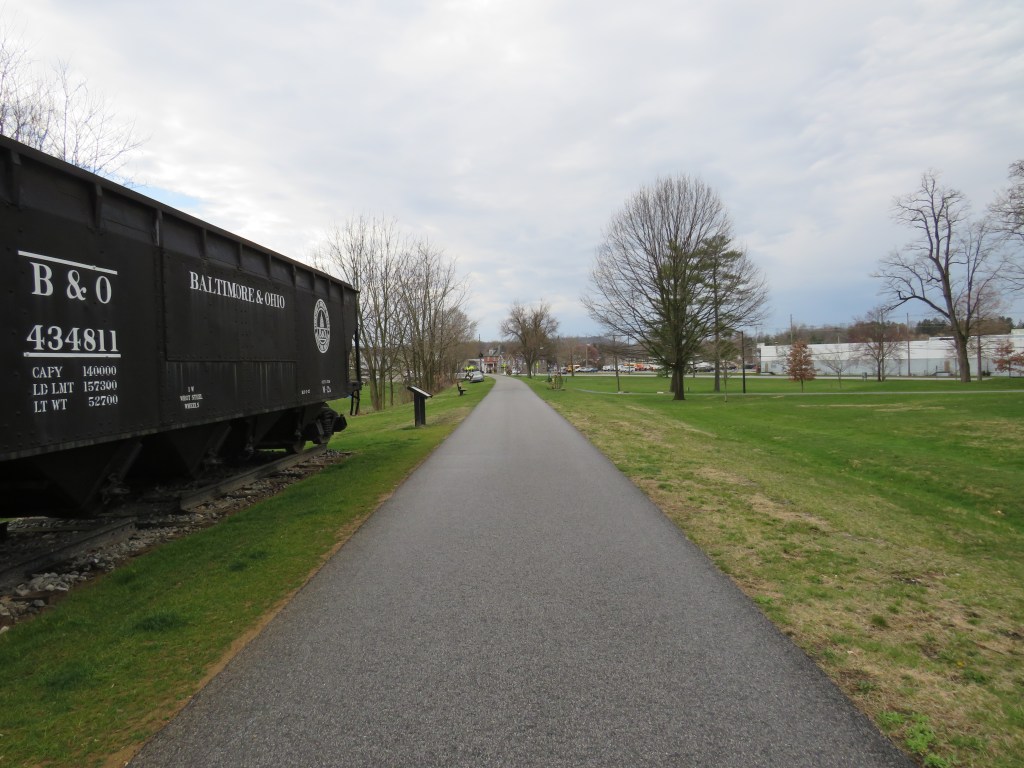
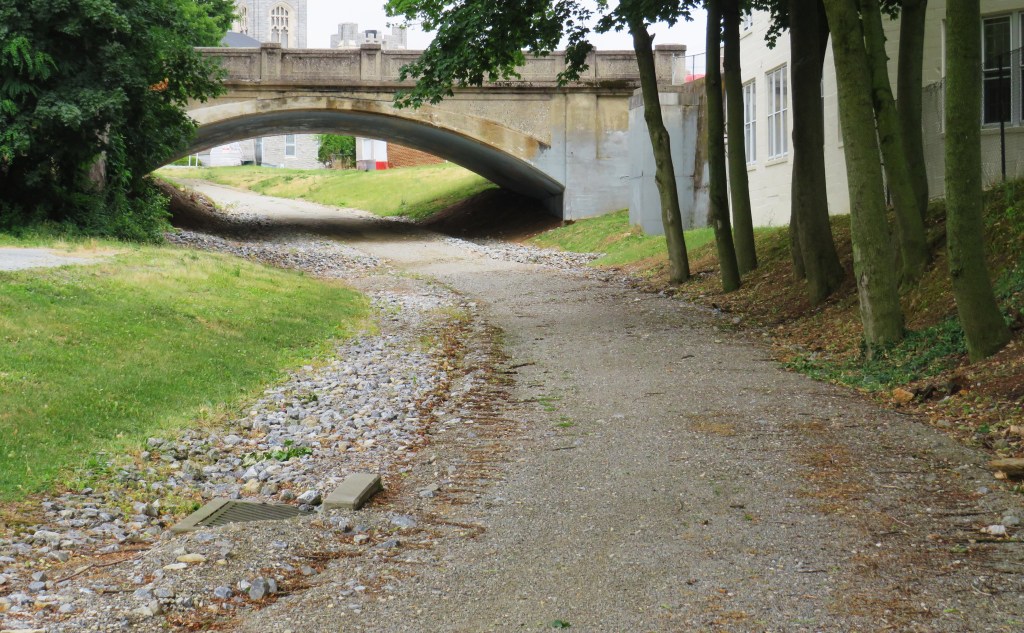
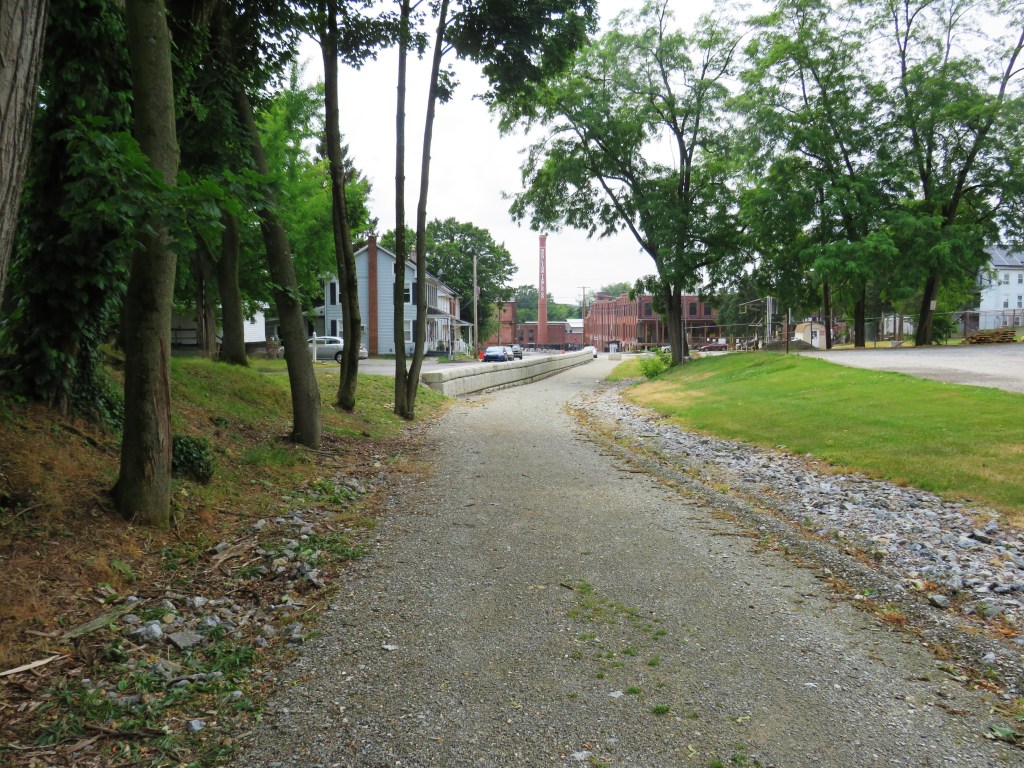
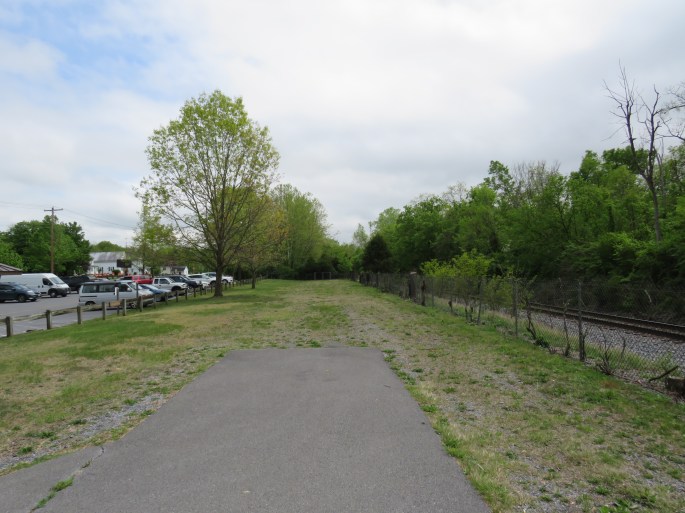
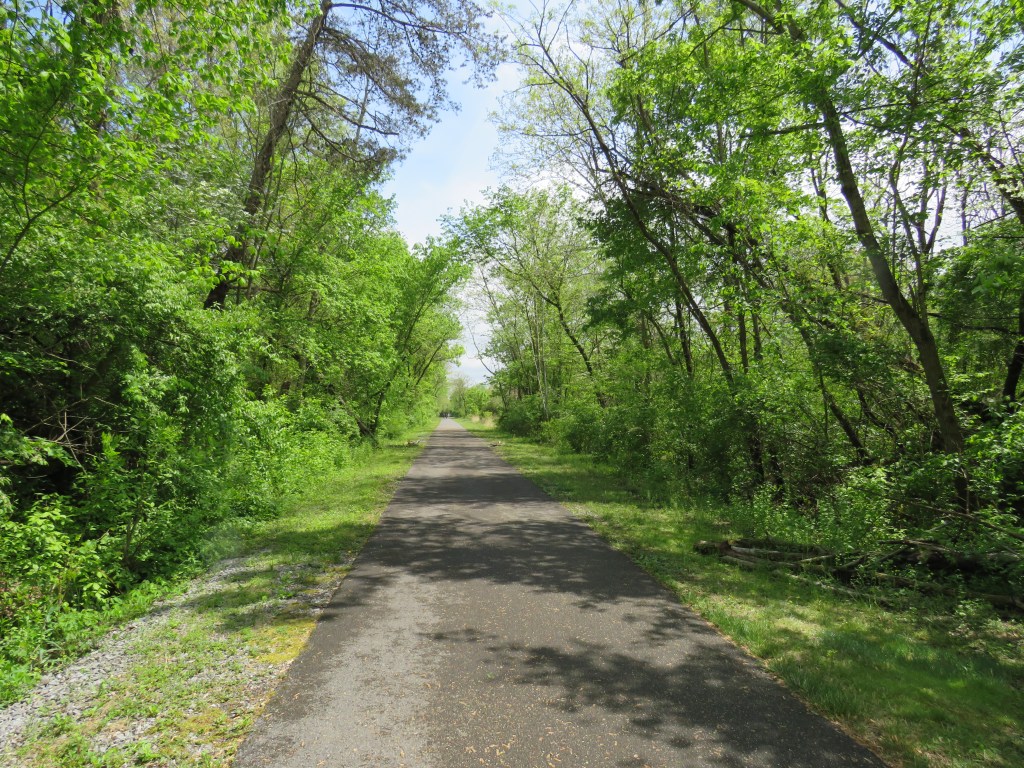
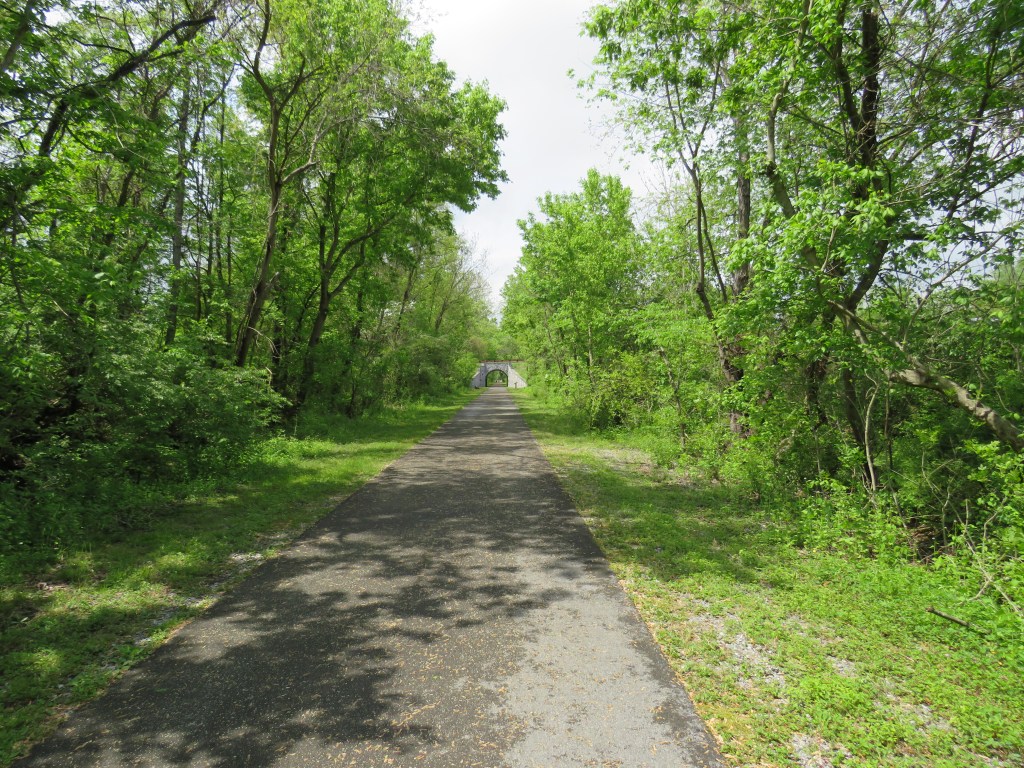
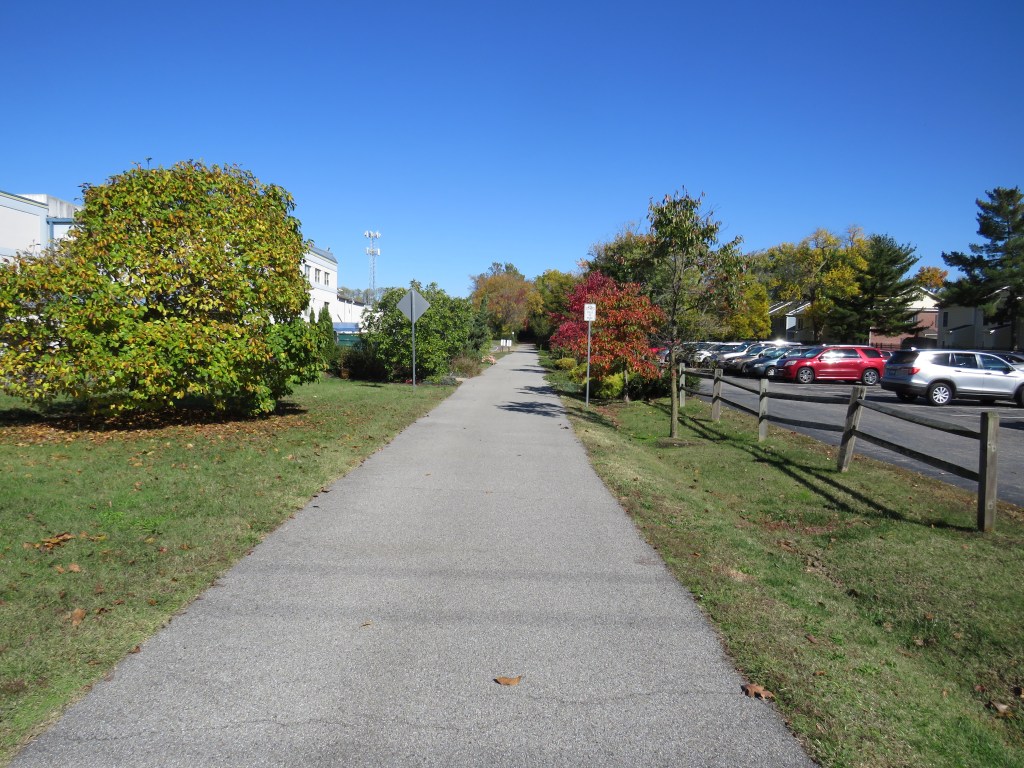
What is the Cumberland Valley Rail Trail?  It is a trail under two miles that runs through the heart of the town of Chambersburg.  It was built on the railroad bed of the Cumberland Valley Railroad which ran through much of the south central part of Pennsylvania and into the U.S. state of Maryland connecting Chambersburg with the rest of the nation.  The main line, owned by the Norfolk Southern Railway today, continues to serve the town.  The rail trail parallels the Conococheague Creek and is next to the Fort Chambers Park.

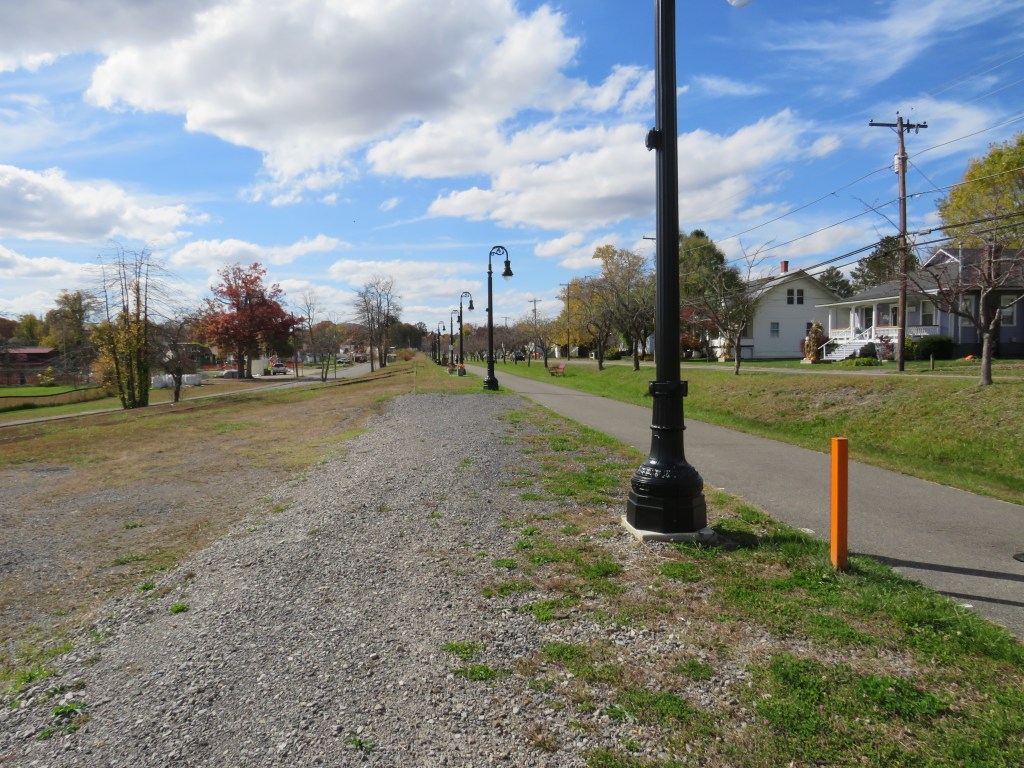
The Cumberland Valley Rail Trail in Chambersburg, Pennsylvania is located on the west side of downtown and U.S. Route 11 crossing U.S. Route 30.  It is completely paved making it easy for those in wheelchairs.  Only street parking is available.  It is mainly flat, and it is accessible from sunrise to sunset.

Chambersburg, Pennsylvania may not be a famous railroad town, but it does preserve a piece of railroad history for hikers, bikers, walkers, and many people for many years to come.

‘Bridge of Dreams’, Brinkhaven, Ohio

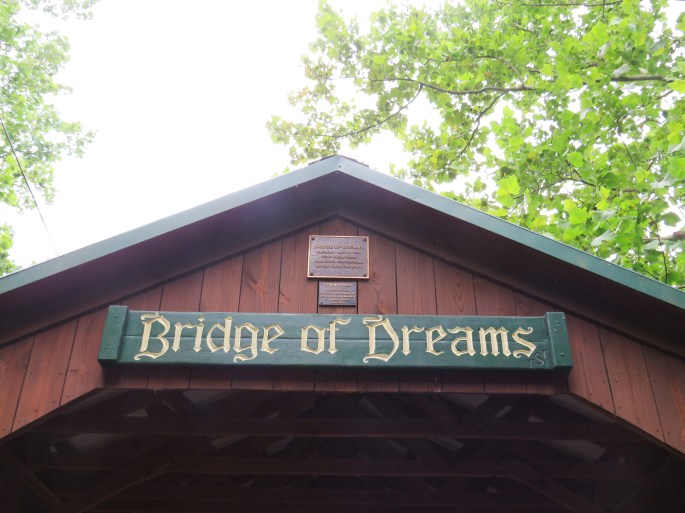
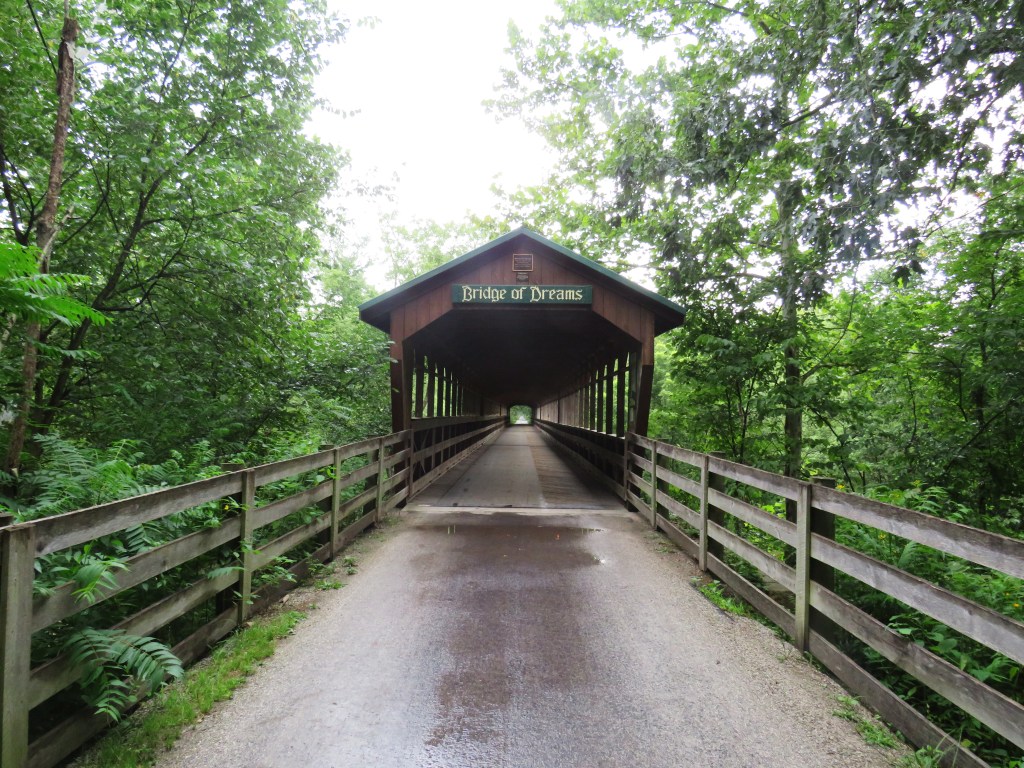
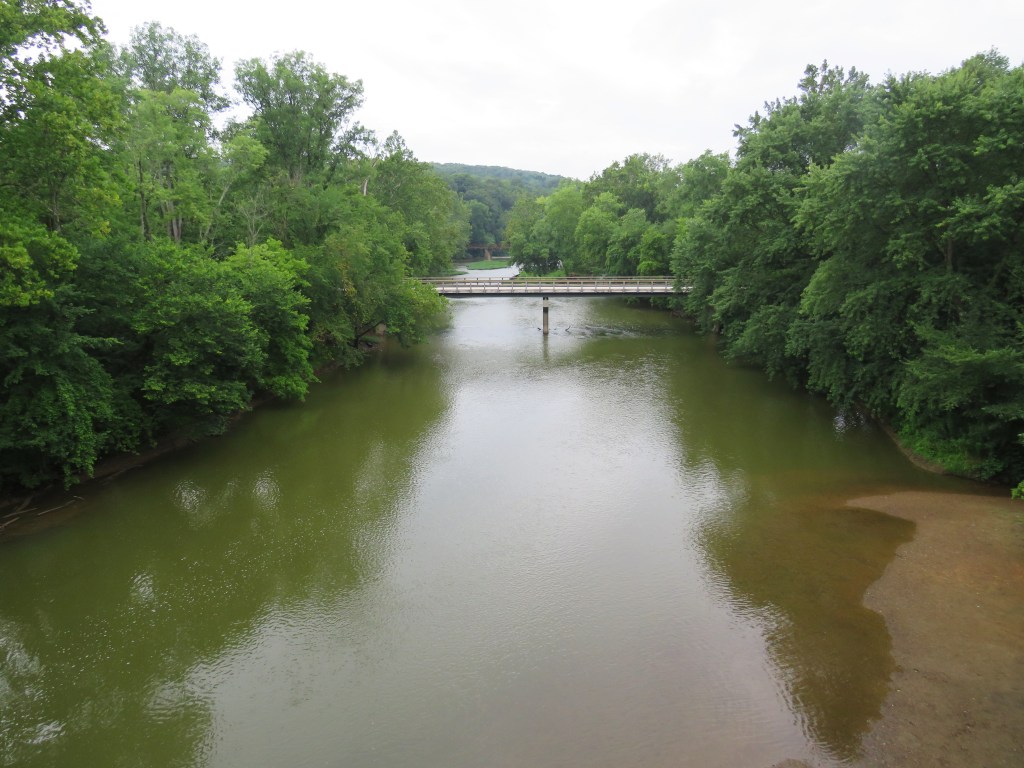
The U.S. state of Ohio has so many great sites throughout the state.  It has great historic houses, museums, and parks.  The state is also known for its covered bridges.  One of these covered bridges is known as the ‘Bridge of Dreams’ in the small town of Brinkhaven.  Unlike most covered bridges, this particular covered bridge was not an automobile bridge but is part of a hiking trail.  Why is it called the ‘Bridge of Dreams’?  The answer is that the bridge that crossed the Mohican River was considered to expensive to build, but money was raised, and it was built.  Today, the ‘Bridge of Dreams’ is the second longest covered bridge in the state of Ohio and the third longest covered bridge in the United States of America.  If you love covered bridges, you will wanted to see the ‘Bridge of Dreams’ in Brinkhaven, Ohio.

Some of you are saying, “This is nice.  I love covered bridges.  It is a great thing about the United States of America.  The sad thing is that with this being a covered bridge, it has nothing to do with the railroad.  Therefore, I will not be dreaming of seeing this covered bridge.”

What is special about the ‘Bridge of Dreams’?  Yes, it is the second longest covered bridge in the state and the third longest covered bridge in the nation, but there is more to the story.

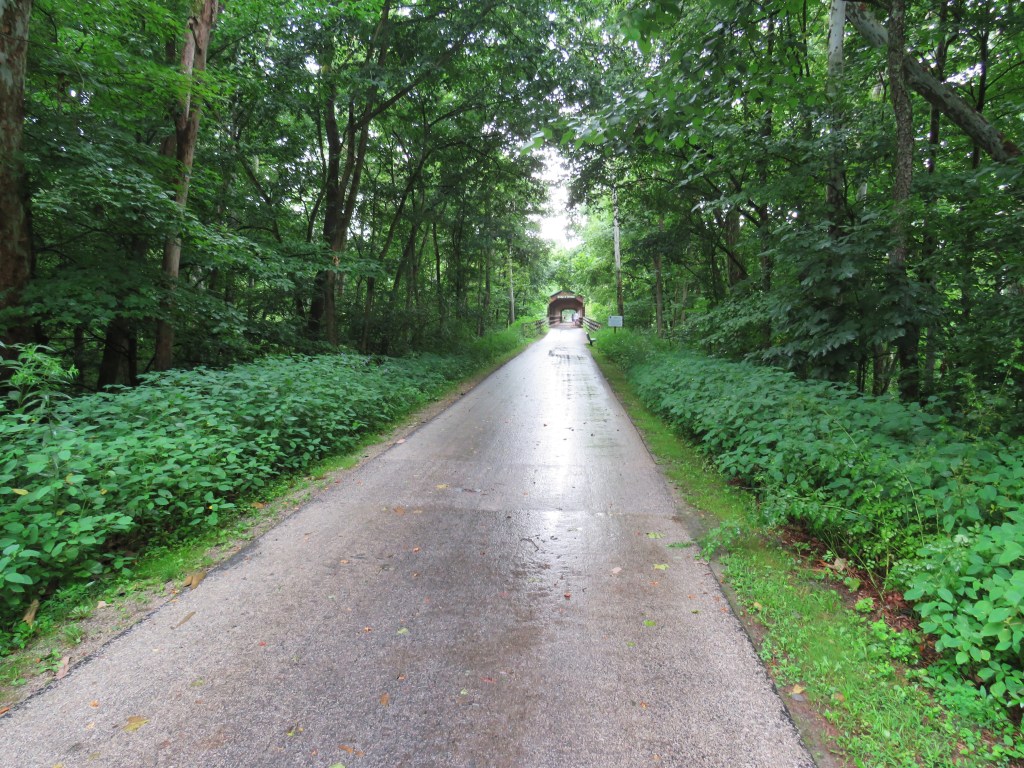
You will just see a long covered bridge if you hike, or bike, the trail.  It you approach the bridge from the road, you will notice something.  What do you notice from the road?

The ‘Bridge of Dreams’ is a covered bridge today, but it was not always a covered bridge.

Some of you are saying, “Wait a minute, are you saying that this was not always a covered bridge?”

You have read correctly.  It was originally a railroad bridge.  The trail, known as the Mohican Valley Trail, was built on an old railroad line of the Pennsylvania Railroad.  What is now the ‘Bridge of Dreams’ was originally built by the Pennsylvania Railroad in the 1920’s.  It was a railroad bridge until the 1990’s when the railroad line was abandoned, and it was made into a rail trail.  There was an idea to convert the old railroad bridge into a covered bridge.  Fighting against the skeptics, the bridge became a covered bridge, and it was dedicated in 1999.

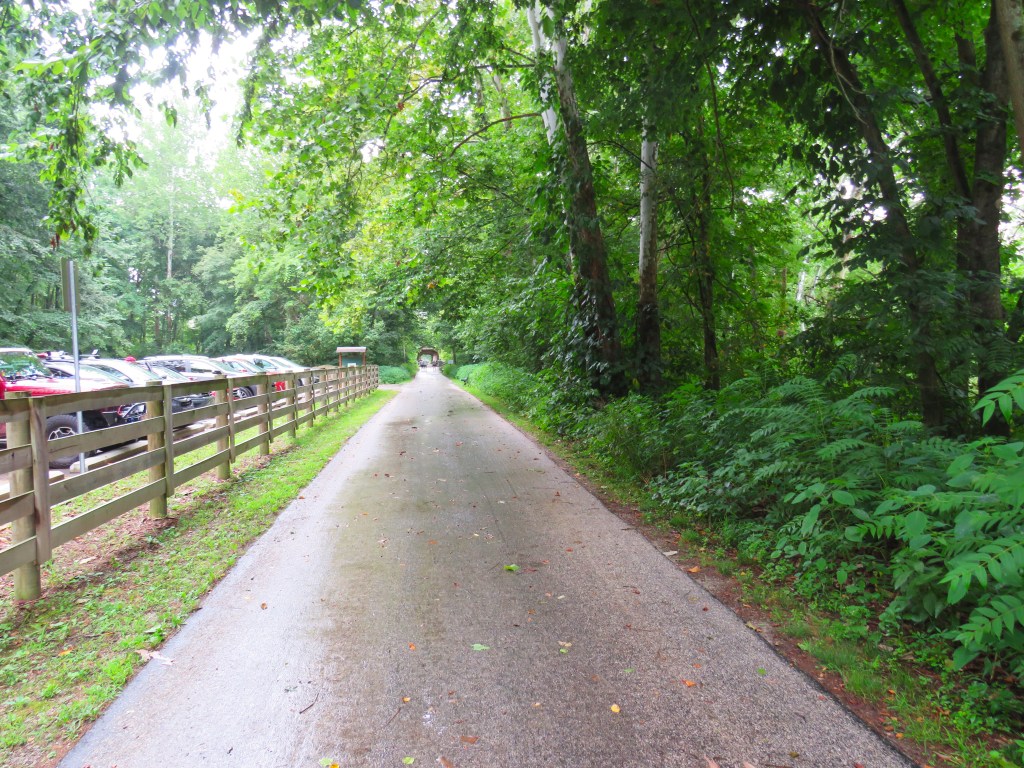
Today, you can take a walk across a bridge that was once traversed by the railroad.  The bridge is a short drive from U.S. Route 62 south of Brinkhaven.  You can park next to the trail and take a quarter mile walk on a paved trail that is easily accessible by wheelchairs.  If you have enough energy, you can go ahead and walk the entire four and a half mile trail to the nearby town of Danville.

The next time you hear about the ‘Bridge of Dreams’, you can dream about the days when the railroad traversed the Mohican River.  The railroad is long gone, but the dream still remains.
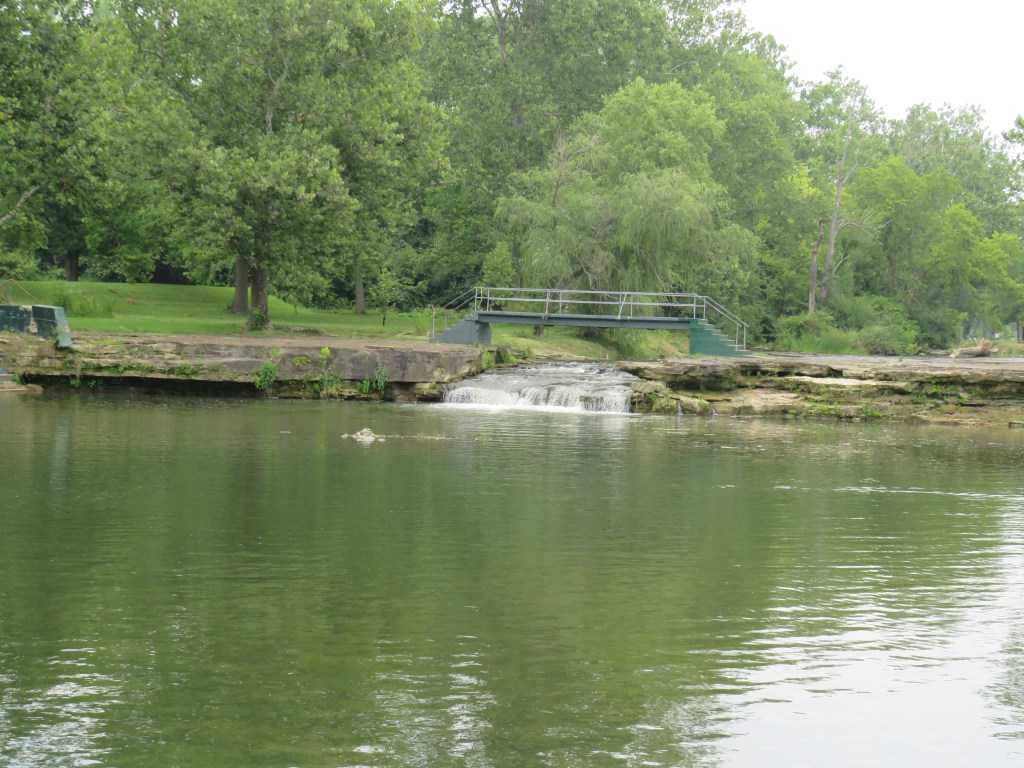
The Falls Park, Pendleton, Indiana

Oh the U.S. state of Indiana is a state famous for the Indianapolis 500 in the capital city of Indianapolis, The University of Notre Dame in South Bend, and for basketball which inspired the movie ‘Hoosiers’ starring Gene Hackman.  Like other states in the United States of America, Indiana has great hidden treasures.  One of these treasures is the town of Pendleton, a suburb of Indianapolis.  What is the town of Pendleton, Indiana famous for?  Well, unlike Indianapolis, South Bend, Fort Wayne, and Elkhart, there is not much fame in the town of Pendleton.

Some of you are saying, “Well, it looks like I am not going to visit this town.”

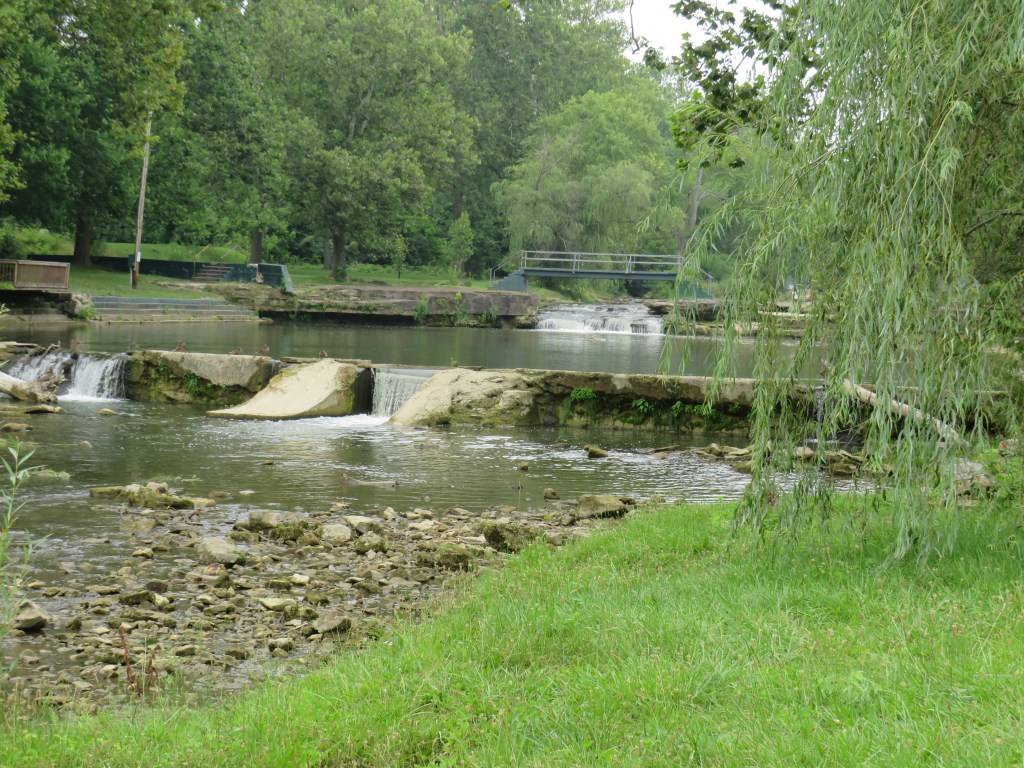
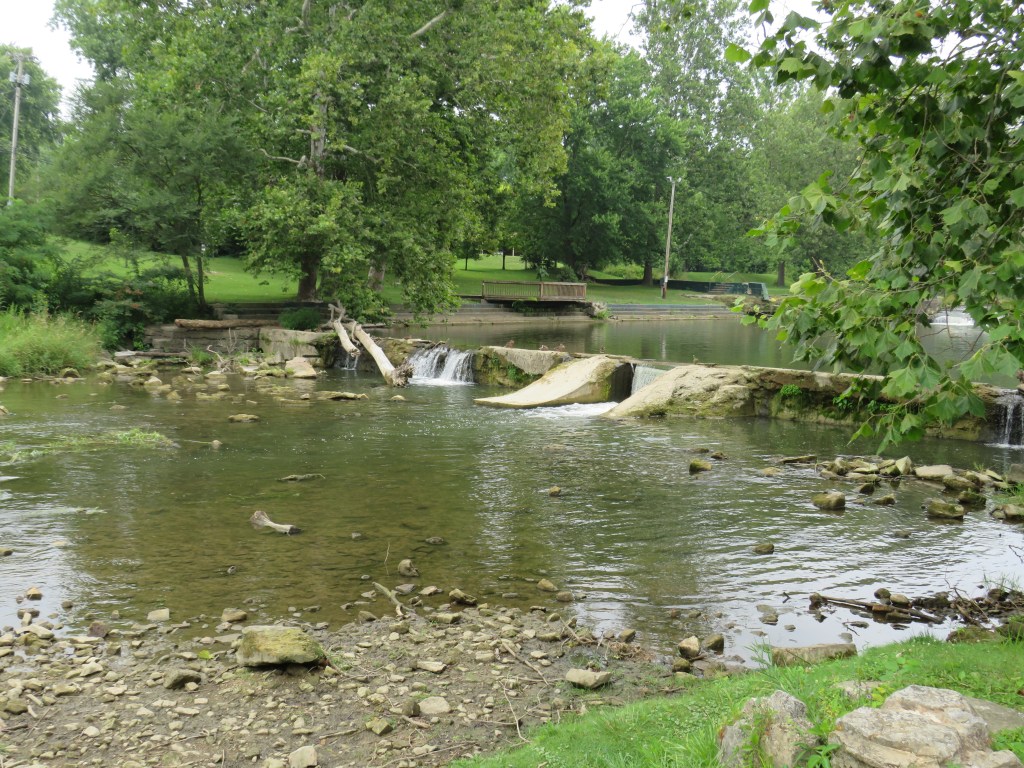
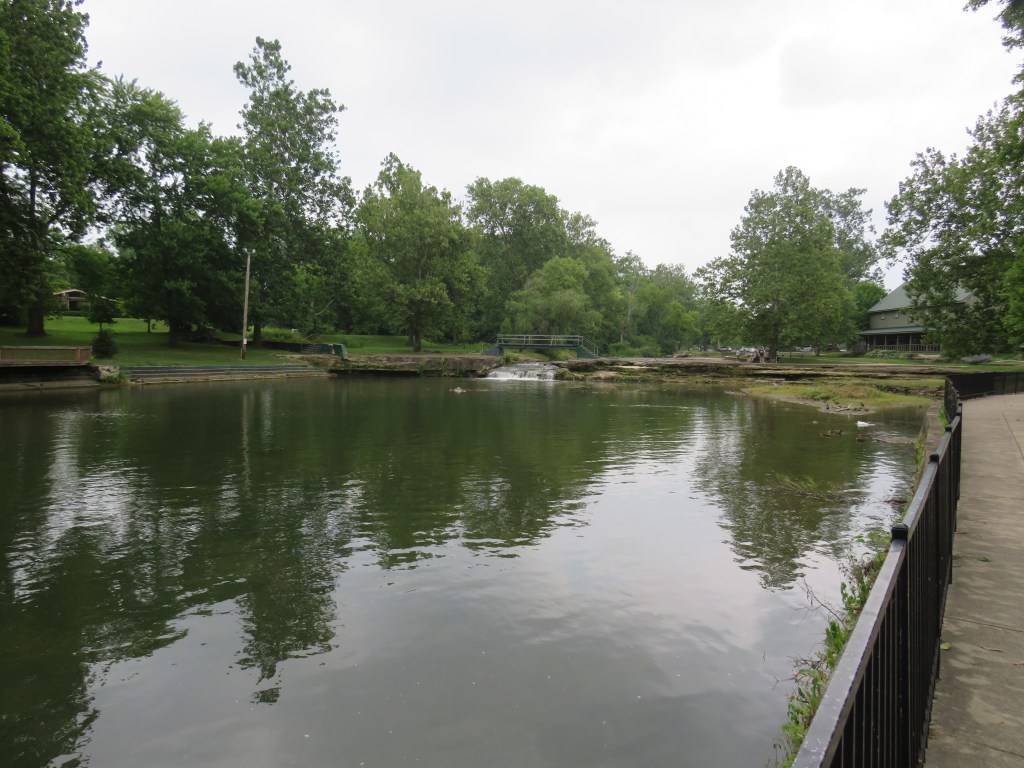
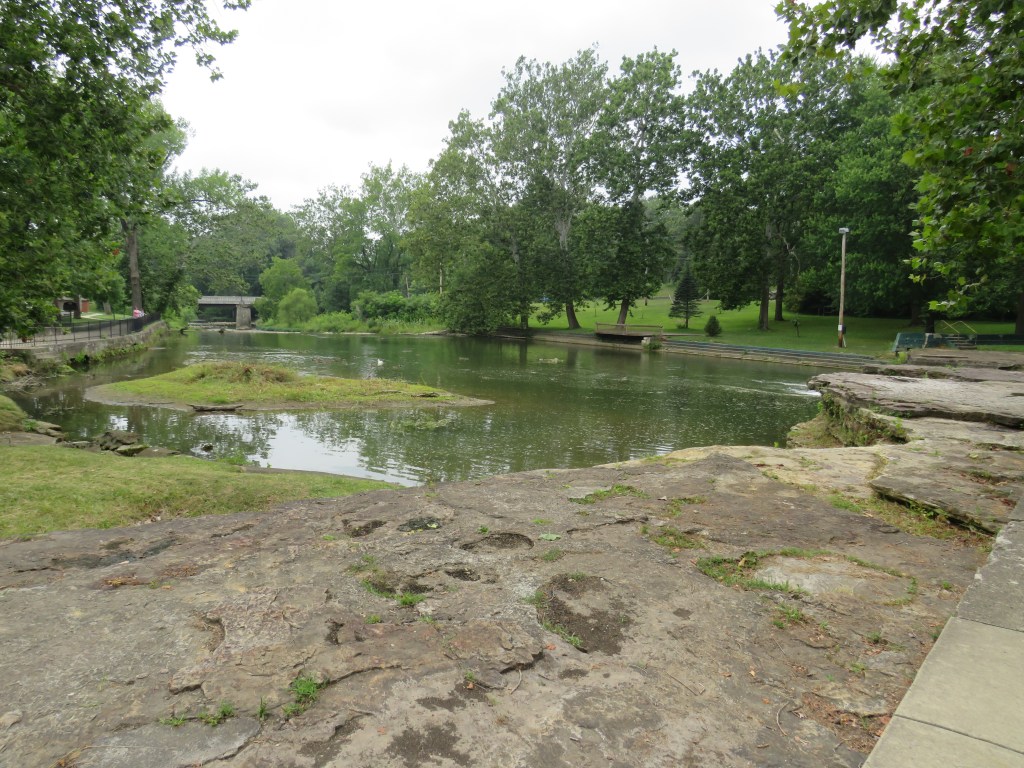
Well, this town has a great treasure.  What is this great treasure?  Welcome to Falls Park in Pendleton, Indiana.  What is great about Falls Park?  Well, it does have a waterfall.  It may not be as grand as Niagara Falls or Iguazu Falls or Victoria Falls, but just like most waterfalls, it is a beauty to see.  Now you have a great reason to visit Falls Park in Pendleton, Indiana.

Some of you are saying, “Oh, I love waterfalls.  They are such a beautiful thing to see.  I also enjoy parks.  There is a big problem.  This park is not a railroad park.  Therefore, I will not ‘fall’ in love with the town of Pendleton, Indiana.”

So why visit Falls Park in Pendleton, Indiana?

The park itself has a deep history that goes deep.  As you enter the park, you will notice what appears to be railroad bridge abutments.  Why are they there?  Pendleton is not a railroad town nor was it ever a railroad town even though a railroad line does pass through the town.  The old abutments are from a railroad line that did cross over the falls.  The ‘Bee Line’ passed through the park.  Originally part of the ‘Big 4 Railway’ which came through the park in 1851.  One of the trails follows the old railroad bed.  Like many unused railroad lines, they were abandoned, and the rails were taken up leaving the remnants of the railroad today.

Falls Park is located at 460 Falls Park Drive in Pendleton, Indiana just north of Indiana Route 38 and minutes from Interstate 69 and U.S. Route 36.  The park also has a museum and a veterans memorial.  The park is open sunrise to sunset, and access to see the waterfalls is available for wheelchairs.

You now have a reason to visit Falls Park in Pendleton, Indiana.  Be warned.  You will fall in love with this place.

The Cumberland Valley Rail Trail, Shippensburg, Pennsylvania

In the heyday of the railroad, there were railroad lines all over the United States of America.  As the railroad declined, less used railroad lines were abandoned.  Although many of these railroad lines are lost forever to time, many were preserved as rail trails.  Among these rail trails is the Cumberland Valley Rail Trail that runs between the towns of Newville to Shippensburg in the U.S. state of Pennsylvania, the U.S. state that produced the Penn Central Transportation Company (simply known as the Penn Central) and the world famous Pennsylvania Railroad of which, sadly, neither of them exist today.

Why is it called the Cumberland Valley Rail Trail?  Although Conrail was the last owner of the railroad line who took over the line from the Penn Central Transportation Company, the railroad line was originally owned by the Cumberland Valley Railroad that ran railroad service throughout what is called the Cumberland Valley with railroad line through much of the south central region of Pennsylvania and in the northern parts of the U.S. state of Maryland.  Very little of the railroad lines of the Cumberland Valley Railroad were preserved.

This brings us to the Cumberland Valley Rail Trail.  As mentioned, it begins in the town of Newville and it ends in Shippensburg.  What it special about Shippensburg?  Well, although it is not a famous railroad town, the Norfolk Southern Railway does continue to pass through the town, but it was also served by the Cumberland Valley Railroad that was taken over by the Penn Central Transportation Company and, the railroad line’s last owner, Conrail, who donated the railroad line to be converted into the railroad trail.

What is special about Shippensburg?  The town’s claim to fame is that it is the home of Shippensburg University.  The west end of the Cumberland Valley Rail Trail begins at the south side of Shippensburg University.  What is special about the rail trail beginning at Shippensburg University?  It is here where the Cumberland Valley Railroad Museum is located.

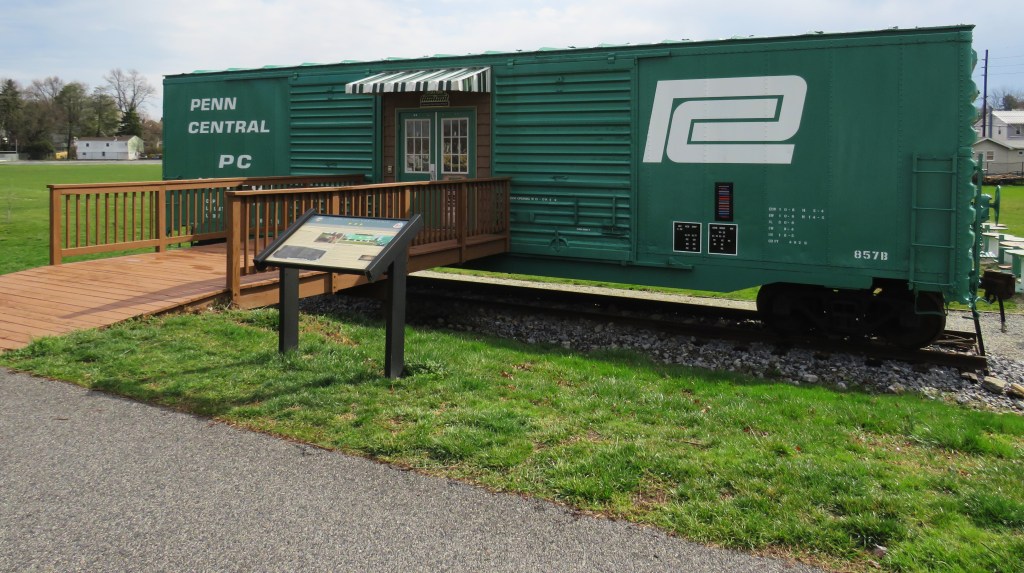
Why here at Shippensburg University?  Shippensburg University was a benefactor of the Cumberland Valley Railroad.  Here, you will find the Shippensburg Station, a replica train station that serves as a restroom stop for those utilizing the rail trail and is located where a passenger stop for the university was located.

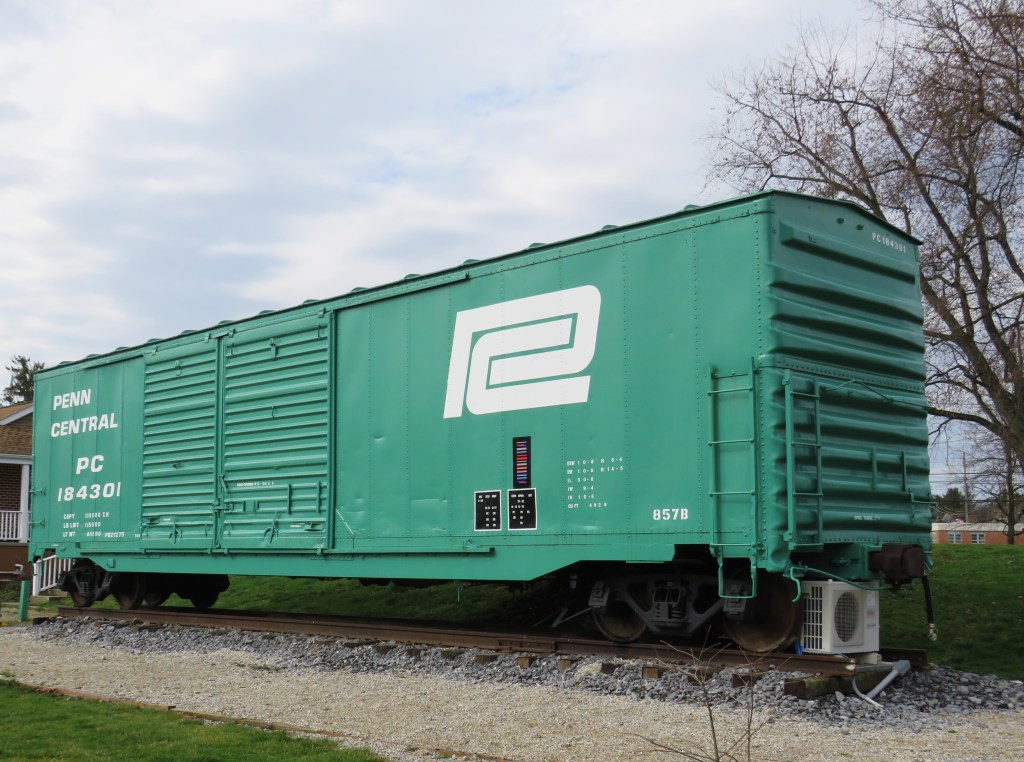
Then you have a boxcar from the Penn Central Transportation Company.  What is special about this boxcar?  Well, it was not originally owned by the Penn Central Transportation Company but the New York Central System, a railroad company that was taken over by the Penn Central Transportation Company.  The boxcar was abandoned at a warehouse in town and was spared from being scrap metal and restored to house artifacts of the Cumberland Valley Railroad and its history and impact on the region.

Then you have another boxcar.  This one is from Conrail.  Inside, you will see artifacts and the history of Conrail and its people.

You take a short walk down the trail and you see a coal car From the Baltimore and Ohio Railroad.  Why is it here if the Baltimore and Ohio Railroad never came to Shippensburg?  The coal car came from a train wreck, and it was brought here as coal was shipped to Shippensburg University, and it is a reminder of how coal impacted the region.

So, if you need a reason to visit Shippensburg, Pennsylvania, you now have one.  The rail trail is easy for wheelchairs and so are the boxcars which are open from sunrise to sunset.  Most important, the rail trail and the boxcars are free to visit.

Caledonia State Park, Fayetteville, Pennsylvania

U.S. Route 30, a route that has been nicknamed the ‘Lincoln Highway’ named after Abraham Lincoln, former President of the United States of America, begins in the town of Astoria in the U.S. state of Oregon and winds its way east through many U.S. states ending in Atlantic City in the U.S. state of New Jersey.  One of those states is Pennsylvania.  As it passes through Pennsylvania, it passes through the major cities of Pittsburgh and Philadelphia, and it passes through the town of Gettysburg, the town famous for a great battle of the American Civil War known as the Battle of Gettysburg.  Halfway between Gettysburg and Chambersburg new the town of Fayetteville is Caledonia State Park.  Caledonia State Park is a park that has hiking trails, fishing, and hunting, and it has a waterfall.  Yes, many parks has this, but it also has the Totem Pole Playhouse, a theater that has produced actors like John Ritter from the old television series ‘Three’s Company’, the centerpiece of the park is the Caledonia Iron Furnace.

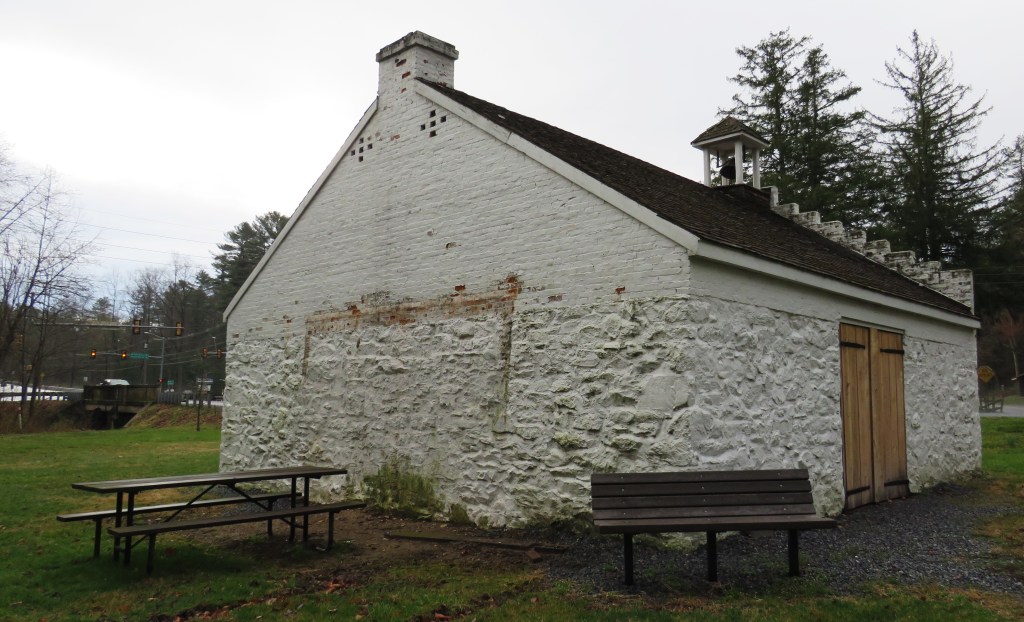
The Caledonia Iron Furnace was built in 1837, and it was owned by Thaddeus Stevens.  The name of the furnace comes from the name of the county in Vermont where Thaddeus Stevens was born. It was destroyed by Confederate General Jubal Early and his men in 1863.  The furnace was rebuilt, and it continued to produce iron until it was closed in 1902, and it was then turned into a state park.  When you visit Caledonia State Park, you can see the furnace, and you can see the blacksmith shop where demonstrations take place.  In Caledonia State Park, every step you take in the park is a place where history took place.

Some of you are saying, “Wow.  I love state parks.  I love being around the trees and the streams and the waterfalls.  As for the old furnace, it is nice that it is preserved although it would be great to see it working.  There is one problem.  What is the problem?  There is no railroad here.  Therefore, you will not see my company here.”
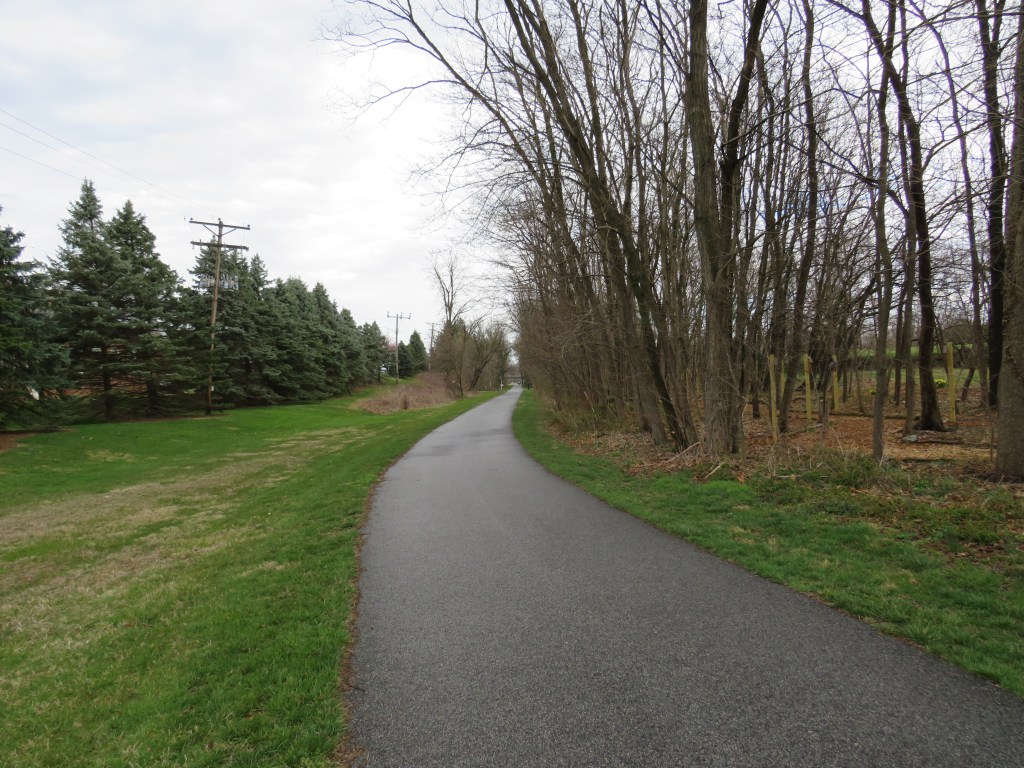
Well, as you walk around Caledonia State Park, you will not see a railroad nor do you see any sign of a railroad being here.  If there is no railroad at the park, why visit?

As you visit Caledonia State Park, you will notice a few structures within the park itself.  Of course, you have the restrooms, and, of course, you have the old furnace.  Then you have the blacksmith shop.  Yes, a blacksmith does mend and heat metals here, but it was not always a blacksmith shop.  If it was not always a blacksmith shop, what else could it have been.  The blacksmith shop was once a trolley station.  A trolley station?  Yes, it was a trolley station.  The Chambersburg and Gettysburg Electric Railway.  Trolley service began in 1905.  The Chambersburg and Gettysburg Electric Railway made a stop at Caledonia State Park, and they built a small amusement park there.  The railway got its name from the fact that its purpose was to take passengers from Chambersburg, Pennsylvania to visit the Gettysburg Battlefield in Gettysburg, Pennsylvania.  The trolley line was built east from Chambersburg, and it took passengers as far as… Caledonia State Park.  Due to lack of funds and steep grades between Caledonia State Park, the section to Gettysburg was never built.  Service ended in 1926, and the amusement rides were dismantled.  Today, only the blacksmith shop and the Trolley Trail going west from the blacksmith shop are the only reminders of the trolley.

As mentioned, every step you take at Caledonia State Park in Fayetteville, Pennsylvania is a step where history happened.  That includes those on the Appalachian Trail which passes through the park.  If you walk along the Trolley Trail, every step you take will be a step where railroad history took place.

Caledonia State Park is located near the town of Fayetteville, Pennsylvania at the intersection of U.S. Route 30 and Pennsylvania Route 233.  The park is free to visit, and it is open from sunrise to sunset.  The iron furnace and the Caledonia Waterfall can be seen from the road.  Although the trolley trail is flat, it is not paved making it difficult for wheelchairs.  You can get more information at https://www.dcnr.pa.gov/StateParks/FindAPark/CaledoniaStatePark/Pages/default.aspx.

U.S. Route 30 has many great sites along the road.  Caledonia State Park is one of them.  It may be famous for the furnace, but it was also a place where a trolley line came to an end.

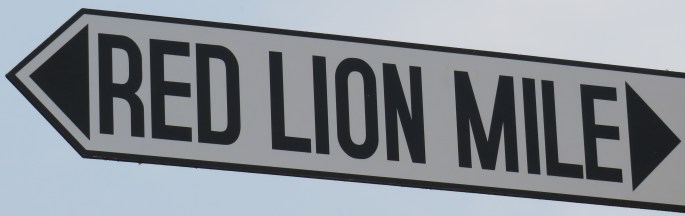
The Red Lion Mile, Red Lion, Pennsylvania

What is the Red Lion Mile?

Some of you are saying, “I know.  It is a lion that is red and is a mile long.”

Well, that is not the correct answer.  What is the Red Lion Mile?  It is a rail trail in the town of Red Lion in the U.S. state of Pennsylvania.

Some of you are saying, “Wow.  I did not know that.  I bet the town got the name because a red lion was once here.”

Even though the ‘red lion’ is the symbol of the town, it is not named after an actual lion.  It is named after a pub when it was settled in 1852 called the Red Lion Tavern, and that tavern is still in business today.

Today, the town of Red Lion, Pennsylvania is not served by the railroad, but it was once a major railroad town on the York and Peach Bottom Railroad and later the Maryland and Pennsylvania Railroad.  (It was commonly referred to as the ‘Ma and Pa Railroad’.”)  The town was a place of industry to include furniture and cigars.  As you walk along the rail trail, you will see some of the old factory structures.  The remaining structures have been converted into housing or businesses.  The old train station also remains, and it is the home of the Red Lion Historical Society.

The Red Lion Mile mainly runs west from the old train station located on Pennsylvania Route 24, and it is mostly paved.  Parking is available along the trail.  You can learn more about the town at https://redlionareahistoricalsociety.org/area-history/red-lion/red-lion-history/.

The Red Lion Mile: you may not see any red lions, but you will see the places that was once seen by those who once ran the trains through the town.

The Western Maryland Rail Trail, Big Pool, Maryland

In the heyday of Railroading, railroads were built to connect small town to big cities.  When the heyday came to an end, many of the railroad lines were abandoned.  On many of the lines, the rails were removed.  Some of the abandoned routes were lost to time allow trees and plants to grow on the old railroad bed.  Some of the railroad beds eroded over time.  Some of the railroads were eventually recovered and became an excursion line.  Then there were those that were made into hiking and biking trails.  Some of the trails were paved while some were left with dirt.  Among those ‘rail trails’ is the Western Maryland Rail Trail in the western region of the U.S. state of Maryland.

What is the Western Maryland Rail Trail?  Yes, it is in the western part of Maryland beginning in the town of Big Pool near the historic Fort Frederick going west through the town of Hancock and ending eighteen miles west to the town of Little Orleans in the panhandle region of the state.  The name comes from the fact that the railroad line was part of the Western Maryland Railway.  The railroad paralleled the old Chesapeake and Ohio Canal which paralleled the Potomac River.  The canal itself was never completed as the railroad gave quicker access to points west.  With the automobile and the Baltimore and Ohio Railroad running just south of the Western Maryland Railway (now owned by CSX Transportation) and the decline of many small towns, the railroad line was no longer used.

Today, you cannot ride the train along this line, but you can hike and bike along this line.  You can feel the history of a railroad that once was.

The Wayne Thomas Gilchrist Trail, Chestertown, Maryland

What is the Wayne Thomas Gilchrist Trail?  Commonly called the Wayne T. Gilchrist Trail that was named after a local politician that served in the U.S. state of Maryland and in Washington, the trail is on an old rail line that winds its way through the town of Chestertown located on the Chester River on the Eastern Shore Region of the U.S. state of Maryland.  It is also known as the Chestertown Rail Trail.

The history of the railroad in the town of Chestertown, Maryland is unknown as the town was much more of a port town on the Chester River than a railroad town.  It is known the railroad line was once a spur line that connected to a main railroad line in Delaware that ran south from Wilmington, Delaware down the center of the Delmarva Peninsula to the town of Pocomoke City, Maryland and then to the town of Cape Charles in the U.S. state of Virginia at the southern end of the peninsula where the Chesapeake Bay enters into the Atlantic Ocean.  A railroad ferry transported the train across the mouth of the Chesapeake Bay to Norfolk.  (Much of the track in Virginia is no longer active while the active section in Maryland and Delaware is owned by the Norfolk Southern Railway.)  Although the Pennsylvania Railroad originally built the line.  Smaller short line railroads owned the different spur routes.

Back in the glory days of railroading when the railroads ran both passenger and freight services, the passenger trains served small towns on spur lines like Chestertown.  When Amtrak service began, passenger service to small towns on spur lines ceased, and passenger service ceased on the main railroad line on the Delmarva Peninsula, and the opening of the Chesapeake Bay Bridge connecting the east and west coasts of the Chesapeake Bay aided the decline. 

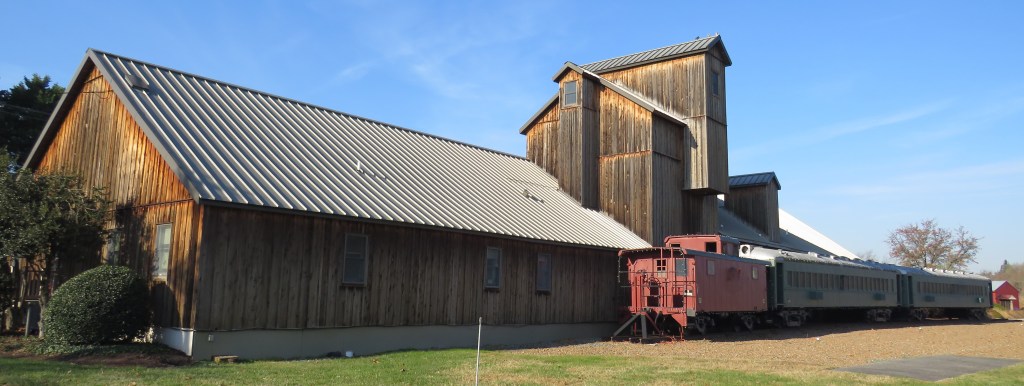
What is known about the railroad line?  At the southern end of the rail trail is an old passenger train station and an old freight house where two old passenger cars and a red caboose are on display.  Between the passenger and freight stations appear to be an area that appears to be the site of an old railroad yard.  The trail runs north from here and ends on the north side of the town. 

Today, the Wayne T. Gilchrist Trail is the only reminder of Chestertown being a railroad town.  It is a reminder of how the railroad was a big part of small town America.

Bluemont Park, Arlington, Virginia

When you visit Bluemont Park, it may appear to be your average park.  Located in Arlington in the U.S. state of Virginia and a suburb of Washington D.C., it looks like your average park, but it is not.

As you approach the park from Wilson Boulevard, you will first notice the Washington and Old Dominion Railroad Trail.  Yes, the Washington and Old Dominion Railroad Trail passes through many parks in the Virginia suburbs between Alexandria and Purcellville.

So what is special about Bluemont Park?

Bluemont Park has a playground, a softball field, and a creek just like many other parks, and the Washington and Old Dominion Railroad Trail passes through the park.  What makes Bluemont Park is what happened here.

What happened at Bluemont Park?

The Washington and Old Dominion Railroad Trail, like other railroad trails, follows the route of a railroad line.  This railroad line ran from the port of Alexandria to the town of Bluemont where it connected to a rail line that is now owned by Norfolk Southern Railway.  (The railroad line was owned by many railroads, but the Washington and Old Dominion Railroad was the last railroad that owned the railroad line.)  Bluemont Park was the site of Bluemont Junction.  It was here where the Washington and Old Dominion Railroad connected with a railroad line that ran to Rosslyn, a community in Arlington that is across the river from Georgetown, a historic neighborhood and oldest section of the District of Columbia, and it connected to a railroad line that ran to the Virginia side of the present day Great Falls Park, a famous waterfall on the Potomac River.  (The Bluemont Trail follows the route to Rosslyn which had a train terminal that is long gone.)  Things changed when passenger service ended in 1951 and the railroad was abandoned in 1968.

Today, the railroad lines are long gone and so are the many structures that were here that included a passenger station, an electric power station, and a ‘wye’ track used to turn trains around.  When you visit the site today, you will see a replica of the Bluemont Passenger shelter and a caboose paint in the Southern Railway colors.

A visit to Bluemont Park is a quiet place in a very urbanized area which was bustling in its heyday.  It is located at 601 N. Manchester Street in Arlington, Virginia.  The park is open from sunrise to sunset, and it is completely wheelchair accessible.