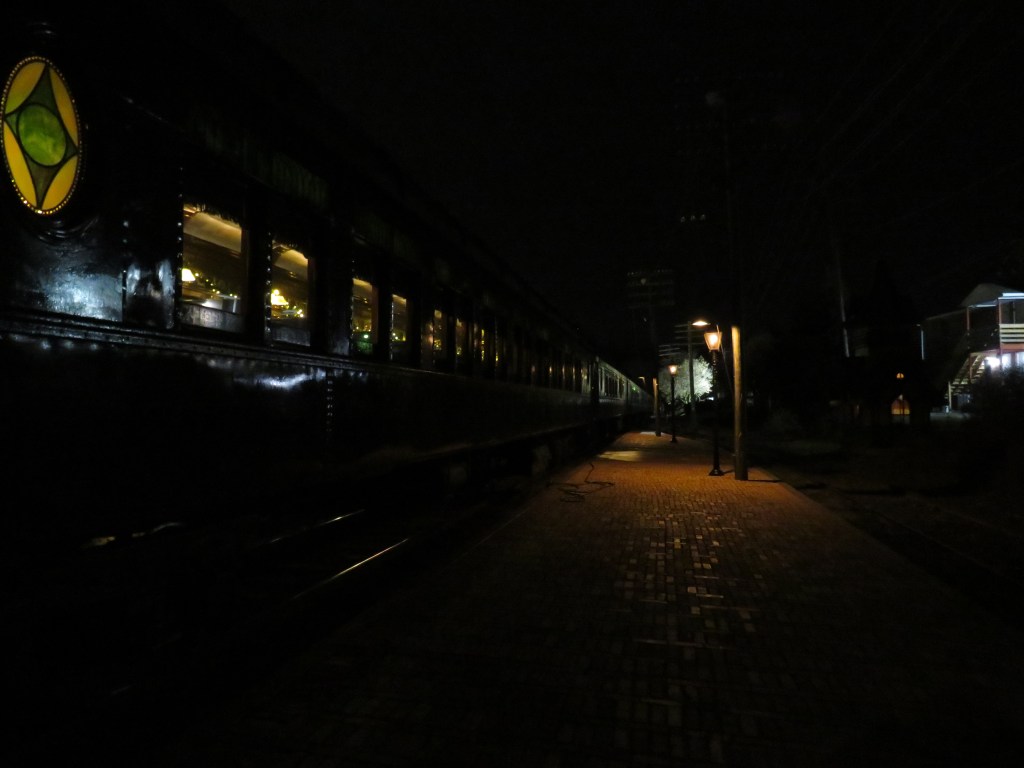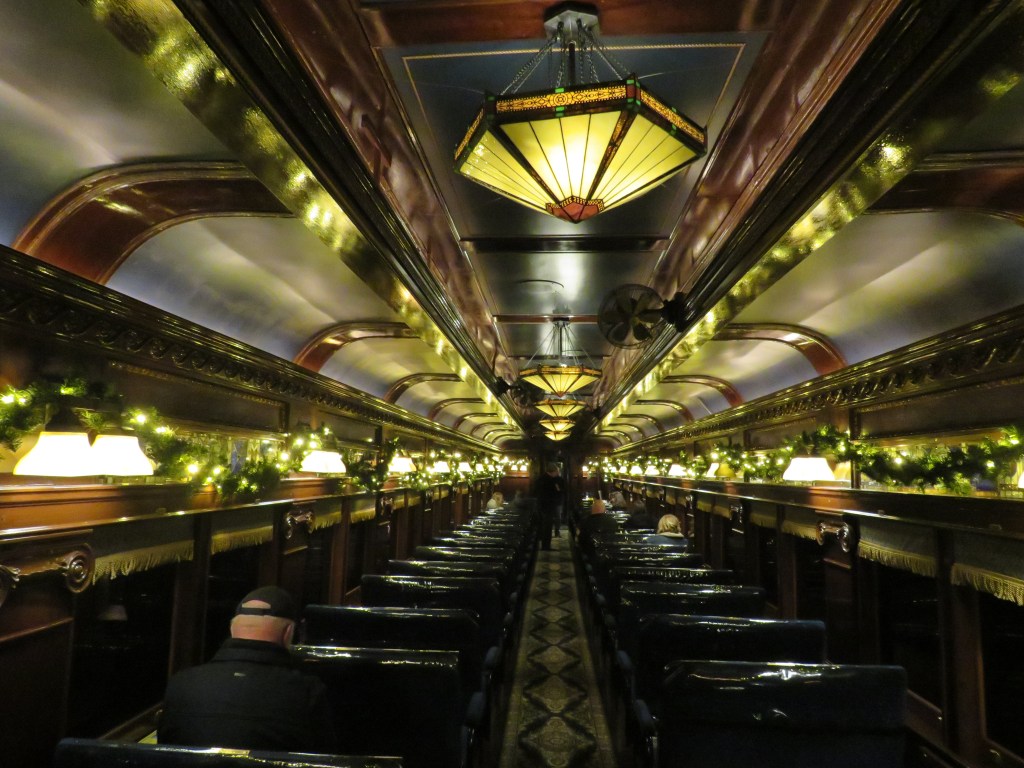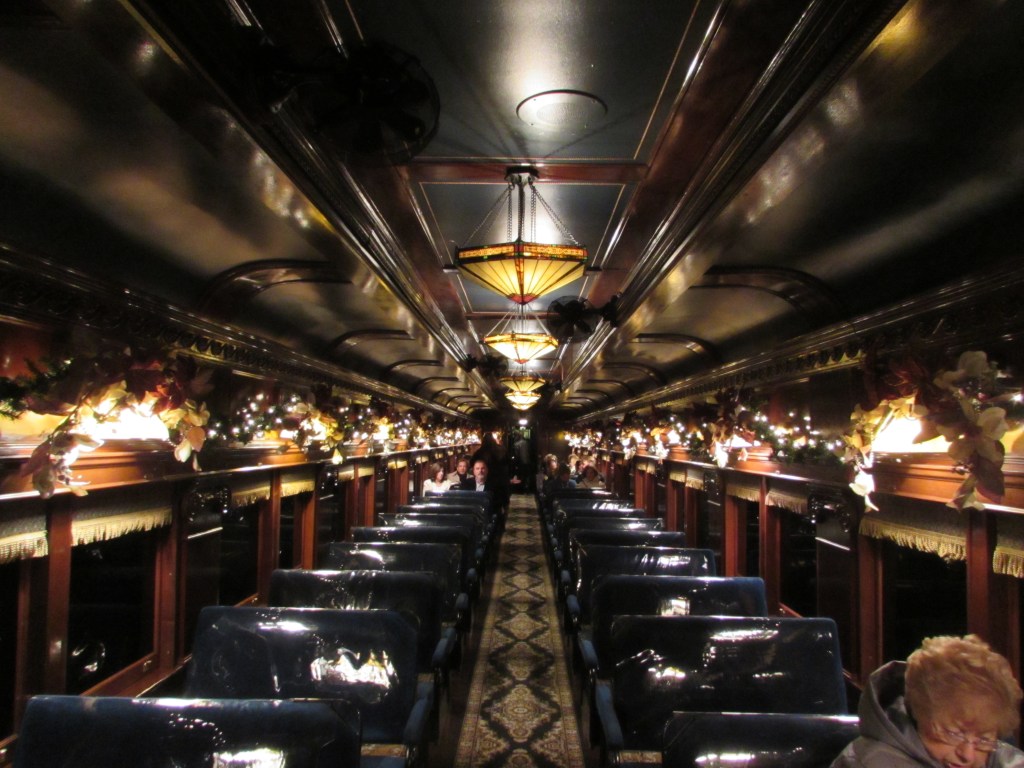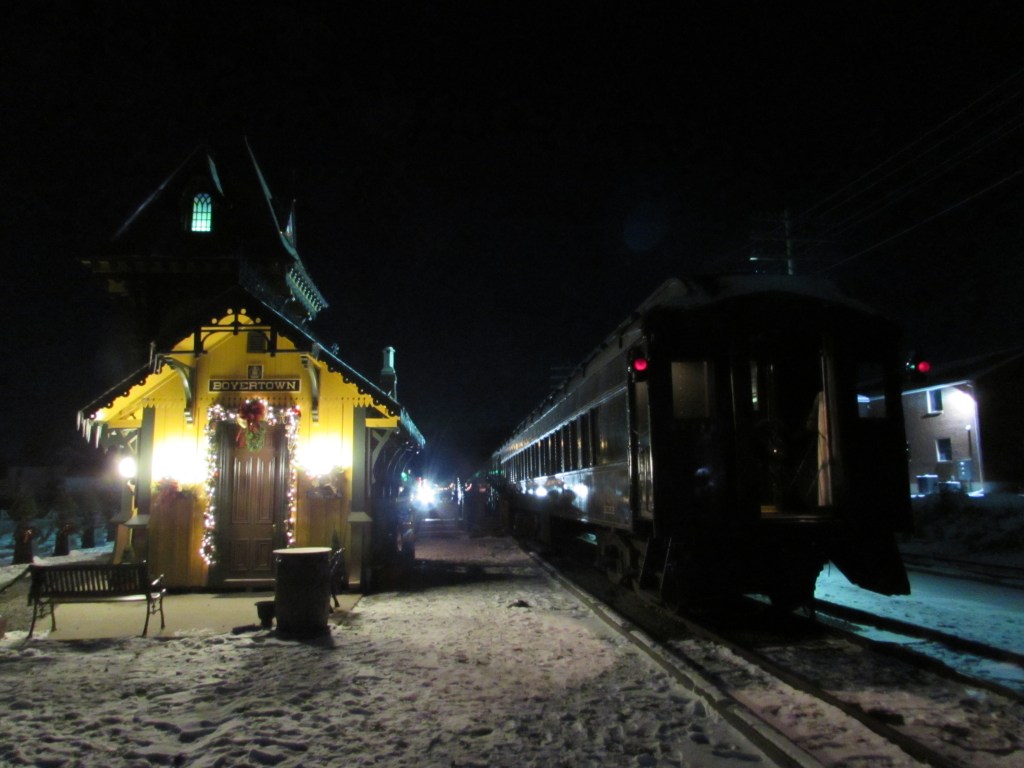
A Time for Thanks

The holiday we know as Thanksgiving is a day set aside to be thankful for what we have.  Most people think about the Pilgrims who fled persecution in Europe for their faith in God who traversed the Atlantic Ocean to a place in what is now in the U.S. state of Massachusetts, and they were thankful to God for those who survived the passage.  (Not everyone survived the voyage.)  Once they arrived in the New World, they had to survive.  They tried to use their old ways to survive, but when the Native Americans noticed their methods, they stepped in to teach the Pilgrims how to survive.  The result was an abundant feast which we call the First Thanksgiving.  (The actual First Thanksgiving happened in what is now the U.S. state of Virginia, but the one in Massachusetts is the one that the holiday is modeled after as it involved a feast.)  United States President Abraham Lincoln set the holiday on the fourth Thursday in November.  The United States of America is one of the few nations in the world that set a day aside for Thanksgiving.

Some of you are saying, “This is nice.  I enjoy Thanksgiving.  I enjoy the food.  I enjoy watching American football.  I enjoy the day off.  I enjoy hearing the story of the Pilgrims.  There is one big problem.  This holiday, well, no holidays have an origin with the railroad.”

That is true.  As we go to our feasts, some of us ride the train.  We can take the time to thank the railroad workers.  Let us thank the engineer for driving the train.  We can thank the porters for keeping the train nice and tidy and making sure we have clean sheets and towels.  We can thank the baggage handlers who handle the baggage.  We can thank the ticket masters who produce our train tickets.  We can thank the conductor for keeping everything running on the train.  We can thank the mechanics and maintenance workers for repairing and maintaining the trains to keep them running.  We can thank the track workers for keeping the railroad tracks in good working order to prevent derailments.  We can thank the police and emergency workers for keeping us safe.  We can thank the yard workers who put our trains together as well as moving train cars in the yards.  We can thank the cleaning people for keeping the trains clean.  We can thank the chefs who cook the food and the waiters who serve us.

Some of you are saying, “That is nice, but there have been times when the trains have been late.”

True, but we thank those who work hard to get the trains back on time.

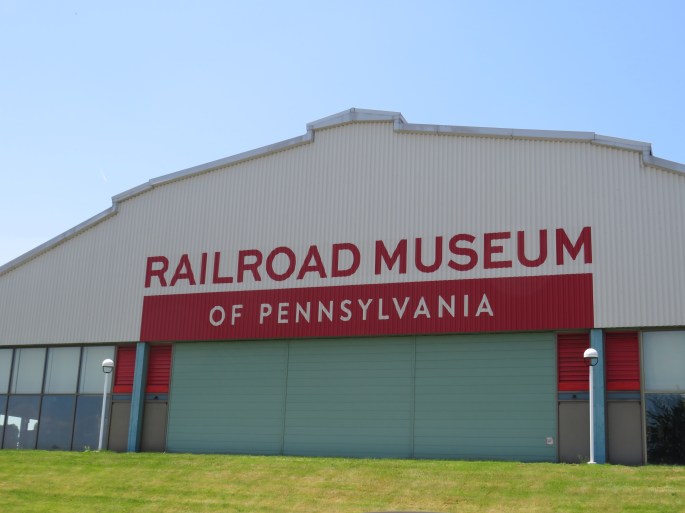
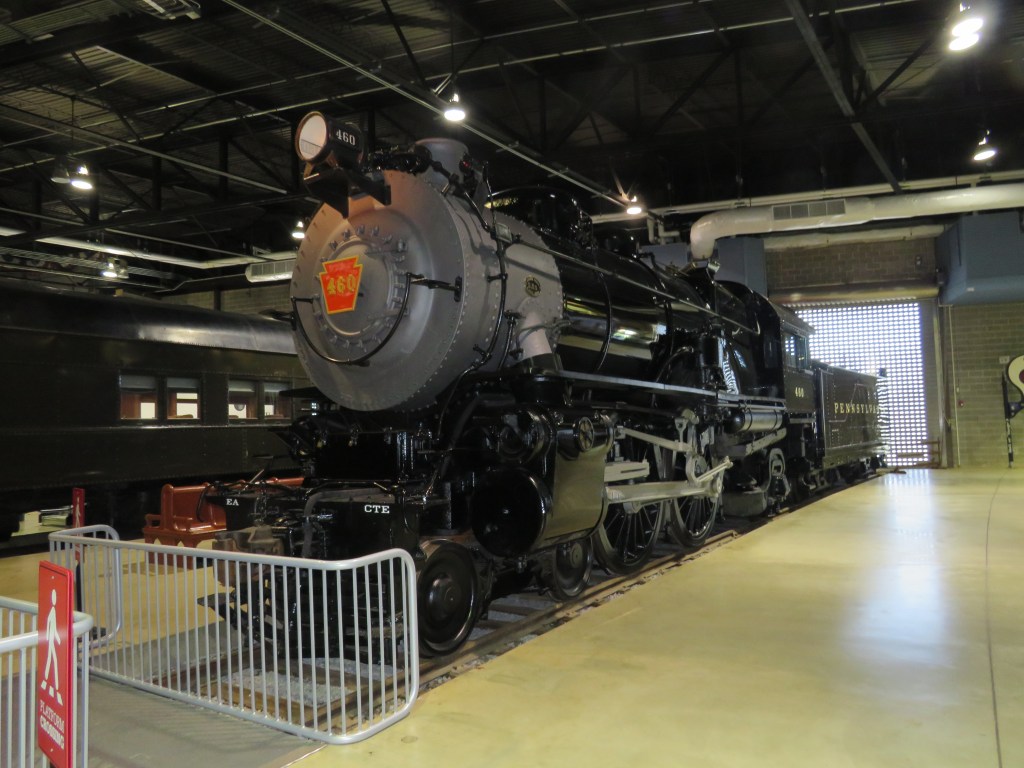
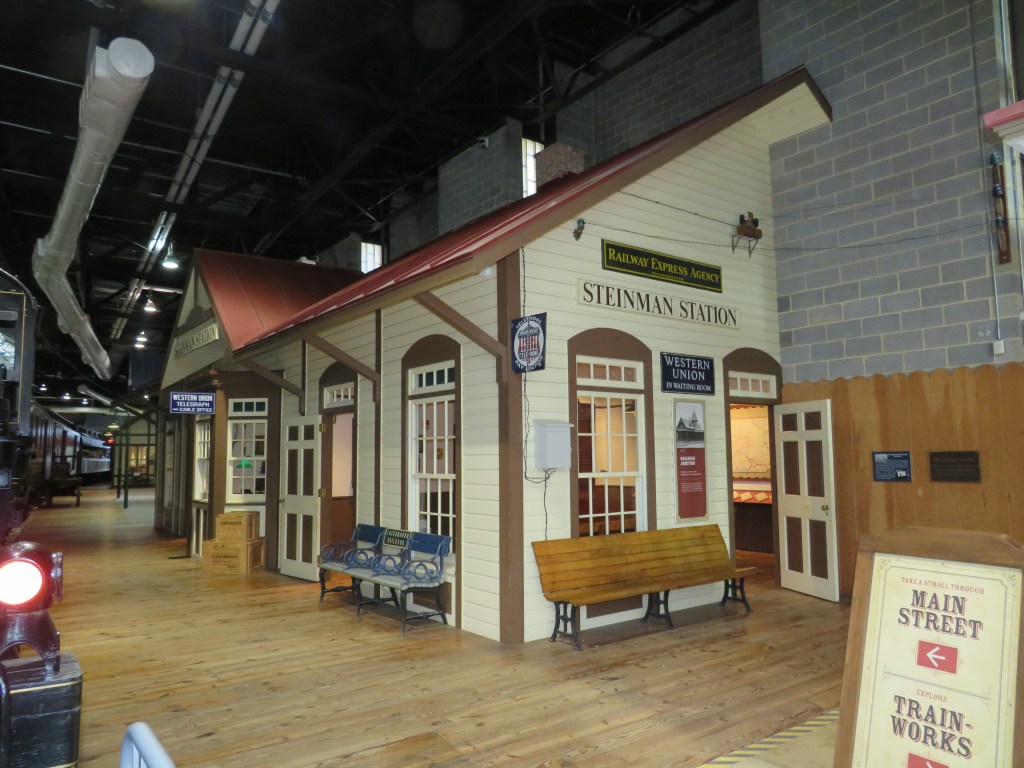
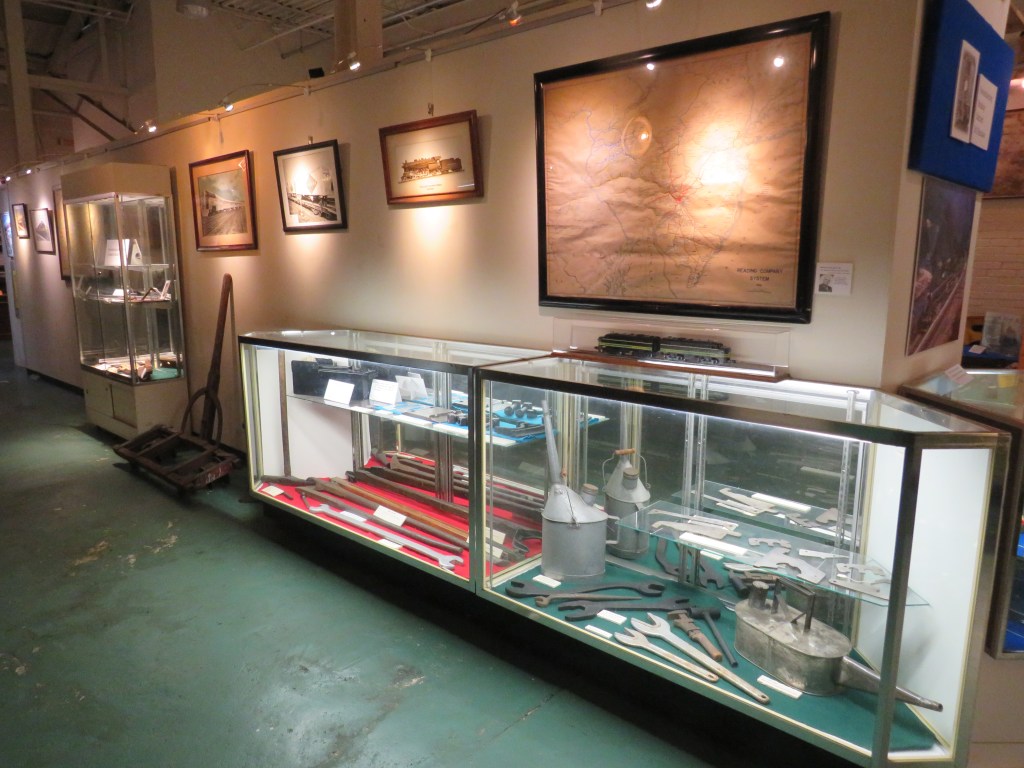
We also thank those who are curators and museum workers who work at the railroad museum.  We also thank those who preserve the photos and old papers from the railroad.
Now I wish all of you a HAPPY THANKSGIVING, and if you do not live in the United States of America, enjoy the day anyway.  If you must work on this day, thank you for your service.

Old Train Station, Grafton, West Virginia

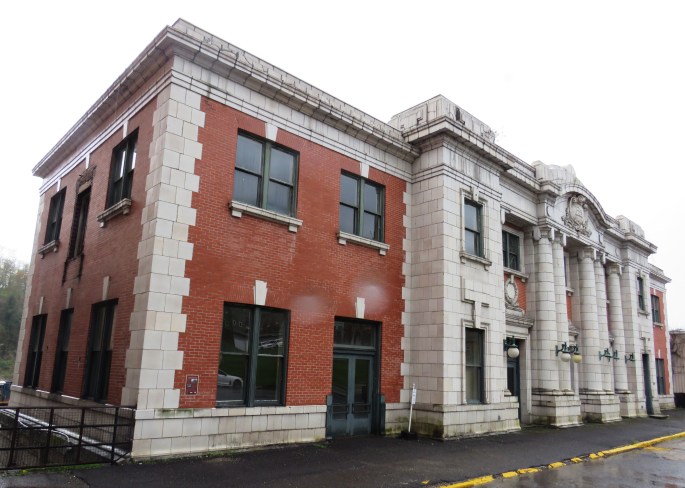
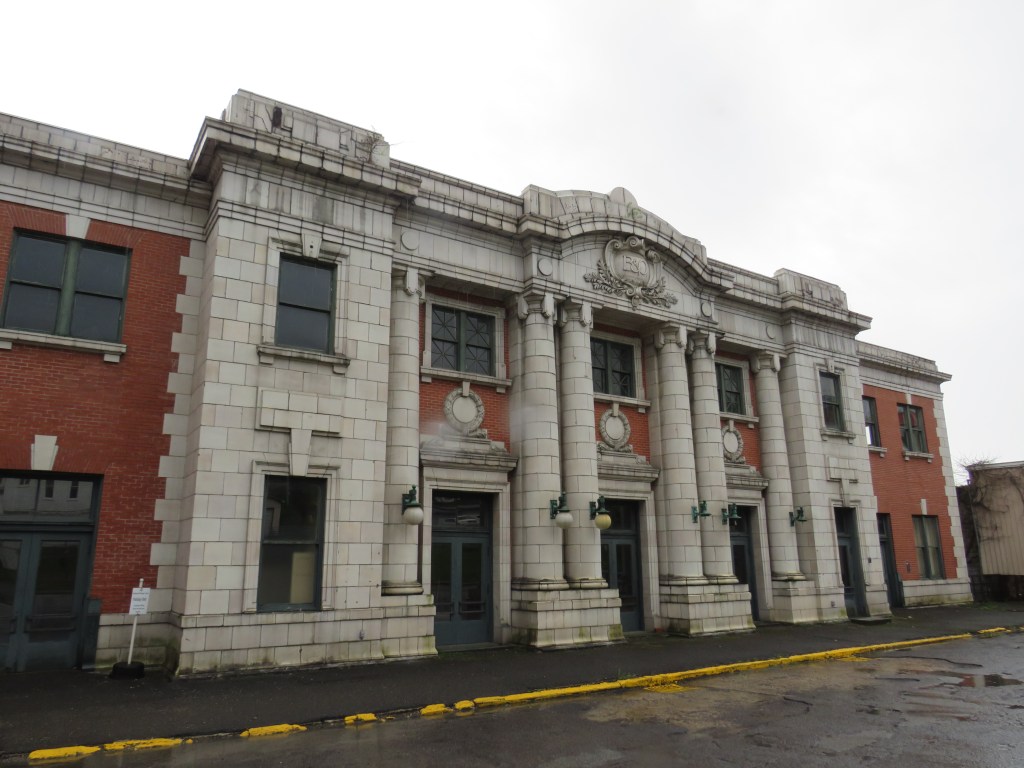
How many of you have ever heard of the small town of Grafton in the U.S. state of West Virginia?  Most of you probably have never heard of this town.  As you drive through the town, you see old buildings.  It appears to be a small town with little significance.  Then you see what looks like an old train station, but it is not your average small town train station.  It looks like something that you would see in a major city.

Why is it here?

The old train station in Grafton, West Virginia was a train station and a hotel.  Why would somebody build a train station and hotel in this small town?  Ladies and gentlemen, this town was not your average small town.

The town of Grafton, West Virginia, originally established at the town of Grafton, Virginia in 1852 as the land was original park of the U.S. state of Virginia before West Virginia was a state, is said to be named after John Grafton.  Who is John Grafton?  He was a civil engineer for the Baltimore and Ohio Railroad.  It was the Baltimore and Ohio Railroad that established the town of Grafton.  The train station and upscale hotel was built in the 1850’s by the Baltimore and Ohio Railroad in honor of Daniel Williard, the president of the railroad, and the hotel was called the Williard Hotel in his honor.  The hotel closed in the 1960’s with the decline of passenger railroad service and was a hotel for train crews.  Passenger service ceased in 1971.

Today, the railroad tracks are owned by CSX Transportation who still has a railroad yard in the town.  The old train station and hotel and the Grafton Downtown Historic District are on the National Register of Historic Places, but the old train station is not open to the public.  The only view of the interior is through the windows.  It is located on U.S. Route 119 south of U.S. Route 50. Along with the railroad building the town, the railroad was a great contributor to the town’s history particularly during the American Civil War.  The town is also the home of the Mother’s Day Shrine and is said to be the birthplace of Mother’s Day.  As you drive around, you will see that this town that looks like it has little history has some much history to see… brought to you by the railroad and an old train station.

Batesville, Indiana

The small town of Batesville in the southeast region of the U.S. state of Indiana.  It is not a famous town as it is centrally located between the major cities of Indianapolis, Indiana, Cincinnati in the U.S. state of Ohio, and Louisville in the U.S. state of Kentucky.  Its historic district is on the National Register of Historic Places.  As you drive through the town, it looks like any other small town.  It has its town hall town parks.  It is truly what small town America is about.

Some of you are saying, “It is nice to visit a small town.  I enjoy small town America.  However, there is a problem with this town.  What is the problem?  This is not a railroad town.  Therefore, I will not be stopping by to visit.”

So, the reason that you will not visit the town of Batesville, Indiana is because it is not a railroad town.  As you drive through the town and historic district, you do not see any railroad tracks or old train station of rail trails.  The only railroad line in the town runs through the south side, but there is no railroad yard or train station here.  Trains mainly just pass through.  Why visit this town?

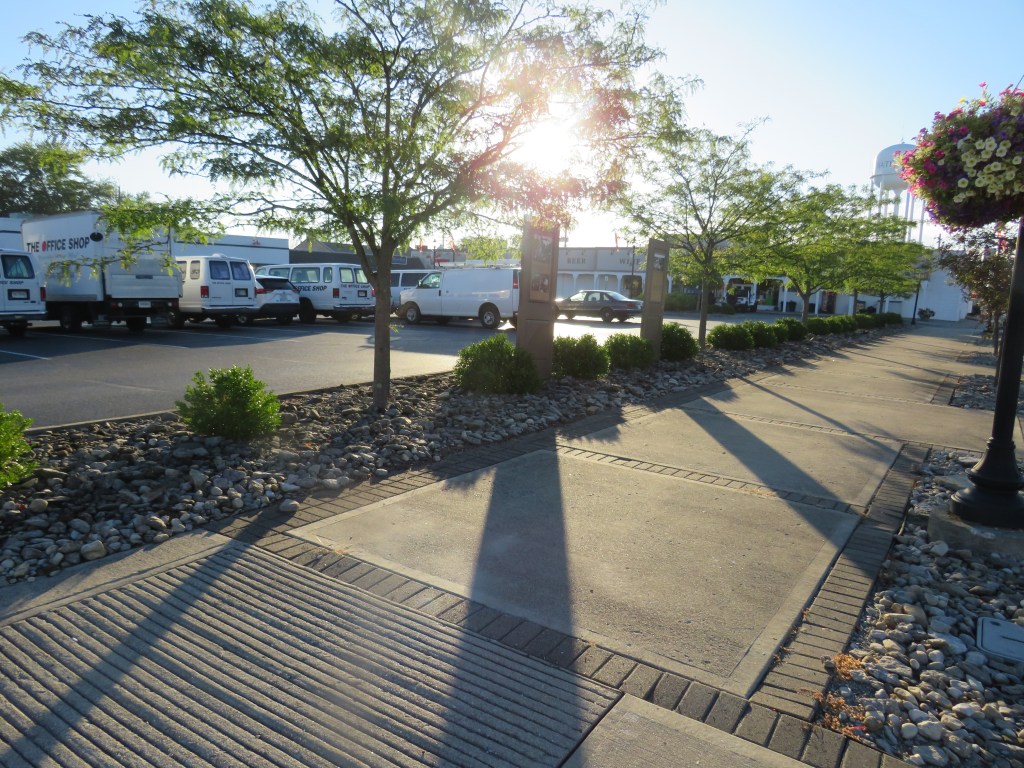
You enter into the historic district of the town.  You see the old buildings.  You see the town hall.  You see the Sherman Inn, and German style hotel and restaurant.  What you do not see is railroad tracks nor do you see any sign of the railroad ever being here.  Then you come upon Depot Square.  Wait a minute.  Where are the railroad tracks?  You see an old railroad crossing sign.  Where are the railroad tracks?  You see no signs of railroad tracks.

You walk towards the town center, and you see doors.  Doors?  They are just doors that are just there, but they have pictures on them.  What are they pictures of?  They are pictures of the old town.  Then you see pictures of the railroad.  You look behind the door, but you just see a street or a lot.

In the early years, a railroad line ran along what is now E. Pearl Street.  There was also a freight depot and a passenger depot.  Along these tracks was once a Buick car dealership where, in 1910, Buicks were brought to the dealership by train.

Some of you are saying, “Alright!  Batesville was a railroad town, but it is no longer a railroad town.”

True, but there is more to the story.  How much more?  Let us start at the beginning.

Before there was the town of Batesville, Indiana, it was just empty land.  The early settlers came and settled the land.  A man named Teunis Amack brought land from the government hoping to make it into a farm, but he later sold it to a man named George H. Dunn.  Who is George H. Dunn?  He was the owner of the John Callahan Trust Company.  Why did Teunis Amack sell the land?  George H. Dunn was also the president of the Cincinnati and Indianapolis Railroad.  The land was bought to be used for a railroad line.  The railroad line was built, and the town of Batesville, Indiana was built around the railroad.  The first train arrived on November 1, 1853, and passed through the center of the town.  The last passenger train served the town in 1906.  Through the years, the tracks were removed, and the train depot was demolished.
Now you have a reason to visit the town of Batesville, Indiana.  The trains may be gone, but the ghosts of the trains remain.

Valley Falls State Park, Fairmont, West Virginia

The U.S. state of West Virginia is a state known for its natural beauty and its mountains.  The state has many state parks.  One of those state parks is Valley Falls State Park near the city of Fairmont.  The park is mainly famous for its waterfalls, but it has many hiking trails as well.  A visit to Valley Falls State Park is a place you will cherish.

Some of you are saying, “Wow!  This must be a beautiful place.  I enjoy seeing waterfalls.  There is a big problem.  This park has no connection with the railroad.  Therefore, this park is not a place I will fall for visiting.”

Why visit Valley Falls State Park?  It has very beautiful waterfalls.  There is beauty surrounding you.  Why visit Valley Falls State Park?

You enter the park, and you drive down to the main parking lot.  You park your car, and you make your way to the waterfalls, but you cross a bridge.  What are you crossing?  You are crossing a railroad line.

Some of you are saying, “Yeah, but there are many railroad lines that pass through parks and towns but have no history with the parks or towns.”

You do have a point.  So, what is special about Valley Falls State Park?

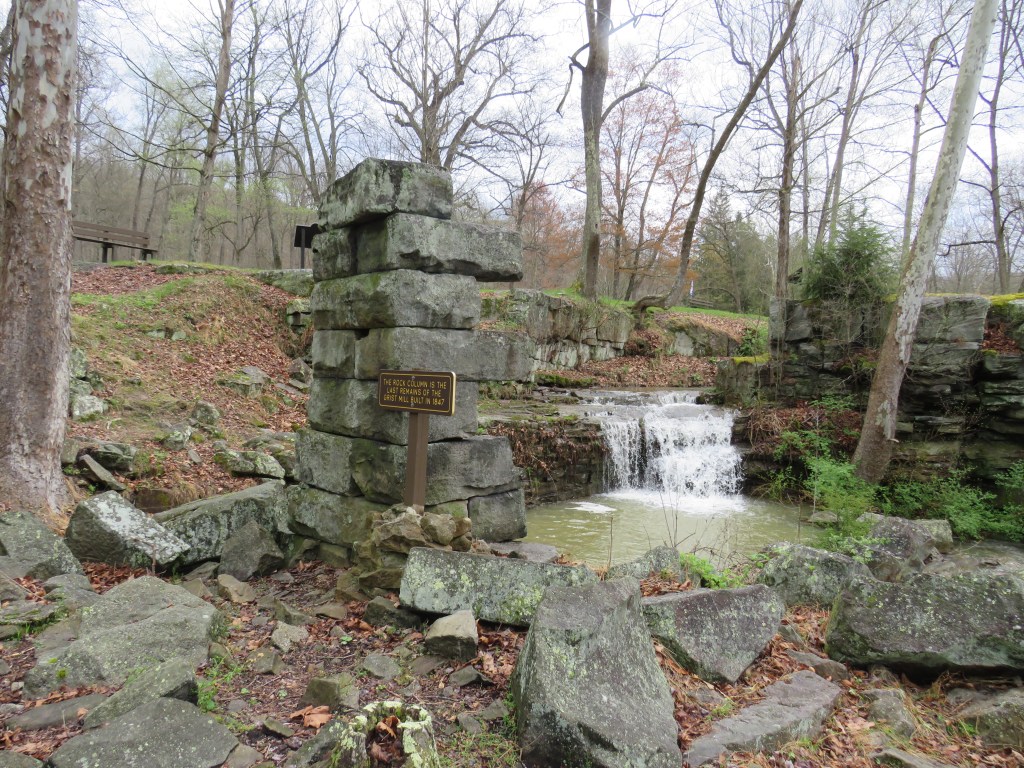
Well, you arrive at the waterfalls, and you are amazed at its beauty.  As you walk around, you notice some ruins.  What was here?

What you are seeing is the ruins of a sawmill and a grist mill.  The water was used to power these mills.  The property was acquired by a trader in the 1830’s, and he built the mills on the site.  A town was erected around the mills, and it was named Valley Falls after, of course, the waterfalls.  Although the mills were the centerpiece of the town, something that arrived in 1853 caused the town to boom.  What came to the town?

In 1853, the Baltimore and Ohio Railroad was built between the town of Grafton to the east and the city of Wheeling located in what is called the Northern Panhandle of the state, and the railroad passed right past the mills.  Sadly, in 1886, the town was destroyed by fire and floods.  The town was never rebuilt although the grist mill itself remained in operation until 1905.

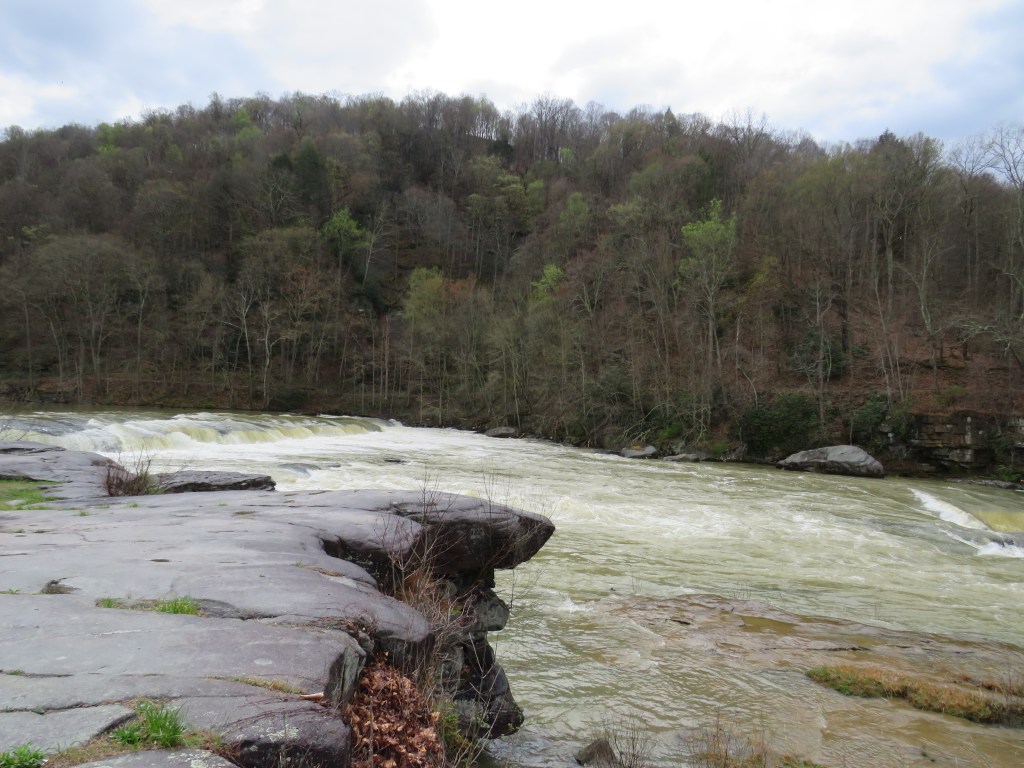
Today, you can see the waterfalls, but you can also see the same railroad line that served the town, but, today, CSX trains pass by the falls.  How great would it be to enjoy the waterfalls and be rewarded by a passing train?

Valley Falls State Park is located at 720 Valley Falls Road southeast of the city of Fairmont, West Virginia off of West Virginia Route 310.  The park is open year round from 7:00am to sunset, but please note that the park will close due to snow and ice.  (If you are adventurous, they do allow you to walk through the park on snowy and icy days.  You just have to park at the entrance and hike in.)  Please note that the walk to the falls is on uneven terrain, which may be difficult for wheelchairs, but much of the falls are viewable from the parking area.  Please also note that the railroad line is an active line.  (No trespassing on the railroad tracks.)

Valley Falls State Park was once the site of a bustling town made possible by the railroad.  Today, the only thing that is bustling is the waterfall and the surrounding natural beauty.  Visit Valley Falls State Park.  You may find it hard to leave.

The Kentucky Railway Museum, New Haven, Kentucky

The U.S. state of Kentucky is a state known as the Bluegrass State.  Many people know about Kentucky Fried Chicken which was started by a man named Harland Sanders, commonly known as Colonel Sanders, even though he started in a restaurant in the state, the first Kentucky Fried Chicken was opened in Salt Lake City, Utah.  The state is known for its horses, and it has the continuously running sporting event in the world, the Kentucky Derby in Louisville, which is a horse race that is the first race of the Triple Crown.  The state is known for its bourbon, of which there are plenty of bourbon distilleries in the state mainly around the Frankfort and Lexington areas.  You may have heard of My Old Kentucky Home.  It is a real house in Bardstown.  In the city of Bowling Green, you will find the National Corvette Hall of Fame.  Along with Churchill Downs where the Kentucky Derby is run, the city of Louisville is known for the Louisville Slugger bat factory where many baseball bats are made and sold, and you can tour the factory and buy a bat of your own.  You have Mammoth Cave, the largest known cave system in the world.  Very few people think of the railroads in Kentucky as there of plenty of great railroad sites in the state.

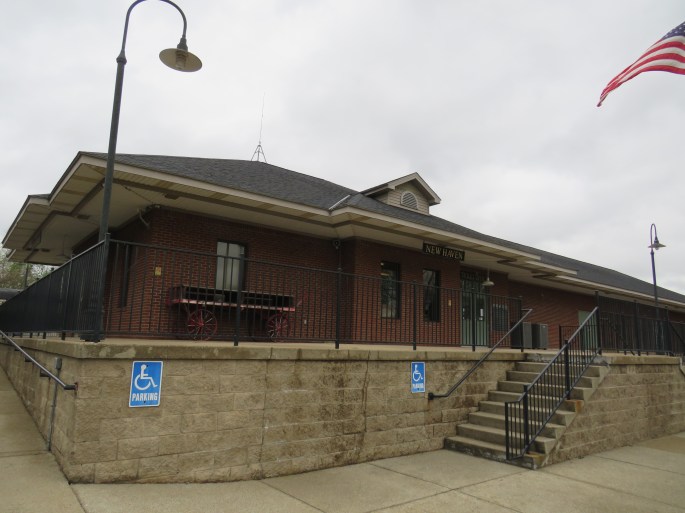
Welcome to the Kentucky Railway Museum in New Haven, Kentucky.  Although the original museum was founded in 1954, it has been at it current site since 1990 after the land was donated by locals to be used as the site of the museum.

As you enter the museum parking lot, you are greeted by Locomotive Number 11 from the Louisville Cement Company.  You park your car, and you notice a wooden boxcar next to the old train station.  What is this boxcar?  It is known as a Merci Car and it one of fifty wooden boxcars that were sent to different areas of the United States of America by France as a thank you to the U.S. for protecting the nation of France from being taken over by Nazi Germany during World War II.  The Kentucky Railway Museum was one of the fortunate recipients of one of these cars.

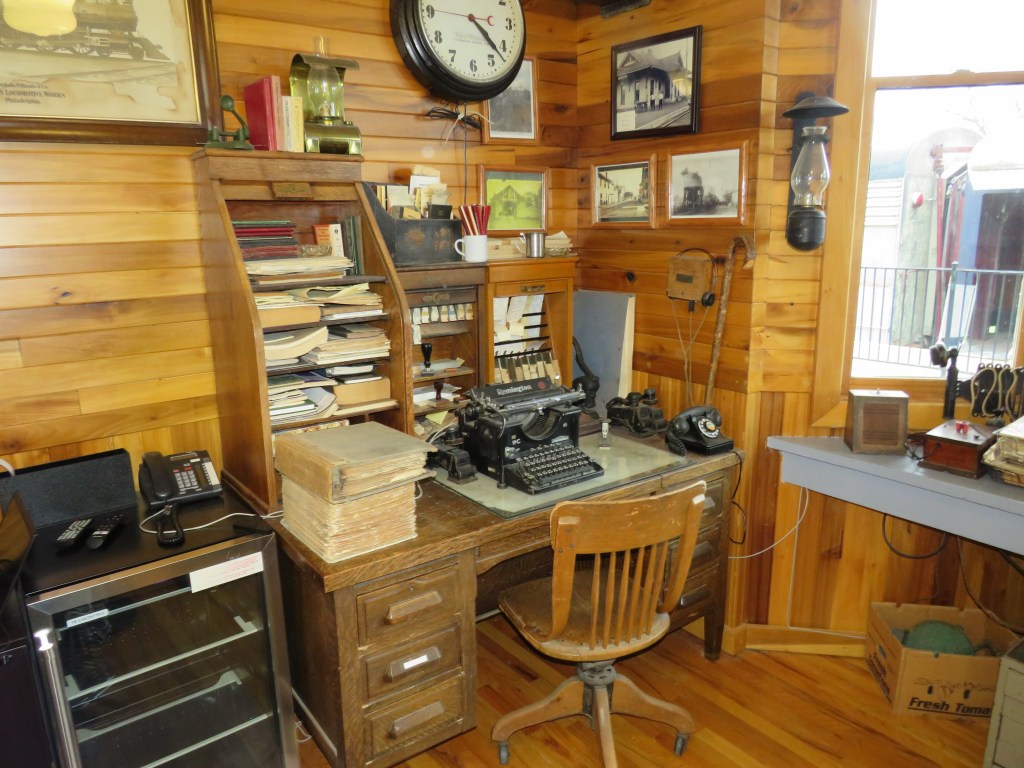
Now it is time to go inside.  You enter the gift shop which is located in the ticket master’s office.  You see the telephone, the telegraph machine used to send Morris code, and you get a view that the ticket master had of the trains even though it is much different today that the original view.

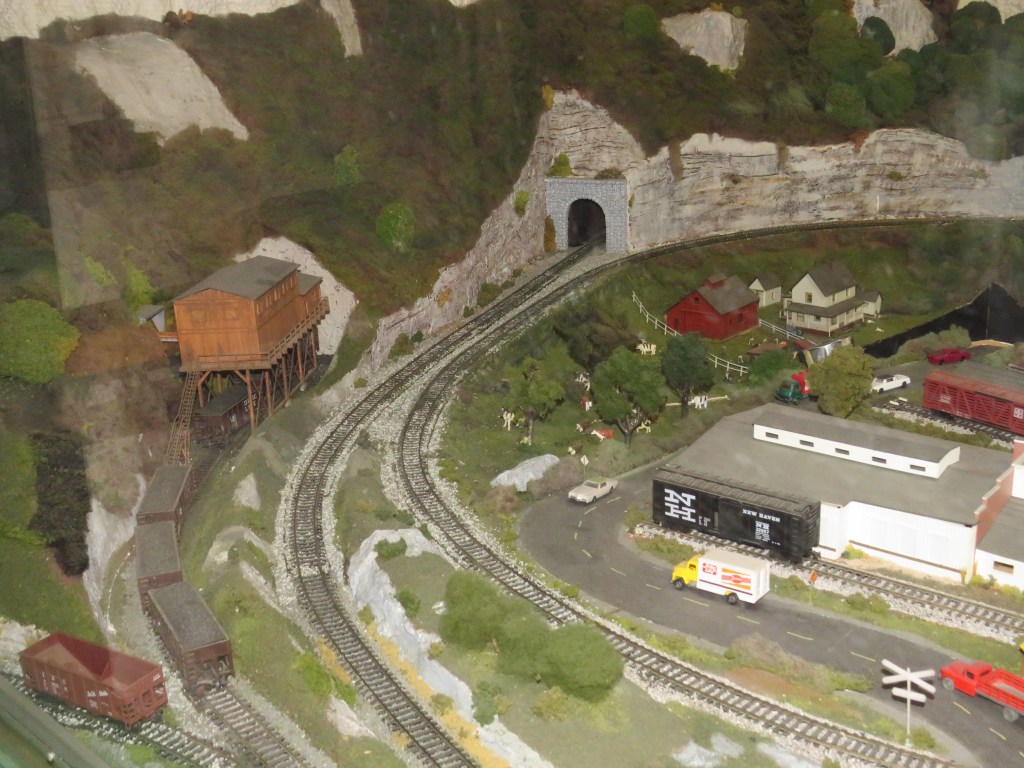
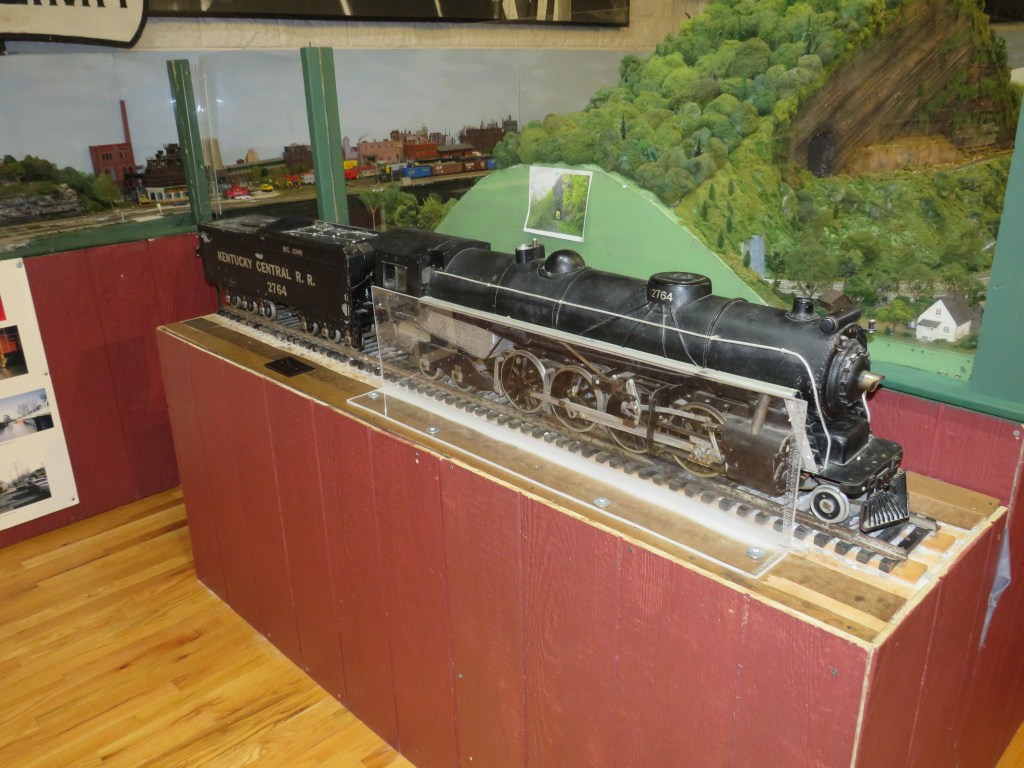
You then go into the big room.  What is in the big room?  Of course, you have railroad artifacts.  You have an HO model train display.  You have many models of locomotives and passengers cars on the wall.  You have model locomotives enclosed in glass.

The model trains and artifacts are nice, but you want to see big trains.  Time to go outside.

Locomotive Number 770 from the Nashville and Louisville Railroad is the first thing you see as you approach the train shed covering a row of cars.  Many of these cars to include passenger cars were used on the Louisville and Nashville Railroad.  If you are fortunate enough, the museum does have train rides.
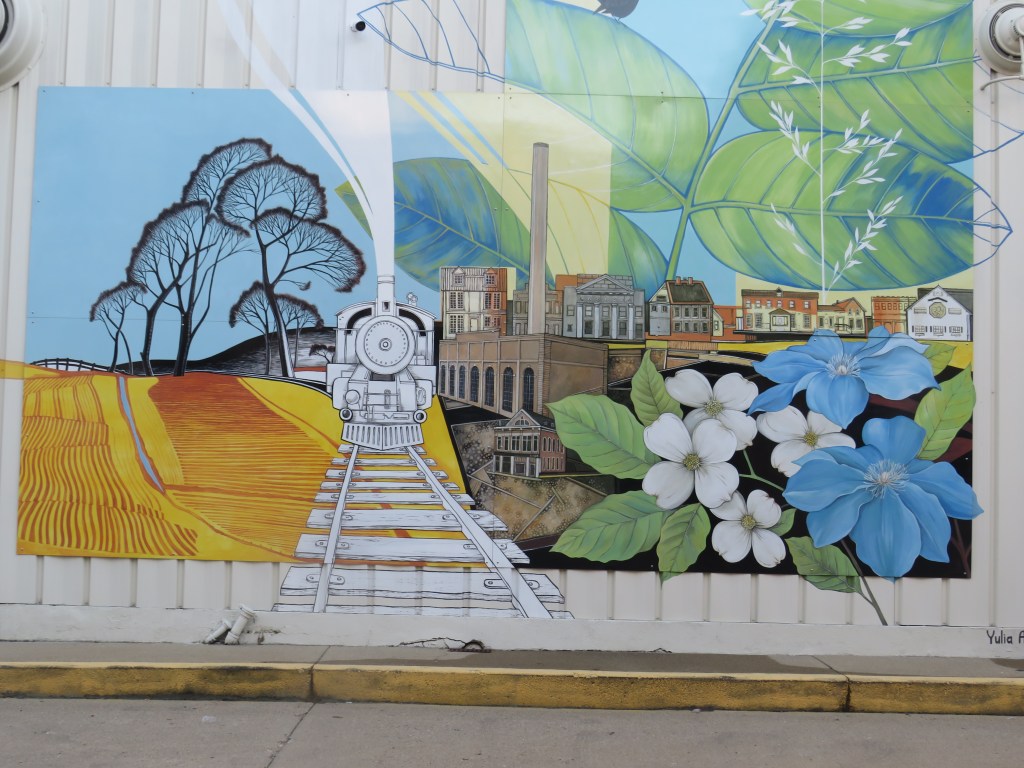
The Kentucky Railway Museum is located 136 South Main Street (U.S. Route 31E) in New Haven, Kentucky.  Hours vary by the time of the year.  Parking is on site.  The great news is that the museum and the train is wheelchair accessible.  You can get more information about the history of the museum, admission, train rides, and hours at https://www.kyrail.org/.

The Kentucky Railway Museum is one great museum to visit.  You can almost say that it is one of the state’s great treasures.

The Hagerstown Police Department, Hagerstown, Maryland

The U.S. state of Maryland is one of the original thirteen states.  It was in this state where the National Anthem of the United States of America was written near Fort McHenry.  The oldest Catholic Church is in this state.  The oldest continuously operating airport in the world, College Park Airport, in located in the state.  The capitol building in Annapolis is the only capitol building in the nation where the capitol dome is completely made with wood.  It is where you will find the largest estuary, the Chesapeake Bay, in the nation.  As for the railroad, the first railroad began in Maryland, and you can still ride the first mile and a half of railroad at the Baltimore and Ohio Railroad Museum in Baltimore.  The oldest railroad bridge in the nation as well as the oldest railroad aqueduct in the nation are in the state and still used today by the Chessie Seaboard System (CSX).  The oldest surviving train station in the nation is in Ellicott City and is open as a museum.

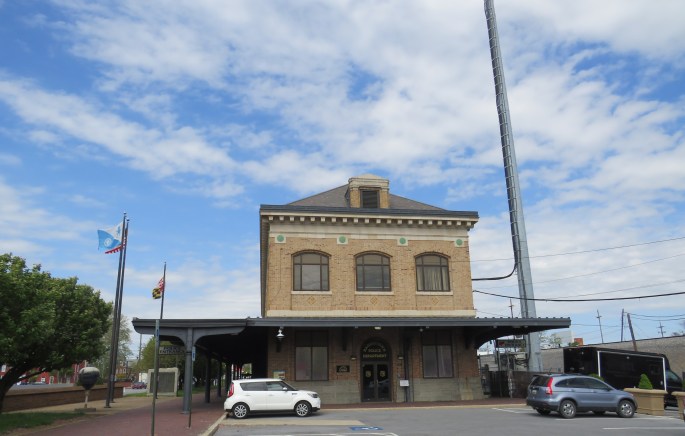
Then you have the city of Hagerstown.  Located in the western region of the state, it is a city that is at a crossroads.  The National Road (present day U.S. Route 40) passes through here as well as U.S. Route 11, and it is where Interstates 70 and 81 meet.  In the city of Hagerstown, you have the Hagerstown Police Department.  What is special about the Hagerstown Police Department?  Well, it is like any other police department in the nation, but they do have one exception.  What is special about the Hagerstown Police Department?  We must look to their headquarters.  Yes, some cities have a fancy elaborate headquarters for their police, but Hagerstown is different.  How?  It was not always the headquarters of the Hagerstown Police Department.

Before it was the Hagerstown Police Department Headquarters, it was a train station for the Western Maryland Railway.  The structure you see today was not the original train station for Hagerstown.  The current structure was built on the site of the original train station.  When passenger serviced ceased to Hagerstown, the building was spared and bought by the city of Hagerstown and became the headquarters of the police department.

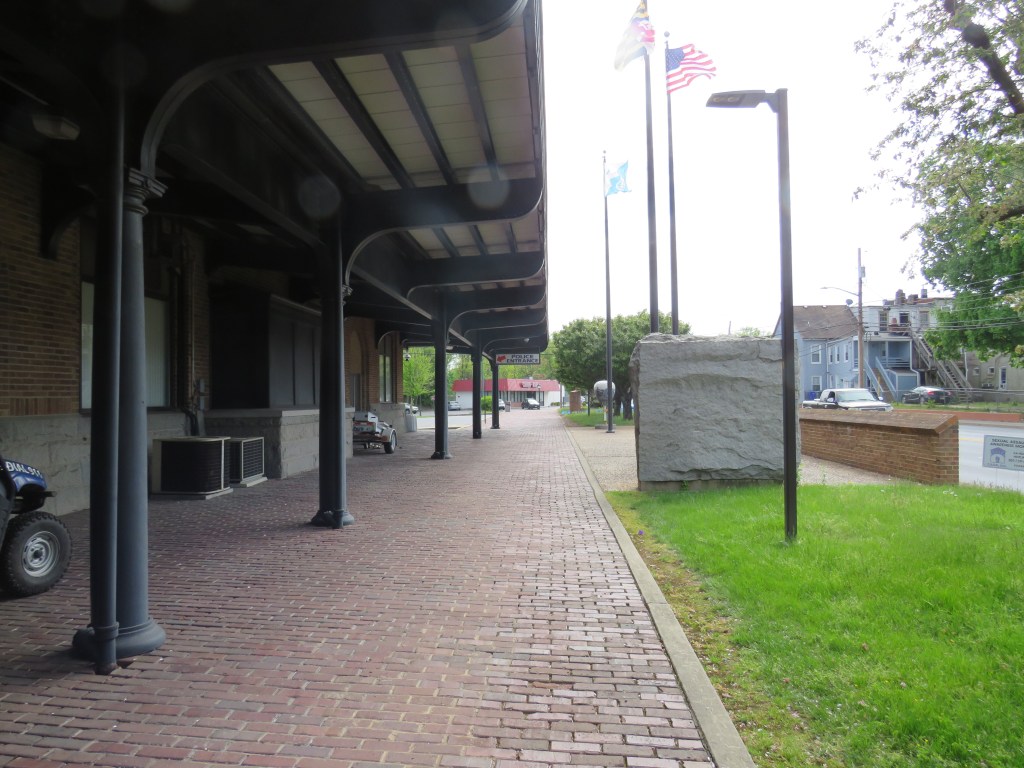
The Hagerstown Police Department Headquarters is located at the intersection of U.S. Route 11 and U.S. Route 40.  Along with the station, there are a few monuments to the police and to the railroad on the grounds.

The Reading Railroad Heritage Museum, Hamburg, Pennsylvania

What was the Reading Railroad?

Some of you are saying, “Well, duh!  It was a railroad where people read books while riding the railroad.”

Ladies and gentlemen, that is not the correct answer.

Some of you are saying, “Oh!  I see. It was a railroad that had the ability to read so they called it the Reading Railroad.”

Ladies and gentlemen, that is not the correct answer either.

What was the Reading Railroad?  (In case you are wondering, it is pronounced red-ing as in the color red as opposed to reading as in reading a book.)  It was originally called the Philadelphia and Reading Railroad Road running mainly along the Schuylkill River between the city of Philadelphia and the city of Reading in the U.S. state of Pennsylvania, and it was one of the earliest in the United States of America.  It was later renamed the Reading Company but was commonly known as the Reading Railroad or the Reading Lines even though the headquarters remained in Philadelphia.  The Reading Company served the eastern region of Pennsylvania connecting the coal mines to the ports in Philadelphia until they were overtaken by Conrail in 1976.  Many of the surviving railroad lines are now owned by the Norfolk Southern Railway.

Ladies and gentlemen, welcome to the Reading Railroad Heritage Museum.  The museum is completely dedicated to the Reading Company.

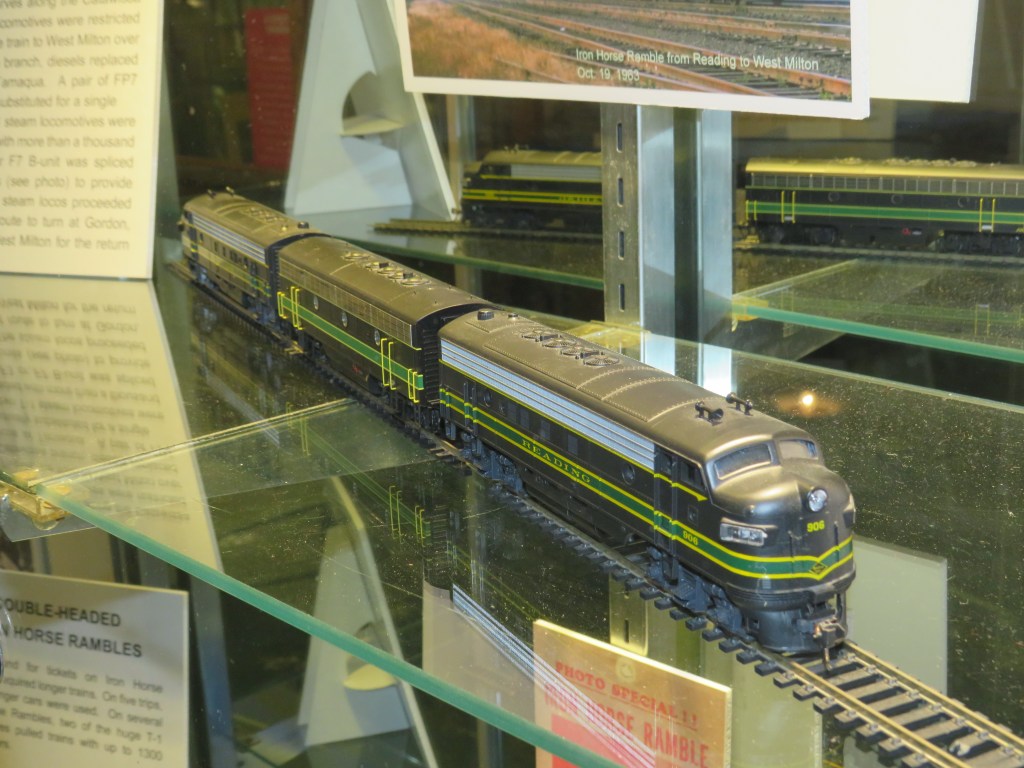
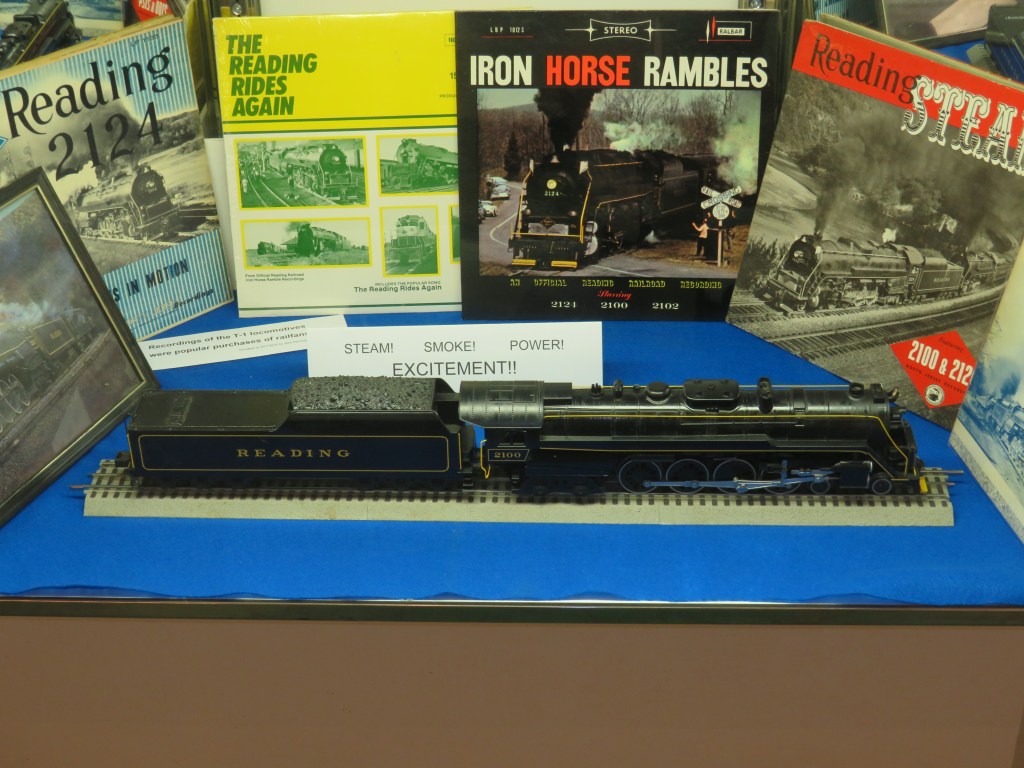
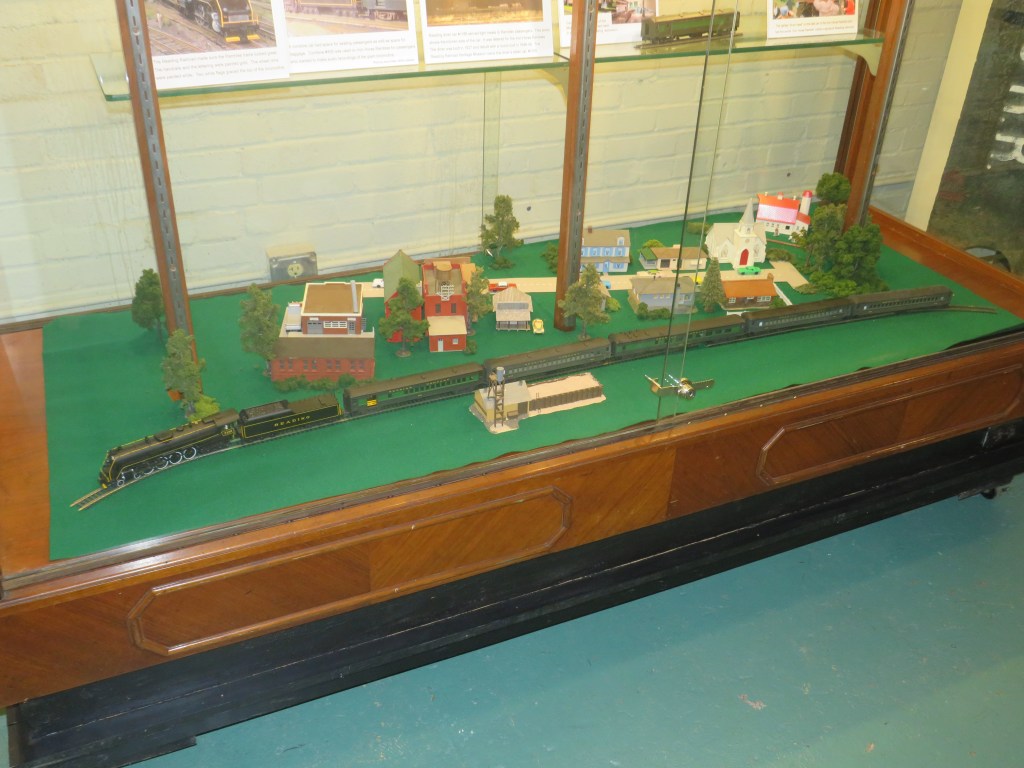
The journey begins at the entrance.  The museum occupies a structure originally owned by the Pennsylvania Electric Steel Casting Company.  You enter the gift shop and then the museum.  You see models of trains.  You see model train displays.  You see a replica of a station master’s office.  You see tools and artifacts used by the Reading Company.

Some of you are saying, “That is nice that they built a museum that remembers the Reading Railroad, but it would be nice to see some real trains.”

That is where we come to the best part of the museum.  What is the best part?

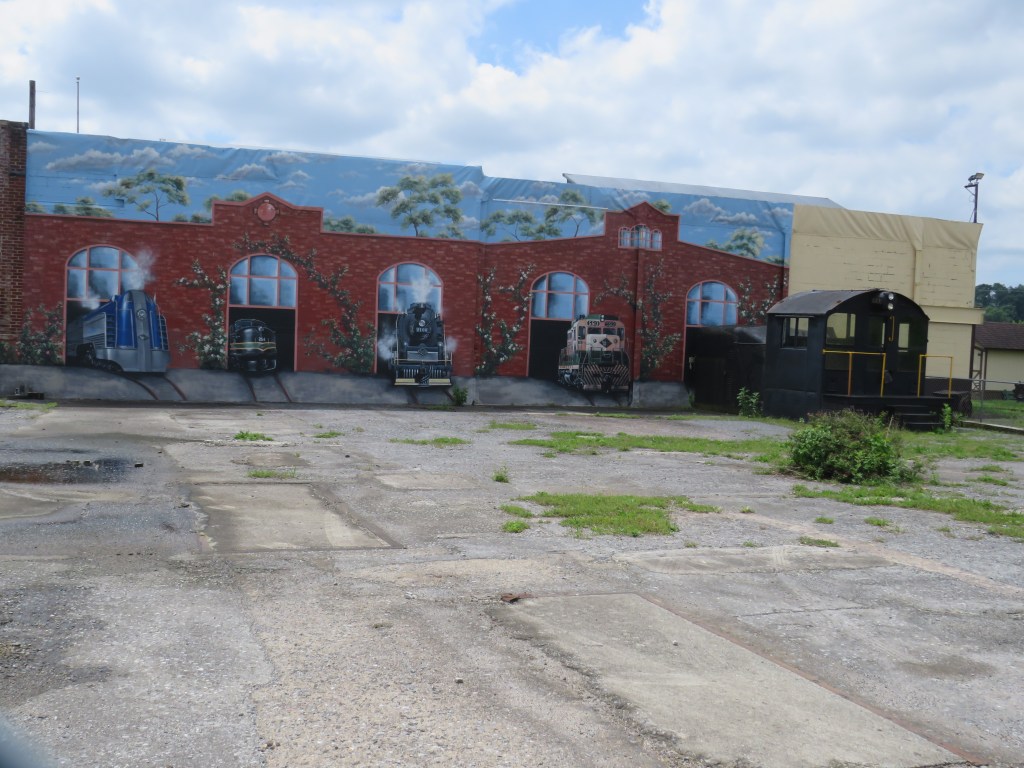
Welcome to the yard.  This is a railroad yard made up mostly of railroad cars used on the Reading Railroad with a few exceptions.  You have boxcars, passenger cars, locomotives, cabooses, and so much more.  There is also a replica railroad tower.

The Reading Railroad Heritage Museum is located at 500 S. Third Street in Hamburg, Pennsylvania.  It is a short drive from Interstate 78, U.S. Route 22, and Pennsylvania Route 61.  The museum is only open from March to December on Saturdays from 10:00am to 4:00pm and Sundays from 12:00pm to 4:00pm.  Admission required to enter the museum.  Parking is street parking.  The museum is self-guided, but only guided tours for the yard.  The museum is wheelchair accessible, but the yard tour requires walking on terrain that is not paved and may be difficult for wheelchairs.  You can get more information at https://www.readingrailroad.org/.

Come to the Reading Railroad Heritage Museum in Hamburg, Pennsylvania.  Learn more about the Reading Railroad, a railroad worth reading about.

The Mansfield Historical Society and Museum, Mansfield, Missouri

The U.S. state of Missouri is located in the heartland of the United States of America.  It is a state that has so much to offer.  You have the city of Saint Louis, nicknamed the ‘Gateway of the West’.  It is famous for the Gateway Arch, a huge arch that rises over the city that is located on the Mississippi River just south of where the Missouri River flows into it.  The Saint Louis Cardinals, the city’s professional baseball team, is the second most championed team in Major League Baseball.  (The New York Yankees are number one.)  On the opposite side of the state is Kansas City that is mostly in Missouri with sections in the U.S. state of Kansas.  The city is known for being a city of fountains having more fountains that any other city in the nation, and it has been known for its barbeque, but it has been most famous for the Kansas City Chiefs, an American football team that is part of the National Football League.  The state has its small towns.  The most famous small town in the state is Hannibal.  What is famous about Hannibal?  No, it is not named after the famous criminal Hannibal Lector.  It is where the famous author Samuel Clemens, famously known as Mark Twain, grew up, and his famous stories, The Adventures of Huckleberry Finn and The Adventures of Tom Sawyer was based.  You have Branson, a city kind of known as the Las Vegas of theme parks.  (In case you are wondering, Las Vegas, Nevada is famous for its numerous casinos.)  Then you have the town of Mansfield.

What is special about the small town of Mansfield, Missouri?  As you visit the town of Mansfield, Missouri, it may appear to be an average American town.  It was the home of baseball pitcher Carl Mays, and it was also the home of Laura Ingalls Wilder, the author who gave us Little House on the Prairie which was made into a television series, and her home is open for tours and she is also buried in a cemetery in town.  As you go to the center of the town, it may not appear to be much, but the town was much different in its heyday.

Welcome to the Mansfield Historical Society and Museum.  As you approach the museum, which is also the tourist information center, you will see that it looks like a train station.  Well, it is a replica train station built on the site of the original train station which was demolished.  There is also an old passenger car on the site.

Today, only the main railroad line passes through the town, but the town was once the site of a railroad yard.  The Ava Southern Railroad, a short line railroad, went south to the town of Ava.

You go inside the museum.  Of course, the museum is about the history of Mansfield Missouri, and the different displays are about the life in the town to include the lives of Carl Mays and Laura Ingalls Wilder.  During here time in Mansfield, Laura Ingalls Wilder made much use of the railroad and the train station as she use the railroad to brings many of her goods to the town.  As you look through the exhibits, you will see a photo of Laura Ingalls Wilder attending an event with the driving of the last spike of the Kansas City Ozark and Southern Railroad which later was known as the Ava Southern Railroad.

Mansfield Historical Society and Museum is located at 101 W. North Street in Mansfield, Missouri, one block south of U.S. Business Route 60.  It is open from 10:00am to 3:00pm Monday through Saturday.  (It is closed on Sunday and from 12:00pm to 1:00pm.)  Parking is on site.  Admission is free, but they do take donations.  The museum is on one floor in two different rooms that are wheelchair accessible.  You can get more information about the museum and read more into the historical society at https://mansfieldhistoricalmuseum.com/.

The state of Missouri is nicknamed the ‘Show Me State’.  Allow them to show you the small town of Mansfield.

Casey Jones Village and Museum, Jackson, Tennessee

Many railroad historians are very familiar with the name Casey Jones.  Who was Casey Jones?  John Luther ‘Casey’ Jones was a famous railroad engineer who had a tragic ending to his life.  He had just taken over a train headed for New Orleans, Louisiana that had arrived at the station  in Canton, Mississippi over an hour late, he tried to get the train back on its schedule.  He was known to be on time.  As he was trying to get the train back on schedule, he was unaware that there was a stopped freight train ahead.  He did get word of the stopped train and tried to slow the train down… but it was not enough.  He was the only man in the locomotive as he had told his fireman, the man who shoveled coal from the coal car to the boiler, to jump off of the train.  Casey saw the caboose of the freight train as his train slammed hard into the caboose… and he was killed instantly.  He was the only one on the train who lost his life, but his actions in the locomotive saved the lives of the passengers and the rest of the crew.  He spent much of his life in the city of Jackson in the U.S. state of Tennessee, and it is here where you will find the Casey Jones Village and Museum.

What is the Casey Jones Village and Museum?  Well, you will see a small shopping village, but before you see the village, you will see the museum.  It is here where you can see a short film about the life of Casey Jones.  The museum has artifacts from different railroads and from Casey himself.  There is a small model of the train crash site.  The carriage that carried his casket during his funeral.  The museum has model trains and a train store.

Now that you have walked through the museum, you can go outside and see a replica of Illinois Central Railroad Number 382.  Casey was on the original locomotive that was involved in the crash.

There is also an old baggage car and a caboose.

Another part of the visit to the museum is a tour of the home of Casey Jones.  It is his original home at it original site.  You can see the different rooms with the original furniture.

Once you are finished with the museum, you can visit the Country Store.  It is not only a store, but it also has a restaurant.  The rest of the village feature shops, and there is also a farm and a church.

You do not have to be a railroad fan to appreciate the life of Casey Jones.  Many songs were written about him.  When you see more into his life, you will see him as an American railroad hero.

The Casey Jones Village and Museum is located at 56 Casey Jones Lane in Jackson, Tennessee.  It is just off of Interstate 40 and U.S. Routes 45 and 412.  Parking is on site.  The museum and village hours vary throughout the years.  The museum and house is wheelchair accessible.  You can get more information at https://www.caseyjones.com/.

Casey Jones is a hero.  He was a railroad hero who saved the lives of others.  When you visit the Casey Jones Museum, he may become your hero too.

The Conway Scenic Railroad, North Conway, New Hampshire

The U.S. state of New Hampshire is one of the six states that make up the region known as New England.  It is a state that has much natural beauty.  Its most famous site was a rock formation that, when seen from a particular direction, had the shape of an old man.  Sadly, the rock face eroded years ago, but you can still visit the site where the rock face once was.  Then you have the world famous Mount Washington, the highest point in the state and it known to have the world’s worst weather.  Another popular thing in the state happens to be… a train ride.
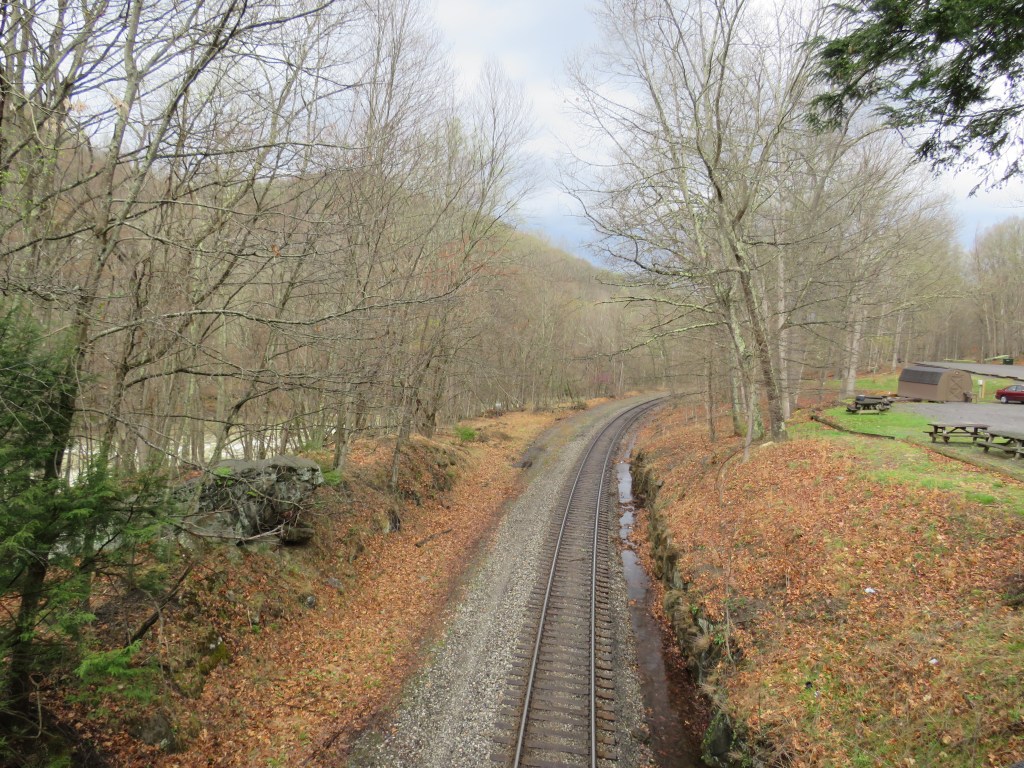
Welcome to the Conway Scenic Railroad, one of the most popular train rides in the United States of America.  Why is it called the Conway Scenic Railroad?  As you drive to the town of North Conway, you will begin to see the answer to the question.  The scenery will amaze you, and you will be amazed as you see it from the seat of a train.

You arrive in the town of North Conway, and it is an impressive small town.  Then you arrive at the Conway Scenic Railroad, and you are totally amazed.  What is amazing you?  The first thing you see when you arrive at the Conway Scenic Railroad is the train station.  Yes.  Most train excursions leave from train stations, but the North Conway Train Station was built in 1874.  As you look at the old train station, you may find yourself in a different time.  You enter the ticket office to buy your tickets, and you walk through the small museum that tells the history of the railroad in the region and the gift shop.

The train station is amazing, but you did not come to the town of North Conway, New Hampshire to just see the old train station.  You came here to ride the train.  This is not just any train.  This is the Conway Scenic Railroad, one of the most popular train rides in the nation.

The time has come.  The vintage train pulls into the station, and you board one of the vintage train cars.  From your seat, you are already seeing the beauty of New Hampshire.  The train begins to pull out of the station, and you are shortly out of the town.  You cross over rivers and streams and see fields and mountains to include the world famous Mount Washington.  You ride to the end, and you return to the station.

The Conway Scenic Railroad has numerous excursion routes.  This means that you will need to return again.  After your first train ride, you will want to come back to ride the other excursion trains.

The Conway Scenic Railroad is located in North Conway, New Hampshire at 30 Norcross Circle which is just off of U.S. Route 302 and New Hampshire Route 16.  Parking is on site.  Please note that due to the age of the facility and the trains, they are not wheelchair accessible, but they are happy to assist those with mobility issue in any way they can so that they can enjoy the ride.  Learn more about the excursions, the train schedules, buy tickets, and read more into the railroad at https://www.conwayscenic.com/.

Why is the Conway Scenic Railroad one of the most popular train rides in the United States of America?  The best way to answer this question is to make your way to the small New Hampshire town of North Conway and to ride the train.  Once you ride the train, your question will be answered.