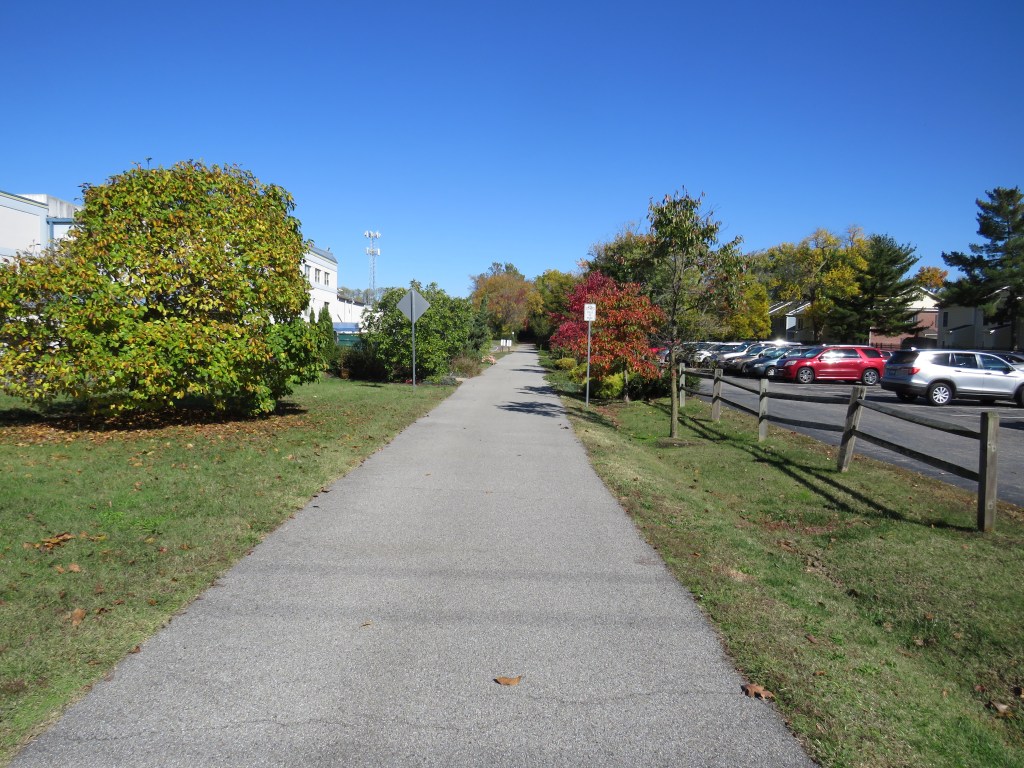
The Wayne Thomas Gilchrist Trail, Chestertown, Maryland

What is the Wayne Thomas Gilchrist Trail?  Commonly called the Wayne T. Gilchrist Trail that was named after a local politician that served in the U.S. state of Maryland and in Washington, the trail is on an old rail line that winds its way through the town of Chestertown located on the Chester River on the Eastern Shore Region of the U.S. state of Maryland.  It is also known as the Chestertown Rail Trail.
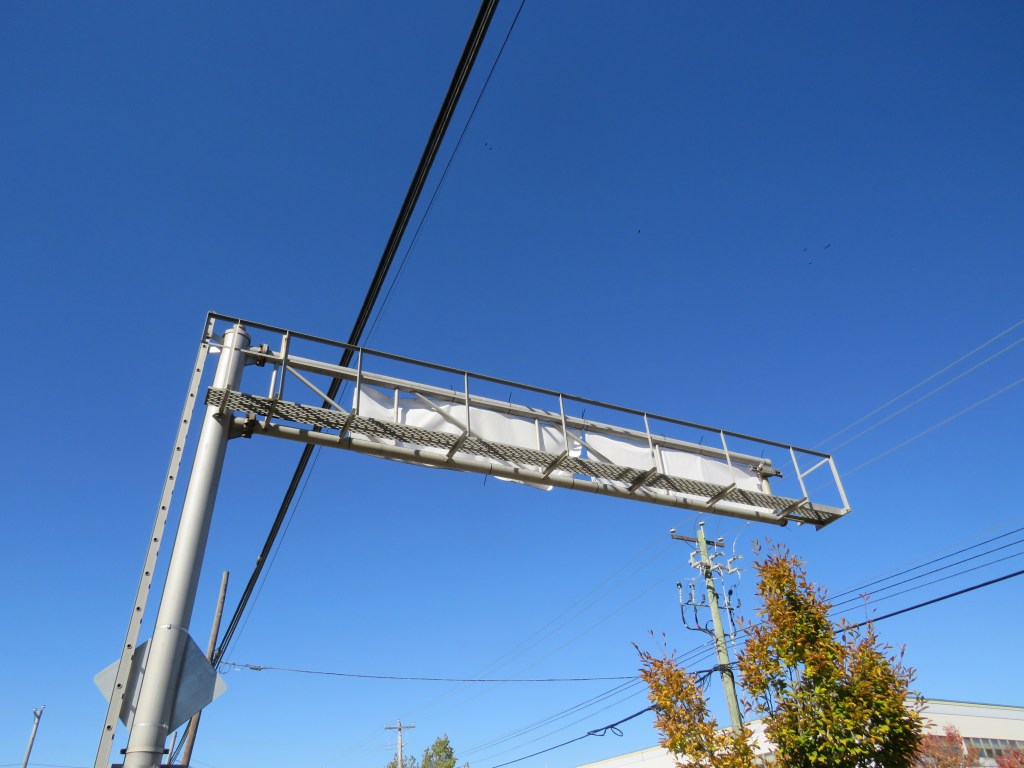
The history of the railroad in the town of Chestertown, Maryland is unknown as the town was much more of a port town on the Chester River than a railroad town.  It is known the railroad line was once a spur line that connected to a main railroad line in Delaware that ran south from Wilmington, Delaware down the center of the Delmarva Peninsula to the town of Pocomoke City, Maryland and then to the town of Cape Charles in the U.S. state of Virginia at the southern end of the peninsula where the Chesapeake Bay enters into the Atlantic Ocean.  A railroad ferry transported the train across the mouth of the Chesapeake Bay to Norfolk.  (Much of the track in Virginia is no longer active while the active section in Maryland and Delaware is owned by the Norfolk Southern Railway.)  Although the Pennsylvania Railroad originally built the line.  Smaller short line railroads owned the different spur routes.

Back in the glory days of railroading when the railroads ran both passenger and freight services, the passenger trains served small towns on spur lines like Chestertown.  When Amtrak service began, passenger service to small towns on spur lines ceased, and passenger service ceased on the main railroad line on the Delmarva Peninsula, and the opening of the Chesapeake Bay Bridge connecting the east and west coasts of the Chesapeake Bay aided the decline. 
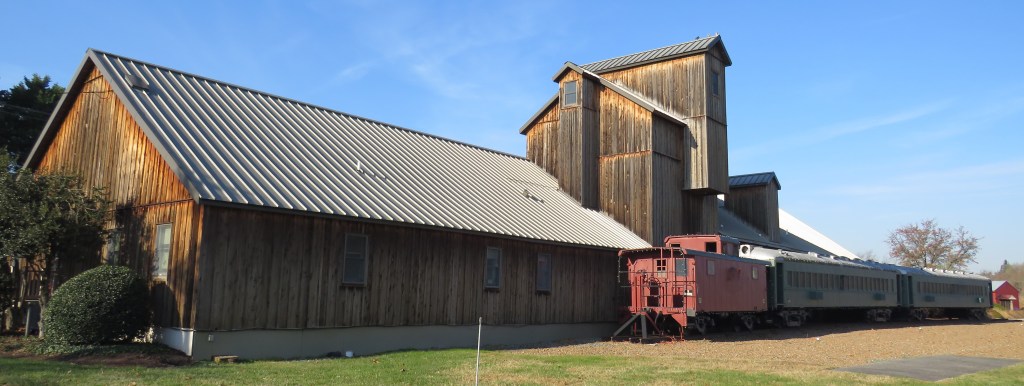
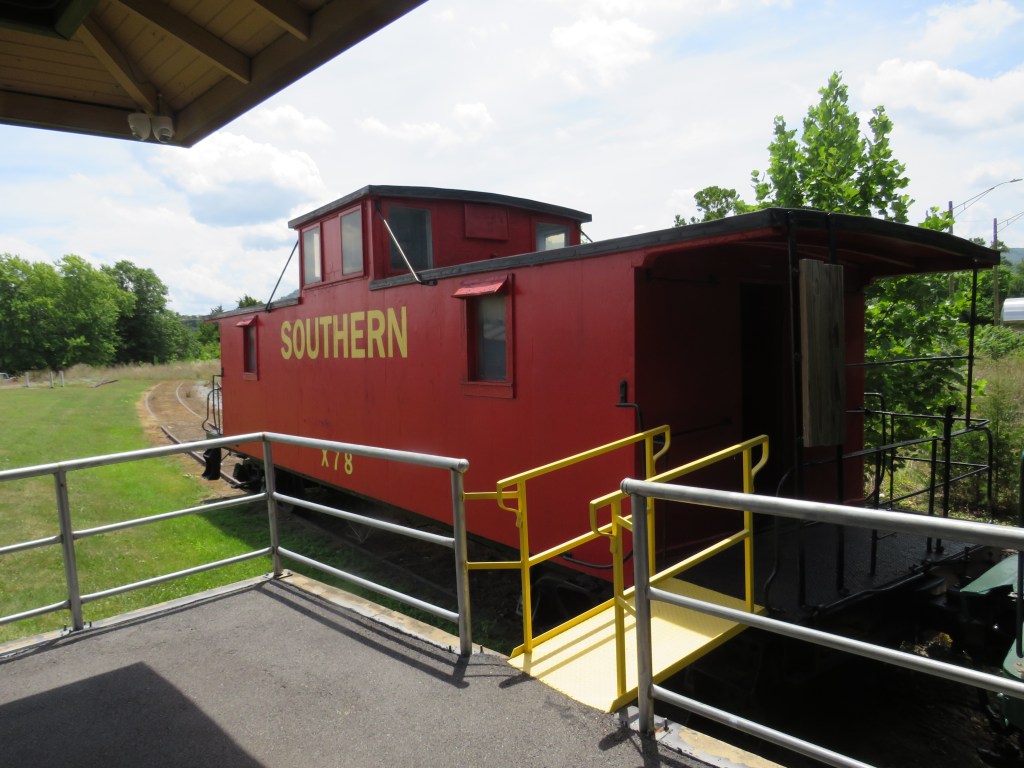
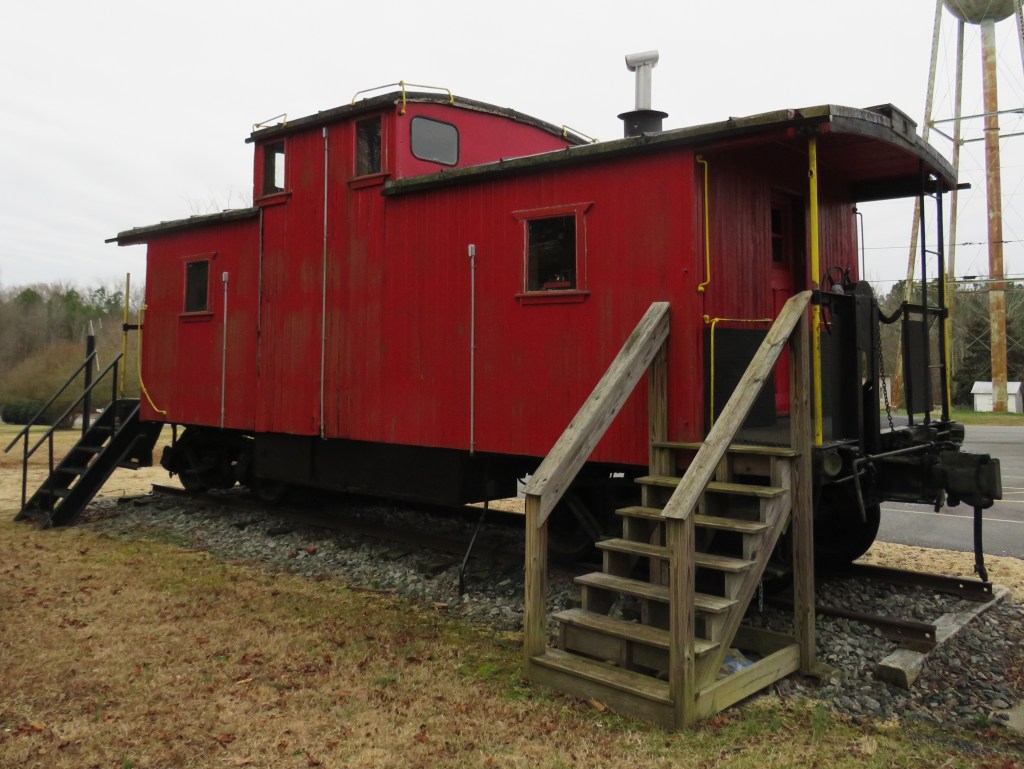
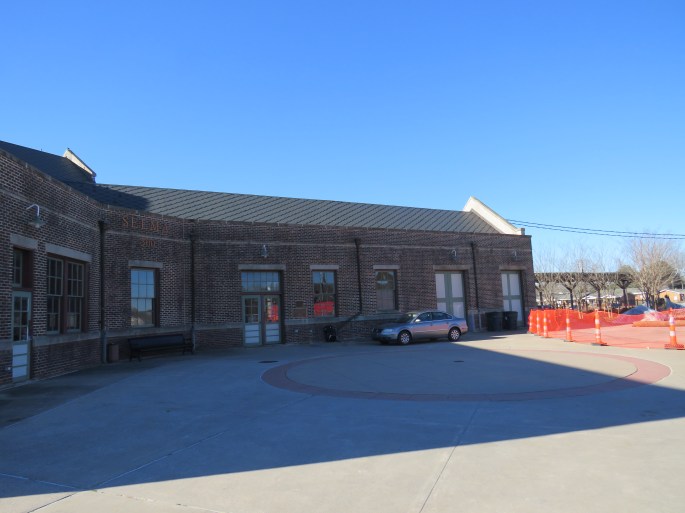
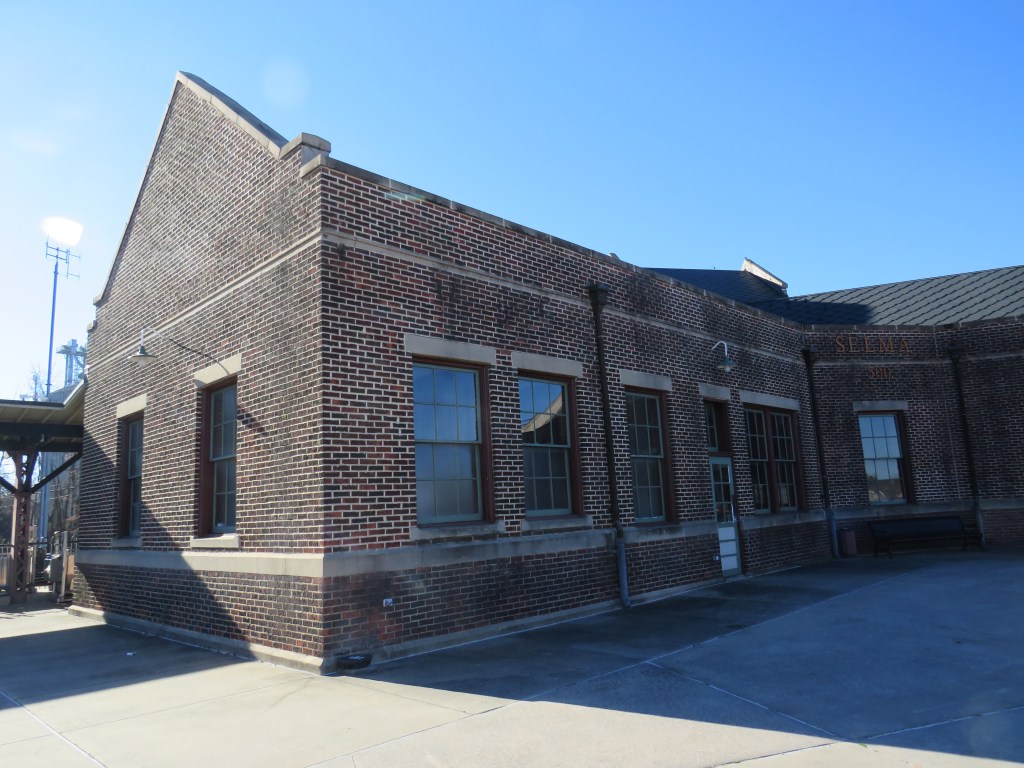
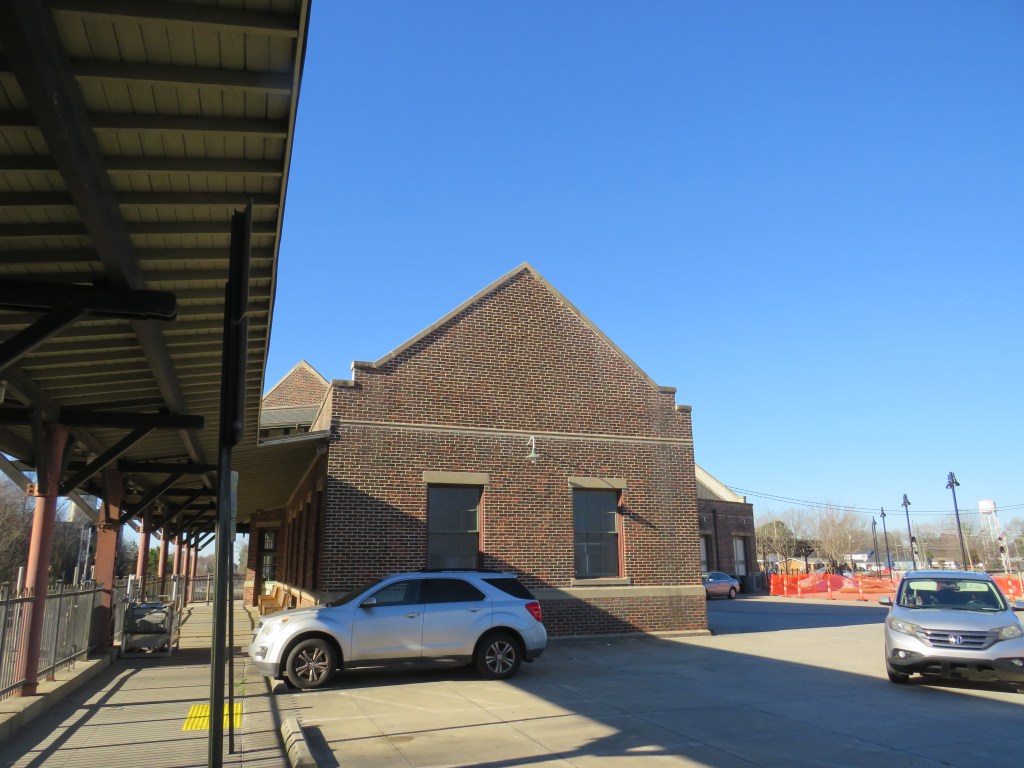
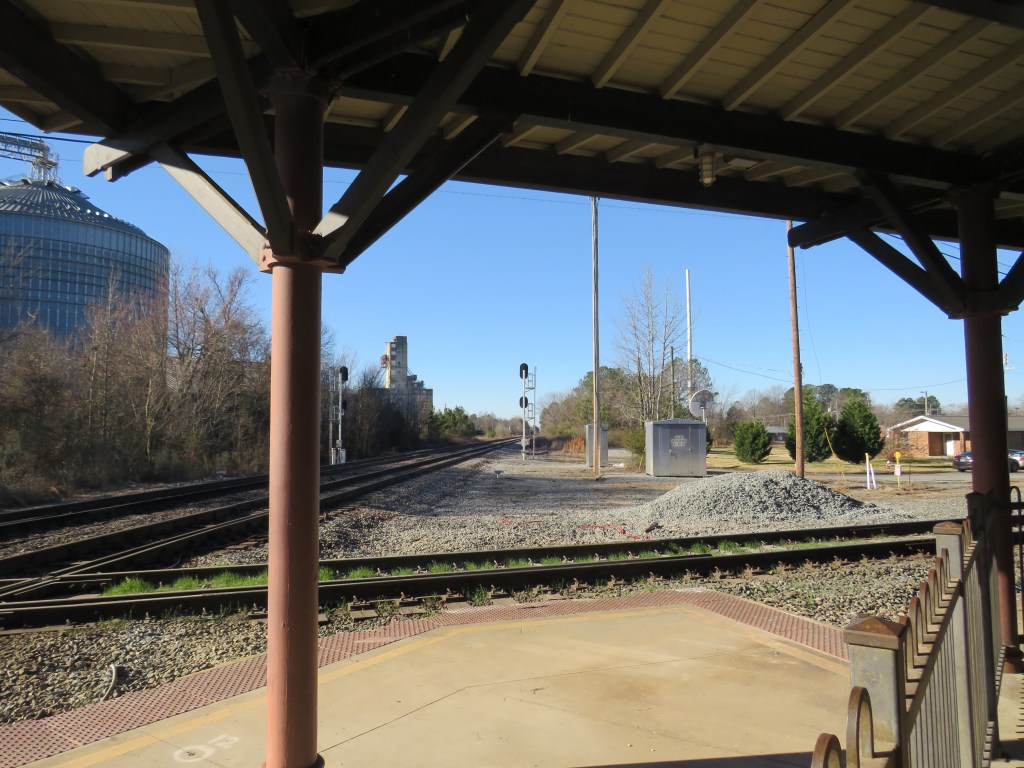
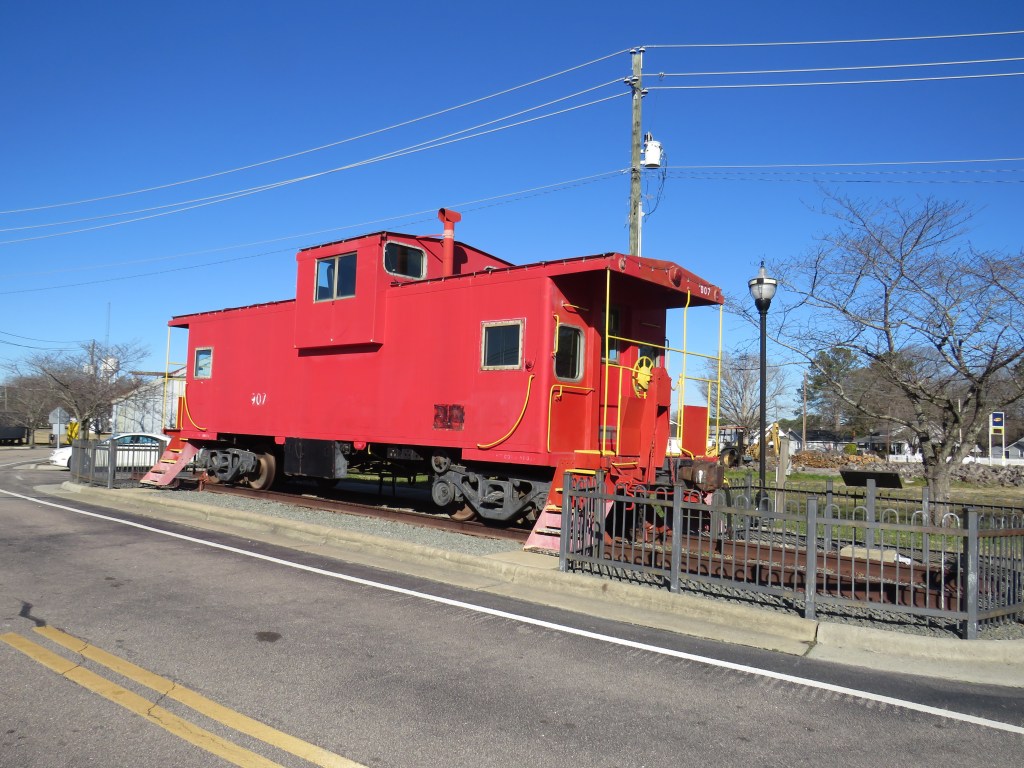
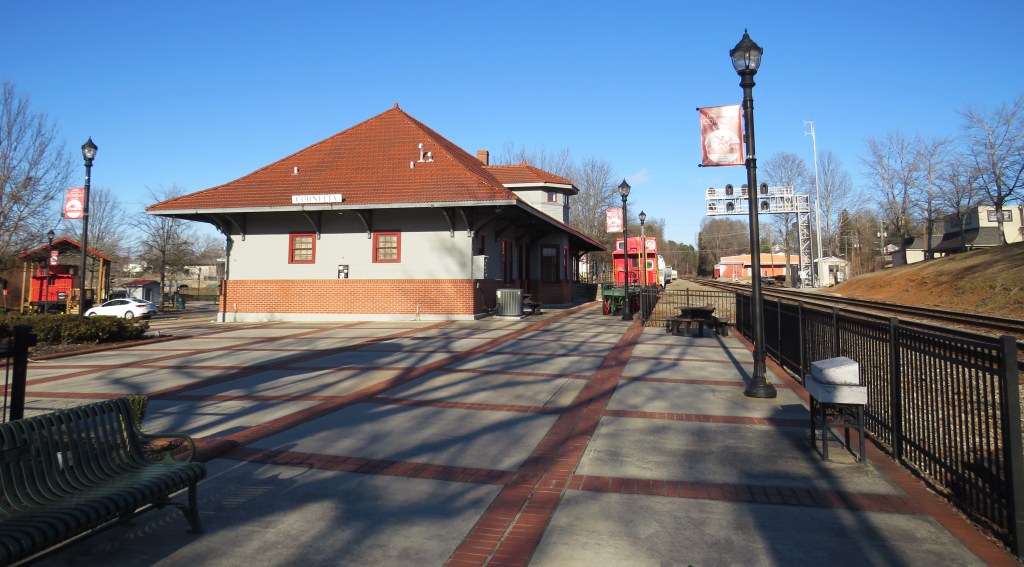
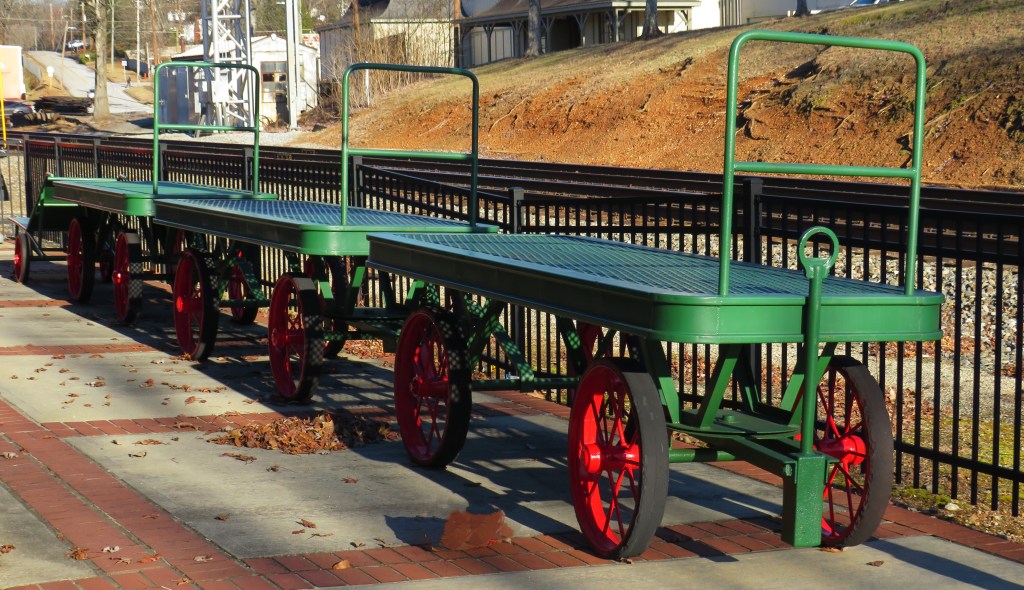
What is known about the railroad line?  At the southern end of the rail trail is an old passenger train station and an old freight house where two old passenger cars and a red caboose are on display.  Between the passenger and freight stations appear to be an area that appears to be the site of an old railroad yard.  The trail runs north from here and ends on the north side of the town. 

Today, the Wayne T. Gilchrist Trail is the only reminder of Chestertown being a railroad town.  It is a reminder of how the railroad was a big part of small town America.

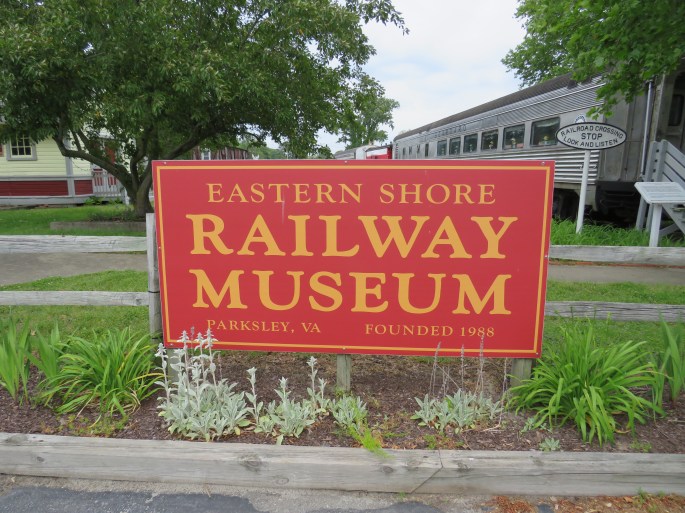
The Eastern Shore Railway Museum, Parksley, Virginia

The town of Parksley in the U.S. state of Virginia, a small town on the Delmarva Peninsula is known for its Victorian architecture.  The town was built around a railroad line that was extended south from Pocomoke City in the U.S. state of Maryland to Cape Charles, Virginia which sits at the southern tip of the peninsula. (The railroad line in the Virginia section of the peninsula is now abandoned.)  It you visit the town, the very first thing that you will notice is the numerous rails cars that are resting in this town.  This is the Eastern Shore Railway Museum which celebrates the railroad heritage of the town.

On the outside, you will see the Parksley Depot that was once used for passenger service.  The depot was originally the Depot of Hopetown, Virginia that was brought to the museum and sits on the site of the original Parksley Depot.  You will also see a section of the foundation of the old 1886 depot that was unearthed while clearing the land for the museum.  You can stand in the same spot where passengers stood to wait for the train.  The platform is made with bricks that were used at the train station in Ocean City, Maryland.  You will see a dining car from the Seaboard Airline Railroad.  You see an old maintenance shed and a guard house that was used before crossing gates came along.  You see an old Pennsylvania Railroad Box Car, the Fairfax River, a Pullman sleeper from the Richmond, Fredericksburg and Potomac Railroad, another sleeper car, a baggage car and two cabooses: one from the Nickle Plate Road and an old Wabash caboose.  There is so much to see, and you have not even gone inside yet.

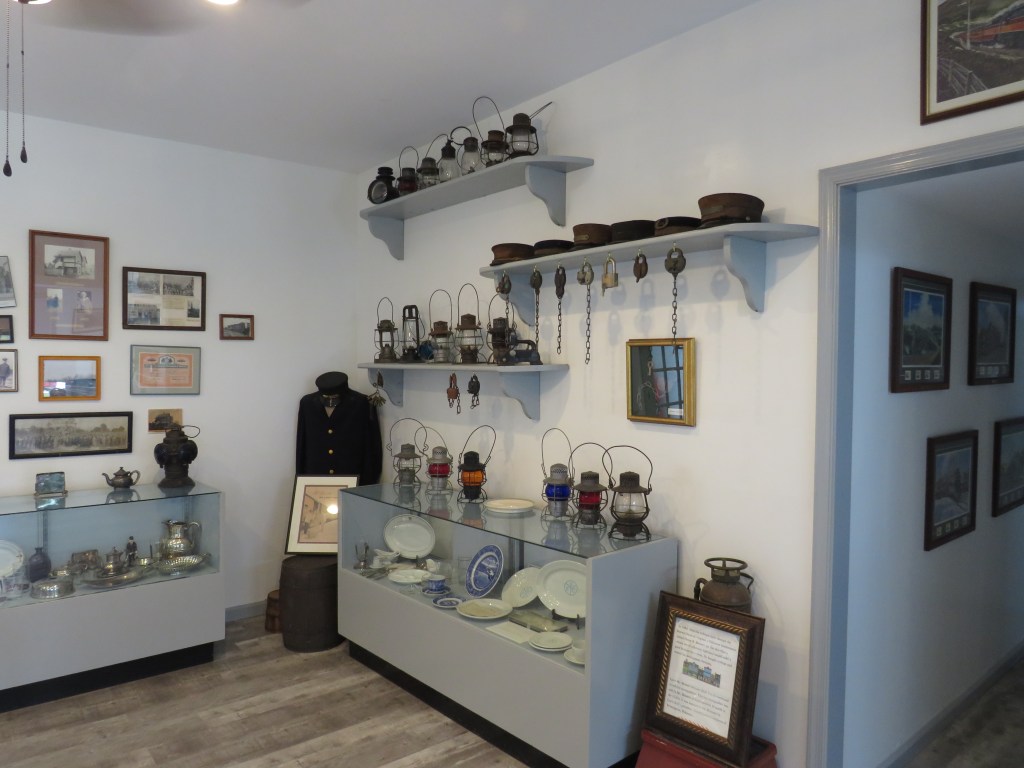
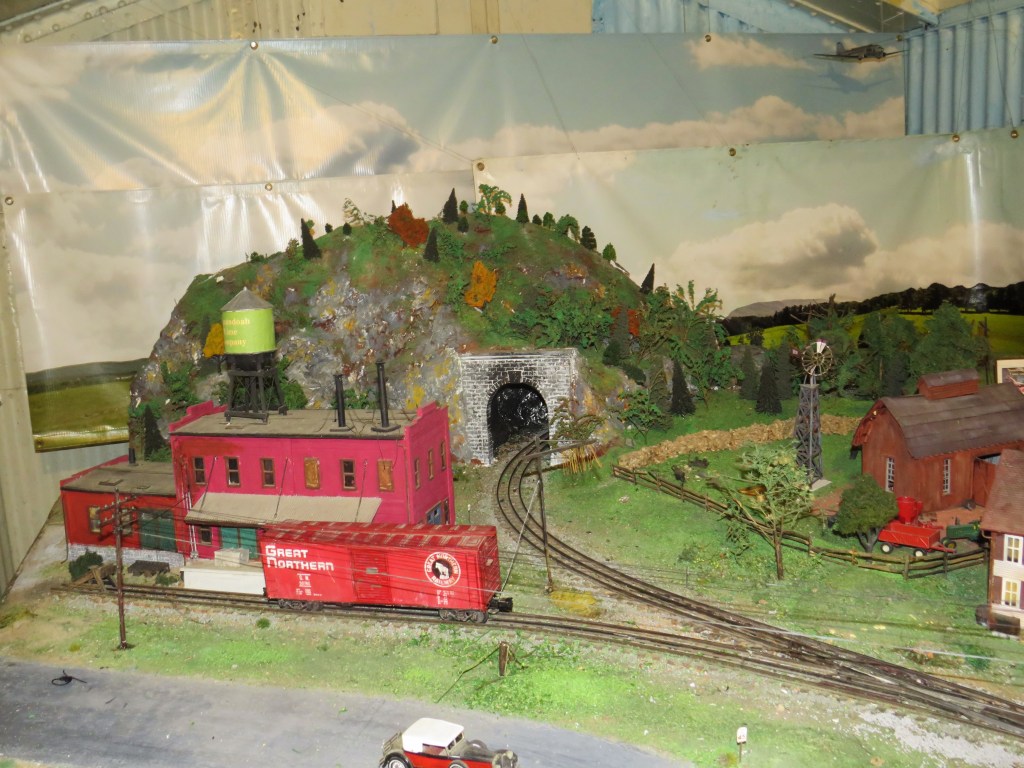
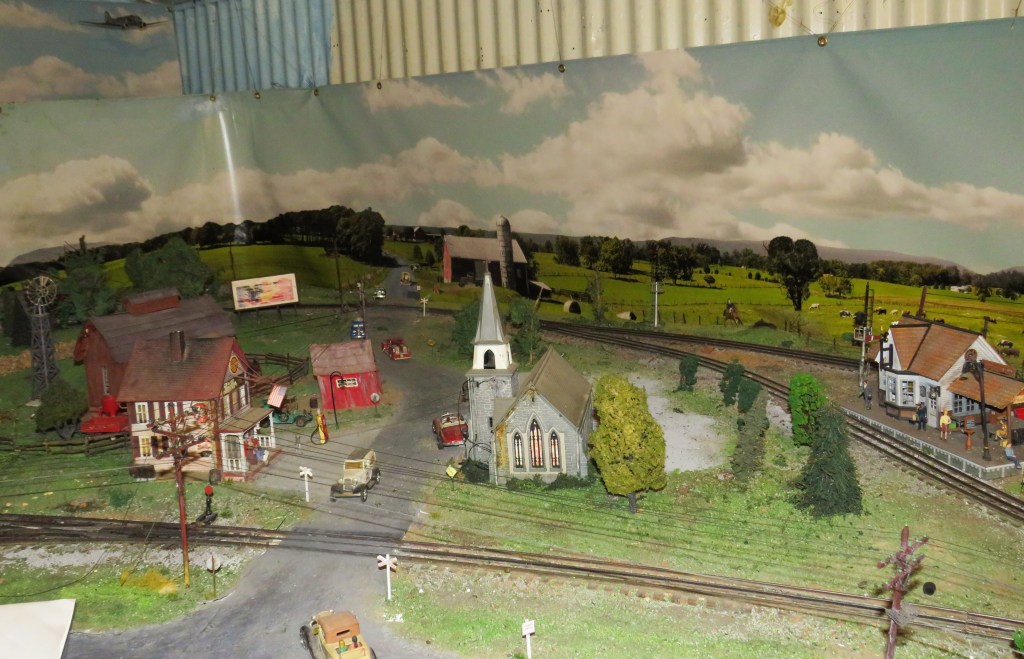
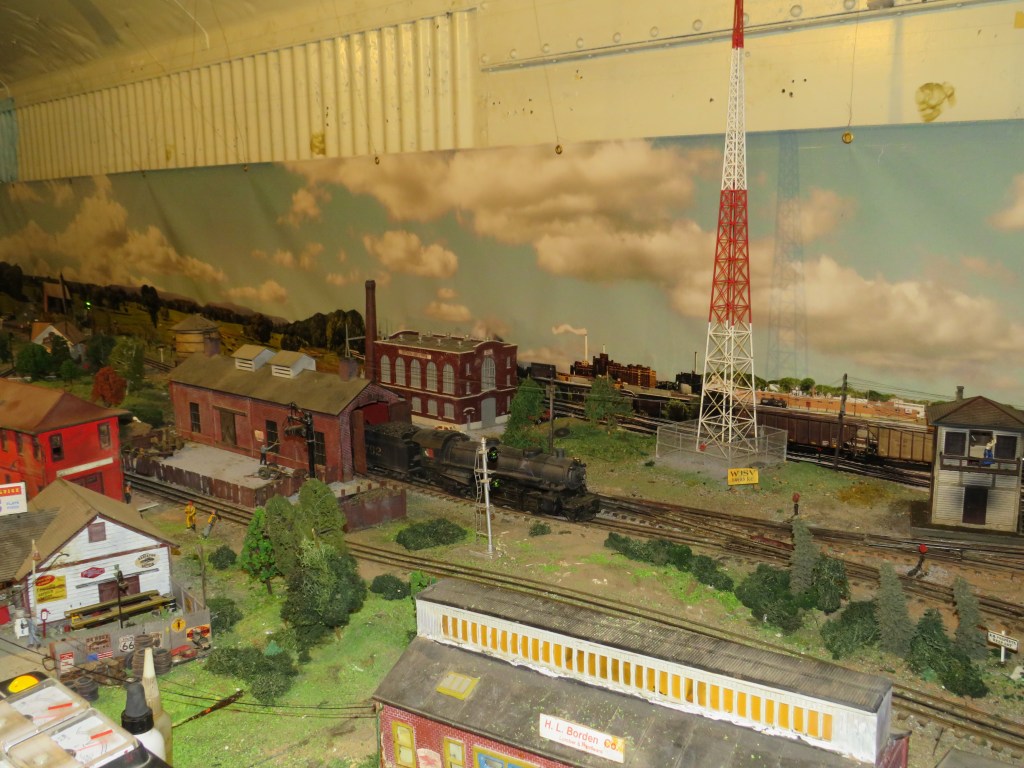
On the inside, you will see the gift shop, a small model train display, a maintenance car, a luggage carrier and artifacts from the days when regular rail service came to Parksley.

The Eastern Shore Railway Museum is located at 18468 Dunne Avenue in Parksley, Virginia, just minutes from U.S. Route 13 at the intersection of Virginia Route 176 and Virginia Route 316.  Admission is free, but donations are greatly appreciated.  The gift shop, model train display and inside areas are open from April to November, but the grounds are accessible all year round.  A drive along Virginia’s Eastern Shore would not be complete without a visit to Parksley and to the spot that the town originated from.

The Strasburg Museum, Strasburg, Virginia

Many of you have heard of the town of Strasburg in the U.S. state of Pennsylvania.  The town, a suburb of Lancaster, is famous for the Strasburg Railroad, a short line railroad that is the oldest continuously running railroad in the United States of America.  There is also a small town called Strasburg in the U.S. state of Virginia.  Located about seventy-five miles west of downtown Washington D.C. in the Shenandoah Valley, it is the home of the Strasburg Museum.  What is the Strasburg Museum?  Well, it is a museum that tells the story of life in the region around the town to include the industries like pottery and other small town industries.  If you are in the area of Strasburg, Virginia, you will want to visit the Strasburg Museum.

Some of you are saying, “This is nice.  I love the Strasburg Railroad in Pennsylvania.  As for Strasburg, Virginia, it is not as famous as being a railroad town as the Strasburg in Pennsylvania.  Therefore, you will not see me at the museum.”

So why visit the Strasburg Museum?  If you say that it is not a railroad town, you would not be telling the truth.  In 1861 during the American Civil War, General Thomas ‘Stonewall’ Jackson of the Confederate Army led the charge where he and his men hijacked the rolling stock of the Baltimore and Ohio Railroad in West Virginia.  This was known as ‘The Great Train Raid’.  What does this have to do with Strasburg, Virginia?  The rolling stock was transported to the location of the museum and set on railroad tracks and then sent to North Carolina to be repair and to be used by the Confederate Army.

Some of you are saying, “Now I have learned something new, but the museum is about the region around the town and not about trains.”

Ladies and gentlemen, you are wrong again.

Strasburg, Virginia was a railroad town that was served by the Southern Railway, The Baltimore and Ohio Railroad, and the Manassas Gap Railroad.  (All of the railroads in Strasburg are under the ownership of the Norfolk Southern Railway today.)  It may not be as famous as the town in Pennsylvania, but this town does have a deep history with the railroad.  As you approach the Strasburg Museum, there is something that you will notice.  Yes, it is next to a railroad crossing, but many places are next to a railroad crossing.  The first thing you will notice is the building.  What it special about the building?  The building is an old pottery factory that was, in 1913, converted into a train station for the Southern Railway with freight and passenger service.  You walk around the old station, you will see an old caboose and an old baggage car both from the Southern Railway.

You enter the museum through the gift shop.  You then enter the main hall.  You see the different displays on life in the region to include a room dedicated to pottery and an exhibit dedicated to the railroad history of Strasburg, Virginia.

Some of you are saying, “Is that all?”

The answer to that question is no.  You do have the caboose and baggage car.  The caboose is your typical caboose that you can walk through and climb into the cupola.  Then you have the baggage car.  In the baggage car is where you will find a model train display.

Some of you are saying, “Oh great.  Another model train display where you see the model trains go round and round and round and round.”

Ladies and gentlemen, this is not your typical model train display.  It is only operational on Saturday, and there is a timed entry.  Why?  If you only enjoy model trains that just go round and round and round, this is not for you.  If you enjoy something completely different, get ready for an experience.  You enter the baggage car, and you see the model train display set up with its buildings and other structures.  You watch the trains, but then it gets dark.  No.  It is not a power outage.  It is taking you into the display itself.  The moon even comes out for the evening, but it is really afternoon.

The Strasburg Museum is designated as a National Historic Landmark.  It is located at 440 East King Street (Virginia Route 55) in Strasburg, Virginia east of U.S. Route 11.  It is open from May to October on Friday, Saturday, and Sunday from 10:00am to 4:00pm.  Parking is on site.  Please note that the museum only accepts cash.  Also, the main hall has two floors of exhibits and the upper floor is not wheelchair accessible.  You can get more information on the museum and the history of Strasburg, Virginia at https://strasburgmuseum.org/.

Strasburg, Virginia may not have the Strasburg Railroad, but it does have the Strasburg Museum.  It has much history on display.  Make the trip.

The Age of Steam Roundhouse, Sugarcreek, Ohio

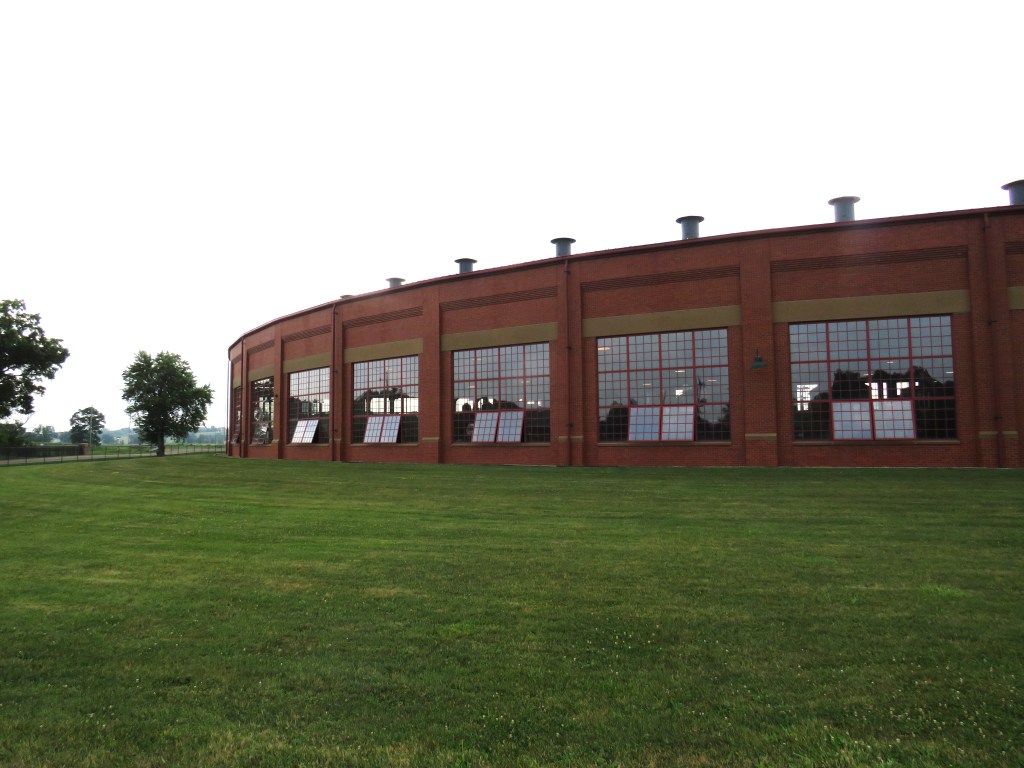
What is the Age of Steam Roundhouse?  In the early years of railroading, roundhouses were needed to service the steam locomotives.  From the first roundhouse in Baltimore in the U.S. state of Maryland, now the home of the Baltimore and Ohio Railroad Museum, to roundhouses across the United States of America, they were a very essential part of the movement of the railroad.  When the steam locomotives which had to be serviced after one hundred miles of operation were replaced by the diesel locomotives that could run hundreds of miles of operation before they needed maintenance, the railroad roundhouse became obsolete.  Although most of the old roundhouses were preserved like the Mount Clare Roundhouse in Baltimore, many were demolished.  With many of these roundhouses in small towns, the closure of the roundhouses meant fewer jobs in the small town causing many small towns to decline.  The era of the railroad roundhouse was no more.

With the railroad roundhouse obsolete, there will be no need to build a roundhouse ever again.  A man named Jerry Joe Jacobson did not think so.  Who is Jerry Joe Jacobson?

Originally from Lancaster in the U.S. state of Pennsylvania, a city famous for the Amish lifestyle and is home to the famous Strasburg Railroad, the oldest continuously operating railroad in the United States of America, Jerry Joe Jacobson made his way to the U.S. state of Ohio where his work on the railroad began with passenger excursions in the area around the small town of Sugarcreek.  It was here where he built a roundhouse.

Some of you are saying, “Wow!  He built a roundhouse, and that roundhouse is just a museum that just collects rolling stock, and people go and see the locomotives and old passenger and freight cars.”

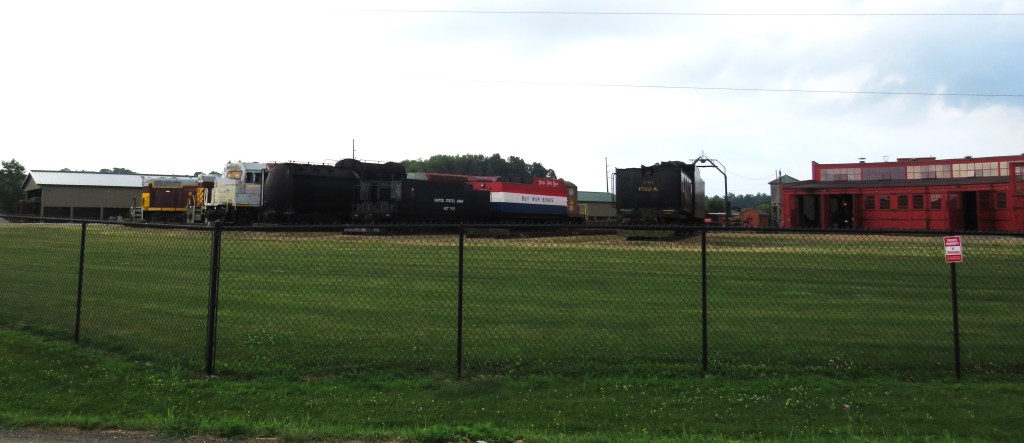
Ladies and gentlemen, welcome to the Age of Steam Roundhouse.  Jerry Joe Jacobson founded the Age of Steam Roundhouse with a collection of steam locomotives.  Yes, it is a museum, but it is also an actual working roundhouse.  As mentioned, it is an actual working roundhouse.  Yes, locomotives and rolling stock are serviced here.  During your visit, you may be fortunate to see restoration of a locomotive or freight car.

There are many railroad museums across the nation.  Some of these railroad museums are housed in old roundhouses.  What makes the Age of Steam Roundhouse special is that it is a newly built roundhouse with vintage steam locomotives from different railroads as well as diesel locomotives, old passenger cars, freight cars, and cabooses.  The founder, Jerry Joe Jacobson, passed away in 2017, and he is entombed in a mausoleum just a short walk from the roundhouse.

The Age of Steam Roundhouse is located at 213 Smokey Lane Road SW south of the town of Sugarcreek, Ohio off of Ohio State Route 93.  Different guided tours are offered on Thursdays, Fridays, and Saturdays from April into November with events throughout the year.  (Please note that due to safety reasons and the fact that this is a working facility, all tours are conducted by a tour guide.  Self-guided tours are strictly prohibited.)  Parking is on site, and the facility is wheelchair accessible.  You can get more information on tours (there are different tours offered), admission, events, read more into the life of Jerry Joe Jacobson and into the Jerry and Laura Jacobson Foundation, Inc. at https://ageofsteamroundhouse.org/.

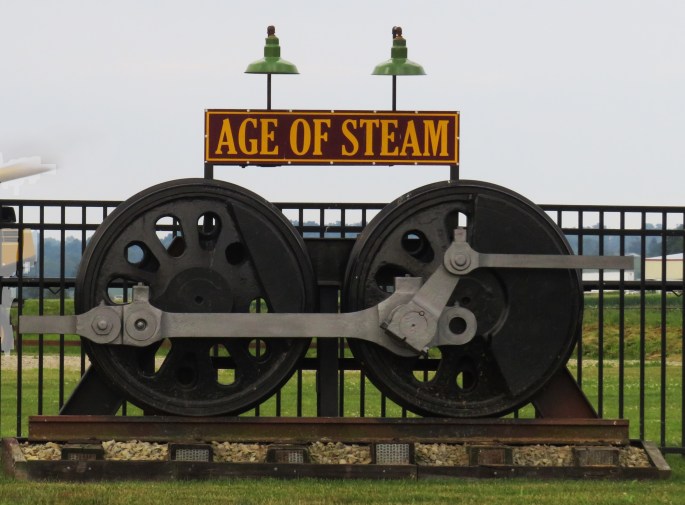
It is called the Age of Steam Roundhouse to remind everyone of the era of steam railroading and the steam locomotive.  As you are taken on the tour, you will be taken back in time.

The Harold Richard Plumley Memorial Bridge, Prince, West Virginia

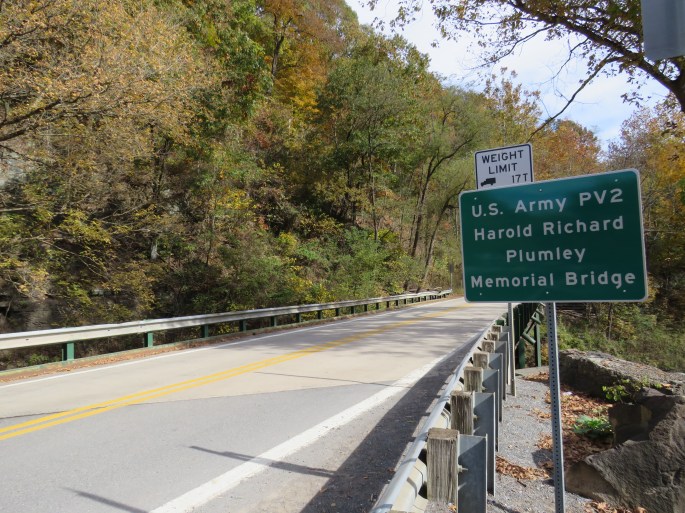
The small town of Prince in the U.S. state of West Virginia is a small town in the southern region of the state on the New River inside the New River Gorge.  This small town owes its existence to the coal industry and a passenger train station that was built by the Chesapeake and Ohio Railway, and it remains an active train station today with service from Amtrak.  As you drive through the town on West Virginia Route 41, you come upon the U.S. Army PV2 Harold Richard Plumley Memorial Bridge crossing over what is now the CSX railroad line.  Many of you are wondering who Harold Richard Plumley is, and you are wondering what is special about him that they would name a bridge after him.

Harold Richard Plumley was born on March 22, 1934, in the town of Prince, West Virginia.  As a child and a young man, he spent much of his time around the railroad.  On his way to school, he would walk through the Strecherneck Tunnel, a railroad tunnel built by the Chesapeake and Ohio Railway, and it is still in use by the CSX Railroad today.  He later became an employee of the Chesapeake and Ohio Railway working around the New River Gorge.  In 1952, he was drafted into the U.S. Army.  He would depart the town of Prince by train from the old train station.  Sadly, it was the last time his friends and family would see him… alive.

Harold Richard Plumley fought in the Korean War, and he fought in the Battle of Outpost Harry where he was killed in battle on June 11, 1953.  His remains was brought by train to the same train station that he departed from when he went to war.

Years later, efforts were organized to have the bridge named in honor of Harold Richard Plumley.  A bill to have the bridge named for Plumley was erected in Charleston, the state capitol of West Virginia, by a delegate named William Ridenour.  The bill passed unanimously in both the State House and the State Senate.

On Thursday, October 25, 2023, a ceremony was held in the town of Prince, West Virginia.  The United States Army Private Harold Richard Plumley Memorial Bridge was dedicated.  In attendance was William Ridenour, a representative of West Virginia Senator Joseph Manchin, Harold Plumley’s brother and two sisters, reporters from two local television stations, and members of the Chesapeake and Ohio Railway Historical Society.

The U.S. Army PV2 Harold Richard Plumley Memorial Bridge is located on West Virginia Route 41 in Prince, West Virginia on the west side of the town crossing the CSX rail line.  It is eight miles northeast of Beckley and U.S. Route 19 and Interstates 64 and 77, and twelve miles south of U.S. Route 60 and Babcock State Park.  (It is the home of the world famous Glade Grist Mill.)  Other than an automobile, the only other way the town can be accessed is by Amtrak.  Please note that there is no parking at the bridge itself.

Many of us wish each other a Happy Memorial Day, but to those who lost their friends and family who were serving in the United States Armed Forces, it is not a happy day as they spend the rest of their lives without them by their side.  Let us spend this day remembering those men and women who sacrificed their lives so that we could live ours.  Harold Richard Plumley was among those who gave his life for his country.  May we forever be grateful for his service.

Please note that the photograph of Private Harold Richard Plumley is courtesy of the Chesapeake and Ohio Railway Historical Society who owns the copyright and has granted permission to use this photo for the article.

City Island Railroad, Harrisburg, Pennsylvania

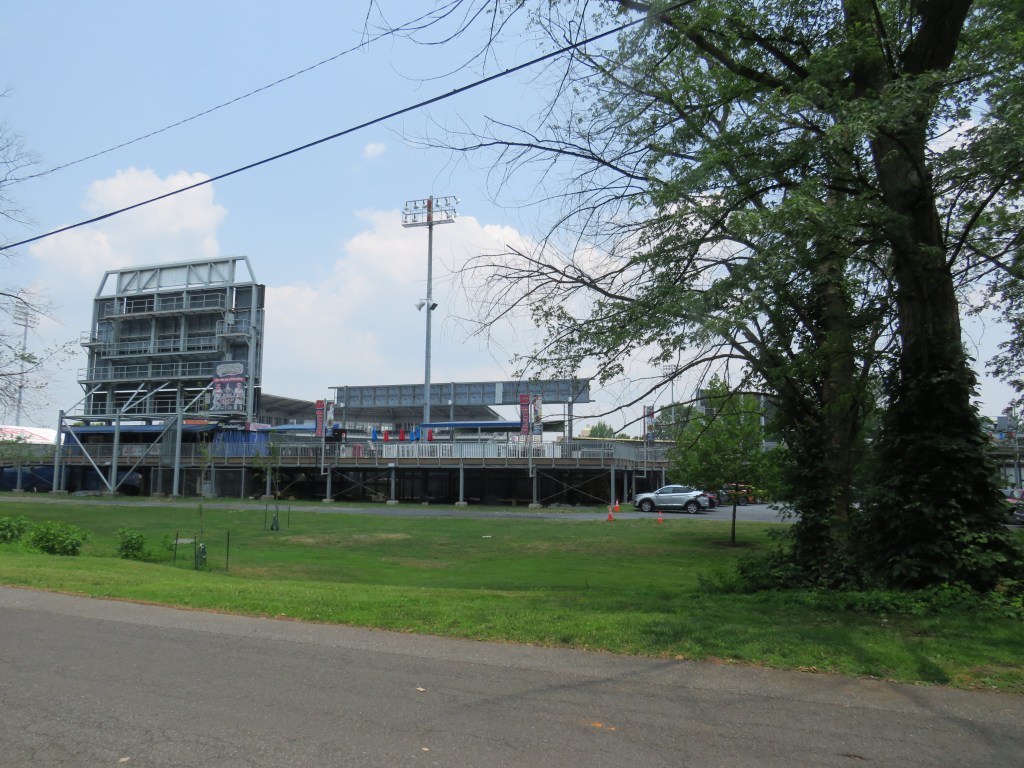
Harrisburg, the capital city of the U.S. state of Pennsylvania, is not known a city that is on many lists of cities to visit, but it should be.  One of the city’s famous suburbs is Hershey which is known as the Chocolate Capital of the World and is where the Hershey Chocolate Company was founded by Milton Hershey, and the company is still headquartered there today.  What about the city itself?  Of course, the State Capitol is here, but it also has great museums like the National Civil War Museum and the Pennsylvania Fire Museum.  The downtown area rests along the Susquehanna River, the longest unnavigable river in the United States of America with its beginnings in the U.S. state of New York passing through the east central region of Pennsylvania past Harrisburg before it continues into the U.S. state of Maryland and into the Chesapeake Bay.  South of the city, there are four dams which forms the scenery around Harrisburg today.  One of the things formed by the four dams is City Island located in the middle of the river.  What is special about City Island?  Well, it is a playground for the city, and the Harrisburg Senators, a professional minor league baseball team affiliated with the Washington Nationals, have their stadium here.  If you visit Harrisburg, you will be totally amazed  with a visit to City Island.

Some of you are saying, “This is wonderful.  I love chocolate.  The city of Harrisburg is probably a great city.  As for City Island, it is just an island in the river that is just another tourist destination.  Therefore, I will not bother visiting this island.”

What is special about City Island in Harrisburg, Pennsylvania?

When you arrive in the city of Harrisburg, Pennsylvania, particularly if you arrived crossing the Susquehanna River, the very first thing you will notice is that many railroads pass through here.  The electrified section of Amtrak has a terminus here.  There are many railroad arch bridges across the river, and the famous Rockville Bridge, located in the suburb of Rockville, is just north of the downtown area.

This brings us to City Island.  What is special about City Island?  As mentioned, the baseball stadium home of the Harrisburg Senators is on the island.  The Walnut Street Bridge, an old steel truss street bridge that is now a pedestrian bridge, connects people with downtown and the western suburbs.  It is the home of the ‘Pride of the Susquehanna’, a riverboat that is a pleasure to ride as you get great views of the river as well as the downtown region.  It has a miniature golf course, a carousel, and it is the home of the Harrisburg Beach Club.  As you enter City Island, there is an important crossing you must make.  What is that crossing?  The first thing you will see is the City Island Railroad.

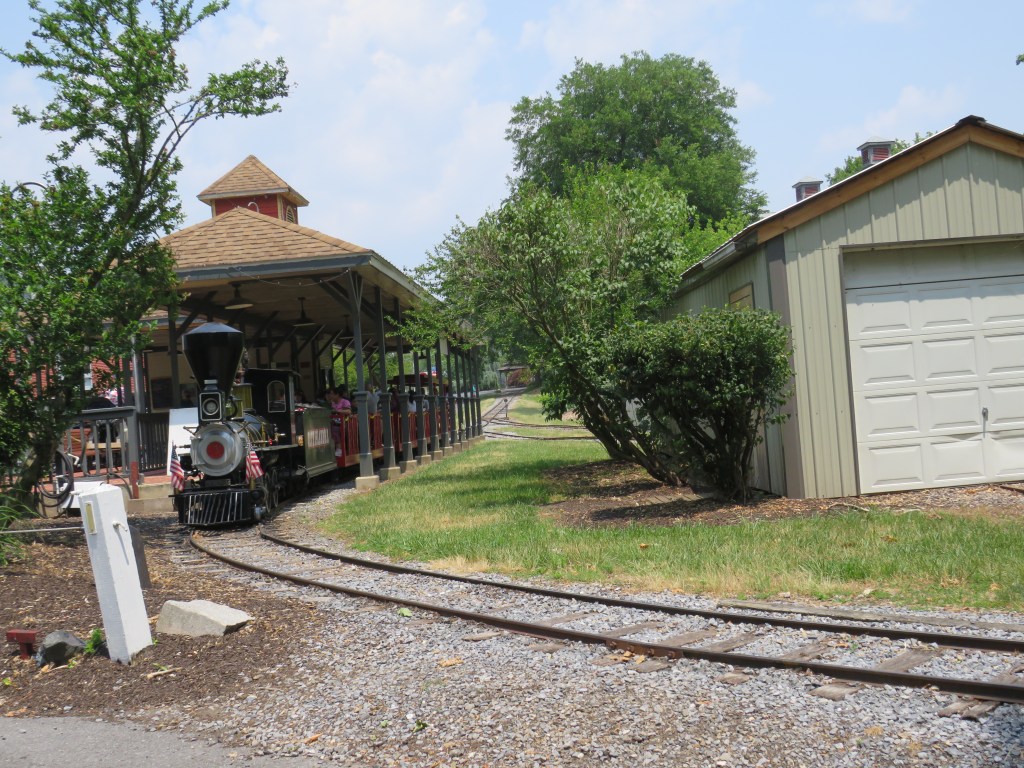
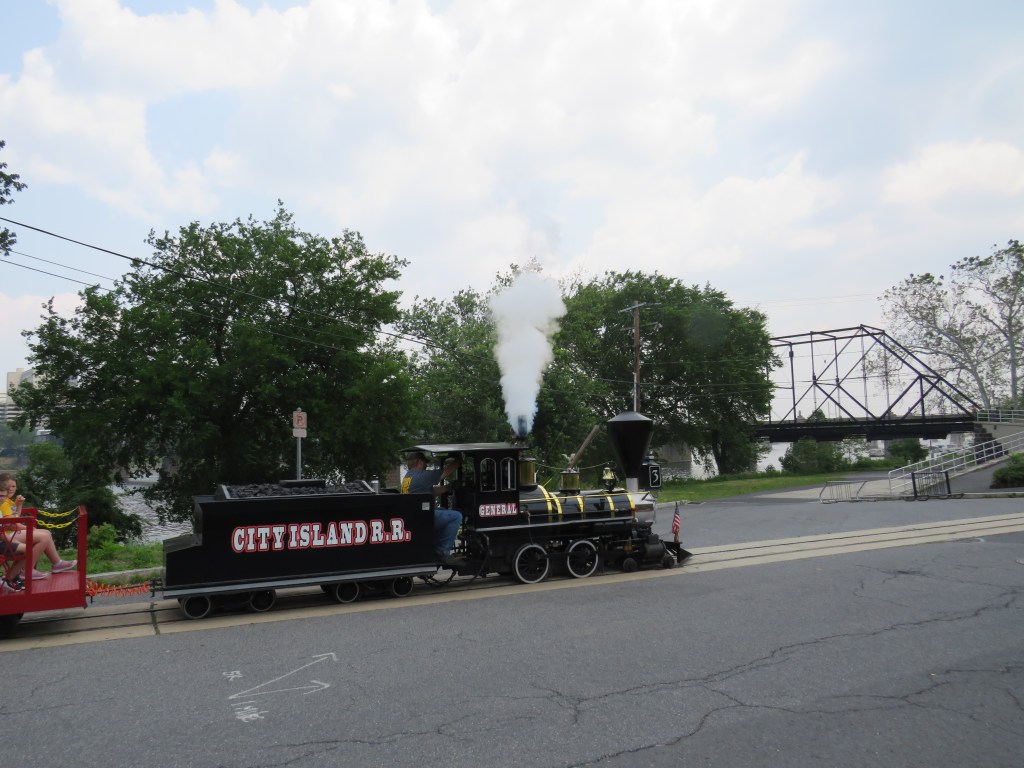
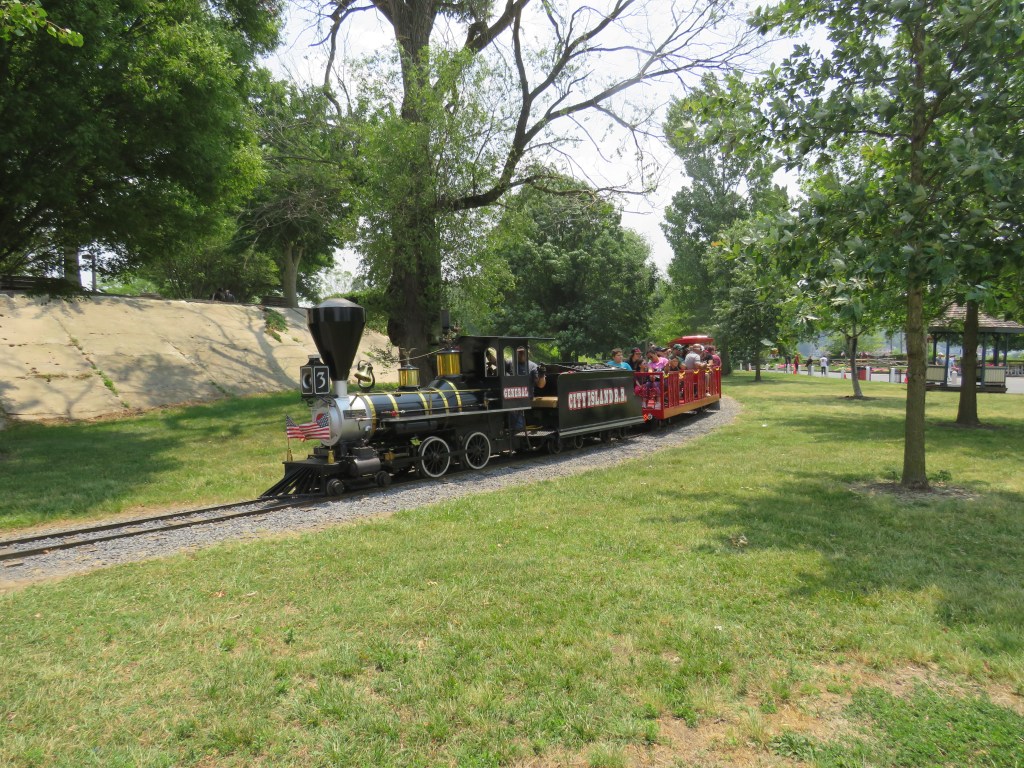
City Island is walkable for most people and is mostly wheelchair accessible, but the City Island Railroad is a great way to see the island.  It is a miniature train pulled by a replica of an American Civil War era steam locomotive.  A ride on the train takes you around the stadium.  It takes you past the miniature golf course and beach club.  You pass by the dock of the Pride of Susquehanna.  Most important, you get great views of the river during your entire ride.

The City Island Railroad begins at the Walnut Street Station which is a short walk from the parking lot and Walnut Street Bridge.  If you visit City Island, it will be a great compliment to your visit.

The City Island Railroad runs mainly in the summer months.  It is located on City Island which is accessible from the Market Street Bridge which crosses the river between downtown and the western side of the river.  Admission is required to ride the train.  There is parking available.  It is mainly free, but you may pay for parking during stadium events.

The city of Harrisburg, Pennsylvania has many great places to see.  The City Island Railroad is worth your visit.  You will be glad you did.

Mitchener Station, Selma, North Carolina

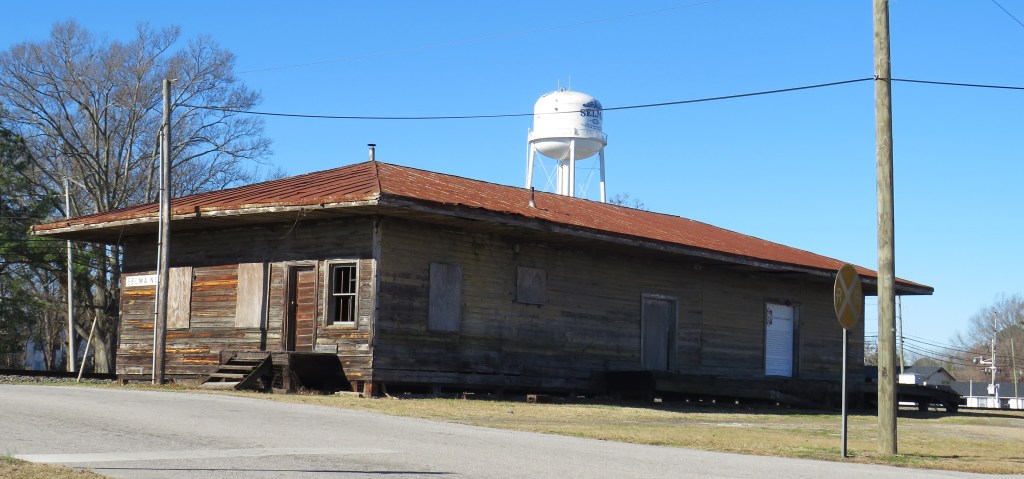
The town of Selma in the U.S. state of North Carolina is home to a train station that sits at the crossing of two major railroad lines.  The town has a history with the railroad that goes back to before Selma became an official town.  Mitchener Station, the town’s original train station, was built in 1855.  Today, it is currently abandoned as it rests just a short ways from the current Union Station where Amtrak stops today.

Some of you are saying, “If it is abandoned, why do they not just demolish it?”

It is an old train station.  Many do get demolished.  However, Mitchener Station in Selma, North Carolina is not just a rotting train station.

What is special about Mitchener Station?  As mentioned, it was built in 1855 long before the town was chartered.  It is also the oldest surviving train station in North Carolina.  Is that it?  The answer is no.  The train station was also controlled by the Confederate Army during the American Civil War.  The North Carolina Governor met with the soldiers.  They occupied the station until the Union Army attacked the station causing the Confederate Army to flee.

Today, there are attempts to restore the train station.  As for now, it is not open to the public.  It is in its original location at Railroad Street and Railford Street one block east of U.S. Route 301 and minutes from Interstate 95.

Alberta Caboose, Alberta, Virginia

The small town of Alberta is located in the southern region of the U.S. state of Virginia.  Yes, the name of the town is Alberta.  (Whether it is named after the Canadian province is unknown.)  In this small town in the center of the town is a caboose.  How is the caboose here?  This town has no railroad.  Well, the town was once served by two railroads, and there was heavy rail traffic in its heyday.  Like many small towns, service declined, and the railroads were forced to abandon the town.

Some of you are saying, “This is nice, but many small towns in the United States of America have declined from the lack of the railroad.”

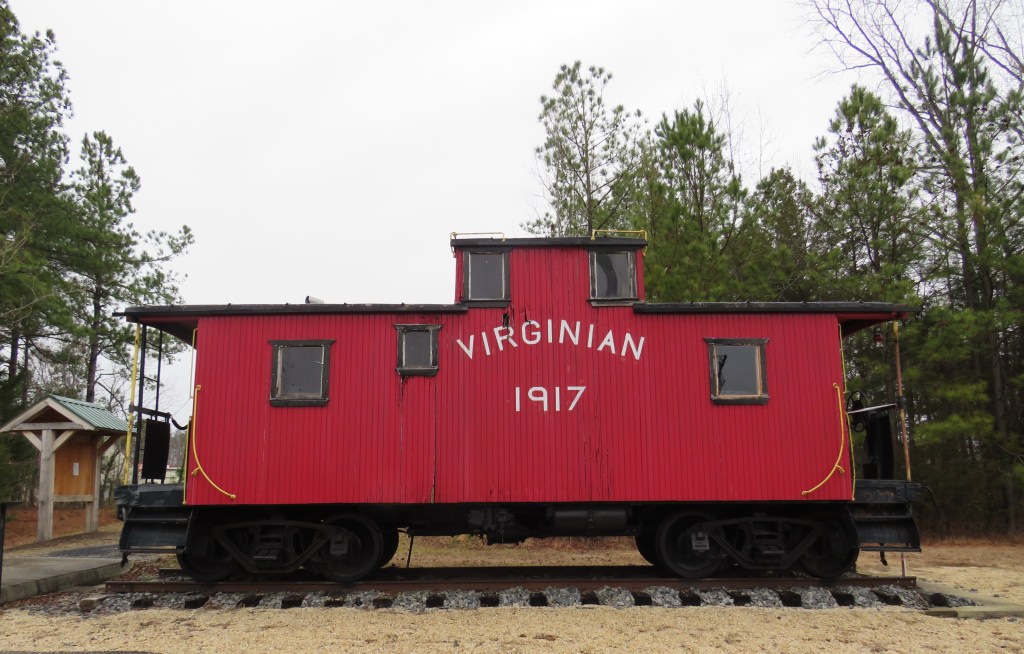
Even though Alberta, Virginia looks like a ghost town today, the Alberta Caboose reminds everyone about the railroad heritage.  The caboose is from the Virginian Railway and sits near the old railroad bed of the Virginian Railway which is now the Tobacco Heritage Trail which runs across the southern region of Virginia as a reminder of how the Virginian Railway and, later, the Norfolk and Western Railway was a big part of the tobacco industry.

What about the caboose itself?  As mentioned, it was used by the Virginia Railway.  It was donated to the town in memory of Earl Walter Wilkinson.  Who is Earl Walter Wilkinson?  He was a devoted employee of the Norfolk and Western Railway.  Like many cabooses that you once saw on the end of freight trains, it was preserved and put on display.

The Alberta Caboose is located in the Town Square in Alberta, Virginia at 123 First Avenue.  It is one block from Virginia Route 136 and minutes from U.S. Route 1 and Interstate 85.  There is a small parking lot for parking.

If you ever visit the town of Alberta, Virginia, it may appear to be a ghost town, but it comes alive with the memory of the railroad.

Historic Union Station, Selma, North Carolina

The U.S. state of North Carolina is one of the original states in the United States of America.  The state is famous for its coastline to include Kitty Hawk where two brothers from Ohio who worked on bicycles successfully made the first successful airplane flight.  It is also the home of the eastern half of the Smoky Mountains National Park, one of the most visited national parks in the nation.  The state has some of the most successful college basketball teams in the nation from Duke University, the University of North Carolina, and North Carolina State University.  In Ashville, you have Biltmore, one of the finest mansions in the nation.  When it comes to railroad history, the state has some great railroad sites.  You have the Great Smoky Mountains Railway in Bryson City, and you have the North Carolina Museum of Transportation in Salisbury that was erected in an old railroad roundhouse, and it is here where the Norfolk and Western Railway’s Number 611, the most photographed steam locomotive in the world, is often serviced.  It is also home to the National Railroad Hall of Fame in Hamlet.  There is a small town that has a little treasure of its own.
Welcome to the town of Selma, North Carolina.  What is in Selma, North Carolina?  It was in this town where Vicks Vaporub was invented in a local drug store.  When you enter the town, you will see that it is a definitely a railroad town.  Mitchner Station, built in 1855, is the oldest surviving train station in North Carolina.  As you arrive at the station, you will see that it is currently not in use.  It was spared from demolition by locals.  You then look down the tracks and see another treasure of the town.
Welcome to Union Station in Selma, North Carolina.

Some of you are saying, “Wait a minute.  Union Station?  This is a small town.”

Selma is a small town, but it is a railroad town, and Union Station, built in 1924, is located at a cross track with a single track line crossing a double track line with a connecting track.  Did any famous people visit here?  If the name “Lady Bird Johnson”, the wife of Lyndon Johnson sounds familiar, she came here to campaign for her husband in 1964 after the Democratic National Convention to campaign for her husband.  During its heyday, this station saw much passenger traffic, but as railroad passenger service declined, service at this station ceased.

Some of you are saying, “And now this train station rots into ruin.”

It did, but a restoration of the station gave it new life.  It houses a museum that tells the story of the town of Selma and the rich history of the town as a major railroad town.

Some of you are saying, “Sadly, it is a museum, and it is no longer an active train station.”

You are wrong.  When the train station was restored, Amtrak restored passenger service to Selma with the Carolinian Route and the Palmetto Route serving the station.  An actual station attendant is in the ticket office on hour before the trains arrive.

No more excuses.  You now have a reason to visit the town of Selma, North Carolina.

The Historic Union Station of Selma, North Carolina is located at 500 Railroad Street, just minutes from Interstate 95 and U.S. Route 301.  The passenger waiting room that houses the museum is open daily from 10:00 a.m. to 5:00pm.  Parking is available on Railroad Street.  The museum and the old passenger platforms is completely wheelchair accessible.  Most important, admission is free.  Plus, you many be rewarded with a passing train.

Cornelia Depot Railroad Museum, Cornelia, Georgia

The United States of America began with thirteen states.  Among those states is Georgia, the largest state east of the Mississippi River.  The state is famous for some of its cities like Atlanta and Savannah, both of which are big railroad cities, but the state has small towns that were shaped by the railroad.  Among these towns is a town in the northern region of the state known as Cornelia.

Some of you are saying, “Here we go again.  It is another one of those small towns that has this old train station that just sits there and it not used anymore, or it has a tiny little museum to let everyone know that trains came to the station.  This is just what these small train stations are.  They are nothing special.  I will not waste my time visiting here.”

Ladies and Gentlemen, welcome to the town of Cornelia, Georgia, the home of the Cornelia Depot Railroad Museum.  Be advised.  If you enjoy boring typical railroad station museums that do not have much to see or have any history to them, then this museum is not for you.

So what is special about the Cornelia Depot Railroad Museum?  When the town was established as a settlement in 1860 and became a town in 1865, there was no railroad here.  The railroad came to the town in 1872 bringing passenger and freight service to the town.  In 1882, another railroad line was built that took passengers to the Tallulah Falls, and it became known as the Tallulah Railway as it passed through the Tallulah Gorge in the northern region of the state.  The town grew around the two railroads.  Sadly, the Tallulah Railway ceased service after World War II, but the original line that brought service to the town remained, and it remains in service today under ownership of the Norfolk Southern Railway.

Today, the train station is no longer active but now houses the museum.  As you arrive, the first thing you will see is a big red apple on an eight foot high pedestal.

Some of you are saying, “Well, it is an apple on a pedestal.  There is nothing special about it.”

Oh, there is something special about this apple.  The town of Cornelia is known as ‘The Home of the Big Red Apple’.  Where does this name come from?  The town is the center of a region where apples are grown, but that is only part of the story.  The apple itself was designed in Winchester, Virginia.  It was brought to the town by way of the Southern Railway who donated the Big Red Apple to the town.

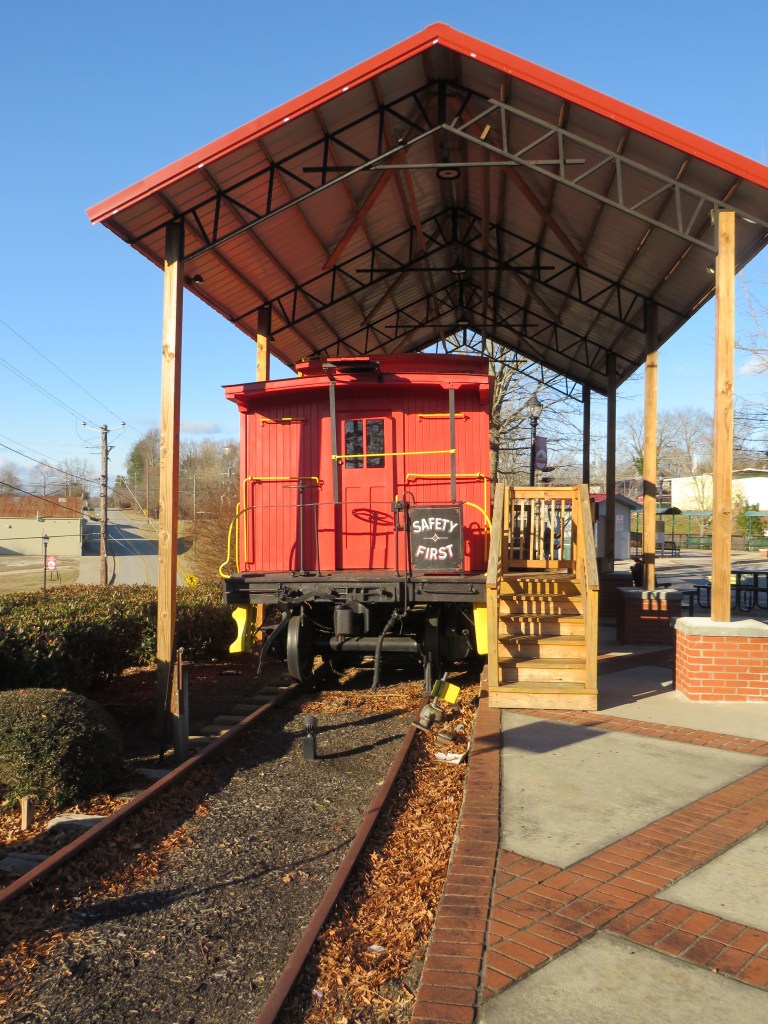
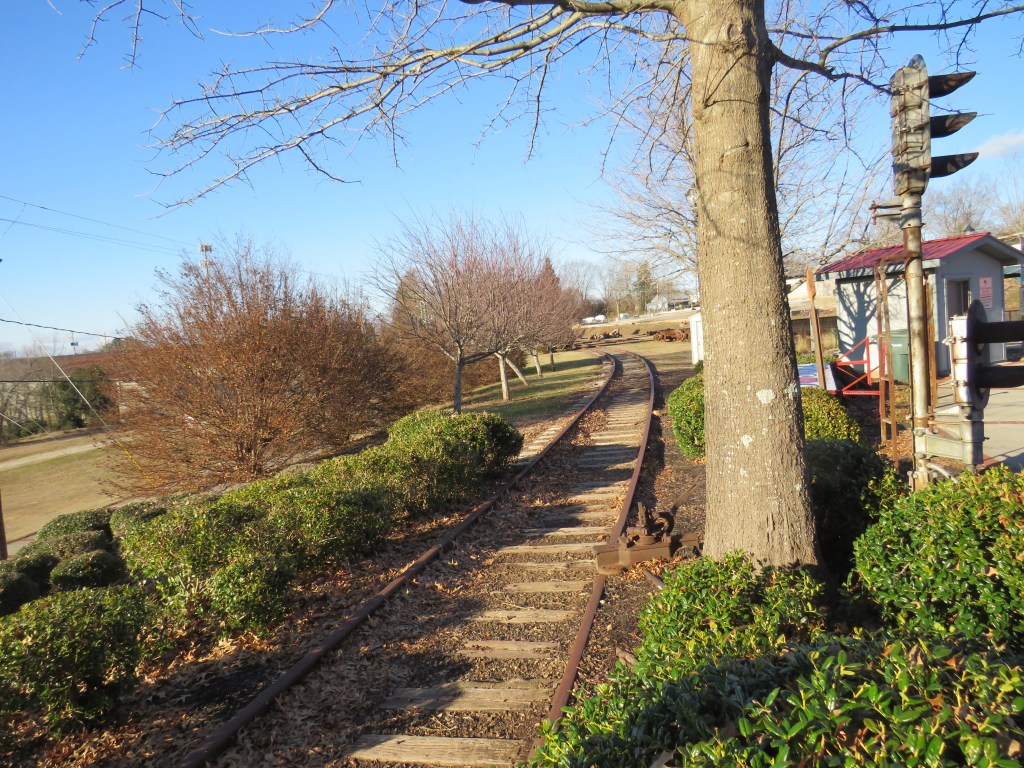
The next thing you will see is a red caboose.  Well, there are two red cabooses, but this one is resting on a track under an overhang.  What is special about this caboose?  It has Tallulah Falls one the side of it.  The caboose is on the old railroad bed of the Tallulah Railway.  A small monument was erected by the caboose showing the route of the Tallulah Railway all the way to Franklin, North Carolina.  The second caboose sits next to the main railroad line.

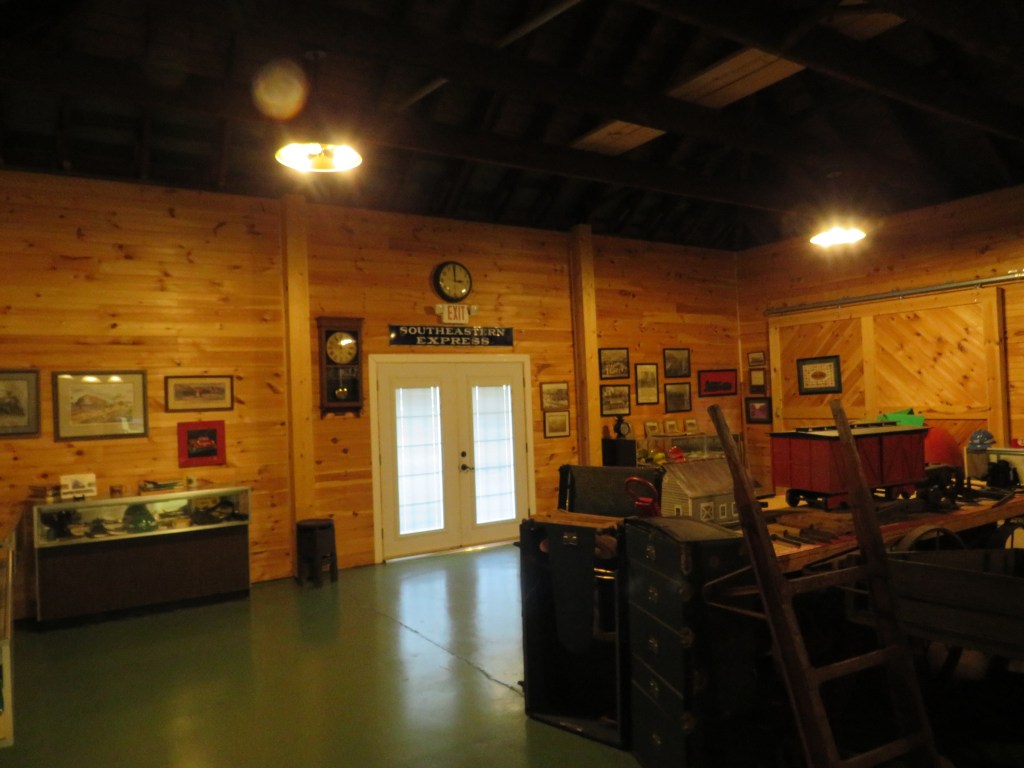
Enough about seeing the outside.  It is time to go into the train depot itself.  You enter the museum and look ahead at the ticket window where the ticket master sat and looked for trains and sold tickets to passengers.  As you look around, you notice that on October 20, 1992, a famous visitor visited the town.  He said to the people, “You made my day.”  Who was this visitor?  His name was George Herbert Walker Bush, the President of the United States of America who came to Cornelia by train.

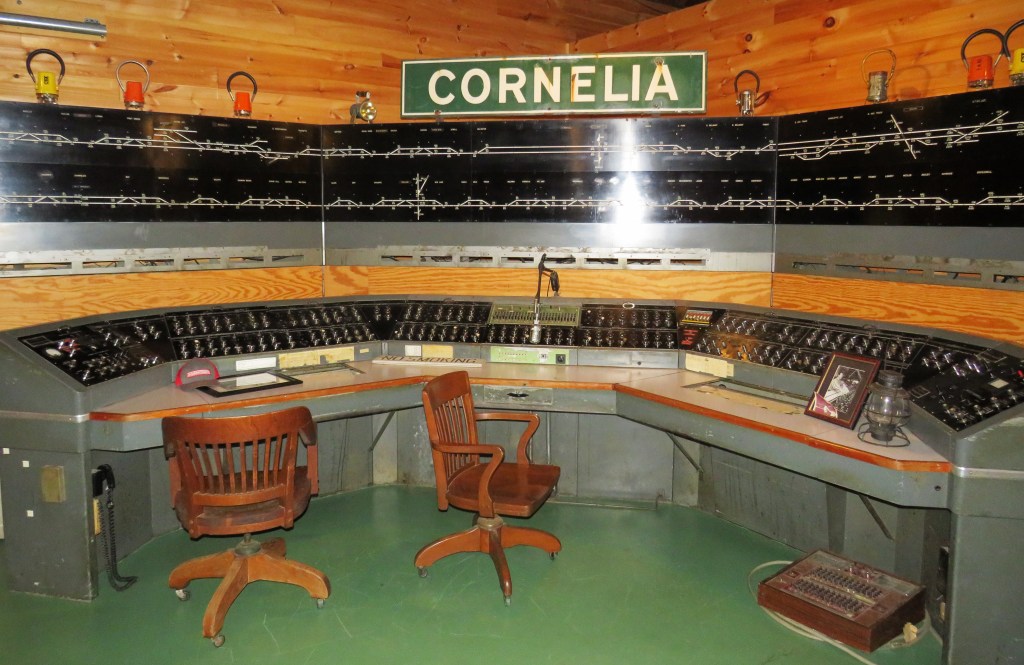
The passenger waiting room and the freight room are full of artifacts from the Southern Railway and the Tallulah Railway.  Among the artifacts is the original switchboard used to switch tracks in the region.

So you think that the Cornelia Depot Railroad Museum is just another small town museum?  You will be surprised when you visit here.

The Cornelia Depot Railroad Museum is located in downtown Cornelia at 102 Grant Street just minutes from U.S. Routes 23 and 441.  Parking is located at the museum, and the museum is wheelchair accessible.  Most important is that admission is free, but they gladly accept donations.  You can get more information about the museum, the museum hours, the history of the town, the other attractions in the region at https://www.corneliageorgia.org/living-visiting/places-of-interest/cornelia-depot-railroad-museum/.

If you are ever in the northern region of the state of Georgia, you will sure want to have Cornelia, Georgia on your mind.  You will be glad you visited.  Maybe get some apple pie or apple juice at ‘The Home of the Big Red Apple’.